





Wondering how to get sponsored on Instagram when your follower count is still growing? Here's the truth — brands aren't chasing big numbers anymore. They want creators with real fans who actually trust them. That opens the door for accounts of every size to start making money.
In this guide, you'll learn the full game plan. We'll cover pricing your posts the right way, creating content brands want to pay for, flipping free product deals into steady checks, and staying on the safe side of disclosure rules. The path is clear, and your first paid deal might be closer than you think.
How to Create a Good Instagram Sponsored Post
Know the Brand First
Before you snap a single photo, dig into the brand. Check their feed, their tone, and what their customers love.
A sponsored post that matches the brand's style feels real, not forced. Skip this step and your post will scream "ad" from a mile away.
Be Honest About the Ad
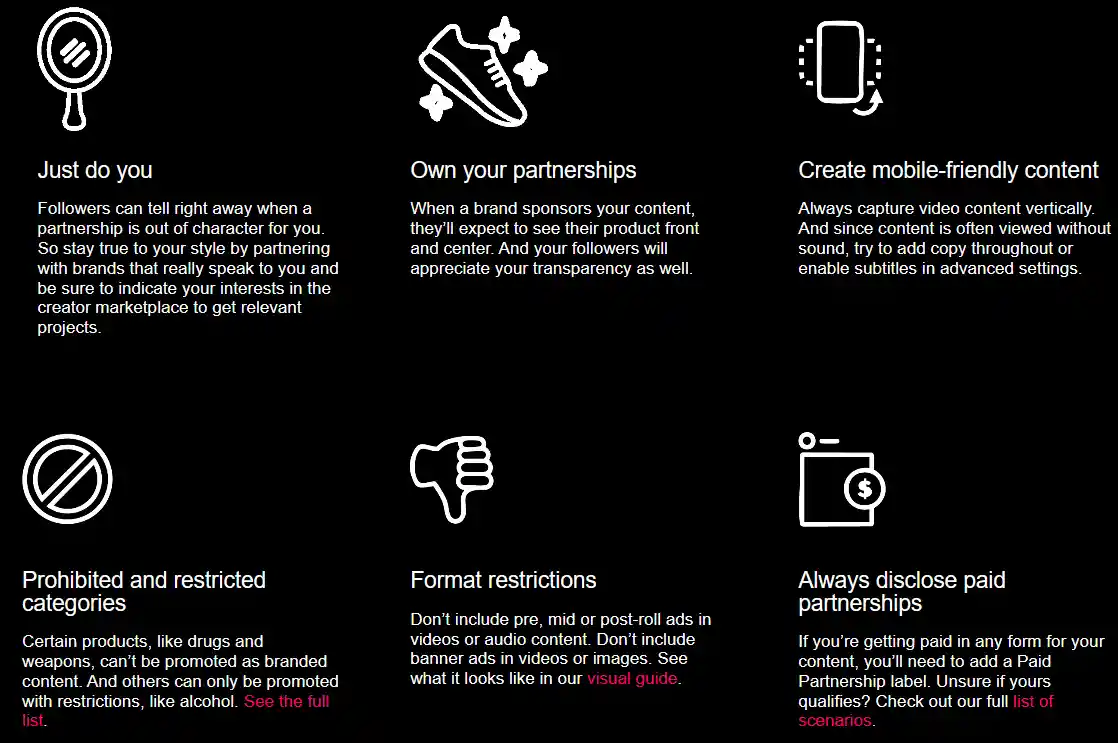
Instagram and the FTC want you to disclose paid posts. Use the "Paid partnership" tag or drop #ad near the top of your caption.
Hiding it can get you in trouble and break trust with followers. Honesty actually makes people respect your recommendation more, not less.
Write a Caption That Pulls People In
Your first line is everything. Followers only see one or two sentences before the "more" button cuts you off. Start strong with these hook ideas:
- Share a quick personal moment with the product
- Ask a question your followers actually care about
- Drop a surprising fact or number
Shoot Photos That Stop the Scroll
Blurry pics get skipped in half a second. Use natural light, clean backgrounds, and show the product being used.
Photo quality matters more than fancy gear—a phone in good light beats a DSLR in a dark room. Take ten shots and pick the best one.
Make It Sound Like You
Your followers came for your vibe, not a copy-paste ad. Keep your voice the same as always. If you're goofy, stay goofy. If you teach, keep teaching.
Posts that sound like a press release lose followers fast and hurt your chances of more brand deals.
Add a Clear Call-to-Action
Tell people exactly what to do next. A weak ending wastes the whole post. Try CTAs like these:
- "Tap the link in my bio to grab yours"
- "Use my code SARAH20 for 20% off"
- "Comment your favorite flavor below"
Post When Your People Are Awake
Even great content flops at the wrong hour. Open your Instagram Insights and check when your followers are online.
Most accounts do well between 6–9 PM local time, but yours might peak at lunch or late night. Post when your audience is actually scrolling.
Reply to Comments Right Away
The first hour after posting matters a ton. Instagram pushes posts with early engagement out to more feeds.
Jump in, answer questions, and chat with people who comment. Brands love seeing this too—it proves you have real followers who care, not just inflated numbers.
What Can You Charge for an Instagram Sponsored Post?
The Basic Rate Formula
A common starting point is $10 per 1,000 followers. So an account with 10,000 followers might charge around $100 per post.
This is just a baseline, though. Engagement rate, niche, and content quality can push that number much higher or lower.
Rates by Follower Count
Here's a rough guide most creators follow:
- Nano (1K–10K): $10–$100 per post
- Micro (10K–100K): $100–$500 per post
- Mid-tier (100K–500K): $500–$5,000 per post
- Macro (500K–1M): $5,000–$10,000 per post
- Mega (1M+): $10,000 and up per post
Why Engagement Beats Follower Count
Brands care more about active fans than huge numbers. An account with 8,000 followers and a 5% engagement rate can charge more than one with 50,000 followers sitting at 0.5%.
Real comments, saves, and shares prove your audience actually listens.
What Changes Your Price
It is not only about numbers. An account with few followers in niche areas such as finance or skin care may earn more than an account with many followers in the category of lifestyles.
Good content, videos, stories, and exclusive rights increase prices. Always consider these in your quotes.
Extras That Add to the Bill
Sponsored work often goes beyond one feed post. These add-ons usually cost more:
- Reels or short videos: add 20–50% to the base rate
- Story slides: $50–$200 each, depending on size
- Usage rights for ads: double or triple the base rate
- Exclusivity (no competitor posts for 30 days): add 30–50%
Don't Forget to Negotiate
The initial offers from the brands will be extremely low. Present them with a higher figure supported by statistics such as engagement rate and audience demographic. Most of the brands anticipate negotiating, hence asking for a higher figure is unlikely to ruin the negotiation process.

What's Really in a Sponsorship Deal (Beyond the Flat Fee)
Spotting Real Offers vs. Time-Wasters
Not every brand email is worth opening. Real partners usually use a company email address, mention a budget range, and share clear details about the campaign and timeline.
Vague messages that offer "exposure" or free product in place of payment are often a waste of time. Ask about payment up front. If they dodge the question or get pushy, move on.
Getting Paid for Whitelisting
Some brands want to take your post and run it as a paid ad from their own account. This is called whitelisting or usage rights. It is not part of a normal post fee.
When a brand boosts your content, they get more reach, more clicks, and more sales from your face and voice. That value should be paid for.
A common add-on is 20% to 50% on top of the post fee, based on how long they plan to run the ad. Always set a clear time limit, like 30 or 60 days.
Handling Exclusivity Requests
Sometimes a brand will ask you not to work with their competitors for a set window, like 60 days. This blocks future income, so it should never be free.
Ask for a higher rate, keep the window short, and make sure the rule only covers direct competitors, not the full category.
How to Turn Free Product Collabs Into Paid Brand Deals
Pick Gifted Deals That Actually Lead Somewhere
Not every free product is worth a post. Say yes when the brand has a real paid budget for bigger creators, sells items above $50, or runs ongoing campaigns.
Pass on tiny brands with no marketing team, products that don't fit the niche, or deals asking for three posts plus stories in exchange for a $15 item. Free work should feel like a foot in the door, not a full-time job.
Track the Numbers That Prove Worth
During a gifted collab, save every useful stat. Brands pay for results, so come prepared with proof. Track these closely:
- Reach and impressions on the post
- Saves, shares, and comments
- Profile visits and new followers gained
- Link clicks or promo code uses
- Story views and sticker taps
Screenshot everything within 48 hours, since Instagram insights disappear after a while.
Send the Follow-Up Pitch
About a week after posting, reach out with hard numbers. A simple message works: "Hi [Name], the post for [Product] brought in 12K views, 340 saves, and 28 code uses.
The audience clearly connects with your brand. For future campaigns, my rate is $250 per feed post or $400 for a Reel plus story bundle.
Open to chatting about a longer partnership?" Confidence and data turn one-time gifts into steady checks.

Compliance Requirements for Instagram Sponsored Posts
Use the Paid Partnership Tag
Instagram has a built-in partnership label that shows up right under the username. Turn it on in the post settings before going live. This tag tells viewers and the platform that money or free product changed hands. Skipping it can lead to shadowbans or removed posts.
Put the Disclosure Above the Fold
The FTC says ad labels must be easy to spot, not buried at the bottom. Place #ad, #sponsored, or "Paid partnership with [brand]" inside the first line of the caption. Followers should never need to tap "more" to learn it's an ad. Hiding it counts as deception.
Add Text Overlays on Videos
For Reels and Stories, words alone in the caption aren't enough. Regulators want a visible disclosure in the video itself. Stick to these rules:
- Use clear text like "Ad" or "Sponsored" on screen
- Keep it visible for at least 3–4 seconds
- Place it where captions or stickers won't cover it
- Say the word "ad" out loud if there's voiceover
Know the Rules in Each Country
Disclosure laws change by region. The FTC handles the US, the ASA covers the UK, and the EU has its own Digital Services Act rules.
Creators with global audiences should follow the strictest rule. A quick check on the brand's home country saves a lot of headaches later.
Understand the Penalties
Breaking the rules costs real money. The FTC can fine creators up to $50,000 per violation, and Instagram can shadowban, suspend, or delete accounts that keep slipping up.
Brands also drop creators who get them in trouble, so one lazy post can cost future deals too.
Keep Records of Every Deal
Save contracts, emails, and screenshots of disclosures for at least two years. If regulators ever ask questions, paper trails protect everyone involved. A simple folder on Google Drive works fine. Note the campaign date, payment amount, and which disclosure method was used on each post.
Read More:
- How to Sell Digital Art on Instagram: A Comprehensive Guide
- How to Set Up Instagram Shop: Turn Followers Into Buyers
Should You Find an Agent?
For most creators under 50K followers, an agent isn't worth it yet. Agents take a 15–20% cut of every deal, and they usually only chase clients who already pull in $5,000+ per post.
Below that, the math doesn't add up for either side.
Once an account hits six figures in followers and brand deals start flooding the inbox, an agent saves real time. Here's what a good agent actually does:
- Negotiates higher rates and better contract terms
- Handles legal stuff, invoices, and payment chasing
- Pitches to brands the creator can't reach alone
- Manages timelines so deadlines don't pile up
The trade-off is less control and a smaller paycheck per deal, but the deal volume usually makes up for it.
Expert Tips
Learning how to get sponsored on Instagram isn't about luck. It's about doing the small things right — building a clear niche, posting content people actually save, and pitching brands with confidence.
Start where you are. Even a small account can land its first paid deal with the right approach. Track your numbers, follow the disclosure rules, and never undercharge just to grab the gig.
Free product deals are fine for a while, but don't stay there. Use them as proof, then pitch for real money. Set your rates based on engagement, not just followers. And keep learning as the platform changes.
Your income on Instagram grows when you treat it like a business. Stay patient, stay honest, and the deals will come.
FAQs
Does Instagram pay you for having followers?
No, Instagram itself doesn't cut checks based on follower count. Your money comes from brand deals, affiliate links, the Creator Bonus program when available, and tools like Subscriptions or Badges during live streams.
Can I get Instagram sponsorships with 1,000 followers?
Yes, totally possible. Nano-creators often land gifted products and small paid deals when engagement looks strong. Brands chase loyal audiences in tight niches, so a tiny account with active fans beats a quiet bigger one.
How much do Instagram sponsorships pay creators?
Rates swing wildly. A nano-creator might pocket $50–$100 per post, while mid-tier accounts pull $500–$5,000. Engagement, niche demand, video format, and usage rights all push that number up or down.
Is branded content the same thing as sponsored content?
Pretty much, yes. Both involve a brand backing your post in some way. Sponsored content usually means cash payment, while branded content is the broader umbrella that also covers gifted products and ambassador deals.

 Global Shipping