





Starting your own merch line used to mean big upfront costs and boxes of unsold stock in the garage. Not anymore. In 2026, print-on-demand tools let you launch without the upfront cost of holding stock.
This guide walks you through how to start a merchandise business in 8 clear steps — from picking a niche to shipping your first order. Whether you want a side project or a full brand, you'll finish with a plan you can start on this week.
Key Takeaways
- Narrow niches beat broad ones because designs speak to a specific buyer.
- Start on print-on-demand to test designs, then move winners to bulk printing.
- Real profit per shirt is thinner than the sticker price suggests once fees and ads land.
- Warm audiences, short-form video, and email outperform cold ads for small merch brands.
- PrintKK handles single custom orders and bulk runs without upfront inventory.
What Is a Merchandise Business?
A merchandise business sells physical products that represent a brand, creator, team, or idea. The product itself is usually something ordinary like a t-shirt or a mug.
What turns it into merchandise is the logo, artwork, or message printed on it. A plain shirt from a random store is just a shirt. The same shirt with a band's name on it is merch.
The reason people start one is simple: low risk, high margin. A regular retail business ties up cash in inventory before a single sale happens. Merch flips that around.
A design costs nothing to reprint, and the profit per item often beats what physical products usually return. It's one of the few small businesses where a good idea can outsell a big budget.
How to Start a Merchandise Business in 8 Steps
Step 1: Pick a Niche
Most beginners pick a niche that sounds cool instead of one with real buyers. Broad niches feel like big opportunities, but those spaces are crammed with sellers fighting for the same shopper.
Narrow niches win because the design speaks to a specific person instead of chasing a generic mood.
Picturing one real person — where they scroll, what accounts they follow — makes every design and marketing choice easier down the line.
Step 2: Plan and Handle the Legal Side
A merch business plan doesn't need to look like a bank loan document. One page covering what to sell, who buys it, and monthly costs is enough to catch obvious problems early.
The bigger issue is intellectual property. Selling someone else's characters, logos, or lyrics without a license is copyright infringement, no matter how "different" the final art looks. The "transformative use" idea floating around social media is mostly a myth, and real parody protection is narrower than beginners assume.
A quick trademark search on the USPTO site prevents DMCA takedowns and platform IP suspensions.
Step 3: Build a Brand
Brand identity is the reason a shopper picks one twenty-dollar shirt over another when both look decent. Strong merch brands feel recognizable within three seconds, and that only happens when visual choices stay consistent across every touchpoint.
Two or three colors and one or two fonts is enough to start. The mistake is switching styles every month because nothing feels "finished." Sticking with an imperfect direction builds recognition faster than chasing perfection. Brand voice matters just as much as the visuals.
Step 4: Choose a Production Method
Print-on-demand carries the lowest risk. Nothing gets printed until an order comes in, so inventory cost is zero. Local screen printing drops the unit cost sharply, though cash gets locked in inventory until it sells.
DTF transfers sit in the middle — decent margins and more design control than POD, without committing to a full screen-printing run. Overseas cut-and-sew only makes sense for original garment shapes. For most beginners, the real choice is POD versus local screen printing.
Step 5: Design the Products
The T-shirt is the safe first product because it fits the widest range of buyers and works with almost every print method. Heavier apparel comes next once a design has proven it can move units.
Print files need to be 300 DPI and set to CMYK instead of RGB. Screens use RGB, but printers use CMYK ink, which is why a design that looks vivid on a laptop often prints dull. Vector files scale without blur; raster files pixelate when stretched.
Print method has to match the fabric. DTG prints beautifully on 100% ring-spun cotton but fades on polyester. Sublimation works on polyester fabric and on hard products with a polymer coating like mugs, and produces the sharpest print.
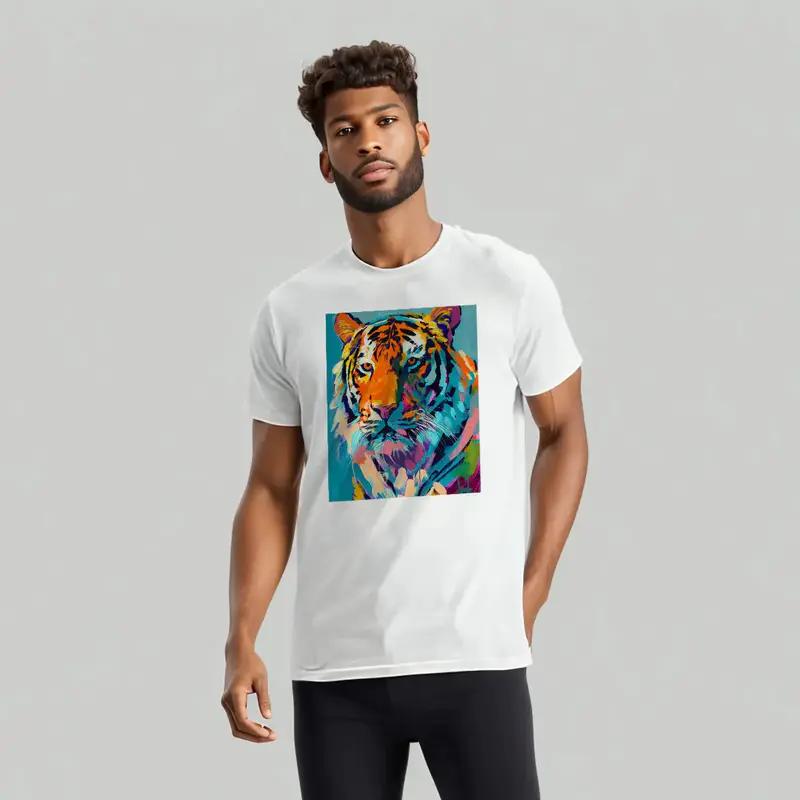
Custom Cotton Two-Side Crewneck Men's T-Shirts (Made in USA) - Print-On-Demand - PrintKK
Step 6: Open the Store
Standalone store platforms give the seller full control of the customer list, and most POD services connect with one click. Marketplaces reach shoppers already in buying mode, but fees stack up and the platform owns the customer relationship.
Sellers without an existing audience often start on a marketplace anyway to get early sales, then move to a standalone store once traffic builds. The section on starting without an audience covers how.
A tight store with six to twelve products converts better than one crammed with fifty half-finished designs. Too many choices freeze shoppers. The About page and shipping page quietly decide whether a shopper hits checkout, and mockups shot on real people convert better than flat product photos.
Step 7: Set the Prices
Pricing merch is not just doubling the cost. The platform takes a slice at checkout. The payment processor takes another. Some orders come back damaged. And ad spend per sale often eats whatever's left.
A price that clears real profit after every cut is usually higher than it feels comfortable to charge. Running a small sample order before launch reveals what a finished unit actually costs and how the print looks on the real garment.
Step 8: Market the Business
Cold ads to strangers rarely work for small merch brands. Warm audiences — people who already follow the creator or community behind the brand — convert far better because they've already bought into the reason the merch exists.
Short-form video is the current lever for building that audience. Vertical video platforms push new creators harder than any other channel, and design-in-progress clips perform well without needing a big following.
Email is the channel most beginners ignore, and it quietly outperforms almost every other option per dollar spent.
10 Best Merchandise Product Ideas to Sell in 2026
Hoodies
Hoodies carry a higher margin. Best for niches with strong identity — gamers, fitness communities, fandoms. Buyers expect heavier fabric here, so cheap blanks kill repeat orders fast.
Fall and winter drops usually outsell the rest of the year combined, which makes timing a real lever.
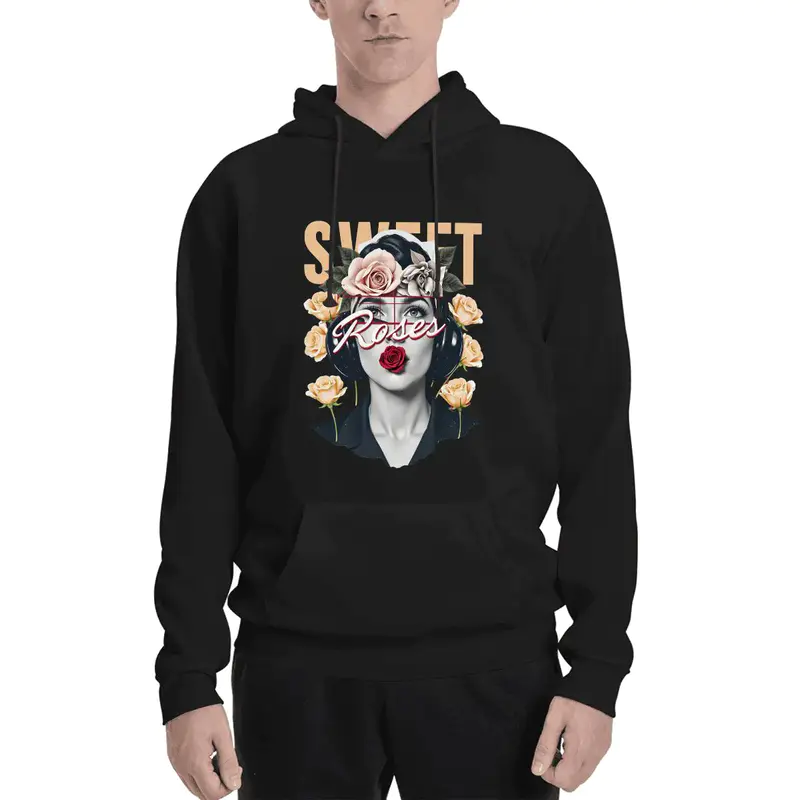
Print on Demand Thick Hoodies for Men (Single-Sided Design) - Men's Clothing - PrintKK
Caps
Caps are a solid starter product for most new stores. Everyday wearability, wide niche fit, and enough surface area for a clean logo without demanding a complex design.
Buyers who like the fit often come back for the same style in a second color.

Custom Washed Denim Mesh Cap (Made in USA) - Print on Demand Fulfillment - PrintKK
Tote Bags
Tote bags are booming with eco-minded audiences. Thicker canvas signals quality, and a clean one-color design outsells busy full-color prints almost every time.
Buyers tend to collect them, which means one happy customer often comes back for two or three more.
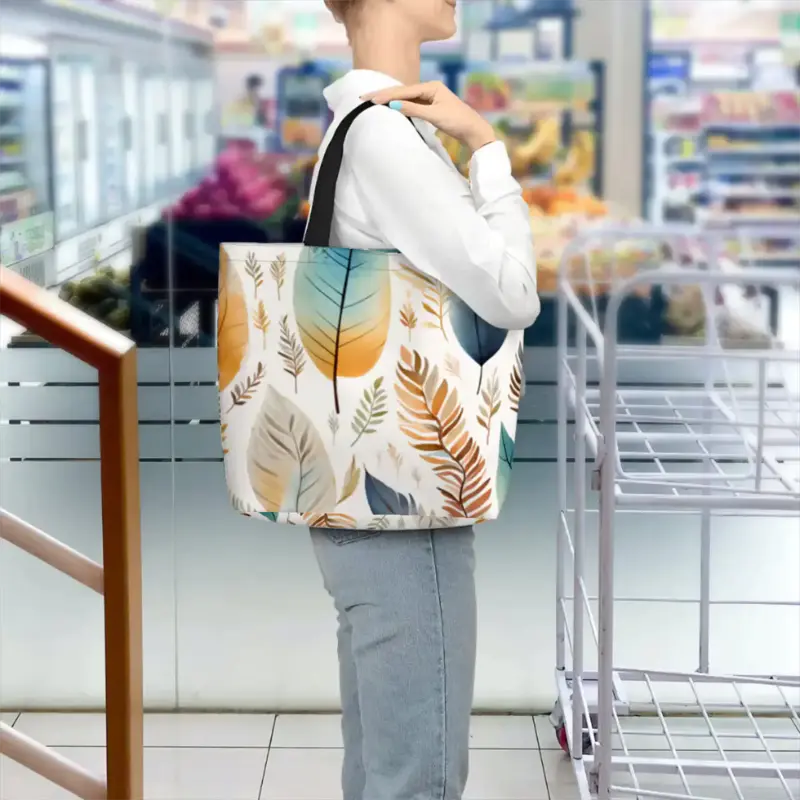
Custom Large Capacity One Shoulder Tote Bag (Multi-Sided Design) - Print-On-Demand - PrintKK
Mugs
Mugs sell well to office humor fans, coffee lovers, and gift buyers. Sublimation prints hold up in the dishwasher, while cheap heat transfers peel within a few weeks and tank the reviews.
Gift-giving seasons drive most of the volume, so stocking up on holiday-themed designs pays off.
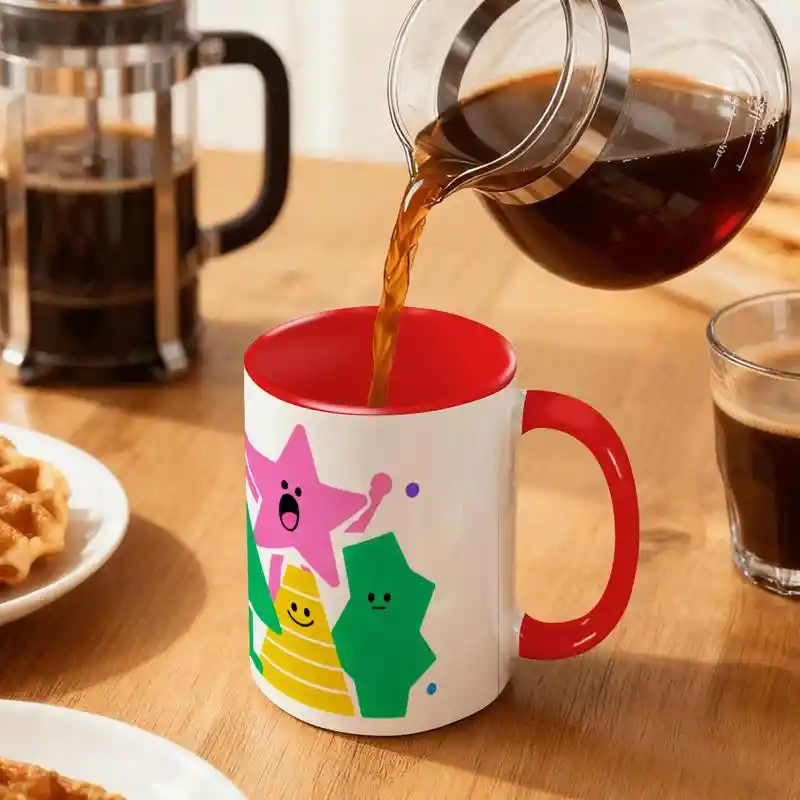
Custom Large Colorful Mug (15oz) (Made in USA) - Print-On-Demand - PrintKK
Water Bottles
Water bottles ride the fitness trend hard. Laser engraving lasts far longer than printed designs, though it limits color options to whatever the metal underneath reveals.
Sports teams, gyms, and corporate gift buyers place bulk orders here, which can turn into steady wholesale income.
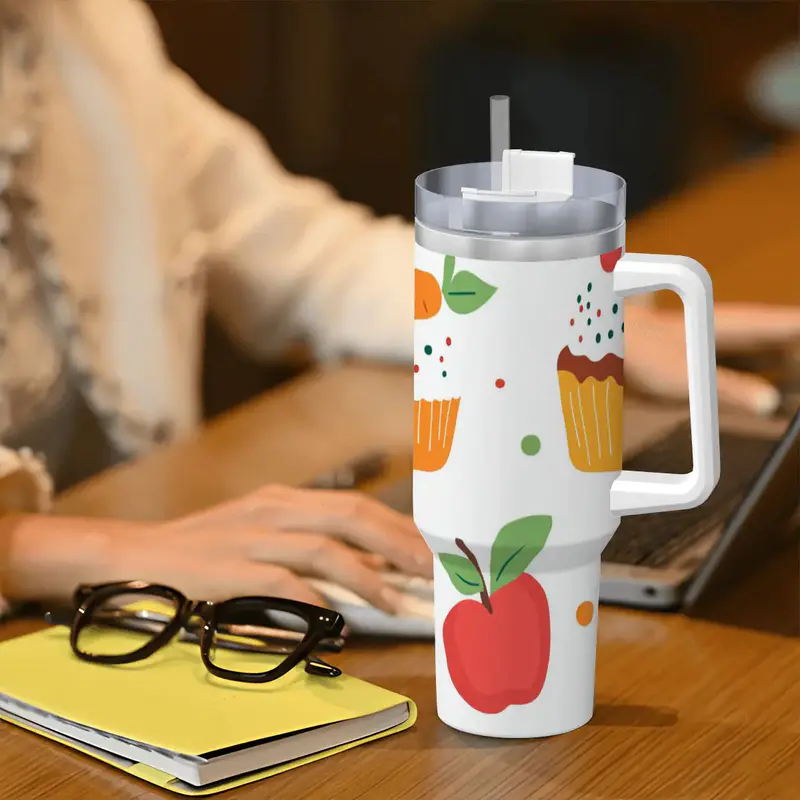
Print on Demand Travel Coffee Mug with Handle and Straw (40oz) - Drinkware - PrintKK
Posters
Posters fit art-heavy niches — music fans, movie communities, motivational quotes. Rolled shipping is cheap and simple, while framed shipping isn't worth the headache for a small store.
Limited-edition drops with a set number printed tend to sell out faster than always-available versions.
Phone Cases
Phone cases are strong for pop culture niches where the case doubles as a personality statement. Buyers replace them with every phone upgrade, which builds a natural repeat cycle.
The tricky part is keeping up with new phone models, since older cases stop selling the moment a new device drops.
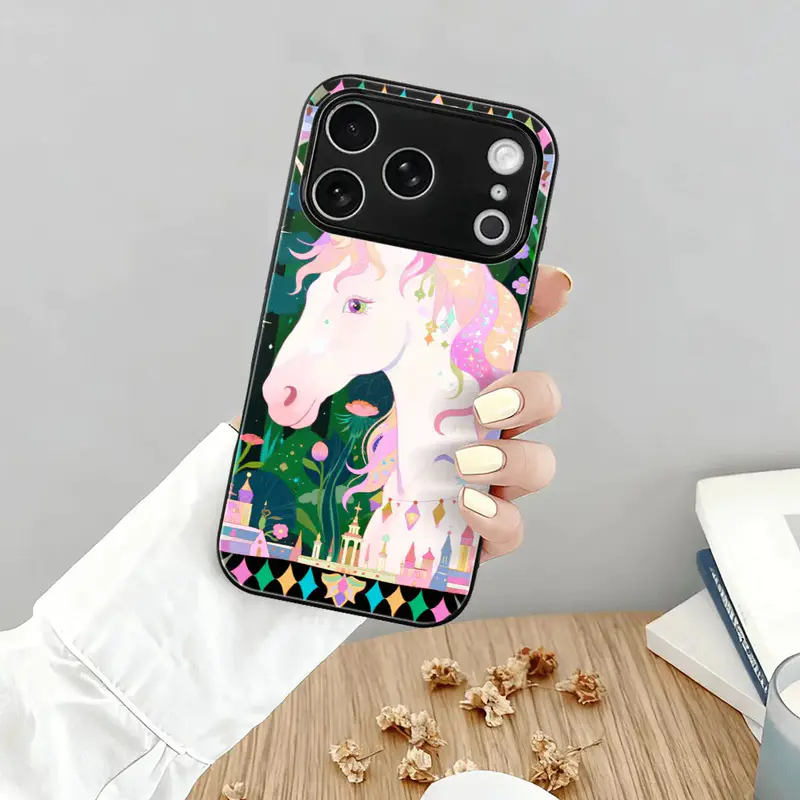
Print On Demand iPhone 17 Pro Glass Phone Case - PrintKK
Stickers
Stickers are the lowest-risk product. Popular with skate, gaming, and hobby communities. They work best as add-ons that lift the average order value rather than a store's main draw.
Throwing a free sticker into every order also drives word-of-mouth once it lands on someone's laptop.
Mouse Pads
Mouse pads are overlooked but strong in gaming niches. Extended desk-mat versions carry better margins than the standard round pads and photograph well for social posts.
The desk-setup crowd on TikTok and Reddit shares purchases constantly, giving the product built-in marketing.
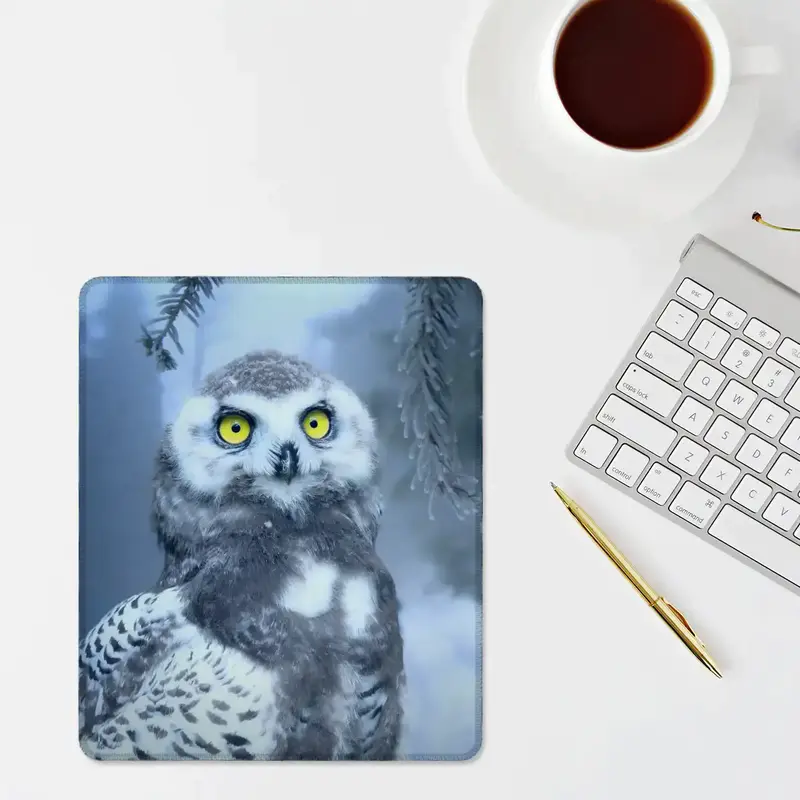
Print on Demand Multi-Size Mouse Pad with Stitched Edge (Vertical) - Mouse Accessories - PrintKK
Pet Products
Pet products are a huge category. Bandanas, bowls, and custom collars sell well to dog and cat parents who spend freely on their animals, often more freely than they spend on themselves.
Personalized items with the pet's name attached command higher prices and rarely get returned.
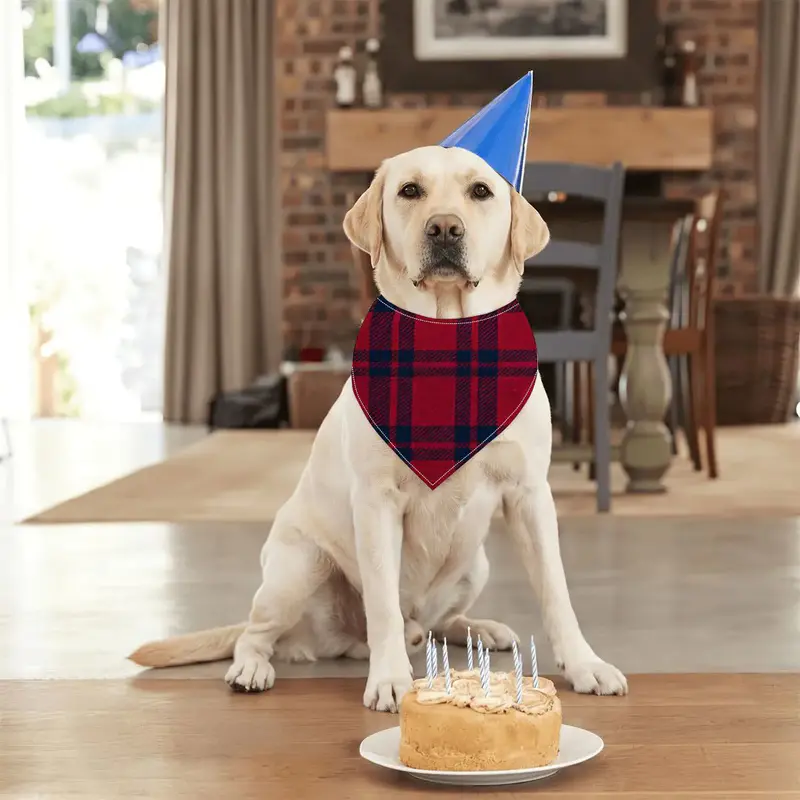
Print On Demand Velcro Dog Bandana - PrintKK
Read More:
How to Start a Merch Business Without an Audience
Join Small Communities
Subreddits, Discord servers, and Facebook groups built around a specific hobby already contain the exact buyer. The trick is contributing real value for weeks before mentioning the store — self-promo posts get flagged instantly, and mods have long memories.
Ride Algorithm Platforms
Pinterest and TikTok don't care about follower count, which levels the playing field. Pinterest works like a search engine, so keyword-loaded pins keep pulling clicks for months. TikTok rewards short design-in-progress clips that feel human over polished product shots. One video lifting off often drives more sales than months of paid ads.
Work with Micro-Influencers
Creators with 1,000 to 10,000 followers convert better than mega-influencers because their audiences actually trust them. Free product plus a small flat fee lands most deals. A partner with 5,000 engaged followers usually drives a handful of sales per post — small, but repeatable across ten creators a month.
Launch on Etsy or Amazon First
Standalone stores get zero traffic on day one. Etsy and Amazon Merch hand over shoppers already in buying mode. Margins are thinner because of fees, but early sales, reviews, and buyer emails become the seed for building an off-platform brand later. Use it as a launchpad, not a permanent home.
How Much Does It Cost to Start a Merchandise Business?
Startup Cost: $30 to $5,000 Depending on the Path
Two realistic paths, two very different budgets.
| Path | Upfront Cost | What It Covers |
|---|---|---|
| Print-on-demand | $30–$500 | Store subscription, domain, a few product samples, basic design tools |
| Bulk production | $500–$5,000 | Screen printing runs, inventory storage, packaging, higher-quality mockups |
POD wins for testing because nothing gets printed until an order comes in. Bulk wins on margin, but the cash gets locked into shirts that may or may not sell. Most beginners start on POD, prove which designs actually move, then reinvest profits into bulk runs for the winners.
Real Profit Per Unit
A $25 t-shirt sounds like it should leave decent money on the table. In practice, once every cut lands, the seller typically keeps far less than the sticker price suggests.
| Line Item | Rough Impact on a $25 Shirt |
|---|---|
| Base product cost | Biggest chunk of the sale |
| Shipping | Absorbed or split with the buyer |
| Payment processing fee | Around 3% plus a fixed cent charge |
| Platform transaction cut | Varies by store platform |
| Return and defect allowance | A small percentage set aside |
| Ad spend per sale | Often the silent killer for new stores |
The takeaway: paid ads rarely work on single-item POD orders because the margin left over doesn't cover the ad cost. Bundles, upsells, and repeat buyers are what turn a merch store from break-even into a real business.
Start Your Merchandise Business with PrintKK
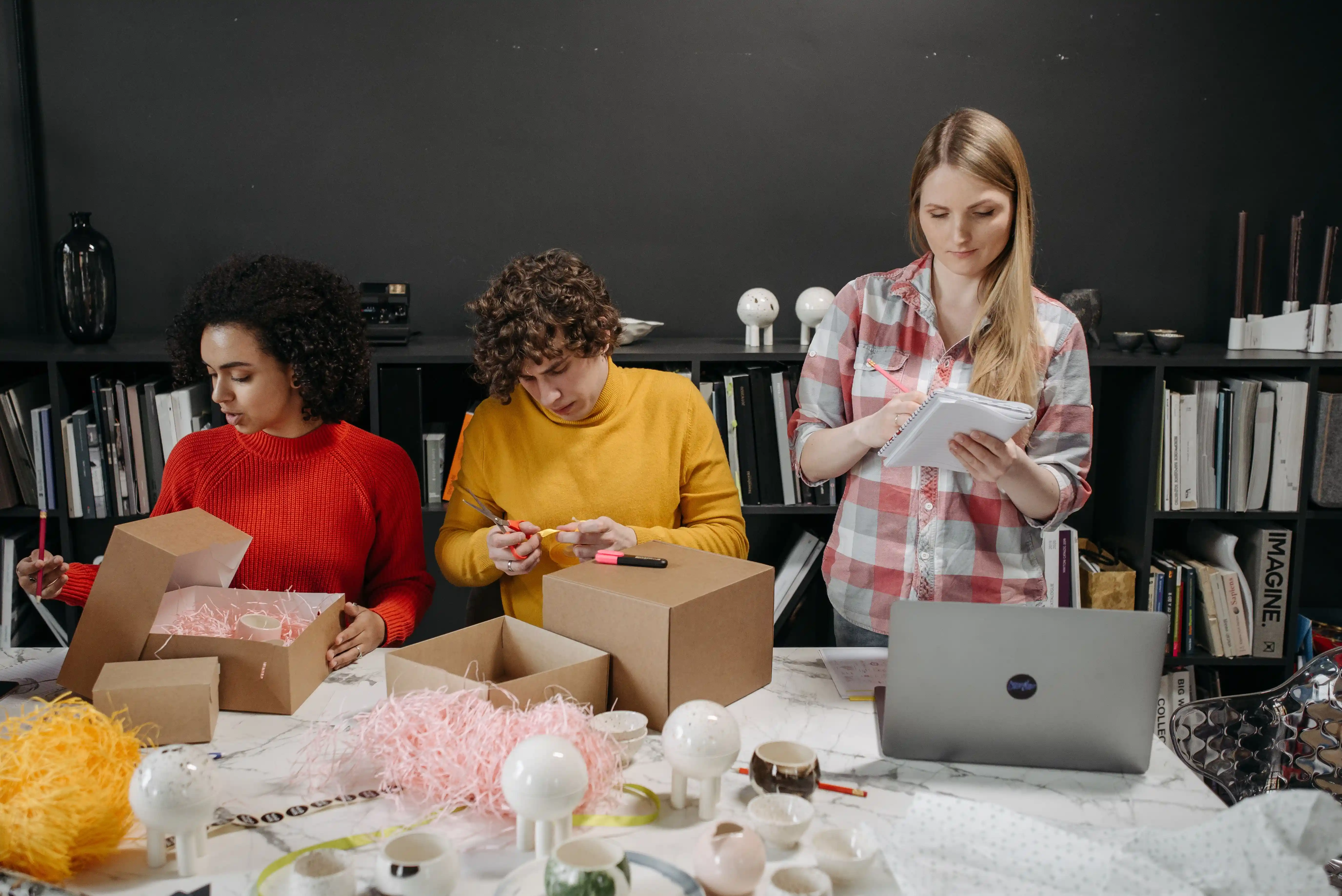
PrintKK is a print-on-demand platform for sellers who want to launch without dealing with inventory. Upload a design, pick a product from the catalog, and the order only gets printed and shipped after a customer pays. Nothing sits in a warehouse waiting to sell.
The AI image tool helps clean up rough designs or make new ones when ideas run dry. The product range goes from one-off gifts to bulk branded merch for company giveaways or promo drops.
The same account can handle a single custom mug in the morning and a 200-unit corporate order in the afternoon. Startup money stays low, which keeps the risk of unsold stock close to zero.
Expert Tips
That covers how to start a merchandise business from scratch. Pick a niche worth caring about. Study the buyers. Build designs that stand out. Choose a print-on-demand partner with a solid track record. Set up a simple store. Price with margins in mind. Launch, then learn from every order.
The first sale is the hardest one. After that, the process gets easier each week. Start small, keep what works, and drop what doesn't. A first design doesn't need to be perfect — it needs to be live. Open the catalog, upload the art, and get moving.
FAQs
Is selling merchandise profitable?
Yes, though margins depend on product choice and pricing. Shirts and mugs earn modest profits per sale. Real income comes from repeat customers and steady traffic, not one-off sales.
Do I need a license to sell merchandise?
Rules vary by country and state. Most places ask for a basic business license or a seller's permit to collect sales tax. Check the local government website before the first launch.
Do I need an LLC to start a merchandise business?
No, an LLC isn't required at the start. Many sellers begin as sole proprietors to keep things simple. Forming an LLC later makes sense once sales grow or personal liability becomes a concern.
Can I start a merchandise business with no money?
Close to it. Print-on-demand removes upfront inventory costs, so the main spend is the store platform fee and maybe a small ad budget. Free design tools handle the artwork side.
What's the difference between print-on-demand and dropshipping?
Print-on-demand makes each item after an order comes in, with custom designs on blank products. Dropshipping ships ready-made goods from a supplier. One is for custom merch, the other for reselling existing items.



 Global Shipping