




Wondering how to start a streetwear brand in 2026? Good news — you don't need a fashion degree, a factory, or a huge budget. You need a clear point of view, a small first drop, and a plan that matches the cash you actually have.
This guide walks you through six real steps, from validating your niche to shipping the first 25 orders. Whether you have $500 or $5,000, you'll finish with a plan you can actually run this month.
Key Takeaways
- Pick a niche tight enough to explain in one sentence before designing anything.
- Validate demand with saves, DMs, and waitlist emails — not likes on mockups.
- Match the manufacturing model to your cash: POD to test, private label to grow.
- Keep drop one small — one hero product, 60% sell-through should break even.
- Spend 30 days building the story before the drop, not paid ads after it.
What Is Streetwear and Why It Still Sells in 2026
Streetwear grew out of the 1980s and 1990s, when skate, surf, and hip-hop kids started printing their own T-shirts and hoodies because no big brand was talking to them.
Stüssy, Supreme, and A Bathing Ape took that DIY habit and turned it into a whole category. What makes something streetwear isn't the fabric or the fit — it's the point of view behind it. A plain hoodie becomes streetwear the moment the brand stands for something a specific group actually cares about.
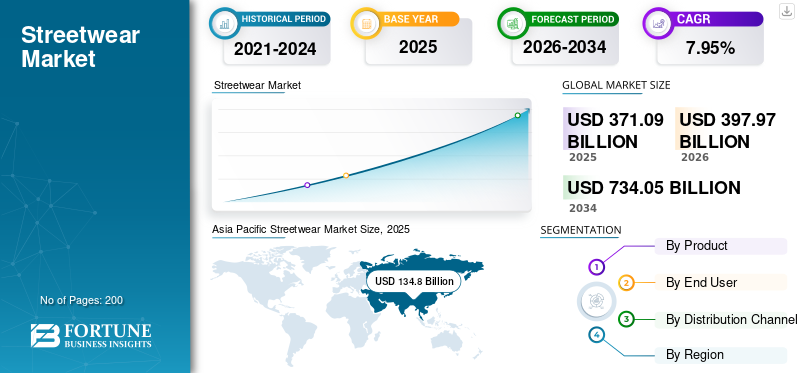
The numbers are working in a new founder's favor. The global streetwear market hit $371 billion in 2025 and should reach close to $398 billion in 2026, growing about 8% a year through 2034.
Resale sites like StockX and GOAT also keep heat on smaller labels: a $60 hoodie from a new brand can flip for $200 if the drop sells out.
The best part for beginners is the low barrier. No factory, no fashion degree, no store on Fairfax. One tee design, a print-on-demand supplier, and an Instagram account is enough to start — and if the design hits, the rest scales from there. A solo founder with $500 and something real to say can still build a brand people care about in 2026, which just isn't true in luxury or fast fashion.
How to Start a Streetwear Brand in 6 Steps
On r/streetwearstartup, one of the most common beginner posts goes something like: "I can't design, can't market, and don't know what to name it — where do I start?" It's not really a talent problem. It's a sequence problem.
Step 1: Pick a Niche and Validate It
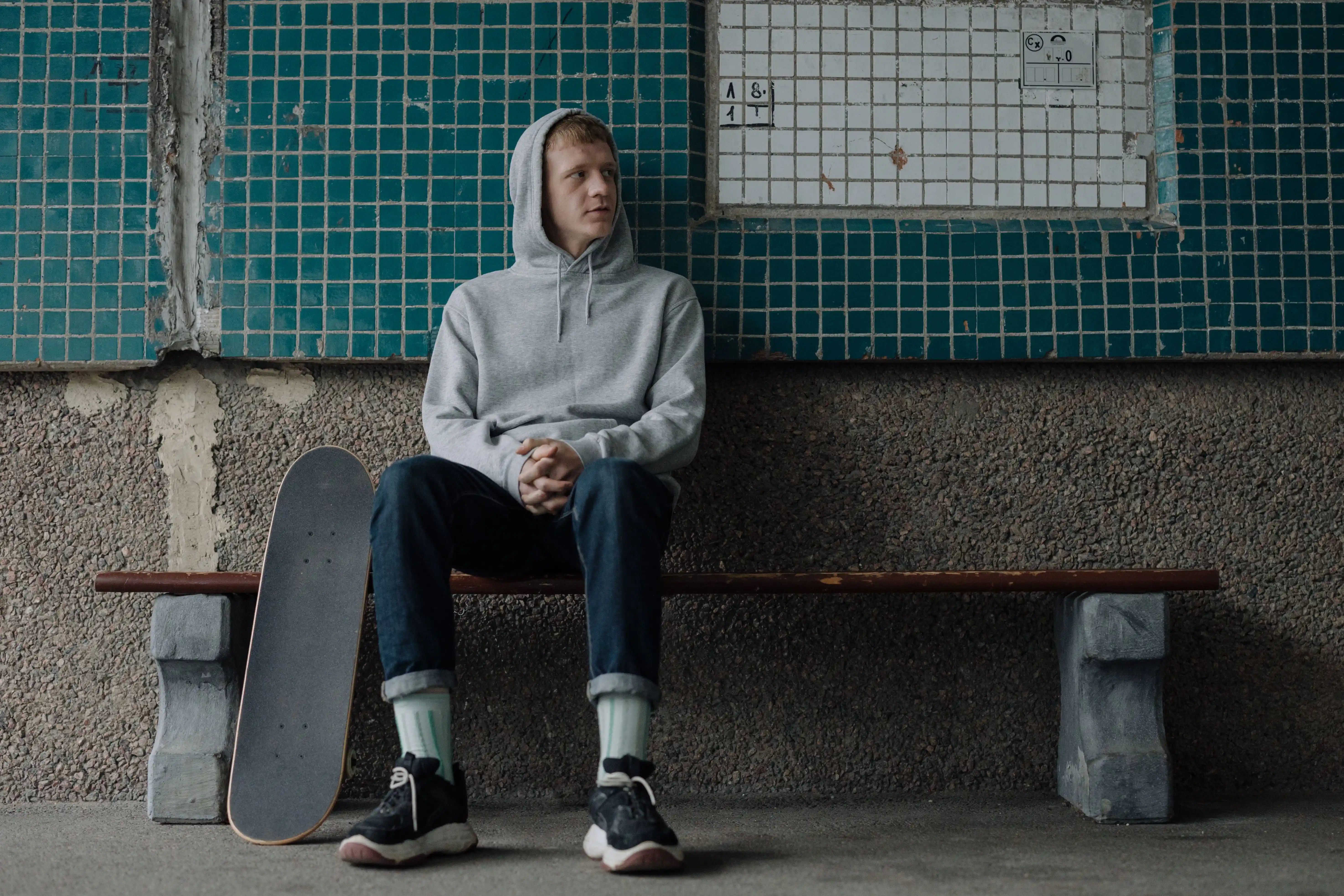
Skip designing tees on day one. That's how closets fill up with 50 unsold hoodies. Pick a specific niche first — not "streetwear for Gen Z" but something like "streetwear for skaters into 90s anime" or "workwear basics for warehouse kids." A tight niche gives the designs a reason to exist.
Then run a cheap validation loop: look at what competitors in that lane are doing and where they're weak, post rough mockups and watch save rates and DMs, then open a waitlist or preorder page.
The signals that actually matter are saves over likes, DMs asking when it drops, and people willing to hand over an email. Forty likes with zero DMs isn't demand — it's polite scrolling.
Step 2: Build a Brand Identity Beyond a Logo
A logo isn't a brand. A brand is what a stranger feels when they spot the hoodie at a coffee shop. The connected chain to work through: culture → customer → story → visual language → product → photography → packaging → social content. Every piece has to point at the same thing.
Two calls to make early. The brand name has to come from the founder — a personal story, a phrase, a word that captures the point of view. That part can't be outsourced. The logo can.
A good designer on Fiverr or Upwork will turn the concept into a clean mark for under $30. Grinding in Canva for weeks while the name and story aren't nailed down is time in the wrong place.
Step 3: Handle the Legal Setup Early
This is where beginners quietly burn money. Before printing a single woven label, run a trademark search on the name and logo through the USPTO's free TESS database. Shipping 200 hoodies under a name someone else owns ends in a cease-and-desist and dead inventory.
A short pre-launch checklist: register the business (LLC is standard in the US), file a trademark on the name first and the logo second, make sure every graphic and font is original, licensed, or royalty-free (AI-generated art is a gray zone — treat it carefully), meet clothing labeling rules for country of origin and fiber content, register for sales tax, and post a real returns policy on the site.
Borrowing another brand's logo or a specific cultural symbol is how a new label gets canceled and sued in the same week.
Read More:
- How to Start an Activewear Brand: Essential Tips for Success
- How to Start a Swimwear Line: Success Strategies
Step 4: Design Your First Drop
Skip the 12-SKU launch. A strong first drop is one hero product plus one or two supporting pieces — say, a boxy heavyweight tee as the hero, with a cap and a longsleeve alongside it.
Two or three colorways max, and a full size run from S to XXL. Anything beyond that ties up cash in slow-moving sizes before there's any real data on what sells.
On design, one great piece beats ten okay ones. Order physical samples of everything, wear them for a week, wash them three times, and see how the print holds up.
Post fit pics to close friends and to r/streetwearstartup for honest feedback. Hoodies, pants, and hats can wait for drop two or three — after the hero proves it can move.
Step 5: Set Up Your Store
Keep it simple: a Shopify store as the home base, plus one social channel where the audience actually hangs out (usually Instagram or TikTok for streetwear).
Skip the sell-everywhere trap. Running Amazon, Etsy, eBay, and Shopify from day one means answering DMs instead of designing the next drop.
Get the essentials right before launch: clean product photos on a plain background, one lifestyle shot per item, a size guide with real measurements (not just S/M/L), an email capture on the homepage, and a checkout tested with a live card.
An email waitlist is worth more than a follower count — DMs disappear, emails don't.
Step 6: Market and Sell the First Units
The first 25 sales are the hardest, and they come from concentrated organic content plus real relationships — not paid ads. The principle is simple: give people a reason to care about the brand for two to three weeks before asking for their money, then activate every direct channel on drop day.
The detailed 30-day content plan and drop-day playbook sit in the growth section below — the point at this stage is to know that a paid ad budget is not what carries drop one across the line. A small audience that actually cares does.
How Much It Costs to Start a Streetwear Brand
The real question most beginners are asking isn't "how do I start" — it's "can I afford to start?" The short answer: yes, at almost any budget. The model just shifts with the cash on hand.
Startup Budgets by Model
Which model fits depends entirely on the cash on hand:
- $500 — Print-on-Demand. Items get printed and shipped only when someone orders. No inventory risk. Margins per tee land around $8–15.
- $1,000–$3,000 — Blanks Plus Printing. Order 30–50 blank tees or hoodies from a supplier like AS Colour and get them screen-printed locally. Margins jump to $18–30 per unit. The trade-off: unsold stock is now real money in a closet.
- $5,000+ — Private Label. Branded blanks with woven labels, custom tags, and a first run of 100–200 units per style. Custom cut-and-sew is still out of reach at this level, but a real branded product is on the table.
What to skip at any budget: a custom-designed website (a Shopify template works), paid ads before designs are validated, and premium packaging (a poly mailer with a sticker is enough for drop one).

The Real Cost of Your First Drop
The gross margin most guides quote isn't the actual profit. Here's what a tee really costs to land under the blanks-plus-printing model — POD margins are thinner, but with no inventory tied up:
$18 blank tee + $4 screen printing + $2 packaging + $6 shipping + $3 payment fees = $33 total.
Sell that tee for $55 and gross margin looks like $22 — solid. But actual profit is smaller once returns, discounts, and dead stock get factored in, usually landing closer to $10–14 per sold unit. That's the number to price around, not the $22.
The practical takeaway: on a 100-unit first drop, roughly 60 units need to sell at full price to break even. Keep first-drop quantities small enough that 60% sell-through pays for the whole run — anything more is speculating with cash that isn't there yet.
POD vs. Blanks vs. Private Label vs. Cut-and-Sew: Which Model Fits You
Most guides tell beginners to "find a manufacturer" and stop there. But there are four different models, and picking the wrong one either burns cash or caps how far the brand can grow.
The Four Models at a Glance
Each model trades off startup cost, control over the product, and inventory risk:
| Model | Best For | Startup Cost | Control | Risk |
|---|---|---|---|---|
| Print-on-Demand | Testing designs | Low | Low | Low |
| Blanks + Printing | Beginners with some cash | Low–Medium | Medium | Medium |
| Private Label | Building a real brand | Medium | High | Medium |
| Cut-and-Sew | Unique products | High | Very High | High |
More control means more upfront money and more risk. A $50 tee that feels like nothing else on the market didn't come from a POD supplier.
The Key Differences in Practice
Print-on-demand: No minimums, no inventory, 5–10 day turnaround. Blank options are limited and fabric isn't premium, but it's the cheapest way to test whether a design actually sells.
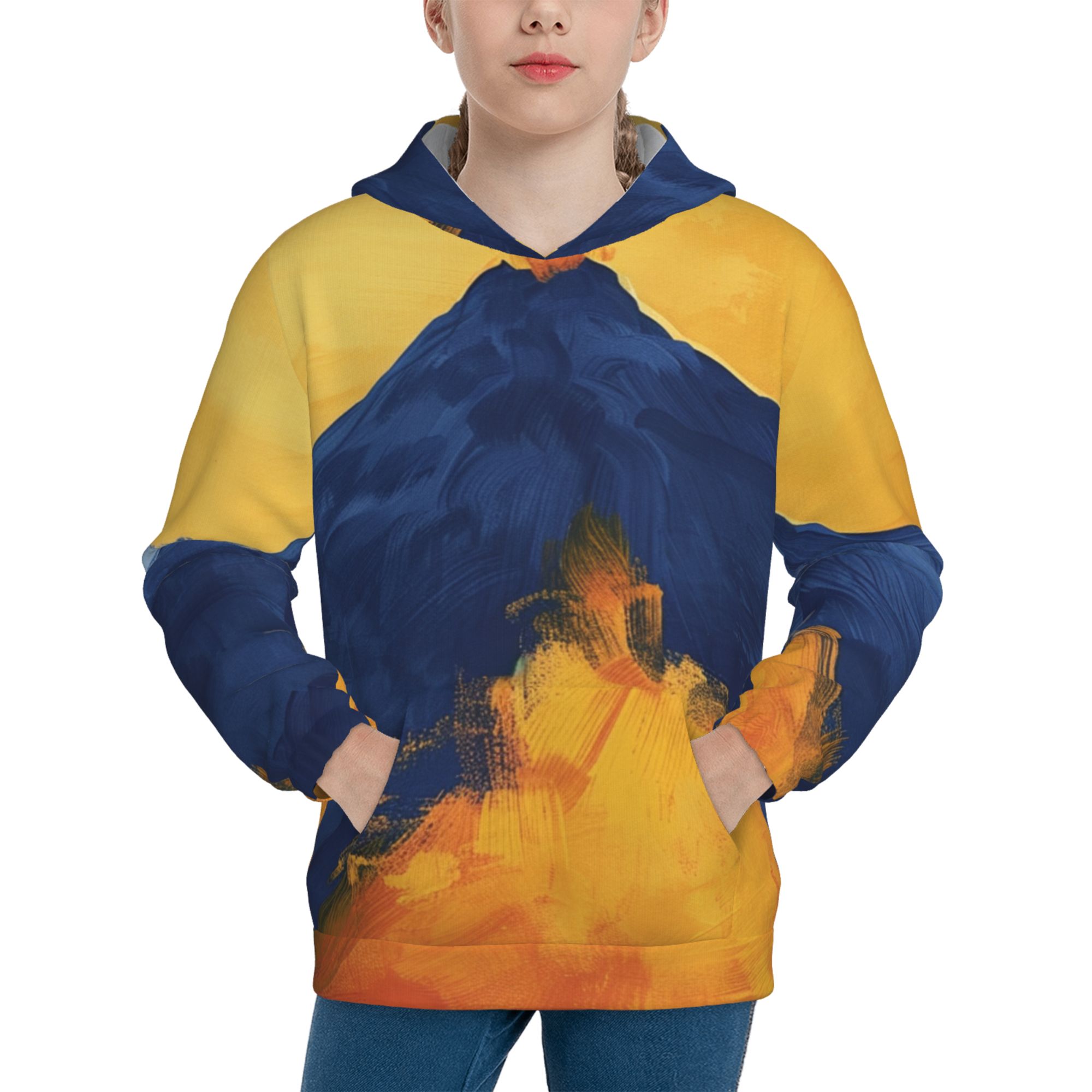
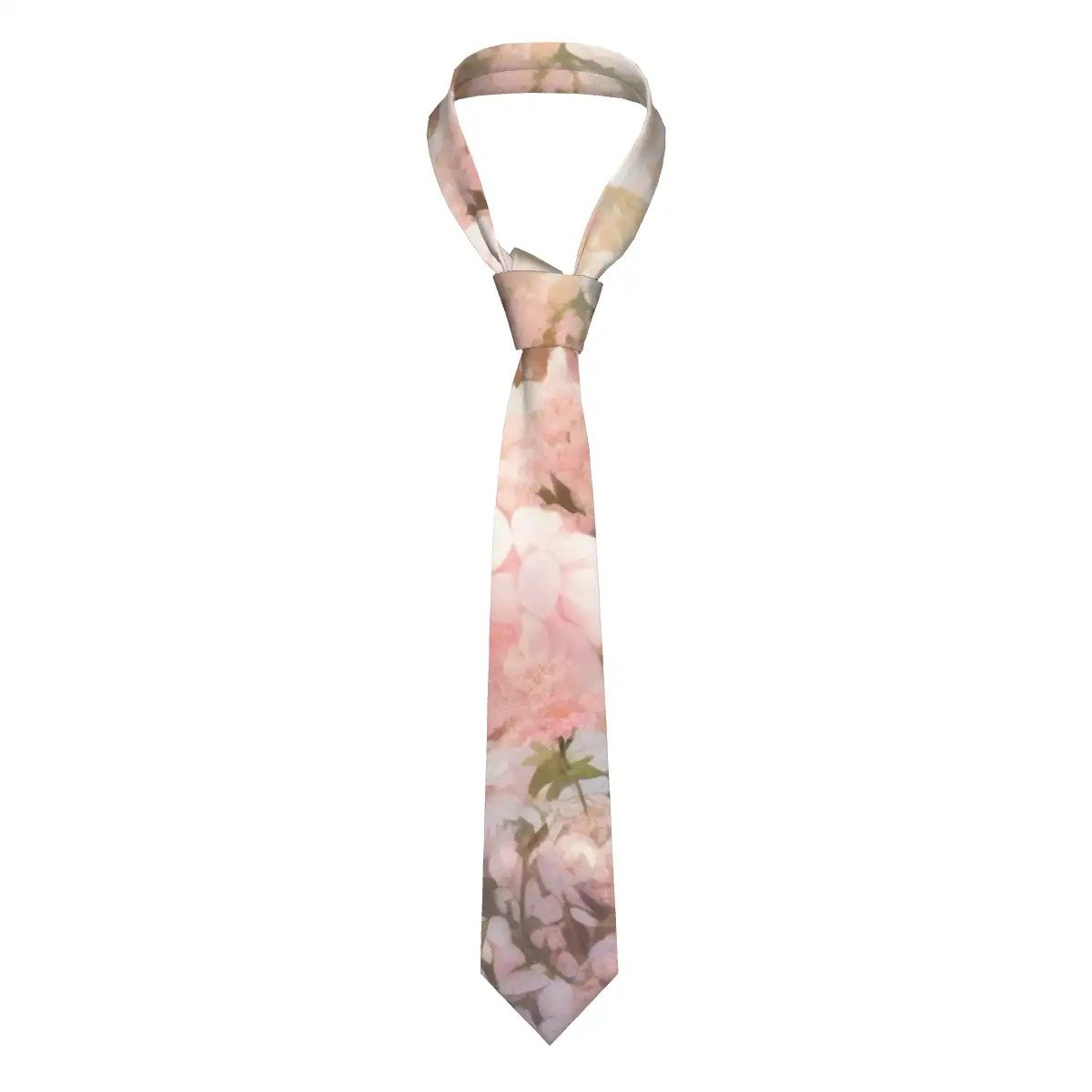
A POD partner like PrintKK covers the full range of streetwear staples — tees, hoodies, caps, socks — and prints and ships each order as it comes in, so a new brand can launch with zero inventory sitting in a closet.
Blanks-plus-printing: Stock blanks from AS Colour or Los Angeles Apparel, screen-printed locally. Real fabric jump, but inventory sits in a closet until it sells.
Private label: Same blank suppliers, but with custom neck labels, hangtags, and packaging. Minimums usually 50–100 units per style, lead times 4–6 weeks.
Cut-and-sew: A factory makes the garment from scratch to the brand's own pattern. Minimums 100–300 units per size per colorway, lead times 3–4 months, first orders easily $8,000–15,000.
How to Pick the Right One for Now
The mistake is picking based on ambition instead of stage. A first-time founder who jumps straight to cut-and-sew usually ends up with 800 units of a hoodie nobody wants.
The practical progression most successful small brands follow: start with POD or blanks-plus-print to validate designs, move to private label once one or two products have proven they sell, and only consider cut-and-sew when there's a specific silhouette or fabric the market can't get anywhere else.
6 Streetwear Design Ideas to Inspire Your First Collection
The hardest part of drop one isn't finding a supplier — it's picking a direction that actually stands out. Here are six proven ones to build the first collection around.
Y2K Revival Graphics
Butterflies, chrome fonts, flame borders, low-res photo prints, metallic gradients.
Gen Z is deep in the 2000s nostalgia loop and this stuff performs on TikTok. Works on POD since the graphic does the heavy lifting.
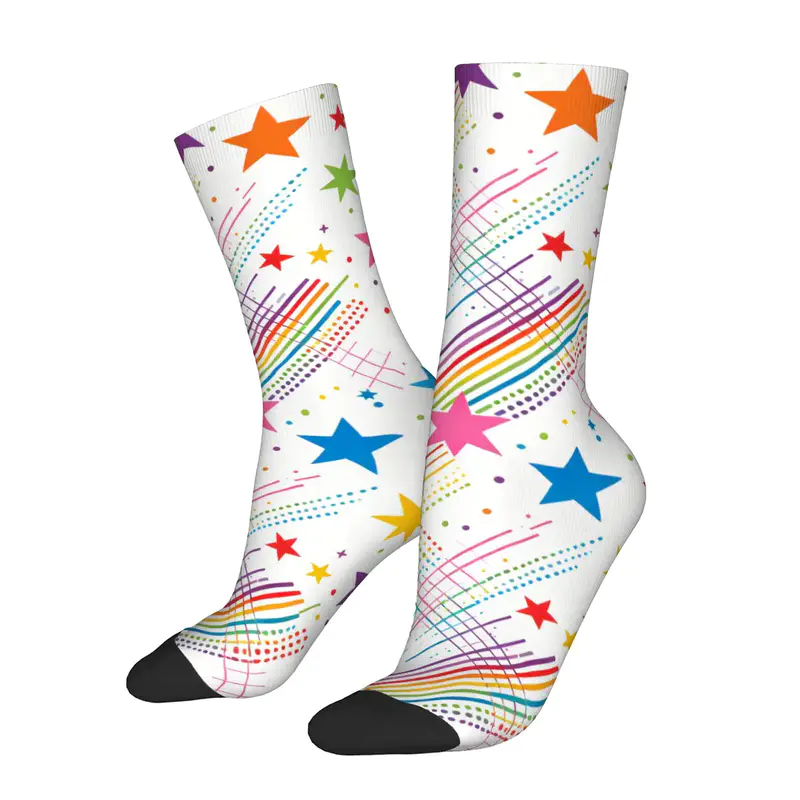
Custom Printed on Demand Unisex Contrast Crew Socks (Made in USA) - Wear Accessories - PrintKK
Oversized Basics with Hidden Details
Clean boxy fits with almost no front branding, but a small embroidered sleeve logo, an inside-neck print, or a discreet hem tag.
The Fear of God Essentials playbook — the "who knows, knows" vibe flatters the buyer instead of shouting a logo.
Heavyweight Blank Canvas
No graphics, no bold logos — just 240gsm+ cotton, boxy fits, garment-dyed washes. The fabric is the product.
POD blanks are too thin to pull this off, so order samples from the heavier blank suppliers mentioned earlier and let the tee sell itself.
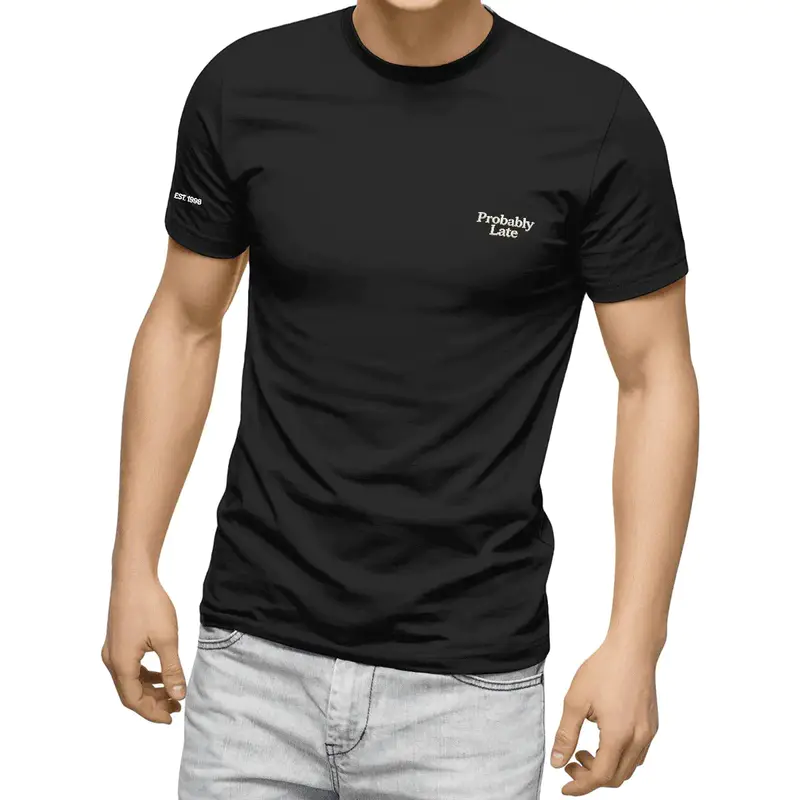
Custom Printed on Demand Gildan Embroidered Men's Cotton Tee - Men's Clothing - PrintKK
Techwear Utility
Nylon panels, magnetic closures, reflective stripes, multi-compartment pockets — a lighter, more wearable ACRONYM.
Standard blanks don't come in technical fabrics, so a hero piece like a shell jacket usually needs a small overseas cut-and-sew run.
Workwear Crossover
Carhartt-style canvas, double-stitched seams, utility pockets on tees and hoodies.
The blue-collar aesthetic Aimé Leon Dore and Stan Ray built brands around. Needs slightly heavier blanks than POD offers.
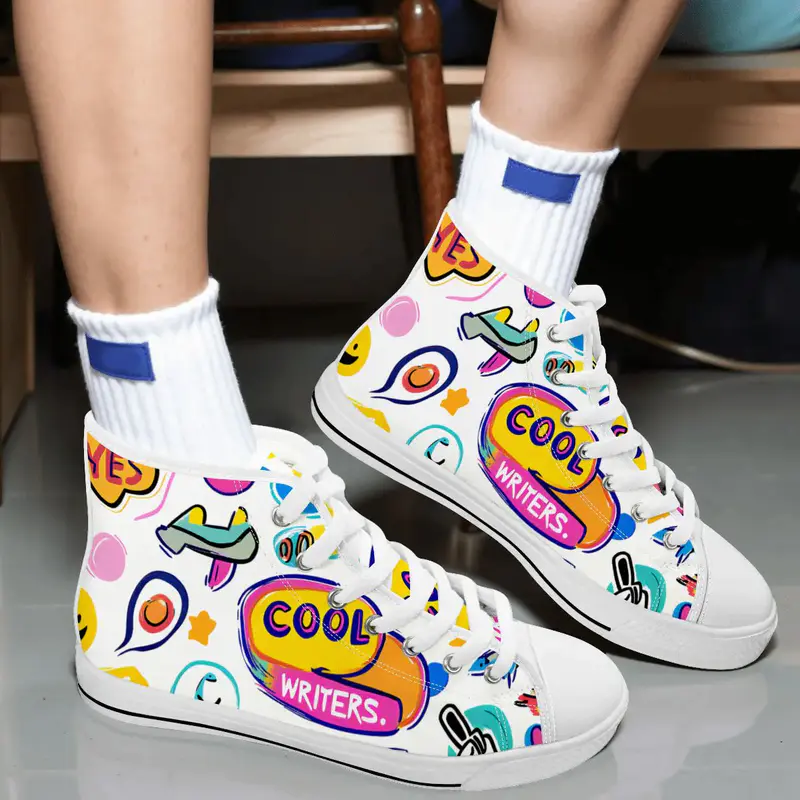
Custom Men's High Top Canvas Shoes (Customized Tongue) - Print on Demand Fulfillment - PrintKK
Cultural Storytelling Capsules
Every drop built around one specific story — a hometown, an immigrant experience, a music scene nobody else is documenting.
The clothing is the medium; the culture is the product. Printed liners, hangtags, and small booklets carry the story as much as the graphic on the front.
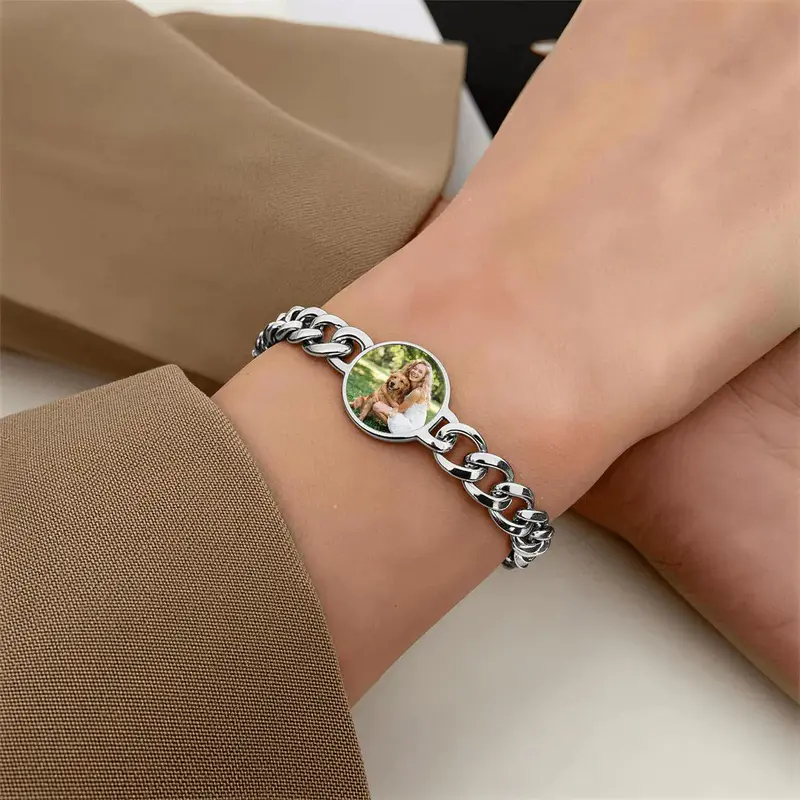
Custom Photo Cuban Link Bracelet - Print-On-Demand - PrintKK
How to Grow Your Streetwear Brand After Launch
Most guides end at "launch your brand." That's actually where the work starts. Here's what to do in the 30 days before drop one, on drop day itself, and in the weeks after.
Build Hype in 30 Days Before the Drop
A four-week content plan turns "build hype" into something anyone can execute:
- Week 1 — Story and Concept. Introduce the brand as a person. Post the reason it exists, the niche it serves, the founder's face. No product shots yet.
- Week 2 — Design Development. Sketches, mood boards, fabric swatches, print tests. The "how it's made" content that builds trust.
- Week 3 — Samples and Fit Tests. Real garments on real bodies. Post fit videos, put the top two colorways on a poll — every comment is a preorder-in-waiting.
- Week 4 — Reveal and Countdown. Product photos mid-week, drop date pinned to the profile, daily countdown from three days out. Open the email waitlist on day one — waitlist emails convert 5–10x better than followers.
Get the First 25 Customers
As previewed in Step 6, the first 25 sales come from real relationships, not paid ads. Hit these in order on drop day:
- Email the waitlist first, 30 minutes before the public post.
- Friends and family at full price, not comp — free hoodies signal "amateur project" to everyone else.
- Seed to 5–10 micro-influencers (2K–20K followers, exact niche) with no post requirement.
- Post honestly on r/streetwearstartup and streetwear Discords — no spam, real "here's what I made" energy.
- Book a local pop-up at a coffee shop, skate shop, or Sunday market. Ten in-person sales build more word of mouth than 100 likes.
What to Do After the Drop
Most brands post the sold-out screenshot and disappear for two months. That's how one-drop brands die.
Pull the numbers within a week: sell-through rate, which sizes and colors sold out first, which sat, return rate, and repeat customer rate. If the medium black tee sold out in 48 hours and the XXL cream sat, that's the reorder — not another new design.
Message every buyer within two weeks and ask three things: how the fit runs, what they'd want next, and whether they'd wear it if a friend asked.
That feedback shapes drop two more than any trend report. Aim to get drop two into their hands within 6–8 weeks — a customer who buys twice is worth 3–5x one who buys once.
Expert Tips
Learning how to start a streetwear brand is less about talent and more about sequence. Pick a tight niche. Validate the designs before spending real money.
Match the manufacturing model to the cash on hand — POD to test, private label to grow. Keep the first drop small, price with the real numbers in mind, and put the story out for 30 days before opening the cart.
After the drop, read the data, talk to buyers, and reorder the winners. Start small, stay honest with the numbers, and let the brand grow one drop at a time.
FAQs
What makes a brand "streetwear"?
It's not the fabric or the fit. Streetwear is defined by the cultural point of view behind the clothes — a specific scene, subculture, or worldview that the brand actually stands for and speaks to.
How do I come up with a streetwear brand name?
Pull from something personal — a nickname, a phrase from your neighborhood, a word tied to the story. Keep it short, easy to say, and easy to search. Check the trademark database before printing anything.
Do I need a business license to sell streetwear online?
Usually yes. Most US sellers register an LLC and a sales tax permit in their state. Requirements vary by location, so check local rules before the first order ships to avoid fines later.
Can I start a streetwear brand without any design experience?
Yes. Plenty of successful founders started without design skills. Hire a designer on Fiverr or Upwork for $30–100, or collaborate with an artist you follow. A strong point of view matters more than technical craft.


 Global Shipping