





Maybe you’ve been drawing for years, and people keep asking if they can buy a piece. That’s usually how it starts. The tricky part is going from a few sales to friends to money that shows up every month. It doesn’t take a big budget or a well-known name, and with print-on-demand, there’s no need to buy stock first.
This guide covers how to turn art into a business one step at a time, from finding a style and pricing your work to opening a shop and landing those first buyers.
Key Takeaways
- Beginners can price art by hours worked plus materials, so every cost gets paid.
- Social posts, email lists, and art fairs find buyers at little or no cost.
- Selling as a sole proprietor is fine at first, but art income is still taxable.
- Quit the day job only after several steady months of income and a savings cushion.
- With PrintKK, one design can sell on many products without holding inventory.
How to Turn Art into a Business: 7 Steps
1. Write a Simple Business Plan
A business plan for an art business can fit on one page. Answer a few direct questions:
- What value does my art give buyers?
- Who wants it and can pay my prices?
- How will buyers find me?
- What tools and supplies do I need?
- Who should I know or team up with?
Also decide whether to start part-time or full-time. That choice shapes how much to spend, how fast to grow, and how much risk to take on.
2. Find the People Who Want to Buy Your Art
Start with a clear style and subject. "I'm a painter" is too broad. "I paint oil and watercolor portraits and nature scenes" tells people what to expect.
Then check who actually buys. Real buyers often aren't the people an artist first pictures, so watch who buys, follows, and asks questions, and spend more time where they are. If the style is hard to describe, ask a few art lovers to label it. Their words help pick the right shops, fairs, and online groups.
3. Choose What You Will Sell
The same artwork can earn money in different ways:
- Originals: One-of-a-kind pieces that earn the most per sale but sell only once.
- Prints and art on products: One design on paper, shirts, or mugs can sell many times at a lower price.
- Digital downloads: Brushes, templates, and printable wall art. Make them once, with nothing to ship.
- Commissions, licensing, and teaching: Custom work, brand licensing, or classes.
Pick one or two formats to test first. If you already have a few fans, ask what they'd buy besides an original.

4. Price Your Art for Profit
There are three common ways to price art:
- Time and materials: Hourly rate times hours spent, plus materials. Best for beginners, since every hour and every tube of paint gets paid for.
- Square inch: Width times height, times a set rate. Works once sizes and style are steady.
- Linear inch: Width plus height, times a set rate. Better when sizes vary a lot, since square inch pricing can make small pieces too cheap and big ones too pricey.
Many artists double their material costs in the formula to leave some margin on supplies. For a starting rate, look at artists at the same career stage, not ones with gallery deals.
Start low while still making a profit, then raise prices as sales grow. Keep prices the same everywhere you sell, and offer a few price points for different budgets.
5. Set Up the Legal and Money Basics
Selling on your own makes you a sole proprietor by default. No company is needed, but some cities and states require a business license or seller's permit. The downside is that nothing separates personal money from the business.
An LLC adds that line. It can help protect your car, home, and savings from business debts and lawsuits, but only if business and personal money stay apart. Open a business bank account for all sales and expenses.
Sales tax works differently. Most states make online marketplaces collect it, but only on sales made there. For sales on a personal site, at art shows, or in stores, the seller collects and reports it. Check with the state tax agency for local rules.
Keep records from day one:
- Log every sale and expense in a spreadsheet.
- Keep all receipts in one folder.
- Set aside part of each sale for taxes.
- Talk to a local accountant before filing the first business tax return.
6. Build Your Online Home Base
An artist website is the one place online you fully control. Start with a home page of the best work, a shop or contact page, and an about page.
Photos do most of the selling, and fancy gear isn't needed:
- Use soft, even light from a cloudy sky or a large window.
- Keep the camera straight. Hold it parallel to the art so the edges don't look bent.
- Skip the flash, which can tint colors.
- Edit with a light hand. Fix brightness and color, but keep the photo true to the real piece.
- Compress before uploading. Smaller files help pages load faster.

7. Plan How You Will Pack and Ship Your Art
Original paintings need the most care:
- Wrap the piece and add corner protectors. If it has glass, tape across the glass first.
- Place it in an inner box with padding on all sides.
- Put that box inside a larger one with more cushioning around it.
- Photograph the packing before sealing the box, since insurance claims may depend on proof of good packing.
Insure each piece for its replacement value, not just the sale price. Insuring for less means that lower amount is all that comes back if the art is lost.
Prints are much easier. A rigid flat mailer works for most unframed prints. Add packing supplies and shipping to the price from Step 4. To skip packing altogether, look into print on demand, covered at the end of this guide.
8 Popular Art Products to Sell Online
| Product | Best Art Styles | Price Level | Key Design Tip |
|---|---|---|---|
| Art prints and posters | Almost any style | Mid to high | Scan at high resolution |
| Stickers | Bold, simple designs | Low | Use thick outlines |
| T-shirts | Graphic art with few colors | Mid | Keep it readable from afar |
| Tote bags | One big image or a short phrase | Mid | Fill the flat side |
| Mugs | Short phrases, simple pictures | Mid | Plan for the curve |
| Phone cases | Patterns and abstract art | Mid | Avoid the camera cutout |
| Throw pillows | Repeating patterns, soft colors | Mid to high | Show it in a room |
| Greeting cards | Small, heartfelt designs | Low | Design for occasions |
Art Prints and Posters
Prints let fans who can't afford an original still take your work home. A scan that looks fine on screen can turn blurry at poster size, so capture the art at high resolution from the start. Standard sizes let buyers pick up a frame at any store, and one smaller, cheaper size gives them an easy way in. A numbered short run can sell as a limited edition.
Custom Canvas Prints Wall Art (4:5) - Print-On-Demand - PrintKK
Stickers
Small details turn to mush at sticker size, so bold outlines and simple shapes work best. Stickers are cheap, which makes them an easy add-on at checkout, and a small pack of related designs grows the order. Handmade stickers often don't look quite good enough, so it's worth using a printer from the start.
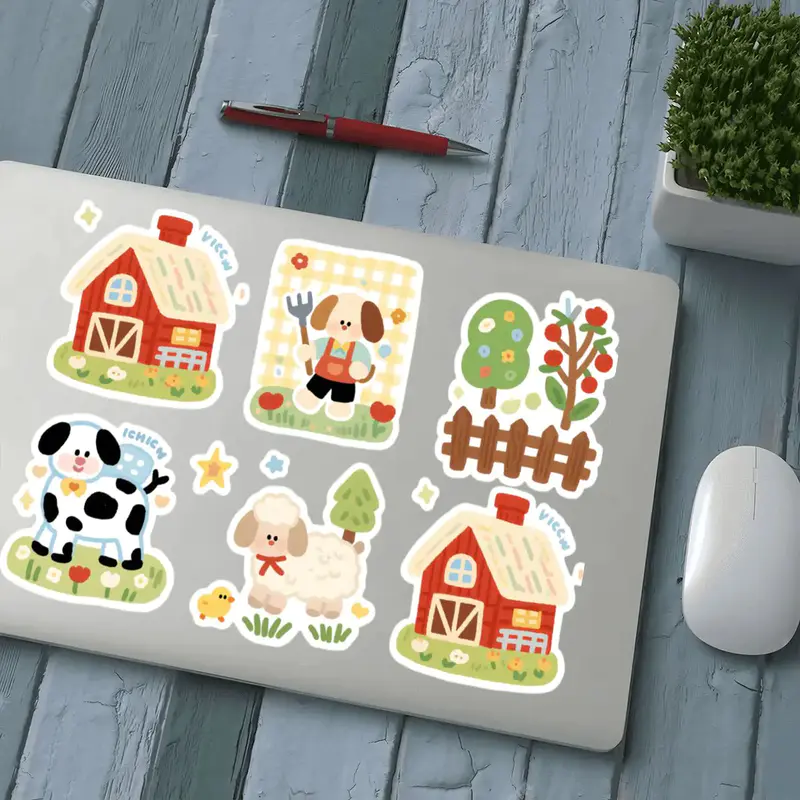
Custom Printed on Demand Epoxy Sticker - Daily Accessories - PrintKK
T-Shirts
A shirt is usually seen from a few feet away. Designs with fewer colors and clear shapes are much easier to read from there. Try the art on both light and dark fabric before listing, since a color that pops on white can vanish on black. A small chest print feels low-key, while a big front print stands out.
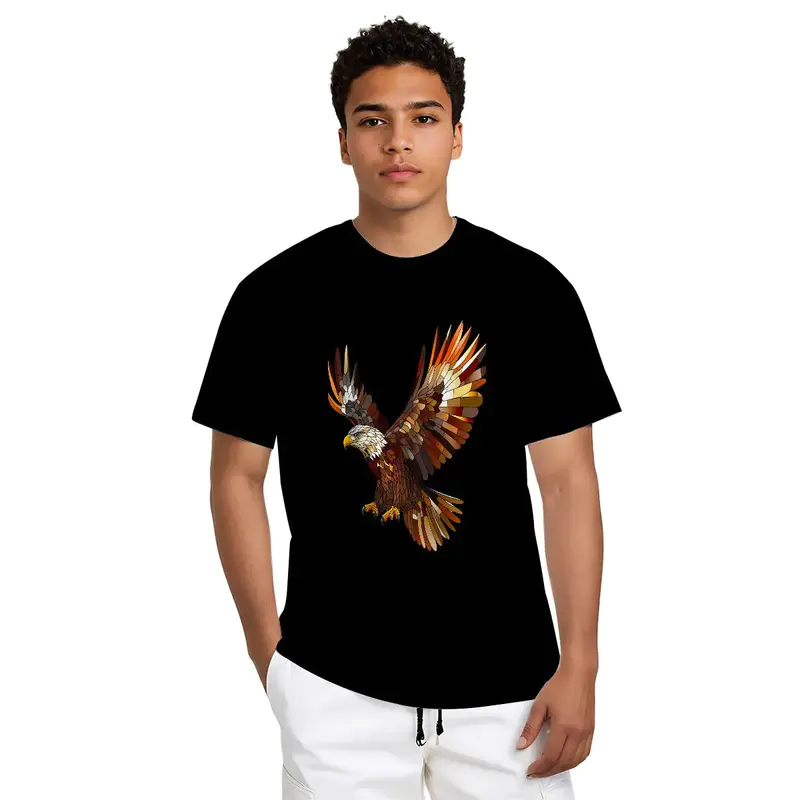
Custom Unisex Cotton T-Shirt | Gildan 5000 (Made in USA) - Print on Demand Fulfillment - PrintKK
Tote Bags
The flat side of a tote is basically a blank canvas. One big image or a short phrase in large letters fills it best, while small details get lost. Natural canvas can make light colors look washed out, so test the design on the actual fabric before selling it.
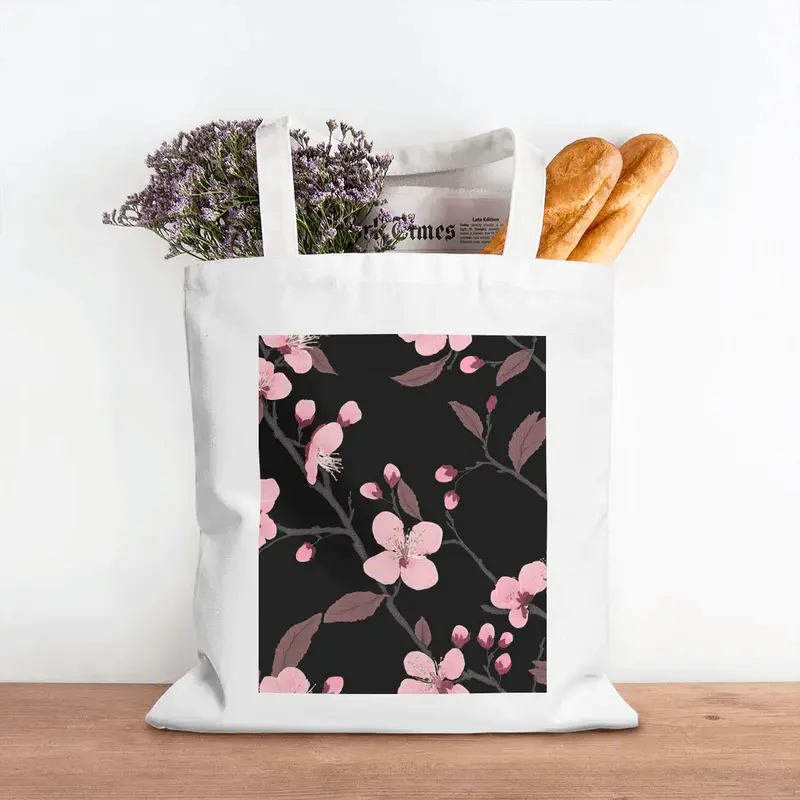
Print on Demand Canvas Tote Bag (Made in USA) - Handbag - PrintKK
Mugs
A mug curves, and that changes how the art looks. Center the design on one side or wrap a pattern around the whole mug. Leave the handle side empty. Mug sizes vary too, so check the print area first.

Custom Color Changing Mug (11oz) (Made in USA) - Print-On-Demand - PrintKK
Phone Cases
Edges and the camera cutout are where designs get cut off, so keep faces, words, and key details clear of both. Patterns and abstract art are a safe pick, because a little cropping won't hurt them. Leave some room so one design fits many phone models.

Custom Printed on Demand iPhone 18 Pro TPU Phone Case - Phone Accessories - PrintKK
Throw Pillows
Repeating patterns and soft colors fit more rooms than one loud picture. Shoot product photos on a couch or bed so buyers can picture the pillow at home. Keep important details away from the seams.
Print on Demand Velvet Bordered Pillow Covers (Double-Sided Design) - Home Decor - PrintKK
Greeting Cards
Cards sell best when they fit an occasion, like birthdays, holidays, or thank-you notes. Flowers, animals, and hand-lettered messages work well at this small size. Leave the inside blank so buyers can write their own message. Boxed sets of mixed designs give buyers a reason to spend more than they would on one card.
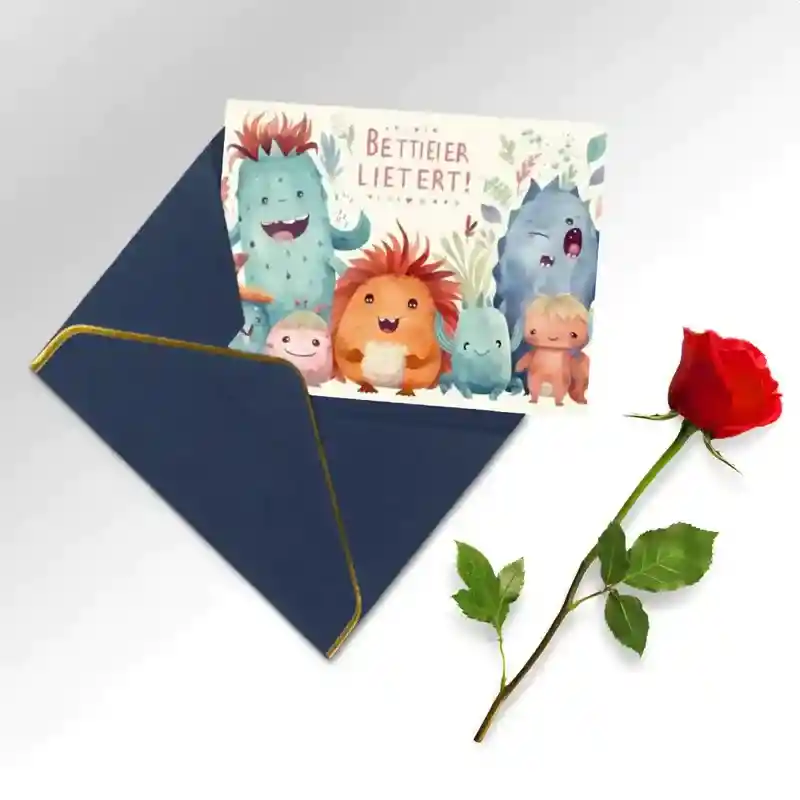
Print on Demand Golden Edge Greeting Cards (Horizontal) - Home Decor - PrintKK
How to Market Your Art Business
Share Your Process on Social Media
Social media is often how people find an artist's shop or ask about a commission. There's no need to be everywhere. Choose one or two platforms where buyers already spend time and post a few times a week:
- Mix work in progress in with finished pieces. A quick time-lapse or a rough sketch is enough.
- Keep the shop link in the profile.
- Answer messages fast, since commission requests often start there.
Build an Email List from Day One
Social apps can change how things work without warning, and reach can drop overnight. An email list doesn't have that problem, because those contacts are yours. To get it going:
- Offer something small in return, like early access to new pieces or a subscriber discount.
- Put a sign-up form on the website and a QR code at the booth.
- Send a short note whenever there's new work or a sale coming up, and keep a steady rhythm.
Sell at Art Fairs and Local Markets
Selling face to face shows which pieces make people stop, and which ones they pick up and quietly set back down. Write that down. Look for art fairs, craft markets, and pop-ups within driving distance, and have these ready before the first one:
- A range of prices, from stickers and cards to bigger prints
- A way to take card payments
- A sign-up sheet or QR code for the email list
Team Up with Other Artists and Small Brands
An artist with a similar style might want to share a booth or swap shoutouts, which puts both of you in front of new fans. A local café or gift shop might like your art on a small run of products or an event poster.
Also message artists who are a few steps ahead. Keep it short, mention a piece of theirs you liked, and ask one question.

When to Take Your Art Business from Side Hustle to Full Time
Know How Much You Need to Earn Each Month
Start with a simple expense budget. Add up rent, food, bills, phone, and any debt payments. That total is the least you need to bring in each month. Also count the costs a job used to cover, like benefits and the taxes taken out of each paycheck.
Then compare that number with what art actually brings in after costs. Track several months, not one lucky one, because art income can swing a lot.
Build a Savings Cushion First
A new business often spends more than it earns at first. Supplies, booth fees, and slow months add up fast, so it's smart not to quit without a solid savings cushion. Its size depends on monthly bills, how steady sales are, and whether anyone else relies on your income. Until the cushion is ready, the day job is what pays for the time to grow.
Signs You're Ready to Quit Your Day Job
A few signs point the right way:
- Art income has come close to the monthly target for several months in a row.
- There are repeat buyers or a steady flow of commissions.
- Regular work hours already fit into the week, and they stick.
Before you quit, try a test run. Cut back to part time, or take a week off and work on art full time to see whether the income and the routine hold up. Setting fixed work hours during the day, then switching off after, leaves time for life outside the studio.
Read More:

Sell Your Art on Products with PrintKK
Making shirts, mugs, or pillows at home means buying equipment and supplies before anything sells, and it's hard to get the quality right by hand. With print on demand, a partner handles the printing, so trying a new design doesn't eat into your savings.
PrintKK only prints an item once someone orders it, then ships it to the buyer. There's no inventory to stock and no box to pack.
If you already sell through a major e-commerce platform, you can link your store, and orders get sent over for printing automatically. There's also an AI design tool that helps adjust artwork for each product, so one design can go on a mug and a tote without starting over.
Start by picking one or two products from the list above, upload a few designs, and build on what sells.
Expert Tips
Now you know how to turn art into a business. Start with one clear style and one product. Price your work so it covers your costs and your time. Set up a simple place to sell, then share your art often. Handle the basics, like taxes and records, early. Growth takes time, so keep going and adjust as you learn. Every step you take moves your art business forward.
FAQs
How do I start an art business with no money?
Begin with tools you already own and free places to sell. Print-on-demand lets you sell prints and products without buying stock first. Then use free social media to share your work and find early buyers.
What type of art is most profitable to sell?
Originals earn the most per sale, but each one sells only once. Prints, stickers, and art on everyday items earn less per item, but one design can sell many times. Test both and compare profit, not just sales.
Do I need an LLC to sell my art?
No, you can start as a sole owner in most places. Still, an LLC can protect your personal money from business debts. Many artists form one once their sales start to grow.
Do I have to pay taxes if I sell my art?
Yes. Money from art sales usually counts as taxable income, even from a side business. You may also need to collect sales tax. Keep records of every sale and expense, and check your local rules.
Can I sell my art without a business license?
It depends on where you live. Some cities and states require a business license or seller's permit, even for small sellers. Check your local government website before you start selling to stay covered.