





Patreon made it easy to get paid by your fans. But rising fees and new billing rules have many creators looking elsewhere. The good news is you have plenty of choices. Some platforms charge no monthly fee. Others give you your own website or better tools for courses and community.
In this guide, you'll find 10 Patreon alternatives worth your time in 2026. You'll also learn how to pick the right one and move over without losing your supporters.
Key Takeaways
- New Patreon creators pay a 10% platform fee, and iOS purchases add Apple's 30% cut.
- Ko-fi and Buy Me a Coffee suit tip-based creators with no monthly fees.
- Writers can trade Substack's built-in reach for Ghost's 0% fee as revenue grows.
- Patron payments can't transfer, so plan exports, announcements, and a gradual switch.
- Print-on-demand merch with PrintKK adds income without inventory or minimum orders.
Why Creators Look for Patreon Alternatives
Rising Platform and Payment Fees
Anyone who started a Patreon page after August 4, 2025 gives up a flat 10% of their earnings, and payment processing comes out on top of that. It gets worse on iPhone. When a fan pays inside the iOS app, Apple keeps 30%, and Patreon still charges its own fee on the same sale.
Creators on legacy billing had to switch to subscription billing by November 1, 2026, since that's the only model Apple supports. US fans on iOS can still pay through web checkout, but creators can't control which route every supporter takes.
Shifting Content Rules
In 2025, Patreon's Trust & Safety team looked into 103,041 creators. The year before, that number was 71,022. By the end of the year, 3,165 accounts had been removed for good.
The guidelines don't stay still either, and creators who make mature work may have to rewrite tier descriptions or take down old posts after an update. Before moving anywhere, read the new platform's content rules. And keep an email list that lives outside Patreon, so a policy change never cuts a creator off from fans.
Limited Control over Branding and Audience Data
Patreon pages all look about the same. The layout is fixed, and the page and its web address belong to Patreon, not the creator. The member email list can be downloaded whenever a creator wants, which helps.
But each shared link still sends fans to Patreon and grows its brand as much as the creator's. Tools that run on a creator's own domain put the creator's name first and make any future move easier.
Fewer Ways to Sell Beyond Memberships
Patreon was built for one thing, which is fans paying monthly for perks. There is a shop for digital items. Still, creators who sell courses or coaching often end up adding another tool, which means another login and another set of fees.
Some fans also just won't sign up for a monthly pledge. They'd rather pay once for something they get to keep, and a platform that handles one-time sales lets those fans support the creator too.
10 Patreon Alternatives Worth Trying in 2026
1. Ko-fi: Best Free Option for Tips and Memberships
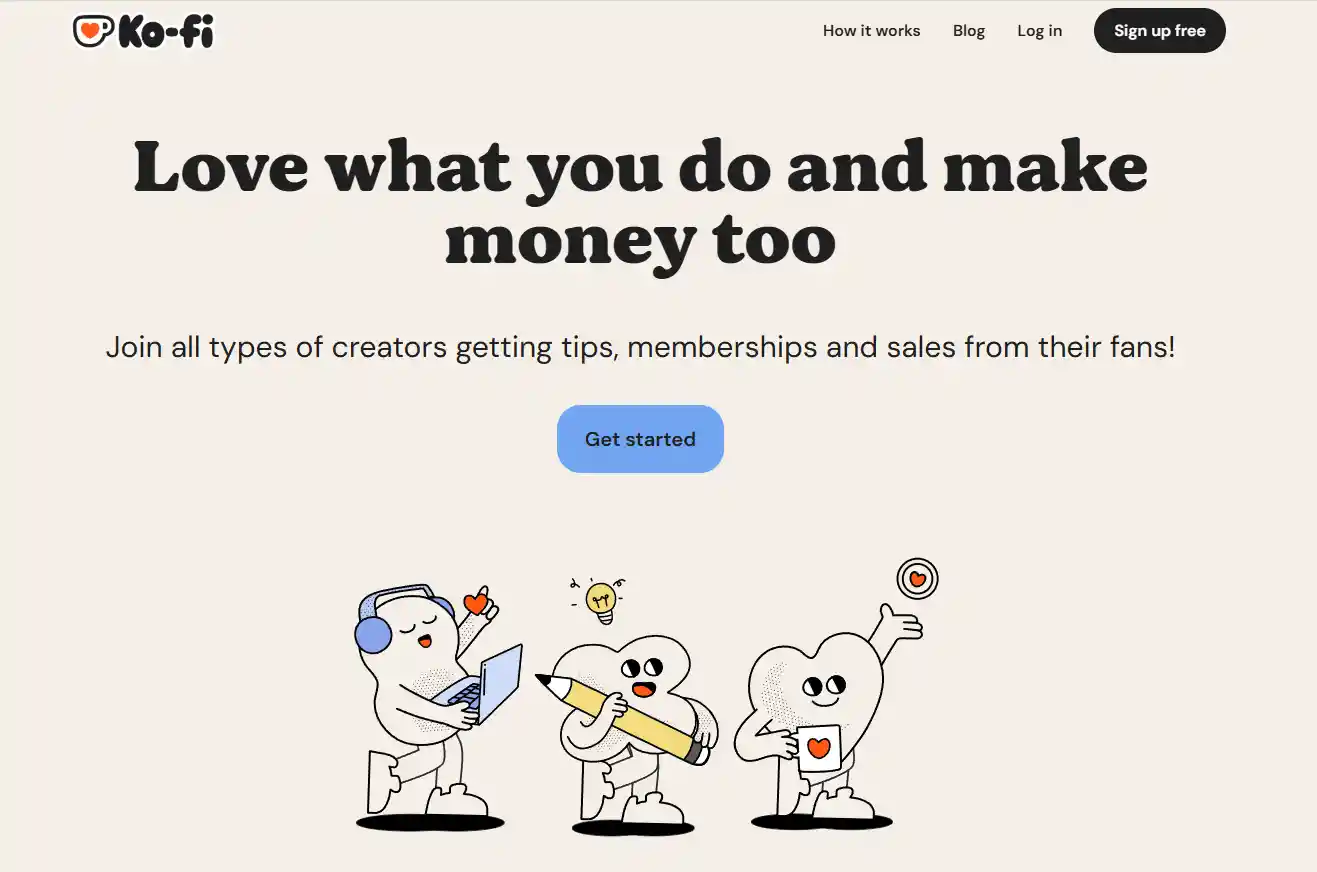
Ko-fi is the easiest place to start if most support comes as one-time tips. On the free plan, it takes 0% of one-time tips and 5% of memberships and shop sales. Payments land in the creator's PayPal or Stripe account the moment a fan pays, so there's no monthly payout date to wait for.
Check one setting before sharing the page. Ko-fi's Standard mode is on by default for new pages, and it adds the 5% fee to tips as well in exchange for extra page features. It can be switched off under Settings > Payment. Ko-fi Gold costs $12 a month and drops the platform fee to 0%. Since 5% of $240 is $12, Gold only saves money once memberships and shop sales pass about $240 a month.
2. Buy Me a Coffee: Best for Casual Supporters
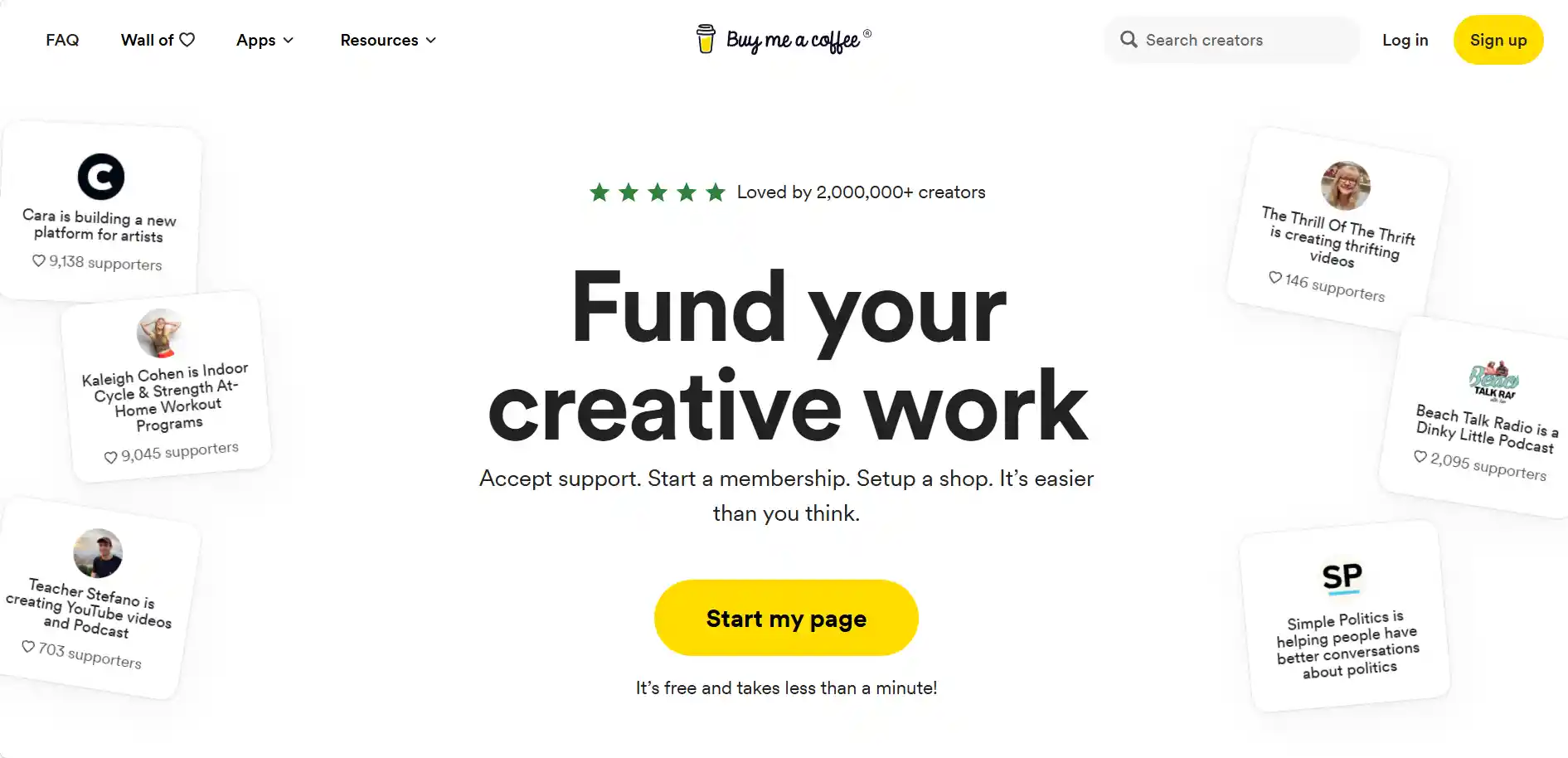
Some fans just want to say thanks without picking a tier. Buy Me a Coffee is built for them, with a page where supporters choose an amount and pay. There's no monthly fee, and the platform takes 5% of every payment, tips included. Creators can still run memberships on the same page and sell small digital items through a feature called Extras.
Tips cost more here than on Ko-fi's free plan, which charges nothing on one-time tips. Creators whose income is mostly tips will keep a little more on Ko-fi, but a single flat rate makes earnings easy to predict.
3. Substack: Best for Writers and Newsletters
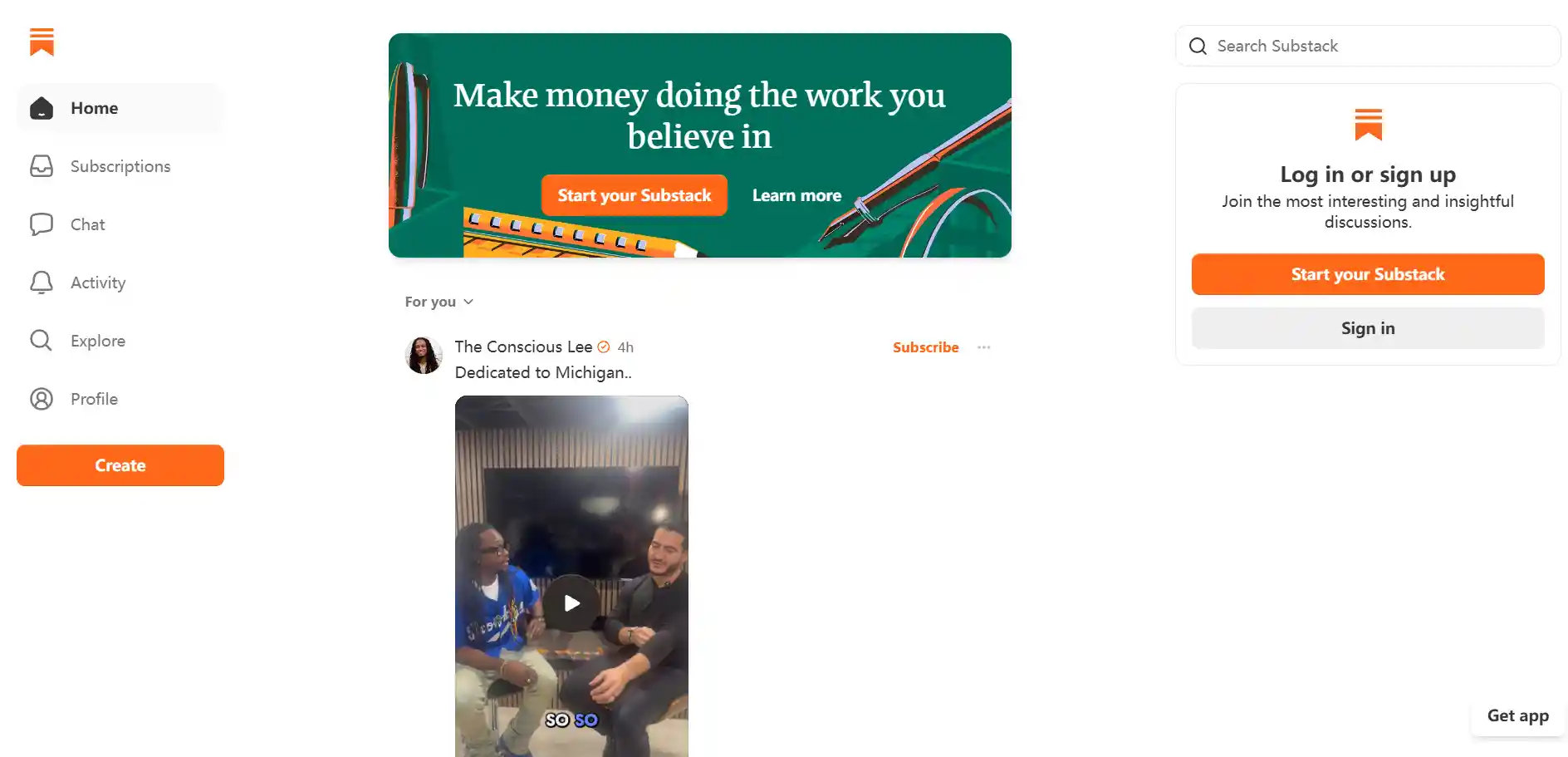
For writers, Substack is often the most natural move. Readers subscribe by email, and paid subscribers unlock extra posts. Publishing is free, and Substack takes 10% of paid subscription revenue, the same rate as Patreon's standard plan. So the real draw isn't a lower fee.
Substack's recommendations feature lets writers suggest each other's newsletters, which puts new names in front of readers who already pay for newsletters. Paid subscriptions also run through the writer's own Stripe account, which makes a later move to a tool like Ghost much smoother. A simple setup is to keep most posts free to grow the list, then save deeper pieces for paying readers.
4. Ghost: Best for Independent Publishers
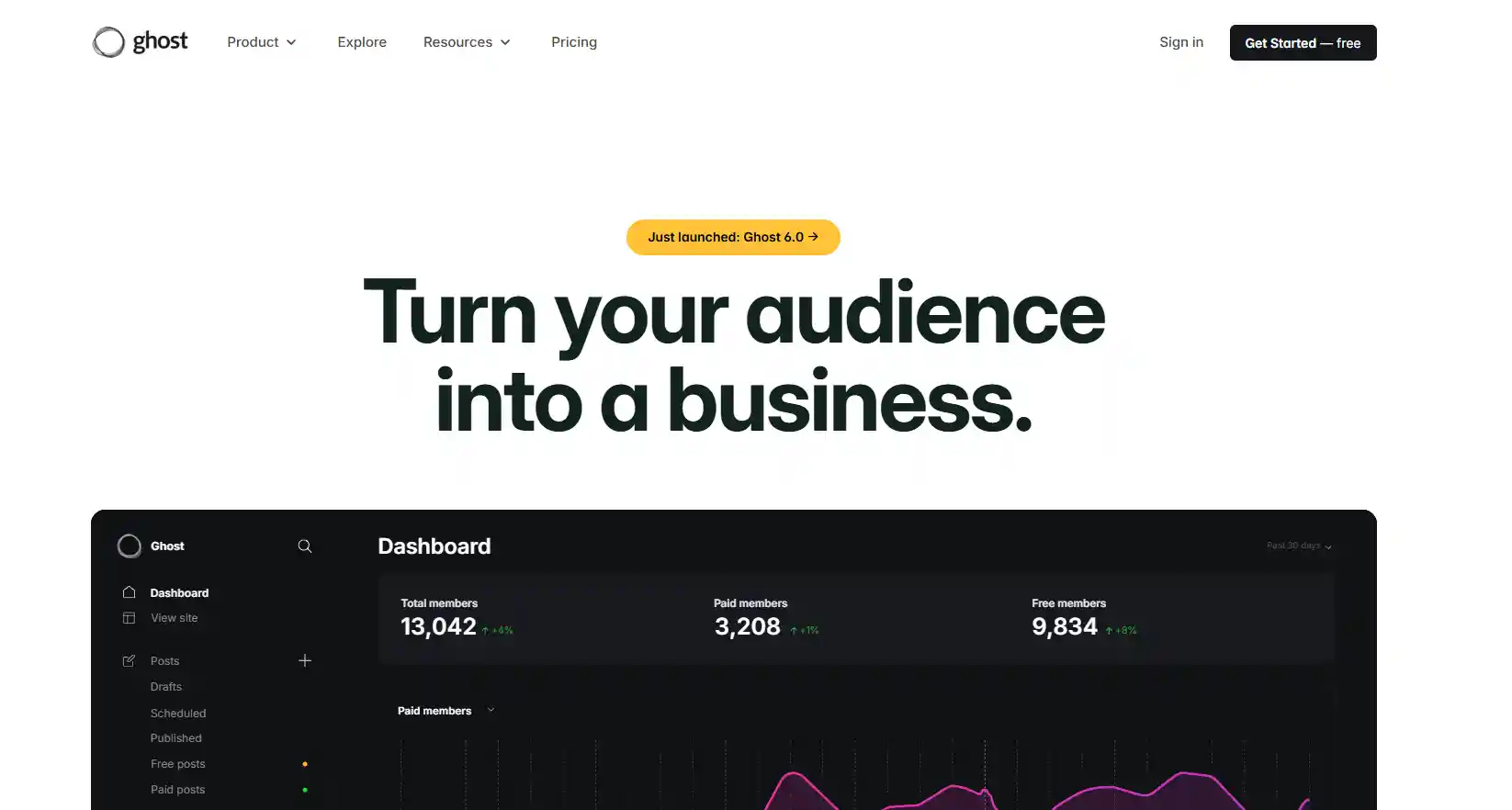
Ghost costs more upfront but takes nothing from member revenue. Its 0% platform fee applies on every paid plan, and members pay through a Stripe account the creator owns. That gives creators real ownership, since the member list and payment records sit in accounts they control.
Paid memberships need the Publisher plan or higher on Ghost(Pro), which starts at $29 a month on yearly billing and rises as the audience grows. Creators with server skills can also run Ghost on their own hosting and pay only for the server. At $1,000 a month in member revenue, Substack's 10% cut would be $100, so a Ghost hosting bill quickly becomes the cheaper option.
5. Memberful: Best for Creators with Their Own Website
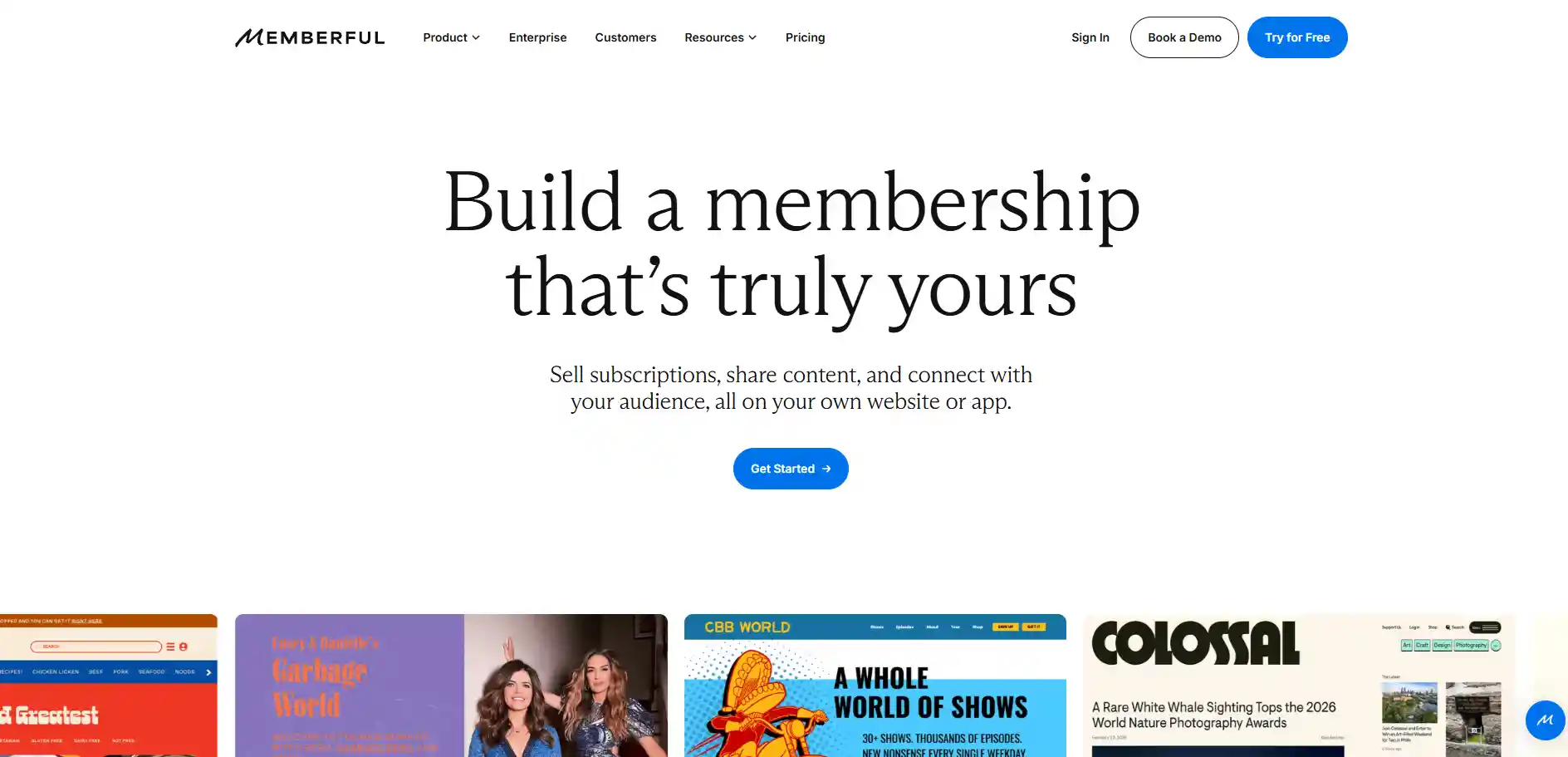
Memberful suits creators who already have a website and don't want to send fans somewhere else. It adds checkout and member login to an existing site, such as a WordPress blog. Podcasters have a reason to look closer. Memberful can create private podcast feeds, so paying members get bonus episodes in the same podcast app they already use.
Memberful costs $49 a month plus a 4.9% transaction fee. Next to Patreon's 10%, that 5.1% gap covers the $49 once member revenue passes about $960 a month. Below that point, the monthly fee eats most of the savings, so Memberful works best for creators who are already earning steadily.
6. Gumroad: Best for Selling Digital Products
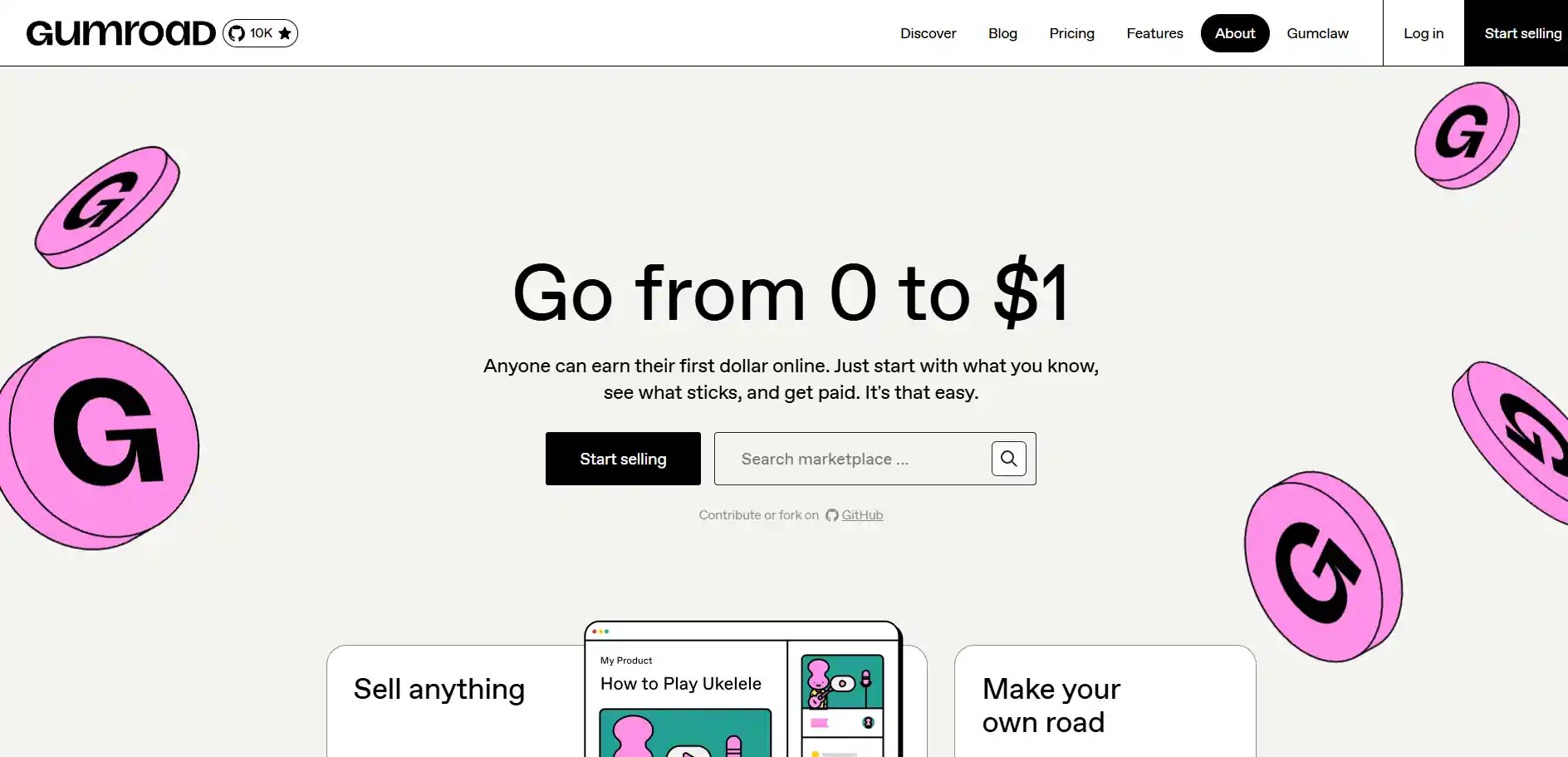
Gumroad works best when the main product is a file, such as an ebook or a template pack. There's no monthly fee. On a direct sale, Gumroad keeps 10% plus 50 cents. That jumps to 30% if the buyer came through Discover, Gumroad's own marketplace, so it pays to share direct product links in posts and emails whenever possible.
Gumroad has been the merchant of record since January 2025. In plain terms, it handles the sales tax and VAT on every order. That saves a lot of paperwork for creators who sell to buyers in other countries.
7. Podia: Best for Selling Courses and Downloads

With Podia, courses and downloadable files sit in the same storefront. It has two main plans. Mover is $39 a month, and Podia takes 5% of each sale. Shaker is $89 a month with no Podia fee at all.
The gap between the two is $50. Since 5% of $1,000 is also $50, the switch makes sense at around $1,000 a month in sales. Below that, Mover is cheaper, and above it, Shaker saves money on every sale. Podia also has built-in email tools, which helps when announcing a new course to past buyers.
8. Kajabi: Best for Coaching Programs
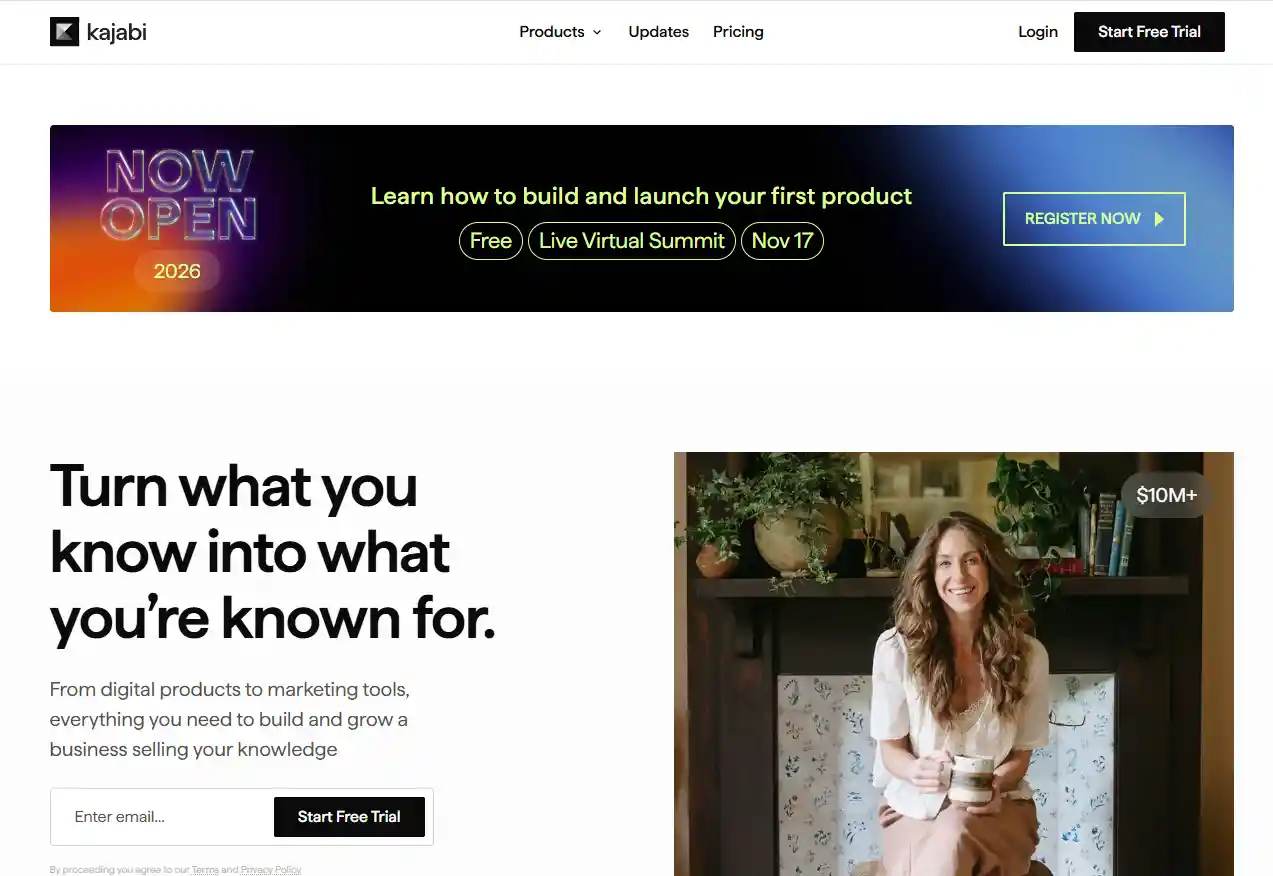
Kajabi isn't built for $5 pledges. Its pricing makes sense for creators who sell programs worth hundreds of dollars. Prices went up in January 2026, and the Basic plan now costs $179 a month, a bit less if paid yearly. Sales through Kajabi Payments carry no transaction fee. Connect an outside Stripe account instead, and Kajabi adds a surcharge to every sale.
In return, the website and email tools sit in the same dashboard as the courses and coaching programs. For a coach selling a $500 program, one sale covers nearly three months of the plan. For creators living on small monthly pledges, the cost is hard to justify.
9. Circle: Best for Paid Member Communities
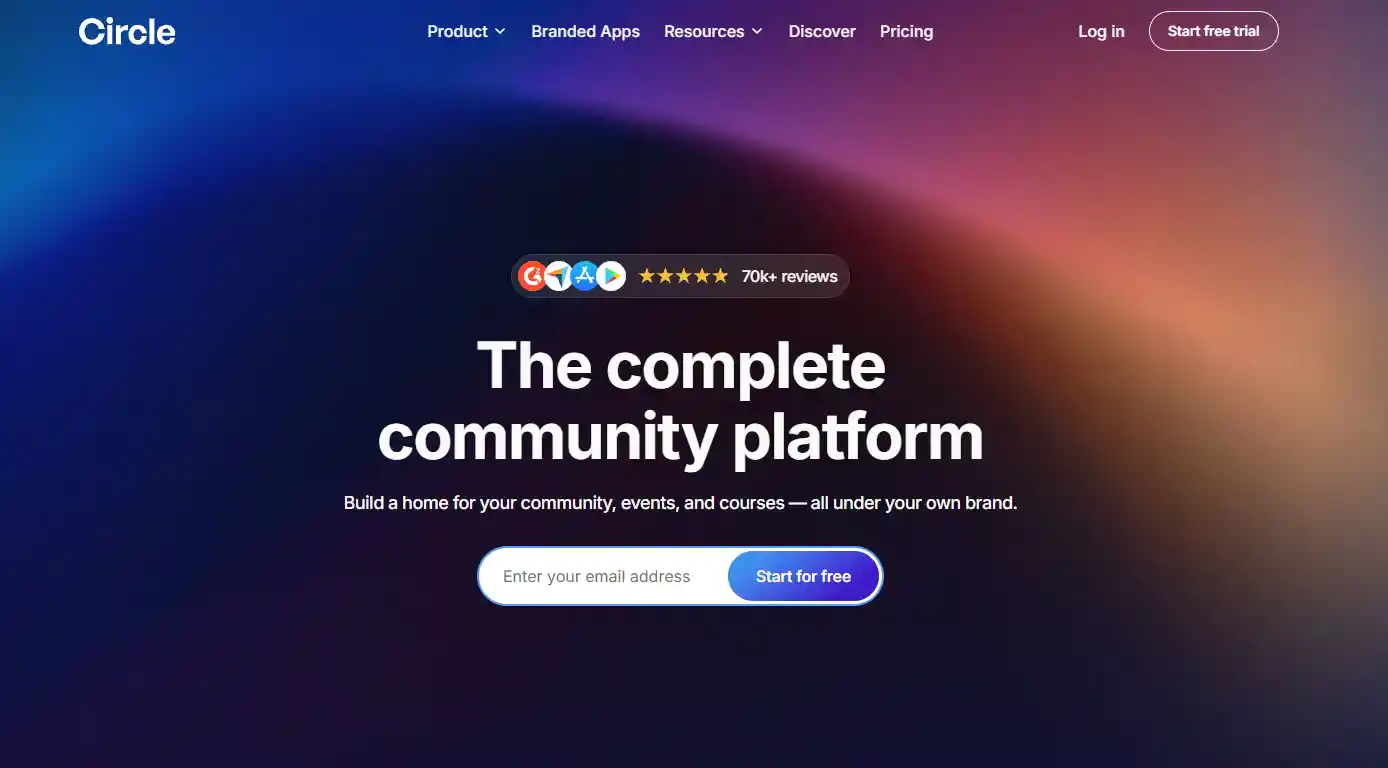
Some creators already have fans chatting in the comments or on a Discord server. Circle gives that crowd a paid home of its own. One login gets members into discussion spaces and live events, and courses can be added later. On yearly billing, the Professional plan runs $89 a month, and Circle keeps 2% of each payment.
Here the community is what fans pay for, so a quiet space is a real problem. Starting with a few focused spaces and one regular live session works better than opening dozens of channels on day one.
10. Mighty Networks: Best for Social-Style Communities
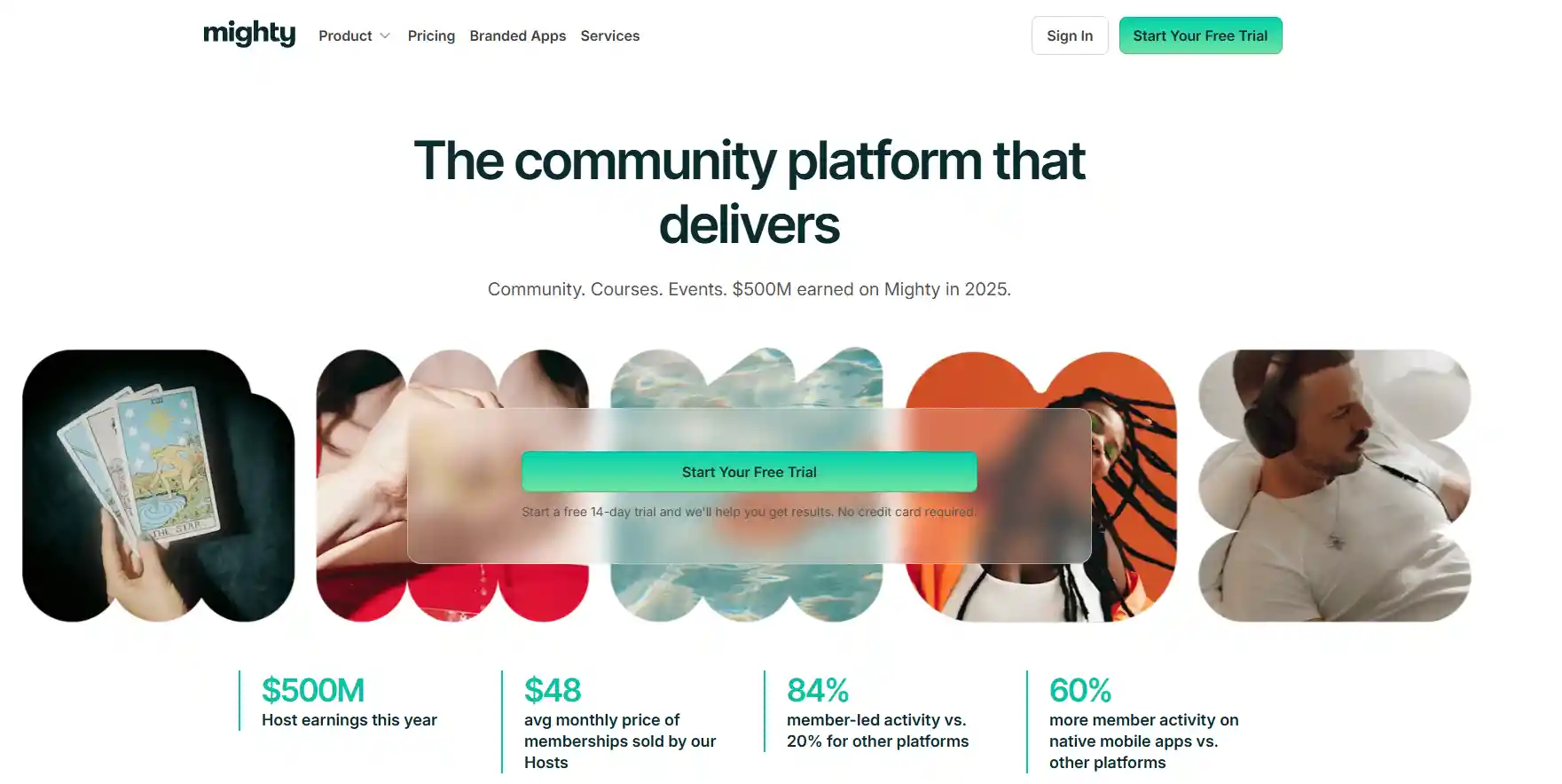
Mighty Networks feels more like a social app than a website. Members scroll a feed and join smaller groups, much like they would on a social network. The Launch plan costs $79 a month on yearly billing, with a 2% transaction fee that drops on higher plans.
On standard plans, members use the Mighty Networks app or the web. A fully branded app with the creator's own name in the app stores comes only with Mighty Pro, a custom-priced plan that requires talking to sales. Mighty Networks makes the most sense for creators who want fans checking in every day, not once a month.
Which Patreon Alternative Is Right for You?
The question isn't which platform is best, but what fans actually pay for. Start with how supporters send money today, then match it to the tool built for that.
Creators Who Mostly Get Tips
Look at the last three months of income and compare one-time support with monthly pledges. If one-time support is the bigger share, a full membership platform is more than needed. Ko-fi or Buy Me a Coffee will cover it at a lower cost.
Creators Who Write or Podcast
The main question is whether the audience is still growing or already paying. Newer writers get more from Substack's built-in discovery, while established writers with steady paying readers usually keep more on Ghost. Podcasters who already run a website can add Memberful to it instead.
Creators Who Sell Products, Courses, or Coaching
Low-priced files fit Gumroad, which has no monthly fee to cover. Podia is a good match for courses, and for programs that sell for hundreds of dollars, Kajabi's higher price starts to pay off. One simple check helps here. If one or two average sales can't cover the monthly bill, the platform is too expensive for now.
Creators Building a Paid Community
Paying for a community platform only works if fans already talk to each other, in comments or on Discord. Circle is better for tidy discussion spaces. Mighty Networks is closer to a social app, with a feed to scroll. If it's unclear whether fans would show up, a quick poll asking where they'd like to hang out gives a fast answer.
Build a Creator Stack with Custom Merch
Memberships cover the monthly bills, but merch reaches new people every time a fan wears it in public. A member-only design also gives paying supporters one more reason to stay.
Why Print on Demand Keeps Costs Low
With print on demand, nothing gets printed until a fan orders it. There's no stock to buy upfront and no boxes of unsold shirts in the closet. That makes testing cheap. Put one design up as a limited drop for a couple of weeks, see what sells, and let real orders decide the next design.
Merch Ideas That Fit the Content
What fans already love about the creator should drive the product choice. Here are five easy ones to start with.
Custom T-Shirts
T-shirts are the easiest place to start, since almost every fan already wears one. A clean logo or an inside joke from the community works better than a busy design, because people want something they'd wear to the store. Shirts cost less than hoodies, so they suit lower tiers and first-time buyers. A new color or design each season gives fans a reason to buy again.
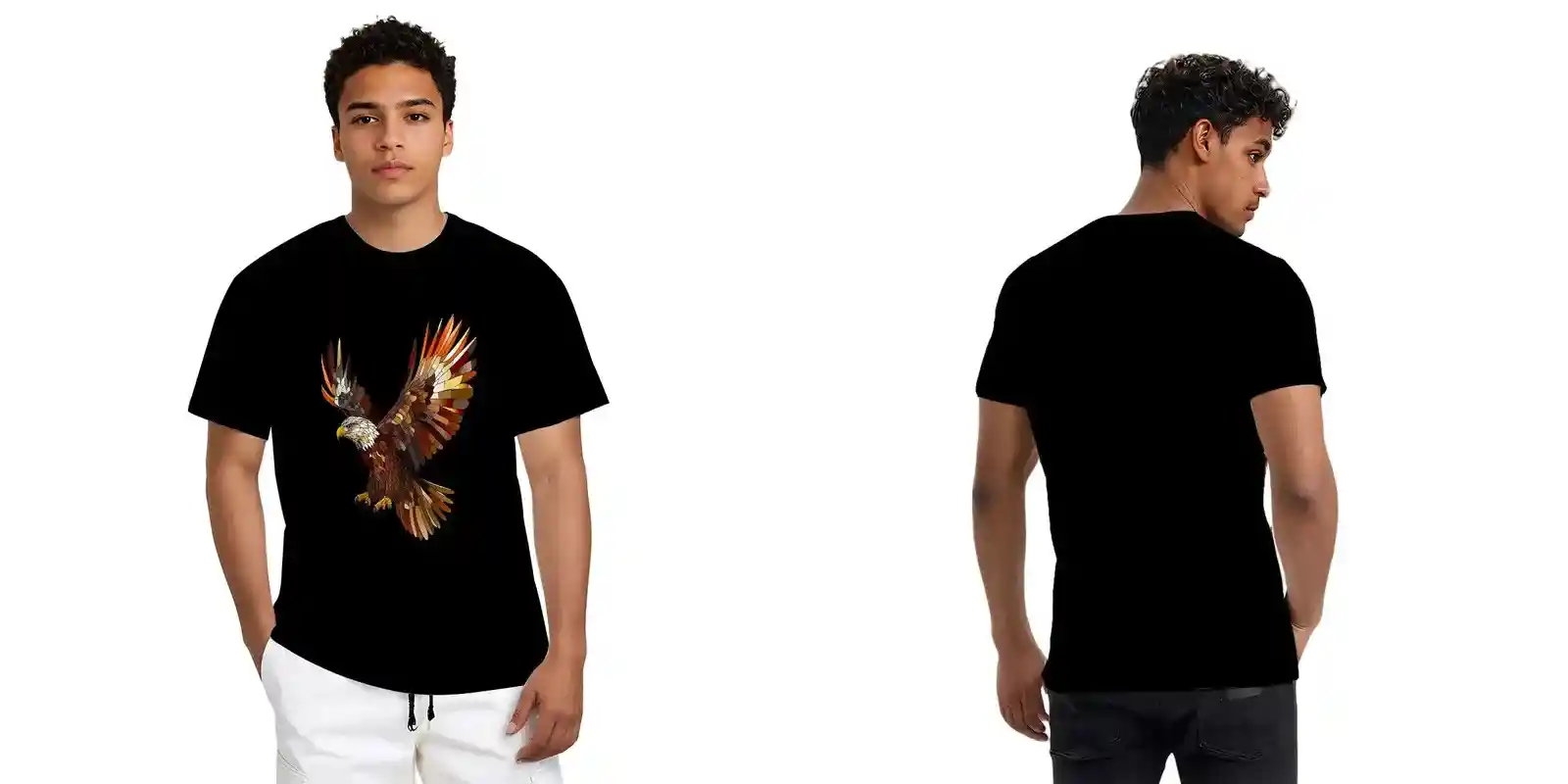
Custom Unisex Cotton T-Shirt | Gildan 5000 (Made in USA) - Print on Demand Fulfillment - PrintKK
Custom Hoodies
Hoodies cost more to make, but they also sell for more. That makes them a nice reward for a higher membership tier. Embroidery can make even a simple logo look more polished than a print. Try launching them before fall, when fans start thinking about warmer clothes.

Custom All Over Print on Demand Hoodie for Men Pocket Sweatshirt Customized Services - PrintKK
Custom Mahjong Tiles
A mahjong set is a good fit for creators whose fans love games, especially streamers who play on camera. The tiles have room for the creator's own art or characters, so every game night puts their work on the table. Since it's a bigger purchase than a shirt, a set works well as a top-tier reward or a limited holiday drop.

Custom 4-Layer American Mahjong Tiles Set - Print-On-Demand - PrintKK

Custom 4-Layer American Mahjong Tiles Set - Print-On-Demand - PrintKK
Custom Jigsaw Puzzles
Puzzles suit illustrators whose art is full of small details. A busy piece that's hard to take in on a phone screen becomes hours of slow, close looking at the kitchen table. Fans who finish one often frame it or share a photo online, which puts the art in front of their friends. Puzzles also make a cozy winter drop, when more people spend their evenings at home.
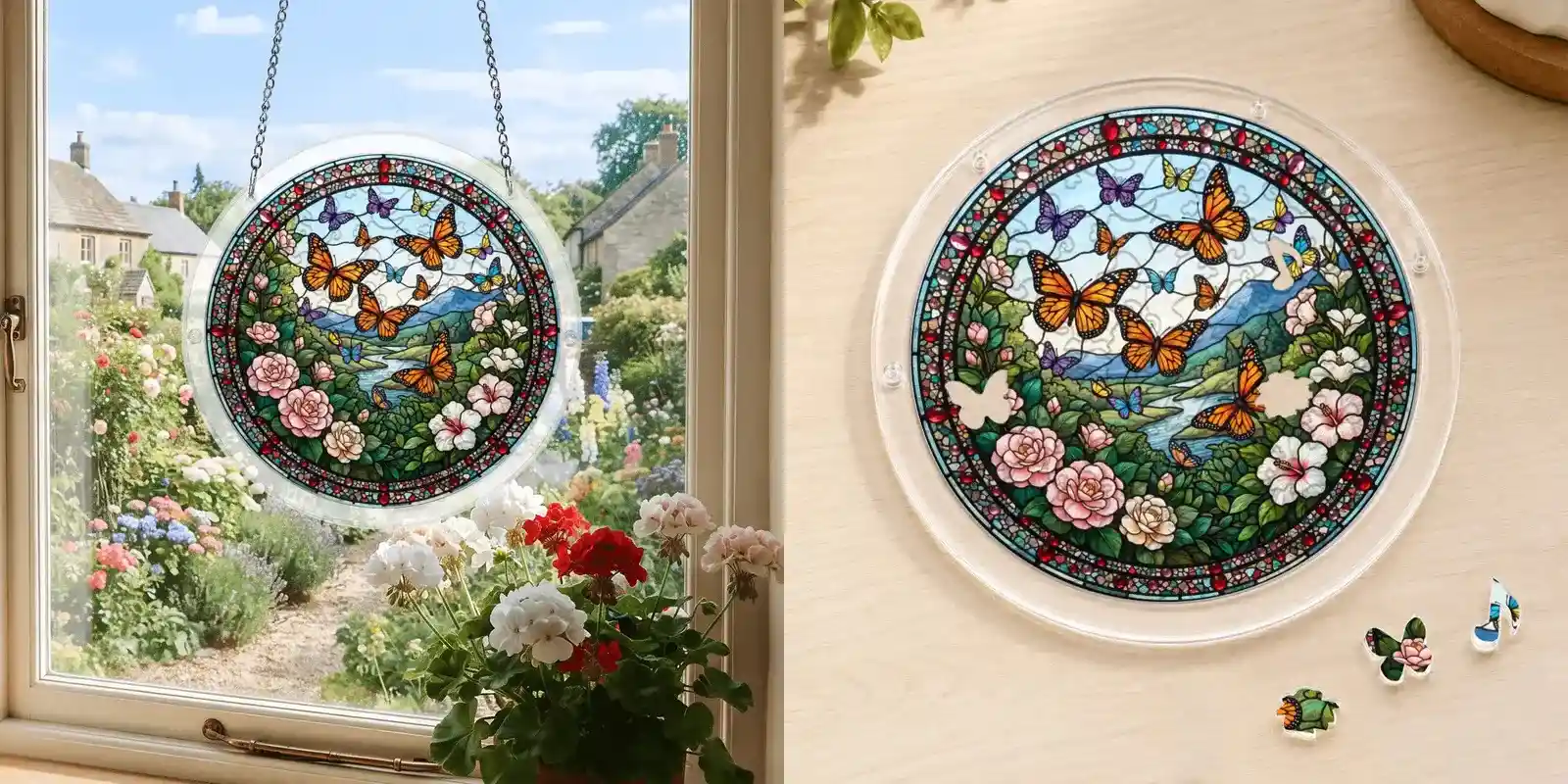
Custom Printed on Demand Acrylic Puzzle Suncatcher - Home Decor - PrintKK
Custom Mugs
Mugs fit writers and podcasters who don't have much visual art. One line fans already know from the show or newsletter is enough for a design, and they'll see it every morning over coffee. Keep the text short and the font clean, since long quotes are hard to read on a curved mug.
Custom Color Changing Mug (11oz) (Made in USA) - Print-On-Demand - PrintKK
Custom Tumblers
A big tumbler with a handle and straw goes wherever fans go all day, so the design gets seen far more than a mug left at home. It suits lifestyle creators whose fans already share their daily routines online. The tall, wide body gives a design more room than a mug does. It also sells for more, which makes it a good pick for a mid-level tier or a gift-season drop.
Print on Demand Travel Coffee Mug with Handle and Straw (40oz) - Drinkware - PrintKK
Connect the Shop to the Rest of the Stack
The shop link should sit on the membership page and in every newsletter, one click from wherever fans already are. Creators with an online store can connect PrintKK to major e-commerce platforms, and orders go to production on their own.
There are 1,300+ products to customize and no minimum order. Custom packaging and hang tags help each package look like it came straight from the creator's brand. PrintKK also works with TikTok Shop, which is handy for creators who already sell through short videos.
Read More:
How to Move from Patreon Without Losing Supporters
Export Your Patron List
Download the member list from the Relationship Manager before announcing anything. Pull active paid members and cancelled members as separate files. The first group is the core of the move, and the second is a list of past fans who might come back once there's a fresh start.
Expect Supporters to Re-subscribe
Patreon keeps fans' card details, so nothing carries over. Every paying supporter has to sign up again and re-enter their payment info. Try it first by signing up on a phone as if you were a fan, and count how many taps it takes. If it drags, look for settings that remove steps, like letting fans pay before they create a password.
Tell Supporters Early
A single post is easy to miss, and a short run of emails works better. The first one explains the move and gives the new link. Send the next on launch day, and one more a few days before the cutoff. It also helps to add a small bonus that's only on the new platform, such as one extra post a month. That way the switch feels like an upgrade, not a chore.
Run Both Platforms for a While
Don't shut Patreon down right away. Leave the page up while new posts go to the new platform, and pin the join link at the top. Once a week, count how many paying supporters have made the move. When that count stops going up, post a goodbye note and close the page.
Expert Tips
Patreon works for many creators, but it isn't the only option. The best Patreon alternatives give you lower fees, more control, or better tools for what you sell. Start with how your fans like to pay. Compare the full cost, not just the platform cut.
If you decide to switch, move slowly and keep your supporters in the loop. Adding merch can open another income stream. Pick one platform, test it, and adjust as you grow. The right setup will help you earn more from the work you do.