





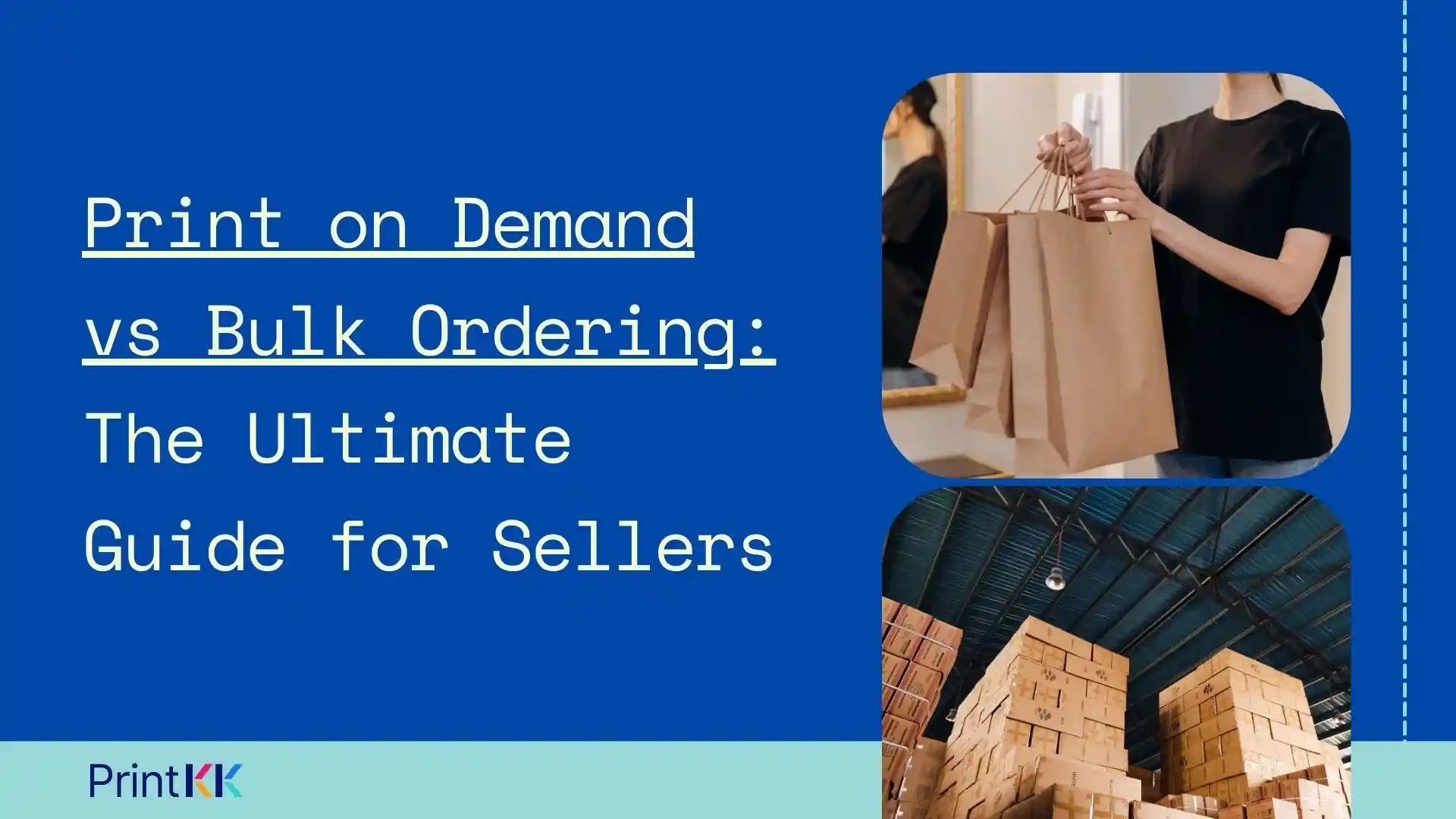
You've got a design you love. Now comes the big choice: order a stack of shirts upfront, or print each one only when it sells. The print on demand vs bulk ordering decision shapes your costs, your risk, and how fast you can test new ideas. Inside, you'll see the six key differences and when bulk starts to pay off. You'll also find seven products that earn more with POD. Short version: start with POD, then scale what sells.
Key Takeaways
- POD needs no minimums or upfront cash, so new designs cost little to test.
- Bulk lowers the price per item, but only at high volume with steady sales.
- Storage and unsold stock can erase bulk savings, so run the break-even math first.
- A hybrid setup keeps new designs on POD and moves proven bestsellers to bulk.
- PrintKK offers 1,300+ products with no minimums, suited to personalized and seasonal items.
What Is Print on Demand?
With print on demand, nothing gets printed until someone actually buys it. A seller puts a design on a blank T-shirt or mug and lists it in an online store. Until an order comes in, that shirt is only a mockup sitting on a product page.
Once a buyer checks out, the order heads over to a print partner on its own. They print it, pack it, and send it to the buyer's door. The seller doesn't have to lift a finger, or even see the finished product.
So who does what? The seller comes up with designs and gets people to the store. The print partner takes care of production. It's a big reason a lot of these shops are run by just one person from a laptop.
The money side is pretty simple. Every product has a base cost, which is what the partner charges to make it. Say a hoodie's base cost is $20 and it sells for $45. Take out shipping if the seller covers it, and what's left is profit.
Because each item gets printed one at a time, custom orders are no big deal. One buyer wants their name on a hoodie, the next wants a photo of their dog. Try doing that with a batch of 500 shirts.
What Is Bulk Ordering?
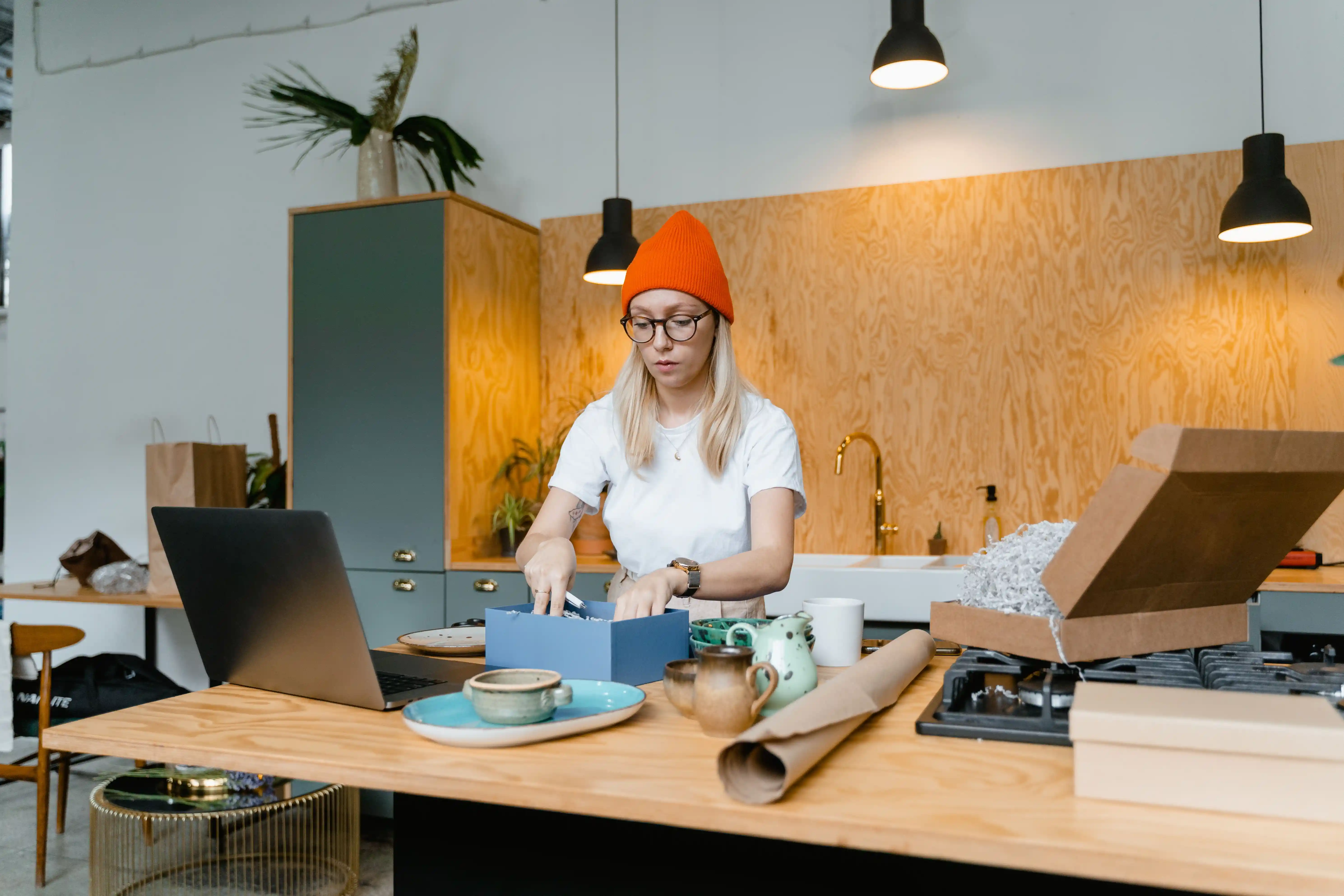
Bulk ordering is how merch has been done for decades. A seller pays a print shop to make a big stack of products upfront, then tries to sell them all. The shirts are already folded in boxes before a single customer shows up.
Don't expect a shop to print just a handful, though. Most have a minimum, so ordering three shirts to test a new design usually won't fly.
Why go big? Mostly because of setup. With screen printing, the shop makes a screen for every color, and that costs the same for 20 shirts or 500. Say setup runs $100. Spread over 20 shirts, that's $5 tacked onto each one. Over 500, it's 20 cents.
Then the boxes land on the doorstep. They need somewhere to live, whether that's a closet, the garage, or a warehouse charging for storage every month. And every time an order comes in, someone has to pack it and get it to the post office.
The hardest part happens before anything sells. The seller has to guess how many of each size to order, and nobody really knows. Get it wrong and there's a pile of XLs in the corner that nobody wants.

Print on Demand vs Bulk Ordering: 6 Key Differences
Both models get products to customers. Where they split is how much cash goes out first and who's stuck with the risk. Here's a quick look before digging into each one.
| Print on Demand | Bulk Ordering | |
|---|---|---|
| Minimum order | None | Set by the print shop |
| Upfront cost | Nothing until a sale | Whole batch paid first |
| Cost per item | Higher | Lower at high volume |
| Leftover stock | None | Likely |
| Speed | Fast to launch | Fast to ship once stocked |
| Design options | Change anytime | Locked in once printed |
Minimum Order: POD Wins with No Minimums
With POD, one shirt is a perfectly normal order. A brand-new design can go up for sale tomorrow, and if only two people buy it, only two get printed. Nobody has to commit to a stack of shirts just to find out if the idea works.
Bulk works differently. Print shops need a certain number of pieces to make the job worth setting up, so they set a floor on every order. That floor becomes the smallest bet a seller can make, and for a design nobody has tested yet, it's a pretty big one.
Upfront Cost: POD Wins, You Pay After a Sale
POD flips the usual order of things. The customer pays first, and the base cost comes out of that sale. The seller's own cash never has to leave the bank before money comes in.
With bulk, the whole batch gets paid for weeks before the first sale. That money stays stuck in boxes until the last shirt is gone. For a new store, this decides a lot, because every dollar tied up in one design is a dollar that can't go toward the next idea or into ads.
Cost per Unit: Bulk Wins, but Only at High Volume
Big runs do make each item cheaper. The setup cost gets spread over hundreds of pieces, and print shops usually knock the price down further as the order grows. For a design that's already proven, that discount can add up.
Still, the price on the invoice isn't the whole story. Storage fees show up every month, and the shirts that never sell still cost money to make. Once those get added in, the gap between the two models can shrink fast, and on small runs POD can easily come out ahead.
Inventory Risk: POD Wins, No Leftover Sizes
Every POD item is sold before it's made, so there's nothing left sitting around. If a design flops, it just gets taken off the store. The only thing lost is the time it took to make it.
Bulk doesn't let a seller off that easy. A slow design turns into boxes that end up marked down, bundled as freebies, or given away. Even a design that sells well can leave leftovers behind, because some sizes and colors always move slower than others.
Speed: POD Launches Faster, Bulk Ships Faster
POD is hard to beat at getting new products live. A design can go from idea to listing in an afternoon, which matters a lot when a trend or a holiday is coming up fast. There's no waiting on a print shop's schedule.
The trade-off is that each POD order gets printed before it ships, so buyers wait a little longer. Bulk is the opposite. The batch can take weeks to arrive, but once it's on the shelf, orders can go out the same day.
Design Variety: POD Wins, Test Any Idea
Listing 50 designs costs about the same as listing 5 with POD. That makes it easy to jump on trends, try a fresh color, or make a version for a small niche. Designs that don't sell can quietly come down without costing anything.
Bulk locks a design in the moment it's printed. Since every new design means another big order, most sellers play it safe and stick with a few they're confident about. That works fine for proven bestsellers, but it leaves a lot of good ideas on the table.

How to Choose the Right Model for Your Business
There's no single right answer here, and that's fine. The better question is which model fits the store right now, based on real sales, cash, and how much work the seller wants to take on.
Find the Point Where Bulk Starts to Pay Off
Bulk looks cheaper on paper, but the real test is how many shirts actually sell. Here's an example with made-up numbers. A POD shirt has a base cost of $14. A bulk order of 100 shirts costs $6 each plus $100 in setup, so that's $700. Add $30 a month for storage, and after three months the batch has cost $790. Shipping to buyers costs about the same either way, so it's left out.
Now divide that $790 by the $14 POD cost. The answer is about 57, so at least 57 of those 100 shirts need to sell in three months before bulk saves a dime. Sell only 40, and each one really cost almost $20. That's also before counting the evenings spent packing boxes. Run this math with real quotes before placing any big order.
Choose Print on Demand If…
POD makes the most sense when a store is new or a design hasn't been tested yet. Without real sales data, any bulk order is a guess, and POD lets the market answer that question for free. It's also the clear pick when cash is tight and every dollar needs to go toward ads or new designs.
It fits sellers who don't have a spare room or the time to ship orders every day, too. And for custom items with names or photos, or for holiday designs that stop selling the day after, POD is really the only model that works. Those products can't be stocked ahead of time without a lot of waste.
Choose Bulk Ordering If…
Bulk only earns its place when a design has a track record. That means steady sales month after month, not one good weekend. If the numbers from the break-even math above clear the bar easily, a bulk run can make sense for that one design.
The seller also needs a plan for the boxes. That means somewhere to keep them and someone to pack every order, or a budget for a warehouse that does it. Bulk is a good fit for a fixed headcount, too, like shirts for a company event or a sports team, since the exact number is known before anything gets printed.
Combine Both Models to Lower Inventory Risk
Plenty of sellers don't pick just one. They keep the whole catalog on POD and only move a proven bestseller to bulk once the math works. Every new design still starts on POD, so testing ideas never costs extra.
Even then, the bulk order can stay small. Order the sizes and colors that sell most, and leave the rare ones on POD so there's no stack of 3XLs sitting around. While a bulk batch is on its way, the POD listing can keep taking orders, so the product never shows as sold out.
7 POD Products That Earn More Than Bulk Orders
Some products are just easier to sell when each one is made to order. They come in lots of versions, carry a customer's name, or only sell for part of the year. Here are seven where POD tends to leave sellers with more profit.
All-Over Print Hoodies
All-over print covers the whole hoodie, hood and sleeves too. People notice them, which is half the point. But loud designs split opinions, so it's smart to give buyers a few choices instead of putting everything on one look.
A simple way to do it: post the designs on social media first and see which ones people comment on or share. Give those a bigger push in the store. If a design stays quiet for a few weeks, swap it for a new idea and try again.
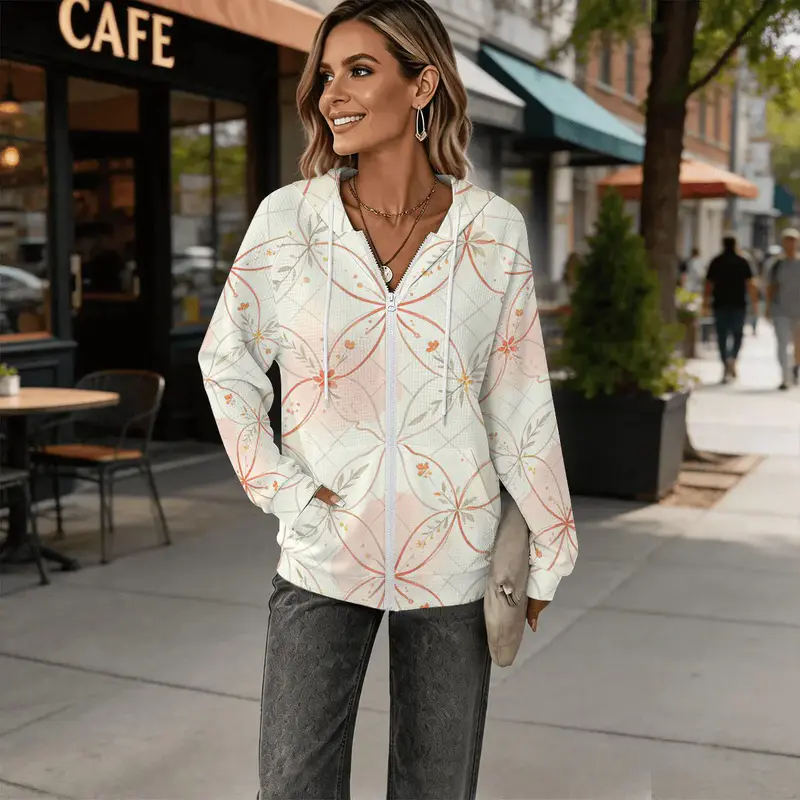
Custom Women's Full Zip Waffle Knit Hoodie - Print on Demand Fulfillment - PrintKK
Custom Leggings
One leggings design already means a full run of sizes, and the bold prints are why people buy them in the first place. So a single idea turns into a lot of versions fast. With POD, every one of them stays in stock without any planning.
What works best is picking a small group and designing just for them. Think leggings for people who walk three dogs a day, or for the gym crowd that doesn't take itself too seriously. A seller can put out a few of these niche ideas at once and keep whatever gets traction.
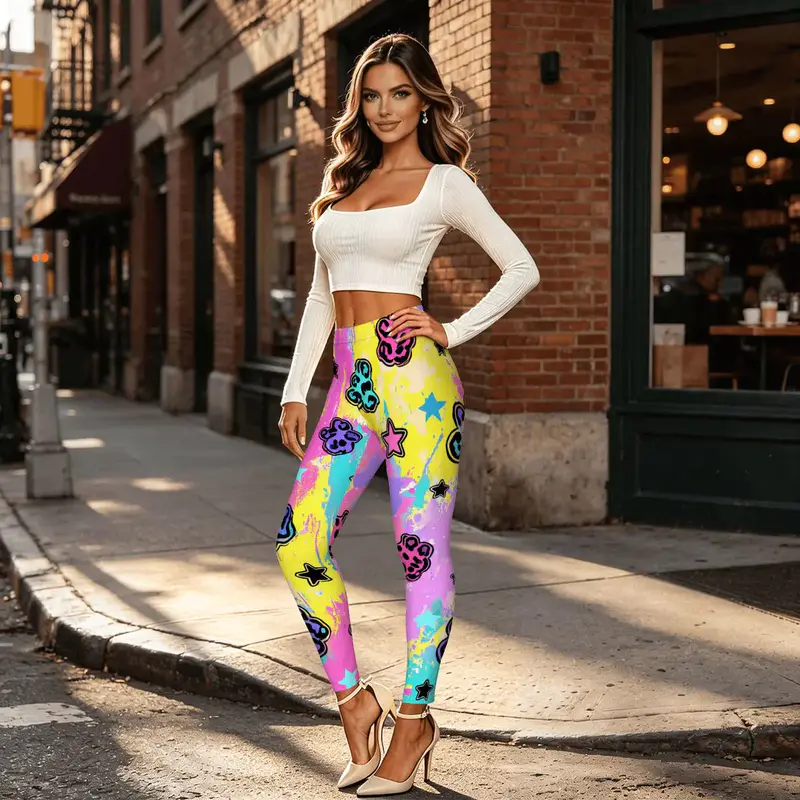
Custom Printed on Demand Women's Leggings - Workout Yoga Pants - Women's Clothing - PrintKK
Custom Phone Cases
Every case design needs a version for each phone model, and there's a new batch of phones every fall. With POD, the buyer just picks their phone and gets a case that fits it.
New models can go up as soon as they're out, and older ones can stay listed for as long as anyone's still using them. One easy win is matching. If someone buys a hoodie with a design they like, show them the same art on a case right next to it.

Custom Printed on Demand iPhone 18 Pro TPU Phone Case - Phone Accessories - PrintKK
Personalized Christmas Ornaments
Put a family name and the year on an ornament, and it stops being a cheap decoration. It becomes something that comes out of the box every December. People will pay more for that, and it's only printed once they've placed the order.
Most ornament sales land between November and mid-December. Listing them in October gives them a few weeks to start showing up in search before shoppers get going. In January, the listing can just sit there until next season.

Print on Demand Christmas Tree Photo Plaque - Freestanding Acrylic Keepsake - Home Decor - PrintKK
Custom Greeting Cards
Cards cover a huge range of moments. Birthdays, new babies, retirements, the list keeps going. Each occasion can get its own designs, and a lot of buyers want to add a name or a short note.
On their own, cards don't make much per sale. Next to a custom mug or ornament, though, they turn one item into a ready-to-give gift. Buyers like grabbing everything in one go, and the seller gets a bigger order out of it.
Print on Demand Vertical Greeting Cards (Pearl Paper) - Home Decor - PrintKK
Personalized Mugs
The mugs people actually buy as gifts usually have something personal on them. Their cat, an inside joke from work, a "World's Okayest Dad" line. That personal bit is what gets someone to stop scrolling.
Mugs are also heavy and easy to chip, so packing them takes some care. With POD, the print partner handles the packing and ships each mug straight to the buyer. That's one less thing on the seller's plate.

Custom Color Changing Mug (11oz) (Made in USA) - Print-On-Demand - PrintKK
Custom Kids' Clothing
Kids outgrow everything, so parents keep coming back for the next size up. Having toddler through tween sizes on the store means there's always something that fits.
Matching sets are where this gets fun. Print the same design in adult and kids' sizes, and a family can order matching shirts for a birthday or a vacation. One parent shopping for the whole family can easily turn into four shirts in one order.
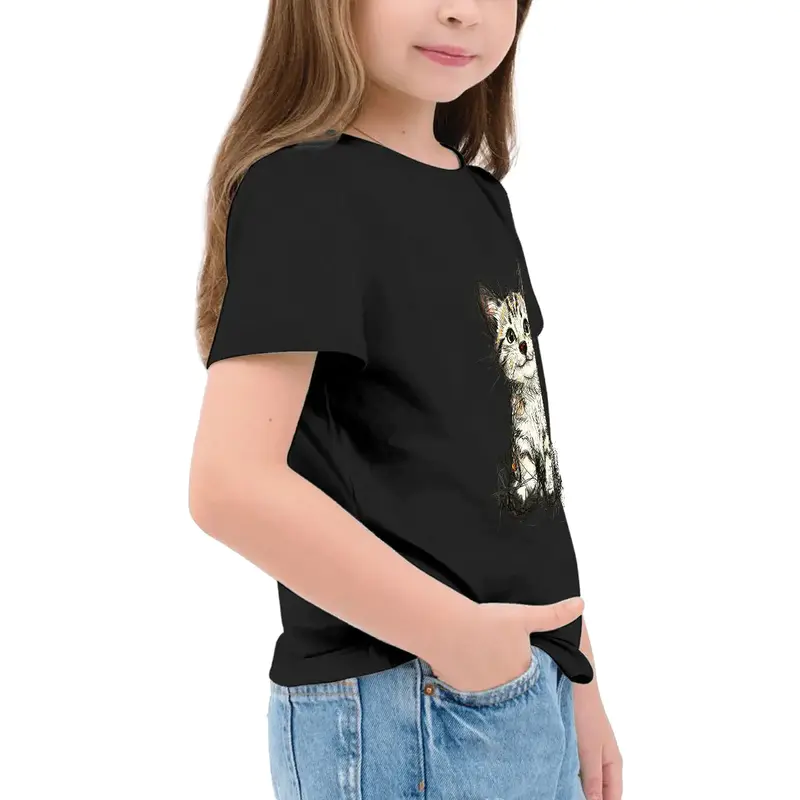
Custom Kids Cotton T-Shirt (Made in USA) - Print on Demand Fulfillment - PrintKK
Read More:
- Is Print on Demand Worth It? Key Insights for Ecommerce
- Is Print on Demand Profitable: Top POD Products Picks
Start Selling Without Inventory on PrintKK
For most sellers, the smartest move is to start with POD and let real sales show which designs are worth more attention. Bigger orders can wait until a design has proven itself. PrintKK is set up for exactly that kind of low-risk start.
There's no minimum order, so one sale is a perfectly normal order. That also makes it easy to grab a sample before listing anything, so a seller can see and feel the product their customers will get.
The catalog has more than 1,300 products, so the seven above are really just a starting point. One design can go on a hoodie, a mug, and a phone case in a few minutes, which is an easy way to see which product a design sells best on.
The built-in AI design tool helps sellers who don't draw turn a rough idea into print-ready artwork. From there, it goes straight onto a mockup and into the store.
The platform connects with Shopify and other major online stores, so orders flow in on their own and get printed and shipped without any copying and pasting. Free shipping to some parts of the US also helps keep prices competitive without cutting into profit.
A good way to begin is with a handful of designs on a few products. Watch what gets clicks and sales for a few weeks, then build on the winners. No boxes in the garage, and no money tied up before the first order comes in.
Expert Tips
The print on demand vs bulk ordering choice comes down to timing. Bulk can lower your cost per item. But it only pays off when sales are steady and you have room to store it. POD lets you launch with no minimums and no upfront cost. You keep zero leftover stock and can test new ideas freely. So start with POD and watch your sales. When a design proves itself, you can decide if bulk makes sense.
FAQs
Is print on demand cheaper than bulk ordering?
Per item, no. Bulk usually costs less for each piece. But POD skips setup fees, storage, and unsold stock, so your total spend is often lower, especially when you sell in small numbers.
When should I switch from print on demand to bulk ordering?
Look at a design's sales over a few months. If it sells at a steady pace and the savings would cover storage and shipping work, try a small bulk run for that item alone.
Which is better for a new brand, print on demand or bulk ordering?
Print on demand is the easier start. You can launch with little money, learn what your audience likes, and change direction fast. Bulk makes more sense later, once you have real sales to guide you.
Is print on demand still worth it in 2026?
Yes. Shoppers keep looking for custom and personal products, and POD lets you offer them without buying stock. Sellers who do well usually pick a clear niche and keep adding fresh designs.
How many units count as a bulk order?
There's no set number. Each print shop picks its own minimum, and it can change by product and print method. Ask for quotes at a few quantities to see where the price per piece drops.
How long does print on demand take to ship compared to bulk orders?
A POD order is printed after checkout, so it takes a few extra days before it ships. Bulk stock can leave the same day, but the first batch often takes weeks to arrive.