






Shipping and delivery get mixed up all the time, and that mix-up can cost you a wasted week of watching the door. The two words point to different stages of your order, and knowing the difference between shipping and delivery changes how you read every tracking update.
Below, we break down what each term really means and clear up the one myth that trips up most shoppers.
Key Takeaways
- Shipping is the whole trip; delivery is the single moment it arrives.
- "Shipped" means the journey started, not that the package is close.
- Carriers use different words, but watch the stage, not the wording.
- "2-day shipping" counts from dispatch, not checkout, plus processing time.
- PrintKK handles production and fulfillment, keeping checkout timelines predictable.
What Is Shipping?
Shipping is the trip your order takes from the warehouse to you. The seller packs the item, prints a label, and hands it off to a carrier. From there, it’s on its way.
The seller kicks it off, the carrier does the legwork. Once the box is in the carrier’s hands, they pick the route and move it along, and the seller’s part is pretty much over.
Here’s what trips people up: shipping is a process, not a single moment. Seeing “shipped” feels like the package is almost there, but it really just means the trip started. The box still has sorting hubs and miles between cities ahead of it. That whole middle stretch is shipping, not just the send-off.
How fast it goes depends on the method. Standard is the cheapest and slowest, usually three to seven days. Express costs more but trims the wait to a day or two. International crosses borders, so customs checks tack on extra time.
What Is Delivery?
Delivery is the last step, when the package reaches the buyer. The trip is over, the box is at the door, the order is in hand.
Delivery is a moment, not a process. The package either has arrived or it hasn't. That's what splits it from shipping, and why "delivered" is such a final word.
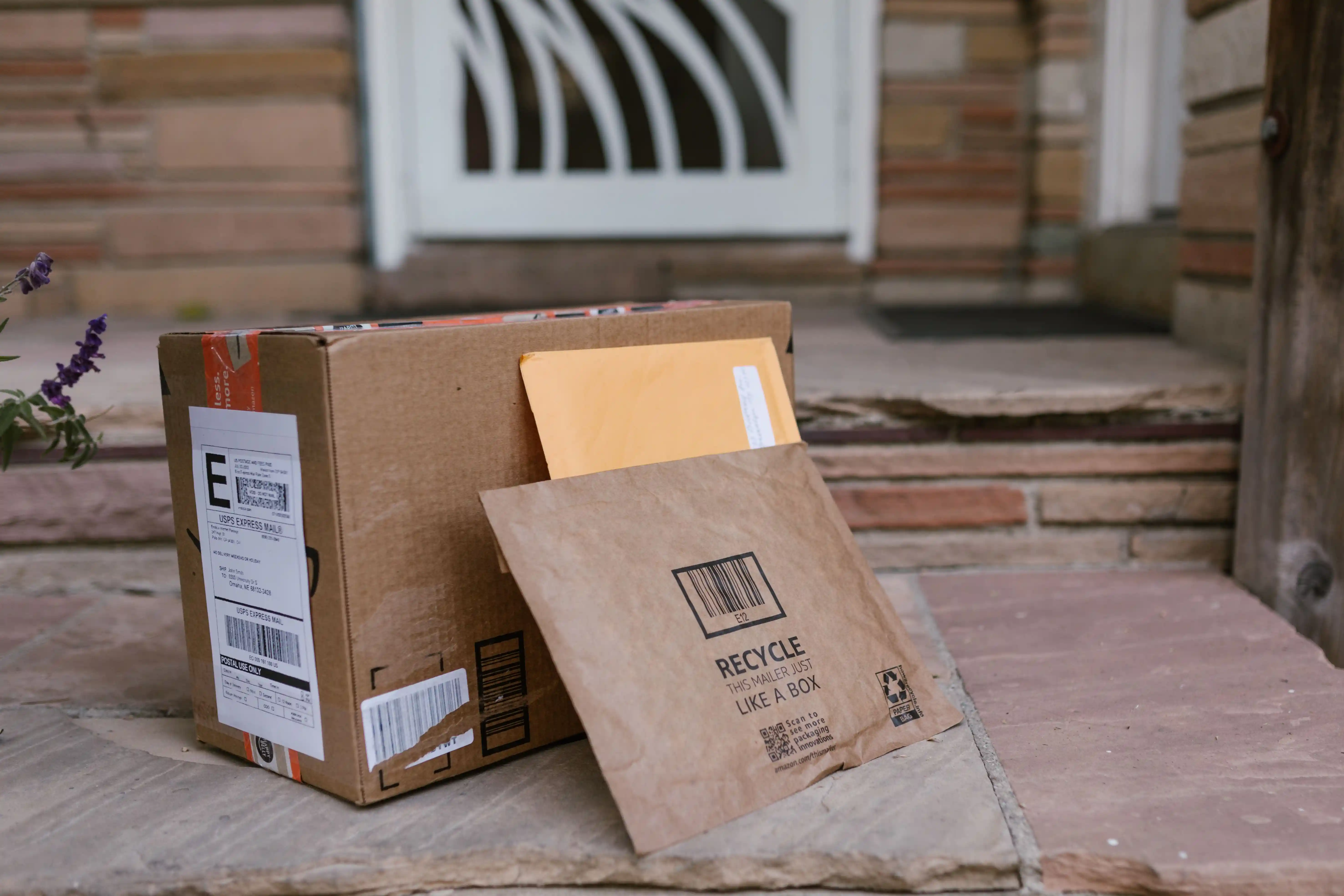
It's the one step the buyer sees. The sorting hubs and route changes happen out of sight. Delivery is different, a driver pulls up and the box lands on the porch. It's the only part that plays out in front of the person who ordered.
It's also the handoff point. Until now the package was the carrier's to look after. At delivery it passes into the buyer's hands, and the order officially counts as complete.
The delivery date isn't locked in. A shipping date is set the moment the box leaves, but the arrival date can still shift on the road. Weather, sorting backups, or a wrong address can all push it back.
Shipping vs. Delivery: Side-by-Side Comparison
Quick version first, then the details.
| Shipping | Delivery | |
|---|---|---|
| Stage | Start of the trip | Last leg to the door |
| Main tasks | Packing, labels, carrier handoff | Sorting, routing, drop-off |
| Key date | Ship date | Delivery date |
| Who controls it | Mostly the seller | Mostly the carrier |
| Status updates | "Shipped" + tracking number | "Out for delivery," "Delivered" |
1. Stage in the Order Journey
Think of it as one trip with two parts. Shipping covers everything from the moment an order is confirmed until it reaches a hub near the buyer. That can mean trucks, planes, and a few sorting centers along the way.
Delivery is the short ride from that hub to the front door. People in logistics call it the last mile. So when a customer asks where their order is, the status tells most of the story. "Shipped" can still mean a few days to go. "Out for delivery" means it's on a truck in their area.
2. Main Tasks Behind Each Step
Most shipping work happens before the customer sees anything. Someone packs the order, prints the label, and hands it to the carrier. Orders going to another country also need customs paperwork, and that's often where hold-ups start.
Delivery is the carrier's job. They sort packages, plan routes, and drop them off. Plenty of failed drop-offs come down to a bad address. A clear unit number field at checkout is a small fix, and it heads off a lot of "my package never came" emails.
3. Shipping Date vs. Delivery Date
The shipping date is when the order leaves. The delivery date is when it should arrive. Transit time sits in between.
Customers mix these up all the time. "Ships in 2 days" turns into "I'll have it in 2 days" in their head. Showing both dates on the product page or at checkout, in plain words, clears that up. Buyers guess less, and sellers get fewer annoyed messages.
4. How Much Control You Have
The shipping side is mostly in the seller's hands. How fast an order gets made, packed, and handed off is up to the store. For print-on-demand sellers, production time counts here too.
Delivery is another story. Bad weather, traffic, or a slow handoff between carriers can push things back, and there's not much you can do about it. The safer move is a firm shipping time paired with a delivery date range, like "arrives Thursday to Monday." That way you're promising only what you control.
5. Tracking and Status Updates
The first update usually lands when the order ships: an email with a tracking number. After that, the buyer can check on it anytime.
The last updates come from the delivery side. "Out for delivery" means it's on the truck. "Delivered" often comes with proof of delivery, like a photo of the box at the door or a signature. Sending tracking the same day an order ships helps a lot. So does a short FAQ that explains each status, so buyers can figure it out without reaching out.
The Order Journey: From Checkout to Your Doorstep
Shipping and delivery click into place once you see where they fall in the bigger trip. Every online order runs through the same six stages, and only two of them are shipping and delivery.
Before It Ships: Order Placed and Processing
Order Placed is the starting gun. The second checkout goes through, the order lands in the seller’s system. Nothing’s moved yet, no box, no label, just a record that you bought something.
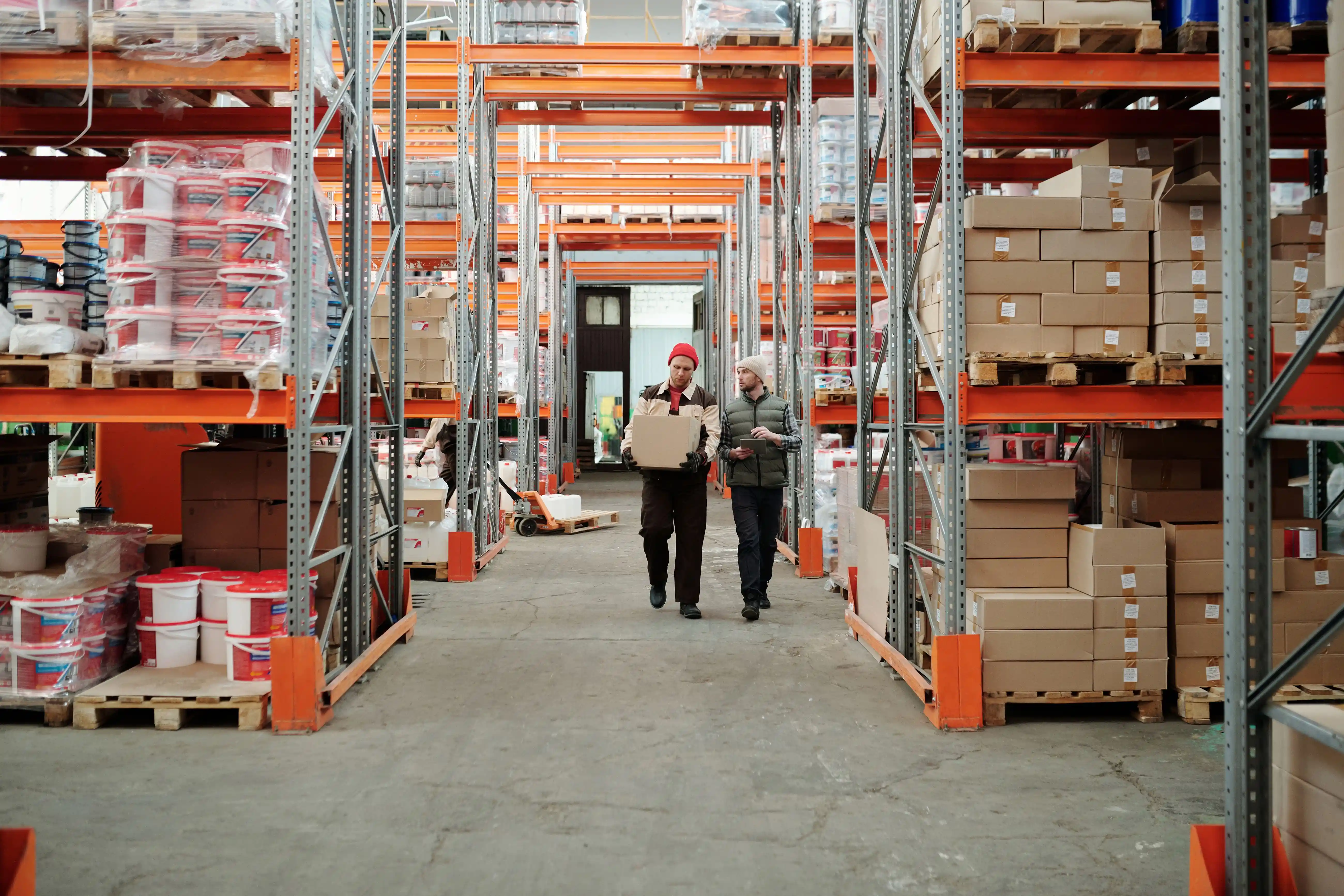
Processing is the hidden wait, and where a lot of the “why isn’t it here yet” frustration comes from. The seller pulls the item, packs it, and prints a label. For in-stock goods, that’s a few hours.
For a print-on-demand order it takes longer, because the product is made only after you buy it. A custom mug or shirt has to be printed first, which adds a step before anything can ship.
The Shipping Stage: Shipped and In Transit
You usually get your tracking number when the label is made, not when the box moves, so don’t panic if it shows nothing at first. A fresh label can take a few hours, sometimes a day, to register its first scan.
An empty tracking page right after you get the number is normal. The order hasn’t truly shipped until the carrier scans it.
In Transit is also where tracking goes quiet the most. The box only updates when a scanner catches it between hubs. So a day or two of silence usually means it’s moving, not lost. This quiet middle stretch is most of what “shipping” actually is.
The Delivery Stage: Out for Delivery and Delivered
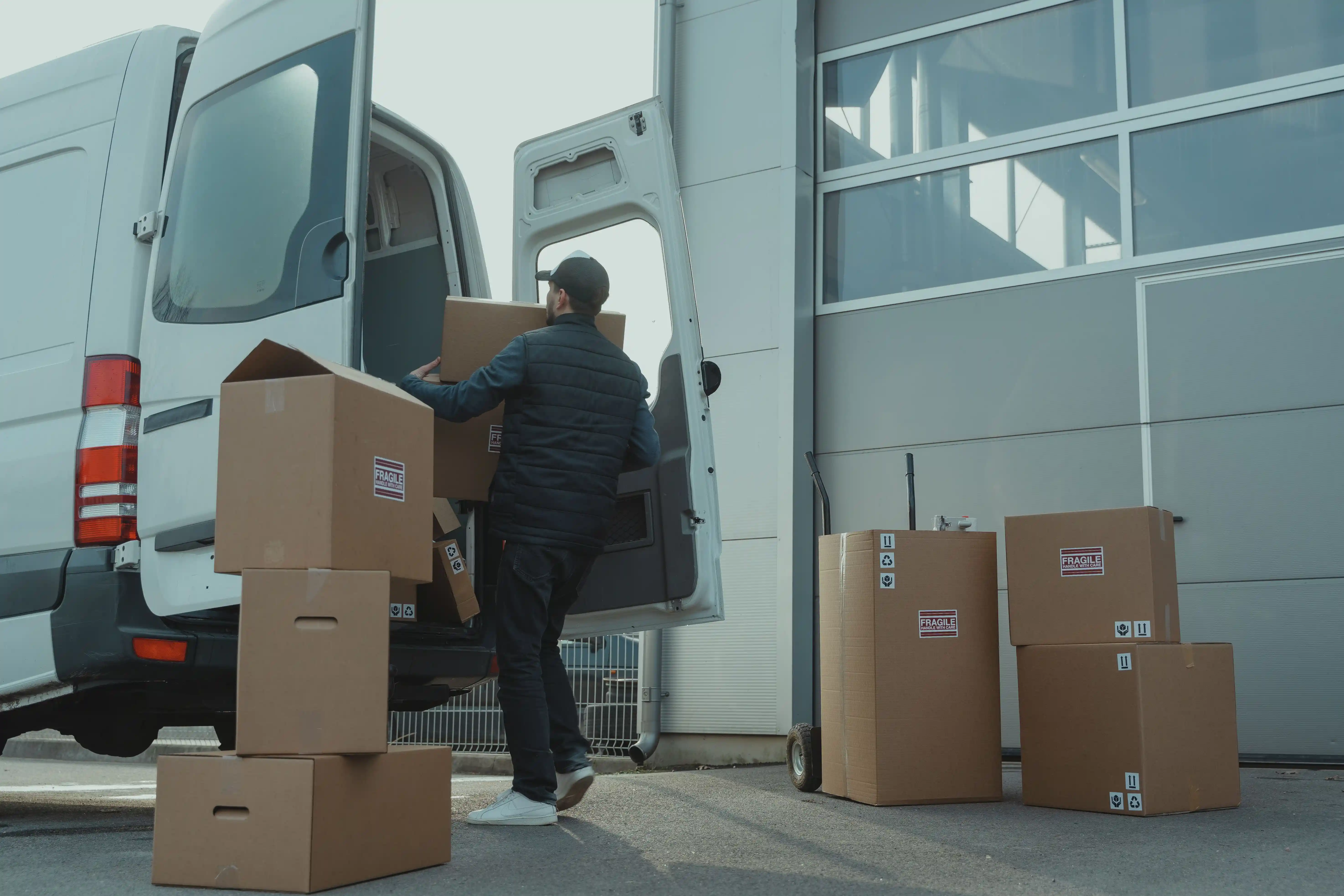
Out for Delivery means the box is on a local truck. That’s not a promise it lands today, though. A missed stop or a packed route can push it to tomorrow, so treat it as a strong signal, not a lock. Then comes Delivered: it’s at your door, and the order’s done.
So shipping is the middle, delivery is the end, and processing sits before both. That last part matters: a slow order isn’t always a slow shipment. Sometimes it just hasn’t gone out yet.

Custom Unisex Cotton T-Shirt | Gildan 5000 (Made in USA) - Print on Demand Fulfillment - PrintKK
"Shipped" vs. "Delivered": What Each Tracking Status Means
Every carrier uses its own wording, and that’s where tracking pages lose people. One can call a step something another labels completely differently. The table below lines them up so you can see what’s really going on.
| Stage | What you might see | What it actually means |
|---|---|---|
| Not shipped yet | Label Created, Shipping Label Created, Pre-Shipment, Order Processed | The seller made a label, but the carrier doesn't have the box yet |
| Shipping | In Transit, Arrived at Facility, Departed Hub, On the Way | The package is moving through the carrier's network |
| Delivery | Out for Delivery, On Vehicle for Delivery | It's on a truck for the final drop today |
| Done | Delivered, Left at Front Door | The package has arrived |
Label Created: Packed, Not Moving Yet
It means the seller has prepped your order and printed the label, so the next step is a carrier pickup. The box hasn't started moving yet, but it's queued up and ready. You'll see real progress once a carrier scans it.
In Transit: Many Scans, One Meaning
Carriers scan at every stop, so you'll see a pile of updates: arrived here, departed there, in transit. They look busy, but it's all the same message underneath: the box is still on its way. No need to read into each one.
Out for Delivery: Time to Act
If you need to clear the porch, catch the driver, or leave a drop-off note, this is the moment. The box is on a local truck, so whatever you want to change has to happen now.
Delivered: Means What It Says
Everything before it is all over the map, but the trip always ends with this same term. If the earlier updates had you guessing, this is the one that means exactly what it says.
Bottom line: watch the stage, not the exact words. Label Created means wait, In Transit means it's moving, Out for Delivery means get ready.
Read More:
Why "2-Day Shipping" Doesn't Mean Delivered in 2 Days
"2-day shipping" is where most shoppers misread the clock.
The Clock Starts Later Than You Think
The two days count from shipping, not checkout. Before that clock starts, the order still needs processing, which adds one to three days.
"Business days" skip weekends. Order on a Friday and the two days may not start until Monday, pushing a 2-day promise into the next week.
So "2-day shipping" means 2 days once it's on the truck, not 48 hours from "buy."
How Sellers Can Label It Better
Vague labels drive "Where is my order?" emails. The fix is plain wording: instead of "2-Day Shipping," write "Ships in 1–2 days, arrives in 3–4."
Showing both the processing and transit time sets honest expectations and cuts WISMO tickets. A platform like PrintKK keeps fulfillment times predictable, so the estimate you post matches what ships.
Expert Tips
Now the difference between shipping and delivery is clear. One moves your order. One ends the trip. That small bit of knowledge pays off every time you shop online. You can read a tracking update at a glance, know if your package is close or still far, and skip the needless worry. You order with more confidence, and you always know what to expect next.
FAQs
What is the difference between shipping and billing address?
Your shipping address is where the package goes. Your billing address is tied to your payment card. They can match, but they do not have to. Both can be different places.
How long does it typically take from shipping to delivery?
It depends on the method you pick. Standard runs about three to seven days. Express can arrive in one or two. International takes longer, since customs checks add extra time.
Can the delivery date change after my order has shipped?
Yes, it can. The shipping date locks in once the box leaves, but the arrival date can still move. Weather, sorting delays, or a wrong address may push it back.
What are the four types of delivery?
Common options are standard, express, same-day, and overnight. Standard is the cheapest and slowest. The other three cost more but get your package to you much faster.
What should I do if my delivery date has passed but the package hasn’t arrived?
First, check your tracking for updates. Wait a day, since small delays are normal. If it still has not come, reach out to the seller or carrier.