




Ads keep getting more expensive. Trust in them keeps dropping. So how do you actually reach buyers in 2026? You partner with people they already listen to.
That's why influencer marketing is important now more than ever. Real creators talk to real audiences in a way brand accounts just can't match. Their posts drive sales, build trust, and keep working long after they go live.
In this guide, you'll see what's changed, what actually works, and how to make influencer marketing pay off for your brand.
Key Takeaways
- Influencer marketing sells borrowed trust, the one thing paid ads can't buy.
- Ten micro-creator deals beat one macro booking on both cost and data.
- Creator content doubles as native ad fuel and long-term search results.
- AI tools cite creators, so brands without coverage vanish from AI answers.
- Brief the angle, don't script the post—algorithms bury copy that reads as ads.
What Is Influencer Marketing
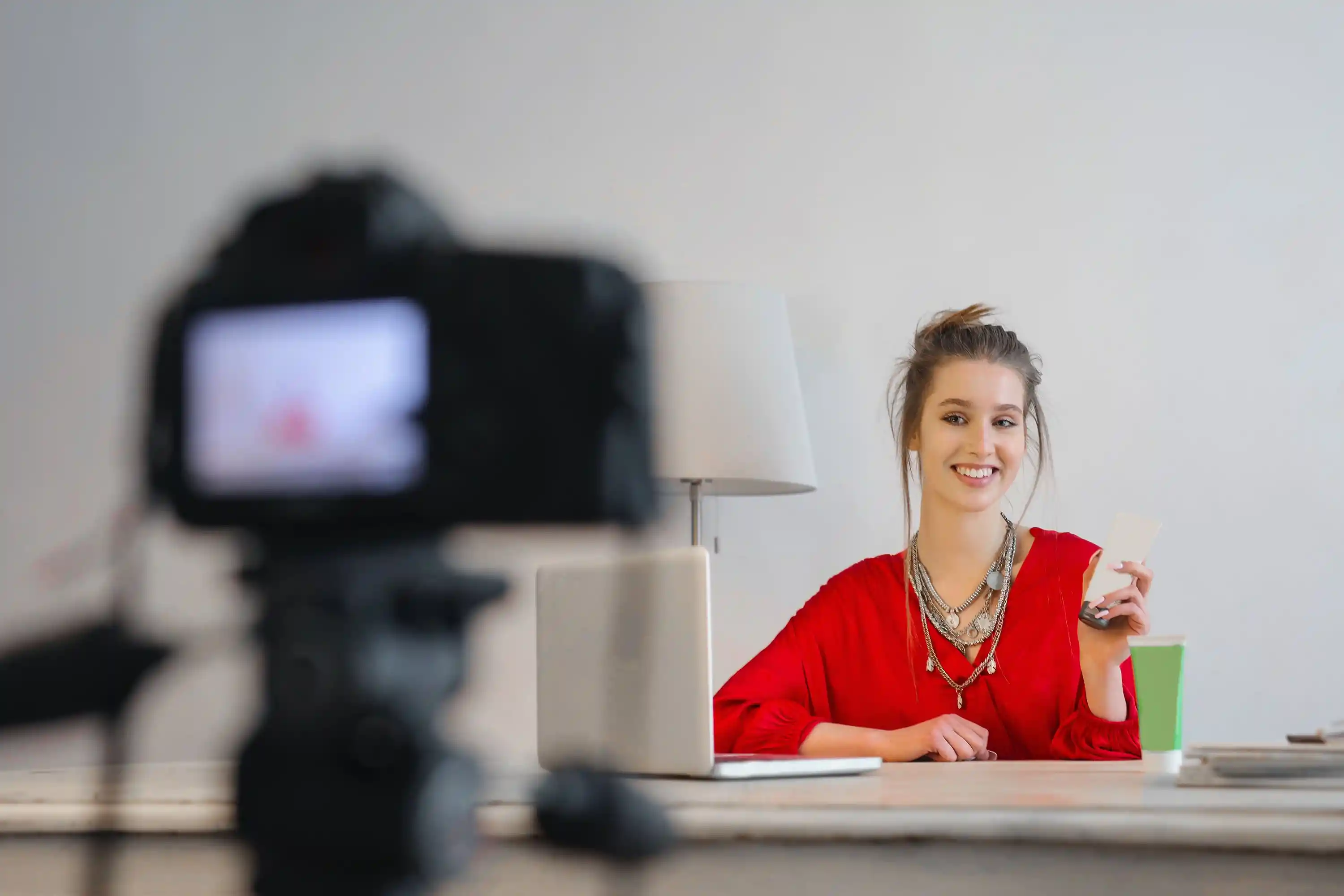
The mechanics are simple: a brand pays a creator to talk about a product to an audience that already listens to them. What you're really buying isn't the post—it's borrowed trust, which is the one thing paid ads can't manufacture.
In practice it looks like this. You send the product, agree on a Reel or TikTok or YouTube segment, and the creator shoots it in whatever voice their audience is used to.
When it works, viewers can't quite tell if they're being sold to or just watching their favorite creator geek out about something new—and that ambiguity is doing most of the work.
Why Influencer Marketing Is Important in 2026
Money is moving into creators from three places: agency retainers, paid social, and PR. Here's why.
Cheaper Than an Agency
An agency shoot runs $10K to $100K. A micro-creator with 20K followers delivers similar content for $500 to $2K. Ten creators for the cost of one shoot means ten times the footage—and it looks like a real person made it.
Agencies bill for scripting, casting, lighting, editing, revisions. Creators fold all of that into a flat rate. The same budget that buys one agency shoot can fund 15 creators and 45 pieces of content, with change left over for paid amplification.
Fuel for Paid Ads
Creator content isn't just for the creator's feed. Brands license the video, drop it into Meta or TikTok Ads Manager, and test five hooks in a week. Influencer marketing isn't only organic reach—it's a content engine for paid, and paid is where scale lives.
Brief 20 creators, get 20 native-looking videos, upload as ad variants, let the algorithm pick winners. The two or three that break out carry the next 90 days.

A Workaround for Privacy Changes
Tracking has been getting worse for years. iOS 14 broke the pixel, Chrome now lets people turn off third-party cookies with a click, and anyone running Meta ads has watched their CPAs drift up quarter after quarter with nothing they can do about it.
Creators sidestep it. A woodworking channel's subscribers are woodworkers. A postpartum fitness creator's audience is new moms. The targeting is baked in to who chose to follow—no pixel required.
Access to Tiny Communities
Broad targeting is dead. The real money in 2026 sits in niches ad platforms can't touch—fountain pen collectors, sourdough nerds, van-lifers, keyboard modders.
These groups hang out on Reddit, in Discord servers, and on small YouTube channels where the creator is the gatekeeper, and paying that creator is often the only way in.
That might mean a pinned message from a Discord owner, a mod-approved Reddit post, or a 60-second shoutout inside a niche build video. None of it runs through Ads Manager. And a 4,000-member Discord can easily charge more than a 100K-follower TikTok creator, because what you're buying is access, not reach.
Trust on Day One
Building an owned audience takes years. Renting a creator's takes one contract. That trust transfer is why influencer CAC tends to beat cold traffic across most DTC categories.
A creator endorsement isn't a first impression. It's a warm handoff from someone the buyer already listens to.
Followers picked that creator as a taste filter, and put the same clip on a brand account versus a creator's, the creator version routinely pulls three or four times the engagement.
Who Benefits Most from Influencer Marketing
Influencer marketing works across categories, but a few types of brands see outsized returns. Here's where the channel earns its keep first.
E-commerce and Print-on-Demand Brands
Product pages can't answer the real questions: does the shirt pill, does the print crack, is the mug microwave-safe. Creator video does. For print-on-demand, one creator validates a whole design line at once—if the hoodie fits well on them, the same base sells in 40 other prints.
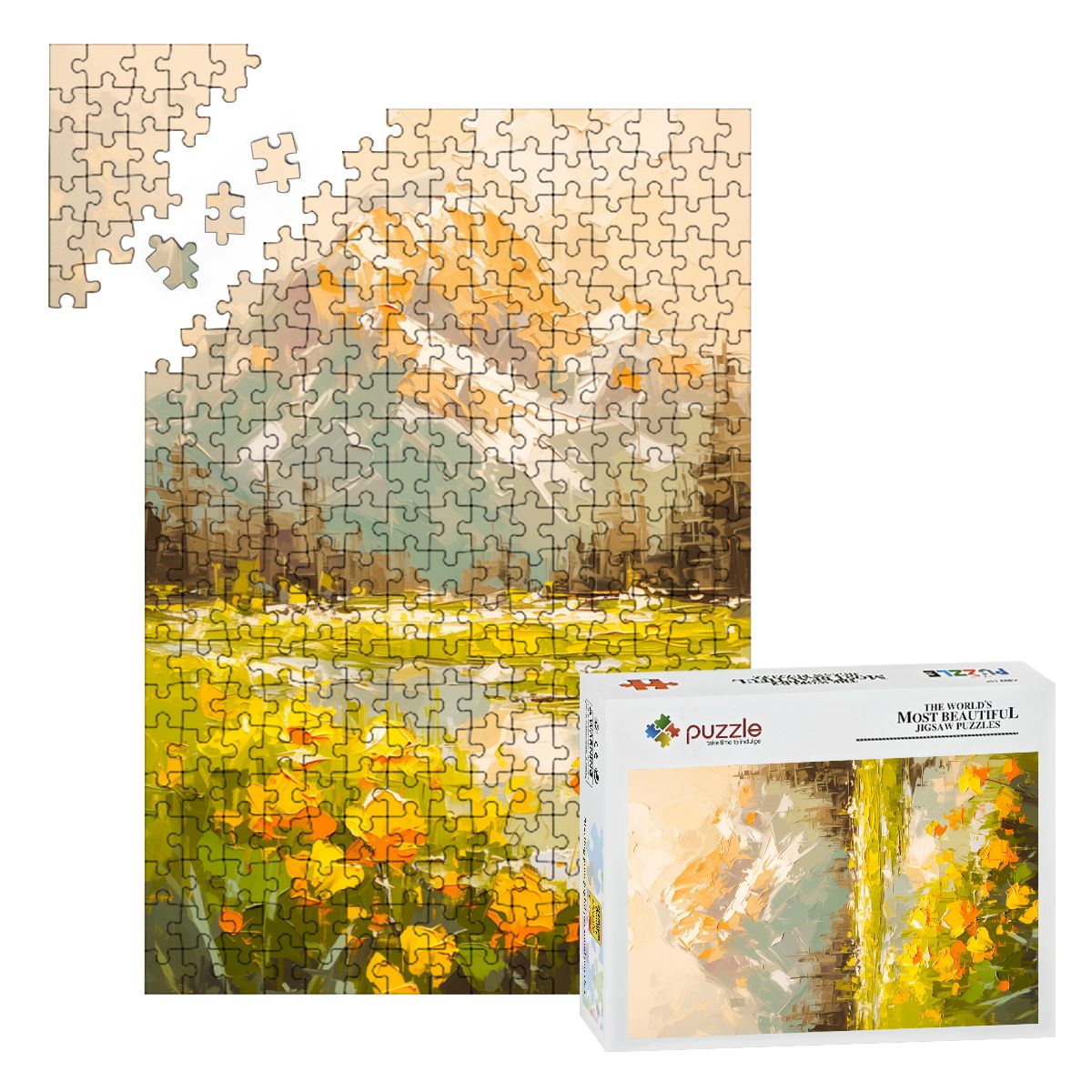
That's leverage other categories don't get, and it's why sellers on platforms like PrintKK can spin up an entire creator-ready product line from a single AI-generated design without touching inventory.
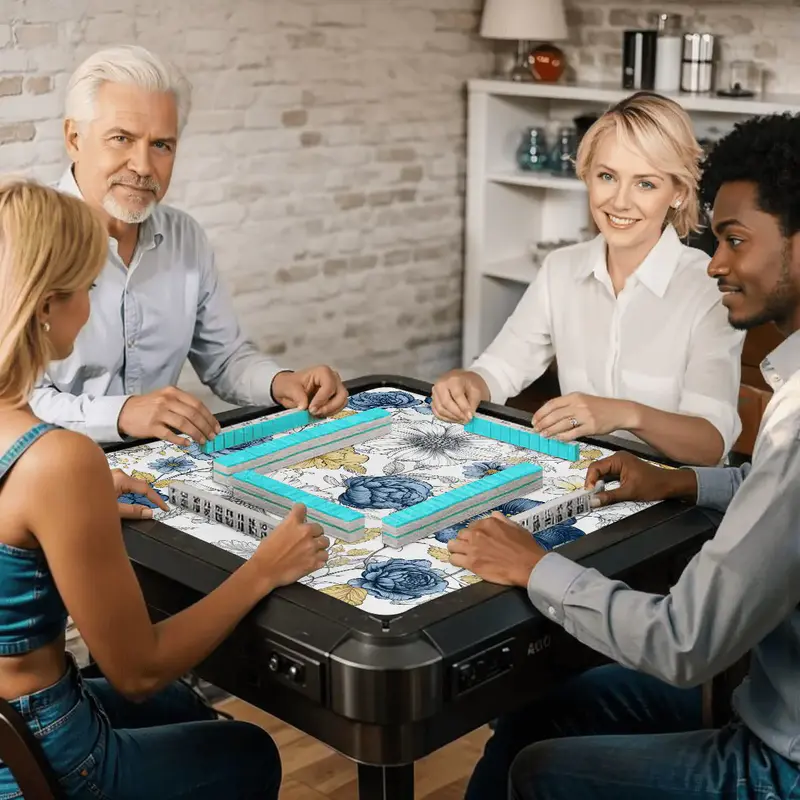
Print On Demand Custom Mahjong Mat 31.5"x31.5" (Ship Rolled up) - PrintKK
DTC Startups with Limited Ad Budgets
Early-stage brands can't outbid incumbents on Meta CPMs, and cold traffic doesn't convert without social proof anyway.
Seeding solves both at once—free product to 20 nano-creators seeds the feed with real people using the brand, which turns paid ads warm before they run. The founders who scale fastest treat the first 50 creator gifts as CAC, not marketing spend.
Local and Service-Based Businesses
Platforms surface geo-relevance hard—an 8K-follower food blogger tagged at your restaurant reaches more real customers than a national campaign at the same price.
Playbook: comp the service, ask for a Story with location tag, boost the post in a 5-mile radius. Under $300 total, and it beats Yelp on cost per booking.
B2B Brands Using LinkedIn Creators
B2B buyers research quietly before booking a demo, and LinkedIn creators shape that hidden phase. One post from a respected voice in SaaS or fintech puts the category into the buyer's feed before they know they need it.
The play: paid partnership posts with 10K–50K in-industry creators, not generalist influencers. Buyers walk into the demo already sold on the category.
Read More:
How to Start Using Influencer Marketing (Quick Framework)
Most first campaigns fail on setup, not execution. Five steps to run one that actually returns data you can act on.
Pick One Goal
Sales, awareness, or UGC—pick one. Chasing all three drains the budget and produces nothing measurable. Sales campaigns need promo codes and trackable links. Awareness campaigns need reach benchmarks and brand-lift surveys, not sales dashboards.
If UGC is the goal, get usage rights written into the contract before signing. Adding them after the post goes live costs 2–3x the original fee.
Find Creators Who Actually Fit
Follower count lies. Sort by engagement rate (3%+ on IG, 5%+ on TikTok) and read the comments—all fire emojis means the audience is dead.
Best shortcut: find creators already posting about competitors. They know the category, and their audience is pre-qualified to care.
Match Budget to the Ask
2026 rates, roughly: nano $100–$500, micro $500–$2K, mid-tier $2K–$10K. Add 30% for paid usage rights, 50% for exclusivity.
Don't blow it all on one macro creator—ten micro deals give real data on what converts, and one dud doesn't sink the quarter.
Brief, Don't Script
Send the hook angle, three product facts, one hard "don't say." Then get out of the way. Scripted posts read as ads and the algorithm buries them.
Ask creators to write the first 3 seconds before shooting—that's where retention is won or lost.
Track What Actually Matters
Unique promo code per creator, UTM on every link, both live before the post goes up. Watch cost per acquisition, not likes.
A post with 200 likes and 15 sales beats one with 20K likes and 2 sales. Cut the bottom half at 30 days, re-book winners on 3-month deals.
How Influencer Content Creates a Long-Term Search Footprint
Most brands treat influencer posts like fireworks — bright for a second, then gone. That's a big misread. A good influencer video keeps working for months, even years.
Social Platforms Are Search Engines Now
Ask a Gen Z shopper how they research a product, and Google might not come up first. They open TikTok, YouTube, or Instagram and type the product name into the search bar.
A Google executive said onstage in 2022 that almost 40% of young users go to TikTok or Instagram instead of Google Search or Maps when looking for a place for lunch.
When an influencer posts about your product, that video becomes a permanent search result — someone searching "best travel backpack" next March could land on a sponsored post from last October and buy from it.
And because creators talk like humans, their captions match weird long-tail queries you'd never build a page for.
AI Tools Cite Creator Content
This part is newer, and most brands are missing it. When shoppers ask ChatGPT, Perplexity, or Google's AI Overview for product recommendations, the AI pulls answers from video transcripts, reviews, and Reddit threads.
If ten creators have talked honestly about your product, AI tools are far more likely to name-drop you. If nobody is, you don't exist in AI answers. And unlike Google rankings, you can't buy your way in.
What Brand Teams Should Do
Brief creators with search intent in mind. Have them say your product name clearly in the first 10 seconds. Suggest real questions their audience types.
And don't delete old sponsored posts after the campaign ends — that's often the content still bringing in buyers next year.
Expert Tips
If there's one thing to take away, it's that this channel rewards restraint. The brands that get burned are usually the ones who booked one big creator on a hunch, wrote the caption themselves, and had no way to tell if it worked.
The brands that quietly scale are running ten small deals at a time, letting creators write the words, and reading the sales dashboard on day 30 before they re-book anyone.
Start with a budget you can afford to lose on the first round, because the first round is tuition. The creators who convert on your product aren't always the ones you'd guess, and the only way to find them is to run enough tests that the pattern shows up.
FAQs
How Much Does Influencer Marketing Cost on Average?
Rough baseline: nano $100–$500, micro $500–$2K, mid-tier $2K–$10K, top-tier into six figures. Niche matters more than follower count.
What's the Difference Between Influencer Marketing and Affiliate Marketing?
Influencer deals pay a flat fee for the post. Affiliate deals only pay when a sale happens, so the risk sits with the creator.
How Do I Measure Influencer Marketing ROI?
Unique promo codes and UTM links show direct sales. Also watch branded search and direct traffic for two weeks after—that's where the delayed conversions show up.
How Effective Is Influencer Marketing Compared to Paid Ads?
They do different jobs. Paid ads scale fast; creator posts build the trust that makes those ads convert. Most brands need both.


 Global Shipping