





Sustainability isn't a niche anymore — it's what shoppers expect. If you want to launch or grow an online store this year, eco friendly products to sell are one of the smartest places to start.
Buyers pay a fair premium for products that reduce waste, and the categories keep expanding fast.
This guide walks you through 25 winners for 2026 across apparel, kitchen, personal care, drinkware, pet, tech, and stationery.
You'll also get practical tips on sourcing, pricing, and marketing so you can move from idea to first sale without guessing.
Key Takeaways
- Buyers pay a 10–15% eco premium when the story is clear on the page
- Print-on-demand cuts inventory risk to zero and fits most eco categories
- Ask suppliers for GOTS, OEKO-TEX, GRS, or FSC — no cert, no real claim
- Lead marketing with the problem, not the material or the sustainability pitch
- Personalization lifts margin without lifting production cost
Why Eco-Friendly Products Sell Well Right Now
Eco-friendly products are goods made, packaged, or shipped in ways that go easier on the planet—think recycled fabrics, plant-based inks, compostable mailers, or refillable containers.
Less waste, fewer harsh chemicals, materials that don't sit in a landfill for centuries.

Here's why they sell: shoppers are actually spending on it. A survey found that80%of consumers are willing to pay more for sustainably produced or sourced goods—about 9.7% more on average.
And 46% said they're buying greener specifically to reduce their environmental impact. That's real margin room, not a rounding error.
This isn't a passing trend either. NMI has tracked U.S. sustainability attitudes since 2002, and their 2025 report shows consumers still hold strong sustainable ideals.
Twenty-three years of data pointing the same direction is a pretty solid signal the demand isn't going anywhere.
Best Eco-Friendly Products to Sell in 2026
Green products are no longer a small niche — shoppers now expect them on the shelf next to regular items.
Below are 25 winners for 2026, grouped by the seven categories pulling the most weight this year.
Sustainable Apparel and Accessories
1. Soft Tees That Keep Selling
Organic cotton t-shirts are still the entry point for most eco stores because the fabric skips harsh pesticides and feels softer after every wash.
Print-on-demand is the low-risk way in — you can test designs without holding stock. A GOTS label lets you charge more from day one, so make it a headline feature, not a footnote.
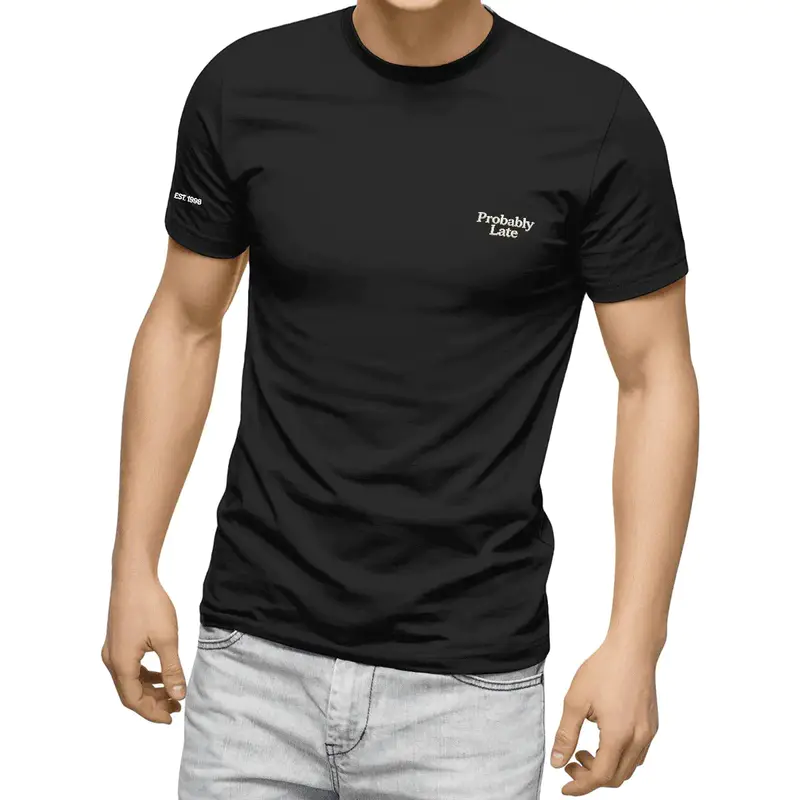
Custom Printed on Demand Gildan Embroidered Men's Cotton Tee - Men's Clothing - PrintKK
2. Activewear from Plastic Bottles
Leggings and sports tops made from recycled polyester are moving fast with the fitness crowd. The fabric holds color like new polyester, so bold prints and gradients still look sharp.
Anything above 50% recycled content is a strong headline spec for the product page.
3. Cooling Socks That Breathe
Bamboo socks feel cool, pull sweat away, and outlast most cotton blends. Sell them in 3-pack or 5-pack gift sets — bundles carry a much better margin than singles.
Neutral office colors sell year-round; novelty prints spike around the holidays.
4. Low-Water Streetwear Caps
Hemp caps hit two trends at once: streetwear and low-impact fabric. Hemp uses far less water than cotton, and the natural, earthy color fits the eco brand look without extra dye.
Stock a few neutral base colors so buyers can add custom embroidery or a printed logo — a natural on-ramp if you're figuring out how to start a streetwear brand.
Zero-Waste Kitchen and Home
5. The End of Plastic Wrap
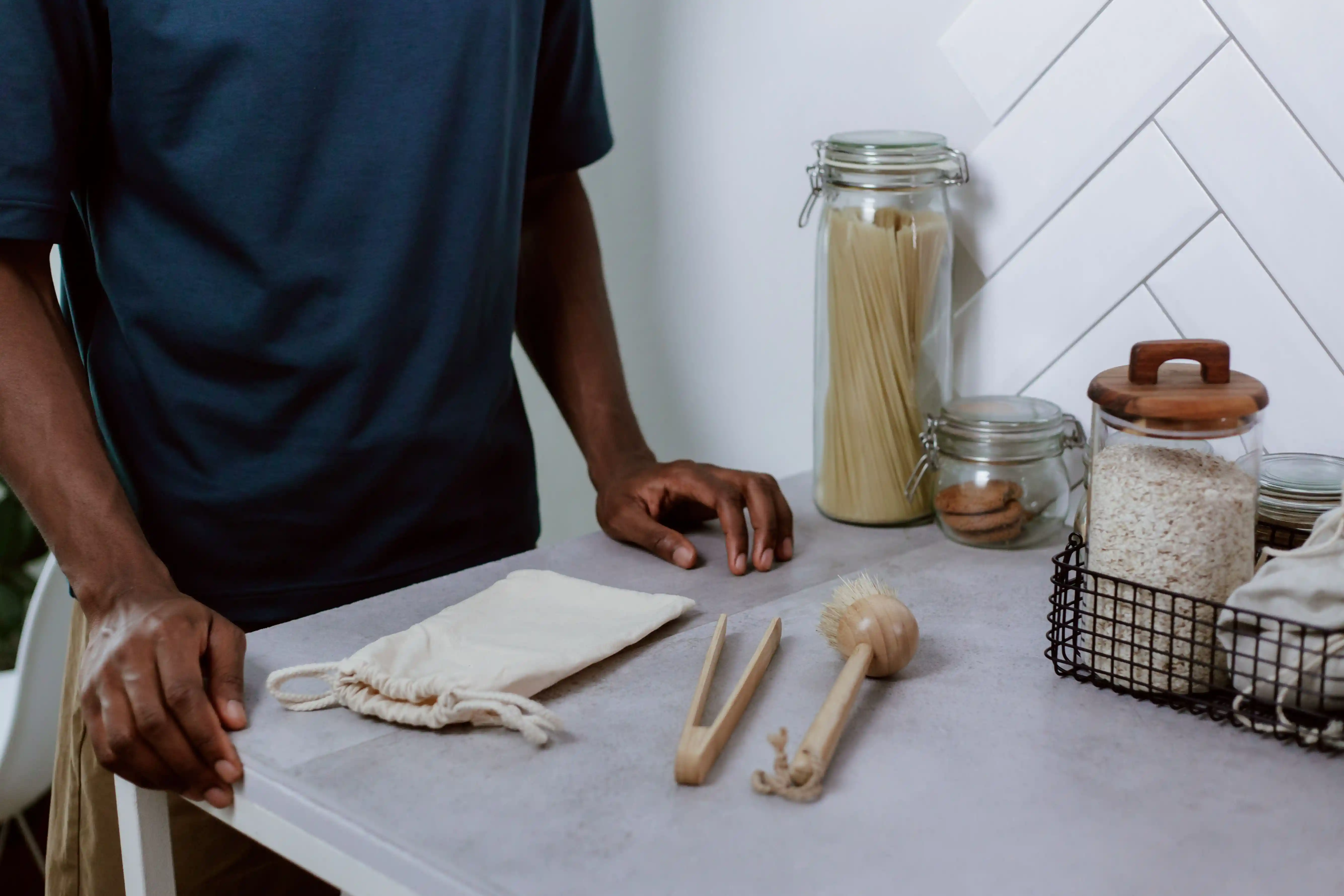
Beeswax wraps replace plastic wrap for cheese, bread, and cut fruit — one of the easiest swaps for new eco shoppers to try.
Printed patterns like florals or geometrics lift the price 30–50% over plain sets. Sell them in three sizes together, since single wraps rarely convert.
6. Freezer Bags Buyers Reuse
Reusable silicone bags replace hundreds of single-use Ziplocs over their life. Small, medium, and large as a bundle sells better than singles because each size fits a different daily use.
Freezer-safe and dishwasher-safe are the two lines buyers scan for first.
7. Takeout Kits without Plastic
Portable bamboo utensil kits — fork, knife, spoon, chopsticks, straw — are the go-to for takeout fans and campers.
A small cotton or hemp carry pouch lifts perceived value more than the extra piece costs. This one moves well as a corporate gift, too.
8. Sponges without Microplastics
Regular sponges shed tiny bits of plastic with every wash. Loofah and cellulose sponges cost cents to source and break down in weeks.
Sell in 4-packs since they wear out faster than plastic ones — that turns into steady repeat orders month after month.
Reusable Personal Care and Beauty
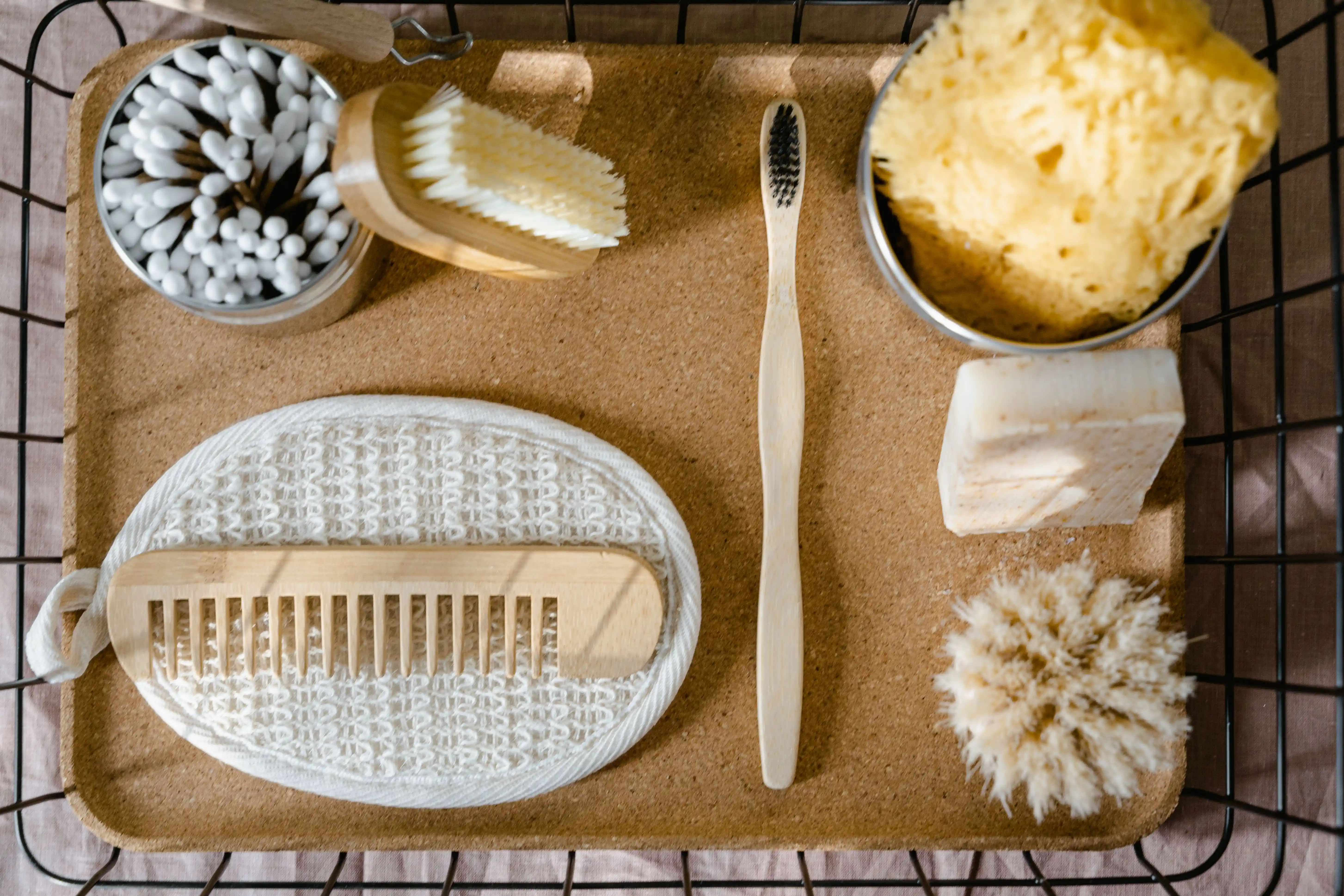
9. Cotton Rounds on Repeat
Round bamboo or cotton pads with a mesh wash bag are a beauty-shelf staple.
Reusable makeup remover pads work as add-ons to skincare bundles or as 16-piece stand-alone sets. Custom thread color lets you match your brand palette without extra tooling fees.
10. The Gateway Eco Product
Bamboo toothbrushes are what many first-time green shoppers buy.
Family bundles of 4 or 12 sell faster than singles because the buyer is usually switching the whole household at once. Charcoal-infused bristles give you a clean upsell tier.
11. One Mat, Many Buyers
Washable underpads are quietly one of the widest-use eco products around: pet training, small kids, seniors, and postpartum all buy the same product for different reasons.
Each pad replaces hundreds of disposables. The wide use case means you can run separate ad angles to each audience without changing the SKU.
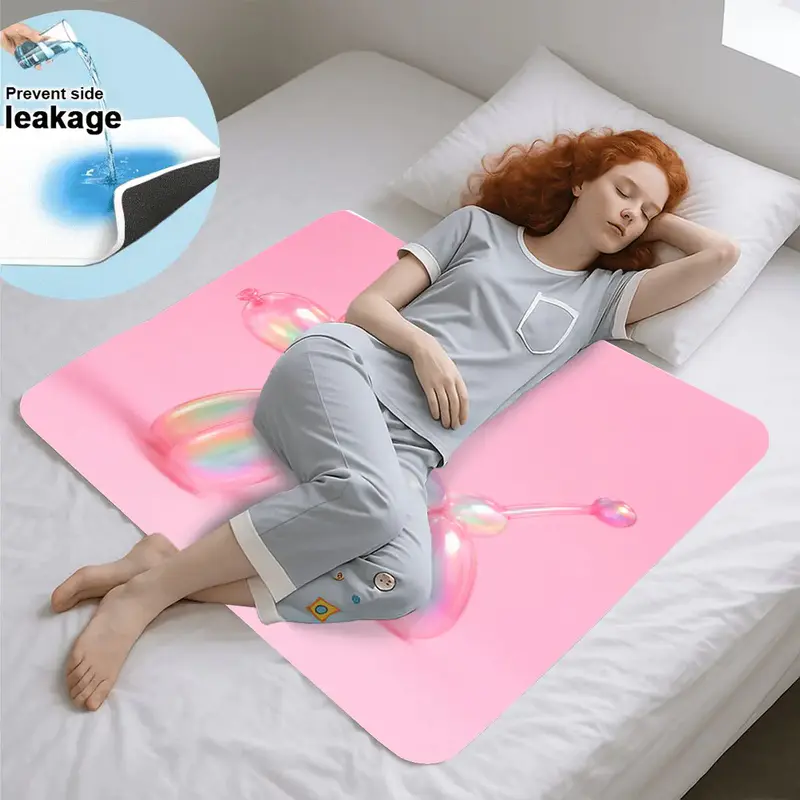
Custom Large Washable Underpads - Print on Demand Fulfillment - PrintKK
12. Bar Soap Skips the Bottle
Solid shampoo and body bars skip the plastic bottle entirely and last three to four times longer than a standard shampoo pour.
They also ship at a fraction of liquid weight, which cuts your logistics cost. Scent variety packs make strong gift sets.
Eco-Friendly Bags and Drinkware
13. The Tote That Prints Well
A classic that never dies. Reusable canvas totes print beautifully, cost little to source, and shoppers happily pay $18–25 for a good design.
Heavier canvas — 10oz and up — reads as premium and lasts years instead of months, which is the eco angle you're actually selling.
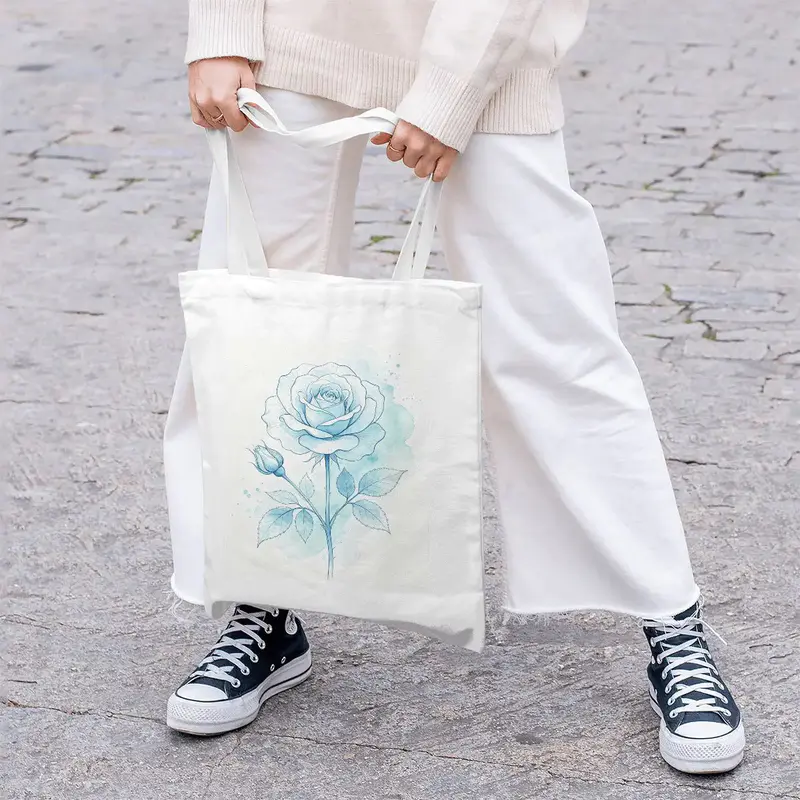
Print on Demand Reusable Canvas Tote Bag - Handbag - PrintKK
14. Grocery Bags in a Purse
Lightweight drawstring shopping bags fold into a fist and slip into a purse for grocery runs.
They cost little to ship, which makes them a strong cart add-on to lift average order value. Recycled nylon or organic cotton versions carry the eco story best.
15. The Cup Made for Social
The 16oz glass tumbler with a bamboo lid nails two trends at once: clean aesthetic and plastic-free.
It sells hard on Instagram and TikTok because it just photographs well — clear glass, warm bamboo, colored straw. A matching silicone sleeve upsell handles the "what if it breaks" objection.

Custom Glass Tumbler with Straw & Bamboo Lid (16oz) - Print on Demand Fulfillment - PrintKK
16. Bottles Where Design Wins
The bottle market is crowded, so lean on custom prints and bold colors to stand out.
Double-wall stainless steel water bottles that hold cold for 24 hours are the baseline — anything less gets called out in reviews. 20oz and 32oz are the sweet spots for daily use.
17. Pocket Cups for Commuters
Reusable cups that fold flat for a pocket or bag.
Collapsible silicone cups with a leak-proof lid are popular with commuters, and many cafés even offer a discount for bringing your own. Pair them with content about local coffee shops that reward reusables.
Pet Products with a Green Angle
18. Dog Gear with Owner Values
Pet owners want the same eco values for their dogs that they buy for themselves.
Hemp collars and leashes are strong, soft, and take dye well for bright colors. Name or phone embroidery pushes margins up significantly without adding much to the cost.
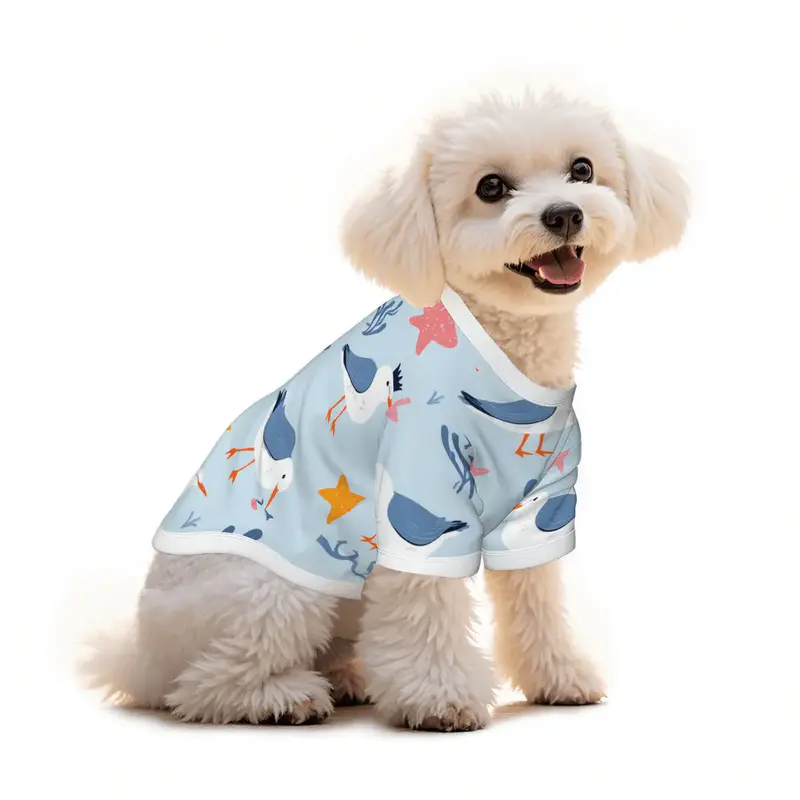
Custom Pet Cotton T-shirt - Print-On-Demand - PrintKK
19. Boring Product, Huge Repeats
Biodegradable poop bags are the definition of a repeat-order product. Cornstarch versions break down in months, not centuries.
Sell in 12-roll or 24-roll packs — dog owners hate running out mid-walk, so multi-roll bundles convert better than single rolls.
20. Chew Toys without the Guilt
Chew toys made from recycled rubber or natural latex hit the pet-eco crossover perfectly.
Dog owners read every last review, so honest safety-test disclosure builds trust faster than any marketing copy. Bundle with a hemp rope toy for a clean "starter pack" listing.
Solar and Low-Energy Tech Accessories
21. One Light, Three Audiences
Portable solar lanterns sell to campers, emergency-prep buyers, and off-grid living fans all at once — three separate ad audiences for one SKU.
USB backup charging and 20+ hours of runtime are the specs buyers scan for first. Small, packable designs beat bulky ones since most buyers store them between trips.
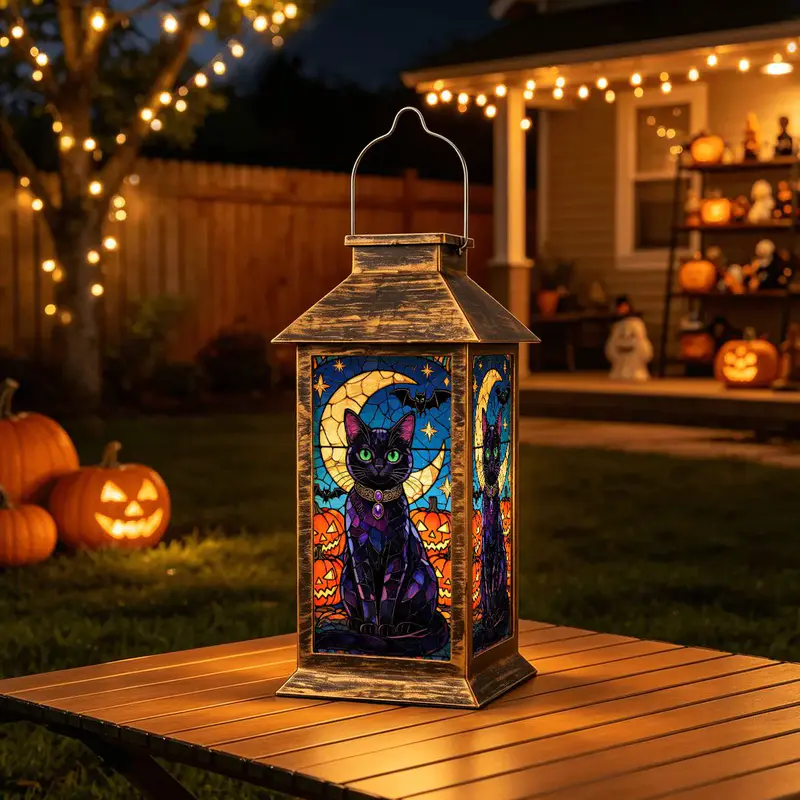
Custom Solar Lantern - Print-On-Demand - PrintKK
22. Backup Power off the Grid
Solar phone chargers solve a real problem: dead phones on hikes and long flights.
Models with 10,000+ mAh and dual USB ports are the sweet spot for price and function. Be honest in the copy — solar alone is slow, and hyped claims tank your rating.
Sustainable Stationery and Office
23. Desk Toys Adults Buy
A block-style pen holder turns a plain desk into a mini play zone, and adults who grew up on brick-building sets are the actual buyers here.
Sells best as a gift — for coworkers, teachers, and birthdays — which means holiday and back-to-school windows are your peaks.
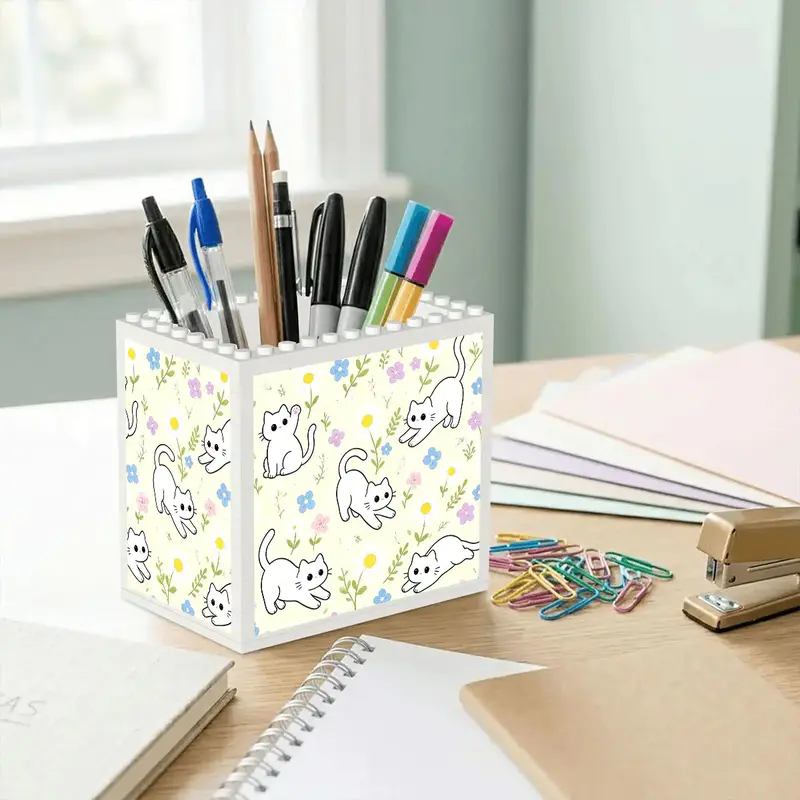
Print On Demand Building Block Pen Holder - PrintKK
24. Puzzles That Double as Wall Art
Wooden jigsaw puzzles carry a premium price and a real story: natural material, no plastic pieces, no landfill guilt.
Horizontal formats work well for framing after the puzzle is done, which gives buyers a reason to pay more. Position them as a hobby-and-gift crossover — the sweet spot between "something to do" and "something to give."
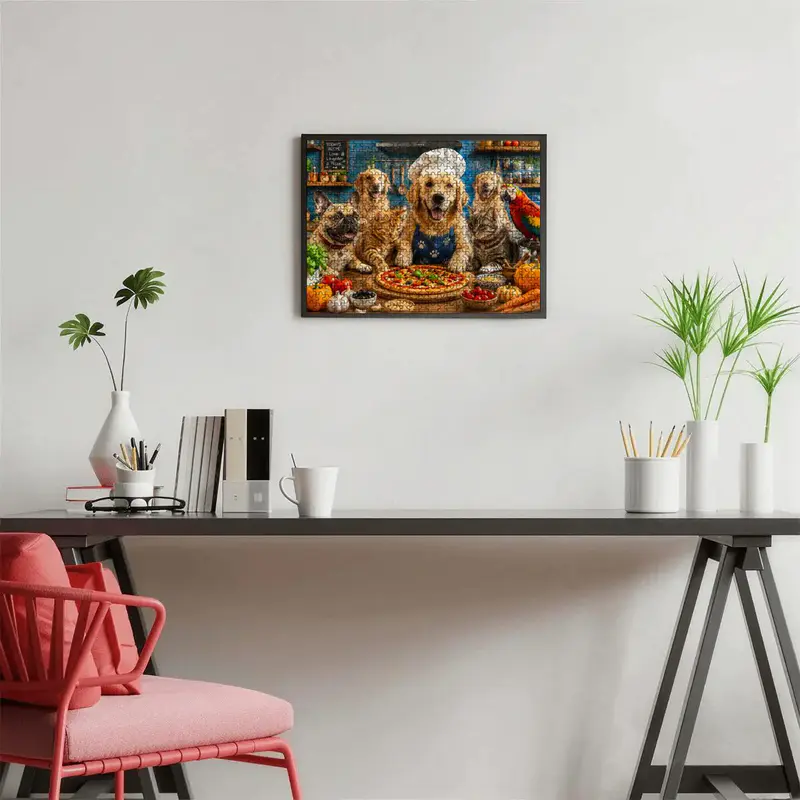
Custom 500pcs Wooden Jigsaw Puzzles (Horizontal) (Made in USA) - Print-On-Demand - PrintKK
25. Pens That Grow Plants
Pens with a seed capsule on the end that plants after the ink runs out.
They cost little to source in bulk, feel like magic to first-time buyers, and are a favorite for conferences, welcome kits, and client thank-yous. Wildflower, basil, and tomato seeds are the top three requests.
How to Source Eco-Friendly Products
Sourcing is where most eco stores quietly break — the product looks green on the site, but the supplier can't back up the claim.
Here's how to pick a sourcing model, vet who you're buying from, and know which certifications actually mean something.
Print on Demand vs Wholesale vs Handmade
Each model has a different risk profile and fits different products. Pick the one that matches where your store is right now, not where you hope it'll be.
- Print on demand — Products are made only after a customer orders. No stock, no waste, no dead inventory. Lowest risk, lowest cash outlay, and the cleanest sustainability story since nothing gets made that doesn't sell. Trade-off: lower margin per unit. Best fit for apparel, tote bags, drinkware, puzzles, and stationery.
- Wholesale — Buy in bulk, get the fattest margin, but pay upfront for hundreds or thousands of units plus storage. Use it once you already know a product sells — guessing here is how new stores burn cash. Best fit for commodity eco products like bamboo toothbrushes, silicone bags, and reusable straws.
- Handmade — Sourced from local artisans or small workshops. Highest perceived value, strongest story, premium prices. The catch is scale — one person can only make so many candles or hemp bags a week. Best fit for boutique brands selling personal care, home goods, or one-of-a-kind accessories.
For most first-time eco sellers, print on demand is the low-risk on-ramp. Platforms like PrintKK cover a broad eco-friendly catalog under one roof, so you can build a full eco store and skip warehousing entirely. The built-in AI image tool also cuts design costs at launch.
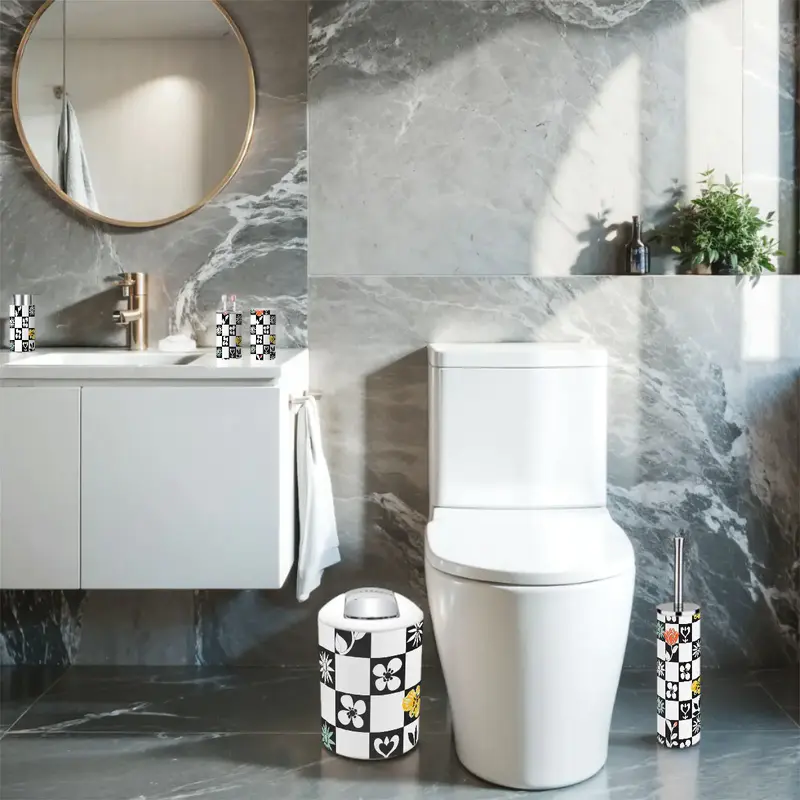
Print On Demand Bathroom Accessories Set 5 pcs - PrintKK
How to Vet Suppliers
If a supplier says "eco-friendly" but can't back it up with paperwork, walk away. Real sustainability leaves a paper trail. Here's what to actually ask for:
- Material breakdown — Ask for the exact fiber composition or recycled content percentage in writing. "Made from bamboo" isn't a spec; "60% bamboo linen, 40% organic cotton" is. Watch the bamboo trap — a lot of "bamboo fabric" is actually rayon processed with heavy chemicals, not the natural material buyers picture.
- Full supply chain visibility — A cotton tee can be organic and still be sewn in a factory with poor labor conditions. Ask where the material is grown, spun, dyed, cut, and shipped. Suppliers who know all five answers are the ones to keep.
- Sample orders from three suppliers — Never sign a contract on a photo. Order samples side by side and check stitching, fabric weight, print quality, and packaging. Suppliers who refuse samples or charge unreasonable fees usually aren't worth the follow-up.
- Packaging details — An organic cotton tee wrapped in a plastic polybag undoes half your eco story. Ask what the product ships in, and whether recycled or compostable mailers are available.
Certifications Worth Asking For
Certifications turn "trust us, it's sustainable" into something you can actually put on your product page. Four cover most eco categories:
- GOTS — The one to ask for on organic cotton, hemp, and bamboo linen. It tracks the whole chain from farm to finished product. No GOTS number, no real "organic" claim.
- OEKO-TEX Standard 100 — Confirms the finished fabric is free of formaldehyde, heavy metals, and other nasty stuff. Matters most for anything with skin contact: baby items, underwear, activewear.
- GRS — Verifies the recycled percentage in a product. If you're selling activewear from recycled bottles or bags from ocean plastic, this is what makes the claim hold up.
- FSC — For wood and paper. Ask for it on wooden puzzles, bamboo utensils, notebooks, and paper packaging.
Read More:
- 17 Best Eco-Friendly Print-on-Demand Companies: Sustainable Products & Practices
- Top 18 Eco-Friendly Home Decor Companies for a Sustainable Lifestyle
How to Price Eco-Friendly Products Without Losing Sales
Eco products cost more to make, so they cost more to sell. Most stores either underprice and kill their margin, or overprice with no story and kill conversions. Here's the middle zone.
Know the Real Eco Premium
Shoppers say they'll pay more for sustainable products, but the actual number is smaller than most sellers think.
The sweet spot is a 10–15% premium over a conventional equivalent — not 50%, not double. Above that, you need a strong reason: certification, brand, handmade, or small batch.
Put the Story on the Price Tag
The biggest pricing lever is clear reasoning on the page. Buyers reject unexplained prices, not high ones — so anchor against the mainstream version, not other eco brands.
A $18 beeswax wrap set feels obvious when the page says "replaces 100 rolls of plastic wrap." A $45 wooden puzzle feels fair next to "hardwood, framable, made to last 20+ years." Match the story to what the buyer already pays for the plastic version.
Bundle and Subscribe
Eco products bundle beautifully because they group by use case: kitchen swaps, bathroom swaps, on-the-go swaps.
A starter kit sells for more than the sum of its parts and doubles as a gift pick. For consumables like poop bags or toothbrushes, price the entry pack low and push subscription refills — one subscriber worth $80 a year beats three one-time buyers.
Bake Shipping into the Price
Eco products are often heavier than their plastic versions — glass tumblers, wooden puzzles, ceramic mugs.
Shipping can eat 20–30% of margin. Bake it into the price and offer free shipping, or set a free-shipping threshold that pushes buyers toward bundles. A $6 shipping line on a $15 product kills carts; a $21 product that ships free doesn't.
How to Actually Market Eco-Friendly Products
Most eco stores market by talking about themselves — how green they are, how much they care. Buyers don't care.
They care about the problem you're solving and whether the product looks good in their kitchen.
Lead with the Problem
Nobody wakes up wanting a beeswax wrap. They wake up frustrated their avocado went brown overnight. Lead with the problem — the moldy sponge, the plastic-wrap sigh, the guilt of another Amazon polybag — and your product becomes the fix. "Reusable" isn't a feature. "Never buy plastic wrap again" is.
Sell the Aesthetic
Eco buyers are also aesthetic buyers. They want products that look good on the shelf, in the drawer, on the desk. Lifestyle photos — the tumbler on a wooden counter, the tote by the door, the puzzle half-done on a linen tablecloth — sell way harder than white-background shots. Post the same shots on Instagram and TikTok.
Say It in Three Lines
Buyers scan, they don't read. Three short lines beat three paragraphs: what it's made of, what it replaces, what makes it last. "10oz recycled cotton. Replaces 500 plastic bags. Lasts 5+ years." If a certification matters, put the logo next to those lines, not buried in the description.
Build for Repeat Buyers
Structure your catalog so buyers have a reason to come back. A few hero SKUs — the tote, the tumbler, the puzzle — bring first-time buyers in through search and social. A shelf of everyday items keeps them coming back through email and refill reminders. Both matter: hero SKUs pay for the ad, everyday items pay for the year.
Let Buyers Talk
Eco shoppers trust other eco shoppers more than brand copy. User-generated content — a before/after kitchen shot, a "one year later" tote photo, a review of how the shampoo bar held up on a trip — beats any hero image you can shoot. Ask for it in the post-purchase email. Offer a small discount or an Instagram feature.
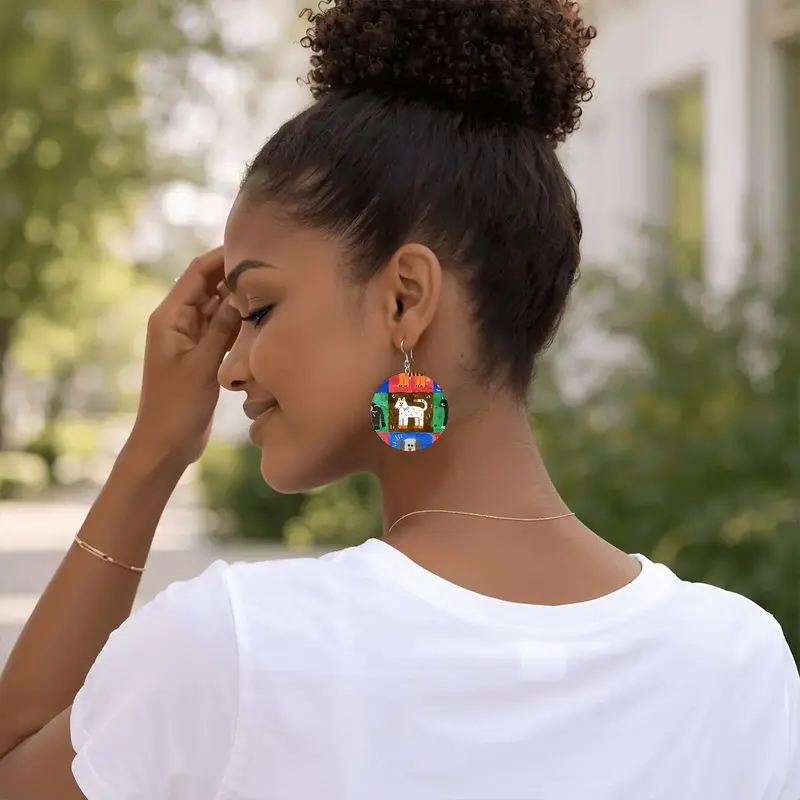
Custom Leather Round Earrings - Print on Demand Fulfillment - PrintKK
Start Selling Eco-Friendly Products with PrintKK
You don't need a warehouse or a shipping team to launch an eco store. You need a partner that handles production so you can focus on design and marketing.
Here's why PrintKK fits eco-first sellers.
One Catalog
Most eco categories in this guide live in one place — custom clothing, drinkware, puzzles, pet products, home decor, and daily accessories. Build a coherent product line without juggling five suppliers, five invoicing systems, and five shipping timelines.
Launch in an Hour
Upload artwork, drop it onto a mockup, launch. The built-in AI image tool generates print-ready visuals from a text prompt, which means near-zero launch cost when you're testing ideas — and no waiting on a designer to iterate.
Personalization Lifts Margin
Personalized products carry higher margins because buyers pay for uniqueness. PrintKK leans into this with personalized gifts and custom pet gifts — a personalized recycled canvas tote sells for more than a plain one, without costing more to make. That's the eco-premium formula, on autopilot.
Expert Tips
Eco-friendly products are one of the strongest bets you can make in 2026. Buyers want sustainable options. They pay a fair premium for real ones.
Pick a few categories that fit your brand. Vet your suppliers. Price with a clear story. Market the problem you solve, not just the material.
The same playbook works whether you're selling reusable totes, launching pet gear, or figuring out how to start a streetwear brand.
Start small, test what sells, and scale what works. The tools are ready. Your customers are waiting.
FAQs
What are the most profitable eco-friendly products to sell?
The strongest margins usually come from products buyers personalize — custom apparel, engraved drinkware, name-embroidered pet gear. Personalization lets you charge more without raising your production cost, which is the real profit lever in eco retail.
Can I sell eco-friendly products without holding inventory?
Yes. Print-on-demand lets you list dozens of designs upfront and only pay for production after a sale. That means near-zero startup capital, no forecasting risk, and full freedom to kill designs that don't perform.
Where is the best place to sell eco-friendly products online?
Match the platform to your product. Handmade or small-batch goods do best on Etsy, where buyers actively search for craft and sustainability. Broader catalogs fit Shopify. Trend-driven pieces move fastest on TikTok Shop once you have short-form video.
What eco-friendly products can I make at home and sell?
Beeswax wraps, soy candles, and shampoo bars are the easiest home starters — supplies cost under $100, batches take an afternoon, and each unit sells for several times the material cost. Focus on scent, packaging, and photography, since those decide the price.
Is selling eco-friendly products a good business for beginners?
Yes, if you niche down. "Eco store" is too broad to market — "eco pet gear for city apartments" or "plastic-free kitchen kits for renters" gives you a specific audience, sharper ad copy, and a clearer content angle from day one.

 Global Shipping