





Learning how to promote an Etsy shop in 2026 means more than posting on Instagram and hoping for sales. Etsy's algorithm has changed. Fees have climbed. Buyer attention is harder to win. What worked two years ago won't drive orders today.
This guide breaks down 12 promotion strategies that actually drive orders — from free channels new shops can start today, to paid tactics for scaling past 100 sales. You'll also get a 30-day plan and the exact stats to track weekly.
Key Takeaways
- Outside traffic converts better and builds an audience Etsy can't take away.
- Match promotion tactics to your sales stage — free channels first, paid after 100 sales.
- Calculate break-even CPC before running Etsy Ads, or every click loses money.
- Bake the Offsite Ads fee into pricing before you cross $10K — enrollment becomes mandatory at 12% after that.
- Track weekly stats and cut what doesn't work instead of adding more channels.
Why Promoting Your Etsy Shop Matters
Etsy is crowded. Relying on Etsy search alone means fighting thousands of similar listings for the same clicks. Outside promotion brings in traffic that never had to scroll past a competitor first.
The math backs it up. Etsy's take rate hit 25.9% in Q2 2026. With fees that high, outside traffic isn't optional — it's how the numbers start working again.
Outside traffic also converts better. Shoppers arriving from a blog post or a Reel show up already curious about the shop, which means stronger reviews and a lift in Etsy ranking.
There's also who owns the audience. Shoppers who find a shop through Etsy belong to Etsy. Shoppers who find it through a newsletter or TikTok belong to the seller. Owning the audience is what protects a shop when Etsy changes its rules or raises fees again.
How to Promote an Etsy Shop: 12 Ways That Actually Work
1. Optimize Listings for Search
A listing is a storefront. The main keyword belongs in both the title and the tags — Etsy checks both when ranking.
Fill all 13 tags. Leaving any blank throws away free ranking slots. Add high-quality photos and at least one short video. Video listings tend to hold shoppers longer and get more clicks, both of which feed back into ranking.
Write out the About section too. It builds trust and helps the shop show up for shop-name searches. Front-load the strongest keyword at the start of the title, not buried at the end where shoppers won't see it.
2. Run Etsy Ads With a Breakeven CPC
Etsy Ads starts at $1 per day, but $3-5 gives the algorithm enough data to work with. Know your break-even CPC before spending:
Breakeven CPC = net profit per order × conversion rate
Net profit = price − production cost − shipping cost not covered by the buyer − 6.5% transaction fee − $0.20 listing fee − payment processing fee.
For a $25 product with $8 net profit and a 3% conversion rate, that's about $0.24 per click. Bid higher and every sale loses money.
Check the Search Terms report weekly and pause broad matches that spend but don't convert. Skip ads on brand-new listings — Etsy can't optimize without organic sales data first.
3. Price for the Offsite Ads Fee
Offsite Ads are the ones Etsy runs on Google, Facebook, Pinterest, and Bing. The fee only hits when a shopper clicks that ad and buys.
Here's the trap: shops under $10K in the past 12 months can opt out — but if they stay opted in, the fee is 15%. Cross the $10K threshold, and enrollment becomes mandatory at 12% for good.
Since there's no way to predict which orders come through offsite ads, bake the cost into the base price. On a $30 product, a 12% offsite fee is $3.60, and a 15% fee is $4.50 — enough to erase the margin if it wasn't planned for.
4. Recover 4% With Share & Save
When a seller drives their own traffic to Etsy through a special tracked link, Etsy refunds 4% of the order total. On a $25 sale, that's $1 back — real money on every sale that was going to happen anyway.
Go to Shop Manager > Marketing > Share & Save to generate the link. Drop it where outside traffic already lives: Instagram bio, TikTok bio, Pinterest pins, email signature, Linktree.
Never post the link on Etsy itself — that breaks the program rules and can get a shop removed. Check the Shop Manager dashboard each month to see how much has been saved.
5. Run Sales Strategically
Don't run sales all year. Buyers notice, and they'll wait for the next discount instead of paying full price. Save promotions for real moments: Mother's Day, Black Friday, a shop anniversary.
In between, lean on abandoned cart coupons — Etsy sends these automatically to shoppers who added an item and left without buying.
Keep discounts small (10-15%) to protect margins. Pair a sale with fresh listing photos that flag the deal, since a discount without visibility often goes unnoticed.
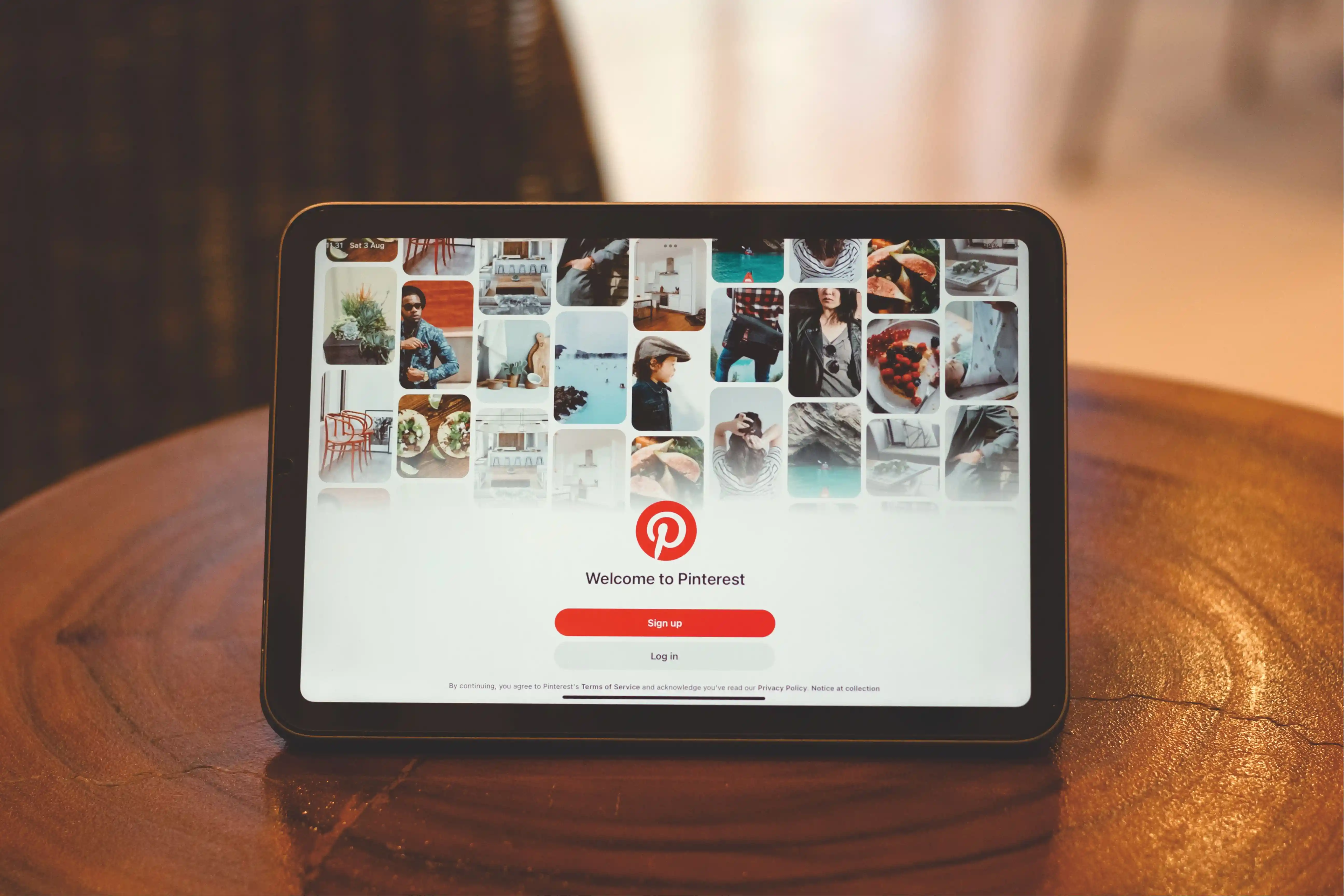
6. Drive Traffic From Pinterest
Pinterest works like a slow search engine, not a social feed. A single pin can bring traffic for months or years after posting.
Switch to a business account (free), then publish 1-2 fresh pins per day. Write keyword-rich pin titles and descriptions — think "boho macrame plant hanger" instead of "cute decor."
Turn on Rich Pins so Etsy pricing and stock status pull through automatically. Vertical 2:3 ratio images work better than square ones. Pinterest rewards consistency more than volume, so a steady daily habit does more than posting 30 pins in one afternoon.
7. Pick Instagram or TikTok
Pick one, not both. Running two social platforms while making products and packing orders is a fast road to burnout.
Instagram suits polished lifestyle shots; TikTok suits raw behind-the-scenes clips. Either way, process videos convert best — people love watching a candle get poured or a print get pulled.
Post 3-4 times a week rather than daily. Reply to every comment in the first hour; the algorithm reads that engagement as a signal and shows the video to more people. Route bio clicks through the Share & Save link from #4 so the traffic earns back 4%.
8. Add a Bridge Page
Etsy's own seller guidance lists conversion rate — how often visitors actually buy — as a ranking factor.
Send viral TikTok viewers straight to a listing and trouble follows. Most of them are just watching, not shopping. They leave without buying, the conversion rate drops, and the Etsy ranking slides down with it.
Add a bridge: a Linktree page with a short presell blurb, an email opt-in landing page, or a standalone brand site. The curious leave; the serious buyers click through. Use a bridge whenever content pulls in a lot of non-target eyeballs.
9. Build an Email List the Legal Way
Don't scrape buyer emails from order notifications and dump them into Mailchimp. That breaks Etsy's TOS, CAN-SPAM, and GDPR — and it can get a shop suspended.
Three legal ways to build a list:
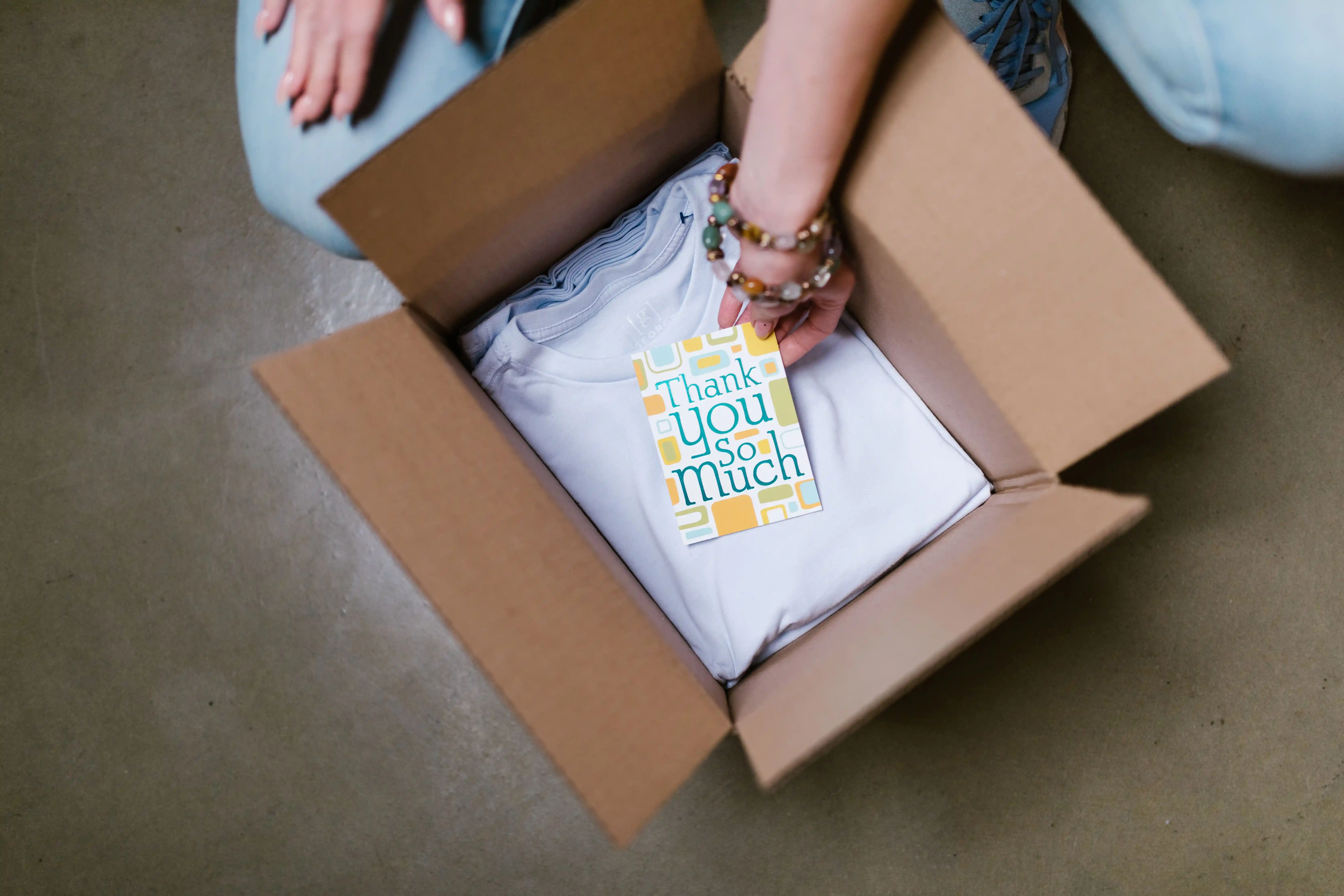
- Package inserts: Print a thank-you card with a QR code linking to a signup page. Offer 10% off the next order.
- Digital freebie: A care guide or styling PDF as a lead magnet on a hosted landing page.
- Social funnels: Send followers to a signup page, not straight to a listing.
Tools like ConvertKit, Mailchimp, and Flodesk all handle this — pick based on budget and how much automation is needed.
10. Partner With Micro-Influencers
Skip the big-name creators. Accounts with 1K-10K followers tend to convert better because their audience treats recommendations as personal, not sponsored.
Send free product in exchange for an honest post, and expect nothing beyond that. Write out clear terms upfront: how many posts, when they go live, whether the content can be reshared on your own channels.
Search Instagram or TikTok hashtags in the niche to find creators whose real audience matches the buyer — engagement rate matters far more than follower count.
11. Collaborate With Other Sellers
Other sellers in the same niche are the best marketing partners around — their audience already buys handmade goods.
Try a bundle giveaway where three or four shops each contribute a product and cross-promote to their followers. Everyone picks up new email subscribers and social followers in one shot.
Co-write a blog post or build a joint Pinterest board. Add each other to the "Favorite Shops" section. Skip sellers who directly copy the same style and look for complementary products instead — a jewelry maker, a candle maker, and a print artist together beat three candle shops.
12. Win Repeat Customers
A second sale from an existing buyer costs far less than winning a new one. Slip a 10-15% discount code card into every package, with a 30-day expiration to create urgency.
For an email list (built the legal way from #9), send seasonal drops — a spring collection email, a holiday gift guide, back-in-stock alerts. Set up an automated birthday discount in the email tool.
Send a check-in 30 days after delivery asking how the product's holding up; even a modest reply rate brings review requests and repeat orders. Favorite the best customers' shops back if they sell too.
Read More:
- Etsy Statistics: Revenue, Active Sellers, Fees & Trends
- How Much Does Etsy Take From a Sale? Etsy Fees Explained for Sellers
How to Match Your Promotion Strategy to Your Shop's Stage
0-10 Sales: Free Channels and Social Proof
The only job is unlocking the first reviews. Etsy's algorithm barely trusts a zero-sale listing, so paid channels burn money here.
Trade free product to friends, coworkers, and niche Facebook groups in exchange for honest photo reviews. Start Pinterest now even without sales — pins compound over months, so early beats optimal. Skip everything paid until the review count crosses 5-10.
10-100 Sales: Refine What's Working
Shop Manager Stats finally has real data. Read it before adding new channels.
Prune dead keywords from the Search Terms report, test one variable at a time on top listings (lifestyle photo vs. plain background is a good first test), and turn on Share & Save if any outside traffic exists. The shift is mental: stop chasing new tactics and start reading data on the ones already running.
100+ Sales: Scale With Paid and Offsite
Listings now have enough conversion history for Etsy's algorithm to work with. Turn on Etsy Ads using the break-even CPC formula. Price for the Offsite Ads fee before crossing $10K — the last chance to bake it in without shrinking margins.
Layer in micro-influencer gifting, seller collaborations, and email list plays. Nothing is off-limits at this stage; the constraint becomes time. Pick two or three channels that fit the product and go deep.

Your First 30 Days: An Etsy Promotion Timeline
This 30-day plan is for shops starting from zero. If you already have sales, skip ahead to the stage-based framework above and pick moves based on your current tier.
Week 1: Listings
Every listing needs to be search-ready before traffic arrives, or the clicks go to waste.
- Fill all 13 tags, with the main keyword in both title and tags
- Front-load the main keyword in every title
- Add 5+ photos and one short video per listing
- Complete the About section with the shop story
- Generate the Share & Save link and drop it in every bio and email signature
- Screenshot Shop Manager Stats — views, favorites, conversion rate — as the Week 4 baseline
Week 2: Content Setup
Pick one social platform, not both. Set the compounding channel running early.
- Post 3-4 behind-the-scenes pieces on Instagram or TikTok — product being made, packaging shots, workspace clips
- Set up a Pinterest business account
- Publish 5-7 pins across the top listings
- Turn on Rich Pins so pricing and stock pull through
Week 3: First Traffic Push
Personal networks and social proof only. No paid ads yet — listings don't have the conversion history to make ad spend work.
- Message past buyers from the personal network and ask for honest photo reviews
- Send free product to close contacts in exchange for reviews
- Post the shop in 1-2 niche Facebook groups that allow self-promotion
Week 4: Measure and Adjust
Pull Shop Manager Stats and compare against the Week 1 screenshot. Three numbers matter:
- Total visits — did traffic
- Conversion rate — did the traffic buy, or just browse?
- Traffic source breakdown — which channel drove real orders?
If one listing outperformed the rest, copy its title, tags, and photo style into the weaker ones. If a social platform drove nothing after four weeks, cut it. After 30 days, use the stage-based framework above to pick the next moves.

How to Know if Your Etsy Promotion Is Working
The Core Etsy Stats to Check Weekly
Open Shop Manager > Stats once a week, not once a day. Daily numbers bounce around too much to mean anything — a slow Tuesday says nothing on its own.
Five numbers to track:
- Views — how many times listings appeared
- Visits — how many people actually clicked through
- Favorites — soft interest, useful for spotting listings worth promoting harder
- Orders — the only number that pays bills
- Conversion rate — visits that turned into orders
Look at week-over-week trends, not raw daily counts. A conversion rate creeping up over several weeks matters more than yesterday's spike. Sudden drops usually trace back to a specific change — a new photo, a price bump, an ad campaign — so log every change with a date to make cause-and-effect readable later.
How to Attribute Traffic to Marketing Efforts
The Traffic Sources panel inside Etsy Stats breaks visits into Etsy search, Etsy ads, direct, and external referrals. It's the first place to look before crediting any single channel.
For outside traffic, add UTM parameters to Share & Save links so each source shows up separately. A link with?utm_source=instagram_bioin the URL tells Etsy Stats where the click came from — otherwise everything lumps into "direct" and stays a mystery.
Cross-check against Pinterest Analytics and Instagram Insights. If the outbound click count from a platform doesn't roughly match the visits from that source in Etsy Stats, the gap points to a bridge page problem or a slow listing page turning visitors away before they load.
Benchmarks: What "Good" Looks Like
Industry estimates from third-party seller studies put Etsy's average conversion rate somewhere around 2-3%— this is not Etsy's own published data, so treat it as a rough marker rather than a hard target.
For Etsy Ads, calculate the target ROAS (Return on Ad Spend):
Target ROAS = sale price ÷ net profit per unit
Use the same net profit definition from the break-even CPC formula earlier — price minus production, shipping, transaction fee, listing fee, and payment processing. For a $25 product with $8 net profit, target ROAS is about 3.1 — meaning every $1 in ad spend has to return at least $3.10 in revenue to break even.
Give any campaign enough time to accumulate meaningful click volume before judging it — a handful of clicks won't tell the truth. Pause when ROAS stays below target after keyword pruning has been tried. Keep spending when ROAS holds steady or climbs, even if daily numbers look uneven.

Expand Your Etsy Product Line With PrintKK
All twelve strategies above assume one thing: there's something worth promoting. A shop with three listings has a ceiling no amount of Pinterest pins or Etsy Ads can break through.
Print-on-demand removes the upfront inventory risk that usually blocks new sellers from expanding. PrintKK covers a wide range of Etsy-friendly categories with no upfront stock, designs go live instantly, and production only kicks in after a buyer orders.
The play that ties this back to promotion is simple: launch a batch of design variants in a new niche, watch which ones pick up favorites and orders in the first month, then pour the full 12-strategy playbook into the 2-3 winners. The losers cost nothing to shelve.
Expert Tips
Knowing how to promote an Etsy shop comes down to three things: pick the right channels for your current sales stage, run each one long enough to see real data, and cut what doesn't work.
The 12 strategies in this guide cover everything from free social proof to paid ads and offsite pricing. You don't need all of them at once.
Start with the moves that match your shop's size, follow the 30-day timeline, and check your stats weekly. Small, steady changes stack up faster than one big launch.
FAQs
What is the best way to promote your Etsy shop for free?
Start with listing SEO — full 13 tags, keyword-rich titles, quality photos. Then layer in Pinterest and one social platform. These channels cost nothing but time and compound over months.
How much does it cost to run Etsy Ads?
Etsy Ads has a $1 minimum daily budget, but $3-5 gives the algorithm enough data to optimize. Before spending, calculate your break-even CPC so every click stays profitable, not just cheap.
Can I email my Etsy customers directly for marketing?
No. Adding buyers to a newsletter without their consent breaks Etsy's TOS, CAN-SPAM, and GDPR. Build a list through package inserts with QR codes or lead magnets on a landing page instead.
How long does it take to get sales on Etsy?
The first sale often takes weeks, since new listings have no ranking history. Most shops see steadier traffic once they cross 10-20 reviews, which is why early social proof matters more than paid ads.
What is a good conversion rate for an Etsy shop?
Third-party seller studies estimate the average sits around 2-3%, though this isn't Etsy's official data. Treat it as a rough marker. Consistent week-over-week improvement matters more than hitting any single number.

 Global Shipping