





Learning how to start dropshipping with no money sounds too good to be true—until you break it down. No stock to buy, no warehouse to rent, no supplier bills before a customer pays. The model shifts the risk off your shoulders and onto the sale itself.
This guide walks you through the exact steps, the real free tools, the hidden costs to watch for, and how to find products that actually sell—all without spending a dollar to start.
Key Takeaways
- Customers pay first, so no upfront inventory or warehouse costs are needed.
- Pick a narrow niche and validate demand on TikTok and Google Trends.
- Use free platforms like TikTok Shop, eBay, or Big Cartel to start.
- PrintKK charges nothing until a customer orders, with US and China fulfillment.
- Watch cash flow—payment holds and hidden fees quietly eat thin margins.
What Is Dropshipping?
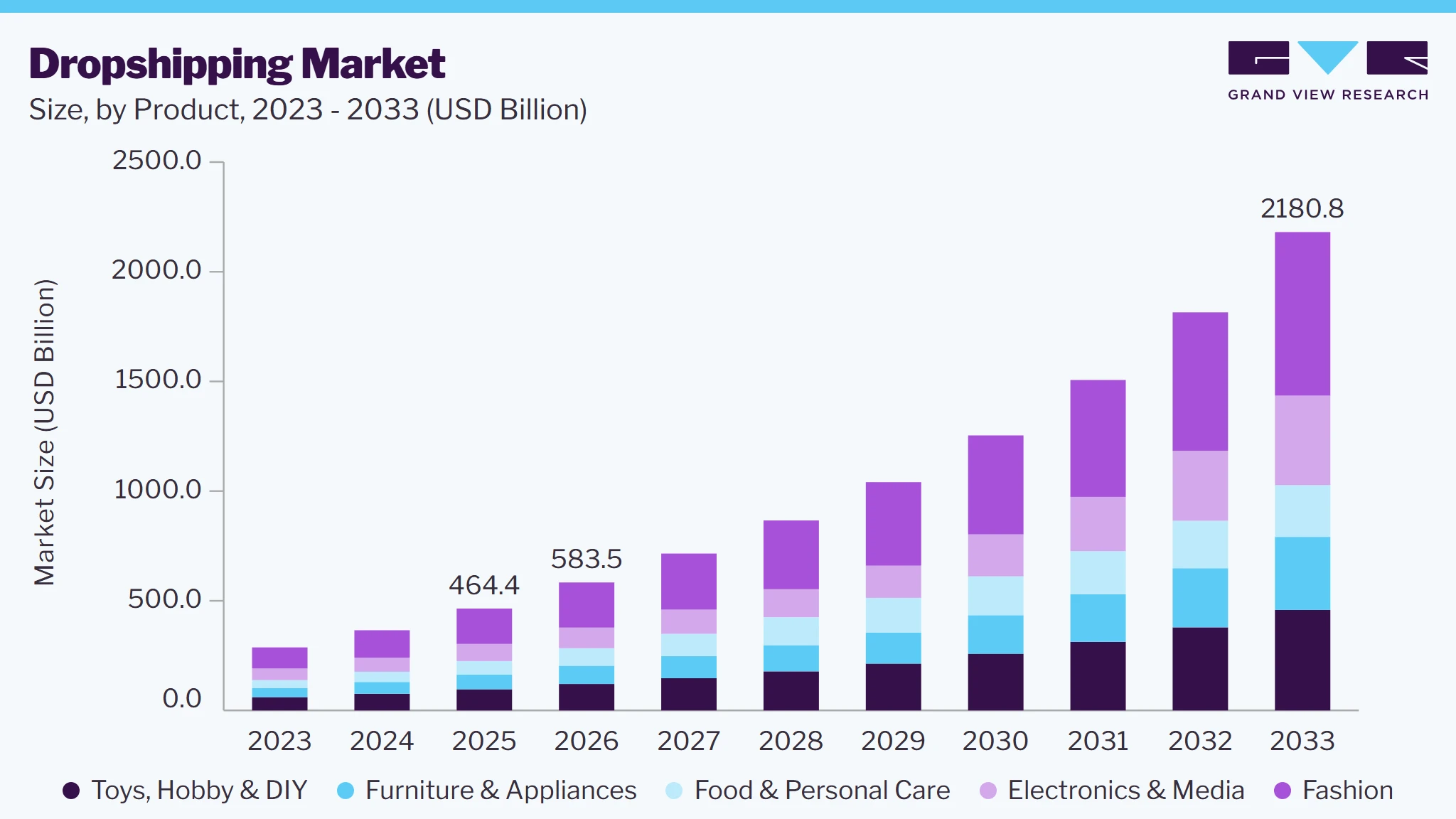
Dropshipping is a way to sell products online without buying or storing inventory. The global market was worth $464.4 billion in 2025 and is projected to hit $2.18 trillion by 2033.
Here's how it works. A customer places an order in your store. You forward it to a supplier. The supplier packs and ships directly to the customer. You keep the difference between what the customer paid and what the supplier charged.
The appeal: no warehouse rent, no bulk orders to prepay, no unsold stock in a garage. A store subscription and some ad testing still cost money, but the barrier is far lower than stocking inventory yourself.
Two more reasons it's attractive—stores can go live in a weekend, and new products or niches can be swapped in and out without financial damage.
How to Start Dropshipping With No Money: 7 Steps
1. Choose a Profitable Niche
A niche is the type of stuff you sell. Pick something you already know a bit about, so you can spot what buyers actually want and write listings that don't sound generic.
The trick is going three layers deep. "Pets" is too broad — every big seller owns that space. "Dog products" is still crowded. "Calming gear for anxious rescue dogs" is narrow enough that a small store can rank and speak directly to the buyer. Do the same with any starting interest: hobby → specific activity → specific problem or user.
2. Find a Reliable Supplier
Your supplier ships the product, so their quality is your quality. The short version: pick one that charges nothing upfront and only takes money after a sale.
Before listing anything, message the supplier three questions: shipping time to your buyers' country, what happens when an item breaks in transit, and whether they can white-label packaging.
How they reply matters as much as what they say — a same-day answer in clear English is a good sign; two lines three days later is not.
Order a sample later once you can spare $10-$20. For day one, screenshots and honest questions are enough.
3. Pick a Free Selling Platform
For zero setup, TikTok Shop lets sellers list without a subscription. eBay allows dropshipping only when items ship from a wholesale supplier, not from another retail site like Amazon — worth reading their policy before listing.
Facebook Marketplace doesn't officially support dropshipping and accounts get flagged, so skip it. WordPress with WooCommerce on free hosting works too if you like tinkering.
4. Add Products to Your Store
Start with 5-10 products, not 50. Split them into two roles: 2-3 low-price "entry" items ($10-$20) to pull in first-time buyers, and 3-5 higher-margin items ($30-$60) to carry the real profit. Cheap-only stores can't cover payment fees; pricey-only stores have nothing to hook cold traffic.
Rewrite every listing in your own words — copy-pasted supplier text looks sketchy and hurts search ranking. A workable structure: one sentence on who the product is for and the problem it solves, three to five bullets on the features that fix it, then specs (size, material, weight) at the bottom.
5. Set Prices and Policies
A safe markup is 2-3x the supplier's cost — that covers payment fees, ad money later, and the odd refund. Now the part most guides skip: your return policy.
Put a short version on the product page so buyers know what to expect—something like "Returns accepted within 14 days for defective items; contact us before shipping back." When something goes wrong, open a supplier dispute instead of refunding out of pocket.
For low-cost items, offer a partial refund or free replacement instead of asking the buyer to ship it back—international return shipping usually costs more than the product. Only route returns to the supplier when they have a domestic warehouse (US or EU) that can accept them.
6. Drive Free Traffic
Ads cost money, so lean on short video. TikTok and Instagram Reels are the fastest free traffic for beginners — short video still gives new accounts a real shot at reach without ad spend, which paid channels don't.
For your first 10-20 videos, don't just show the product — mix in problem-solving clips ("3 ways to fix X"), before/after shots, and quick "why I picked this" stories.
Post once a day if you can; three times a week still beats nothing. If you don't own the product yet, build digital mockups in Canva's free tier or use free credits on Placeit or Smartmockups — a hoodie on a model, a mug on a desk.
Once a few sales come in and there's cash to cover one or two supplier orders, DM nano- and micro-influencers (1K-20K followers) and offer 15-25% commission per sale instead of paying upfront. A free sample plus a real cut is enough to close plenty of them.
7. Fulfill Orders and Handle Customers
Here's what most "no money" guides leave out: cash flow. PayPal is known to hold new-seller funds for up to 21 days, and Stripe can set a rolling reserve on higher-risk accounts. Either way, money owed to the supplier can sit locked up while orders keep coming in.
Three ways around this without your own cash:
- Split the timeline on your product page. Something like "Processing: 3-5 business days. Shipping: 12-20 days." sets expectations for the payout gap without contradicting the delivery window.
- Ask your supplier about delayed payment terms once you've built a small order history. CJ offers a credit line to established accounts, and some private agents on AliExpress will negotiate net terms after repeat orders.
- Check payout timing before picking a platform. eBay Managed Payments typically releases funds within a few days of shipment, while TikTok Shop holds payouts until delivery is confirmed — long shipping windows mean longer waits.
Read More:
- Best 30+ Free Dropshipping Websites to Build an Online Store
- 10 Real Dropshipping Success Stories with Best Tips to Learn and Apply
6 Best Free Suppliers for Dropshipping
All six suppliers below let sellers open an account without paying a cent. What separates them is shipping speed, product type, and how easy each one is to trust when a sample isn't in the budget yet.
1. PrintKK
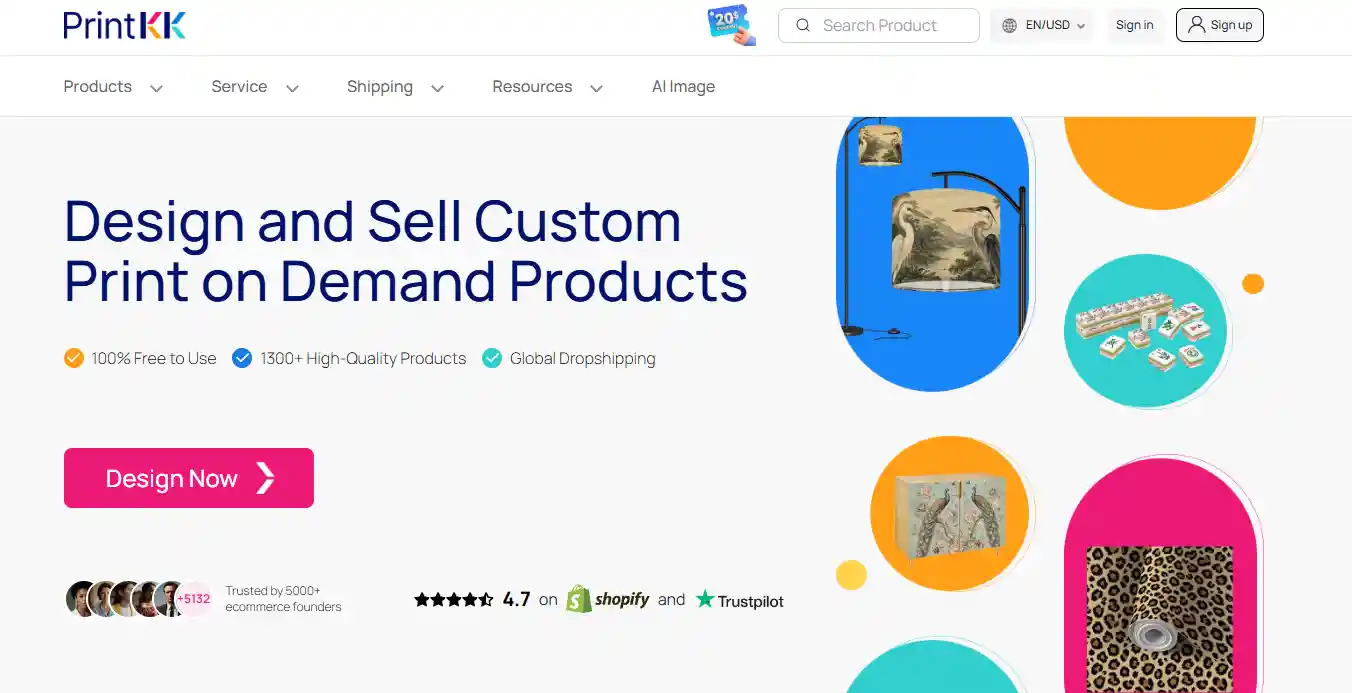
PrintKK is a print-on-demand supplier for sellers who want to build a store around custom designs. The catalog spans everyday POD staples plus less common categories like mahjong tiles, wallpaper, and lamps—niches that generic suppliers can't easily fill.
Select US regions get free shipping, with delivery in days instead of weeks. Preview real artwork on the mockup tool before listing, and message support with quality questions ahead of time.
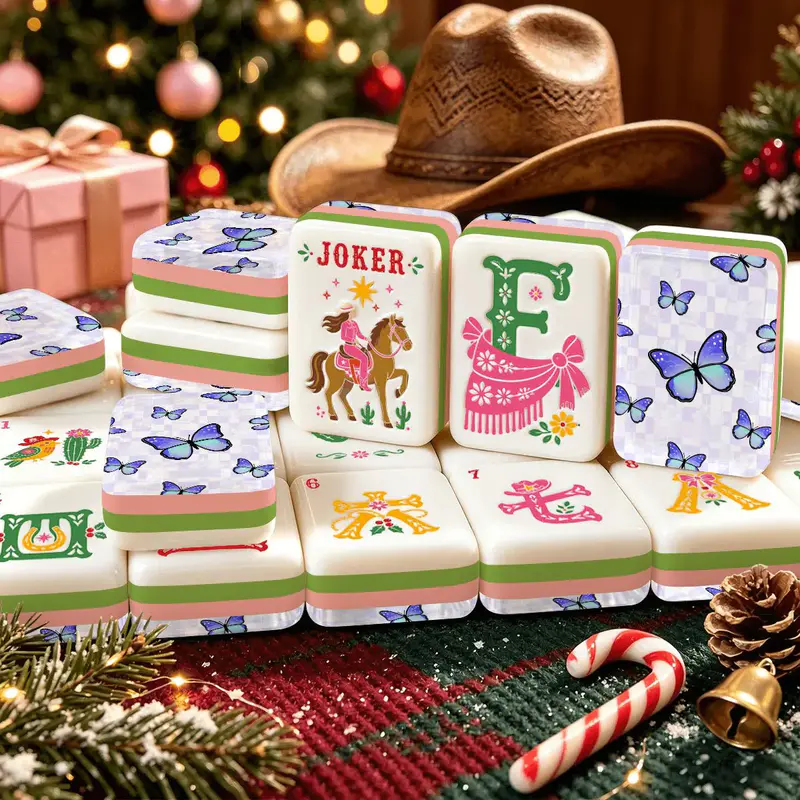
Custom Western Christmas Mahjong Tiles - Print on Demand Fulfillment - PrintKK
2. BrandSKU
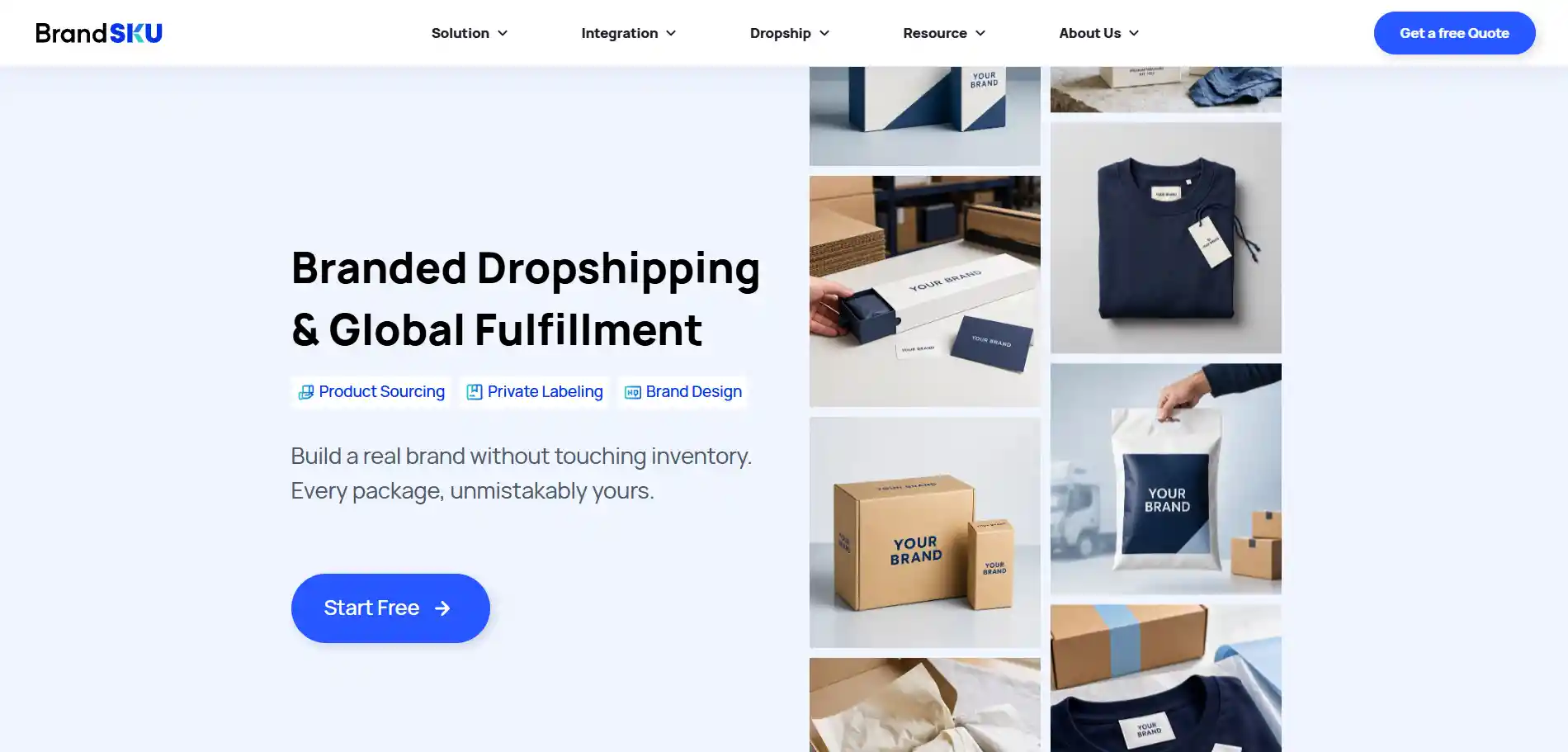
BrandSKU is for sellers who want to build a real brand, not just reselling generic products. Every order ships with custom packaging, hang tags, thank-you cards, and branded mailers instead of a plain supplier box.
When two stores sell the same product from the same source, the unboxing experience is what separates them. BrandSKU handles sourcing, quality checks, branding, and shipping under one roof, so a small store can look established from day one.
3. AliExpress
AliExpress is the biggest general dropshipping platform in the world, with millions of products across almost every category—the default starting point for most beginners.
The tradeoff is speed: standard shipping from China takes weeks. To vet quality without a sample, skip the polished supplier photos and scroll to buyer reviews with customer images. Stick to suppliers with high ratings and long order histories.
4. CJ Dropshipping
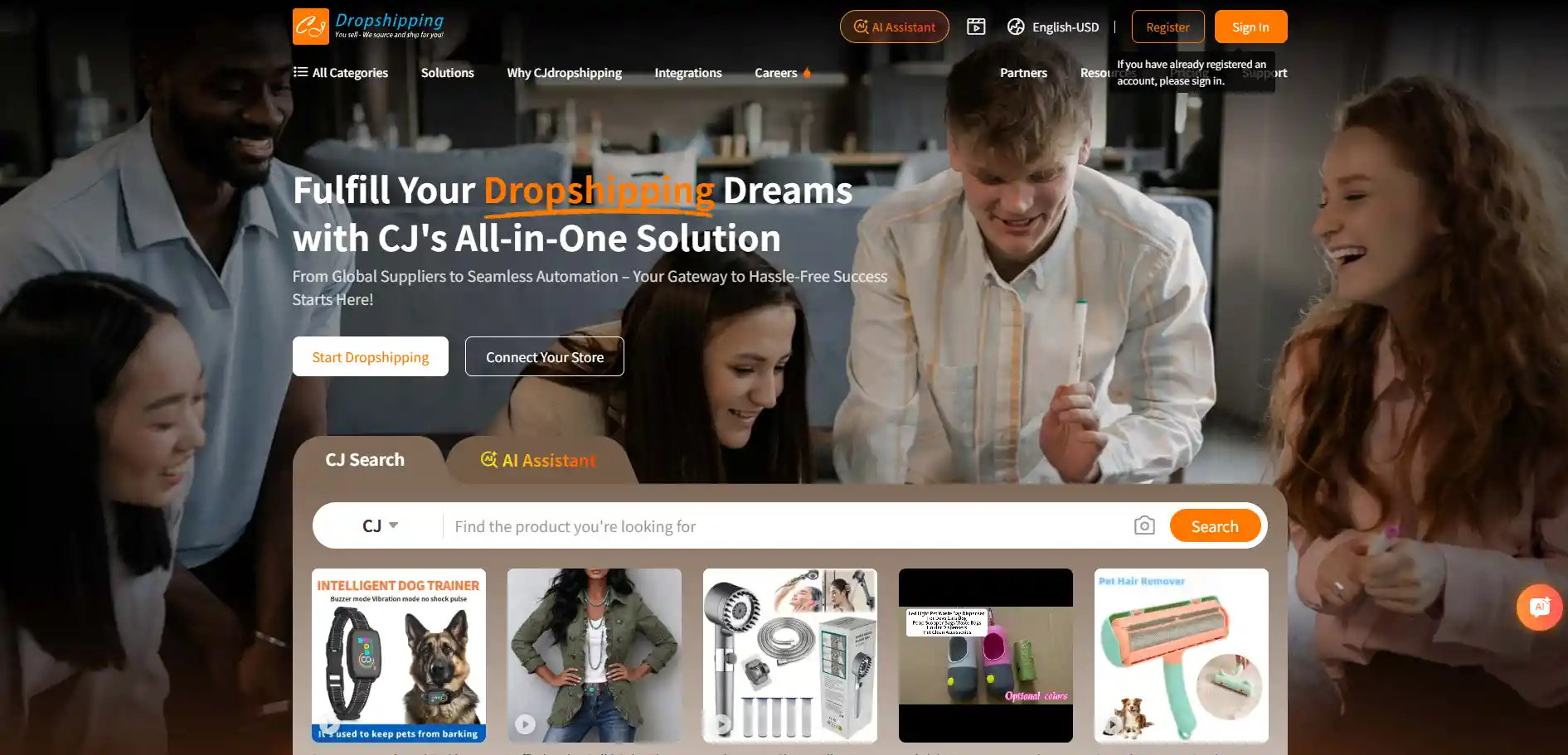
CJ Dropshipping is an AliExpress alternative with warehouses in the US, Europe, and Asia—faster shipping for Western customers who won't wait a month.
Its real edge for sample-free evaluation: message any listing's agent for a custom product video, and most respond within a day. It's the closest thing to holding the product without paying for shipping.
5. Spocket
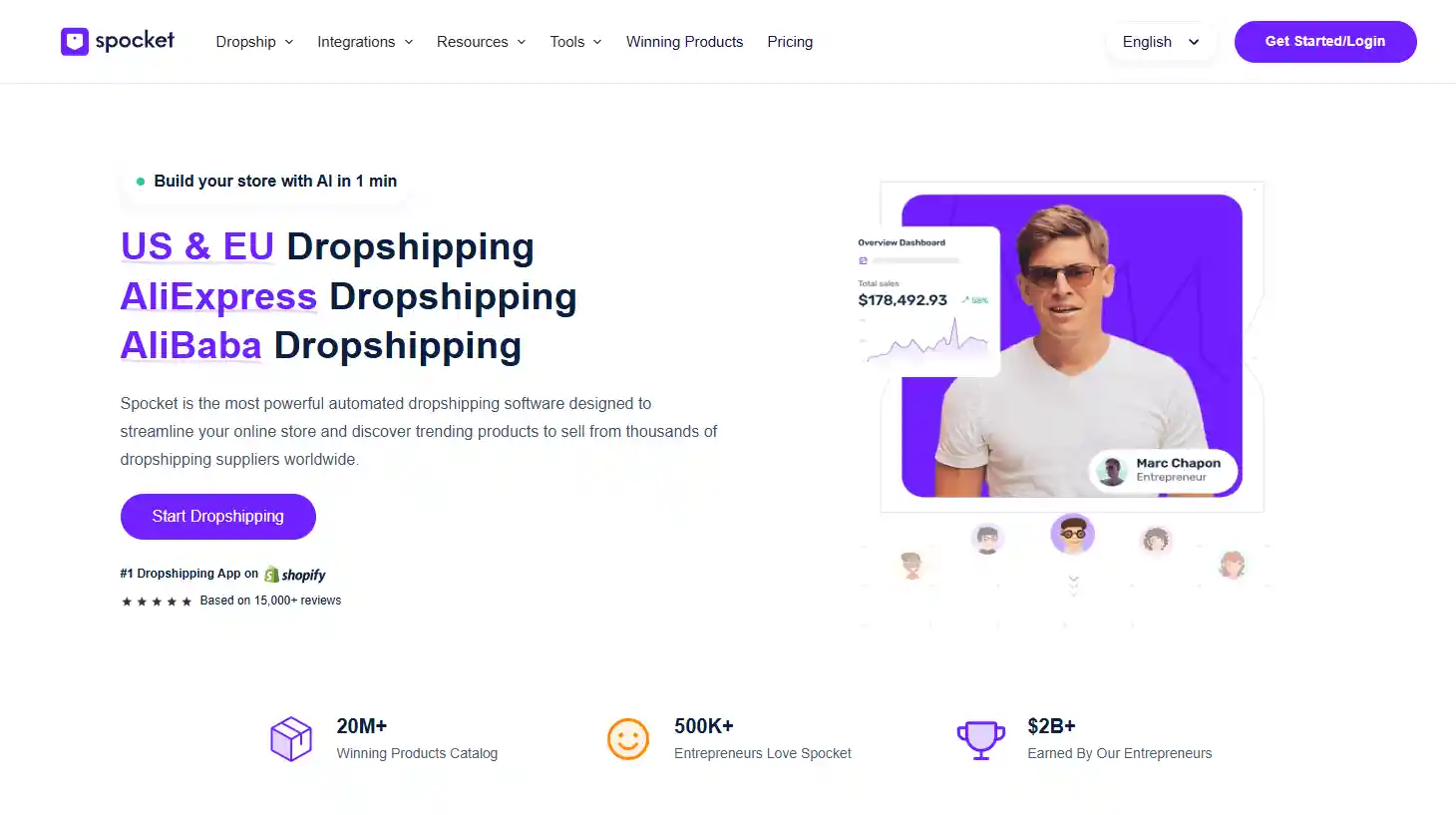
Spocket connects stores with US and European suppliers, which means faster shipping and generally higher product quality than Asia-based platforms.
One thing to know upfront: the free tier lets sellers browse the full catalog and vet suppliers, but importing products to a store requires a paid plan.
For a truly zero-budget start, use the free browse to identify winning products and understand the market, then decide whether the upgrade fits the budget once sales start rolling in.
6. Modalyst
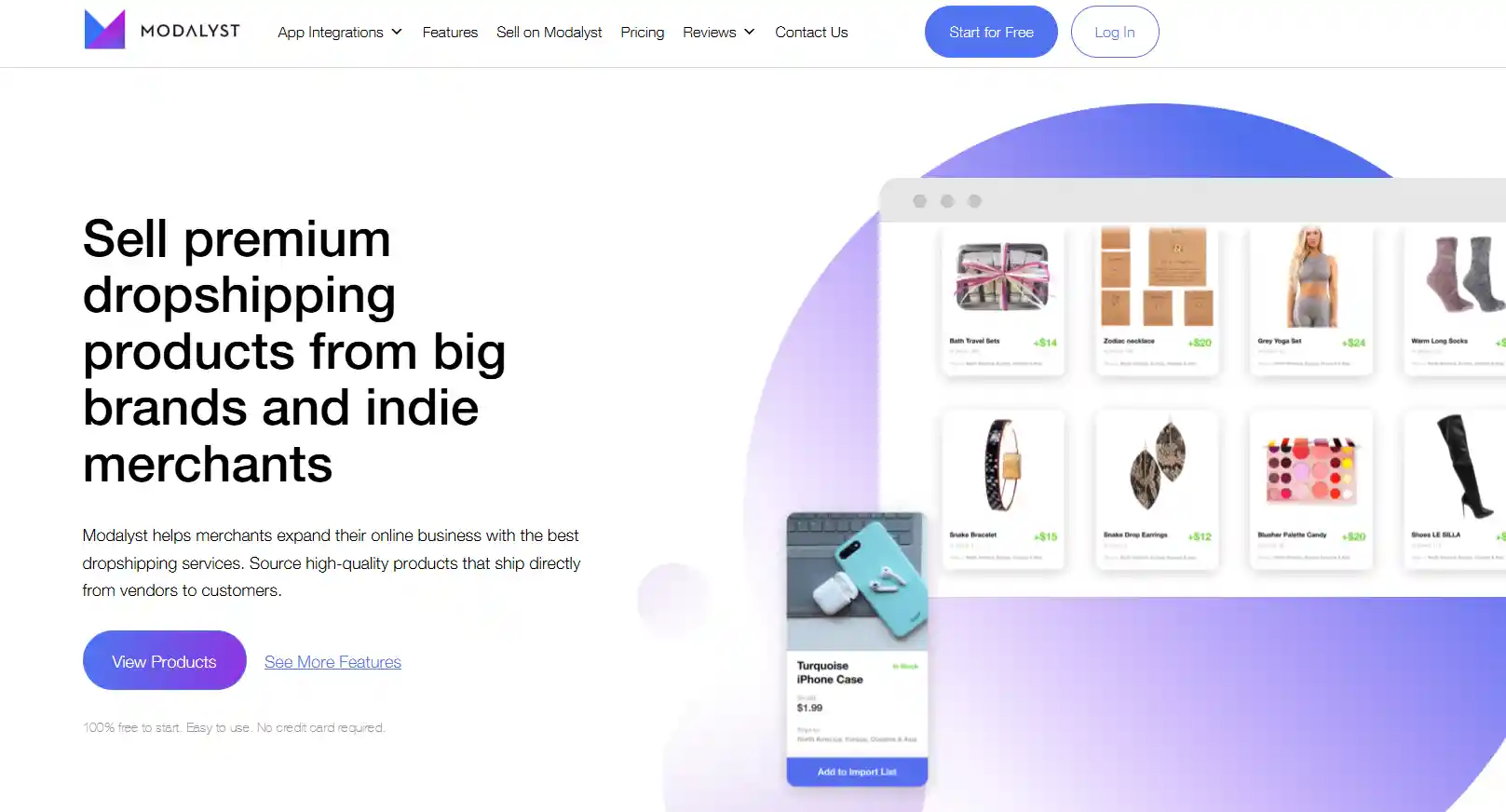
Modalyst specializes in fashion, jewelry, and lifestyle products, with a mix of independent brands and larger wholesalers. The free plan supports a starter store—enough to test a niche before paying.
It's owned by Wix and integrates cleanly with Wix stores, though Shopify works too. Focus on verified brand partners—consistent quality, versus generic wholesalers where photos can mislead.
5 Tips for Running a Successful Dropshipping Business
Starting a store is easy. Keeping it profitable is where most beginners stumble. These five habits separate the stores that survive from the ones that quietly disappear after month two.
Put Customer Service First
When a store doesn't own the product or handle shipping, customer service is the one thing fully under the seller's control. A polite reply to a complaint often turns an angry buyer into a repeat one. Refunding without argument on a small issue can save the account from a chargeback that costs ten times more.
Reply within 24 hours, always. If a supplier messes up, apologize on their behalf and fix it. To the customer, the seller is the brand.
Be Honest About Shipping Times
The fastest way to earn a chargeback is quietly shipping from China after promising "fast delivery." Most customers can accept a long wait. They won't accept being misled about it. Put the real shipping window on the product page, checkout, and order confirmation email. Something like "Ships within 3 days, arrives in 12-20 days" beats vague promises.
For products coming from Asia, send an update at the halfway point. Most PayPal disputes come from silence, not from the wait itself.
Track the Hidden Costs
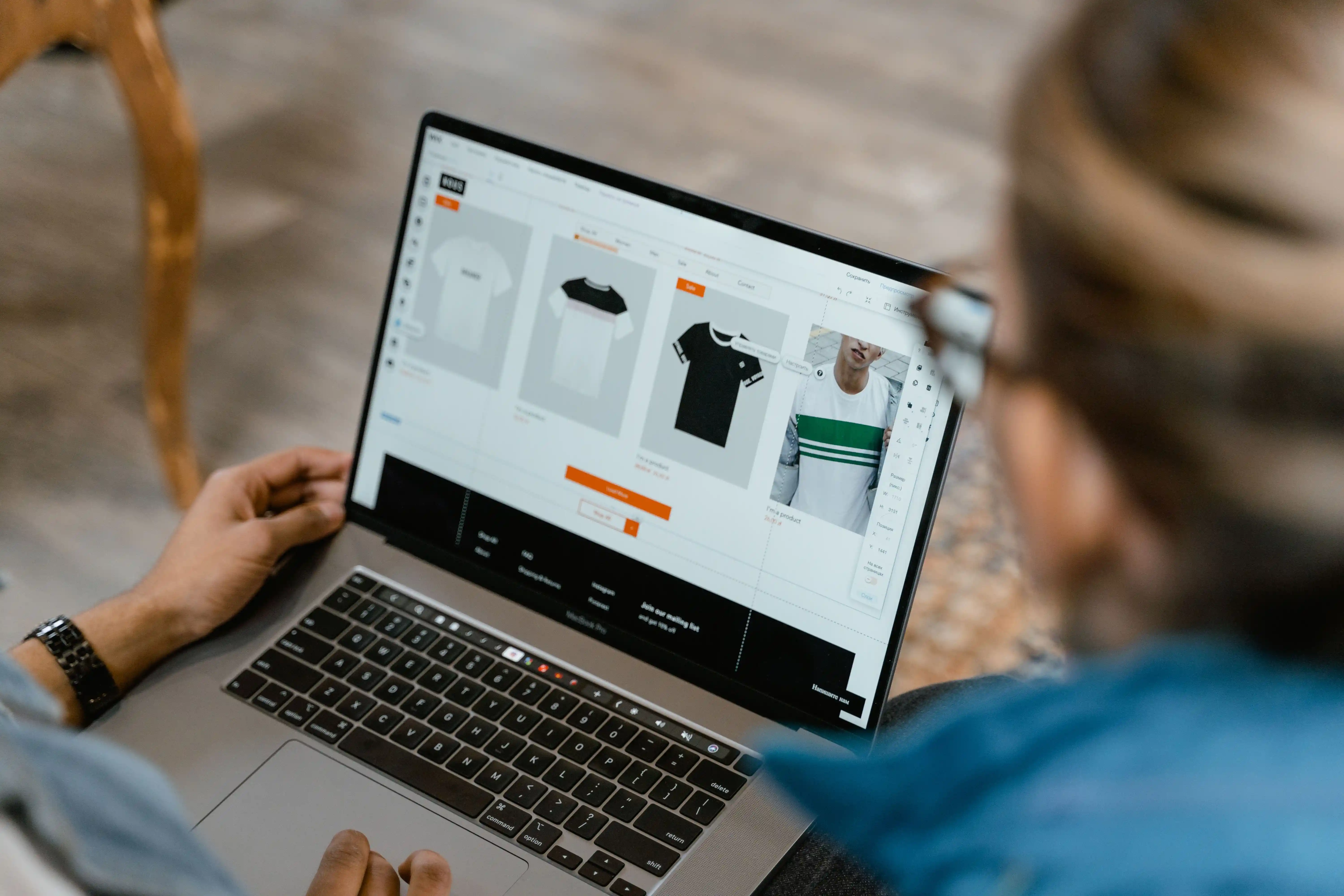
Starting with $0 doesn't mean staying at $0. Costs sneak in after the first sale, and stores that don't track them wake up losing money on orders they thought were profitable.
Watch for these:
- Payment processing fees (usually 2-3% per transaction)
- Currency conversion fees between supplier and customer
- Refunds and chargebacks
- Replacement orders for lost or damaged items
- Supplier price changes that quietly shrink margins
- Taxes the seller is responsible for collecting
Track them from day one, or the profit on paper won't match what's in the account.
Reinvest Before Scaling
Three signs it's time to put money back in: consistent orders, positive margins after the hidden costs above, and a few repeat customers.
Start with the friction points that limit growth—a custom domain and paid store plan to clear free-tier limits, then a small $50-$100 ads test to see whether ads multiply profits or just burn cash. After that, better product photography or a sample of your top seller. Skip email software, retargeting, and subscription apps until the basics are pulling their weight.
Diversify Your Traffic
Relying on one platform is risky. Algorithms change, accounts get banned, ads get expensive, and any one of these can cut off a store's income overnight.
Aim for at least two traffic sources at all times. Organic TikTok and Instagram content pair well together. SEO blog content builds slower but keeps working for years without ongoing cost. Once revenue is steady, add a third channel, either email marketing or paid ads. The point isn't being everywhere. It's making sure no single platform controls whether the store survives.
How to Find Winning Products Without Spending Money
Finding products that actually sell is half the work of running a store. Every tool worth using at the start is free. What matters is knowing what to look for and what to ignore.
TikTok Hashtags and Search
TikTok is where products go viral before they hit anywhere else. Search #tiktokmademebuyit and similar tags, sort by "most liked" for real engagement, and read the comments.
People asking "where can I buy this?" is a stronger buy signal than any view count.
Google Trends
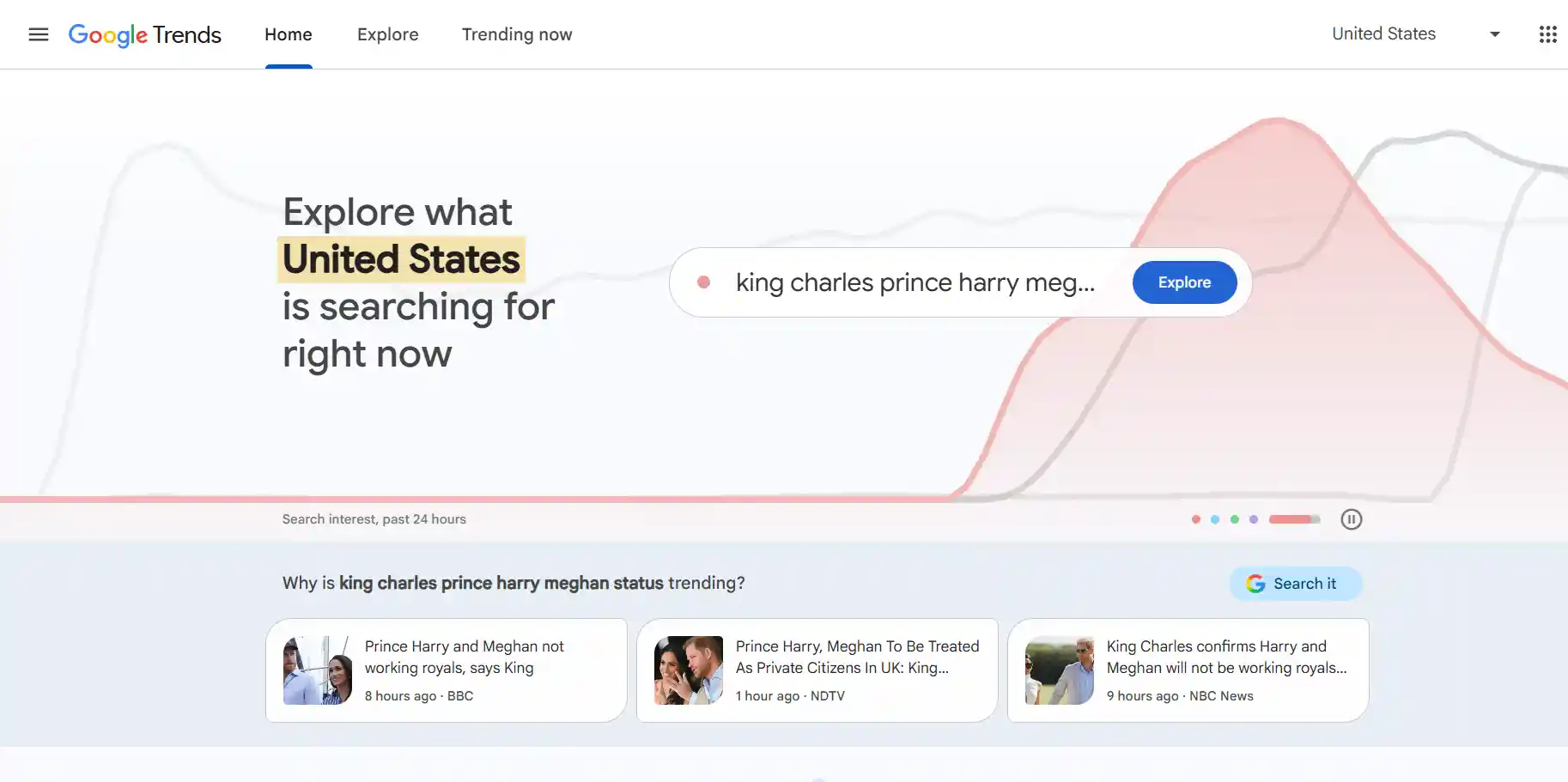
Google Trends shows whether interest is growing, flat, or dying. Set the range to 12 months to spot seasonal patterns—Christmas products spike in November, pool floats in June.
A slow, steady climb beats a sharp peak that's already passed. If the graph heads down, walk away no matter how cool the product looks.
AliExpress Dropshipping Center
AliExpress has a free research tool most beginners miss. The Dropshipping Center shows which products dropshippers are actually selling, sorted by order volume and growth.
Filter by category and shipping origin for fast-shipping items. Steady 30-day sales beat one-day spikes every time.
Amazon Best Sellers
Amazon's Best Sellers page updates hourly. Pick a niche, scroll the top 100—products with thousands of reviews and a 4.3-star average or higher are proven. "Movers & Shakers" catches trends early. Read the 1-star reviews too; common complaints are gaps a smarter seller can fix.
Facebook Ads Library and Reddit
The Facebook Ads Library shows every ad running on Facebook and Instagram. Search a competitor or product keyword and see which ads have run the longest—for direct-response sellers, long-running ads are usually profitable ones.
Reddit adds the flip side: search product-related subreddits for what people complain about or wish existed. That's unfiltered customer language, which no keyword tool can match.
Launch Your Dropshipping Store With PrintKK for Free
Everything in this guide comes down to one thing: keeping cash out until sales come in. PrintKK is built for that. Sign-up is free, no monthly subscription, no minimum order, nothing to pay until a customer orders. The supplier only gets paid after you do—no upfront inventory, no spend on products that never move.
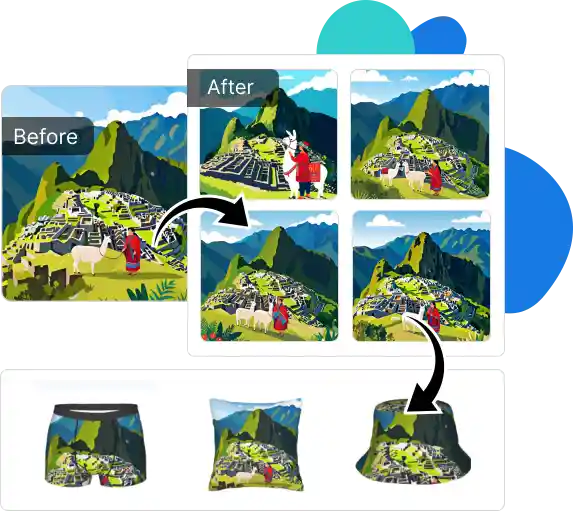
Most zero-budget stores fail because they sell the same generic items as thousands of competitors. With PrintKK, design with the built-in AI mockup tool, preview accurate product mockups, and list the same day on whichever channel fits your niche — PrintKK integrates with Shopify, Etsy, TikTok Shop, Amazon, and more, so orders route to fulfillment automatically once a buyer checks out.
Expert Tips
Knowing how to start dropshipping with no money comes down to using what's free, staying honest with customers, and reinvesting only when the numbers add up.
Pick a niche. Find a supplier that charges nothing upfront. Set up on a free platform. Drive traffic with content, not ads. Watch for the hidden costs that show up after your first sale.
When steady profits arrive, put them back into growth—not before. The path is slow but real. Start with one product today, and let each small win fund the next one.
FAQs
How do I start dropshipping on Amazon for free?
Amazon's Individual Seller account has no monthly fee — it charges $0.99 per sale instead, so nothing comes out of pocket until an order lands. Pair it with a supplier like PrintKK or CJ Dropshipping and cover product costs only after the sale.
How do I start dropshipping on eBay with no money?
eBay lets you list up to 250 items each month at no cost. Pick low-competition products from a free supplier, write clear listings, and use the platform's built-in traffic to land your first sales.
Can I start Shopify dropshipping without paying?
No—Shopify's trial ends quickly and a paid plan takes over. Start on TikTok Shop or a free marketplace instead, and move to Shopify once profits can cover the monthly fee.
How long does it take to make money with dropshipping?
Most new stores see their first sale within a few weeks if the product is right and content goes out daily. Steady monthly income usually takes three to six months of consistent effort.
What are the best products to dropship with no budget?
Focus on lightweight items with strong margins—phone accessories, custom apparel, pet products, and niche home goods work well. Avoid fragile or oversized products since returns and damage claims eat into thin profits.



 Global Shipping