






Not every keyword brings in cash, even if it gets clicks. Pure traffic won't pay you—only keywords that turn visitors into buyers and earn commissions really count.
Effective affiliate marketing keyword research helps identify terms with real earning potential, showing where to focus time and effort for the highest return.
This guide covers 22 tools in 2026 that make it easier to discover profitable keywords, prioritize opportunities, and ultimately increase your affiliate income.
What is Affiliate Marketing Keyword Research
Affiliate marketing keyword research is about finding the words and phrases people actually type when they search online. It's not just about picking popular terms.
You want keywords that match intent and can lead to sales. When you do it right, you focus on terms that bring real visitors who might click your links.
In 2025, affiliate marketing spending in the US is estimated at around $12 billion, showing how competitive and lucrative the space has become. Choosing the right keywords helps you tap into this market efficiently.
Here's what you should keep in mind:
- Look for a mix of short and long keywords. Long-tail terms often convert better.
- Check the competition. High-volume keywords are tempting but harder to rank for.
- Consider seasonal trends. Some products peak at certain times of the year.
By doing this, you don't just get traffic. You get the right traffic. Keywords guide your content, show what your audience cares about, and give you a clear path to improve earnings over time.
22 Best Affiliate Marketing Keyword Research Tools
SpyFu
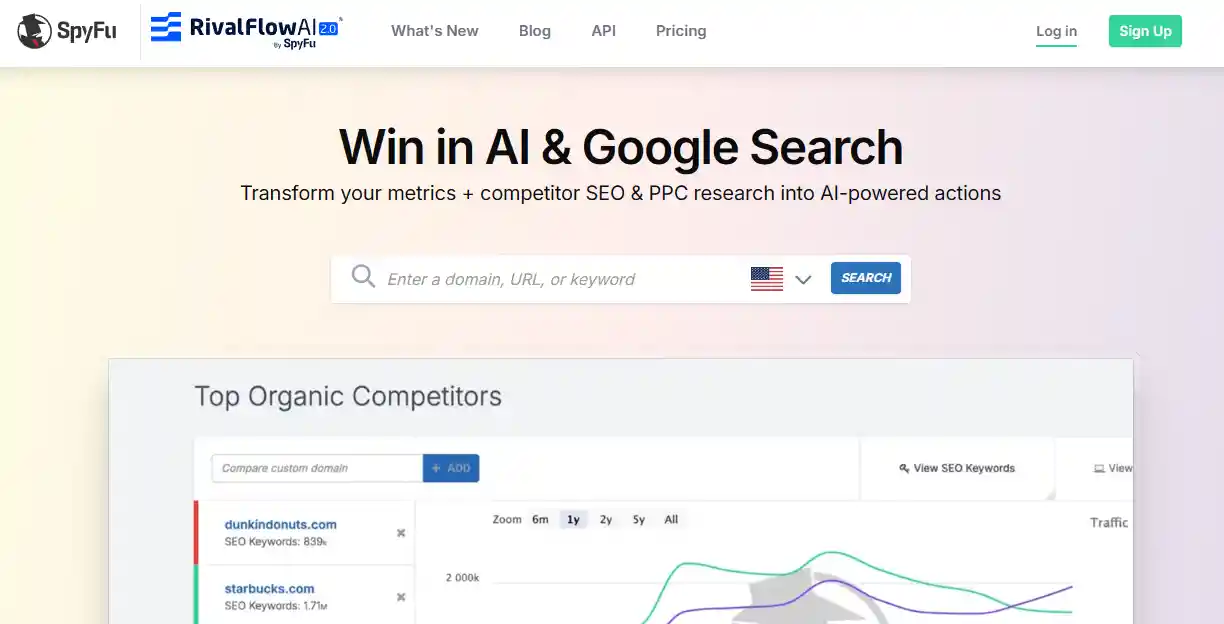
SpyFu shows the keywords your competitors rank for in search and ads. You can see their top-performing pages and historical trends.
Use this insight to discover gaps they are missing and find profitable keywords for your campaigns. Its competitive analysis focus helps refine your content strategy so you can focus on terms that drive clicks and conversions.
Mangools
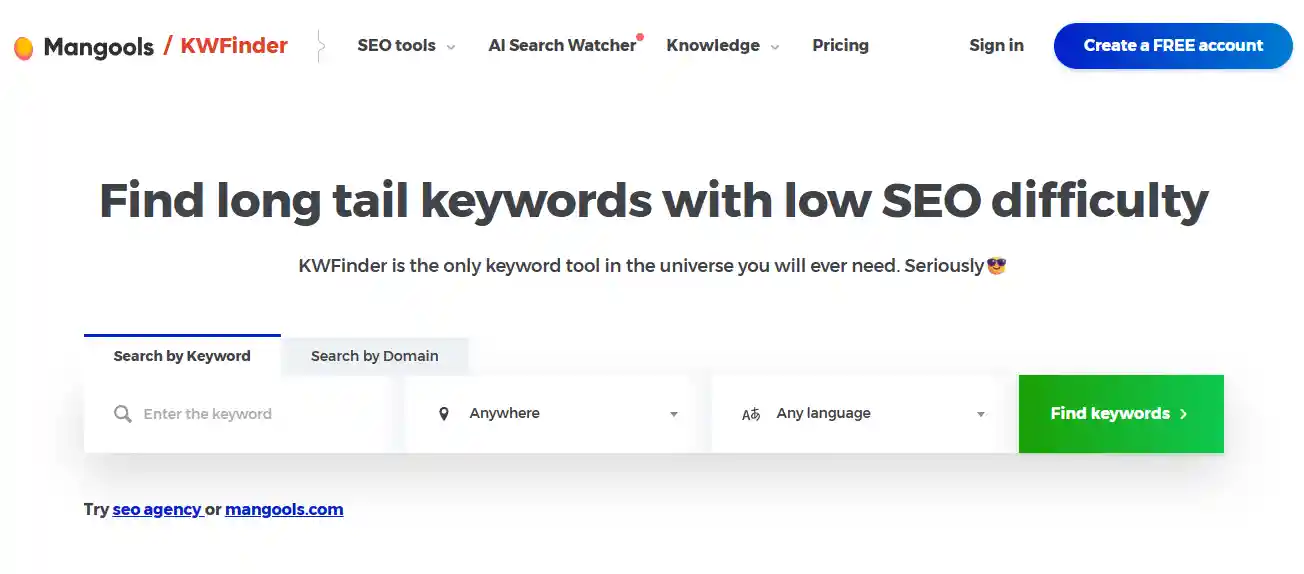
Mangools combines keyword research, SERP analysis, and rank tracking in one platform. You can check search volume, difficulty, and related keywords quickly.
Use it to find opportunities your competitors overlook. Ease of use makes Mangools useful for prioritizing high-value terms and planning content that has a higher chance of ranking in Google search results.
eRank

eRank is built for Etsy sellers. You can see search volume, trends, and top tags to optimize listings. It helps you find keywords that buyers actually type.
Track seasonal spikes and competitor performance to make smarter listing decisions. Using eRank gives you a data-driven way to improve your Etsy shop's visibility and sales.
Google Keyword Planner
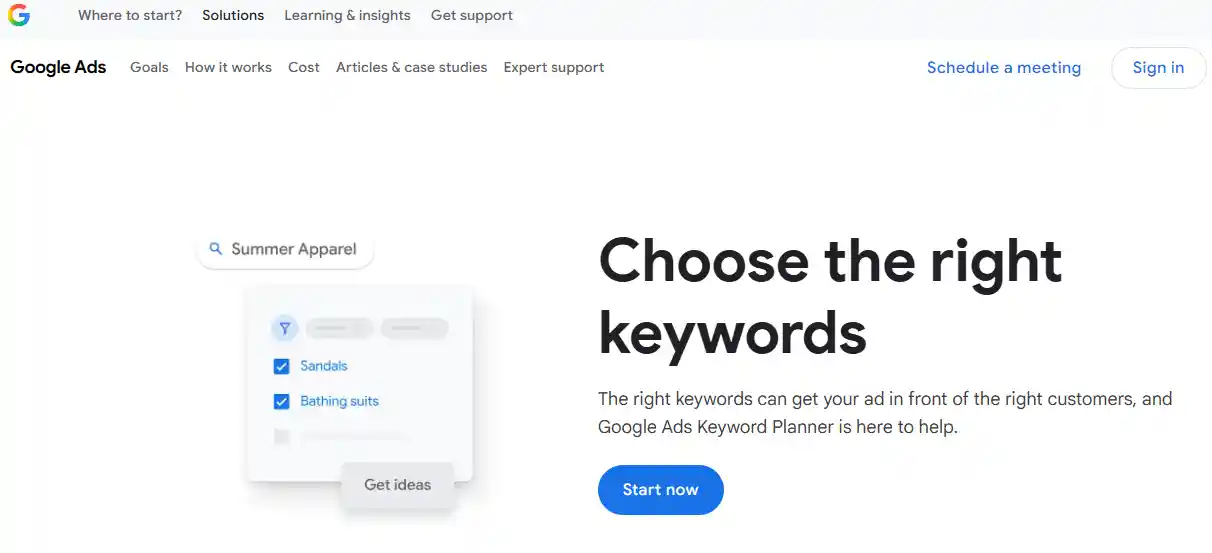
Google Keyword Planner provides official search volume from Google.
You can find keyword ideas, filter by location or device, and see competition levels. It's a core tool for PPC campaigns but works well for SEO planning. Use it to discover new opportunities and compare potential traffic across multiple keywords.
Helium 10

Helium 10 is tailored for Amazon sellers. Its keyword tracker shows search volume, trends, and ranking potential for ASINs.
You can find hidden keywords your competitors use and track performance over time. Helium 10 helps you optimize product listings to capture more buyers and improve visibility in Amazon search results.
Google Search Console
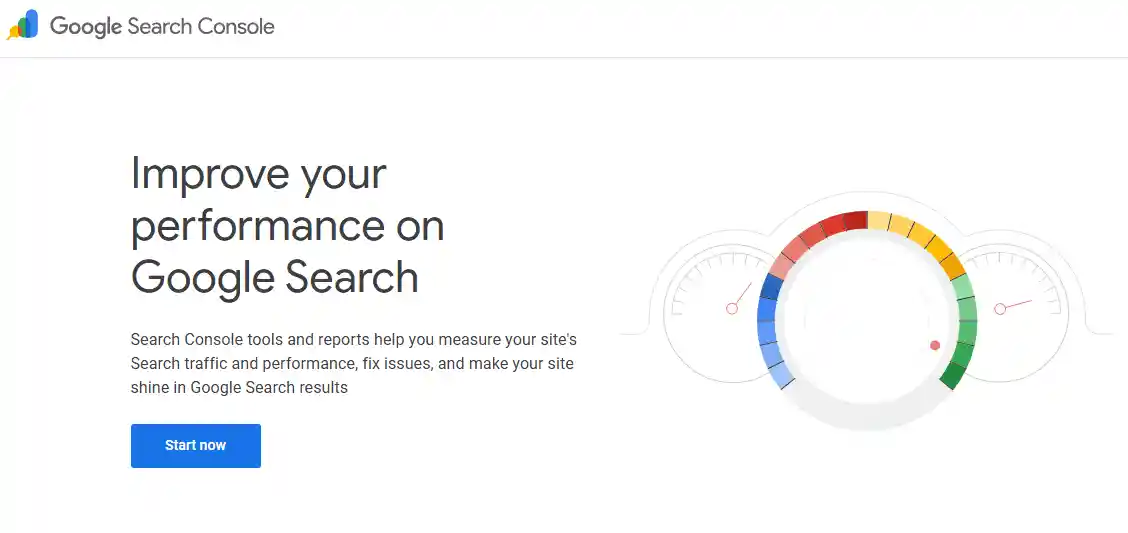
Google Search Console shows how your site performs in search results. You can see which keywords bring traffic, which pages rank, and where you can improve.
Use it to monitor clicks, impressions, and CTR. This insight helps refine your SEO strategy with real user data from Google itself.
KeySearch
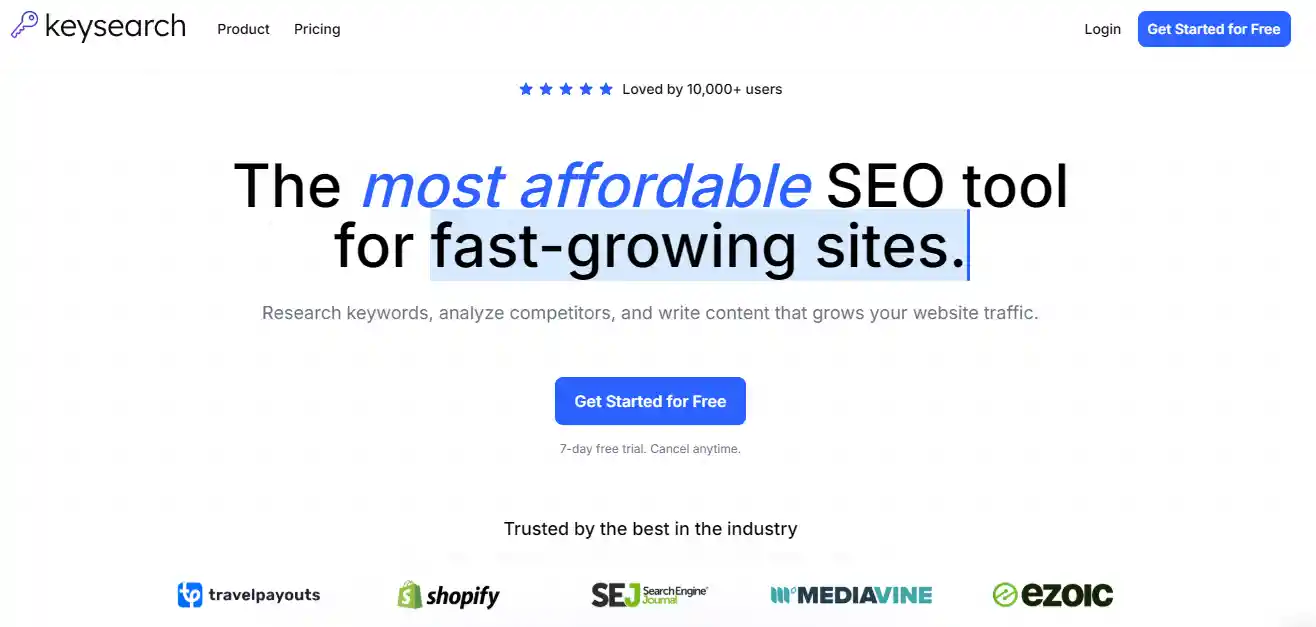
KeySearch combines keyword research and competitor analysis in one platform. You can discover high-value keywords, check difficulty scores, and explore content gaps.
Its clean interface makes it easy to identify opportunities without getting overwhelmed. Use KeySearch to plan content that targets both short- and long-tail keywords efficiently.
Moz Keyword Explorer

Moz Keyword Explorer provides keyword suggestions with difficulty and opportunity metrics.
You can see monthly search volume, SERP features, and related terms. Moz helps you prioritize keywords that are both attainable and profitable. It's useful for content planning and tracking your progress over time.
Answer Socrates

Answer Socrates focuses on question-based keywords. You can enter a seed term and see a list of related questions people ask online.
This tool helps create content that directly answers user intent. Use it to generate ideas for blogs, FAQs, and long-form articles that capture organic traffic.
Semrush
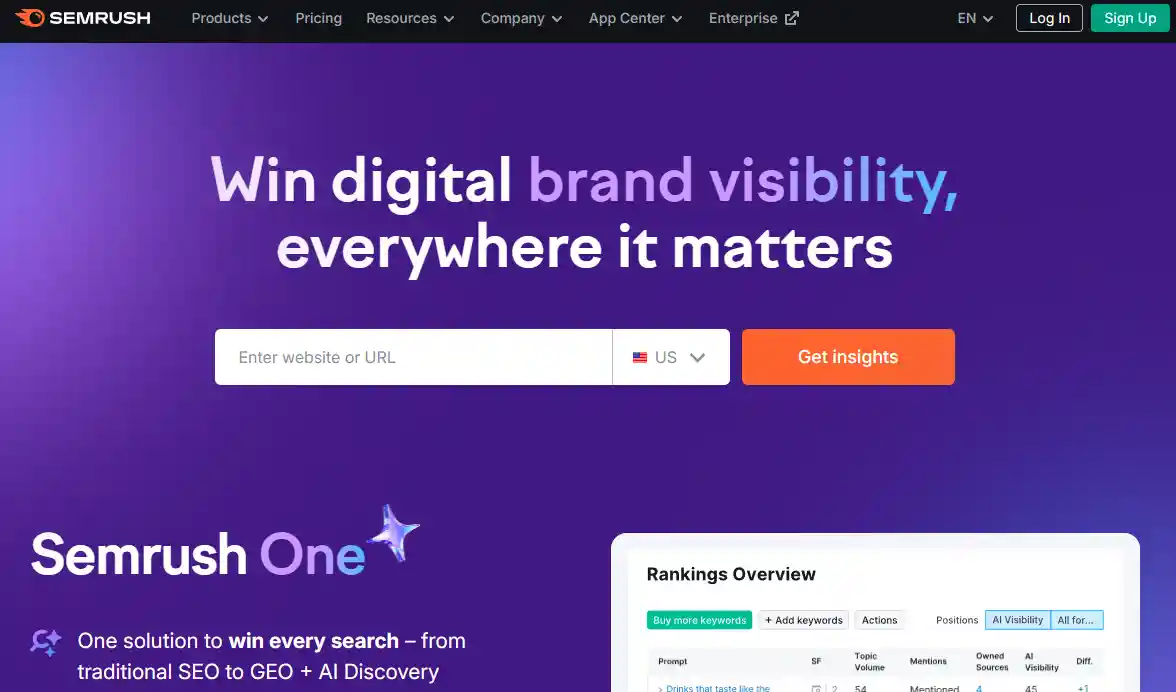
Semrush is an all-in-one platform for keyword research, SEO, and competitive analysis.
You can see what keywords competitors rank for, track your own rankings, and analyze backlinks. Semrush provides detailed data for both organic and paid campaigns, making it easier to plan strategies that outperform competitors.
Google Trends

Google Trends lets you track what people are searching for right now. You can compare multiple keywords and spot seasonal patterns.
Use it to find rising topics before competitors notice them. Check regional interest to focus on areas with growing demand.
It helps you plan content that aligns with real-time searches instead of guessing, making your keyword strategy more accurate and timely.
WordStream
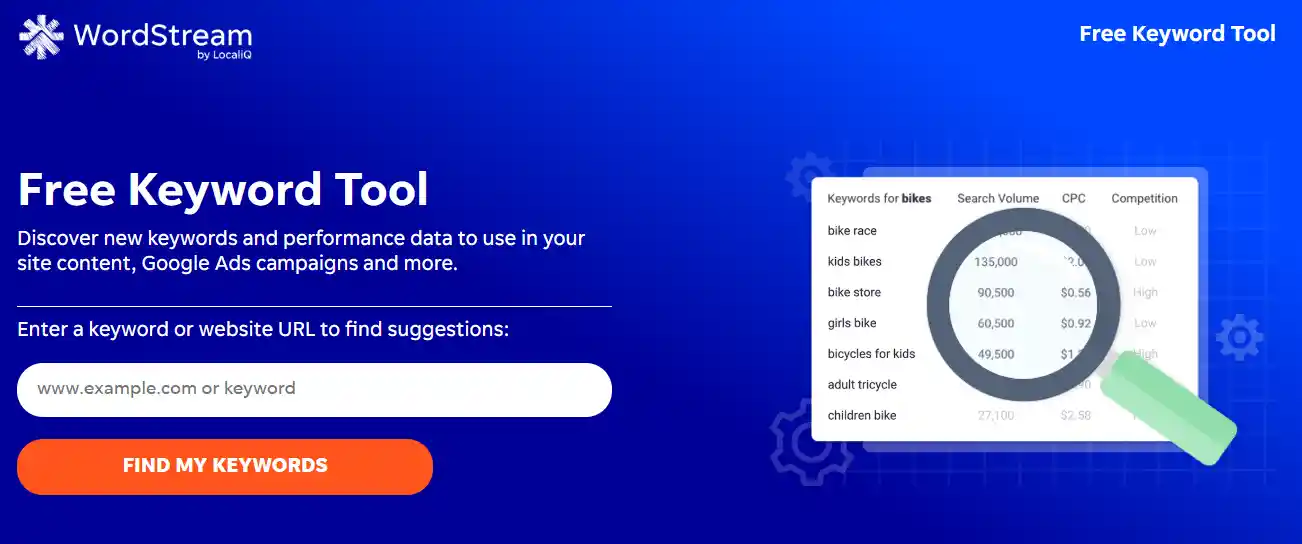
WordStream offers keyword research and PPC optimization tools. It helps you discover new keywords, group them by relevance, and monitor performance.
WordStream works for both search engine campaigns and organic content planning. Use it to focus on high-converting keywords and refine ad or content strategies efficiently.
Ubersuggest
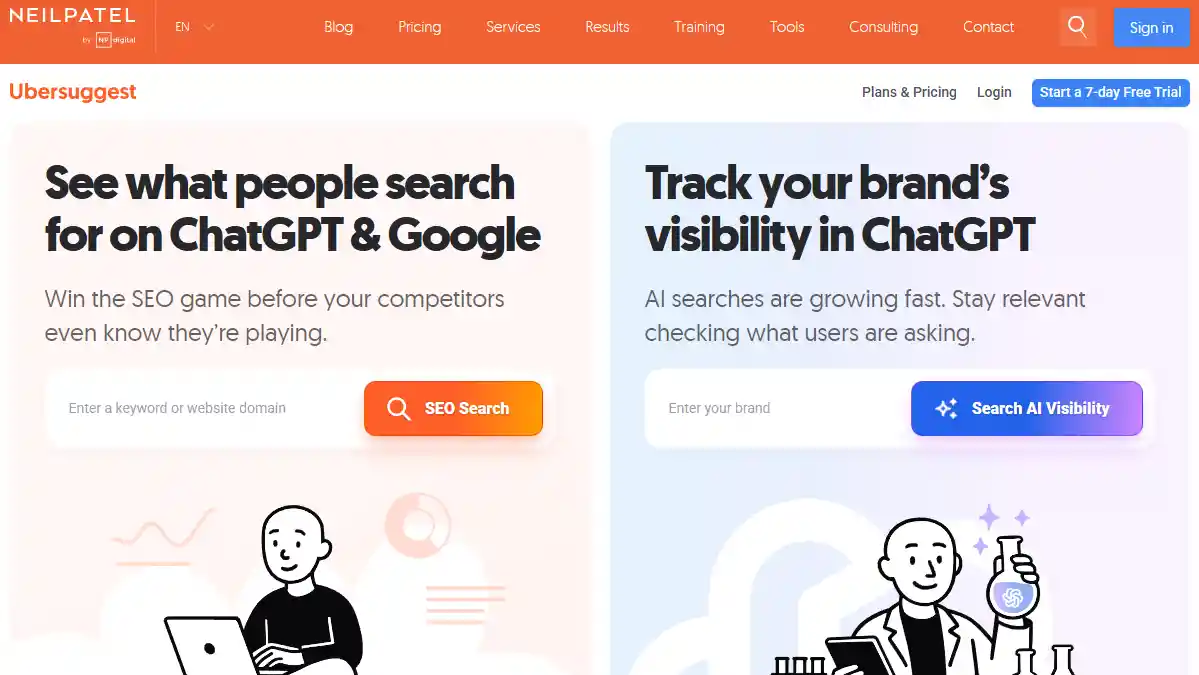
Ubersuggest helps you find keywords, analyze competition, and track rankings. You can see search volume, CPC, and SEO difficulty for each term.
Use it to discover untapped keywords and generate content ideas. Ubersuggest makes it easier to plan campaigns that target high-potential keywords without spending hours on research.
AnswerThePublic
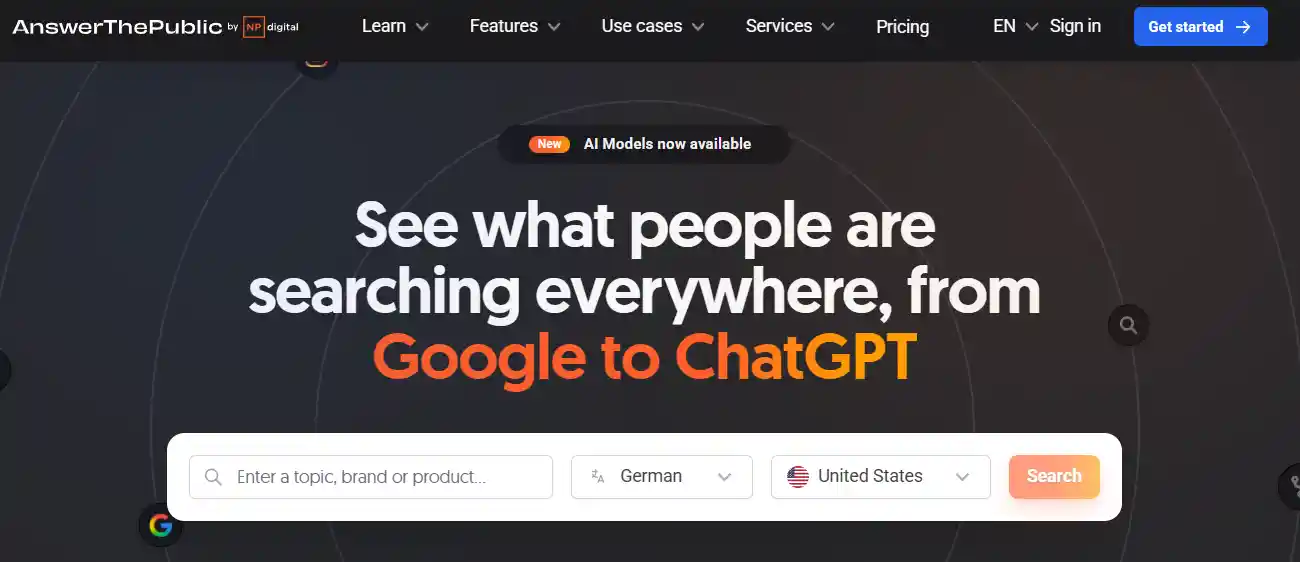
AnswerThePublic shows questions, prepositions, and comparisons people search for online. You can enter a keyword and see a visual map of user intent.
Use it to generate blog topics, FAQ sections, and content that directly addresses what people want to know. It helps your content stay relevant and useful.
Serpstat

Serpstat is an all-in-one SEO platform. Its keyword research tools show search volume, difficulty, and trends.
You can track competitor performance, analyze backlinks, and discover new content opportunities. Use Serpstat to plan your campaigns, improve SEO, and target keywords with real potential to drive traffic.
Wordtracker
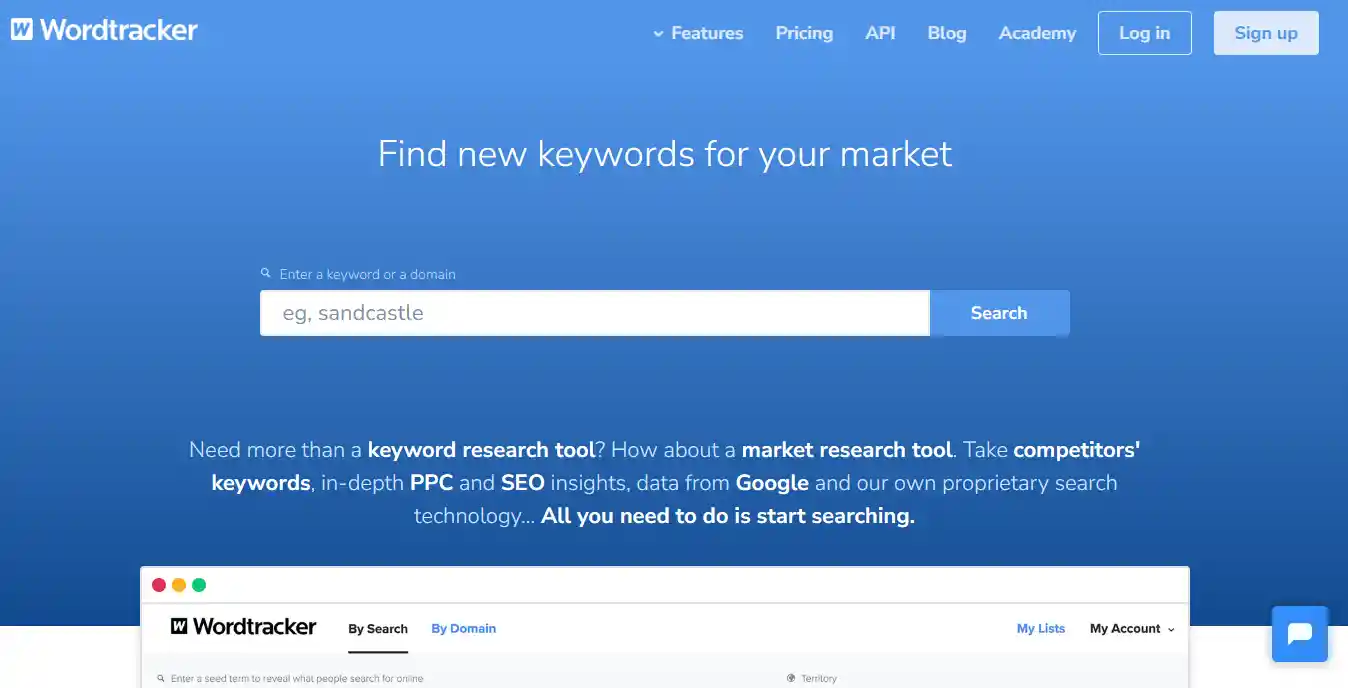
Wordtracker focuses on high-value keyword suggestions. You can find low-competition terms with good traffic potential.
It also provides insights into your competitors' strategies. Use Wordtracker to target keywords that give you an advantage in search engines, improving your chances to rank faster and attract the right audience.
Clearscope
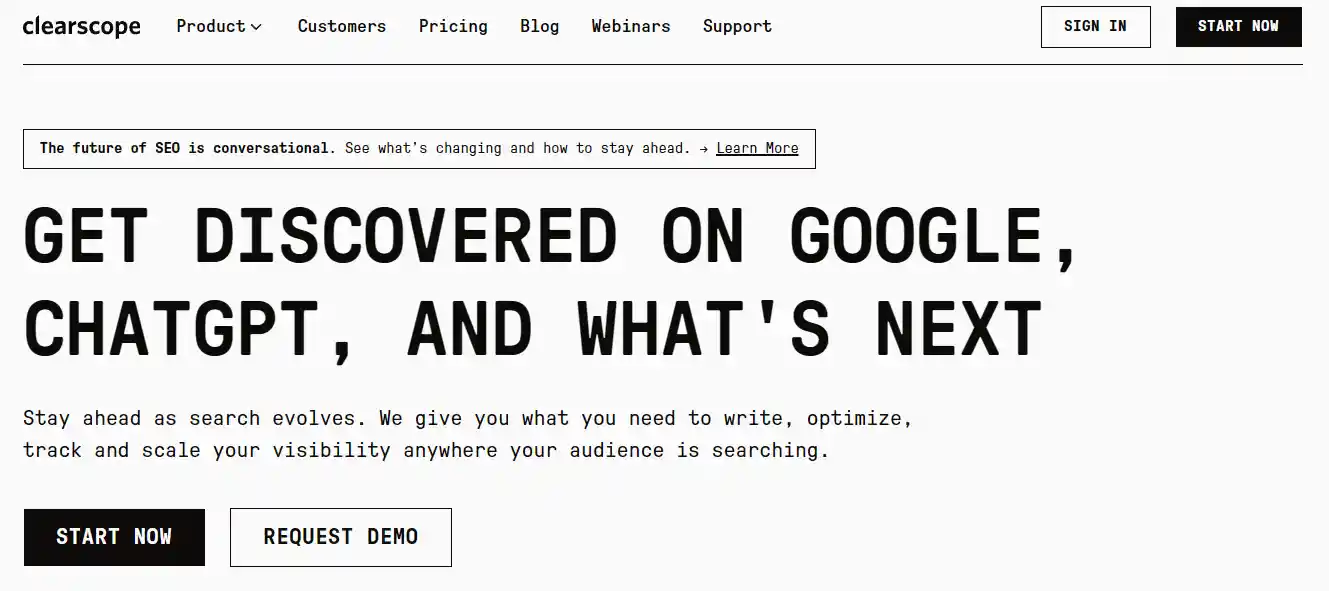
Clearscope is designed for content optimization. You enter a keyword, and it shows related terms, search intent, and content grade.
Use it to write high-quality articles that perform well in search results. Clearscope helps ensure your content meets both user expectations and SEO requirements.
Google Autocomplete

Google Autocomplete provides keyword ideas straight from Google search predictions.
Start typing a query and see suggested completions based on real searches. This helps identify trends and popular phrases. Use it to create content that aligns with what people actually type in Google.
Keywords Everywhere

Keywords Everywhere is a browser extension that shows search volume, CPC, and competition for keywords on multiple platforms.
You can see data directly in Google search results, YouTube, or Amazon. Use it to quickly evaluate keyword potential while browsing and save valuable time in research.
AccuRanker
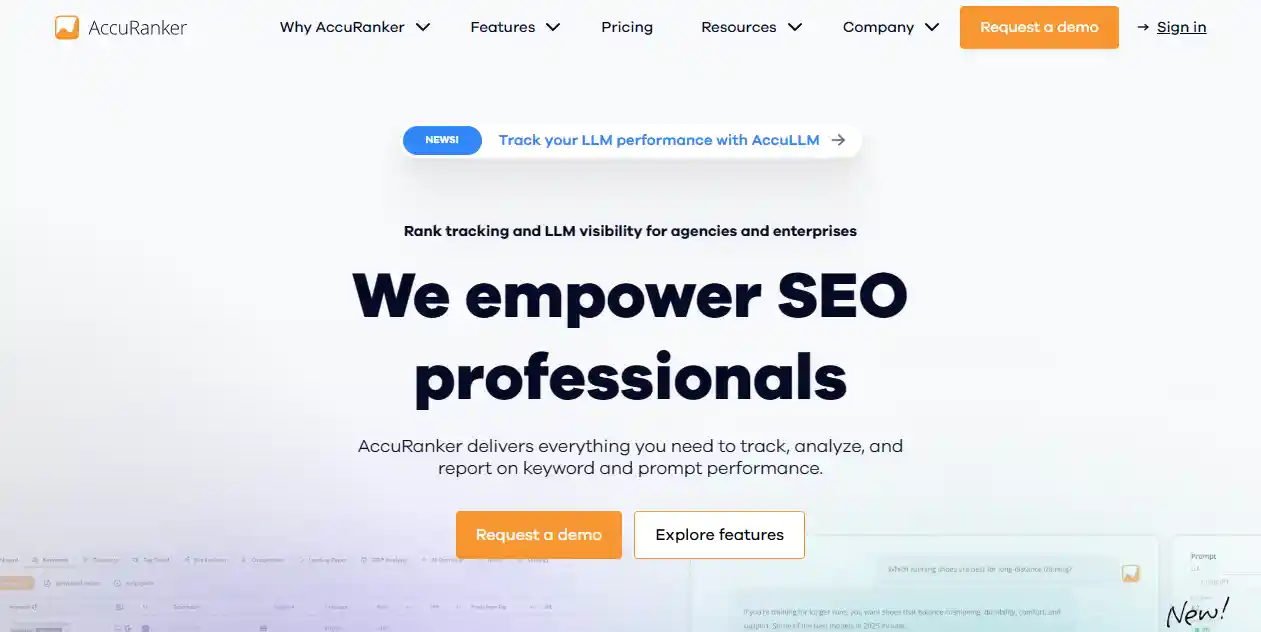
AccuRanker is a rank tracking tool with precise keyword position data. You can monitor rankings, track competitors, and generate reports.
Use it to see how your SEO efforts impact search visibility over time. AccuRanker helps identify trends and refine your keyword strategies.
LowFruits
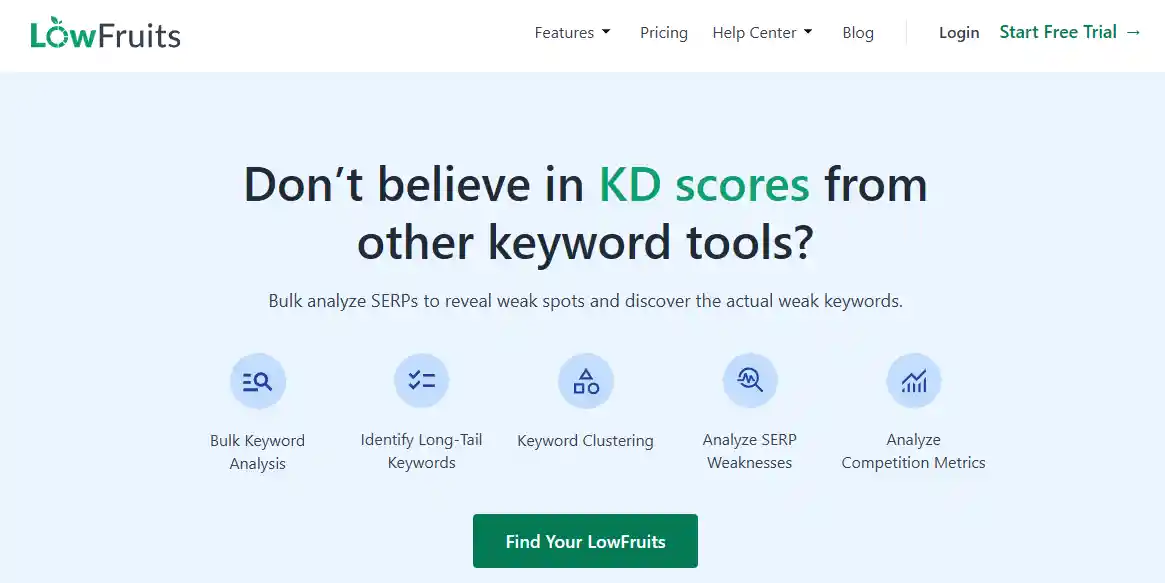
LowFruits helps you find low-competition keywords that are easier to rank for. You can filter keywords by difficulty and search volume to focus on achievable opportunities.
Use LowFruits to target terms that smaller websites can compete for successfully without spending excessive time or money.
SE Ranking
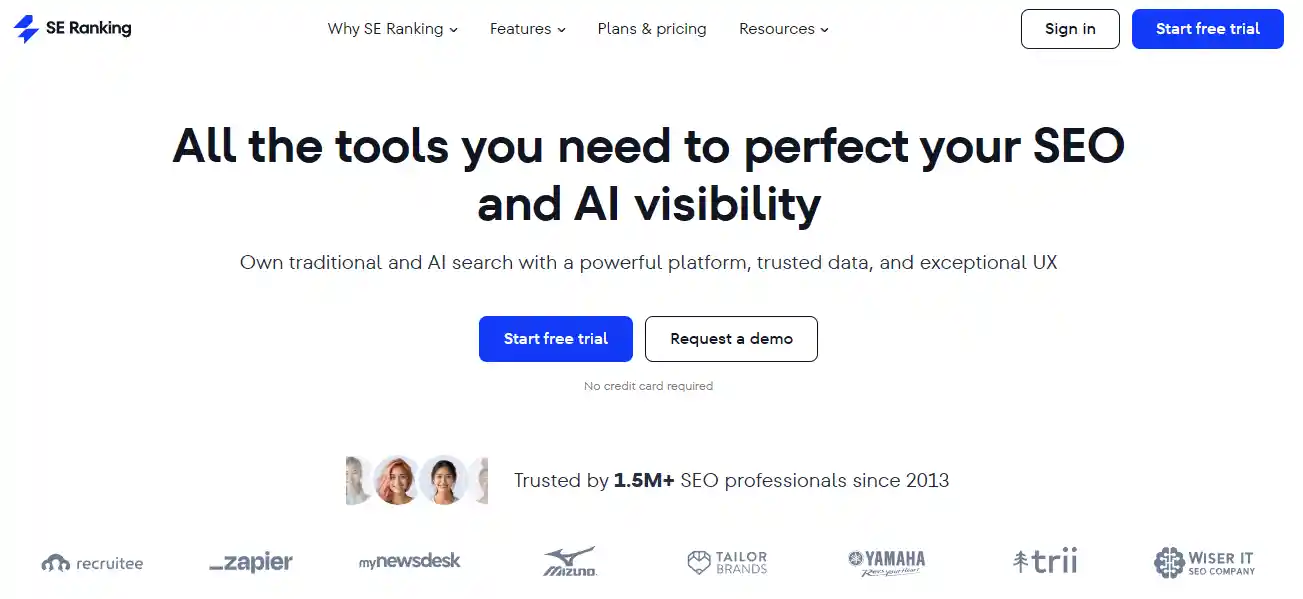
SE Ranking is an all-in-one SEO platform. Its keyword research tools allow you to find high-potential terms, analyze competitors, and track rankings.
You can also monitor backlinks and audit websites. SE Ranking helps plan strategies for organic and paid campaigns with data-driven insights.
How to do Affiliate Marketing Keyword Research
Start with Your Niche
You need to know your niche better than anyone else. Think about the questions your audience asks, the products they use, and the gaps competitors leave.
Write down the main topics, but also note the specific problems people face. These problems often lead to the keywords that actually drive sales.
A long list of general ideas isn't enough—you want the ones that point directly to action.
Mix Tools to See the Full Picture
No single tool can give you the whole story. Use a combination to uncover hidden opportunities. Free tools show trends and volume, paid tools reveal competition and traffic insights. For example:
- Google Keyword Planner for raw search volume
- Ubersuggest for content angles
- SpyFu to peek at competitor keywords
Switching tools gives you ideas that most affiliates miss and uncovers long-tail gems.
Understand What People Really Want
Keywords are meaningless if you don't know intent. Ask yourself, why is someone searching this? Are they ready to buy, just researching, or comparing options?
Look at the top-ranking pages for your target keywords. What type of content appears? This helps you focus on keywords that attract visitors who are likely to convert, not just click.
Organize and Prioritize Like a Pro
A long list of keywords is useless if it's messy. Use a spreadsheet to group by topic, intent, and difficulty. Columns you need:
- Keyword
- Volume
- Competition
- Intent (buy, compare, learn)
Start with low-competition, high-intent keywords. They often give faster results. A clean structure helps you see where to focus and prevents wasted effort.
Track, Test, and Improve
Keyword research isn't "set it and forget it." Track which keywords bring traffic and which actually convert. Use Google Search Console to check impressions and clicks.
Drop terms that underperform, and double down on winners. Over time, this process turns your keyword research from a guess into a reliable income driver.
How to Calculate Keyword Revenue for Affiliates
1. Know the Numbers That Matter
Start by understanding what actually drives your earnings. EPC (Earnings Per Click) shows how much a click is worth.
Conversion rate tells you how many of those clicks turn into purchases. Average Order Value (AOV) is the amount each buyer spends.
Commission is your cut. Keep these in mind. They let you see which keywords are worth your effort instead of chasing traffic blindly.
2. Estimate Revenue Without Guesswork
Once you have the numbers, you can make a quick calculation:
Revenue = Monthly Traffic × Click-Through Rate × Conversion Rate × AOV × Commission
For instance, 1,000 visitors with a 5% click rate, 10% conversion, $50 AOV, and 10% commission gives $250. It's simple, but it shows which keywords actually produce money. Small differences in conversion or EPC can completely change the result.
3. Make Smarter Decisions with Quick Checks
You don't need perfect data to make decisions. Use default industry numbers to spot high-potential keywords fast. Focus on EPC rather than traffic alone.
Compare two similar keywords: one with higher volume, the other with better conversion. Which one makes more money? That comparison guides where you put your time and content first.
Read More:

Join the PrintKK affiliate marketing program
Start by registering an account and applying to join the PrintKK affiliate program. Once you're approved, you get your unique affiliate link that tracks every person who clicks and subscribes through you.
You can place your link where your audience already engages with you:
- Blog posts or reviews
- Social media posts
- YouTube video descriptions
- Email newsletters
Whenever someone signs up through your PrintKK link, you get paid a commission. The smarter you share that link, the more money you can make.
Using the affiliate program, you focus only on earning from real subscriptions. Each click that converts adds to your revenue, letting you prioritize efforts that bring in the highest return.
Expert Tips
Affiliate marketing keyword research is key to growing your online business. Choosing the right tools helps you find the terms your audience searches for and focus on what really matters.
Use these tools to discover trends, analyze competition, and track performance. When you work consistently with the data, your content becomes more targeted.
Keep experimenting, keep learning, and let your insights shape smarter decisions. With the right approach, affiliate marketing keyword research can unlock opportunities and growth for your business.
FAQs
Can you make $100 a day with affiliate marketing?
Yes, many beginners reach $100 a day within 6-12 months by picking good products, creating helpful content, and driving steady traffic.
What is the highest paying affiliate niche?
Right now, finance (credit cards, investing, insurance), health supplements, and software/SaaS offers often pay the highest commissions per sale.
How many keywords per 1000 words?
Use 2-4 main keywords and 8-12 related ones naturally in 1000 words so the article stays easy to read and search engines like it.
What is the 80/20 rule in SEO?
It means 80% of your traffic and sales usually comes from just 20% of your keywords and pages, so focus effort on your best ones.



 Global Shipping