





You want to build an online business that actually lasts. You're tired of the same old race-to-the-bottom prices and stores that disappear overnight.
Branded dropshipping gives you a real way out. You take solid products, add your own name, packaging, and story, then sell them at prices that make sense. Customers trust you more. They come back. You charge more without constant sales.
It works in 2026 because people now look for brands they can rely on, not just the cheapest option. You don't need a warehouse or huge money upfront. You just need the right steps.
In this guide, you'll see exactly how to start, pick products, price smart, and stand out. Let's get you building something real.
What Is Branded Dropshipping and the Benefits
What Is Branded Dropshipping
An online shop revolves around your brand, including your logo on all packages, your name on all tags, and your story in every description box.
Your suppliers still handle sourcing, production, packing, and shipping, but everything would feel as if it were shipped directly from you, without warehousing or bulk purchasing.
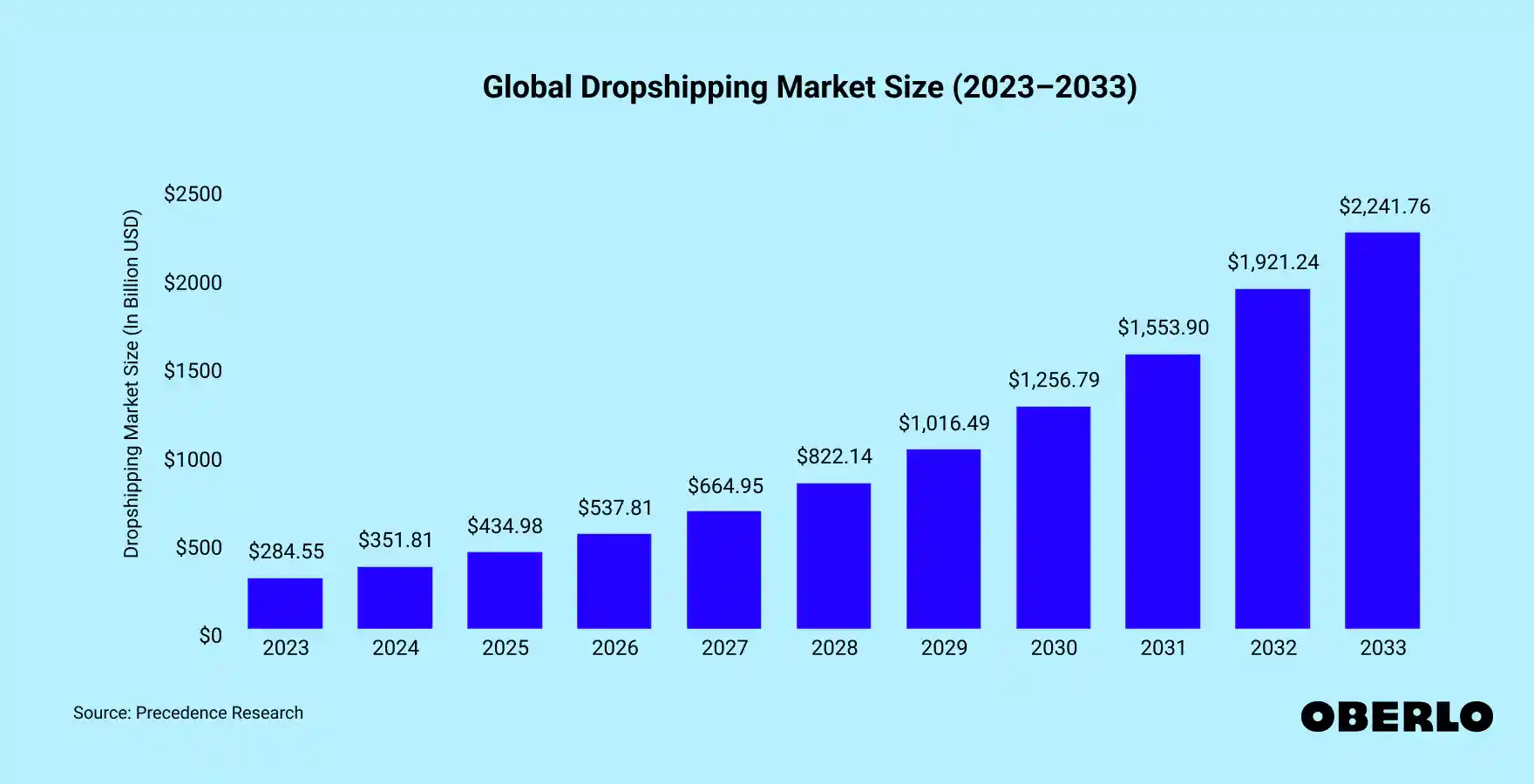
The entire dropshipping space is still exploding. Projections put the global market near $538 billion by the end of 2026 — that's roughly $250 billion more than it was just three years ago.
The pie keeps getting bigger, but the slice that goes to faceless generic stores is shrinking fast. Brands are quietly taking the bigger pieces.
Benefits
- You can charge 2–4× more on the same or similar product because perceived value goes way up. A $12 generic phone stand becomes a $38 "minimalist desk anchor" when it arrives in matte-black branded mailer with your story printed inside.
- Repeat purchase rate jumps. People remember the experience — the box, the note, the quality feel — and come back. Lifetime value often doubles or triples compared to one-off generic buyers.
- Ad costs drop over time. You build an actual audience instead of burning money chasing the next cold click. Your creative works harder because it's tied to something recognizable.
- You escape the daily price-war bloodbath. Everyone else races to the bottom; you compete on taste, story, and consistency.
- The business starts feeling like an asset. Generic stores usually die when the owner burns out. Branded ones can be sold for real multiples because buyers see recurring revenue, loyal customers, and defensible positioning.
Should You Start Branded Dropshipping as a Beginner?
As a fresher, one can doubt whether the switch to branded dropshipping makes any sense. If one wants to build a long-lasting thing instead of a quick win, it may be a clever way to go.
Many new sellers try basic dropshipping first and face several setbacks before anything clicks. You can avoid some of that by focusing on real skills from day one. Learn to create ads that connect with people, understand what turns browsers into buyers.
Branded dropshipping lets you start simple. Use regular suppliers to test products and see what has potential. When you find a winner, team up with an agent to customize it and add your own label.
This approach helps you learn the fundamentals without jumping between random one-product stores. Yes, it involves extra steps like private labeling. But it sets you up to stand out and run a proper business.
You are building a business, not just throwing up a site and hoping. Test a few products, scale the one that performs, and grow at your own pace.
How To Start Branded Dropshipping with 5 Steps
Pick a Real Niche You Can Own
Identify a group of people who are interested in, or face, similar problems to the ones you are trying to solve.
For example, avoid broad categories like 'fitness.' Think about specific interests, such as green kitchen gadgets if you are a parent, or hiking equipment if you are a remote worker who hikes on weekends.
Spend a week browsing their forums, Reddit threads, and TikTok comments, paying attention to what frustrates them and what solutions they are looking for.
When you understand their world, picking products becomes easy and your messaging hits harder. This step saves you months of testing random ideas later.
Build Your Brand Before the Store
Decide your brand name, colors, and voice first. Keep it simple and memorable — something that fits the people you want to sell to. Create a basic logo (use free tools like Canva or pay $50 on Fiverr for something clean).
Write a Fiverr about why your brand exists. Maybe you started because you hated flimsy products that break after one use.
This story goes on your about page, emails, and packaging inserts. A clear identity makes everything else — photos, ads, products — feel connected from day one.
Set Up Your Store the Smart Way
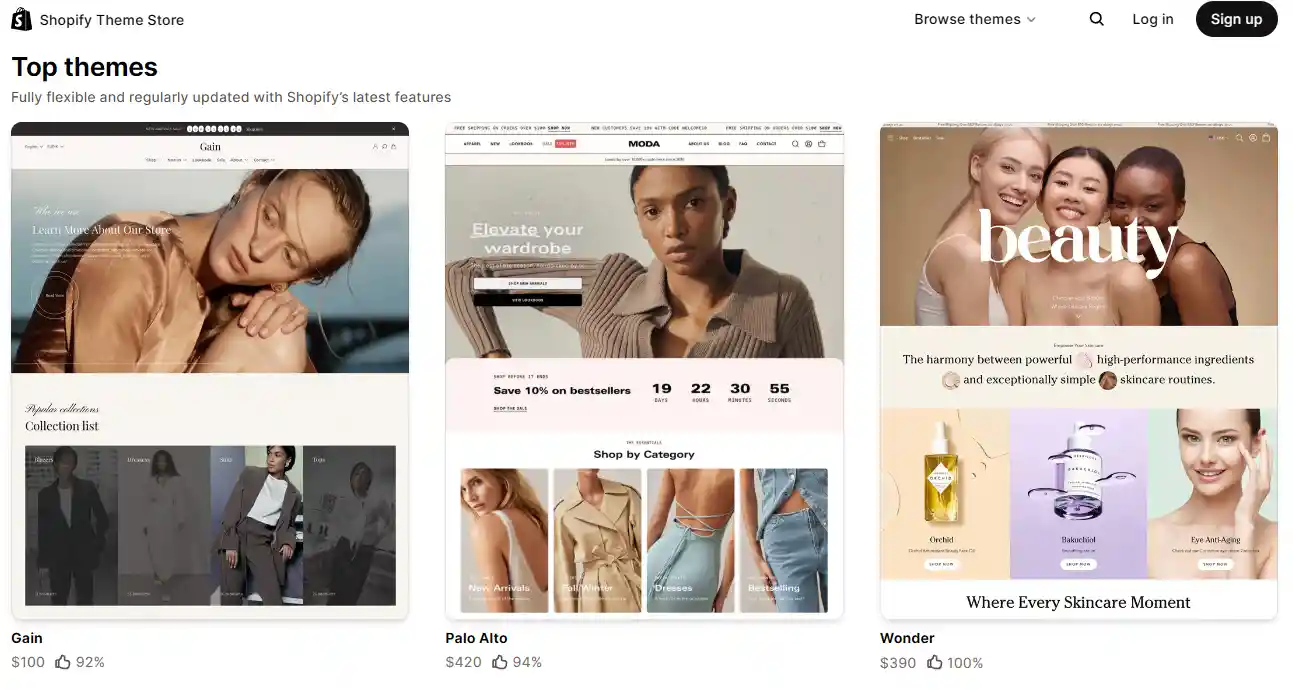
Use Shopify — it's still the easiest platform in 2026. Pick a clean Shopify theme (free ones work fine at first). Add your logo, colors, and that brand story right away. Install apps for:
- Custom packaging options
- Reviews and trust badges
- Email collection pop-ups
Don't overload with flashy stuff. Focus on fast load times and mobile look. Launch with 5–10 products max so you can test without chaos.
Make product pages tell a story — good photos (hire a cheap photographer or use mockups), bullet points on benefits, and real sizing info.
Source Products That Fit Your Brand
Look for suppliers who offer private labeling or custom touches. Platforms like PrintKK, CJdropshipping, or Spocket work well for branded options.
Search for items in your niche, then ask about adding your logo on tags, custom boxes, or slight design changes. Order samples every time — feel the quality yourself.
Bad shipping or cheap materials kill your brand fast. Aim for suppliers with quick US/EU shipping to keep customers happy.
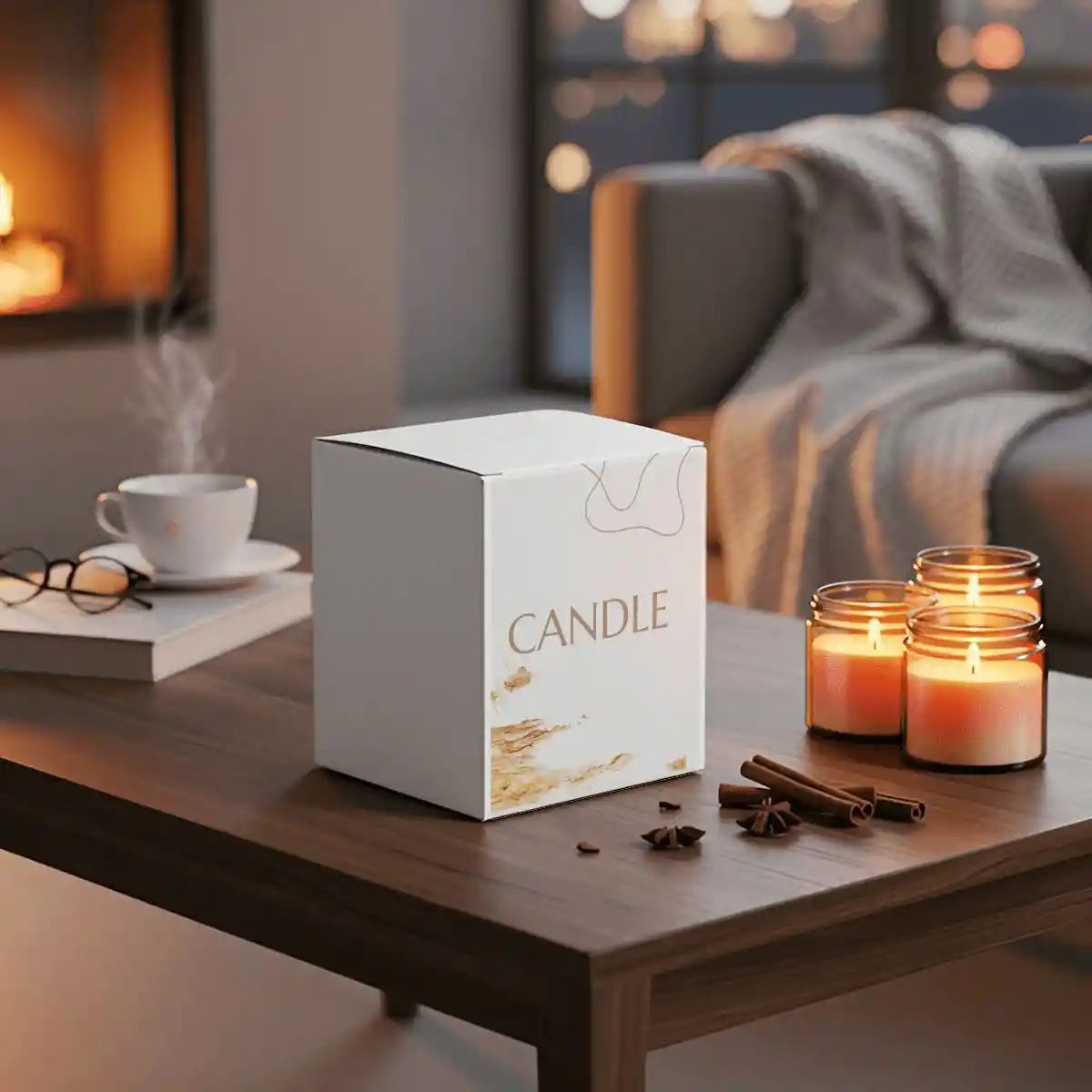
Custom White Candle Box - Print on Demand Fulfillment - PrintKK
Launch and Get Your First Sales
Start small with ads on TikTok or Facebook. Spend $20–50 a day testing 3–5 creatives that show the product in real life — not stock photos. Use your brand story in captions. Track everything: which ad gets clicks, which product converts.
Talk to your first buyers — ask what they liked about the box or the note inside.
Fix issues quick. Reinvest profits into more ads and better packaging. The goal isn't overnight riches; it's steady growth where each sale builds your audience.
6 Types of Branded Dropshipping Product Ideas (With 20+ Products)
Eco-Friendly Everyday Essentials
You focus on sustainable items that appeal to people who care about the planet. Add your logo on tags or use recycled packaging to make the brand feel green and trustworthy.
These products solve daily needs while showing your values.
- Reusable tote bags
- Bamboo toothbrushes
- Stainless steel water bottles
- Beeswax food wraps
- Compostable phone cases
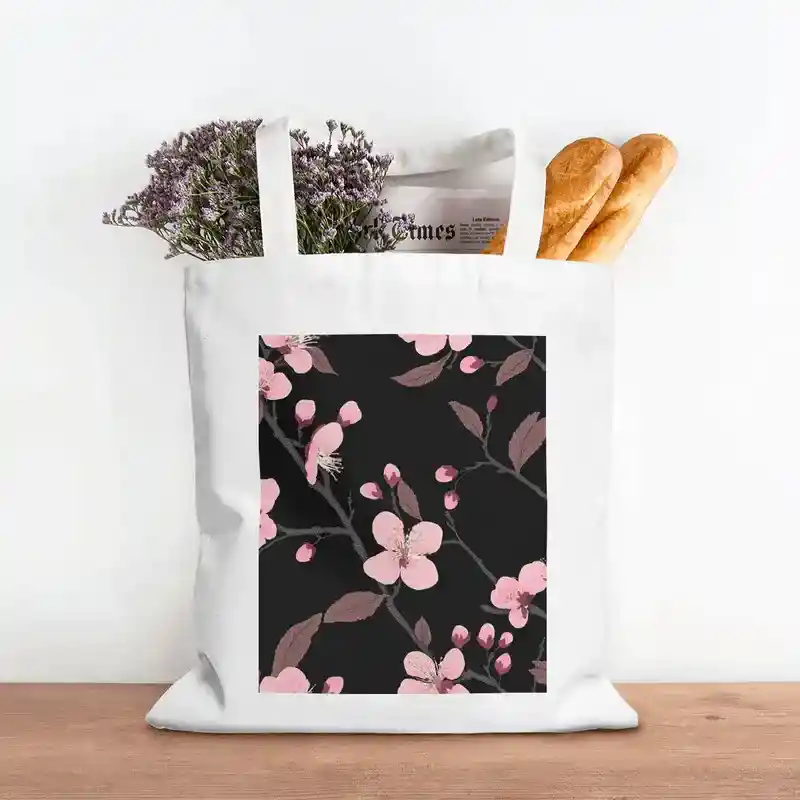
Print on Demand Canvas Tote Bag (Made in USA) - Handbag - PrintKK
Personalized Apparel and Accessories
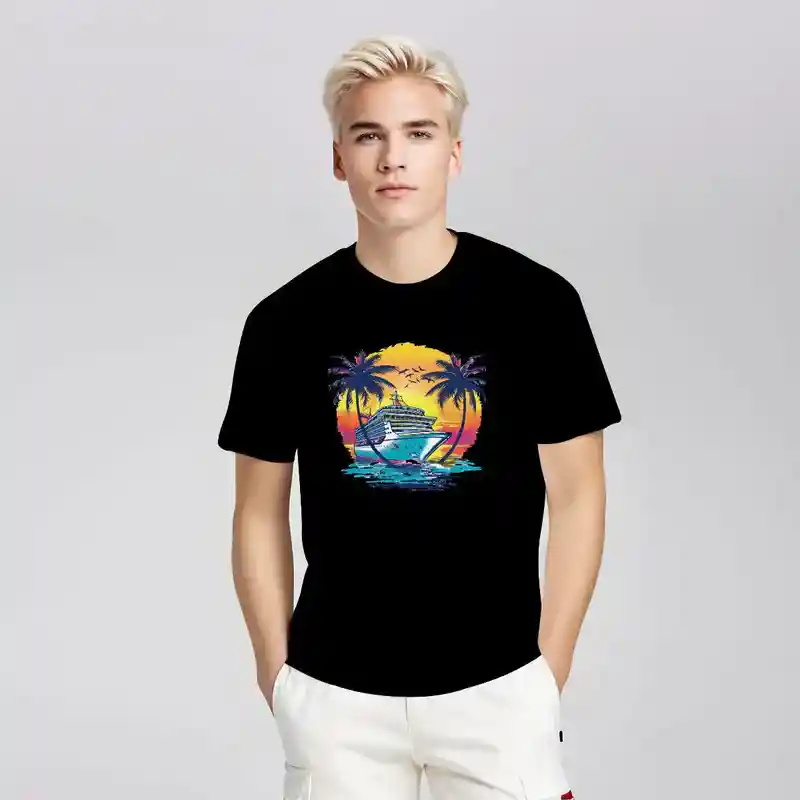
Apparel and other small add-ons really shine when printed with original artwork or meaningful messages. Print-on-demand keeps production simple, and extras like inside labels or custom hang tags add a premium feel.
Purchasers select these items because they are personal in nature, and shots are frequently posted, therefore providing natural exposure to the brand.
- Graphic tees
- Hoodies with inside labels
- Embroidered dad hats
- Socks with custom patterns
- Tote bags with quotes
- Phone grips with designs
Home Decor with a Personal Twist
Items that help shape living spaces connect well when designs stay clean and versatile. Branded thank-you cards, custom boxes, or subtle prints tie the collection together.
These products double as thoughtful gifts, appear in home photos online, and prompt customers to add matching pieces from the same line later.
- Wall art posters
- Throw pillows
- Custom mugs
- Scented candles in branded jars
- Coasters with designs
- Blankets with patterns

Custom Cooling Silk-Feel Blanket - Print-On-Demand - PrintKK
Pet Products for Pet Lovers
Pet owners treat their animals like family and enjoy items that reflect that bond. Branding appears through embroidered logos on collars, custom tags, or printed bandanas for a polished look.
High-quality pieces with nice unboxing moments turn buyers into advocates who share pet pictures featuring the products.
- Personalized pet bandanas
- Custom pet bowls
- Dog harnesses with embroidered logos
- Cat toys with your print
- Pet beds
- Treat pouches
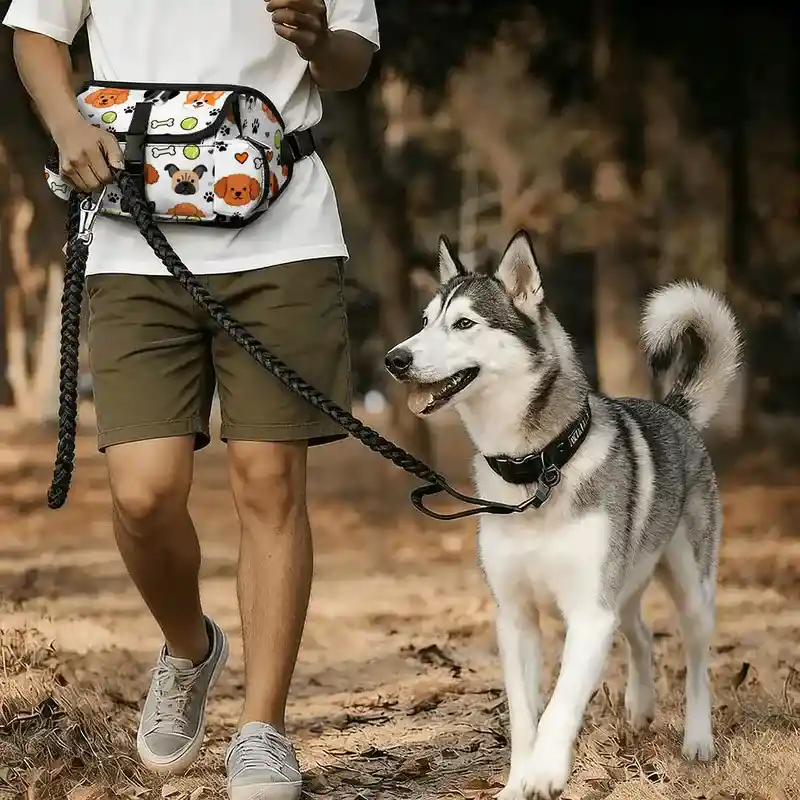
Custom Pet Outdoor Training Fanny Pack - Print on Demand Fulfillment - PrintKK
Fitness and Wellness Gear
Tools for movement, relaxation, or healthy habits resonate with people focused on improvement. Motivational designs on bottles, uplifting quotes, or clean packaging create an encouraging vibe.
Customers who notice progress or feel better often return for coordinating items and mention the brand to others on similar paths.
- Yoga mats with patterns
- Resistance bands
- Water bottles with motivational quotes
- Journal planners
- Essential oil diffusers
- Meditation cushions
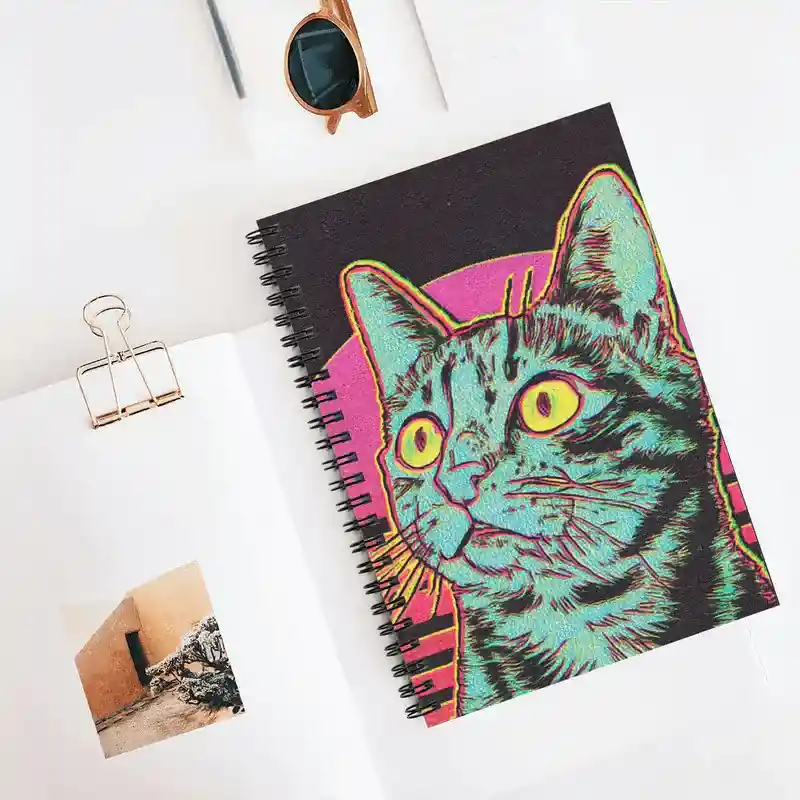
Print on Demand Spiral Notebook - Daily Accessories - PrintKK
Niche Hobby and Lifestyle Items
Specific interests like travel, reading, gaming, or outdoor activities draw dedicated buyers. Printed sleeves, unique colors, or branded stickers make these feel exclusive to the community.
Hobbyists collect matching pieces, so a consistent small line keeps them engaged and encourages multiple purchases over time.
- Travel passport holders
- Puzzle sets
- Book sleeves
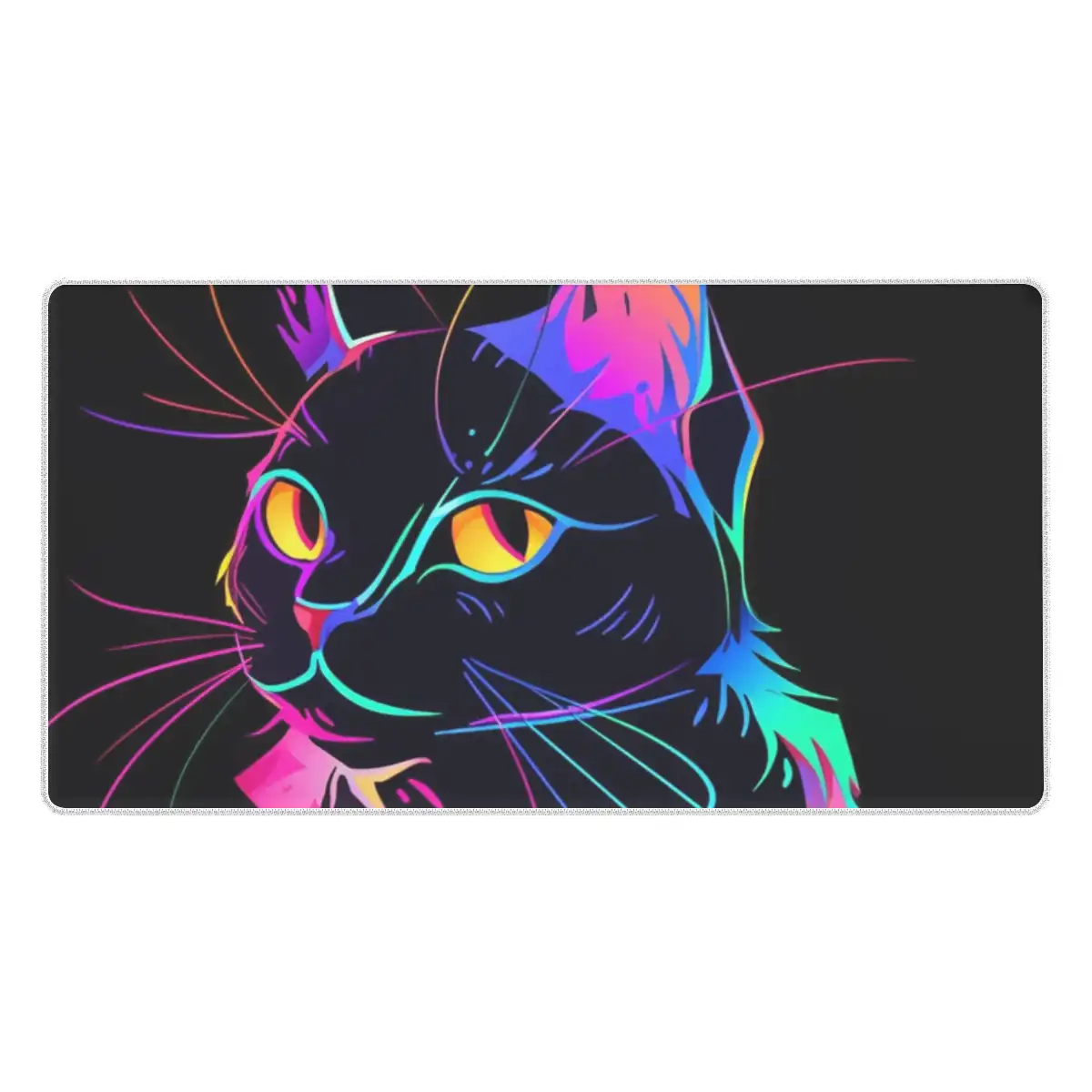
- Gaming mouse pads
- Vinyl record sleeves
- Camping mugs
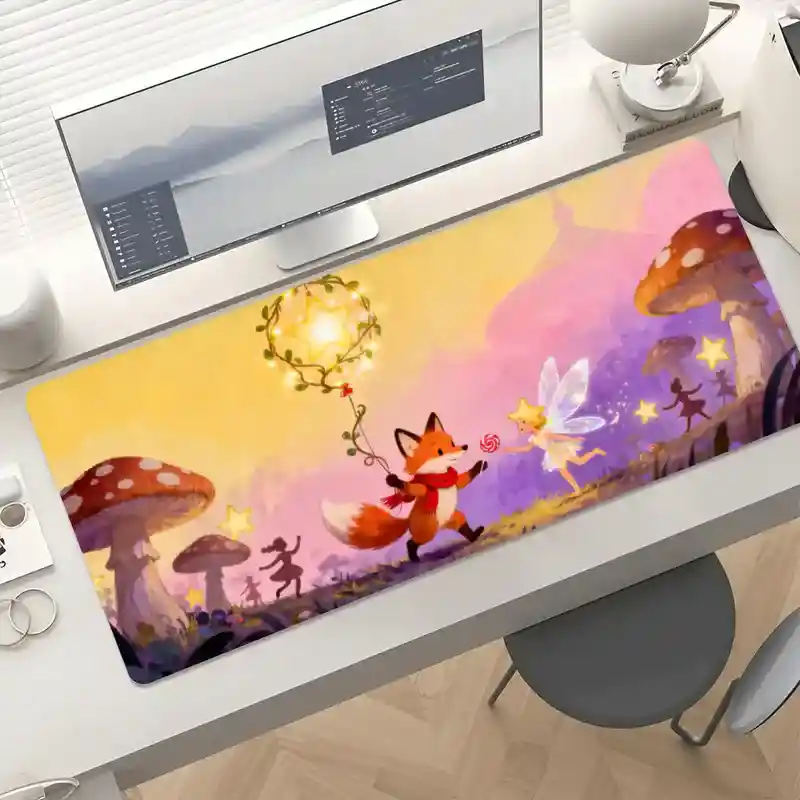
Custom Printed on Demand Large Mouse Pad 15.8"x35.4" (Made in USA) - Mouse Accessories - PrintKK
5 Top Branded Dropshipping Suppliers
1. DropCommerce
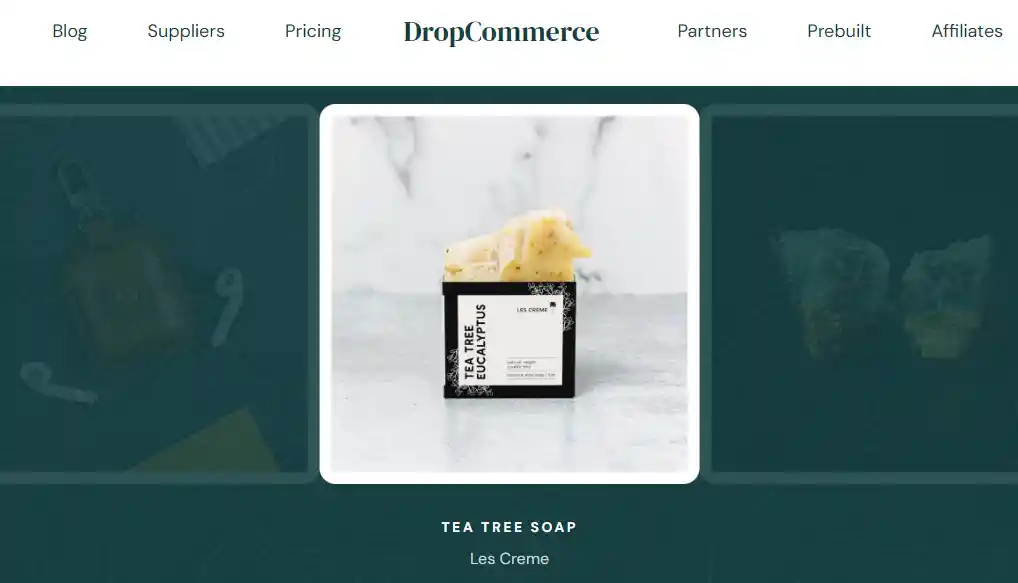
DropCommerce connects to suppliers mostly in the US and Canada for faster shipping to North American buyers. They focus on real brands and quality items in beauty, home goods, fashion, and accessories.
Add your branding through options like custom invoicing or notes on orders. Products often come with built-in perceived value, which helps your margins stay solid. Many sellers pick this for niches where trust and quick delivery matter most.
The app integrates smoothly with Shopify, and you start browsing their curated catalog right away without big commitments.
2. Syncee
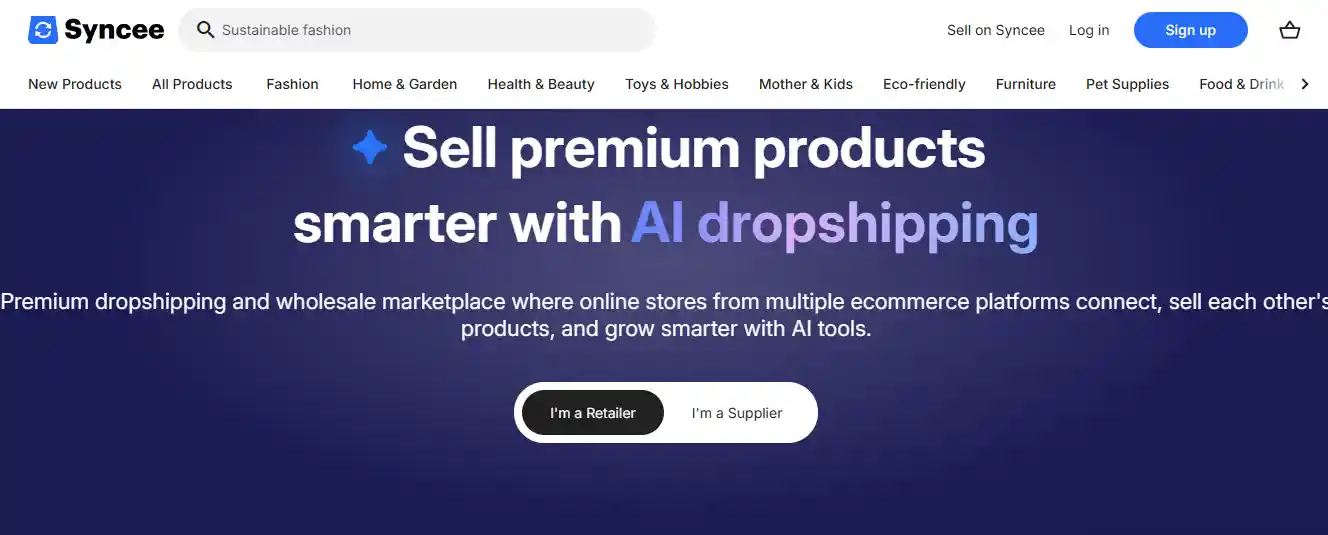
Syncee pull from a global network of suppliers with thousands of brands across categories like apparel, electronics, and pet products. It lets you filter for US or EU-based fulfillment to keep shipping times short.
Branding comes through private labeling on select items or custom packaging where available. You compare suppliers easily and automate imports to your store.
It fits well if you want variety while building a consistent brand feel. Sellers use it to test products fast and scale winners without switching platforms often.
3. PrintKK
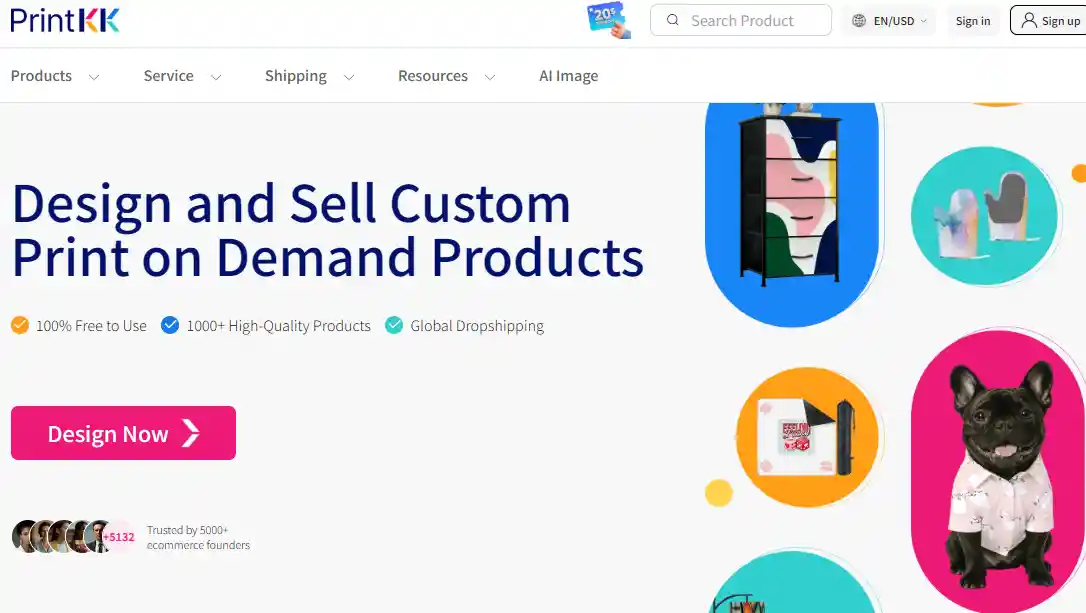
You use PrintKK for print-on-demand with over 1000 products like apparel, accessories, home decor, and custom items. Upload designs—they print, pack, and ship globally with no inventory needed.
Strong branding options include custom labels and packaging. So every order matches your shop's style. It connects easily to Shopify or Etsy for automatic fulfillment. Base prices stay competitive for decent margins, and US-based centers help with faster shipping.
Start free, test samples for print quality, then focus on your designs and brand to scale. It works well for variety and heavy customization without minimum orders.
4. EPROLO
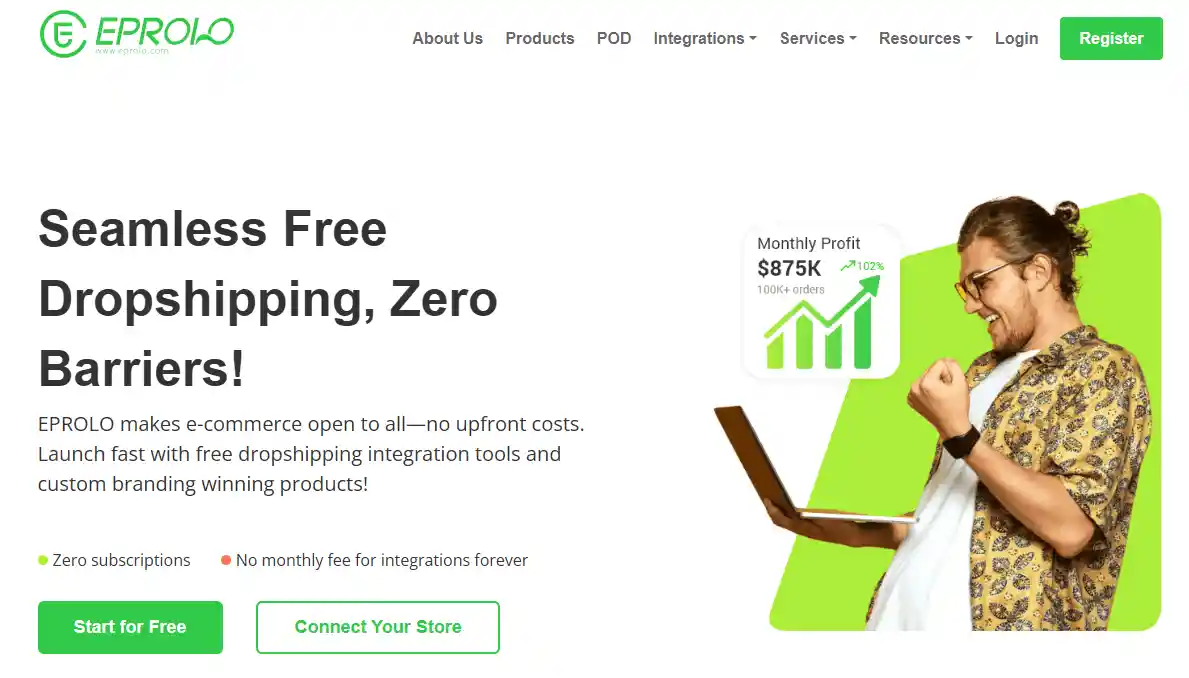
EPROLO sources a wide range of products with strong support for custom branding on clothing, accessories, and general items.
They offer private labeling, custom packaging, and even low MOQs for logos or inserts. Global warehouses help with faster delivery, especially to the US. Test samples to verify quality before listing. The platform automates orders and integrates with major stores.
Many choose it for fashion or lifestyle brands that need flexibility in design and packaging without high upfront spends.
5. Modalyst
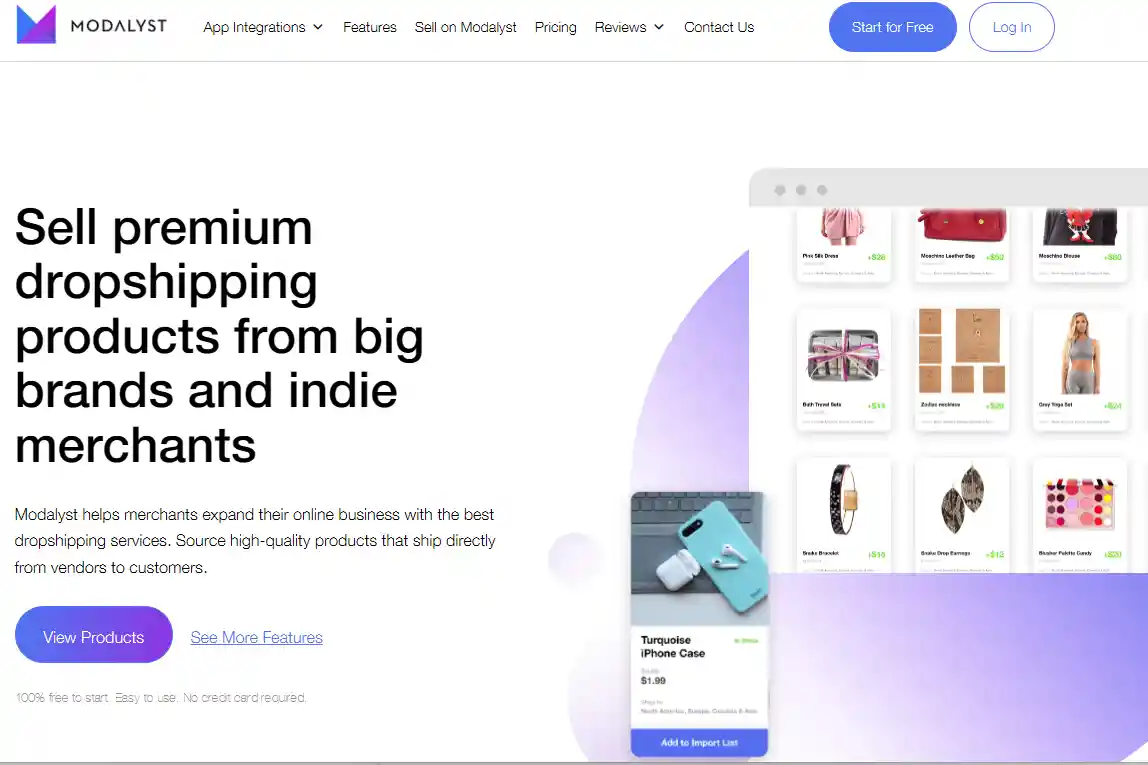
Modalyst accesses curated, higher-end products from US and European suppliers, including some name brands and unique indie items.
Branding options include private labeling on apparel or accessories in select cases. Focus stays on quality over quantity, with faster domestic shipping that builds customer trust. It suits niches like fashion, jewelry, or home decor where premium feel matters.
Import products directly to your store and monitor stock in real time. Sellers like the cleaner catalog that helps avoid low-end competition while supporting branded experiences.
Read More:
- 12 Leading AI Dropshipping Website Builders: Boost Your Online Store
- Top 16 Dropshipping Clothing Suppliers for Your Fashion Business
Branded Dropshipping Pricing Strategy: Psychology and Profit
Branded vs Generic Pricing Psychology
Generic products often compete on the lowest price because shoppers see them as the same no matter who sells them. Branded items let you charge more since customers buy into the story, quality, and trust you build.
You can use value pricing instead of price wars. The anchoring effect helps too—show a higher original price next to your current one, and it makes your price look fair. Trust from good branding raises perceived value, so people pay extra without much pushback.
Charm pricing like $29.99 works for everyday items, while round numbers like $50 feel more premium for higher-end branded pieces.
Key Pricing Psychology Tactics
Prices shape how customers see your brand right away. Use the anchoring effect by listing a crossed-out higher price to make your actual price seem like a deal.
Build perceived value with clear photos, detailed descriptions, and branding that feels reliable. When trust is there, customers worry less about a few extra dollars.
Charm pricing fits impulse buys in your niche, but switch to prestige pricing with clean round numbers if you position your brand as upscale.

Understanding Your Real Cost Structure
Before you pick a price, list every cost clearly. Start with product cost, customization fees, private label packaging, and shipping from your agent.
Add advertising spend per sale and a buffer for returns or refunds since branded stores aim for fewer issues but they still happen. Don't forget hidden ones like transaction fees, app subscriptions, or sample costs.
Knowing the full picture stops you from pricing too low and losing money on every order.
Setting Profitable Price Points
Find your break-even price first—that's the minimum where you cover all costs with zero profit. Aim for a solid margin after that.
In early stages, target 30-50% profit after expenses to give room for testing ads. As sales grow and you validate winners, raise prices gradually instead of dropping them to chase volume. Higher prices often work better for branded items once customers know your quality.
Using Bundles to Lift Average Order Value
Bundles group related products at a slight discount compared to buying separately. This raises what each customer spends without lowering your overall margins much.
For example, pair a main item with a complementary accessory and price the bundle to feel like a smart choice. It works well in branded dropshipping because customers already trust your line and see the added value.
Common Pricing Mistakes to Skip
One big error is copying competitors' prices exactly without knowing your costs or brand position. Frequent deep discounts train customers to wait for sales and weaken your brand over time.
Another issue is mismatched pricing—if your branding screams premium but prices stay low, customers get confused and trust drops. Stick to prices that match the value you deliver so your store feels consistent.
Expert Tips
You've got the basics down. Pick your niche. Build a real brand. Find suppliers that support custom touches. Choose products people love and make them yours.
Branded dropshipping gives you a real edge in 2026. You create a shop customers trust and remember. No more blending in with generic stores.
You can build something solid and enjoyable. The market is growing, and your unique brand can thrive.
FAQs
Is branded dropshipping better than traditional dropshipping?
Yes, often it is. You set higher prices, gain repeat buyers, and develop a unique shop that avoids constant low-price battles with others.
Is it legal to dropship branded products?
Mostly yes. Sell your custom-branded goods without issues. Just steer clear of copying famous brands without approval, and pick trustworthy suppliers to stay safe.
Can I dropship luxury brands?
Not typically. High-end companies rarely permit dropshipping or resellers. Better to form your own label or use vendors for premium-like private label options.
Can I dropship branded products with Shopify?
Yes, without trouble. Shopify fits well for this. Link it to places like Printful or CJdropshipping, and apply your logos, boxes, and styles using their features.
Can I automate my branded dropshipping business?
Yes, to a good extent. Apps handle shipping orders, stock updates, emails, and support chats. This lets you spend more time on promotions, identity, and expansion.
Can I make $10,000 per month dropshipping?
Yes, with solid plans. Focus on quality branding, right items, and steady ads. Sellers hit this after steady tweaks and work, though it needs commitment and wise choices.

 Global Shipping
 Free shipping