





Starting a clothing brand is exciting, but finding the right production partner can feel overwhelming. You need clothing manufacturers for startups who understand small orders, clear communication, and quality basics.
This guide shares 15 trustworthy manufacturers that many new brands actually use. You will also learn how to choose the best one for your needs and which apparel types to launch first. Let's get started.
15 Clothing Manufacturers for Startups
Newasia Garment Co.,Ltd. (INNBLAC)
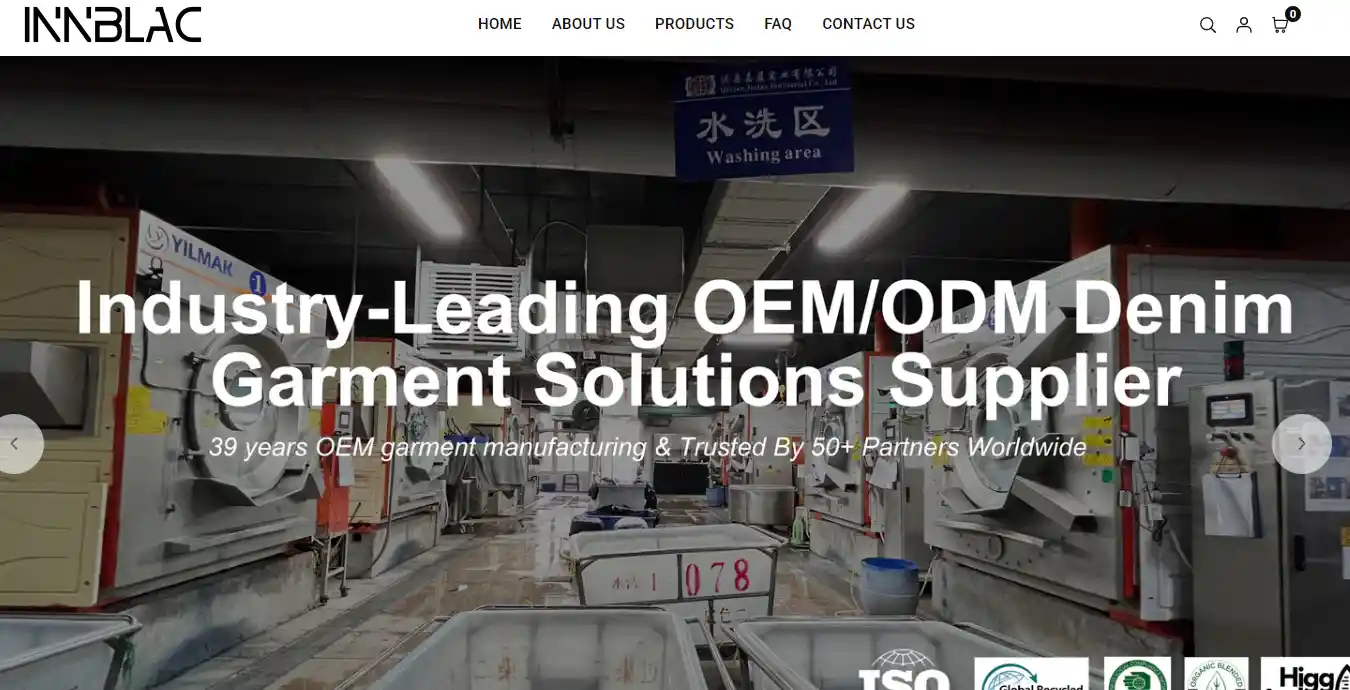
Newasia Garment Co.,Ltd. (INNBLAC) is a China-based manufacturer with over 39 years of experience.
They focus on OEM and ODM production, especially women's denim jeans, jackets, hoodies, and streetwear. Startups can order small batches with custom designs and private labels. They work with big brands and offer sampling plus full production support.
Affix Apparel
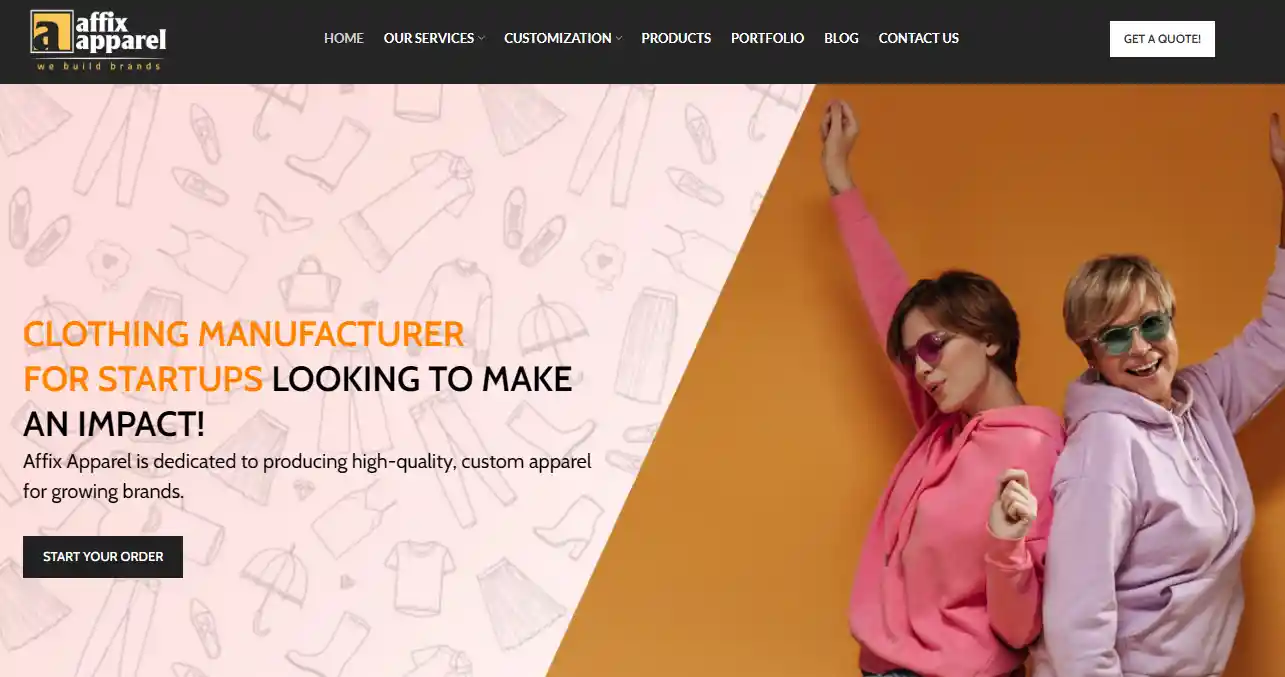
Affix Apparel provides made-to-order clothing for private labels. They handle custom T-shirts, hoodies, jeans, and more with services like embroidery and printing.
Based in the US, they help startups with small runs and quick branding. Their focus is on clear communication and turning ideas into finished garments.
Lydia Design Studio
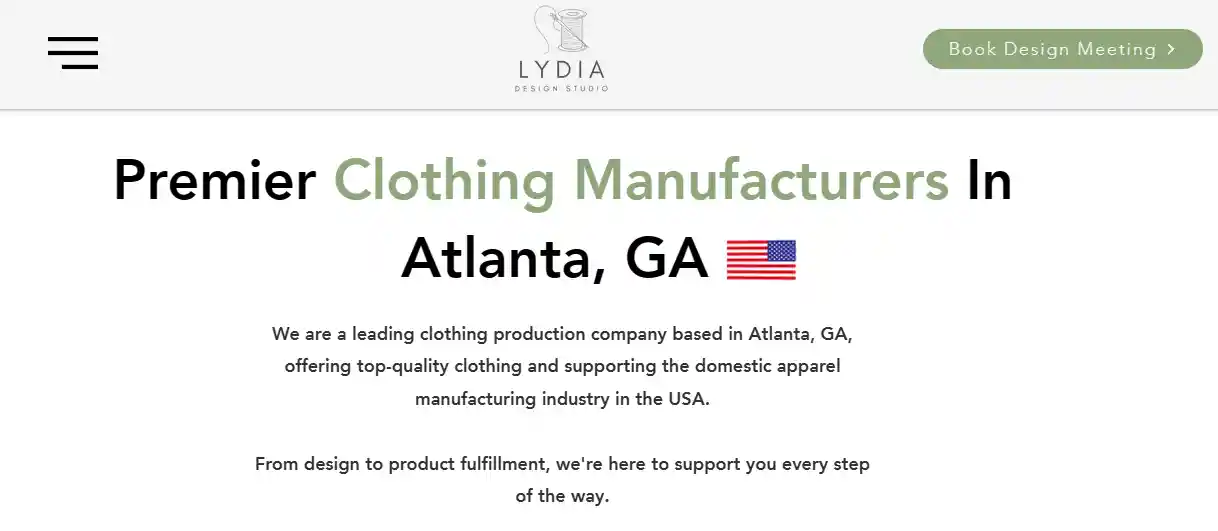
Lydia Design Studio is a clothing manufacturer in Atlanta, Georgia. They manage the full process from design and patterns to cutting and sewing.
Startups get one-stop support for samples and production runs. The company works with many brands and keeps quality high while handling everything under one roof.
Tack Apparel
Tack Apparel is a custom manufacturer in Los Angeles. They offer low minimum order quantities for bulk or small runs of shorts, tracksuits, jerseys, and gym wear.
They emphasize ethical production, fast turnaround, and steady quality. Startups benefit from their clear timelines and support from concept to delivery.
Zega Apparel
Zega Apparel delivers cut-and-sew services for private label clothing. They produce custom apparel and work with brands worldwide.
Their team handles design details and production needs. Many startups use them for reliable quality, even if lead times can vary based on order size.
PrintKK
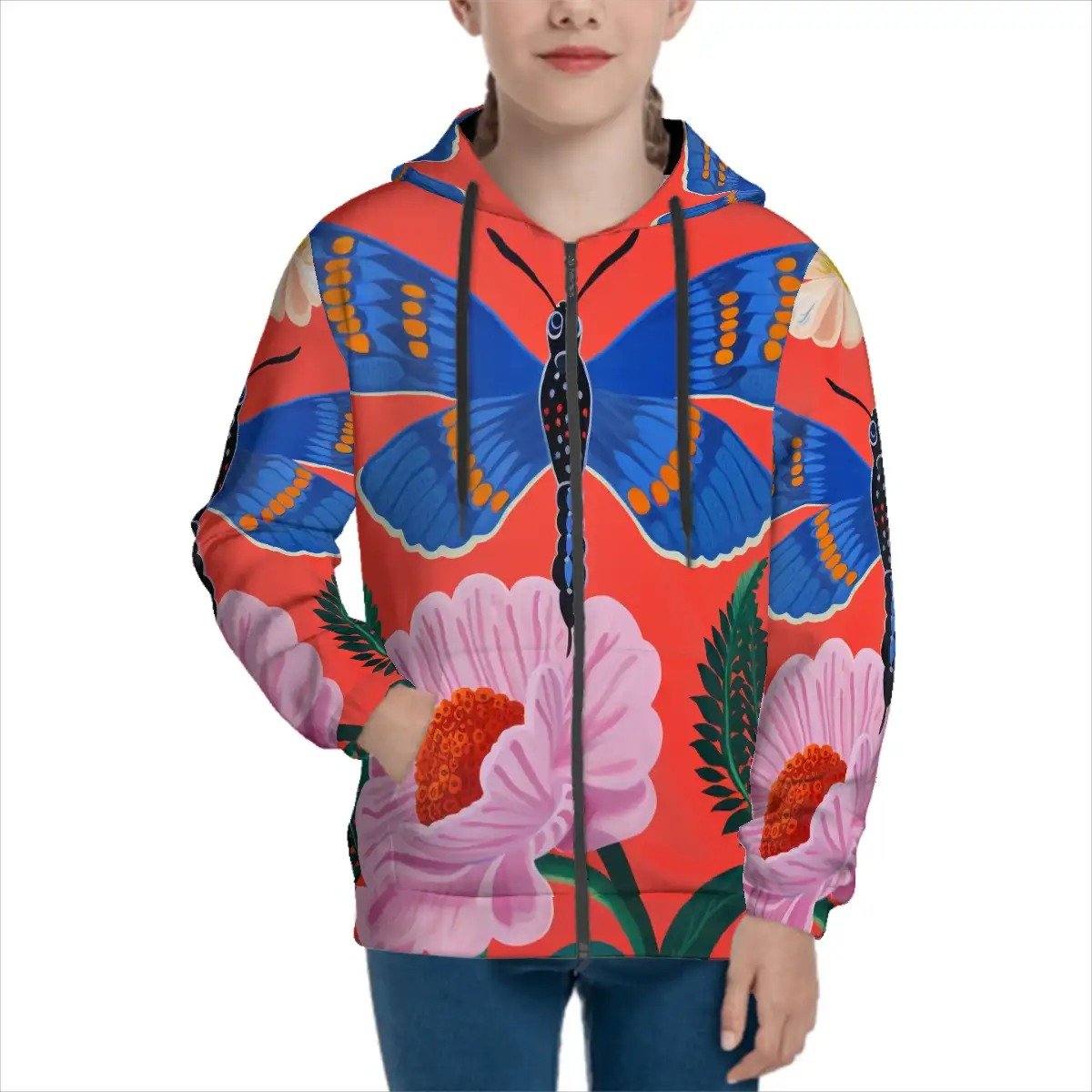
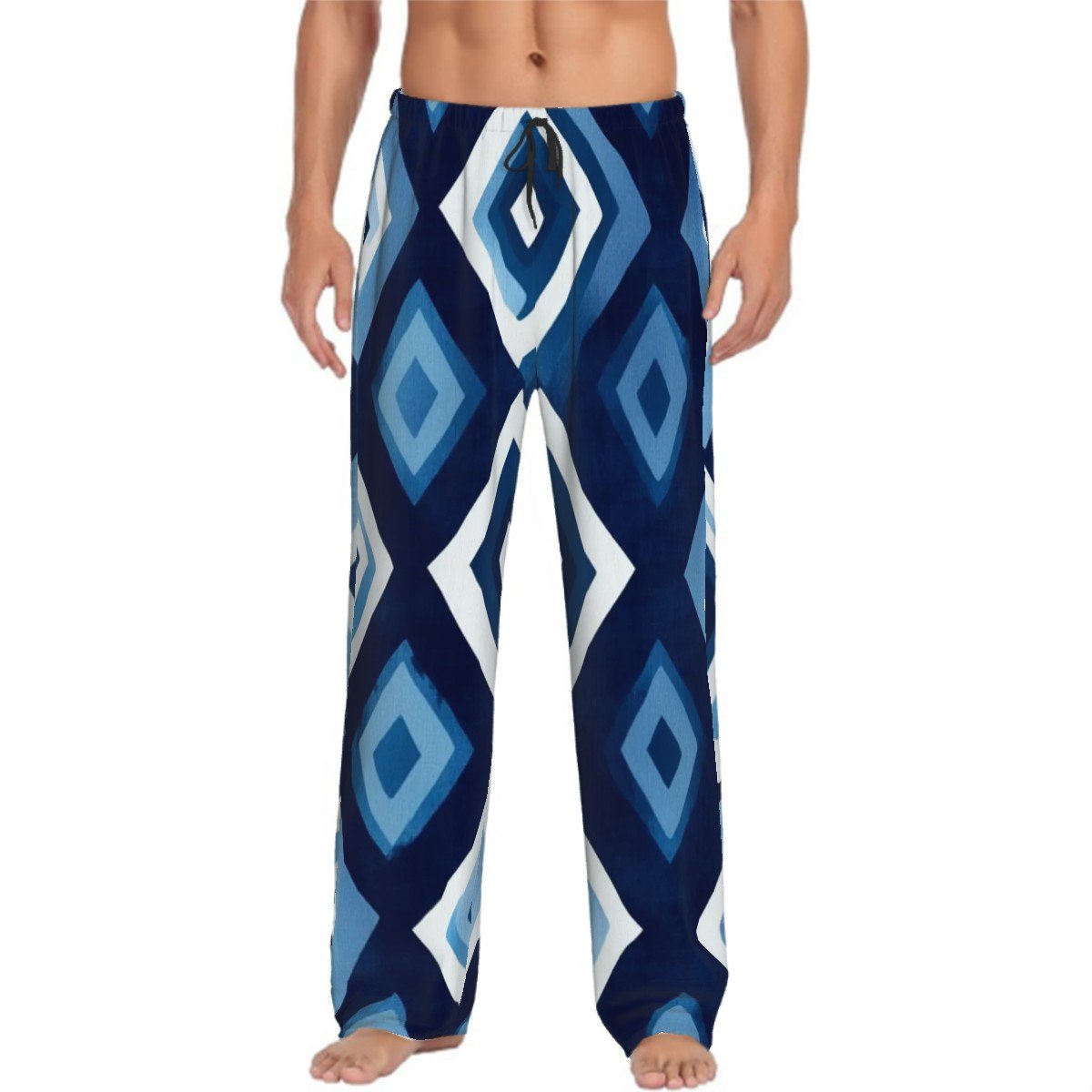
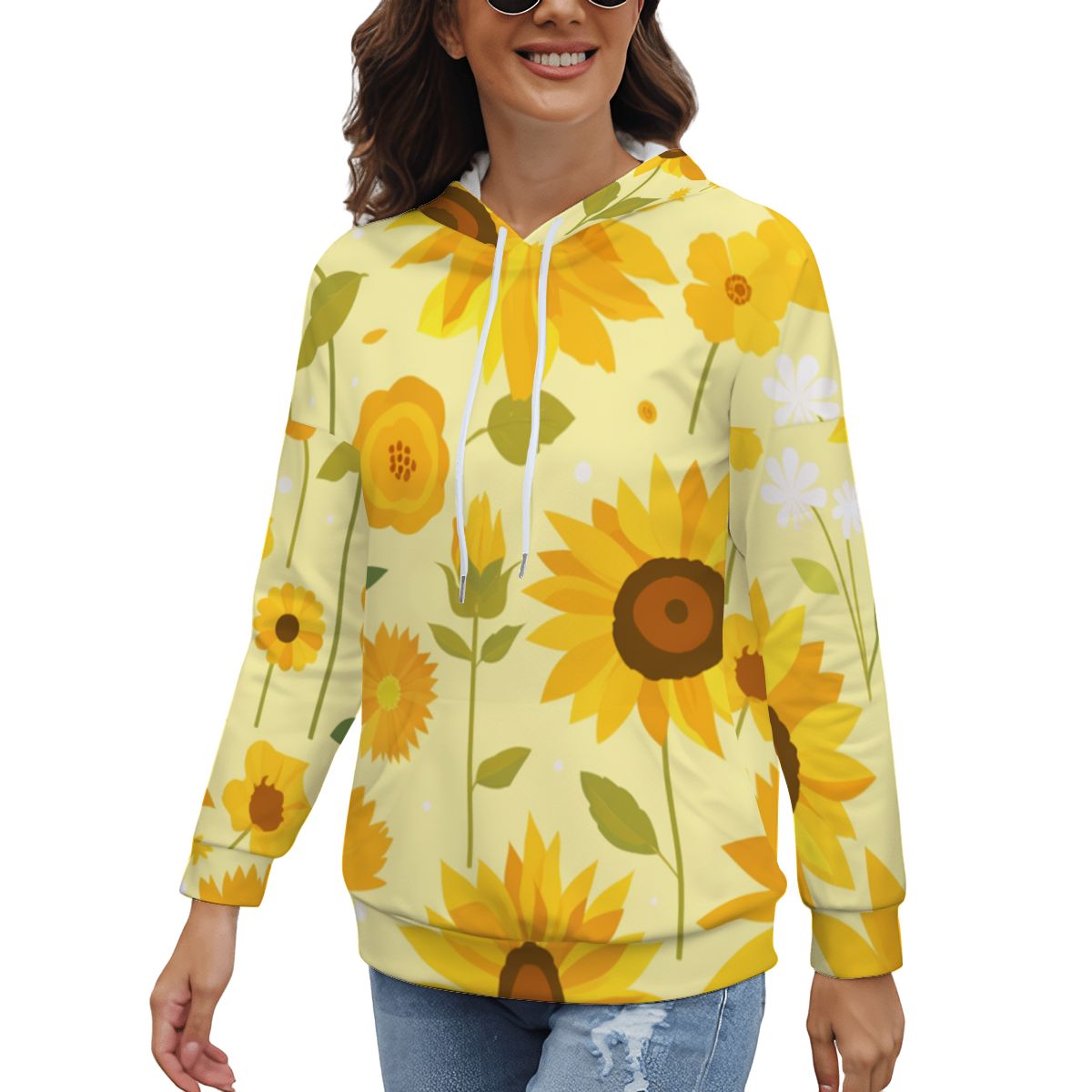
PrintKK is a print-on-demand company that creates custom clothing. They have no minimum order quantity so startups can test new designs without big costs.
The company uses high-quality printing for bright colors that last long. Many small brands use them for easy shipping and quick support.
Royal Apparel
Royal Apparel makes clothing in the USA. They offer blank tees, hoodies, tanks, and organic options for wholesale or private label.
The company focuses on eco-friendly fabrics and sweatshop-free production. Startups order blanks for printing or get custom runs with quick samples from their East Coast factories.
American Apparel
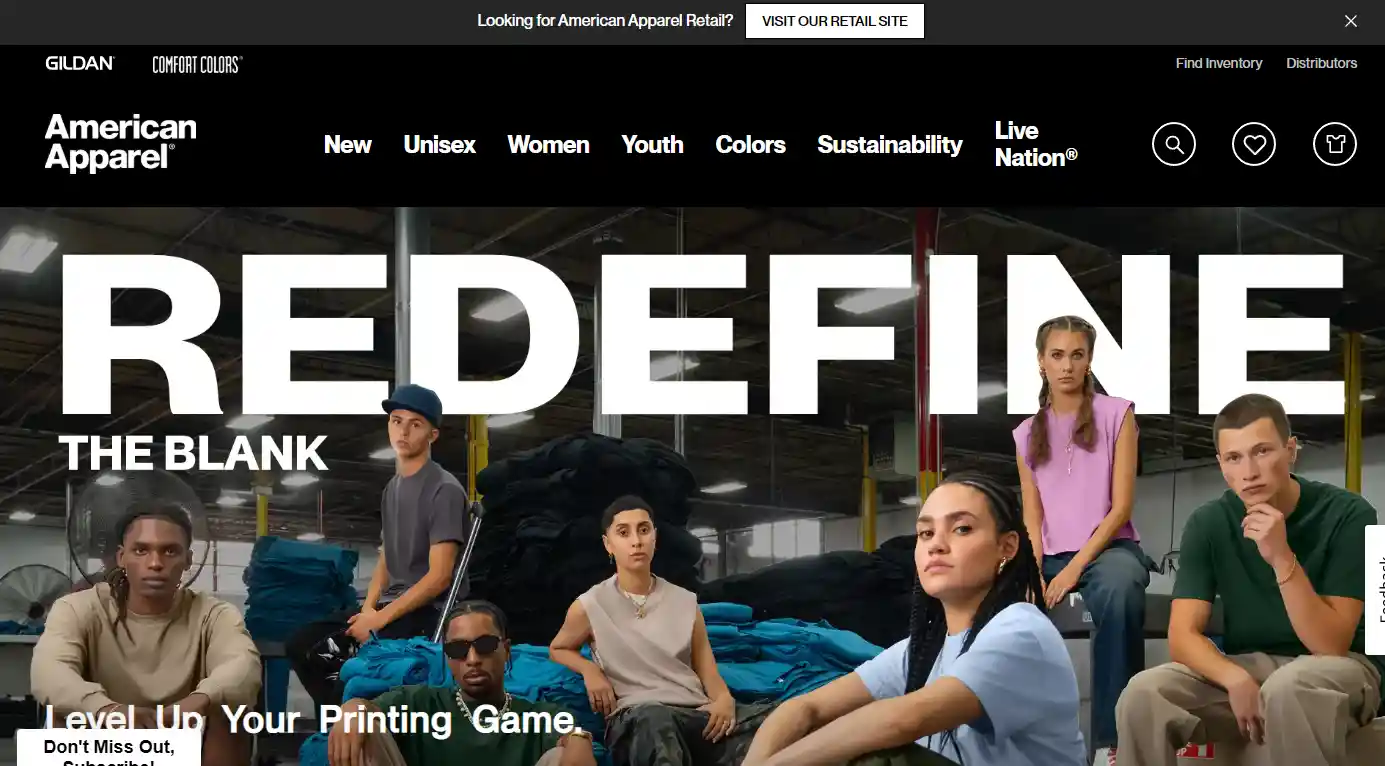
American Apparel sells blank t-shirts and tanks in wholesale. They provide premium fabrics and timeless styles ready for printing or branding.
The company helps startups create their own lines with consistent quality. Orders ship fast and work for small or growing businesses.
Apparelify
Apparelify serves as a clothing maker that focuses on turning simple ideas into real garments for small businesses. They accept low order numbers, which means you do not need to buy hundreds of items at once.
Their team manages cutting, sewing, and basic quality checks so the clothes fit well and look neat. Startups often choose them when they want to keep costs down while still getting decent results on t-shirts, hoodies, or casual styles. The whole flow stays simple from first sample to finished batch.
S&S Activewear
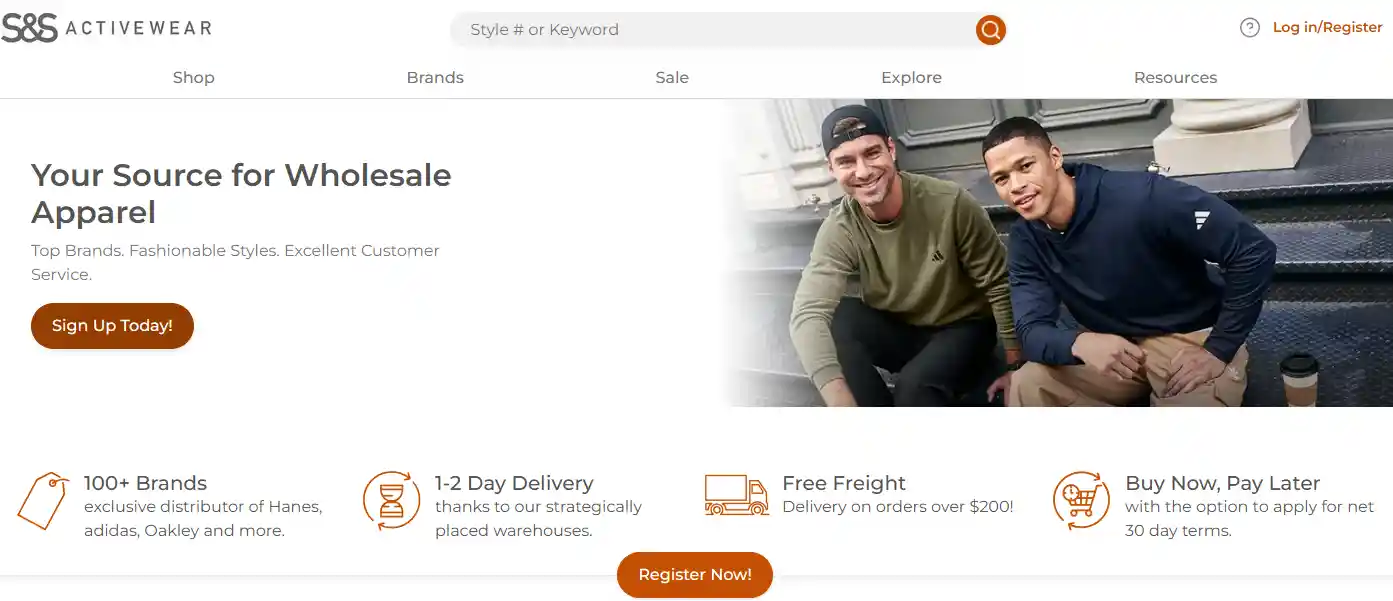
S&S Activewear is a wholesale supplier of blank apparel. They carry t-shirts, hoodies, and hats from top brands in many colors and sizes.
The company has warehouses across the US for fast shipping. Startups order blanks without large minimums and get free freight on bigger orders.
Alanic Wholesale
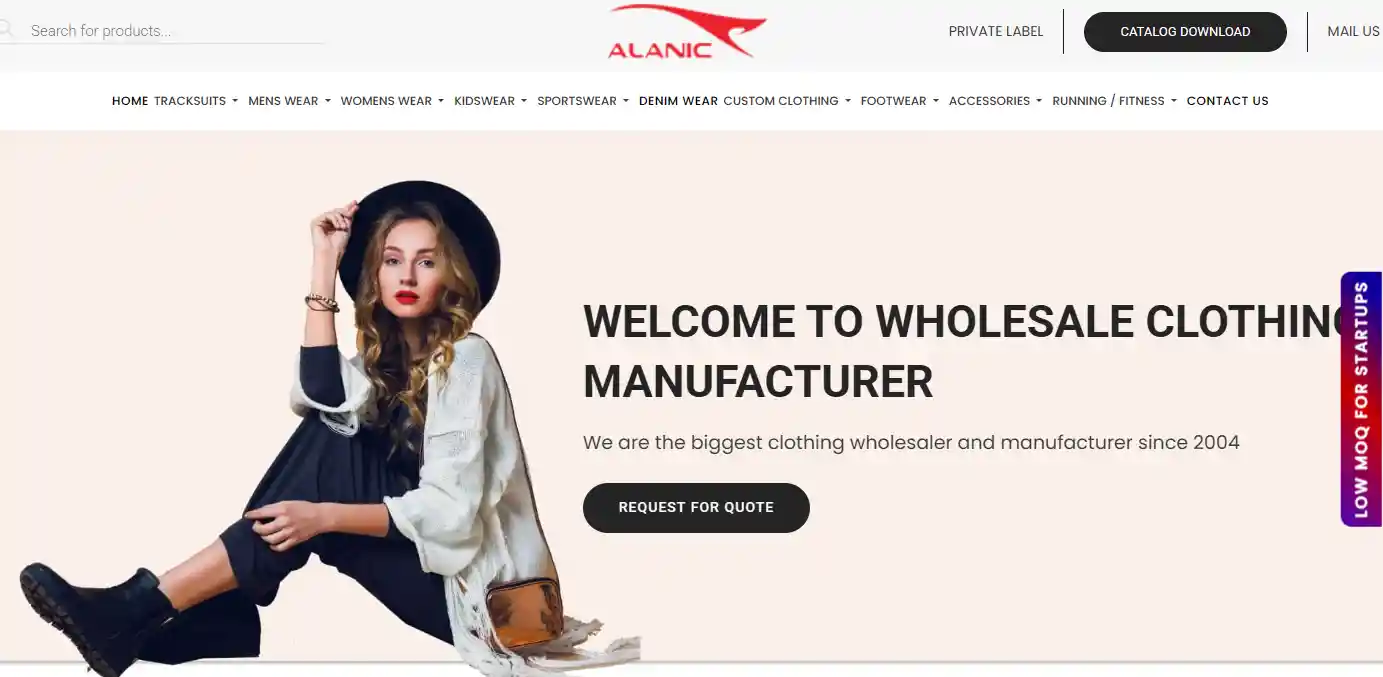
Alanic Wholesale makes custom clothing for private labels. They produce apparel for men, women, and kids with options for designs and bulk orders.
The company offers samples and full production runs. Startups use them for quality garments and shorter delivery times on wholesale orders.
Ninghow Apparel
Ninghow Apparel keeps order sizes small so you can test designs without spending too much money upfront. You send them an idea, and they handle fabric choices, samples, and final sewing.
Many startups like them for everyday wear or active clothes because the process feels straightforward and they answer questions quickly.
Bella+Canvas
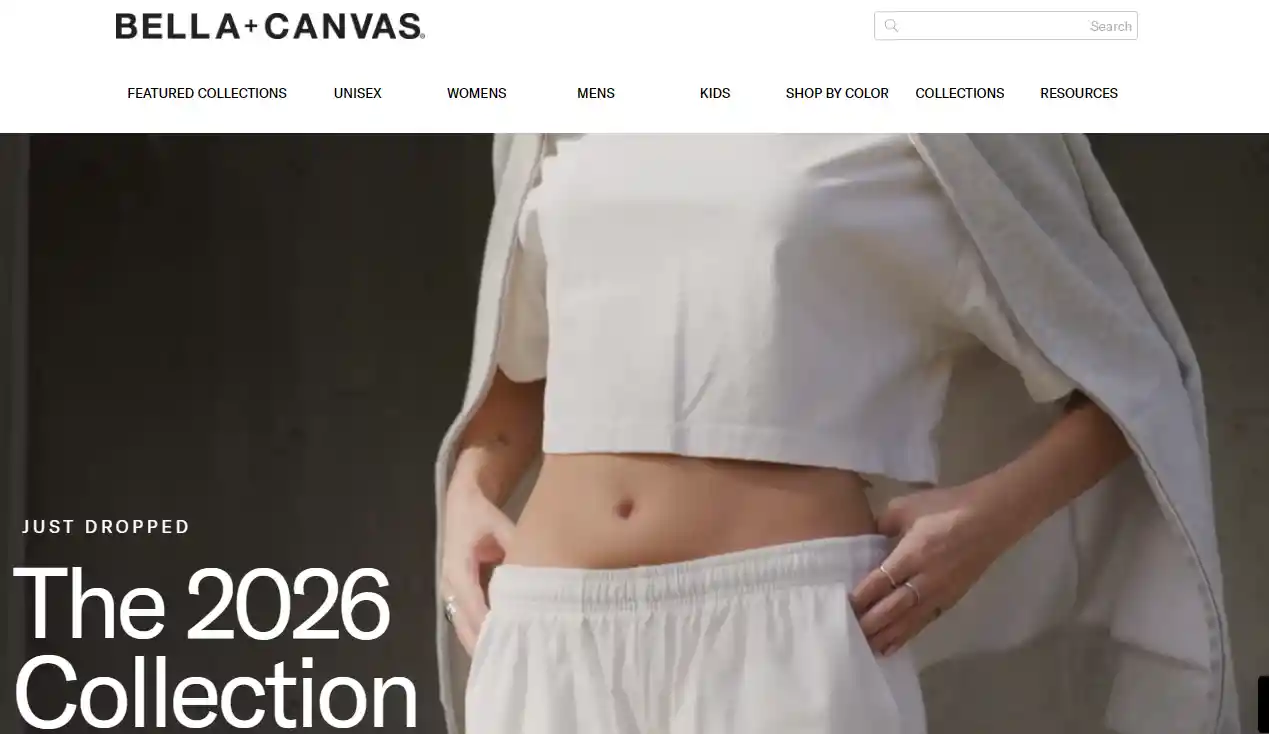
Bella+Canvas creates plain blank clothes like soft t-shirts and hoodies that many new brands print on later. They make the base garments in comfortable fabrics with even sizing that works for different body types.
A lot of startups pick their blanks because the material feels good right away and holds prints nicely. You can order smaller amounts to begin with, then add your own designs or labels. This option saves time since the hard part of making the garment is already done well.
Los Angeles Apparel
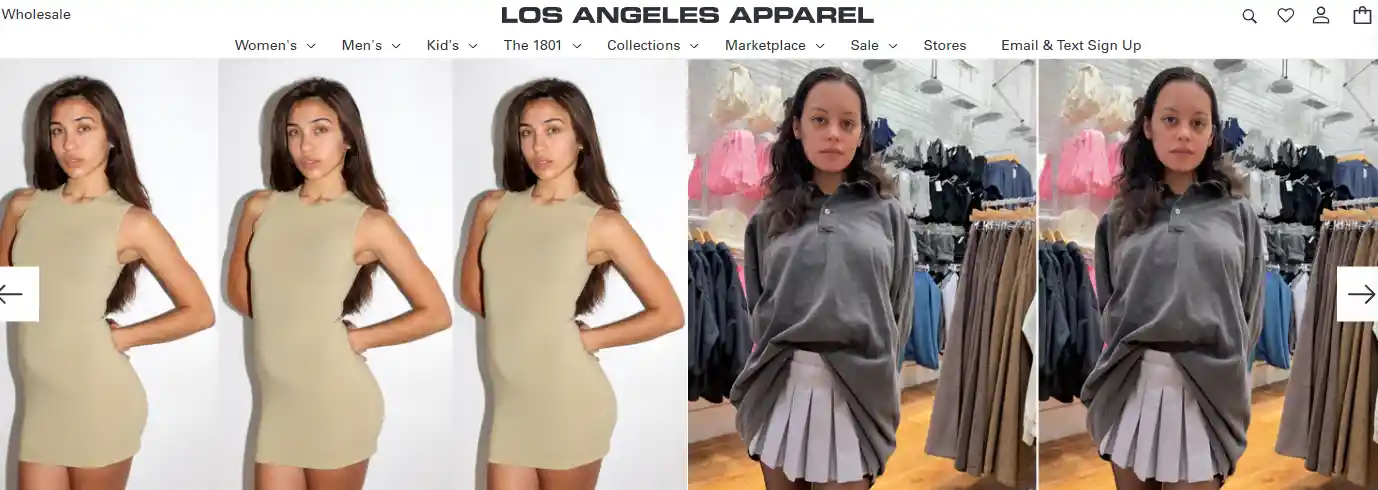
Los Angeles Apparel makes basic clothing items inside the United States. They cut and sew t-shirts and similar everyday pieces with attention to local standards.
New brands turn to them when they want shorter wait times and the chance to check quality in person more easily. The focus stays on steady production of simple styles without complicated extras. This choice works well if your startup values faster delivery and support from makers who are closer to home.
Printful
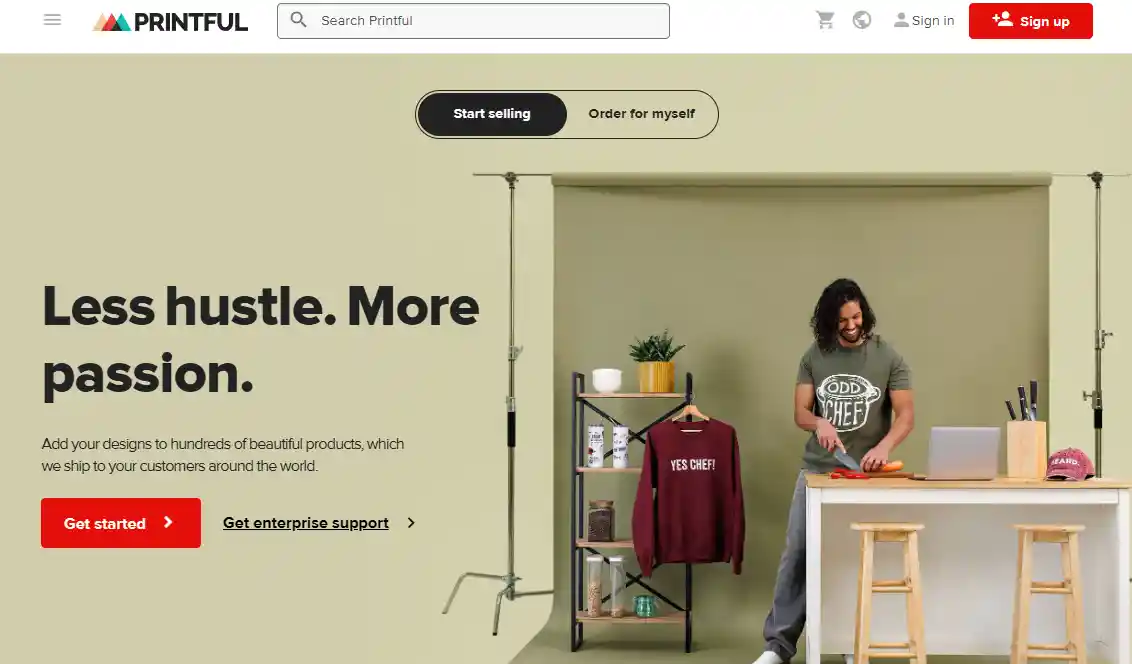
Printful lets startups sell custom clothing without holding stock in a warehouse. This removes the worry of buying too many unsold items or managing storage space.
Many new sellers start here because it is easy to set up an online shop and test what people actually want to buy. The system grows with your sales.
How to Choose the Right Clothing Manufacturers?
1. Look for Manufacturers Who Accept Small Minimum Orders
Start by asking every factory what their true minimum order quantity is for your product type. Many claim they do small runs, but when you mention 50-200 pieces, they suddenly raise the number or add big setup fees.
Find ones that regularly work with new apparel brands launching with just 100 hoodies or 75 t-shirts. Real examples: some manufacturers in Los Angeles or Portugal happily start at 50 pieces per style and color.
This keeps your first order cost under control and lets you test the market without huge risk.
2. Always Order and Inspect Physical Samples Yourself
Never rely on photos alone. Pay for at least two physical samples in your exact fabric and size range.
Check things like seam strength by pulling them hard, how the neckband holds shape after washing, and whether the color matches your screen perfectly under daylight.
One startup I know caught a factory using cheaper thread that broke easily only after they washed the sample. Fixing it early saved them from recalling 300 bad jackets later.
3. Get Clear, Honest Timelines in Writing
Ask the factory for a detailed schedule: how many days for sampling, how many for bulk production, and exact shipping method.
Good manufacturers will tell you straight if Chinese New Year or peak season will delay your order by 3-4 weeks. Pin down delivery dates to your warehouse, not just "production time."
A reliable partner once told a brand upfront they needed 65 days instead of promising 45, which helped the founder adjust their launch from April to June without disappointing customers.
4. Compare Full Costs, Not Just Per-Piece Price
Request a complete quote that includes pattern making, sample fee, grading, labels, tags, hangtags, and shipping to your country.
A factory quoting $8 per t-shirt might end up costing $13 after all extras, while one at $9.50 includes everything.
Also ask about price breaks at 300, 500, and 1000 pieces so you know your roadmap as you grow. This prevents surprise bills that eat into your early profits.
5. Check Their Actual Production Setup Through Video or Visit
Ask for a recent factory video or schedule a quick video call tour. Look for clean cutting tables, modern sewing machines, and organized finishing areas.
See if they handle your specific fabric type (like French terry or organic cotton) regularly. One founder discovered through a video that the factory had piles of unfinished orders everywhere, which explained their slow communication.
Choosing a factory with a calm, well-run space usually means fewer quality surprises in your final delivery.
Which Apparel Types to Launch First for Your Brand
1. Start with Core Basics
Begin with pieces that are simple and in demand. T-shirts, hoodies, sweatshirts, and leggings are versatile staples. They work for many different styles and are easy for customers to wear.
- These items are straightforward to produce.
- They often have lower minimum order quantities (MOQs).
- A broad audience will find them appealing.
- They give you a good way to test your brand's look and fit.
2. Consider Seasonal and Market Trends
Think about the time of year when people actually buy certain clothes. Launch items that match current customer demand.
- Release swimwear and shorts before summer.
- Offer jackets and sweatshirts as fall and winter approach.
- Check what bestselling items your competitors have in your niche.
- This helps you meet customer needs right when they are shopping.
3. Evaluate Production Complexity
Some clothing types are easier to make than others. Look at how complex the production process is before you decide.
- Simple garments like basic tops or relaxed pants have easy cuts and standard fabrics. They also have faster turnaround times.
- Complex garments like swimwear, jackets, or structured dresses cost more and take longer to produce.
- Balance your big ideas with what your startup budget can handle.
4. Match Garment Types to Brand Vision
Choose pieces that truly reflect what your brand stands for. Your first items should show your unique identity.
- If you are streetwear, start with graphic tees or hoodies.
- For activewear, begin with leggings or sports bras.
- For luxury, pick a few simple, high-quality pieces.
- Focus on items that highlight your signature details.
- Limit the number of different items (SKUs) to keep things simple at first.
5. Test Small, Iterate Fast
Do not produce too much too soon. Start with a small run of your chosen styles. Use feedback to improve before you grow.
- Launch with limited quantities.
- Pay attention to sales data and what customers say.
- See which styles and sizes are most popular.
- Refine your choices before adding more products.
The True Cost of Launching a Clothing Brand
1. Sampling Costs Add Up Fast
Before you make any clothes to sell, you have to pay for samples. A sample is a test version of your design. A factory might charge you $100 to $300 per sample.
You may need two or three rounds to get it right. That cost comes out of your pocket before you make a single sale. Budget for this step so you are not surprised.
2. Molds and Minimums Cost Money
Many factories charge a setup fee. This is often called a mold fee for things like embroidery or special printing. It can cost $50 to $200 just to get started.
On top of that, most factories have minimum order quantities. You might have to order 50 to 100 pieces per style. Even at low prices, your first order can easily cost $2,000 to $5,000.
3. Fabric and Materials Are a Hidden Cost
The price per shirt is not the full story. You also pay for fabric, thread, labels, tags, and packaging. Some factories include these in the per-item price.
Others charge them separately. Ask for a full breakdown before you agree. Small extras like custom hang tags or poly bags add up faster than you think.
4. Shipping and Customs Take a Cut
If your factory is in another country, shipping is a major cost. Air freight is fast but expensive. Sea freight is cheaper but takes weeks. You also have to pay customs duties and taxes.
These fees can add 10 to 20 percent to your total order cost. Plan for this money to leave your account before your products arrive.
5. Testing and Compliance Are Not Optional
Many startups forget about product testing. Some retailers require safety or quality tests. Even if you sell online only, you may need things like tracking numbers or care label rules.
Testing can cost a few hundred dollars per product. Skipping it can lead to fines or returns later. Build this into your budget from the start.
How to Place Your First Order with Clothing Manufacturers
Before You Pay, Get a Sample First
A sample is not the same as the final product you will sell, but it is the closest you will get before full production. Ask the factory to run one sample based on your tech pack.
Check the stitching, the fit, and the label placement. If something is off, now is the time to fix it. Never skip this step just because you are excited to move fast.
Ask About Their Weak Spots
Every factory has something they are less good at. Some struggle with small sizing details. Others are slow on embroidery or custom tags.
Ask them directly what part of your order they think might be tricky. Their answer tells you where to pay extra attention. A factory that says "everything is easy" without looking at your tech pack is a risk.
Keep One Item for Yourself
When your order is finished, do not ship everything straight to customers. Keep one full set of each style for yourself.
This becomes your reference if problems come up later. If a customer complains about sizing or color, you can check against your own piece. It also helps you spot issues early if you do a second order with the same factory.
Set a Ship Date with a Buffer
Factories often give you a ship date that sounds great. Add at least one week of buffer in your own calendar. Delays happen because of fabric, holidays, or simple miscommunication.
If you tell your customers a date based on the factory's promise, you risk disappointing them. Build in the buffer so you look reliable when things arrive on time.
Read More:
- Top 16 Dropshipping Clothing Suppliers for Your Fashion Business
- How to Make Custom Clothing from Scratch: Complete Guide
Expert Tips
You now know how to pick reliable clothing manufacturers for startups and which apparel types to launch first. Start simple. Test small. Learn from real customer feedback.
Stay patient. Build strong relationships with your manufacturers. Keep improving your products step by step. You are on a good path. Keep going and watch your brand grow.

 Global Shipping