






Imagine running a business where you sell products 24/7, never touch inventory, and never pack a single box.
Digital dropshipping is the smartest option built exactly for you.
You create or source digital files—planners, templates, courses, prompts—and when someone buys, the file delivers itself instantly. No shipping delays. No stockouts. Almost zero overhead.
If you want real freedom and a side income that actually grows, stick with me. This guide walks you through every step to launch your own digital dropshipping business this year. Let's get started.
What Is Digital Dropshipping?
Digital dropshipping enables you to sell digital products that customers download or access online, such as ebooks, printables, software, courses, or even music files.
Unlike traditional dropshipping, there is no need for product packaging or shipping, as there is no physical product involved.
This model keeps things simple for beginners. You focus on building a website, finding an audience, and marketing — no warehouse space or stock to buy upfront. Many suppliers handle delivery automatically, so you get paid while they manage the rest.
The approach fits well in today's market because demand for instant digital access keeps rising.
Global dropshipping as a whole is expanding fast, with projections showing the market reaching over 1.25 trillion dollars by 2030 as more people shop online and seek quick solutions. Digital versions benefit even more since they avoid shipping delays and costs entirely.
You can start small, test ideas quickly, and scale without physical limits. It gives you real flexibility to reach customers anywhere without logistics headaches.
Digital vs Traditional Dropshipping
Digital dropshipping involves selling digital products, like ebooks or templates, while physical dropshipping involves selling physical goods, like clothing or gadgets, shipped by third parties.
Both models share the feature of not holding inventory, but they differ in terms of business model and profitability.
Aspect | Digital Dropshipping | Traditional Dropshipping |
Product type | Files (ebooks, printables, graphics, software) | Physical goods (clothes, accessories, home items) |
Inventory | None – products are digital copies | None – but supplier holds physical stock |
Shipping | Instant download link, no delivery time | Supplier ships packages, 3–14 day wait common |
Upfront costs | Very low (mostly website and ads) | Low to medium (samples sometimes needed) |
Profit margins | Often 70–90% since no production cost per sale | Usually 20–50% after product and shipping fees |
Customer experience | Immediate access, no tracking needed | Waiting for delivery, possible customs issues |
Returns/refunds | Rare – files delivered instantly | More common – damaged goods, wrong size |
How to Start a Digital Dropshipping Business for Beginners
1. Pick a Niche You Can Reach Quickly
Start by choosing something specific that people already search for online. Think planners for busy moms, Canva templates for small business owners, or Notion setups for students.
The narrower the niche, the better at first. You don't need a huge passion project.
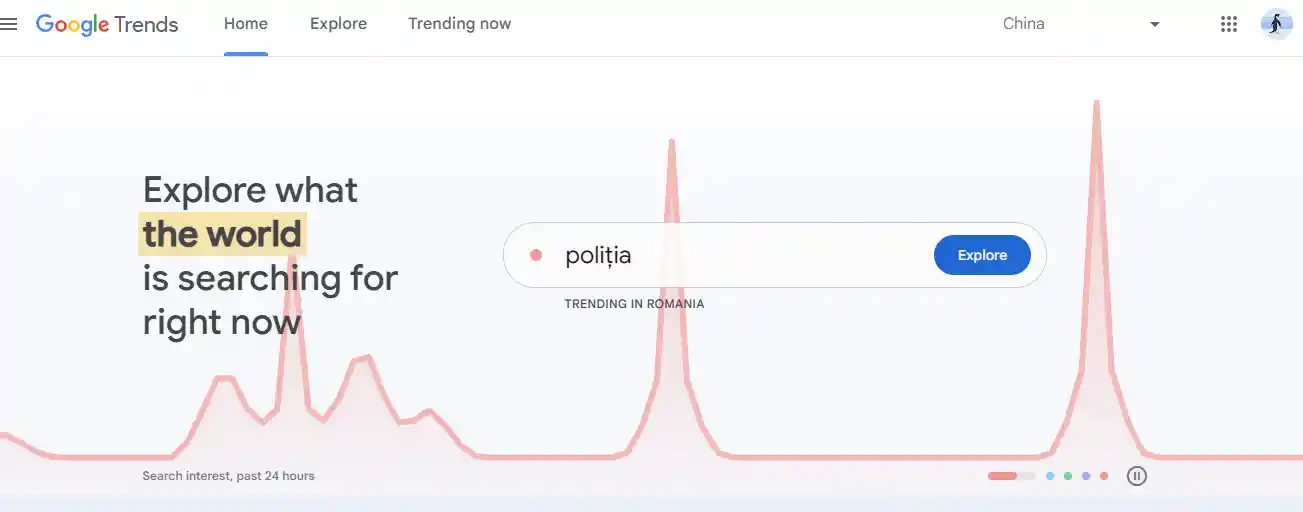
Look at what sells on Etsy or Gumroad right now. Check search volume on free tools like Google Trends or Pinterest. Aim for a niche where buyers want instant solutions and are okay paying $7–$47.
Spend a week observing complaints in Facebook groups or Reddit threads—this one week saves months of guessing later.
2. Find Reliable Digital Product Suppliers
You don't need to create every product yourself. Use platforms that let you resell ready-made files with private label rights or master resell rights.
Popular spots include PLR.me, Creative Fabrica, MasterBundles, and IDPLR. Some let you rebrand the cover or tweak slightly. Always download samples first and test the quality.
Pick 2–3 suppliers to start so you're not stuck if one has issues.
3. Set Up Your Store the Simple Way
Skip complicated custom sites at the beginning. Go with Shopify plus a digital-friendly app like Sky Pilot or FetchApp, or use standalone platforms like Gumroad, Payhip, or Stan Store.
These handle payments, deliver files instantly, and take very little setup time.
Add clean product images (use free mockups from Placeit), write short benefit-focused descriptions, and price based on value, not just cost.
Test checkout on your phone since most buyers shop mobile now. Keep your store live within a weekend to start getting real feedback.
4. Drive Your First Sales Without a Big Budget
Focus on free or low-cost traffic first. Post value in niche Facebook groups, share free samples on Pinterest with links back to your store, and create short TikTok or Reels showing how people use your product.
Build an email list early with a simple lead magnet (like a free mini-planner). Run small $5–$10 daily ads on Meta or TikTok once you have a winner. Track what converts and double down.
Many beginners see their first sale within 7–14 days when they stay consistent with posting and tweaking.
10 Best Digital Dropshipping Products
1. Digital Planners
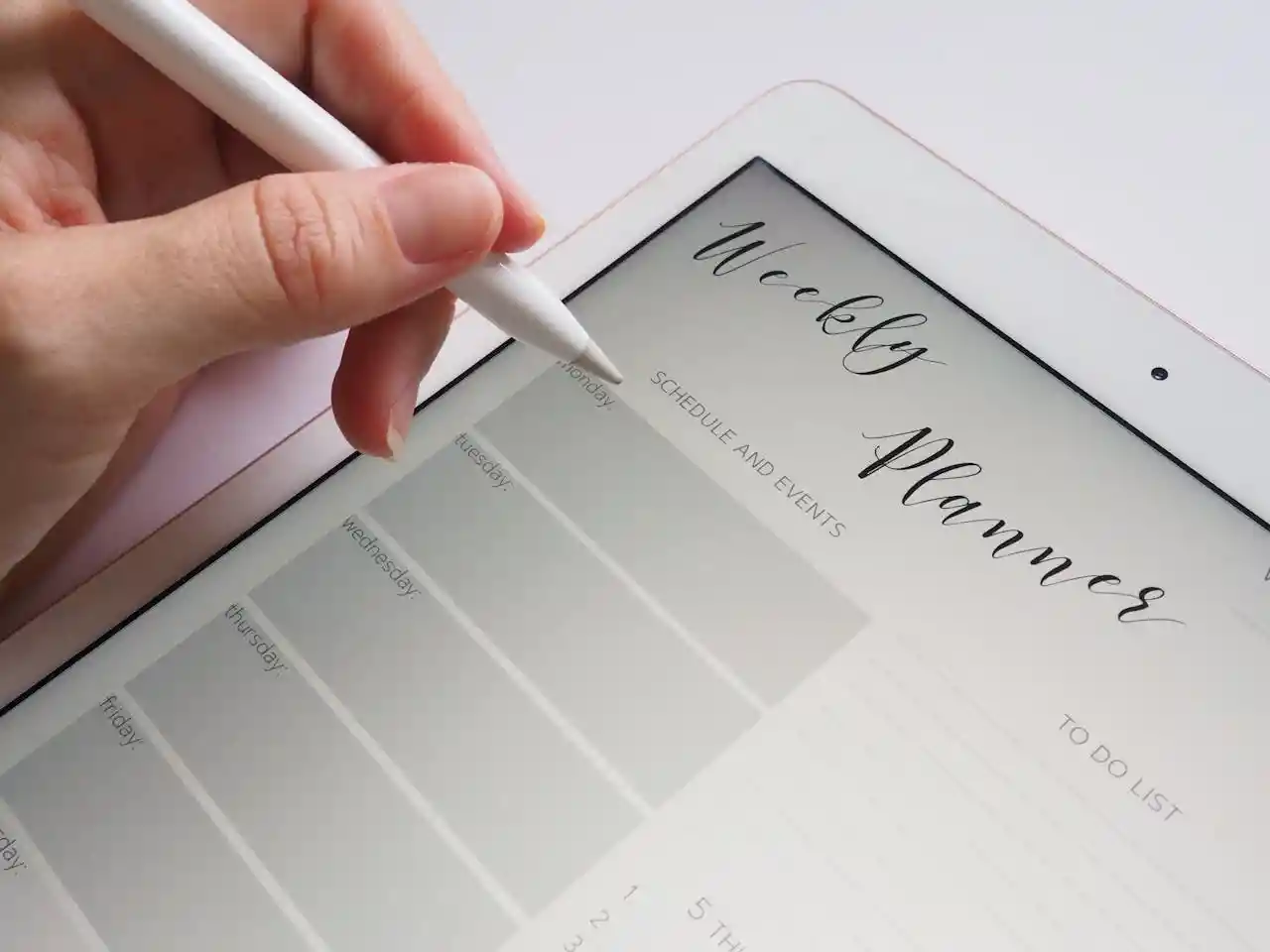
You can bundle hyperlinked PDFs for iPad or GoodNotes users. People buy them for daily organization, meal prep, or fitness tracking. Target busy parents or students.
These files have a high conversion rate because buyers get instant structure without building from scratch. Add seasonal ones like 2026 goal trackers for extra sales.
2. Notion Templates
Notion keeps growing, so templates for project management, habit trackers, or content calendars sell fast. Beginners love these since setup takes minutes.
You grab ready-made ones from suppliers, tweak the cover, and list them. Aim for niches like freelancers or small YouTubers. They often hit $15–$50 with low competition if you focus on specific problems like student study dashboards.
3. Set Up Your Store the Simple Way
With tools like ChatGPT everywhere, curated prompt bundles for writing, marketing, or image generation do well. Sell packs of 100+ prompts for Midjourney art or business copy. Buyers save hours testing.
These are easy to source or compile. Price $9–$25. Update them slightly for trends like 2026 social media strategies to keep sales coming.
4. Printable Wall Art
Simple designs like motivational quotes, minimalist abstracts, or nursery prints work great. People download and print at home. Source PLR packs and customize colors.
Target home decor niches or gifts. They sell for $5–$15 each or in bundles. Low effort, high repeat buys when you add holiday or seasonal sets.

5. Social Media Templates
Canva-editable posts, stories, or Reels covers for Instagram and TikTok. Small businesses and creators need consistent looks fast.
Offer packs for coaches, realtors, or e-commerce brands. These move quickly at $12–$40 because they help non-designers look pro right away.
6. Lightroom Presets
Photo editing packs for mobile or desktop that give a specific vibe like warm tones or cinematic looks. Influencers and hobby photographers grab them.
Source quality ones and bundle by theme. Sell for $10–$35. They perform well in visual niches where people want quick edits without learning curves.
7. Ebooks and Guides
Short, focused ones like "30-Day Habit Builder" or niche how-tos. Use PLR to start, then rebrand. Target pain points in productivity or side hustles. Price $7–$27. They build trust and lead to email lists for more sales down the line.
8. Excel or Google Sheets Templates
Budget trackers, inventory managers, or meal planners. Businesses and individuals need them for quick setup. These are practical and sell repeatedly. Offer them at $8–$20. Add instructions so buyers use them immediately.
9. Stock Graphics and SVGs
Offer bundles of icons, clipart, backgrounds, or elements for designers and marketers. Digital art sells repeatedly with no extra work per sale. Target niches like wedding planners or teachers. High-quality packs priced $10–$30 move well on Etsy or your store.
10. Online Course Starters or Mini-Courses
Break skills into short video series. Think beginner photography, Excel tricks, or content creation basics. Platforms automate access.
Charge $27–$97. People buy to learn fast without long commitments. Focus on niches you know to make content authentic.
How to Price Digital Products for Profit
1. Know Your Basic Costs
Add up every cost per sale. Platform fees run 2-10%. Payment processors charge about 2.9% plus a fixed amount. Include product rights fees if you buy PLR. Add ad costs and reserve 10-15% for refunds. Knowing these numbers stops surprises later.
2. Set a Minimum Profitable Price
Start with your break-even price—the point where costs are covered. Formula: Total costs ÷ (1 - fee percentage).
Example: Costs are $2 with 10% fees. Break-even = $2 ÷ 0.9 ≈ $2.22. Charge at least $7-10 so you make real profit after taxes and growth. Many beginners price too low and lose on every sale.
3. Choose a Simple Pricing Model
Use one-time payments when starting—it's easiest for customers and tracking. Save subscriptions for later when you offer ongoing value like monthly updates. Skip complex tiers or bundles at first. Fewer choices help people buy faster.
4. Price by Product Type
Keep it to three levels.
- Low-price: Printables, templates, captions → $5–$15 (quick buys, high volume).
- Mid-price: Ebooks, mini-courses, bundles → $17–$97 (more value expected).
- Subscription: Monthly content or tools → $9–$29/month (build after you prove delivery).
Match price to the effort and results buyers get.
5. Avoid Common Pricing Mistakes
Do not price too low—more sales can mean more loss. Always include fees and refunds in calculations. Stop copying competitors without checking your own costs. Raise prices slowly as you add bonuses or improve quality. Check profit per sale each month and adjust to grow steadily.

Successful Marketing Strategies for Digital Dropshipping Business
Create Short Videos for Organic Reach
Short clips on TikTok, Instagram Reels, and YouTube Shorts pull in viewers quickly. Record a simple demo—maybe 15 seconds of opening a planner or applying a preset with a clear before-and-after.
Start with a question like "Tired of messy notes?" then show the solution. Post 3–5 times each week and put your store link in your bio. Many new sellers get their first sales just from these videos going out naturally. Track which ones get saved or shared to make better videos next time.
Drive Traffic with Pinterest Pins
Pinterest keeps sending people to digital products long after you post. Make tall pins (1000x1500 pixels) that show your item clearly—use mockups on tablets or walls with short benefit text.
Add search words like "2026 digital budget tracker" or "minimalist wall art printable." Share 10–20 pins a week. Views build slowly, but sales can keep coming months later with little extra work.
Start Small Paid Ads on One Platform
Once you see some sales from free methods, try ads with a tiny budget. TikTok and Facebook handle digital products nicely because you can show quick results.
Spend $5–10 a day to start. Pick one narrow interest group, like "Canva users" or "productivity seekers." Run video ads or simple carousels highlighting the problem and your fix. Watch the cost per sale closely. Grow the ad that performs; avoid spreading money everywhere too early.
Build an Email List with Free Samples
Collect emails from the beginning. Give away a small free version—like one page from a planner or five AI prompts—to get sign-ups.
Set up a basic form with ConvertKit or Mailchimp on your store. Send one email a week with a useful tip connected to your niche. Mention a product or light discount only occasionally. This turns single buyers into repeat customers and gives you direct control over steady sales over time.
Expert Tips
You now have the full picture to start your digital dropshipping business in 2026.
Pick a niche. Find good suppliers. Set up a simple store. Price smart. Market with real value.
These steps are straightforward. You can begin with very little money and no inventory. Every sale brings instant profit. You work from anywhere.
Start small. Test one product. Learn from your first buyers. Your digital dropshipping journey starts now.
FAQs
What is the best selling digital product?
Right now, digital planners and Notion templates lead sales. They solve real daily problems fast. AI prompt packs and Canva social media templates also move quickly in 2026. Pick what matches your niche.
Can I use multiple suppliers for my digital dropshipping business?
Yes, you can and should. Working with 2–4 suppliers gives you more product choices and backup if one has issues. Just keep track of licenses and delivery links clearly.
Is digital dropshipping legal?
It is legal when you follow the rules. Buy or get proper rights to resell PLR or master resell products. Never copy someone else's work without permission. Stay honest and you're good.
Is digital dropshipping hard?
It's not hard if you start small and follow clear steps. Setup takes a weekend. The tricky part is consistent marketing at first. Most beginners see sales within weeks with daily effort.
Is digital dropshipping saturated?
Some niches feel crowded, but new trends open up every month. Focus on specific audiences or fresh ideas like 2026 goal trackers. Plenty of room exists if you solve real problems well.

 Global Shipping
 Free shipping