





Someone opens your card on their birthday, at a wedding, or during a tough week — and your words make them smile, tear up, or feel truly seen.
In 2026, people still crave that real, heartfelt connection.
Texts are quick. But a greeting card business gives something lasting — a small piece of you they can hold, keep, and remember.
Whether it's Christmas joy, Valentine's love, a new baby, or just "I'm thinking of you," your cards can turn ordinary moments into something special.
You don't need to be a big company. You just need ideas that feel true and a little courage to start.
Ready to create cards that matter? Let's walk through exactly how to launch your own greeting card business this year.
Is a Greeting Card Business Worth It in 2026?
Honestly, yes — it can still be worth your time in 2026, but only if you're realistic about it.
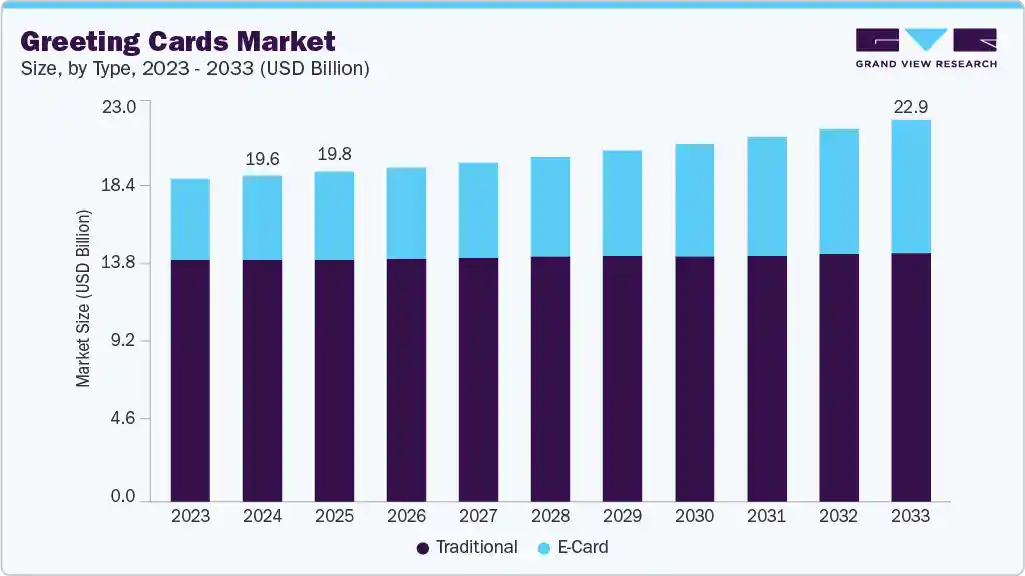
The global greeting card market isn't exploding, but it's not disappearing either. It's expected to grow slowly to about $22.96 billion by 2033, with a steady 1.8% yearly increase starting from 2025.
What keeps it alive is simple: people still love marking real moments. A new baby, a tough breakup, a quiet thank-you, or just "I saw this and thought of you" — those feelings don't translate as well in a text.
A physical card sits on a shelf, gets reread, sometimes even framed. That small, lasting connection is why many folks (especially in their 20s and 30s) keep buying them.
You don't need a huge budget or warehouse to try it. Print-on-demand services keep things low-risk, and platforms like Etsy or your own little website let you start small and see what clicks.
If you enjoy making things that connect with real emotions, it's still a nice way to turn creativity into income — just don't expect overnight riches. Slow and steady works best here.
How to Start a Successful Greeting Card Business in 7 Steps
1. Pick Your Unique Style and Audience
Think about the cards you would actually want to send or receive.
Maybe you love making sarcastic birthday cards for friends, gentle sympathy notes, or cheerful ones for new pet parents.
The key is choosing something that feels natural to you.
Spend time picturing your ideal customer — their age, what makes them laugh or tear up, and why they'd pick your card over a generic one.
When your style matches real people's feelings, your designs sell themselves much faster.
2. Design Your First Small Collection
Keep the first batch manageable so you don't burn out. Create 10–15 solid designs that show off your voice clearly. Focus on these basics:
- Short, honest messages that sound like a real person wrote them
- Simple, eye-catching artwork that prints well
- Cards that look great both closed and open
Show your drafts to a small group of honest friends. Ask what they'd change and which ones they'd buy. Refine until every card feels ready to send.
3. Set Up Your Online Store Quickly
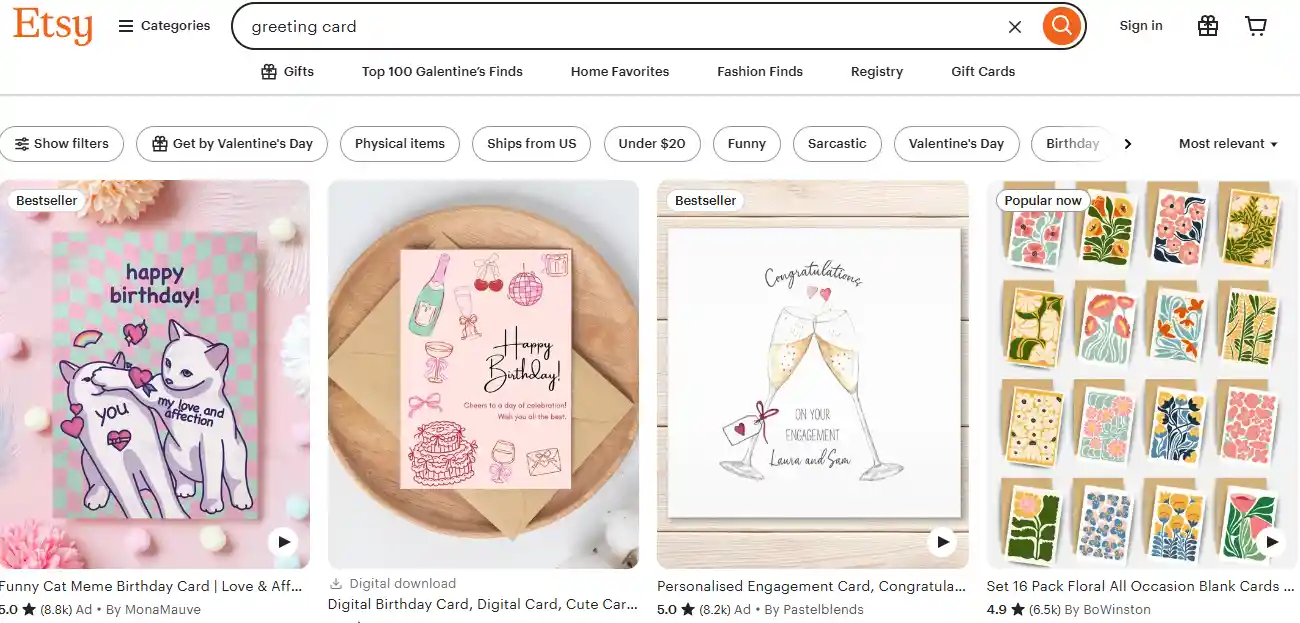
Etsy is still the easiest place for beginners in 2026. It already has buyers searching for unique cards, so you get traffic without much effort.
- Pick a warm, memorable shop name.
- Write friendly descriptions that hint at the emotion behind each card.
- Price most designs between $5–$7 to stay attractive while covering your costs.
- Fill out every section — good shop policies and fast shipping settings build trust right away.
4. Choose Print-on-Demand to Keep It Simple
Print-on-demand changes everything for new sellers. You upload designs once, set your profit margin, and the service handles printing, packing, and shipping. Big advantages include:
- No need to buy hundreds of cards upfront
- Zero storage space required at home
- Easy to test new ideas without financial risk
This setup lets you focus purely on creativity and growing your audience.
5. Take Photos That Make People Click
Photos are your silent salesperson. Use natural daylight near a window for bright, true colors. Keep backgrounds simple — light wood, soft fabric, or plain white.
Try these shots for each card:
- Flat closed view
- Open to show the inside message
- Held gently in a hand or styled with one small prop (like a flower or coffee cup)
Sharp, warm photos make buyers feel confident clicking "Add to Cart."
6. Share Your Cards Where Buyers Already Look
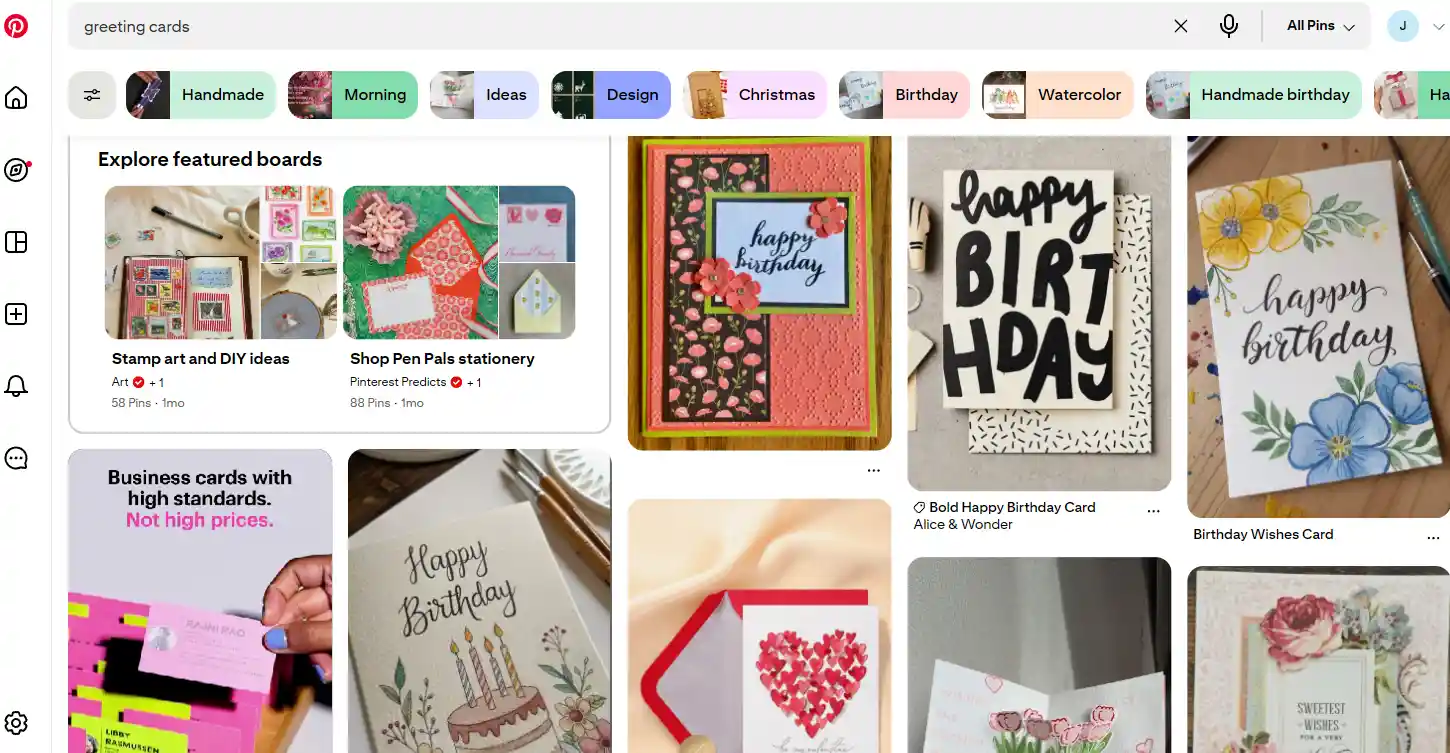
Instagram and Pinterest remain the best free places to show your work.
- Post consistently — a few times a week is plenty.
- Share the card plus a quick note about who it's for or the feeling behind it.
- Use relevant tags like #GreetingCards and #CardMakers.
- Engage with others: like posts, leave kind comments, follow similar creators.
Those small connections often lead to your earliest sales and loyal fans.
7. Keep Improving Based on What Sells
Your shop gets better with real data, not guesses. After the first month or two, check which cards moved fastest and which sat unsold.
- Read every review — even short ones give clues.
- Add fresh designs regularly (3–5 new ones every 4–6 weeks).
- Quietly retire slow sellers to keep your shop looking current.
Each cycle of feedback makes your collection stronger, your process smoother, and the whole experience more enjoyable.
How to Build a Greeting Card Brand Around Emotion and Connection
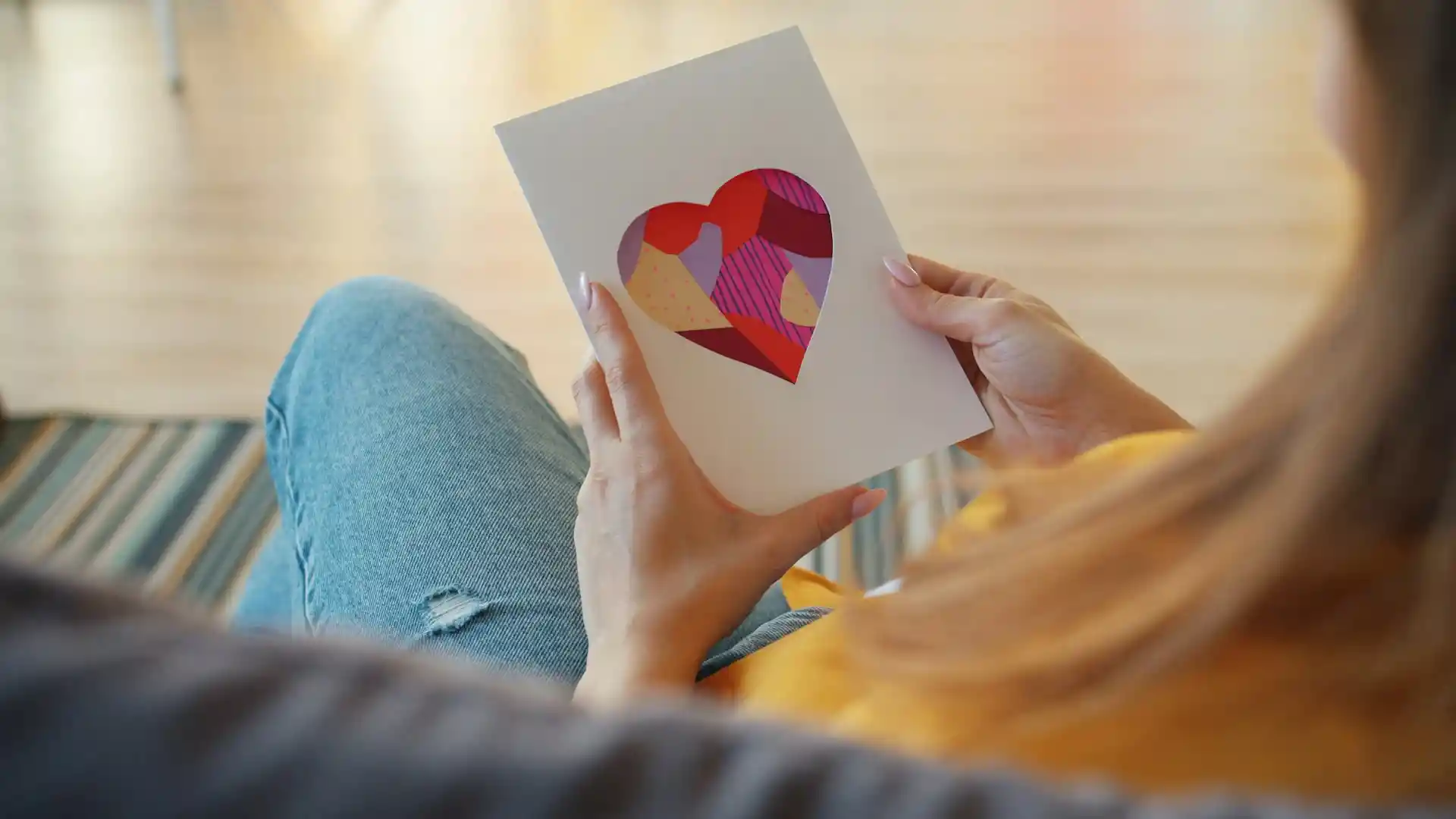
When you start a greeting card brand, think about the connection you're creating, not just the design. People buy cards because they carry thought and care—something an email or text can't replace. Your goal is to make each card feel personal, meaningful, and intentional.
You can focus on building emotion by:
- Highlighting stories behind your cards, like working with independent artists or using special materials.
- Adding subtle personal touches, such as space for a handwritten note or optional photos for holidays.
- Choosing a niche audience instead of trying to appeal to everyone; generic cards are already everywhere.
Technology can be tempting, but remember many customers value the physical, human side of a card. The act of holding, reading, and giving a card is part of the experience.
When you center your brand around emotion and connection, you create something people remember—and come back to—long after the card is opened.
Plan Greeting Card Production Around Seasonal Demand
Identify Key Seasonal Events
Major holidays drive the bulk of greeting card sales every year. Focus first on these consistent big sellers:
Layer in other opportunities that match your audience, like graduations in late spring, summer weddings, or cultural celebrations such as Lunar New Year.
Keep birthdays and general milestone cards in your lineup too—they provide steady sales between the big peaks.
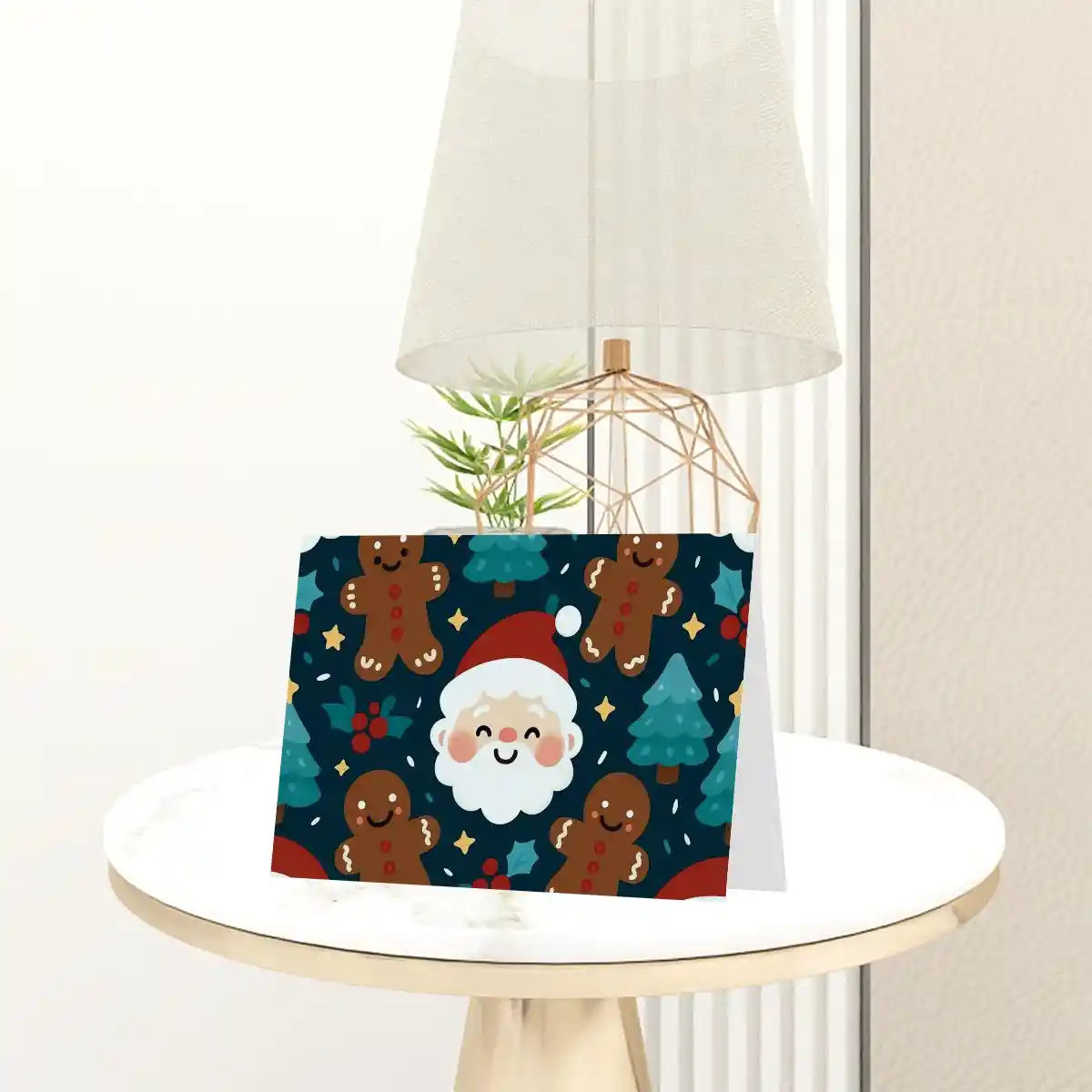
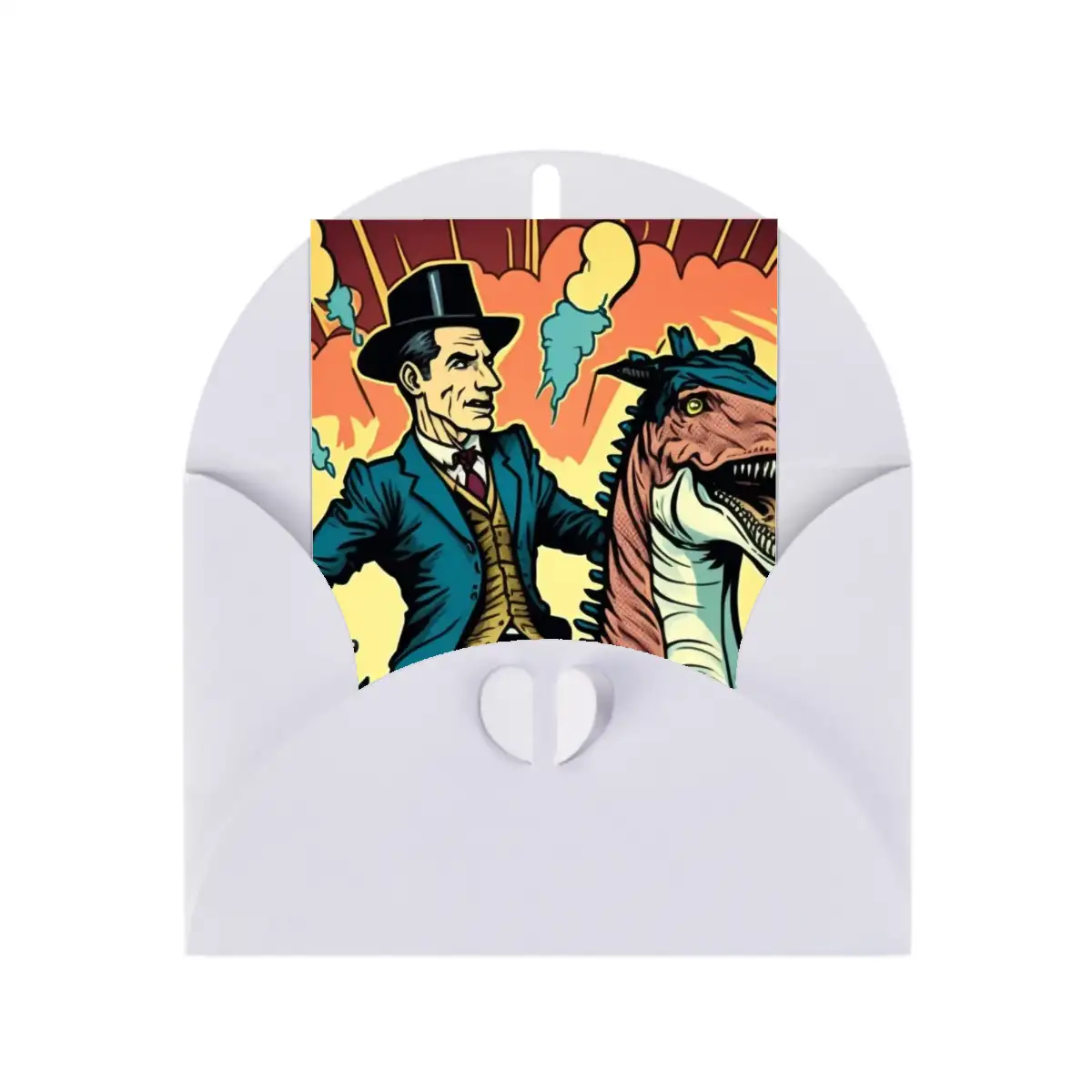
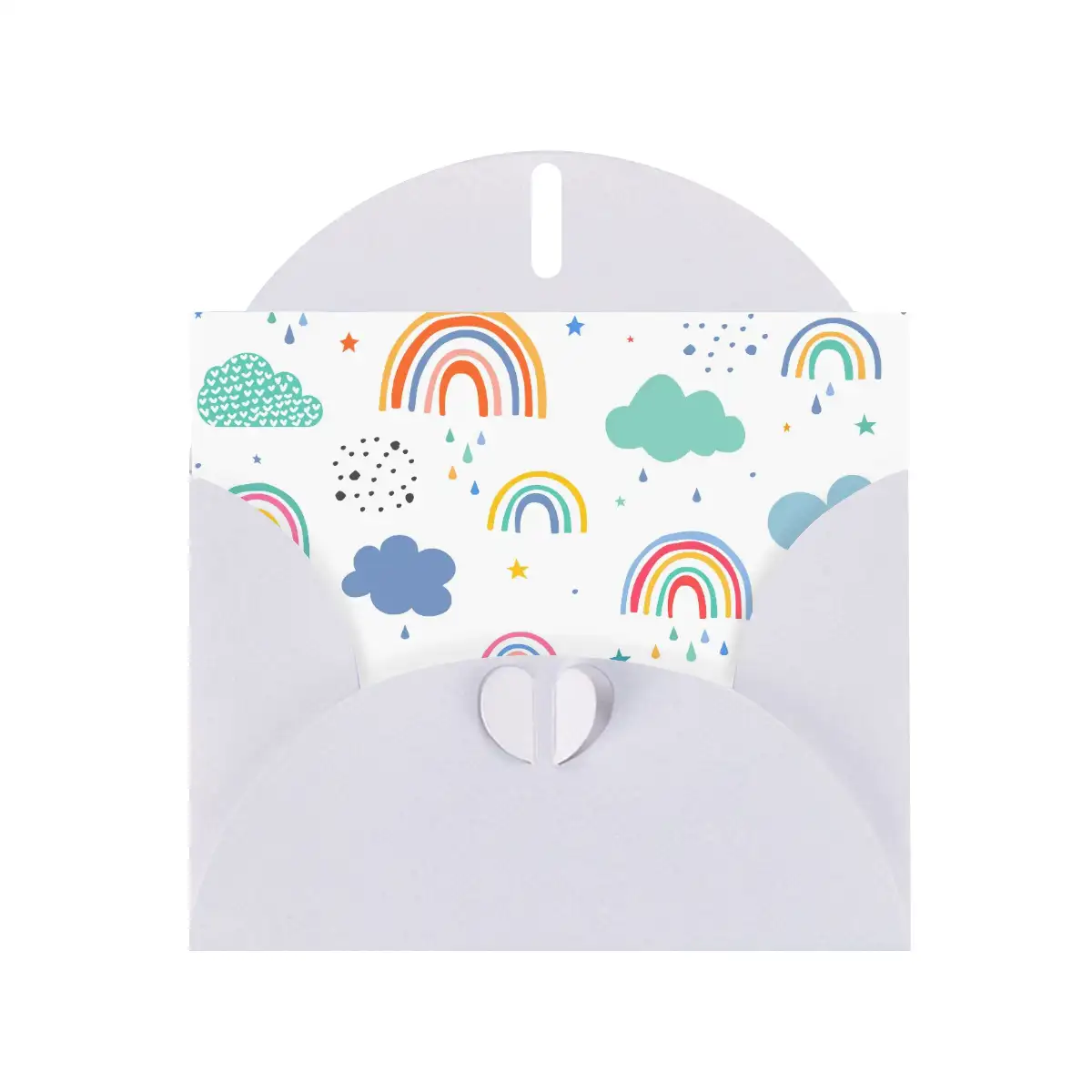
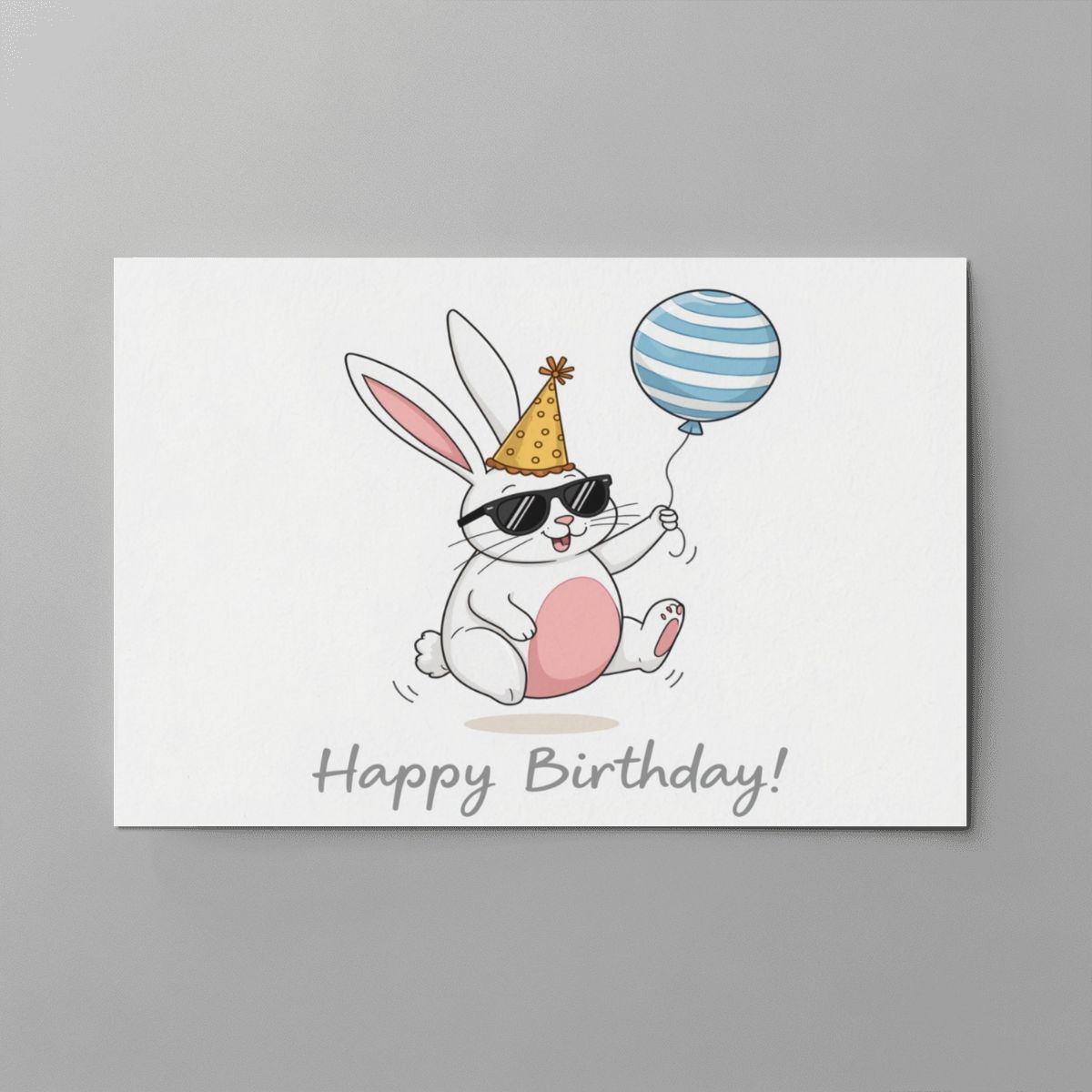
Print on Demand Horizontal Greeting Cards (Pearl Paper) - Home Decor - PrintKK
Analyze Past Sales Data
Review your own numbers if you have them. Look specifically at:
- Which holiday designs sold out fastest
- Which ones barely moved after the season
- Exact timing of order spikes and drops
If you're just starting, study real-world trends. Browse top seasonal listings on Etsy, check Pinterest holiday boards, or note what competitors promote heavily. This quick research reveals clear demand patterns and helps you avoid guessing.
Create a Seasonal Production Calendar
Work backward from delivery dates. Customers want Christmas cards by early December, so start designing in July, order prints in September or October. Valentine's needs to be ready by late January. Here's a simple timeline you can follow:
- July–August: Christmas and winter holiday designs
- September–October: Valentine's and spring themes
- November–December: Easter and Mother's Day prep
Small early batches let you test, then scale up the winners.
Forecast Inventory Needs
Guess smart, not big. Base quantities on last year's sales plus a 20–30% buffer for surprises.
Popular Christmas designs might need 100–200 copies; niche ones can start at 20–50.
With print-on-demand, you skip big storage worries. Just keep enough digital files ready and watch early orders closely.
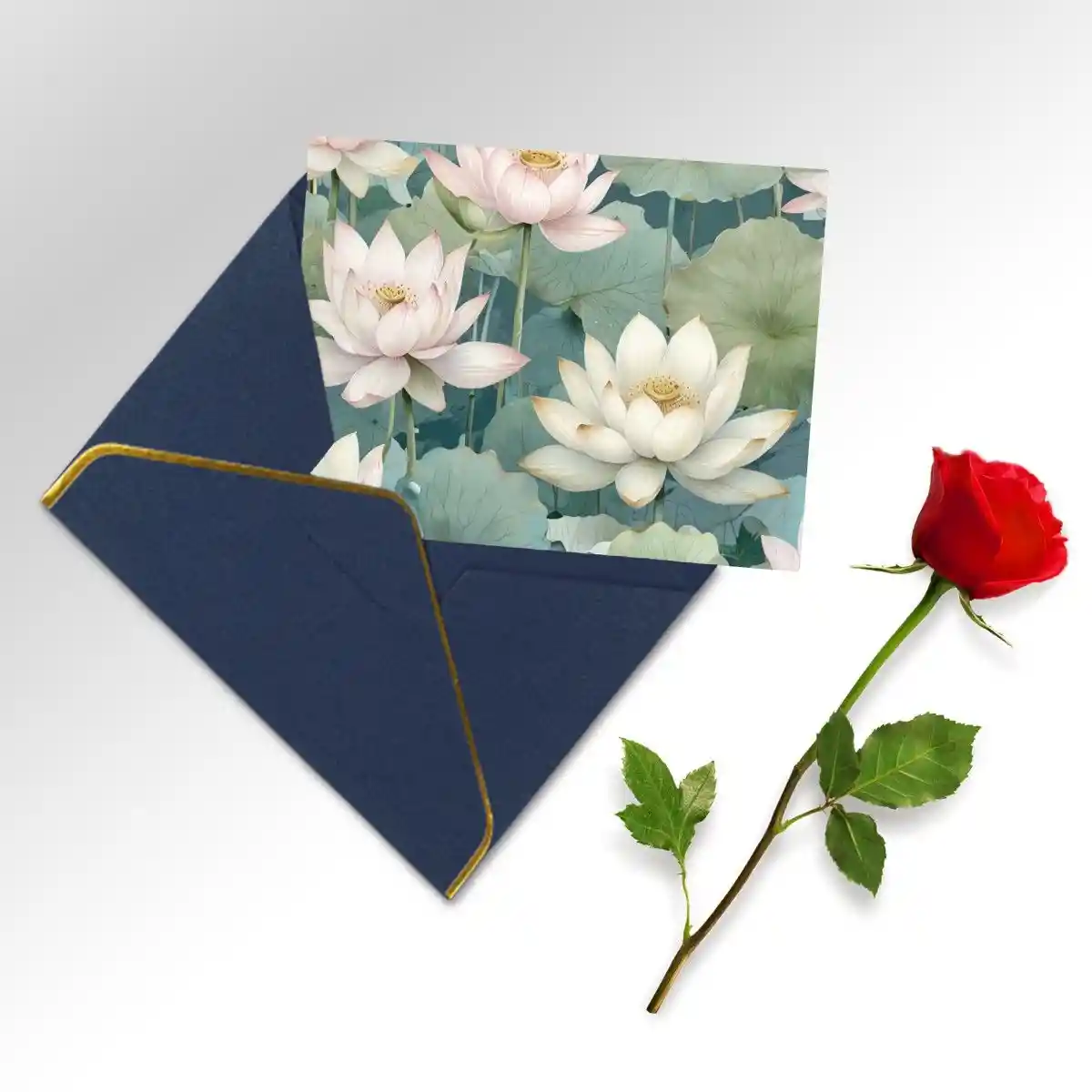
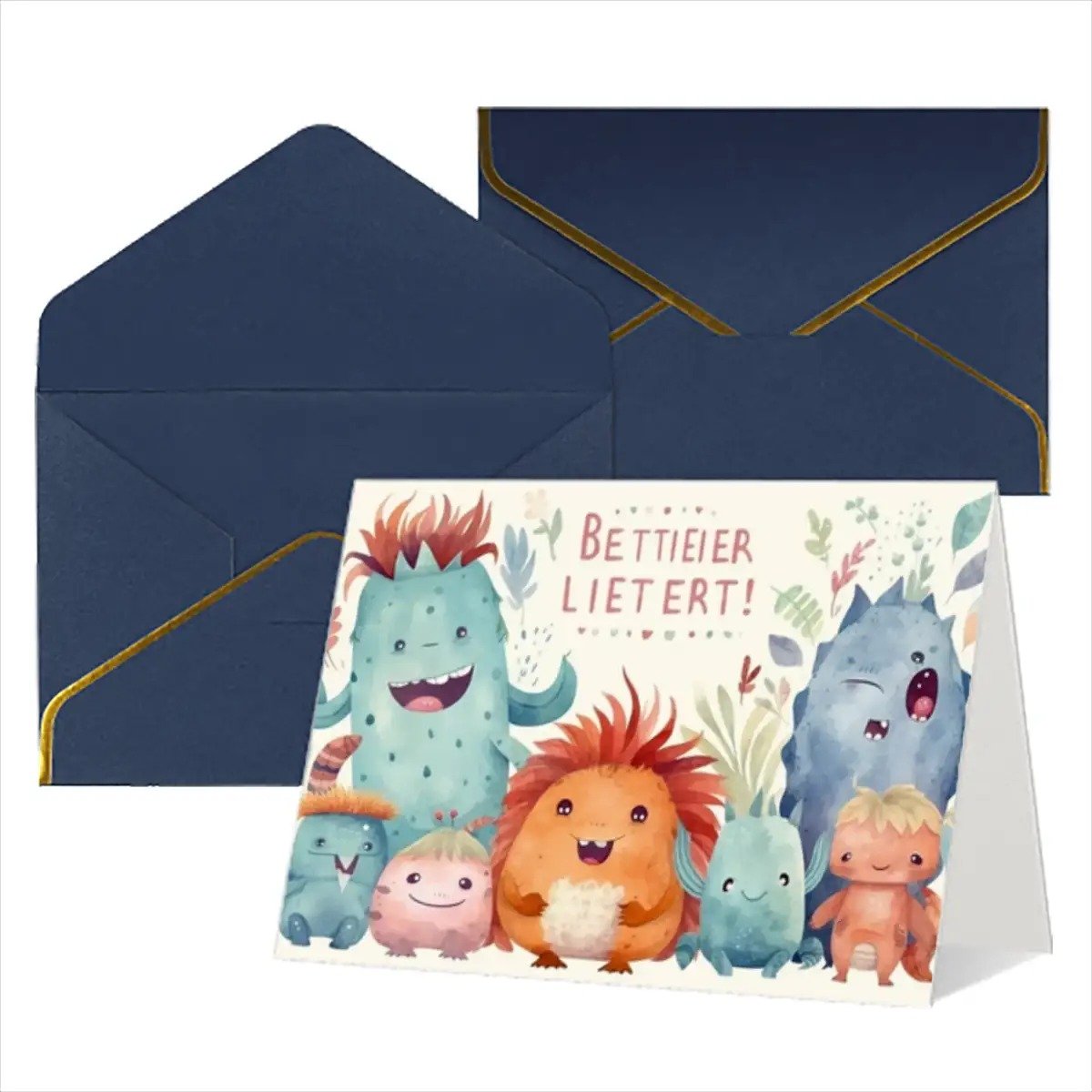
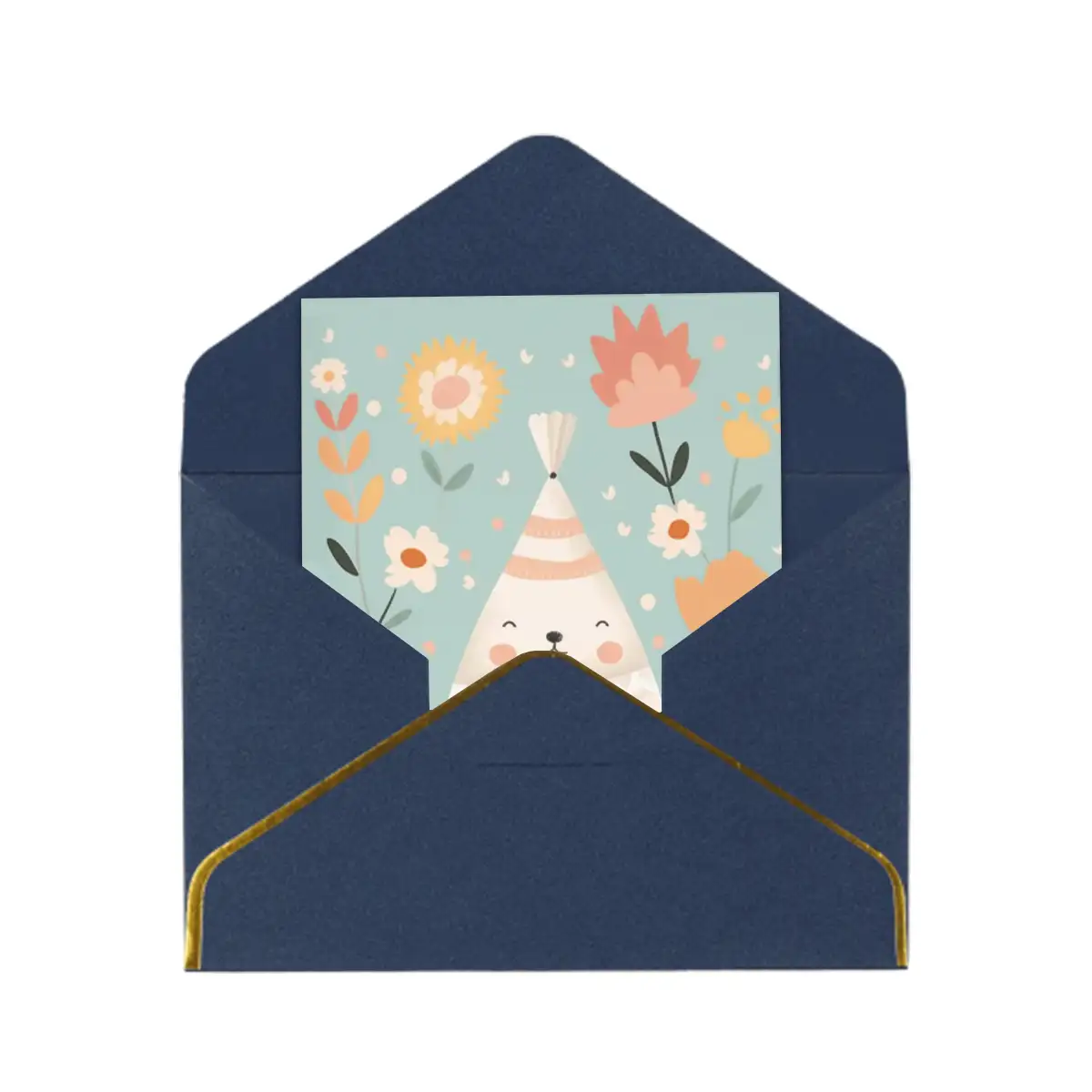
Print on Demand Golden Edge Greeting Cards (Horizontal) - Home Decor - PrintKK
Plan Design Variations
Freshness matters. Offer a few limited-edition Christmas styles or Valentine's humor that feels new. Match trends—think cozy winter vibes or bright spring florals.
Rotate a couple of old favorites each year so your shop never looks stale. Customers love seeing something special just for the season.
Coordinate with Suppliers and Printers
Talk to your printer early. Ask about their busiest times and lock in deadlines. Peak seasons get crowded fast. If you use print-on-demand, you get more flexibility to try new designs without risk.
Confirm paper quality and shipping times so nothing arrives late.
Review and Adjust After Each Season
When the rush ends, sit down and look at the numbers. Which designs sold out? Which ones barely moved? Did you run short on a hot item or end up with extras?
Write down what felt rushed or smooth. Those notes become your best tool for next year. Each season you plan gets sharper and more profitable.
Start an Online Greeting Card Business with PrintKK
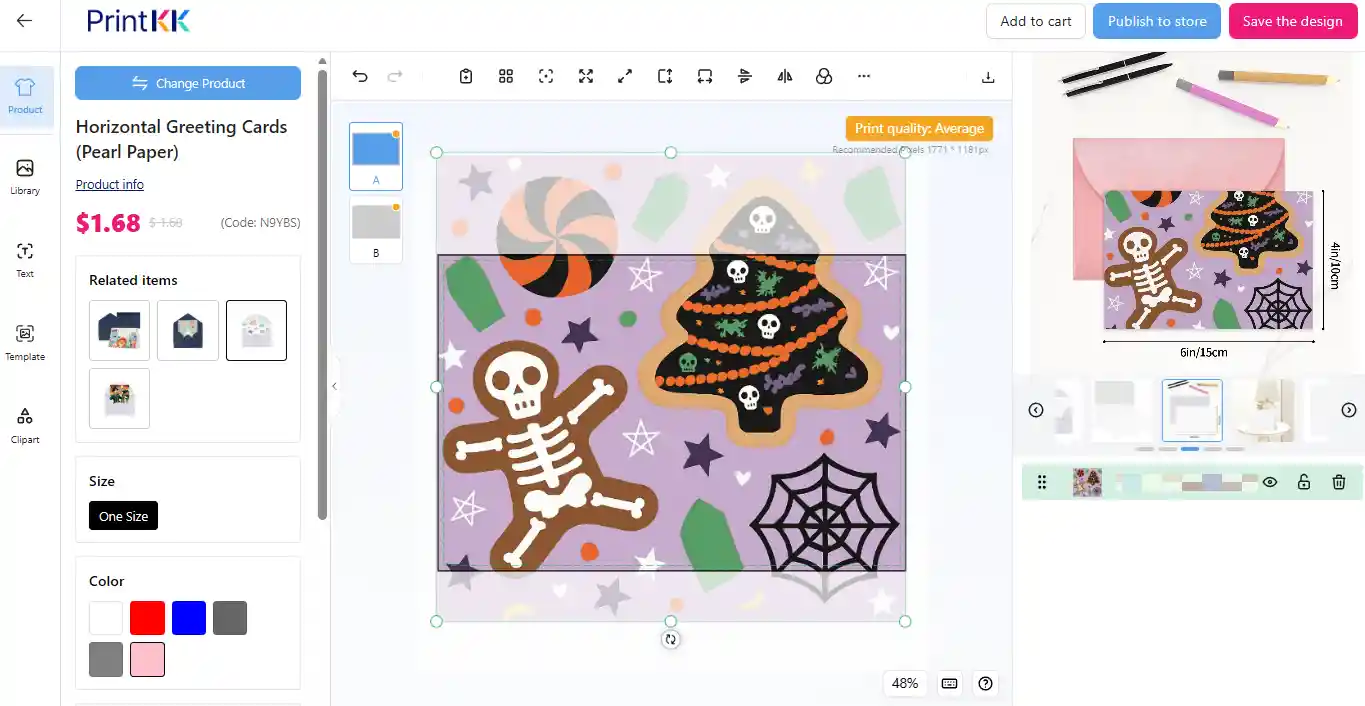
Using PrintKK is simple. You can design your greeting cards directly on their platform and place orders in just a few clicks.
Your products can then be easily integrated with popular e-commerce platforms like Etsy and Shopify, so selling online is straightforward even if you're new to online business.
PrintKK offers several advantages:
- Products shipped to the United States are tax-free
- Cards are high-quality and affordable
- Ideal for gifting or selling, giving you more profit space
You can also use PrintKK's AI Image tool to quickly enhance your designs. This means even beginners can create professional-looking cards without needing advanced skills.
With these tools, starting your online greeting card business is faster, easier, and more cost-effective than ever.
Read More:
Expert Tips
You now have a clear path forward. Design ideas that feel true to you. Pick the right tools and timing. Plan around the seasons that matter most. Starting a greeting card business in 2026 is still very doable.
People continue to value a real, thoughtful card. That small connection never goes out of style. Begin with just a few designs. Learn from each sale. Grow at your own pace.
The best part is the joy you create — for your customers and for yourself. You're ready. Go bring those cards to life.
FAQs
Is a greeting card business profitable?
Yes, it can be. Many small creators earn steady side income or full-time pay by keeping costs low with print-on-demand and focusing on designs people love. Profit grows with consistency.
Are greeting card sales declining?
No, sales stay steady. People still want real cards for special moments, even with texts and emails around. The market grows slowly each year.
What greeting cards sell the most?
Birthday cards lead the way, followed by holiday ones like Christmas and Valentine's. Funny, heartfelt, and personalized styles often do best with buyers.
Do you need a business license to sell greeting cards?
Requirements vary by location. In many areas, you need a basic business license if you sell online or in person. Check local regulations to ensure you are legally compliant.
Do I need to copyright my greeting cards?
Copyright isn't required to sell cards, but registering your designs protects your intellectual property. This can prevent others from copying your work and strengthens your legal rights.

 Global Shipping
 Free shipping