 <p class="MsoNormal"><span lang="EN-US" dir="ltr">Many people considering entering the e-commerce world in 2026 are asking a key question: How much money do I need to start dropshipping? </span><o:p></o:p></p><p class="MsoNormal"><span lang="EN-US" dir="ltr">From selecting products to setting up an online store, to advertising and processing orders, launching a successful dropshipping business requires considering numerous costs. </span><o:p></o:p></p><p class="MsoNormal"><span lang="EN-US" dir="ltr">In this article, we'll break down each aspect of startup capital to help you understand the barriers to entry and prepare for the launch.</span><o:p></o:p></p><h2 class="MsoNormal"><span lang="EN-US" dir="ltr">How Much Money Do I Need to Start Dropshipping in 2026?</span><o:p></o:p></h2><h3 class="MsoNormal"><span lang="EN-US" dir="ltr">1. The Minimum You Really Need</span><o:p></o:p></h3><p class="MsoNormal"><span lang="EN-US" dir="ltr">If you're just starting, you don't need a fortune. Some people start with as little as <strong>$100–$300</strong>. This is enough to set up a basic store, buy a domain, and test one or two products. </span><o:p></o:p></p><p class="MsoNormal"><span lang="EN-US" dir="ltr">The key is testing quickly without burning money.</span><o:p></o:p></p><p class="MsoNormal"><span lang="EN-US" dir="ltr">You can also use free resources to cut costs early on. For example, some platforms offer free trials, and </span><a href="https://www.canva.com/" target="_blank"><span lang="EN-US" dir="ltr"><strong>Canva</strong></span></a><span lang="EN-US" dir="ltr"> or Figma can help you create professional-looking graphics without paying a designer. </span><o:p></o:p></p><p class="MsoNormal"><span lang="EN-US" dir="ltr">By being creative and <strong>testing small</strong>, you get real experience without risking too much money upfront.</span><o:p></o:p></p><h3 class="MsoNormal"><span lang="EN-US" dir="ltr">2. Budget for Your Website</span><o:p></o:p></h3><p class="MsoNormal"><span lang="EN-US" dir="ltr">When thinking about </span><a href="https://www.printkk.com/blog/articles/how-much-does-it-cost-to-start-dropshipping" target="_blank"><span lang="EN-US" dir="ltr"><strong>how much to start dropshipping</strong></span></a><span lang="EN-US" dir="ltr">, your website setup is one of the first essential expenses. </span></p><p class="MsoNormal"><span lang="EN-US" dir="ltr">Even a simple dropshipping store needs a clean, professional setup, and the costs can be broken down clearly:</span><o:p></o:p><o:p></o:p></p><ul><li style="margin-top:0cm;" type="disc"><span lang="EN-US" dir="ltr"><strong>Domain Name</strong></span><o:p></o:p></li></ul><p class="MsoNormal"><span lang="EN-US" dir="ltr">Your store's web address usually costs <strong>$10–$15 per year</strong>. Choose a short, memorable name that reflects your niche. Domains from Shopify, Namecheap, or GoDaddy all work fine.</span><o:p></o:p></p><ul><li style="margin-top:0cm;" type="disc"><span lang="EN-US" dir="ltr"><strong>Hosting / Shopify Plan</strong></span><o:p></o:p></li></ul><p class="MsoNormal"><a href="https://www.shopify.com/pricing" target="_blank"><span lang="EN-US" dir="ltr">Shopify's basic plan</span></a><span lang="EN-US" dir="ltr"> starts at <strong>$29 per month</strong> and includes hosting, SSL, and essential tools. Other platforms like WooCommerce require separate hosting, which can cost <strong>$5–$15 per month</strong>, plus setup.</span><o:p></o:p></p><figure class="image"><img src="https://images.printkk.com/imgs/blog/20260106/71efaa0c731a43cfbfb3c03f855ae2bf.webp" alt="How Much Money Do I Need to Start Dropshipping in 2026: The Real Costs"></figure><ul><li style="margin-top:0cm;" type="disc"><span lang="EN-US" dir="ltr"><strong>Themes</strong></span><o:p></o:p></li></ul><p class="MsoNormal"><span lang="EN-US" dir="ltr">Free themes can work, but a premium theme with better layout, navigation, and built-in features usually costs <strong>$100–$180 one-time</strong>. This avoids spending hours on customizations and ensures your store runs smoothly on mobile.</span><o:p></o:p></p><ul><li style="margin-top:0cm;" type="disc"><span lang="EN-US" dir="ltr"><strong>Apps and Plugins</strong></span><o:p></o:p></li></ul><p class="MsoNormal"><span lang="EN-US" dir="ltr">To handle things like abandoned cart recovery, product reviews, or automated shipping tracking, budget <strong>$10–$50 per month</strong> for essential apps. Only choose apps that directly improve sales or workflow.</span><o:p></o:p></p><p class="MsoNormal"><span lang="EN-US" dir="ltr">Overall, you're looking at <strong>roughly $50–$70 monthly</strong> if you use Shopify with minimal paid apps, or slightly less if you go with WooCommerce and free tools. Planning this upfront helps you avoid hidden costs later and ensures your store is fully functional from day one.</span><o:p></o:p></p><h3 class="MsoNormal"><span lang="EN-US" dir="ltr">3. Product Testing Fund</span><o:p></o:p></h3><p class="MsoNormal"><span lang="EN-US" dir="ltr">Finding a winning product requires practical testing. This is especially important whether you're running a Shopify store or trying </span><a href="https://www.printkk.com/blog/articles/amazon-fba-vs-dropshipping" target="_blank"><span lang="EN-US" dir="ltr"><strong>amazon dropshipping</strong></span></a><span lang="EN-US" dir="ltr">, where competition can be higher and product validation matters even more.</span><o:p></o:p><o:p></o:p></p><ul><li style="margin-top:0cm;" type="disc"><span lang="EN-US" dir="ltr"><strong>Samples & Orders: $5–$20 per item</strong></span><o:p></o:p></li></ul><p class="MsoNormal"><span lang="EN-US" dir="ltr">Order products yourself to check quality, shipping speed, and presentation. This also helps you make your own marketing photos or videos, which usually convert better than supplier images.</span><o:p></o:p></p><ul><li style="margin-top:0cm;" type="disc"><span lang="EN-US" dir="ltr"><strong>Initial Ads: $50–$100 per product</strong></span><o:p></o:p></li></ul><p class="MsoNormal"><span lang="EN-US" dir="ltr">Run small campaigns targeting your ideal audience. Monitor performance and adjust targeting before increasing spend. This step ensures you only invest heavily in products that show potential.</span><o:p></o:p></p><ul><li style="margin-top:0cm;" type="disc"><span lang="EN-US" dir="ltr"><strong>Shipping & Minor Fees: $5–$15 per product</strong></span><o:p></o:p></li></ul><p class="MsoNormal"><span lang="EN-US" dir="ltr">Some suppliers charge shipping or minimum order fees. Factor these costs into your testing budget so nothing catches you off guard.</span><o:p></o:p></p><p class="MsoNormal"><span lang="EN-US" dir="ltr">Overall, allocating <strong>$200–$400</strong> lets you test 3–4 products safely and identify your best-selling item without risking the whole store.</span><o:p></o:p></p><figure class="image"><img src="https://images.printkk.com/imgs/blog/20260106/dba09cd3905b4dd9b0c6cb53b9f28d95.webp" alt="How Much Money Do I Need to Start Dropshipping in 2026: The Real Costs"></figure><h3 class="MsoNormal"><span lang="EN-US" dir="ltr">4. Advertising and marketing costs</span><o:p></o:p></h3><p class="MsoNormal"><span lang="EN-US" dir="ltr">Ads are essential to finding customers, but you don't need to overspend in the early stage. The goal is to test efficiently and scale only what works.</span><o:p></o:p></p><p class="MsoNormal"><span lang="EN-US" dir="ltr"><strong>Daily budget: $5–$10 per product</strong></span> <br><span lang="EN-US" dir="ltr">This is enough to test audiences and creatives without burning your budget. Starting small allows you to learn what works before increasing spend.</span><o:p></o:p></p><p class="MsoNormal"><span lang="EN-US" dir="ltr"><strong>Testing variations: 2–3 creatives per product</strong></span> <br><span lang="EN-US" dir="ltr">Use different images, videos, or ad copy and track basic metrics like CTR and early conversions. Small changes can have a big impact.</span><o:p></o:p></p><p class="MsoNormal"><span lang="EN-US" dir="ltr"><strong>Weekly total: $50–$100 per product</strong></span> <br><span lang="EN-US" dir="ltr">This gives you enough data to decide whether a product is worth scaling or stopping.</span><o:p></o:p></p><p class="MsoNormal"><span lang="EN-US" dir="ltr">Most beginners start with <strong>Facebook or Instagram ads</strong>, as they work well for product discovery.</span><o:p></o:p></p><ul><li style="margin-top:0cm;" type="disc"><span lang="EN-US" dir="ltr"><strong>Facebook/Instagram ads:</strong> $5–$20 per day while testing ($150–$600 per month).</span><o:p></o:p></li><li style="margin-top:0cm;" type="disc"><span lang="EN-US" dir="ltr"><strong>Google Ads:</strong> Optional for search traffic, with a similar $5–$20 per day testing range.</span><o:p></o:p></li><li style="margin-top:0cm;" type="disc"><span lang="EN-US" dir="ltr"><strong>Email marketing:</strong> Free at first, with paid plans starting around $20–$50 per month as you grow.</span><o:p></o:p></li><li style="margin-top:0cm;" type="disc"><span lang="EN-US" dir="ltr"><strong>Content creation:</strong> Outsourcing images or videos can cost $50–$200+ per asset.</span><o:p></o:p></li></ul><p class="MsoNormal"><span lang="EN-US" dir="ltr">For a basic start, plan to spend around $300–$600 per month on advertising and marketing.</span><o:p></o:p></p><h3 class="MsoNormal"><span lang="EN-US" dir="ltr">5. Returns, Refunds & Admin Costs</span><o:p></o:p></h3><p class="MsoNormal"><span lang="EN-US" dir="ltr">Even if you do everything right, some orders will come back. A customer might change their mind or say the item arrived damaged.</span><o:p></o:p></p><p class="MsoNormal"><span lang="EN-US" dir="ltr">In many cases, you'll </span><a href="https://www.printkk.com/blog/articles/how-to-handle-print-on-demand-returns" target="_blank"><span lang="EN-US" dir="ltr"><strong>issue a refund</strong></span></a><span lang="EN-US" dir="ltr">, but your supplier may not give you your money back. That means you're out the cost of the product and shipping, depending on what you sell. </span><o:p></o:p></p><ul><li style="margin-top:0cm;" type="disc"><span lang="EN-US" dir="ltr"><strong>Refund losses</strong>: If a customer wants a refund but doesn't return the product, you still eat the cost. Budget <strong>5–10% of your revenue</strong> for this.</span><o:p></o:p></li><li style="margin-top:0cm;" type="disc"><span lang="EN-US" dir="ltr"><strong>Customer service</strong>: You might handle this yourself at first, but hiring a VA later costs about <strong>$4–$8/hour</strong>.</span><o:p></o:p></li><li style="margin-top:0cm;" type="disc"><span lang="EN-US" dir="ltr"><strong>Bank fees</strong>: Payment processors like PayPal or Stripe charge around <strong>2.9% + 30¢ per transaction</strong>.</span><o:p></o:p></li><li style="margin-top:0cm;" type="disc"><span lang="EN-US" dir="ltr"><strong>Misc admin tools</strong>: Think spreadsheets, project tools, or file storage. Often free, but sometimes <strong>$10–$20/month</strong>.</span><o:p></o:p></li></ul><p class="MsoNormal"><span lang="EN-US" dir="ltr">Set aside around <strong>$50–$150/month</strong> to cover these day-to-day costs.</span><o:p></o:p></p><h3 class="MsoNormal"><span lang="EN-US" dir="ltr">6. Legal, Tax & Compliance</span><o:p></o:p></h3><p class="MsoNormal"><span lang="EN-US" dir="ltr">Even a small online store has rules to follow. This becomes even more important if you're working with international partners, such as sourcing from </span><a href="https://www.printkk.com/blog/articles/print-on-demand-uk" target="_blank"><span lang="EN-US" dir="ltr"><strong>UK based dropshipping suppliers</strong></span></a><span lang="EN-US" dir="ltr"> or other overseas vendors.</span><o:p></o:p></p><p class="MsoNormal"><span lang="EN-US" dir="ltr">Setting up your business structure also matters if you're hiring freelancers or virtual assistants for </span><a href="https://www.printkk.com/blog/articles/how-does-shopify-dropshipping-work" target="_blank"><span lang="EN-US" dir="ltr">dropshipping jobs</span></a><span lang="EN-US" dir="ltr"> such as order processing, product uploads, or customer service. </span><o:p></o:p><o:p></o:p></p><p class="MsoNormal"><span lang="EN-US" dir="ltr">Proper contracts and payment systems will help keep everything compliant. Here's what you might need to pay for:</span><o:p></o:p></p><ul><li style="margin-top:0cm;" type="disc"><span lang="EN-US" dir="ltr"><strong>Business registration</strong>: Registering an LLC might cost <strong>$50–$500</strong> depending on your state or country.</span><o:p></o:p></li><li style="margin-top:0cm;" type="disc"><span lang="EN-US" dir="ltr"><strong>Sales tax setup</strong>: You might need tax automation software like TaxJar, starting at <strong>$19/month</strong>.</span><o:p></o:p></li><li style="margin-top:0cm;" type="disc"><span lang="EN-US" dir="ltr"><strong>Privacy policy & terms</strong>: You can use free templates, but legal-reviewed policies cost around <strong>$50–$200</strong>.</span><o:p></o:p></li><li style="margin-top:0cm;" type="disc"><span lang="EN-US" dir="ltr"><strong>Accounting</strong>: Hiring a bookkeeper or using software like QuickBooks can cost <strong>$20–$50/month</strong>.</span><o:p></o:p></li><li style="margin-top:0cm;" type="disc"><span lang="EN-US" dir="ltr"><strong>Trademarks</strong>: Optional, but registering a trademark for your brand can cost <strong>$250–$350+</strong> in the U.S.</span><o:p></o:p></li></ul><p class="MsoNormal"><span lang="EN-US" dir="ltr">While not all of these are required from day one, having <strong>$100 to $300 </strong>ready for legal and compliance needs will help you stay protected.</span><o:p></o:p></p><h3 class="MsoNormal"><span lang="EN-US" dir="ltr">7. Extra Cash for Unexpected Expenses</span><o:p></o:p></h3><p class="MsoNormal"><span lang="EN-US" dir="ltr">Dropshipping always comes with surprises. A small reserve keeps your store running smoothly:</span><o:p></o:p></p><ul><li style="margin-top:0cm;" type="disc"><span lang="EN-US" dir="ltr"><strong>Supplier Changes & Returns: $50–$100</strong></span><o:p></o:p></li></ul><p class="MsoNormal"><span lang="EN-US" dir="ltr">Prices may increase or customers might request refunds. Having a buffer allows you to fulfill orders without interrupting your campaigns.</span><o:p></o:p></p><ul><li style="margin-top:0cm;" type="disc"><span lang="EN-US" dir="ltr"><strong>App Upgrades & Tools: $10–$30</strong></span><o:p></o:p></li></ul><p class="MsoNormal"><span lang="EN-US" dir="ltr">As you grow, some apps might require paid upgrades. Budgeting ahead ensures you can continue using essential tools like abandoned cart recovery or review apps.</span><o:p></o:p></p><ul><li style="margin-top:0cm;" type="disc"><span lang="EN-US" dir="ltr"><strong>Ad Account Issues: $20–$50</strong></span><o:p></o:p></li></ul><p class="MsoNormal"><span lang="EN-US" dir="ltr">Accounts can get flagged or temporarily restricted. Having a reserve allows you to run alternate campaigns while fixing problems.</span><o:p></o:p></p><p class="MsoNormal"><span lang="EN-US" dir="ltr">A <strong>$100–$200 buffer</strong> gives peace of mind and prevents minor issues from derailing your store's early momentum.</span><o:p></o:p></p><p><iframe class="w-full aspect-video" src="https://www.youtube.com/embed/WdsduzbhcDQ?si=bbqr8BhGXEAocNnN" frameborder="0" allowfullscreen=""></iframe></p><h2 class="MsoNormal"><span lang="EN-US" dir="ltr">What Is the Minimum and Maximum Budget to Start Dropshipping?</span><o:p></o:p></h2><h3 class="MsoNormal"><span lang="EN-US" dir="ltr">Minimum Budget: Starting Small and Simple</span><o:p></o:p></h3><p class="MsoNormal"><span lang="EN-US" dir="ltr">If you already understand </span><a href="https://www.printkk.com/blog/articles/dropshipping-for-dummies" target="_blank"><span lang="EN-US" dir="ltr"><strong>how to start dropshipping</strong></span></a><span lang="EN-US" dir="ltr"> and want to scale faster, a larger budget can give your store a stronger foundation. This means more testing, better branding, and less stress. </span><o:p></o:p><o:p></o:p></p><p class="MsoNormal"><span lang="EN-US" dir="ltr">Here's a look at the basics you'll need:</span><o:p></o:p></p><ul><li style="margin-top:0cm;" type="disc"><span lang="EN-US" dir="ltr"><strong>E-commerce platform (Shopify Basic)</strong>: $39/month</span><o:p></o:p></li><li style="margin-top:0cm;" type="disc"><span lang="EN-US" dir="ltr"><strong>Domain name</strong>: $10–$15/year</span><o:p></o:p></li><li style="margin-top:0cm;" type="disc"><span lang="EN-US" dir="ltr"><strong>Free theme</strong>: $0</span><o:p></o:p></li><li style="margin-top:0cm;" type="disc"><span lang="EN-US" dir="ltr"><strong>Product testing fund</strong>: $100–$200</span><o:p></o:p></li><li style="margin-top:0cm;" type="disc"><span lang="EN-US" dir="ltr"><strong>Basic marketing (ads or influencers)</strong>: $100–$300</span><o:p></o:p></li><li style="margin-top:0cm;" type="disc"><span lang="EN-US" dir="ltr"><strong>Optional apps/tools</strong>: Free or up to $20/month</span><o:p></o:p></li></ul><p class="MsoNormal"><span lang="EN-US" dir="ltr">If you skip anything extra and stick to the basics, you could get started with around <strong>$500 to $800 total</strong>. That includes your first month of setup, small ads, and a bit of buffer for product costs.</span><o:p></o:p></p><p class="MsoNormal"><span lang="EN-US" dir="ltr">It's not fancy, and you'll have to do more manual work, but it's enough to get your store live and test your first product.</span><o:p></o:p></p><h3 class="MsoNormal"><span lang="EN-US" dir="ltr">Maximum Budget: Starting Strong and Scalable</span><o:p></o:p></h3><p class="MsoNormal"><span lang="EN-US" dir="ltr">If you have a bigger budget, you can give your store a better start. This means more testing, better branding, and less stress.</span><o:p></o:p></p><p class="MsoNormal"><span lang="EN-US" dir="ltr">Here's what that might include:</span><o:p></o:p></p><ul><li style="margin-top:0cm;" type="disc"><span lang="EN-US" dir="ltr"><strong>E-commerce platform </strong>(Shopify Advanced or Plus): $39–$399/month</span><o:p></o:p></li><li style="margin-top:0cm;" type="disc"><span lang="EN-US" dir="ltr"><strong>Domain name</strong>: $10–$15/year</span><o:p></o:p></li><li style="margin-top:0cm;" type="disc"><span lang="EN-US" dir="ltr"><strong>Premium theme or custom design</strong>: $150–$300</span><o:p></o:p></li><li style="margin-top:0cm;" type="disc"><span lang="EN-US" dir="ltr"><strong>Apps and automation tools</strong>: $30–$100/month</span><o:p></o:p></li><li style="margin-top:0cm;" type="disc"><span lang="EN-US" dir="ltr"><strong>Product testing and inventory buffer</strong>: $300–$500</span><o:p></o:p></li><li style="margin-top:0cm;" type="disc"><span lang="EN-US" dir="ltr"><strong>Professional content </strong>(photos/videos): $100–$300</span><o:p></o:p></li><li style="margin-top:0cm;" type="disc"><span lang="EN-US" dir="ltr"><strong>Marketing</strong> (ads, influencers, email tools): $500–$1,000/month</span><o:p></o:p></li><li style="margin-top:0cm;" type="disc"><span lang="EN-US" dir="ltr"><strong>Admin, returns, and fees</strong>: $100/month</span><o:p></o:p></li><li style="margin-top:0cm;" type="disc"><span lang="EN-US" dir="ltr"><strong>Legal setup </strong>(LLC, privacy policy, tax tools): $200–$500 one-time</span><o:p></o:p></li></ul><p class="MsoNormal"><span lang="EN-US" dir="ltr">When investing in your first few products, focus on finding the </span><a href="https://www.printkk.com/blog/articles/trending-products-for-dropshipping" target="_blank"><span lang="EN-US" dir="ltr">best dropshipping items</span></a><span lang="EN-US" dir="ltr">—those with strong demand, low return rates, and visual appeal that works well for ads. Doing solid product research early can make your ad spend far more efficient.</span><o:p></o:p></p><p class="MsoNormal"><span lang="EN-US" dir="ltr">With this setup, your budget might land between <strong>$2,000 and $3,500</strong>. This gives you more space to test multiple products, run proper ad campaigns, and build a solid brand from the beginning.</span><o:p></o:p></p><p class="MsoNormal"><span lang="EN-US" dir="ltr"><strong>It's not required to spend this much</strong>, but if you want to grow faster and make fewer compromises, a larger budget can help.</span><o:p></o:p></p><p class="MsoNormal"><i><span lang="EN-US" dir="ltr"><strong>Read More:</strong></span></i><o:p></o:p></p><ul><li style="margin-top:0cm;" type="disc"><a href="https://www.printkk.com/blog/articles/how-much-money-can-you-make-from-dropshipping" target="_blank"><span lang="EN-US" dir="ltr">How Much Money Can You Make from Dropshipping?</span></a><o:p></o:p></li></ul><figure class="image"><img src="https://images.printkk.com/imgs/blog/20260106/53314339cfc54954a1260a42bce18320.webp" alt="How Much Money Do I Need to Start Dropshipping in 2026: The Real Costs"></figure><h2 class="MsoNormal"><span lang="EN-US" dir="ltr">Does a Bigger Budget Lead to Better Dropshipping Results?</span><o:p></o:p></h2><p class="MsoNormal"><span lang="EN-US" dir="ltr">Starting with <strong>a bigger budget can make things easier</strong>. Around $1,000 gives you enough to launch 3–4 products properly. It also creates a buffer for testing, ads, and product costs. </span><o:p></o:p></p><p class="MsoNormal"><span lang="EN-US" dir="ltr">This wiggle room lets your business survive the early phase until it can pay for itself.</span><o:p></o:p></p><p class="MsoNormal"><span lang="EN-US" dir="ltr">Money isn't everything, though. You still <strong>need to spend time learning the right strategies</strong>, analyzing your audience, and refining your product pages. Even a small start can work if you apply knowledge wisely.</span><o:p></o:p></p><p class="MsoNormal"><span lang="EN-US" dir="ltr">Think of it this way: you invest what you're willing to gain. Start with what you have, use the free or trial tools, and grow gradually. </span><o:p></o:p></p><p class="MsoNormal"><span lang="EN-US" dir="ltr">The more value and thought you put in, the better your momentum will be. Dropshipping success comes from a balance of budget, effort, and smart learning.</span><o:p></o:p></p><h2 class="MsoNormal"><span lang="EN-US" dir="ltr">How to Price Your Product and Stay Profitable?</span><o:p></o:p></h2><h3 class="MsoNormal"><span lang="EN-US" dir="ltr">Cost-Plus Pricing</span><o:p></o:p></h3><p class="MsoNormal"><span lang="EN-US" dir="ltr">This is where most people start. You <strong>take what the product costs you</strong>, then add a little on top. But if your item costs $8 and you sell it for $19.99, you're not running a business—you're taking a gamble. </span><o:p></o:p></p><p class="MsoNormal"><span lang="EN-US" dir="ltr">A safe rule? Aim for at least $20 profit per sale, not just double or triple the cost. That way, you've got room to cover ads, fees, and still make something at the end.</span><o:p></o:p></p><h3 class="MsoNormal"><span lang="EN-US" dir="ltr">Competitor-Based Pricing</span><o:p></o:p></h3><p class="MsoNormal"><span lang="EN-US" dir="ltr">Look at what others are charging for similar products. Are they pricing high and using bundles? Are they offering fast shipping? Based on that, you can price lower, higher, or the same—depending on your strategy. </span><o:p></o:p></p><p class="MsoNormal"><span lang="EN-US" dir="ltr">But remember, just because your competitor charges $50 doesn't mean you should too. Test the waters and don't be afraid to move around.</span><o:p></o:p></p><h3 class="MsoNormal"><span lang="EN-US" dir="ltr">Perceived Value Pricing</span><o:p></o:p></h3><p class="MsoNormal"><span lang="EN-US" dir="ltr">People don't always buy based on cost—they buy based on what they think something is worth. A $7 product can sell for $34.99 if you <strong>make it feel premium</strong>.</span><o:p></o:p></p><p class="MsoNormal"><span lang="EN-US" dir="ltr">The </span><a href="https://www.printkk.com/blog/articles/dropshipping-items-christmas" target="_blank"><span lang="EN-US" dir="ltr">best products for dropshipping</span></a><span lang="EN-US" dir="ltr"> often combine affordability with strong perceived value—items that solve a problem or look great in social media ads. When you combine this with good storytelling and branding, even simple dropshipping items can sell like premium goods.</span><o:p></o:p></p><p class="MsoNormal"><span lang="EN-US" dir="ltr">Take a Insulated Tumbler with Handle. It might only cost a few bucks, but if it's big enough to fit a full bottled drink inside—plastic and all—and keep it cold for hours, that's a selling point.</span><o:p></o:p></p><p class="MsoNormal"><span lang="EN-US" dir="ltr">Solid landing pages, great images, real reviews, and even simple bonuses (like a free guide or <strong>bundle deal</strong>) all boost how valuable it feels to the buyer.</span><o:p></o:p></p><p class="MsoNormal"><span lang="EN-US" dir="ltr">It's not just what the product is—it's <strong>how you frame it</strong>.</span><o:p></o:p></p><figure class="image"><img src="https://images.printkk.com/imgs/blog/20260106/fa320b986007471284535220a23abe35.webp" alt="How Much Money Do I Need to Start Dropshipping in 2026: The Real Costs"></figure><p class="MsoNormal" style="text-align:center;"><a href="https://www.printkk.com/product/info/stanley-cup-with-handle-and-straw" target="_blank"><span lang="EN-US" dir="ltr">Print on Demand Travel Coffee Mug with Handle and Straw (40oz) - Drinkware - PrintKK</span></a><o:p></o:p></p><h2 class="MsoNormal"><span lang="EN-US" dir="ltr">Scale or Stop? How to Decide the Fate of Your Business</span><o:p></o:p></h2><p class="MsoNormal"><span lang="EN-US" dir="ltr">Starting a dropshipping business means constantly asking yourself tough questions. One of the hardest is deciding whether to keep going with a product or stop.</span><o:p></o:p></p><p class="MsoNormal"><span lang="EN-US" dir="ltr">Knowing when to scale is important. <strong>Expanding too early can waste money</strong> and stress you out. You might hire help or invest in ads before the market is ready. </span><o:p></o:p></p><p class="MsoNormal"><span lang="EN-US" dir="ltr">But scaling too late can let competitors grab your chance. Timing matters. Your decision can shape your growth.</span><o:p></o:p></p><p class="MsoNormal"><span lang="EN-US" dir="ltr">Stopping is just as strategic. If a product isn't selling, continuing costs time, money, and energy. </span><o:p></o:p></p><p class="MsoNormal"><span lang="EN-US" dir="ltr">But stopping too soon might mean missing out on something that could work. Learning to recognize when to walk away is part of smart entrepreneurship.</span><o:p></o:p></p><p class="MsoNormal"><span lang="EN-US" dir="ltr"><strong>Decision framework with KPIs:</strong></span><o:p></o:p></p><ul><li style="margin-top:0cm;" type="disc"><span lang="EN-US" dir="ltr"><strong>Watch sales trends</strong>: If daily sales are increasing over two weeks, it might be ready to scale. If sales drop below 1–2 per day consistently, rethink.</span><o:p></o:p></li><li style="margin-top:0cm;" type="disc"><span lang="EN-US" dir="ltr"><strong>Measure</strong> <strong>conversion rates</strong>: A 1–2% conversion on your product page is average. Below 0.5%? You may need to stop or improve.</span><o:p></o:p></li><li style="margin-top:0cm;" type="disc"><span lang="EN-US" dir="ltr"><strong>Track ad performance</strong>: Your <strong>cost per acquisition (CPA)</strong> should be less than 50–70% of your product price. Higher CPA eats profits.</span><o:p></o:p></li><li style="margin-top:0cm;" type="disc"><span lang="EN-US" dir="ltr"><strong>Evaluate customer engagement</strong>: Check email click-through rates, reviews, and social comments. Low engagement indicates weak demand.</span><o:p></o:p></li><li style="margin-top:0cm;" type="disc"><span lang="EN-US" dir="ltr"><strong>Combine intuition with experience</strong>. Numbers guide you, but your judgment matters too.</span><o:p></o:p></li></ul><p class="MsoNormal"><span lang="EN-US" dir="ltr">Psychological traps often get in the way. Avoid the sunk cost fallacy—don't keep spending just because you already invested. </span><o:p></o:p></p><p class="MsoNormal"><span lang="EN-US" dir="ltr">Scaling or stopping is not a failure. It's a choice. By observing KPIs, analyzing data, and trusting your judgment, you learn when to push forward or pause. </span><o:p></o:p></p><figure class="image"><img src="https://images.printkk.com/imgs/blog/20260106/1a77d862c5bf4fe28fc3707fd5205123.webp" alt="How Much Money Do I Need to Start Dropshipping in 2026: The Real Costs"></figure><h2 class="MsoNormal"><span lang="EN-US" dir="ltr">Avoid Cash Flow Risks: Tips to Keep Business Running Smoothly</span><o:p></o:p></h2><h3 class="MsoNormal"><span lang="EN-US" dir="ltr">1. Why Cash Flow Matters</span><o:p></o:p></h3><p class="MsoNormal"><span lang="EN-US" dir="ltr"><strong>Cash flow is the lifeline of your store</strong>. Without it, even a profitable product can get stuck. </span><o:p></o:p></p><p class="MsoNormal"><span lang="EN-US" dir="ltr">You need enough money moving in and out to pay suppliers, cover tools, and keep ads running. Think of it as fuel for your engine. No fuel, no drive.</span><o:p></o:p></p><h3 class="MsoNormal"><span lang="EN-US" dir="ltr">2. Where Problems Usually Come From</span><o:p></o:p></h3><p class="MsoNormal"><span lang="EN-US" dir="ltr">The risks are not always obvious. Payment processors like <strong>PayPal</strong> or <strong>Stripe</strong> may <strong>hold your funds for weeks</strong>. Sudden spikes in orders can drain your balance before payouts arrive. </span><o:p></o:p></p><p class="MsoNormal"><span lang="EN-US" dir="ltr">Suppliers might ask for<strong> upfront payments</strong>. And don't forget hidden costs—refunds, transaction fees, or shipping errors.</span><o:p></o:p></p><h3 class="MsoNormal"><span lang="EN-US" dir="ltr">3. Simple Ways to Reduce Risk</span><o:p></o:p></h3><p class="MsoNormal"><span lang="EN-US" dir="ltr">A few habits can protect you:</span><o:p></o:p></p><ul><li style="margin-top:0cm;" type="disc"><span lang="EN-US" dir="ltr"><strong>Keep a cash buffer</strong> of $2,000–$5,000 if possible.</span><o:p></o:p></li><li style="margin-top:0cm;" type="disc"><span lang="EN-US" dir="ltr">Use credit cards or small loans as a bridge.</span><o:p></o:p></li><li style="margin-top:0cm;" type="disc"><span lang="EN-US" dir="ltr">Split supplier payments into stages instead of one big lump.</span><o:p></o:p></li><li style="margin-top:0cm;" type="disc"><span lang="EN-US" dir="ltr">Avoid stocking too much inventory at once.</span><o:p></o:p></li></ul><p class="MsoNormal"><span lang="EN-US" dir="ltr">These steps give you breathing space when things shift suddenly.</span><o:p></o:p></p><h3 class="MsoNormal"><span lang="EN-US" dir="ltr">4. Practical Tools That Help</span><o:p></o:p></h3><p class="MsoNormal"><span lang="EN-US" dir="ltr">Track every payment and expected payout. A simple spreadsheet or free finance app works fine. Review your cash flow weekly. <strong>Knowing when money will actually arrive</strong> keeps you from overcommitting. Regular check-ins make small problems visible before they grow.</span><o:p></o:p></p><h3 class="MsoNormal"><span lang="EN-US" dir="ltr">5. Stay Calm with Delays</span><o:p></o:p></h3><p class="MsoNormal"><span lang="EN-US" dir="ltr">Funds being held or payouts lagging behind sales is normal. Don't panic. The key is to plan for it. Before scaling ads or launching big campaigns, check if your cash flow can handle the gap. Resilience comes from planning, not guessing.</span><o:p></o:p></p><p class="MsoNormal"><span lang="EN-US" dir="ltr">Cash flow risks are not something you can eliminate, but you can prepare for them. Build a buffer, monitor your numbers, and set up backup options. That's how you keep your business steady when surprises hit.</span><o:p></o:p></p><h2 class="MsoNormal"><span lang="EN-US" dir="ltr">Why Is Your First Dropshipping Payment Getting Frozen? </span><o:p></o:p></h2><p class="MsoNormal"><span lang="EN-US" dir="ltr">This is one of the most common <strong>real-world cash flow issues</strong> new dropshippers face.</span><o:p></o:p></p><p class="MsoNormal"><span lang="EN-US" dir="ltr">When you first start dropshipping, seeing your first sales come in feels exciting. But then you open your PayPal or Stripe account and realize—<strong>you can't access the money yet</strong>. </span><o:p></o:p></p><p class="MsoNormal"><span lang="EN-US" dir="ltr">That's because payment processors often hold funds for new sellers, sometimes for days or even weeks.</span><o:p></o:p></p><p class="MsoNormal"><span lang="EN-US" dir="ltr">With <strong>PayPal</strong>, <strong>funds can be held for up to 21 days</strong>. Stripe is usually faster, but first payouts are often delayed by around 7 days. Even though customers have paid, that money isn't immediately available for you to use.</span><o:p></o:p></p><p class="MsoNormal"><span lang="EN-US" dir="ltr">These platforms want to <strong>reduce risk</strong>. Since dropshipping businesses don't hold inventory, they may request additional information about where products are shipped from or how orders are fulfilled.</span> <br><span lang="EN-US" dir="ltr">If your store scales quickly—say, reaching $500 a day in sales—this sudden growth can also trigger extra reviews. In some cases, Stripe may pause payouts or PayPal may request documents before releasing funds.</span><o:p></o:p></p><p class="MsoNormal"><span lang="EN-US" dir="ltr">At the same time, many beginners are running Facebook or Instagram ads. Ad accounts can also be restricted without warning, sometimes right in the middle of a campaign that's performing well.</span><o:p></o:p></p><p class="MsoNormal"><span lang="EN-US" dir="ltr">This creates a gap: suppliers still need to be paid, even if your revenue is temporarily unavailable. That's why <strong>having a backup buffer matters</strong>. </span><o:p></o:p></p><p class="MsoNormal"><span lang="EN-US" dir="ltr">Many experienced sellers <strong>recommend keeping $2,000–$5,000 in reserve</strong>, using a credit card for short-term coverage, or relying on steady outside income to handle orders during payout delays.</span><o:p></o:p></p><h2 class="MsoNormal"><span lang="EN-US" dir="ltr">How Much Does It Cost to Start a Dropshipping Business with PrintKK?</span><o:p></o:p></h2><p class="MsoNormal"><span lang="EN-US" dir="ltr">Starting with PrintKK is simple. You can <strong>register for free</strong> and begin exploring their platform without paying anything upfront. You only <strong>pay when placing an order</strong>, so there's no extra investment needed.</span><o:p></o:p></p><p class="MsoNormal"><span lang="EN-US" dir="ltr">PrintKK offers over <strong>1,000 </strong></span><a href="https://www.printkk.com/product" target="_blank"><span lang="EN-US" dir="ltr"><strong>customizable products</strong></span></a><span lang="EN-US" dir="ltr">. They are cost-effective, giving you room for higher profits. <strong>Orders shipped to the US. are tax-free</strong> for you, as PrintKK covers that cost. This reduces your expenses and <strong>increases your margin</strong>.</span><o:p></o:p></p><figure class="image"><img src="https://images.printkk.com/imgs/blog/20260106/ea8d3f0db7a94b8a934e03ccb8a9063d.webp" alt="How Much Money Do I Need to Start Dropshipping in 2026: The Real Costs"></figure><p class="MsoNormal"><span lang="EN-US" dir="ltr">You can connect PrintKK easily with major sales channels like Shopify, Etsy, and WooCommerce. Their platform also includes an </span><a href="https://www.printkk.com/ai-print-on-demand" target="_blank"><span lang="EN-US" dir="ltr"><strong>AI image tool</strong></span></a><span lang="EN-US" dir="ltr">. With it, you can:</span><o:p></o:p></p><ul><li style="margin-top:0cm;" type="disc"><span lang="EN-US" dir="ltr">Generate unlimited high-quality designs</span><o:p></o:p></li><li style="margin-top:0cm;" type="disc"><span lang="EN-US" dir="ltr">Remove backgrounds instantly</span><o:p></o:p></li><li style="margin-top:0cm;" type="disc"><span lang="EN-US" dir="ltr">Extract patterns from images</span><o:p></o:p></li><li style="margin-top:0cm;" type="disc"><span lang="EN-US" dir="ltr">Eliminate copyright risks</span><o:p></o:p></li></ul><p class="MsoNormal"><span lang="EN-US" dir="ltr">If you want extra perks, the </span><a href="https://www.printkk.com/subscribe-member"><span lang="EN-US" dir="ltr"><strong>PrintKK Basic plan</strong></span></a><span lang="EN-US" dir="ltr"> costs $9.9/month. It gives you product coupons and enhanced AI features. Overall, starting costs are minimal, letting you focus on testing products and growing your store.</span><o:p></o:p></p><h2 class="MsoNormal"><span lang="EN-US" dir="ltr">Expert Tips</span><o:p></o:p></h2><p class="MsoNormal"><span lang="EN-US" dir="ltr">Now you know how much money to start dropshipping business. Budget wisely and plan for both testing and unexpected costs. Start small if needed, but make sure you have enough to keep your store running smoothly.</span><o:p></o:p></p><p class="MsoNormal"><span lang="EN-US" dir="ltr">Track your expenses, monitor cash flow, and adjust as you go. Growth takes time. You can scale when your data shows results.</span><o:p></o:p></p><p class="MsoNormal"><span lang="EN-US" dir="ltr">Stopping or pausing a product is okay. Making decisions early saves time and money.</span><o:p></o:p></p><p class="MsoNormal"><span lang="EN-US" dir="ltr">Success depends on preparation, consistency, and smart choices. Build a clear plan, follow it step by step, and stay flexible. Your store can grow steadily if you focus on strategy and manage resources carefully.</span><o:p></o:p></p><h2 class="MsoNormal"><span lang="EN-US" dir="ltr">FAQs</span><o:p></o:p></h2><p class="MsoNormal"><span lang="EN-US" dir="ltr"><strong>Can you start dropshipping for free?</strong></span><o:p></o:p></p><p class="MsoNormal"><span lang="EN-US" dir="ltr">Yes, you can begin without upfront costs using platforms that allow free registration. You only pay when orders come in. However, investing in tools or ads can speed up growth.</span><o:p></o:p></p><p class="MsoNormal"><span lang="EN-US" dir="ltr"><strong>Is $100 enough to start dropshipping?</strong></span><o:p></o:p></p><p class="MsoNormal"><span lang="EN-US" dir="ltr">$100 can cover a very basic test of a product. It allows minimal ad spend and setup. For consistent results and multiple product tests, a slightly larger budget is usually safer.</span><o:p></o:p></p><p class="MsoNormal"><span lang="EN-US" dir="ltr"><strong>What are the fixed expenses in a dropshipping business?</strong></span><o:p></o:p></p><p class="MsoNormal"><span lang="EN-US" dir="ltr">Typical fixed costs include your store platform subscription, domain name, apps, and occasionally marketing tools. These recur monthly or yearly, even if you have few or no orders.</span><o:p></o:p></p><p class="MsoNormal"><span lang="EN-US" dir="ltr"><strong>How much should you budget for advertising when starting out?</strong></span><o:p></o:p></p><p class="MsoNormal"><span lang="EN-US" dir="ltr">Plan $50–$200 monthly for ads when starting. Social media ads, like on TikTok, work well. Test small budgets first, then increase spending as you find products that sell consistently.</span><o:p></o:p></p><p class="MsoNormal"><span lang="EN-US" dir="ltr"><strong>Are there any hidden fees to be aware of?</strong></span><o:p></o:p></p><p class="MsoNormal"><span lang="EN-US" dir="ltr">Watch for app subscriptions, refund costs, or supplier fees. These can add $10–$50 monthly. Check platform plans and supplier terms carefully to avoid surprises and keep your budget on track.</span><o:p></o:p></p><p class="MsoNormal"><span lang="EN-US" dir="ltr"><strong>How profitable is a dropshipping business on average?</strong></span><o:p></o:p></p><p class="MsoNormal"><span lang="EN-US" dir="ltr">Profit varies widely by product, niche, and marketing. Many stores earn modest profits at first. With careful testing and scaling, profit margins can improve steadily over time.</span><o:p></o:p></p><p class="MsoNormal"><span lang="EN-US" dir="ltr"><strong>Is dropshipping worth it for beginners?</strong></span><o:p></o:p></p><p class="MsoNormal"><span lang="EN-US" dir="ltr">Dropshipping is great for beginners. It's low-cost, needs no inventory, and lets you test products easily. You can start small, learn fast, and grow with minimal risk. Expect to invest time and effort.</span><o:p></o:p></p>


Get
 5$
Off Instantly!
5$
Off Instantly!
5$


ON THIS PAGE

Start your online business today.
For free.
How Much Does It Cost to Start Dropshipping? Real Breakdown ($0–$500)
 Brandy Bechtelar
Aug 23,2025
<p class="MsoNormal"><span lang="EN-US" dir="ltr">Many people considering entering the e-commerce world in 2026 are asking a key question: How much money do I need to start dropshipping? </span><o:p></o:p></p><p class="MsoNormal"><span lang="EN-US" dir="ltr">From selecting products to setting up an online store, to advertising and processing orders, launching a successful dropshipping business requires considering numerous costs. </span><o:p></o:p></p><p class="MsoNormal"><span lang="EN-US" dir="ltr">In this article, we'll break down each aspect of startup capital to help you understand the barriers to entry and prepare for the launch.</span><o:p></o:p></p><h2 class="MsoNormal"><span lang="EN-US" dir="ltr">How Much Money Do I Need to Start Dropshipping in 2026?</span><o:p></o:p></h2><h3 class="MsoNormal"><span lang="EN-US" dir="ltr">1. The Minimum You Really Need</span><o:p></o:p></h3><p class="MsoNormal"><span lang="EN-US" dir="ltr">If you're just starting, you don't need a fortune. Some people start with as little as <strong>$100–$300</strong>. This is enough to set up a basic store, buy a domain, and test one or two products. </span><o:p></o:p></p><p class="MsoNormal"><span lang="EN-US" dir="ltr">The key is testing quickly without burning money.</span><o:p></o:p></p><p class="MsoNormal"><span lang="EN-US" dir="ltr">You can also use free resources to cut costs early on. For example, some platforms offer free trials, and </span><a href="https://www.canva.com/" target="_blank"><span lang="EN-US" dir="ltr"><strong>Canva</strong></span></a><span lang="EN-US" dir="ltr"> or Figma can help you create professional-looking graphics without paying a designer. </span><o:p></o:p></p><p class="MsoNormal"><span lang="EN-US" dir="ltr">By being creative and <strong>testing small</strong>, you get real experience without risking too much money upfront.</span><o:p></o:p></p><h3 class="MsoNormal"><span lang="EN-US" dir="ltr">2. Budget for Your Website</span><o:p></o:p></h3><p class="MsoNormal"><span lang="EN-US" dir="ltr">When thinking about </span><a href="https://www.printkk.com/blog/articles/how-much-does-it-cost-to-start-dropshipping" target="_blank"><span lang="EN-US" dir="ltr"><strong>how much to start dropshipping</strong></span></a><span lang="EN-US" dir="ltr">, your website setup is one of the first essential expenses. </span></p><p class="MsoNormal"><span lang="EN-US" dir="ltr">Even a simple dropshipping store needs a clean, professional setup, and the costs can be broken down clearly:</span><o:p></o:p><o:p></o:p></p><ul><li style="margin-top:0cm;" type="disc"><span lang="EN-US" dir="ltr"><strong>Domain Name</strong></span><o:p></o:p></li></ul><p class="MsoNormal"><span lang="EN-US" dir="ltr">Your store's web address usually costs <strong>$10–$15 per year</strong>. Choose a short, memorable name that reflects your niche. Domains from Shopify, Namecheap, or GoDaddy all work fine.</span><o:p></o:p></p><ul><li style="margin-top:0cm;" type="disc"><span lang="EN-US" dir="ltr"><strong>Hosting / Shopify Plan</strong></span><o:p></o:p></li></ul><p class="MsoNormal"><a href="https://www.shopify.com/pricing" target="_blank"><span lang="EN-US" dir="ltr">Shopify's basic plan</span></a><span lang="EN-US" dir="ltr"> starts at <strong>$29 per month</strong> and includes hosting, SSL, and essential tools. Other platforms like WooCommerce require separate hosting, which can cost <strong>$5–$15 per month</strong>, plus setup.</span><o:p></o:p></p><figure class="image"><img src="https://images.printkk.com/imgs/blog/20260106/71efaa0c731a43cfbfb3c03f855ae2bf.webp" alt="How Much Money Do I Need to Start Dropshipping in 2026: The Real Costs"></figure><ul><li style="margin-top:0cm;" type="disc"><span lang="EN-US" dir="ltr"><strong>Themes</strong></span><o:p></o:p></li></ul><p class="MsoNormal"><span lang="EN-US" dir="ltr">Free themes can work, but a premium theme with better layout, navigation, and built-in features usually costs <strong>$100–$180 one-time</strong>. This avoids spending hours on customizations and ensures your store runs smoothly on mobile.</span><o:p></o:p></p><ul><li style="margin-top:0cm;" type="disc"><span lang="EN-US" dir="ltr"><strong>Apps and Plugins</strong></span><o:p></o:p></li></ul><p class="MsoNormal"><span lang="EN-US" dir="ltr">To handle things like abandoned cart recovery, product reviews, or automated shipping tracking, budget <strong>$10–$50 per month</strong> for essential apps. Only choose apps that directly improve sales or workflow.</span><o:p></o:p></p><p class="MsoNormal"><span lang="EN-US" dir="ltr">Overall, you're looking at <strong>roughly $50–$70 monthly</strong> if you use Shopify with minimal paid apps, or slightly less if you go with WooCommerce and free tools. Planning this upfront helps you avoid hidden costs later and ensures your store is fully functional from day one.</span><o:p></o:p></p><h3 class="MsoNormal"><span lang="EN-US" dir="ltr">3. Product Testing Fund</span><o:p></o:p></h3><p class="MsoNormal"><span lang="EN-US" dir="ltr">Finding a winning product requires practical testing. This is especially important whether you're running a Shopify store or trying </span><a href="https://www.printkk.com/blog/articles/amazon-fba-vs-dropshipping" target="_blank"><span lang="EN-US" dir="ltr"><strong>amazon dropshipping</strong></span></a><span lang="EN-US" dir="ltr">, where competition can be higher and product validation matters even more.</span><o:p></o:p><o:p></o:p></p><ul><li style="margin-top:0cm;" type="disc"><span lang="EN-US" dir="ltr"><strong>Samples & Orders: $5–$20 per item</strong></span><o:p></o:p></li></ul><p class="MsoNormal"><span lang="EN-US" dir="ltr">Order products yourself to check quality, shipping speed, and presentation. This also helps you make your own marketing photos or videos, which usually convert better than supplier images.</span><o:p></o:p></p><ul><li style="margin-top:0cm;" type="disc"><span lang="EN-US" dir="ltr"><strong>Initial Ads: $50–$100 per product</strong></span><o:p></o:p></li></ul><p class="MsoNormal"><span lang="EN-US" dir="ltr">Run small campaigns targeting your ideal audience. Monitor performance and adjust targeting before increasing spend. This step ensures you only invest heavily in products that show potential.</span><o:p></o:p></p><ul><li style="margin-top:0cm;" type="disc"><span lang="EN-US" dir="ltr"><strong>Shipping & Minor Fees: $5–$15 per product</strong></span><o:p></o:p></li></ul><p class="MsoNormal"><span lang="EN-US" dir="ltr">Some suppliers charge shipping or minimum order fees. Factor these costs into your testing budget so nothing catches you off guard.</span><o:p></o:p></p><p class="MsoNormal"><span lang="EN-US" dir="ltr">Overall, allocating <strong>$200–$400</strong> lets you test 3–4 products safely and identify your best-selling item without risking the whole store.</span><o:p></o:p></p><figure class="image"><img src="https://images.printkk.com/imgs/blog/20260106/dba09cd3905b4dd9b0c6cb53b9f28d95.webp" alt="How Much Money Do I Need to Start Dropshipping in 2026: The Real Costs"></figure><h3 class="MsoNormal"><span lang="EN-US" dir="ltr">4. Advertising and marketing costs</span><o:p></o:p></h3><p class="MsoNormal"><span lang="EN-US" dir="ltr">Ads are essential to finding customers, but you don't need to overspend in the early stage. The goal is to test efficiently and scale only what works.</span><o:p></o:p></p><p class="MsoNormal"><span lang="EN-US" dir="ltr"><strong>Daily budget: $5–$10 per product</strong></span> <br><span lang="EN-US" dir="ltr">This is enough to test audiences and creatives without burning your budget. Starting small allows you to learn what works before increasing spend.</span><o:p></o:p></p><p class="MsoNormal"><span lang="EN-US" dir="ltr"><strong>Testing variations: 2–3 creatives per product</strong></span> <br><span lang="EN-US" dir="ltr">Use different images, videos, or ad copy and track basic metrics like CTR and early conversions. Small changes can have a big impact.</span><o:p></o:p></p><p class="MsoNormal"><span lang="EN-US" dir="ltr"><strong>Weekly total: $50–$100 per product</strong></span> <br><span lang="EN-US" dir="ltr">This gives you enough data to decide whether a product is worth scaling or stopping.</span><o:p></o:p></p><p class="MsoNormal"><span lang="EN-US" dir="ltr">Most beginners start with <strong>Facebook or Instagram ads</strong>, as they work well for product discovery.</span><o:p></o:p></p><ul><li style="margin-top:0cm;" type="disc"><span lang="EN-US" dir="ltr"><strong>Facebook/Instagram ads:</strong> $5–$20 per day while testing ($150–$600 per month).</span><o:p></o:p></li><li style="margin-top:0cm;" type="disc"><span lang="EN-US" dir="ltr"><strong>Google Ads:</strong> Optional for search traffic, with a similar $5–$20 per day testing range.</span><o:p></o:p></li><li style="margin-top:0cm;" type="disc"><span lang="EN-US" dir="ltr"><strong>Email marketing:</strong> Free at first, with paid plans starting around $20–$50 per month as you grow.</span><o:p></o:p></li><li style="margin-top:0cm;" type="disc"><span lang="EN-US" dir="ltr"><strong>Content creation:</strong> Outsourcing images or videos can cost $50–$200+ per asset.</span><o:p></o:p></li></ul><p class="MsoNormal"><span lang="EN-US" dir="ltr">For a basic start, plan to spend around $300–$600 per month on advertising and marketing.</span><o:p></o:p></p><h3 class="MsoNormal"><span lang="EN-US" dir="ltr">5. Returns, Refunds & Admin Costs</span><o:p></o:p></h3><p class="MsoNormal"><span lang="EN-US" dir="ltr">Even if you do everything right, some orders will come back. A customer might change their mind or say the item arrived damaged.</span><o:p></o:p></p><p class="MsoNormal"><span lang="EN-US" dir="ltr">In many cases, you'll </span><a href="https://www.printkk.com/blog/articles/how-to-handle-print-on-demand-returns" target="_blank"><span lang="EN-US" dir="ltr"><strong>issue a refund</strong></span></a><span lang="EN-US" dir="ltr">, but your supplier may not give you your money back. That means you're out the cost of the product and shipping, depending on what you sell. </span><o:p></o:p></p><ul><li style="margin-top:0cm;" type="disc"><span lang="EN-US" dir="ltr"><strong>Refund losses</strong>: If a customer wants a refund but doesn't return the product, you still eat the cost. Budget <strong>5–10% of your revenue</strong> for this.</span><o:p></o:p></li><li style="margin-top:0cm;" type="disc"><span lang="EN-US" dir="ltr"><strong>Customer service</strong>: You might handle this yourself at first, but hiring a VA later costs about <strong>$4–$8/hour</strong>.</span><o:p></o:p></li><li style="margin-top:0cm;" type="disc"><span lang="EN-US" dir="ltr"><strong>Bank fees</strong>: Payment processors like PayPal or Stripe charge around <strong>2.9% + 30¢ per transaction</strong>.</span><o:p></o:p></li><li style="margin-top:0cm;" type="disc"><span lang="EN-US" dir="ltr"><strong>Misc admin tools</strong>: Think spreadsheets, project tools, or file storage. Often free, but sometimes <strong>$10–$20/month</strong>.</span><o:p></o:p></li></ul><p class="MsoNormal"><span lang="EN-US" dir="ltr">Set aside around <strong>$50–$150/month</strong> to cover these day-to-day costs.</span><o:p></o:p></p><h3 class="MsoNormal"><span lang="EN-US" dir="ltr">6. Legal, Tax & Compliance</span><o:p></o:p></h3><p class="MsoNormal"><span lang="EN-US" dir="ltr">Even a small online store has rules to follow. This becomes even more important if you're working with international partners, such as sourcing from </span><a href="https://www.printkk.com/blog/articles/print-on-demand-uk" target="_blank"><span lang="EN-US" dir="ltr"><strong>UK based dropshipping suppliers</strong></span></a><span lang="EN-US" dir="ltr"> or other overseas vendors.</span><o:p></o:p></p><p class="MsoNormal"><span lang="EN-US" dir="ltr">Setting up your business structure also matters if you're hiring freelancers or virtual assistants for </span><a href="https://www.printkk.com/blog/articles/how-does-shopify-dropshipping-work" target="_blank"><span lang="EN-US" dir="ltr">dropshipping jobs</span></a><span lang="EN-US" dir="ltr"> such as order processing, product uploads, or customer service. </span><o:p></o:p><o:p></o:p></p><p class="MsoNormal"><span lang="EN-US" dir="ltr">Proper contracts and payment systems will help keep everything compliant. Here's what you might need to pay for:</span><o:p></o:p></p><ul><li style="margin-top:0cm;" type="disc"><span lang="EN-US" dir="ltr"><strong>Business registration</strong>: Registering an LLC might cost <strong>$50–$500</strong> depending on your state or country.</span><o:p></o:p></li><li style="margin-top:0cm;" type="disc"><span lang="EN-US" dir="ltr"><strong>Sales tax setup</strong>: You might need tax automation software like TaxJar, starting at <strong>$19/month</strong>.</span><o:p></o:p></li><li style="margin-top:0cm;" type="disc"><span lang="EN-US" dir="ltr"><strong>Privacy policy & terms</strong>: You can use free templates, but legal-reviewed policies cost around <strong>$50–$200</strong>.</span><o:p></o:p></li><li style="margin-top:0cm;" type="disc"><span lang="EN-US" dir="ltr"><strong>Accounting</strong>: Hiring a bookkeeper or using software like QuickBooks can cost <strong>$20–$50/month</strong>.</span><o:p></o:p></li><li style="margin-top:0cm;" type="disc"><span lang="EN-US" dir="ltr"><strong>Trademarks</strong>: Optional, but registering a trademark for your brand can cost <strong>$250–$350+</strong> in the U.S.</span><o:p></o:p></li></ul><p class="MsoNormal"><span lang="EN-US" dir="ltr">While not all of these are required from day one, having <strong>$100 to $300 </strong>ready for legal and compliance needs will help you stay protected.</span><o:p></o:p></p><h3 class="MsoNormal"><span lang="EN-US" dir="ltr">7. Extra Cash for Unexpected Expenses</span><o:p></o:p></h3><p class="MsoNormal"><span lang="EN-US" dir="ltr">Dropshipping always comes with surprises. A small reserve keeps your store running smoothly:</span><o:p></o:p></p><ul><li style="margin-top:0cm;" type="disc"><span lang="EN-US" dir="ltr"><strong>Supplier Changes & Returns: $50–$100</strong></span><o:p></o:p></li></ul><p class="MsoNormal"><span lang="EN-US" dir="ltr">Prices may increase or customers might request refunds. Having a buffer allows you to fulfill orders without interrupting your campaigns.</span><o:p></o:p></p><ul><li style="margin-top:0cm;" type="disc"><span lang="EN-US" dir="ltr"><strong>App Upgrades & Tools: $10–$30</strong></span><o:p></o:p></li></ul><p class="MsoNormal"><span lang="EN-US" dir="ltr">As you grow, some apps might require paid upgrades. Budgeting ahead ensures you can continue using essential tools like abandoned cart recovery or review apps.</span><o:p></o:p></p><ul><li style="margin-top:0cm;" type="disc"><span lang="EN-US" dir="ltr"><strong>Ad Account Issues: $20–$50</strong></span><o:p></o:p></li></ul><p class="MsoNormal"><span lang="EN-US" dir="ltr">Accounts can get flagged or temporarily restricted. Having a reserve allows you to run alternate campaigns while fixing problems.</span><o:p></o:p></p><p class="MsoNormal"><span lang="EN-US" dir="ltr">A <strong>$100–$200 buffer</strong> gives peace of mind and prevents minor issues from derailing your store's early momentum.</span><o:p></o:p></p><p><iframe class="w-full aspect-video" src="https://www.youtube.com/embed/WdsduzbhcDQ?si=bbqr8BhGXEAocNnN" frameborder="0" allowfullscreen=""></iframe></p><h2 class="MsoNormal"><span lang="EN-US" dir="ltr">What Is the Minimum and Maximum Budget to Start Dropshipping?</span><o:p></o:p></h2><h3 class="MsoNormal"><span lang="EN-US" dir="ltr">Minimum Budget: Starting Small and Simple</span><o:p></o:p></h3><p class="MsoNormal"><span lang="EN-US" dir="ltr">If you already understand </span><a href="https://www.printkk.com/blog/articles/dropshipping-for-dummies" target="_blank"><span lang="EN-US" dir="ltr"><strong>how to start dropshipping</strong></span></a><span lang="EN-US" dir="ltr"> and want to scale faster, a larger budget can give your store a stronger foundation. This means more testing, better branding, and less stress. </span><o:p></o:p><o:p></o:p></p><p class="MsoNormal"><span lang="EN-US" dir="ltr">Here's a look at the basics you'll need:</span><o:p></o:p></p><ul><li style="margin-top:0cm;" type="disc"><span lang="EN-US" dir="ltr"><strong>E-commerce platform (Shopify Basic)</strong>: $39/month</span><o:p></o:p></li><li style="margin-top:0cm;" type="disc"><span lang="EN-US" dir="ltr"><strong>Domain name</strong>: $10–$15/year</span><o:p></o:p></li><li style="margin-top:0cm;" type="disc"><span lang="EN-US" dir="ltr"><strong>Free theme</strong>: $0</span><o:p></o:p></li><li style="margin-top:0cm;" type="disc"><span lang="EN-US" dir="ltr"><strong>Product testing fund</strong>: $100–$200</span><o:p></o:p></li><li style="margin-top:0cm;" type="disc"><span lang="EN-US" dir="ltr"><strong>Basic marketing (ads or influencers)</strong>: $100–$300</span><o:p></o:p></li><li style="margin-top:0cm;" type="disc"><span lang="EN-US" dir="ltr"><strong>Optional apps/tools</strong>: Free or up to $20/month</span><o:p></o:p></li></ul><p class="MsoNormal"><span lang="EN-US" dir="ltr">If you skip anything extra and stick to the basics, you could get started with around <strong>$500 to $800 total</strong>. That includes your first month of setup, small ads, and a bit of buffer for product costs.</span><o:p></o:p></p><p class="MsoNormal"><span lang="EN-US" dir="ltr">It's not fancy, and you'll have to do more manual work, but it's enough to get your store live and test your first product.</span><o:p></o:p></p><h3 class="MsoNormal"><span lang="EN-US" dir="ltr">Maximum Budget: Starting Strong and Scalable</span><o:p></o:p></h3><p class="MsoNormal"><span lang="EN-US" dir="ltr">If you have a bigger budget, you can give your store a better start. This means more testing, better branding, and less stress.</span><o:p></o:p></p><p class="MsoNormal"><span lang="EN-US" dir="ltr">Here's what that might include:</span><o:p></o:p></p><ul><li style="margin-top:0cm;" type="disc"><span lang="EN-US" dir="ltr"><strong>E-commerce platform </strong>(Shopify Advanced or Plus): $39–$399/month</span><o:p></o:p></li><li style="margin-top:0cm;" type="disc"><span lang="EN-US" dir="ltr"><strong>Domain name</strong>: $10–$15/year</span><o:p></o:p></li><li style="margin-top:0cm;" type="disc"><span lang="EN-US" dir="ltr"><strong>Premium theme or custom design</strong>: $150–$300</span><o:p></o:p></li><li style="margin-top:0cm;" type="disc"><span lang="EN-US" dir="ltr"><strong>Apps and automation tools</strong>: $30–$100/month</span><o:p></o:p></li><li style="margin-top:0cm;" type="disc"><span lang="EN-US" dir="ltr"><strong>Product testing and inventory buffer</strong>: $300–$500</span><o:p></o:p></li><li style="margin-top:0cm;" type="disc"><span lang="EN-US" dir="ltr"><strong>Professional content </strong>(photos/videos): $100–$300</span><o:p></o:p></li><li style="margin-top:0cm;" type="disc"><span lang="EN-US" dir="ltr"><strong>Marketing</strong> (ads, influencers, email tools): $500–$1,000/month</span><o:p></o:p></li><li style="margin-top:0cm;" type="disc"><span lang="EN-US" dir="ltr"><strong>Admin, returns, and fees</strong>: $100/month</span><o:p></o:p></li><li style="margin-top:0cm;" type="disc"><span lang="EN-US" dir="ltr"><strong>Legal setup </strong>(LLC, privacy policy, tax tools): $200–$500 one-time</span><o:p></o:p></li></ul><p class="MsoNormal"><span lang="EN-US" dir="ltr">When investing in your first few products, focus on finding the </span><a href="https://www.printkk.com/blog/articles/trending-products-for-dropshipping" target="_blank"><span lang="EN-US" dir="ltr">best dropshipping items</span></a><span lang="EN-US" dir="ltr">—those with strong demand, low return rates, and visual appeal that works well for ads. Doing solid product research early can make your ad spend far more efficient.</span><o:p></o:p></p><p class="MsoNormal"><span lang="EN-US" dir="ltr">With this setup, your budget might land between <strong>$2,000 and $3,500</strong>. This gives you more space to test multiple products, run proper ad campaigns, and build a solid brand from the beginning.</span><o:p></o:p></p><p class="MsoNormal"><span lang="EN-US" dir="ltr"><strong>It's not required to spend this much</strong>, but if you want to grow faster and make fewer compromises, a larger budget can help.</span><o:p></o:p></p><p class="MsoNormal"><i><span lang="EN-US" dir="ltr"><strong>Read More:</strong></span></i><o:p></o:p></p><ul><li style="margin-top:0cm;" type="disc"><a href="https://www.printkk.com/blog/articles/how-much-money-can-you-make-from-dropshipping" target="_blank"><span lang="EN-US" dir="ltr">How Much Money Can You Make from Dropshipping?</span></a><o:p></o:p></li></ul><figure class="image"><img src="https://images.printkk.com/imgs/blog/20260106/53314339cfc54954a1260a42bce18320.webp" alt="How Much Money Do I Need to Start Dropshipping in 2026: The Real Costs"></figure><h2 class="MsoNormal"><span lang="EN-US" dir="ltr">Does a Bigger Budget Lead to Better Dropshipping Results?</span><o:p></o:p></h2><p class="MsoNormal"><span lang="EN-US" dir="ltr">Starting with <strong>a bigger budget can make things easier</strong>. Around $1,000 gives you enough to launch 3–4 products properly. It also creates a buffer for testing, ads, and product costs. </span><o:p></o:p></p><p class="MsoNormal"><span lang="EN-US" dir="ltr">This wiggle room lets your business survive the early phase until it can pay for itself.</span><o:p></o:p></p><p class="MsoNormal"><span lang="EN-US" dir="ltr">Money isn't everything, though. You still <strong>need to spend time learning the right strategies</strong>, analyzing your audience, and refining your product pages. Even a small start can work if you apply knowledge wisely.</span><o:p></o:p></p><p class="MsoNormal"><span lang="EN-US" dir="ltr">Think of it this way: you invest what you're willing to gain. Start with what you have, use the free or trial tools, and grow gradually. </span><o:p></o:p></p><p class="MsoNormal"><span lang="EN-US" dir="ltr">The more value and thought you put in, the better your momentum will be. Dropshipping success comes from a balance of budget, effort, and smart learning.</span><o:p></o:p></p><h2 class="MsoNormal"><span lang="EN-US" dir="ltr">How to Price Your Product and Stay Profitable?</span><o:p></o:p></h2><h3 class="MsoNormal"><span lang="EN-US" dir="ltr">Cost-Plus Pricing</span><o:p></o:p></h3><p class="MsoNormal"><span lang="EN-US" dir="ltr">This is where most people start. You <strong>take what the product costs you</strong>, then add a little on top. But if your item costs $8 and you sell it for $19.99, you're not running a business—you're taking a gamble. </span><o:p></o:p></p><p class="MsoNormal"><span lang="EN-US" dir="ltr">A safe rule? Aim for at least $20 profit per sale, not just double or triple the cost. That way, you've got room to cover ads, fees, and still make something at the end.</span><o:p></o:p></p><h3 class="MsoNormal"><span lang="EN-US" dir="ltr">Competitor-Based Pricing</span><o:p></o:p></h3><p class="MsoNormal"><span lang="EN-US" dir="ltr">Look at what others are charging for similar products. Are they pricing high and using bundles? Are they offering fast shipping? Based on that, you can price lower, higher, or the same—depending on your strategy. </span><o:p></o:p></p><p class="MsoNormal"><span lang="EN-US" dir="ltr">But remember, just because your competitor charges $50 doesn't mean you should too. Test the waters and don't be afraid to move around.</span><o:p></o:p></p><h3 class="MsoNormal"><span lang="EN-US" dir="ltr">Perceived Value Pricing</span><o:p></o:p></h3><p class="MsoNormal"><span lang="EN-US" dir="ltr">People don't always buy based on cost—they buy based on what they think something is worth. A $7 product can sell for $34.99 if you <strong>make it feel premium</strong>.</span><o:p></o:p></p><p class="MsoNormal"><span lang="EN-US" dir="ltr">The </span><a href="https://www.printkk.com/blog/articles/dropshipping-items-christmas" target="_blank"><span lang="EN-US" dir="ltr">best products for dropshipping</span></a><span lang="EN-US" dir="ltr"> often combine affordability with strong perceived value—items that solve a problem or look great in social media ads. When you combine this with good storytelling and branding, even simple dropshipping items can sell like premium goods.</span><o:p></o:p></p><p class="MsoNormal"><span lang="EN-US" dir="ltr">Take a Insulated Tumbler with Handle. It might only cost a few bucks, but if it's big enough to fit a full bottled drink inside—plastic and all—and keep it cold for hours, that's a selling point.</span><o:p></o:p></p><p class="MsoNormal"><span lang="EN-US" dir="ltr">Solid landing pages, great images, real reviews, and even simple bonuses (like a free guide or <strong>bundle deal</strong>) all boost how valuable it feels to the buyer.</span><o:p></o:p></p><p class="MsoNormal"><span lang="EN-US" dir="ltr">It's not just what the product is—it's <strong>how you frame it</strong>.</span><o:p></o:p></p><figure class="image"><img src="https://images.printkk.com/imgs/blog/20260106/fa320b986007471284535220a23abe35.webp" alt="How Much Money Do I Need to Start Dropshipping in 2026: The Real Costs"></figure><p class="MsoNormal" style="text-align:center;"><a href="https://www.printkk.com/product/info/stanley-cup-with-handle-and-straw" target="_blank"><span lang="EN-US" dir="ltr">Print on Demand Travel Coffee Mug with Handle and Straw (40oz) - Drinkware - PrintKK</span></a><o:p></o:p></p><h2 class="MsoNormal"><span lang="EN-US" dir="ltr">Scale or Stop? How to Decide the Fate of Your Business</span><o:p></o:p></h2><p class="MsoNormal"><span lang="EN-US" dir="ltr">Starting a dropshipping business means constantly asking yourself tough questions. One of the hardest is deciding whether to keep going with a product or stop.</span><o:p></o:p></p><p class="MsoNormal"><span lang="EN-US" dir="ltr">Knowing when to scale is important. <strong>Expanding too early can waste money</strong> and stress you out. You might hire help or invest in ads before the market is ready. </span><o:p></o:p></p><p class="MsoNormal"><span lang="EN-US" dir="ltr">But scaling too late can let competitors grab your chance. Timing matters. Your decision can shape your growth.</span><o:p></o:p></p><p class="MsoNormal"><span lang="EN-US" dir="ltr">Stopping is just as strategic. If a product isn't selling, continuing costs time, money, and energy. </span><o:p></o:p></p><p class="MsoNormal"><span lang="EN-US" dir="ltr">But stopping too soon might mean missing out on something that could work. Learning to recognize when to walk away is part of smart entrepreneurship.</span><o:p></o:p></p><p class="MsoNormal"><span lang="EN-US" dir="ltr"><strong>Decision framework with KPIs:</strong></span><o:p></o:p></p><ul><li style="margin-top:0cm;" type="disc"><span lang="EN-US" dir="ltr"><strong>Watch sales trends</strong>: If daily sales are increasing over two weeks, it might be ready to scale. If sales drop below 1–2 per day consistently, rethink.</span><o:p></o:p></li><li style="margin-top:0cm;" type="disc"><span lang="EN-US" dir="ltr"><strong>Measure</strong> <strong>conversion rates</strong>: A 1–2% conversion on your product page is average. Below 0.5%? You may need to stop or improve.</span><o:p></o:p></li><li style="margin-top:0cm;" type="disc"><span lang="EN-US" dir="ltr"><strong>Track ad performance</strong>: Your <strong>cost per acquisition (CPA)</strong> should be less than 50–70% of your product price. Higher CPA eats profits.</span><o:p></o:p></li><li style="margin-top:0cm;" type="disc"><span lang="EN-US" dir="ltr"><strong>Evaluate customer engagement</strong>: Check email click-through rates, reviews, and social comments. Low engagement indicates weak demand.</span><o:p></o:p></li><li style="margin-top:0cm;" type="disc"><span lang="EN-US" dir="ltr"><strong>Combine intuition with experience</strong>. Numbers guide you, but your judgment matters too.</span><o:p></o:p></li></ul><p class="MsoNormal"><span lang="EN-US" dir="ltr">Psychological traps often get in the way. Avoid the sunk cost fallacy—don't keep spending just because you already invested. </span><o:p></o:p></p><p class="MsoNormal"><span lang="EN-US" dir="ltr">Scaling or stopping is not a failure. It's a choice. By observing KPIs, analyzing data, and trusting your judgment, you learn when to push forward or pause. </span><o:p></o:p></p><figure class="image"><img src="https://images.printkk.com/imgs/blog/20260106/1a77d862c5bf4fe28fc3707fd5205123.webp" alt="How Much Money Do I Need to Start Dropshipping in 2026: The Real Costs"></figure><h2 class="MsoNormal"><span lang="EN-US" dir="ltr">Avoid Cash Flow Risks: Tips to Keep Business Running Smoothly</span><o:p></o:p></h2><h3 class="MsoNormal"><span lang="EN-US" dir="ltr">1. Why Cash Flow Matters</span><o:p></o:p></h3><p class="MsoNormal"><span lang="EN-US" dir="ltr"><strong>Cash flow is the lifeline of your store</strong>. Without it, even a profitable product can get stuck. </span><o:p></o:p></p><p class="MsoNormal"><span lang="EN-US" dir="ltr">You need enough money moving in and out to pay suppliers, cover tools, and keep ads running. Think of it as fuel for your engine. No fuel, no drive.</span><o:p></o:p></p><h3 class="MsoNormal"><span lang="EN-US" dir="ltr">2. Where Problems Usually Come From</span><o:p></o:p></h3><p class="MsoNormal"><span lang="EN-US" dir="ltr">The risks are not always obvious. Payment processors like <strong>PayPal</strong> or <strong>Stripe</strong> may <strong>hold your funds for weeks</strong>. Sudden spikes in orders can drain your balance before payouts arrive. </span><o:p></o:p></p><p class="MsoNormal"><span lang="EN-US" dir="ltr">Suppliers might ask for<strong> upfront payments</strong>. And don't forget hidden costs—refunds, transaction fees, or shipping errors.</span><o:p></o:p></p><h3 class="MsoNormal"><span lang="EN-US" dir="ltr">3. Simple Ways to Reduce Risk</span><o:p></o:p></h3><p class="MsoNormal"><span lang="EN-US" dir="ltr">A few habits can protect you:</span><o:p></o:p></p><ul><li style="margin-top:0cm;" type="disc"><span lang="EN-US" dir="ltr"><strong>Keep a cash buffer</strong> of $2,000–$5,000 if possible.</span><o:p></o:p></li><li style="margin-top:0cm;" type="disc"><span lang="EN-US" dir="ltr">Use credit cards or small loans as a bridge.</span><o:p></o:p></li><li style="margin-top:0cm;" type="disc"><span lang="EN-US" dir="ltr">Split supplier payments into stages instead of one big lump.</span><o:p></o:p></li><li style="margin-top:0cm;" type="disc"><span lang="EN-US" dir="ltr">Avoid stocking too much inventory at once.</span><o:p></o:p></li></ul><p class="MsoNormal"><span lang="EN-US" dir="ltr">These steps give you breathing space when things shift suddenly.</span><o:p></o:p></p><h3 class="MsoNormal"><span lang="EN-US" dir="ltr">4. Practical Tools That Help</span><o:p></o:p></h3><p class="MsoNormal"><span lang="EN-US" dir="ltr">Track every payment and expected payout. A simple spreadsheet or free finance app works fine. Review your cash flow weekly. <strong>Knowing when money will actually arrive</strong> keeps you from overcommitting. Regular check-ins make small problems visible before they grow.</span><o:p></o:p></p><h3 class="MsoNormal"><span lang="EN-US" dir="ltr">5. Stay Calm with Delays</span><o:p></o:p></h3><p class="MsoNormal"><span lang="EN-US" dir="ltr">Funds being held or payouts lagging behind sales is normal. Don't panic. The key is to plan for it. Before scaling ads or launching big campaigns, check if your cash flow can handle the gap. Resilience comes from planning, not guessing.</span><o:p></o:p></p><p class="MsoNormal"><span lang="EN-US" dir="ltr">Cash flow risks are not something you can eliminate, but you can prepare for them. Build a buffer, monitor your numbers, and set up backup options. That's how you keep your business steady when surprises hit.</span><o:p></o:p></p><h2 class="MsoNormal"><span lang="EN-US" dir="ltr">Why Is Your First Dropshipping Payment Getting Frozen? </span><o:p></o:p></h2><p class="MsoNormal"><span lang="EN-US" dir="ltr">This is one of the most common <strong>real-world cash flow issues</strong> new dropshippers face.</span><o:p></o:p></p><p class="MsoNormal"><span lang="EN-US" dir="ltr">When you first start dropshipping, seeing your first sales come in feels exciting. But then you open your PayPal or Stripe account and realize—<strong>you can't access the money yet</strong>. </span><o:p></o:p></p><p class="MsoNormal"><span lang="EN-US" dir="ltr">That's because payment processors often hold funds for new sellers, sometimes for days or even weeks.</span><o:p></o:p></p><p class="MsoNormal"><span lang="EN-US" dir="ltr">With <strong>PayPal</strong>, <strong>funds can be held for up to 21 days</strong>. Stripe is usually faster, but first payouts are often delayed by around 7 days. Even though customers have paid, that money isn't immediately available for you to use.</span><o:p></o:p></p><p class="MsoNormal"><span lang="EN-US" dir="ltr">These platforms want to <strong>reduce risk</strong>. Since dropshipping businesses don't hold inventory, they may request additional information about where products are shipped from or how orders are fulfilled.</span> <br><span lang="EN-US" dir="ltr">If your store scales quickly—say, reaching $500 a day in sales—this sudden growth can also trigger extra reviews. In some cases, Stripe may pause payouts or PayPal may request documents before releasing funds.</span><o:p></o:p></p><p class="MsoNormal"><span lang="EN-US" dir="ltr">At the same time, many beginners are running Facebook or Instagram ads. Ad accounts can also be restricted without warning, sometimes right in the middle of a campaign that's performing well.</span><o:p></o:p></p><p class="MsoNormal"><span lang="EN-US" dir="ltr">This creates a gap: suppliers still need to be paid, even if your revenue is temporarily unavailable. That's why <strong>having a backup buffer matters</strong>. </span><o:p></o:p></p><p class="MsoNormal"><span lang="EN-US" dir="ltr">Many experienced sellers <strong>recommend keeping $2,000–$5,000 in reserve</strong>, using a credit card for short-term coverage, or relying on steady outside income to handle orders during payout delays.</span><o:p></o:p></p><h2 class="MsoNormal"><span lang="EN-US" dir="ltr">How Much Does It Cost to Start a Dropshipping Business with PrintKK?</span><o:p></o:p></h2><p class="MsoNormal"><span lang="EN-US" dir="ltr">Starting with PrintKK is simple. You can <strong>register for free</strong> and begin exploring their platform without paying anything upfront. You only <strong>pay when placing an order</strong>, so there's no extra investment needed.</span><o:p></o:p></p><p class="MsoNormal"><span lang="EN-US" dir="ltr">PrintKK offers over <strong>1,000 </strong></span><a href="https://www.printkk.com/product" target="_blank"><span lang="EN-US" dir="ltr"><strong>customizable products</strong></span></a><span lang="EN-US" dir="ltr">. They are cost-effective, giving you room for higher profits. <strong>Orders shipped to the US. are tax-free</strong> for you, as PrintKK covers that cost. This reduces your expenses and <strong>increases your margin</strong>.</span><o:p></o:p></p><figure class="image"><img src="https://images.printkk.com/imgs/blog/20260106/ea8d3f0db7a94b8a934e03ccb8a9063d.webp" alt="How Much Money Do I Need to Start Dropshipping in 2026: The Real Costs"></figure><p class="MsoNormal"><span lang="EN-US" dir="ltr">You can connect PrintKK easily with major sales channels like Shopify, Etsy, and WooCommerce. Their platform also includes an </span><a href="https://www.printkk.com/ai-print-on-demand" target="_blank"><span lang="EN-US" dir="ltr"><strong>AI image tool</strong></span></a><span lang="EN-US" dir="ltr">. With it, you can:</span><o:p></o:p></p><ul><li style="margin-top:0cm;" type="disc"><span lang="EN-US" dir="ltr">Generate unlimited high-quality designs</span><o:p></o:p></li><li style="margin-top:0cm;" type="disc"><span lang="EN-US" dir="ltr">Remove backgrounds instantly</span><o:p></o:p></li><li style="margin-top:0cm;" type="disc"><span lang="EN-US" dir="ltr">Extract patterns from images</span><o:p></o:p></li><li style="margin-top:0cm;" type="disc"><span lang="EN-US" dir="ltr">Eliminate copyright risks</span><o:p></o:p></li></ul><p class="MsoNormal"><span lang="EN-US" dir="ltr">If you want extra perks, the </span><a href="https://www.printkk.com/subscribe-member"><span lang="EN-US" dir="ltr"><strong>PrintKK Basic plan</strong></span></a><span lang="EN-US" dir="ltr"> costs $9.9/month. It gives you product coupons and enhanced AI features. Overall, starting costs are minimal, letting you focus on testing products and growing your store.</span><o:p></o:p></p><h2 class="MsoNormal"><span lang="EN-US" dir="ltr">Expert Tips</span><o:p></o:p></h2><p class="MsoNormal"><span lang="EN-US" dir="ltr">Now you know how much money to start dropshipping business. Budget wisely and plan for both testing and unexpected costs. Start small if needed, but make sure you have enough to keep your store running smoothly.</span><o:p></o:p></p><p class="MsoNormal"><span lang="EN-US" dir="ltr">Track your expenses, monitor cash flow, and adjust as you go. Growth takes time. You can scale when your data shows results.</span><o:p></o:p></p><p class="MsoNormal"><span lang="EN-US" dir="ltr">Stopping or pausing a product is okay. Making decisions early saves time and money.</span><o:p></o:p></p><p class="MsoNormal"><span lang="EN-US" dir="ltr">Success depends on preparation, consistency, and smart choices. Build a clear plan, follow it step by step, and stay flexible. Your store can grow steadily if you focus on strategy and manage resources carefully.</span><o:p></o:p></p><h2 class="MsoNormal"><span lang="EN-US" dir="ltr">FAQs</span><o:p></o:p></h2><p class="MsoNormal"><span lang="EN-US" dir="ltr"><strong>Can you start dropshipping for free?</strong></span><o:p></o:p></p><p class="MsoNormal"><span lang="EN-US" dir="ltr">Yes, you can begin without upfront costs using platforms that allow free registration. You only pay when orders come in. However, investing in tools or ads can speed up growth.</span><o:p></o:p></p><p class="MsoNormal"><span lang="EN-US" dir="ltr"><strong>Is $100 enough to start dropshipping?</strong></span><o:p></o:p></p><p class="MsoNormal"><span lang="EN-US" dir="ltr">$100 can cover a very basic test of a product. It allows minimal ad spend and setup. For consistent results and multiple product tests, a slightly larger budget is usually safer.</span><o:p></o:p></p><p class="MsoNormal"><span lang="EN-US" dir="ltr"><strong>What are the fixed expenses in a dropshipping business?</strong></span><o:p></o:p></p><p class="MsoNormal"><span lang="EN-US" dir="ltr">Typical fixed costs include your store platform subscription, domain name, apps, and occasionally marketing tools. These recur monthly or yearly, even if you have few or no orders.</span><o:p></o:p></p><p class="MsoNormal"><span lang="EN-US" dir="ltr"><strong>How much should you budget for advertising when starting out?</strong></span><o:p></o:p></p><p class="MsoNormal"><span lang="EN-US" dir="ltr">Plan $50–$200 monthly for ads when starting. Social media ads, like on TikTok, work well. Test small budgets first, then increase spending as you find products that sell consistently.</span><o:p></o:p></p><p class="MsoNormal"><span lang="EN-US" dir="ltr"><strong>Are there any hidden fees to be aware of?</strong></span><o:p></o:p></p><p class="MsoNormal"><span lang="EN-US" dir="ltr">Watch for app subscriptions, refund costs, or supplier fees. These can add $10–$50 monthly. Check platform plans and supplier terms carefully to avoid surprises and keep your budget on track.</span><o:p></o:p></p><p class="MsoNormal"><span lang="EN-US" dir="ltr"><strong>How profitable is a dropshipping business on average?</strong></span><o:p></o:p></p><p class="MsoNormal"><span lang="EN-US" dir="ltr">Profit varies widely by product, niche, and marketing. Many stores earn modest profits at first. With careful testing and scaling, profit margins can improve steadily over time.</span><o:p></o:p></p><p class="MsoNormal"><span lang="EN-US" dir="ltr"><strong>Is dropshipping worth it for beginners?</strong></span><o:p></o:p></p><p class="MsoNormal"><span lang="EN-US" dir="ltr">Dropshipping is great for beginners. It's low-cost, needs no inventory, and lets you test products easily. You can start small, learn fast, and grow with minimal risk. Expect to invest time and effort.</span><o:p></o:p></p>
Brandy Bechtelar
Aug 23,2025
<p class="MsoNormal"><span lang="EN-US" dir="ltr">Many people considering entering the e-commerce world in 2026 are asking a key question: How much money do I need to start dropshipping? </span><o:p></o:p></p><p class="MsoNormal"><span lang="EN-US" dir="ltr">From selecting products to setting up an online store, to advertising and processing orders, launching a successful dropshipping business requires considering numerous costs. </span><o:p></o:p></p><p class="MsoNormal"><span lang="EN-US" dir="ltr">In this article, we'll break down each aspect of startup capital to help you understand the barriers to entry and prepare for the launch.</span><o:p></o:p></p><h2 class="MsoNormal"><span lang="EN-US" dir="ltr">How Much Money Do I Need to Start Dropshipping in 2026?</span><o:p></o:p></h2><h3 class="MsoNormal"><span lang="EN-US" dir="ltr">1. The Minimum You Really Need</span><o:p></o:p></h3><p class="MsoNormal"><span lang="EN-US" dir="ltr">If you're just starting, you don't need a fortune. Some people start with as little as <strong>$100–$300</strong>. This is enough to set up a basic store, buy a domain, and test one or two products. </span><o:p></o:p></p><p class="MsoNormal"><span lang="EN-US" dir="ltr">The key is testing quickly without burning money.</span><o:p></o:p></p><p class="MsoNormal"><span lang="EN-US" dir="ltr">You can also use free resources to cut costs early on. For example, some platforms offer free trials, and </span><a href="https://www.canva.com/" target="_blank"><span lang="EN-US" dir="ltr"><strong>Canva</strong></span></a><span lang="EN-US" dir="ltr"> or Figma can help you create professional-looking graphics without paying a designer. </span><o:p></o:p></p><p class="MsoNormal"><span lang="EN-US" dir="ltr">By being creative and <strong>testing small</strong>, you get real experience without risking too much money upfront.</span><o:p></o:p></p><h3 class="MsoNormal"><span lang="EN-US" dir="ltr">2. Budget for Your Website</span><o:p></o:p></h3><p class="MsoNormal"><span lang="EN-US" dir="ltr">When thinking about </span><a href="https://www.printkk.com/blog/articles/how-much-does-it-cost-to-start-dropshipping" target="_blank"><span lang="EN-US" dir="ltr"><strong>how much to start dropshipping</strong></span></a><span lang="EN-US" dir="ltr">, your website setup is one of the first essential expenses. </span></p><p class="MsoNormal"><span lang="EN-US" dir="ltr">Even a simple dropshipping store needs a clean, professional setup, and the costs can be broken down clearly:</span><o:p></o:p><o:p></o:p></p><ul><li style="margin-top:0cm;" type="disc"><span lang="EN-US" dir="ltr"><strong>Domain Name</strong></span><o:p></o:p></li></ul><p class="MsoNormal"><span lang="EN-US" dir="ltr">Your store's web address usually costs <strong>$10–$15 per year</strong>. Choose a short, memorable name that reflects your niche. Domains from Shopify, Namecheap, or GoDaddy all work fine.</span><o:p></o:p></p><ul><li style="margin-top:0cm;" type="disc"><span lang="EN-US" dir="ltr"><strong>Hosting / Shopify Plan</strong></span><o:p></o:p></li></ul><p class="MsoNormal"><a href="https://www.shopify.com/pricing" target="_blank"><span lang="EN-US" dir="ltr">Shopify's basic plan</span></a><span lang="EN-US" dir="ltr"> starts at <strong>$29 per month</strong> and includes hosting, SSL, and essential tools. Other platforms like WooCommerce require separate hosting, which can cost <strong>$5–$15 per month</strong>, plus setup.</span><o:p></o:p></p><figure class="image"><img src="https://images.printkk.com/imgs/blog/20260106/71efaa0c731a43cfbfb3c03f855ae2bf.webp" alt="How Much Money Do I Need to Start Dropshipping in 2026: The Real Costs"></figure><ul><li style="margin-top:0cm;" type="disc"><span lang="EN-US" dir="ltr"><strong>Themes</strong></span><o:p></o:p></li></ul><p class="MsoNormal"><span lang="EN-US" dir="ltr">Free themes can work, but a premium theme with better layout, navigation, and built-in features usually costs <strong>$100–$180 one-time</strong>. This avoids spending hours on customizations and ensures your store runs smoothly on mobile.</span><o:p></o:p></p><ul><li style="margin-top:0cm;" type="disc"><span lang="EN-US" dir="ltr"><strong>Apps and Plugins</strong></span><o:p></o:p></li></ul><p class="MsoNormal"><span lang="EN-US" dir="ltr">To handle things like abandoned cart recovery, product reviews, or automated shipping tracking, budget <strong>$10–$50 per month</strong> for essential apps. Only choose apps that directly improve sales or workflow.</span><o:p></o:p></p><p class="MsoNormal"><span lang="EN-US" dir="ltr">Overall, you're looking at <strong>roughly $50–$70 monthly</strong> if you use Shopify with minimal paid apps, or slightly less if you go with WooCommerce and free tools. Planning this upfront helps you avoid hidden costs later and ensures your store is fully functional from day one.</span><o:p></o:p></p><h3 class="MsoNormal"><span lang="EN-US" dir="ltr">3. Product Testing Fund</span><o:p></o:p></h3><p class="MsoNormal"><span lang="EN-US" dir="ltr">Finding a winning product requires practical testing. This is especially important whether you're running a Shopify store or trying </span><a href="https://www.printkk.com/blog/articles/amazon-fba-vs-dropshipping" target="_blank"><span lang="EN-US" dir="ltr"><strong>amazon dropshipping</strong></span></a><span lang="EN-US" dir="ltr">, where competition can be higher and product validation matters even more.</span><o:p></o:p><o:p></o:p></p><ul><li style="margin-top:0cm;" type="disc"><span lang="EN-US" dir="ltr"><strong>Samples & Orders: $5–$20 per item</strong></span><o:p></o:p></li></ul><p class="MsoNormal"><span lang="EN-US" dir="ltr">Order products yourself to check quality, shipping speed, and presentation. This also helps you make your own marketing photos or videos, which usually convert better than supplier images.</span><o:p></o:p></p><ul><li style="margin-top:0cm;" type="disc"><span lang="EN-US" dir="ltr"><strong>Initial Ads: $50–$100 per product</strong></span><o:p></o:p></li></ul><p class="MsoNormal"><span lang="EN-US" dir="ltr">Run small campaigns targeting your ideal audience. Monitor performance and adjust targeting before increasing spend. This step ensures you only invest heavily in products that show potential.</span><o:p></o:p></p><ul><li style="margin-top:0cm;" type="disc"><span lang="EN-US" dir="ltr"><strong>Shipping & Minor Fees: $5–$15 per product</strong></span><o:p></o:p></li></ul><p class="MsoNormal"><span lang="EN-US" dir="ltr">Some suppliers charge shipping or minimum order fees. Factor these costs into your testing budget so nothing catches you off guard.</span><o:p></o:p></p><p class="MsoNormal"><span lang="EN-US" dir="ltr">Overall, allocating <strong>$200–$400</strong> lets you test 3–4 products safely and identify your best-selling item without risking the whole store.</span><o:p></o:p></p><figure class="image"><img src="https://images.printkk.com/imgs/blog/20260106/dba09cd3905b4dd9b0c6cb53b9f28d95.webp" alt="How Much Money Do I Need to Start Dropshipping in 2026: The Real Costs"></figure><h3 class="MsoNormal"><span lang="EN-US" dir="ltr">4. Advertising and marketing costs</span><o:p></o:p></h3><p class="MsoNormal"><span lang="EN-US" dir="ltr">Ads are essential to finding customers, but you don't need to overspend in the early stage. The goal is to test efficiently and scale only what works.</span><o:p></o:p></p><p class="MsoNormal"><span lang="EN-US" dir="ltr"><strong>Daily budget: $5–$10 per product</strong></span> <br><span lang="EN-US" dir="ltr">This is enough to test audiences and creatives without burning your budget. Starting small allows you to learn what works before increasing spend.</span><o:p></o:p></p><p class="MsoNormal"><span lang="EN-US" dir="ltr"><strong>Testing variations: 2–3 creatives per product</strong></span> <br><span lang="EN-US" dir="ltr">Use different images, videos, or ad copy and track basic metrics like CTR and early conversions. Small changes can have a big impact.</span><o:p></o:p></p><p class="MsoNormal"><span lang="EN-US" dir="ltr"><strong>Weekly total: $50–$100 per product</strong></span> <br><span lang="EN-US" dir="ltr">This gives you enough data to decide whether a product is worth scaling or stopping.</span><o:p></o:p></p><p class="MsoNormal"><span lang="EN-US" dir="ltr">Most beginners start with <strong>Facebook or Instagram ads</strong>, as they work well for product discovery.</span><o:p></o:p></p><ul><li style="margin-top:0cm;" type="disc"><span lang="EN-US" dir="ltr"><strong>Facebook/Instagram ads:</strong> $5–$20 per day while testing ($150–$600 per month).</span><o:p></o:p></li><li style="margin-top:0cm;" type="disc"><span lang="EN-US" dir="ltr"><strong>Google Ads:</strong> Optional for search traffic, with a similar $5–$20 per day testing range.</span><o:p></o:p></li><li style="margin-top:0cm;" type="disc"><span lang="EN-US" dir="ltr"><strong>Email marketing:</strong> Free at first, with paid plans starting around $20–$50 per month as you grow.</span><o:p></o:p></li><li style="margin-top:0cm;" type="disc"><span lang="EN-US" dir="ltr"><strong>Content creation:</strong> Outsourcing images or videos can cost $50–$200+ per asset.</span><o:p></o:p></li></ul><p class="MsoNormal"><span lang="EN-US" dir="ltr">For a basic start, plan to spend around $300–$600 per month on advertising and marketing.</span><o:p></o:p></p><h3 class="MsoNormal"><span lang="EN-US" dir="ltr">5. Returns, Refunds & Admin Costs</span><o:p></o:p></h3><p class="MsoNormal"><span lang="EN-US" dir="ltr">Even if you do everything right, some orders will come back. A customer might change their mind or say the item arrived damaged.</span><o:p></o:p></p><p class="MsoNormal"><span lang="EN-US" dir="ltr">In many cases, you'll </span><a href="https://www.printkk.com/blog/articles/how-to-handle-print-on-demand-returns" target="_blank"><span lang="EN-US" dir="ltr"><strong>issue a refund</strong></span></a><span lang="EN-US" dir="ltr">, but your supplier may not give you your money back. That means you're out the cost of the product and shipping, depending on what you sell. </span><o:p></o:p></p><ul><li style="margin-top:0cm;" type="disc"><span lang="EN-US" dir="ltr"><strong>Refund losses</strong>: If a customer wants a refund but doesn't return the product, you still eat the cost. Budget <strong>5–10% of your revenue</strong> for this.</span><o:p></o:p></li><li style="margin-top:0cm;" type="disc"><span lang="EN-US" dir="ltr"><strong>Customer service</strong>: You might handle this yourself at first, but hiring a VA later costs about <strong>$4–$8/hour</strong>.</span><o:p></o:p></li><li style="margin-top:0cm;" type="disc"><span lang="EN-US" dir="ltr"><strong>Bank fees</strong>: Payment processors like PayPal or Stripe charge around <strong>2.9% + 30¢ per transaction</strong>.</span><o:p></o:p></li><li style="margin-top:0cm;" type="disc"><span lang="EN-US" dir="ltr"><strong>Misc admin tools</strong>: Think spreadsheets, project tools, or file storage. Often free, but sometimes <strong>$10–$20/month</strong>.</span><o:p></o:p></li></ul><p class="MsoNormal"><span lang="EN-US" dir="ltr">Set aside around <strong>$50–$150/month</strong> to cover these day-to-day costs.</span><o:p></o:p></p><h3 class="MsoNormal"><span lang="EN-US" dir="ltr">6. Legal, Tax & Compliance</span><o:p></o:p></h3><p class="MsoNormal"><span lang="EN-US" dir="ltr">Even a small online store has rules to follow. This becomes even more important if you're working with international partners, such as sourcing from </span><a href="https://www.printkk.com/blog/articles/print-on-demand-uk" target="_blank"><span lang="EN-US" dir="ltr"><strong>UK based dropshipping suppliers</strong></span></a><span lang="EN-US" dir="ltr"> or other overseas vendors.</span><o:p></o:p></p><p class="MsoNormal"><span lang="EN-US" dir="ltr">Setting up your business structure also matters if you're hiring freelancers or virtual assistants for </span><a href="https://www.printkk.com/blog/articles/how-does-shopify-dropshipping-work" target="_blank"><span lang="EN-US" dir="ltr">dropshipping jobs</span></a><span lang="EN-US" dir="ltr"> such as order processing, product uploads, or customer service. </span><o:p></o:p><o:p></o:p></p><p class="MsoNormal"><span lang="EN-US" dir="ltr">Proper contracts and payment systems will help keep everything compliant. Here's what you might need to pay for:</span><o:p></o:p></p><ul><li style="margin-top:0cm;" type="disc"><span lang="EN-US" dir="ltr"><strong>Business registration</strong>: Registering an LLC might cost <strong>$50–$500</strong> depending on your state or country.</span><o:p></o:p></li><li style="margin-top:0cm;" type="disc"><span lang="EN-US" dir="ltr"><strong>Sales tax setup</strong>: You might need tax automation software like TaxJar, starting at <strong>$19/month</strong>.</span><o:p></o:p></li><li style="margin-top:0cm;" type="disc"><span lang="EN-US" dir="ltr"><strong>Privacy policy & terms</strong>: You can use free templates, but legal-reviewed policies cost around <strong>$50–$200</strong>.</span><o:p></o:p></li><li style="margin-top:0cm;" type="disc"><span lang="EN-US" dir="ltr"><strong>Accounting</strong>: Hiring a bookkeeper or using software like QuickBooks can cost <strong>$20–$50/month</strong>.</span><o:p></o:p></li><li style="margin-top:0cm;" type="disc"><span lang="EN-US" dir="ltr"><strong>Trademarks</strong>: Optional, but registering a trademark for your brand can cost <strong>$250–$350+</strong> in the U.S.</span><o:p></o:p></li></ul><p class="MsoNormal"><span lang="EN-US" dir="ltr">While not all of these are required from day one, having <strong>$100 to $300 </strong>ready for legal and compliance needs will help you stay protected.</span><o:p></o:p></p><h3 class="MsoNormal"><span lang="EN-US" dir="ltr">7. Extra Cash for Unexpected Expenses</span><o:p></o:p></h3><p class="MsoNormal"><span lang="EN-US" dir="ltr">Dropshipping always comes with surprises. A small reserve keeps your store running smoothly:</span><o:p></o:p></p><ul><li style="margin-top:0cm;" type="disc"><span lang="EN-US" dir="ltr"><strong>Supplier Changes & Returns: $50–$100</strong></span><o:p></o:p></li></ul><p class="MsoNormal"><span lang="EN-US" dir="ltr">Prices may increase or customers might request refunds. Having a buffer allows you to fulfill orders without interrupting your campaigns.</span><o:p></o:p></p><ul><li style="margin-top:0cm;" type="disc"><span lang="EN-US" dir="ltr"><strong>App Upgrades & Tools: $10–$30</strong></span><o:p></o:p></li></ul><p class="MsoNormal"><span lang="EN-US" dir="ltr">As you grow, some apps might require paid upgrades. Budgeting ahead ensures you can continue using essential tools like abandoned cart recovery or review apps.</span><o:p></o:p></p><ul><li style="margin-top:0cm;" type="disc"><span lang="EN-US" dir="ltr"><strong>Ad Account Issues: $20–$50</strong></span><o:p></o:p></li></ul><p class="MsoNormal"><span lang="EN-US" dir="ltr">Accounts can get flagged or temporarily restricted. Having a reserve allows you to run alternate campaigns while fixing problems.</span><o:p></o:p></p><p class="MsoNormal"><span lang="EN-US" dir="ltr">A <strong>$100–$200 buffer</strong> gives peace of mind and prevents minor issues from derailing your store's early momentum.</span><o:p></o:p></p><p><iframe class="w-full aspect-video" src="https://www.youtube.com/embed/WdsduzbhcDQ?si=bbqr8BhGXEAocNnN" frameborder="0" allowfullscreen=""></iframe></p><h2 class="MsoNormal"><span lang="EN-US" dir="ltr">What Is the Minimum and Maximum Budget to Start Dropshipping?</span><o:p></o:p></h2><h3 class="MsoNormal"><span lang="EN-US" dir="ltr">Minimum Budget: Starting Small and Simple</span><o:p></o:p></h3><p class="MsoNormal"><span lang="EN-US" dir="ltr">If you already understand </span><a href="https://www.printkk.com/blog/articles/dropshipping-for-dummies" target="_blank"><span lang="EN-US" dir="ltr"><strong>how to start dropshipping</strong></span></a><span lang="EN-US" dir="ltr"> and want to scale faster, a larger budget can give your store a stronger foundation. This means more testing, better branding, and less stress. </span><o:p></o:p><o:p></o:p></p><p class="MsoNormal"><span lang="EN-US" dir="ltr">Here's a look at the basics you'll need:</span><o:p></o:p></p><ul><li style="margin-top:0cm;" type="disc"><span lang="EN-US" dir="ltr"><strong>E-commerce platform (Shopify Basic)</strong>: $39/month</span><o:p></o:p></li><li style="margin-top:0cm;" type="disc"><span lang="EN-US" dir="ltr"><strong>Domain name</strong>: $10–$15/year</span><o:p></o:p></li><li style="margin-top:0cm;" type="disc"><span lang="EN-US" dir="ltr"><strong>Free theme</strong>: $0</span><o:p></o:p></li><li style="margin-top:0cm;" type="disc"><span lang="EN-US" dir="ltr"><strong>Product testing fund</strong>: $100–$200</span><o:p></o:p></li><li style="margin-top:0cm;" type="disc"><span lang="EN-US" dir="ltr"><strong>Basic marketing (ads or influencers)</strong>: $100–$300</span><o:p></o:p></li><li style="margin-top:0cm;" type="disc"><span lang="EN-US" dir="ltr"><strong>Optional apps/tools</strong>: Free or up to $20/month</span><o:p></o:p></li></ul><p class="MsoNormal"><span lang="EN-US" dir="ltr">If you skip anything extra and stick to the basics, you could get started with around <strong>$500 to $800 total</strong>. That includes your first month of setup, small ads, and a bit of buffer for product costs.</span><o:p></o:p></p><p class="MsoNormal"><span lang="EN-US" dir="ltr">It's not fancy, and you'll have to do more manual work, but it's enough to get your store live and test your first product.</span><o:p></o:p></p><h3 class="MsoNormal"><span lang="EN-US" dir="ltr">Maximum Budget: Starting Strong and Scalable</span><o:p></o:p></h3><p class="MsoNormal"><span lang="EN-US" dir="ltr">If you have a bigger budget, you can give your store a better start. This means more testing, better branding, and less stress.</span><o:p></o:p></p><p class="MsoNormal"><span lang="EN-US" dir="ltr">Here's what that might include:</span><o:p></o:p></p><ul><li style="margin-top:0cm;" type="disc"><span lang="EN-US" dir="ltr"><strong>E-commerce platform </strong>(Shopify Advanced or Plus): $39–$399/month</span><o:p></o:p></li><li style="margin-top:0cm;" type="disc"><span lang="EN-US" dir="ltr"><strong>Domain name</strong>: $10–$15/year</span><o:p></o:p></li><li style="margin-top:0cm;" type="disc"><span lang="EN-US" dir="ltr"><strong>Premium theme or custom design</strong>: $150–$300</span><o:p></o:p></li><li style="margin-top:0cm;" type="disc"><span lang="EN-US" dir="ltr"><strong>Apps and automation tools</strong>: $30–$100/month</span><o:p></o:p></li><li style="margin-top:0cm;" type="disc"><span lang="EN-US" dir="ltr"><strong>Product testing and inventory buffer</strong>: $300–$500</span><o:p></o:p></li><li style="margin-top:0cm;" type="disc"><span lang="EN-US" dir="ltr"><strong>Professional content </strong>(photos/videos): $100–$300</span><o:p></o:p></li><li style="margin-top:0cm;" type="disc"><span lang="EN-US" dir="ltr"><strong>Marketing</strong> (ads, influencers, email tools): $500–$1,000/month</span><o:p></o:p></li><li style="margin-top:0cm;" type="disc"><span lang="EN-US" dir="ltr"><strong>Admin, returns, and fees</strong>: $100/month</span><o:p></o:p></li><li style="margin-top:0cm;" type="disc"><span lang="EN-US" dir="ltr"><strong>Legal setup </strong>(LLC, privacy policy, tax tools): $200–$500 one-time</span><o:p></o:p></li></ul><p class="MsoNormal"><span lang="EN-US" dir="ltr">When investing in your first few products, focus on finding the </span><a href="https://www.printkk.com/blog/articles/trending-products-for-dropshipping" target="_blank"><span lang="EN-US" dir="ltr">best dropshipping items</span></a><span lang="EN-US" dir="ltr">—those with strong demand, low return rates, and visual appeal that works well for ads. Doing solid product research early can make your ad spend far more efficient.</span><o:p></o:p></p><p class="MsoNormal"><span lang="EN-US" dir="ltr">With this setup, your budget might land between <strong>$2,000 and $3,500</strong>. This gives you more space to test multiple products, run proper ad campaigns, and build a solid brand from the beginning.</span><o:p></o:p></p><p class="MsoNormal"><span lang="EN-US" dir="ltr"><strong>It's not required to spend this much</strong>, but if you want to grow faster and make fewer compromises, a larger budget can help.</span><o:p></o:p></p><p class="MsoNormal"><i><span lang="EN-US" dir="ltr"><strong>Read More:</strong></span></i><o:p></o:p></p><ul><li style="margin-top:0cm;" type="disc"><a href="https://www.printkk.com/blog/articles/how-much-money-can-you-make-from-dropshipping" target="_blank"><span lang="EN-US" dir="ltr">How Much Money Can You Make from Dropshipping?</span></a><o:p></o:p></li></ul><figure class="image"><img src="https://images.printkk.com/imgs/blog/20260106/53314339cfc54954a1260a42bce18320.webp" alt="How Much Money Do I Need to Start Dropshipping in 2026: The Real Costs"></figure><h2 class="MsoNormal"><span lang="EN-US" dir="ltr">Does a Bigger Budget Lead to Better Dropshipping Results?</span><o:p></o:p></h2><p class="MsoNormal"><span lang="EN-US" dir="ltr">Starting with <strong>a bigger budget can make things easier</strong>. Around $1,000 gives you enough to launch 3–4 products properly. It also creates a buffer for testing, ads, and product costs. </span><o:p></o:p></p><p class="MsoNormal"><span lang="EN-US" dir="ltr">This wiggle room lets your business survive the early phase until it can pay for itself.</span><o:p></o:p></p><p class="MsoNormal"><span lang="EN-US" dir="ltr">Money isn't everything, though. You still <strong>need to spend time learning the right strategies</strong>, analyzing your audience, and refining your product pages. Even a small start can work if you apply knowledge wisely.</span><o:p></o:p></p><p class="MsoNormal"><span lang="EN-US" dir="ltr">Think of it this way: you invest what you're willing to gain. Start with what you have, use the free or trial tools, and grow gradually. </span><o:p></o:p></p><p class="MsoNormal"><span lang="EN-US" dir="ltr">The more value and thought you put in, the better your momentum will be. Dropshipping success comes from a balance of budget, effort, and smart learning.</span><o:p></o:p></p><h2 class="MsoNormal"><span lang="EN-US" dir="ltr">How to Price Your Product and Stay Profitable?</span><o:p></o:p></h2><h3 class="MsoNormal"><span lang="EN-US" dir="ltr">Cost-Plus Pricing</span><o:p></o:p></h3><p class="MsoNormal"><span lang="EN-US" dir="ltr">This is where most people start. You <strong>take what the product costs you</strong>, then add a little on top. But if your item costs $8 and you sell it for $19.99, you're not running a business—you're taking a gamble. </span><o:p></o:p></p><p class="MsoNormal"><span lang="EN-US" dir="ltr">A safe rule? Aim for at least $20 profit per sale, not just double or triple the cost. That way, you've got room to cover ads, fees, and still make something at the end.</span><o:p></o:p></p><h3 class="MsoNormal"><span lang="EN-US" dir="ltr">Competitor-Based Pricing</span><o:p></o:p></h3><p class="MsoNormal"><span lang="EN-US" dir="ltr">Look at what others are charging for similar products. Are they pricing high and using bundles? Are they offering fast shipping? Based on that, you can price lower, higher, or the same—depending on your strategy. </span><o:p></o:p></p><p class="MsoNormal"><span lang="EN-US" dir="ltr">But remember, just because your competitor charges $50 doesn't mean you should too. Test the waters and don't be afraid to move around.</span><o:p></o:p></p><h3 class="MsoNormal"><span lang="EN-US" dir="ltr">Perceived Value Pricing</span><o:p></o:p></h3><p class="MsoNormal"><span lang="EN-US" dir="ltr">People don't always buy based on cost—they buy based on what they think something is worth. A $7 product can sell for $34.99 if you <strong>make it feel premium</strong>.</span><o:p></o:p></p><p class="MsoNormal"><span lang="EN-US" dir="ltr">The </span><a href="https://www.printkk.com/blog/articles/dropshipping-items-christmas" target="_blank"><span lang="EN-US" dir="ltr">best products for dropshipping</span></a><span lang="EN-US" dir="ltr"> often combine affordability with strong perceived value—items that solve a problem or look great in social media ads. When you combine this with good storytelling and branding, even simple dropshipping items can sell like premium goods.</span><o:p></o:p></p><p class="MsoNormal"><span lang="EN-US" dir="ltr">Take a Insulated Tumbler with Handle. It might only cost a few bucks, but if it's big enough to fit a full bottled drink inside—plastic and all—and keep it cold for hours, that's a selling point.</span><o:p></o:p></p><p class="MsoNormal"><span lang="EN-US" dir="ltr">Solid landing pages, great images, real reviews, and even simple bonuses (like a free guide or <strong>bundle deal</strong>) all boost how valuable it feels to the buyer.</span><o:p></o:p></p><p class="MsoNormal"><span lang="EN-US" dir="ltr">It's not just what the product is—it's <strong>how you frame it</strong>.</span><o:p></o:p></p><figure class="image"><img src="https://images.printkk.com/imgs/blog/20260106/fa320b986007471284535220a23abe35.webp" alt="How Much Money Do I Need to Start Dropshipping in 2026: The Real Costs"></figure><p class="MsoNormal" style="text-align:center;"><a href="https://www.printkk.com/product/info/stanley-cup-with-handle-and-straw" target="_blank"><span lang="EN-US" dir="ltr">Print on Demand Travel Coffee Mug with Handle and Straw (40oz) - Drinkware - PrintKK</span></a><o:p></o:p></p><h2 class="MsoNormal"><span lang="EN-US" dir="ltr">Scale or Stop? How to Decide the Fate of Your Business</span><o:p></o:p></h2><p class="MsoNormal"><span lang="EN-US" dir="ltr">Starting a dropshipping business means constantly asking yourself tough questions. One of the hardest is deciding whether to keep going with a product or stop.</span><o:p></o:p></p><p class="MsoNormal"><span lang="EN-US" dir="ltr">Knowing when to scale is important. <strong>Expanding too early can waste money</strong> and stress you out. You might hire help or invest in ads before the market is ready. </span><o:p></o:p></p><p class="MsoNormal"><span lang="EN-US" dir="ltr">But scaling too late can let competitors grab your chance. Timing matters. Your decision can shape your growth.</span><o:p></o:p></p><p class="MsoNormal"><span lang="EN-US" dir="ltr">Stopping is just as strategic. If a product isn't selling, continuing costs time, money, and energy. </span><o:p></o:p></p><p class="MsoNormal"><span lang="EN-US" dir="ltr">But stopping too soon might mean missing out on something that could work. Learning to recognize when to walk away is part of smart entrepreneurship.</span><o:p></o:p></p><p class="MsoNormal"><span lang="EN-US" dir="ltr"><strong>Decision framework with KPIs:</strong></span><o:p></o:p></p><ul><li style="margin-top:0cm;" type="disc"><span lang="EN-US" dir="ltr"><strong>Watch sales trends</strong>: If daily sales are increasing over two weeks, it might be ready to scale. If sales drop below 1–2 per day consistently, rethink.</span><o:p></o:p></li><li style="margin-top:0cm;" type="disc"><span lang="EN-US" dir="ltr"><strong>Measure</strong> <strong>conversion rates</strong>: A 1–2% conversion on your product page is average. Below 0.5%? You may need to stop or improve.</span><o:p></o:p></li><li style="margin-top:0cm;" type="disc"><span lang="EN-US" dir="ltr"><strong>Track ad performance</strong>: Your <strong>cost per acquisition (CPA)</strong> should be less than 50–70% of your product price. Higher CPA eats profits.</span><o:p></o:p></li><li style="margin-top:0cm;" type="disc"><span lang="EN-US" dir="ltr"><strong>Evaluate customer engagement</strong>: Check email click-through rates, reviews, and social comments. Low engagement indicates weak demand.</span><o:p></o:p></li><li style="margin-top:0cm;" type="disc"><span lang="EN-US" dir="ltr"><strong>Combine intuition with experience</strong>. Numbers guide you, but your judgment matters too.</span><o:p></o:p></li></ul><p class="MsoNormal"><span lang="EN-US" dir="ltr">Psychological traps often get in the way. Avoid the sunk cost fallacy—don't keep spending just because you already invested. </span><o:p></o:p></p><p class="MsoNormal"><span lang="EN-US" dir="ltr">Scaling or stopping is not a failure. It's a choice. By observing KPIs, analyzing data, and trusting your judgment, you learn when to push forward or pause. </span><o:p></o:p></p><figure class="image"><img src="https://images.printkk.com/imgs/blog/20260106/1a77d862c5bf4fe28fc3707fd5205123.webp" alt="How Much Money Do I Need to Start Dropshipping in 2026: The Real Costs"></figure><h2 class="MsoNormal"><span lang="EN-US" dir="ltr">Avoid Cash Flow Risks: Tips to Keep Business Running Smoothly</span><o:p></o:p></h2><h3 class="MsoNormal"><span lang="EN-US" dir="ltr">1. Why Cash Flow Matters</span><o:p></o:p></h3><p class="MsoNormal"><span lang="EN-US" dir="ltr"><strong>Cash flow is the lifeline of your store</strong>. Without it, even a profitable product can get stuck. </span><o:p></o:p></p><p class="MsoNormal"><span lang="EN-US" dir="ltr">You need enough money moving in and out to pay suppliers, cover tools, and keep ads running. Think of it as fuel for your engine. No fuel, no drive.</span><o:p></o:p></p><h3 class="MsoNormal"><span lang="EN-US" dir="ltr">2. Where Problems Usually Come From</span><o:p></o:p></h3><p class="MsoNormal"><span lang="EN-US" dir="ltr">The risks are not always obvious. Payment processors like <strong>PayPal</strong> or <strong>Stripe</strong> may <strong>hold your funds for weeks</strong>. Sudden spikes in orders can drain your balance before payouts arrive. </span><o:p></o:p></p><p class="MsoNormal"><span lang="EN-US" dir="ltr">Suppliers might ask for<strong> upfront payments</strong>. And don't forget hidden costs—refunds, transaction fees, or shipping errors.</span><o:p></o:p></p><h3 class="MsoNormal"><span lang="EN-US" dir="ltr">3. Simple Ways to Reduce Risk</span><o:p></o:p></h3><p class="MsoNormal"><span lang="EN-US" dir="ltr">A few habits can protect you:</span><o:p></o:p></p><ul><li style="margin-top:0cm;" type="disc"><span lang="EN-US" dir="ltr"><strong>Keep a cash buffer</strong> of $2,000–$5,000 if possible.</span><o:p></o:p></li><li style="margin-top:0cm;" type="disc"><span lang="EN-US" dir="ltr">Use credit cards or small loans as a bridge.</span><o:p></o:p></li><li style="margin-top:0cm;" type="disc"><span lang="EN-US" dir="ltr">Split supplier payments into stages instead of one big lump.</span><o:p></o:p></li><li style="margin-top:0cm;" type="disc"><span lang="EN-US" dir="ltr">Avoid stocking too much inventory at once.</span><o:p></o:p></li></ul><p class="MsoNormal"><span lang="EN-US" dir="ltr">These steps give you breathing space when things shift suddenly.</span><o:p></o:p></p><h3 class="MsoNormal"><span lang="EN-US" dir="ltr">4. Practical Tools That Help</span><o:p></o:p></h3><p class="MsoNormal"><span lang="EN-US" dir="ltr">Track every payment and expected payout. A simple spreadsheet or free finance app works fine. Review your cash flow weekly. <strong>Knowing when money will actually arrive</strong> keeps you from overcommitting. Regular check-ins make small problems visible before they grow.</span><o:p></o:p></p><h3 class="MsoNormal"><span lang="EN-US" dir="ltr">5. Stay Calm with Delays</span><o:p></o:p></h3><p class="MsoNormal"><span lang="EN-US" dir="ltr">Funds being held or payouts lagging behind sales is normal. Don't panic. The key is to plan for it. Before scaling ads or launching big campaigns, check if your cash flow can handle the gap. Resilience comes from planning, not guessing.</span><o:p></o:p></p><p class="MsoNormal"><span lang="EN-US" dir="ltr">Cash flow risks are not something you can eliminate, but you can prepare for them. Build a buffer, monitor your numbers, and set up backup options. That's how you keep your business steady when surprises hit.</span><o:p></o:p></p><h2 class="MsoNormal"><span lang="EN-US" dir="ltr">Why Is Your First Dropshipping Payment Getting Frozen? </span><o:p></o:p></h2><p class="MsoNormal"><span lang="EN-US" dir="ltr">This is one of the most common <strong>real-world cash flow issues</strong> new dropshippers face.</span><o:p></o:p></p><p class="MsoNormal"><span lang="EN-US" dir="ltr">When you first start dropshipping, seeing your first sales come in feels exciting. But then you open your PayPal or Stripe account and realize—<strong>you can't access the money yet</strong>. </span><o:p></o:p></p><p class="MsoNormal"><span lang="EN-US" dir="ltr">That's because payment processors often hold funds for new sellers, sometimes for days or even weeks.</span><o:p></o:p></p><p class="MsoNormal"><span lang="EN-US" dir="ltr">With <strong>PayPal</strong>, <strong>funds can be held for up to 21 days</strong>. Stripe is usually faster, but first payouts are often delayed by around 7 days. Even though customers have paid, that money isn't immediately available for you to use.</span><o:p></o:p></p><p class="MsoNormal"><span lang="EN-US" dir="ltr">These platforms want to <strong>reduce risk</strong>. Since dropshipping businesses don't hold inventory, they may request additional information about where products are shipped from or how orders are fulfilled.</span> <br><span lang="EN-US" dir="ltr">If your store scales quickly—say, reaching $500 a day in sales—this sudden growth can also trigger extra reviews. In some cases, Stripe may pause payouts or PayPal may request documents before releasing funds.</span><o:p></o:p></p><p class="MsoNormal"><span lang="EN-US" dir="ltr">At the same time, many beginners are running Facebook or Instagram ads. Ad accounts can also be restricted without warning, sometimes right in the middle of a campaign that's performing well.</span><o:p></o:p></p><p class="MsoNormal"><span lang="EN-US" dir="ltr">This creates a gap: suppliers still need to be paid, even if your revenue is temporarily unavailable. That's why <strong>having a backup buffer matters</strong>. </span><o:p></o:p></p><p class="MsoNormal"><span lang="EN-US" dir="ltr">Many experienced sellers <strong>recommend keeping $2,000–$5,000 in reserve</strong>, using a credit card for short-term coverage, or relying on steady outside income to handle orders during payout delays.</span><o:p></o:p></p><h2 class="MsoNormal"><span lang="EN-US" dir="ltr">How Much Does It Cost to Start a Dropshipping Business with PrintKK?</span><o:p></o:p></h2><p class="MsoNormal"><span lang="EN-US" dir="ltr">Starting with PrintKK is simple. You can <strong>register for free</strong> and begin exploring their platform without paying anything upfront. You only <strong>pay when placing an order</strong>, so there's no extra investment needed.</span><o:p></o:p></p><p class="MsoNormal"><span lang="EN-US" dir="ltr">PrintKK offers over <strong>1,000 </strong></span><a href="https://www.printkk.com/product" target="_blank"><span lang="EN-US" dir="ltr"><strong>customizable products</strong></span></a><span lang="EN-US" dir="ltr">. They are cost-effective, giving you room for higher profits. <strong>Orders shipped to the US. are tax-free</strong> for you, as PrintKK covers that cost. This reduces your expenses and <strong>increases your margin</strong>.</span><o:p></o:p></p><figure class="image"><img src="https://images.printkk.com/imgs/blog/20260106/ea8d3f0db7a94b8a934e03ccb8a9063d.webp" alt="How Much Money Do I Need to Start Dropshipping in 2026: The Real Costs"></figure><p class="MsoNormal"><span lang="EN-US" dir="ltr">You can connect PrintKK easily with major sales channels like Shopify, Etsy, and WooCommerce. Their platform also includes an </span><a href="https://www.printkk.com/ai-print-on-demand" target="_blank"><span lang="EN-US" dir="ltr"><strong>AI image tool</strong></span></a><span lang="EN-US" dir="ltr">. With it, you can:</span><o:p></o:p></p><ul><li style="margin-top:0cm;" type="disc"><span lang="EN-US" dir="ltr">Generate unlimited high-quality designs</span><o:p></o:p></li><li style="margin-top:0cm;" type="disc"><span lang="EN-US" dir="ltr">Remove backgrounds instantly</span><o:p></o:p></li><li style="margin-top:0cm;" type="disc"><span lang="EN-US" dir="ltr">Extract patterns from images</span><o:p></o:p></li><li style="margin-top:0cm;" type="disc"><span lang="EN-US" dir="ltr">Eliminate copyright risks</span><o:p></o:p></li></ul><p class="MsoNormal"><span lang="EN-US" dir="ltr">If you want extra perks, the </span><a href="https://www.printkk.com/subscribe-member"><span lang="EN-US" dir="ltr"><strong>PrintKK Basic plan</strong></span></a><span lang="EN-US" dir="ltr"> costs $9.9/month. It gives you product coupons and enhanced AI features. Overall, starting costs are minimal, letting you focus on testing products and growing your store.</span><o:p></o:p></p><h2 class="MsoNormal"><span lang="EN-US" dir="ltr">Expert Tips</span><o:p></o:p></h2><p class="MsoNormal"><span lang="EN-US" dir="ltr">Now you know how much money to start dropshipping business. Budget wisely and plan for both testing and unexpected costs. Start small if needed, but make sure you have enough to keep your store running smoothly.</span><o:p></o:p></p><p class="MsoNormal"><span lang="EN-US" dir="ltr">Track your expenses, monitor cash flow, and adjust as you go. Growth takes time. You can scale when your data shows results.</span><o:p></o:p></p><p class="MsoNormal"><span lang="EN-US" dir="ltr">Stopping or pausing a product is okay. Making decisions early saves time and money.</span><o:p></o:p></p><p class="MsoNormal"><span lang="EN-US" dir="ltr">Success depends on preparation, consistency, and smart choices. Build a clear plan, follow it step by step, and stay flexible. Your store can grow steadily if you focus on strategy and manage resources carefully.</span><o:p></o:p></p><h2 class="MsoNormal"><span lang="EN-US" dir="ltr">FAQs</span><o:p></o:p></h2><p class="MsoNormal"><span lang="EN-US" dir="ltr"><strong>Can you start dropshipping for free?</strong></span><o:p></o:p></p><p class="MsoNormal"><span lang="EN-US" dir="ltr">Yes, you can begin without upfront costs using platforms that allow free registration. You only pay when orders come in. However, investing in tools or ads can speed up growth.</span><o:p></o:p></p><p class="MsoNormal"><span lang="EN-US" dir="ltr"><strong>Is $100 enough to start dropshipping?</strong></span><o:p></o:p></p><p class="MsoNormal"><span lang="EN-US" dir="ltr">$100 can cover a very basic test of a product. It allows minimal ad spend and setup. For consistent results and multiple product tests, a slightly larger budget is usually safer.</span><o:p></o:p></p><p class="MsoNormal"><span lang="EN-US" dir="ltr"><strong>What are the fixed expenses in a dropshipping business?</strong></span><o:p></o:p></p><p class="MsoNormal"><span lang="EN-US" dir="ltr">Typical fixed costs include your store platform subscription, domain name, apps, and occasionally marketing tools. These recur monthly or yearly, even if you have few or no orders.</span><o:p></o:p></p><p class="MsoNormal"><span lang="EN-US" dir="ltr"><strong>How much should you budget for advertising when starting out?</strong></span><o:p></o:p></p><p class="MsoNormal"><span lang="EN-US" dir="ltr">Plan $50–$200 monthly for ads when starting. Social media ads, like on TikTok, work well. Test small budgets first, then increase spending as you find products that sell consistently.</span><o:p></o:p></p><p class="MsoNormal"><span lang="EN-US" dir="ltr"><strong>Are there any hidden fees to be aware of?</strong></span><o:p></o:p></p><p class="MsoNormal"><span lang="EN-US" dir="ltr">Watch for app subscriptions, refund costs, or supplier fees. These can add $10–$50 monthly. Check platform plans and supplier terms carefully to avoid surprises and keep your budget on track.</span><o:p></o:p></p><p class="MsoNormal"><span lang="EN-US" dir="ltr"><strong>How profitable is a dropshipping business on average?</strong></span><o:p></o:p></p><p class="MsoNormal"><span lang="EN-US" dir="ltr">Profit varies widely by product, niche, and marketing. Many stores earn modest profits at first. With careful testing and scaling, profit margins can improve steadily over time.</span><o:p></o:p></p><p class="MsoNormal"><span lang="EN-US" dir="ltr"><strong>Is dropshipping worth it for beginners?</strong></span><o:p></o:p></p><p class="MsoNormal"><span lang="EN-US" dir="ltr">Dropshipping is great for beginners. It's low-cost, needs no inventory, and lets you test products easily. You can start small, learn fast, and grow with minimal risk. Expect to invest time and effort.</span><o:p></o:p></p>
Related Articles
- How to Start a Business With No Money at Home 2026
- What Is Dropshipping Business And How Does It Work?
- Top Merch Ideas for Print on Demand 2026: Guide to Success
- How to Make Money As An Influencer 2026: Print On Demand Products
- What Is a Niche? 5 Niche Ideas Examples Of Print on Demand
- The Best White Label Products For Sell 2026
- Breathe Life into Your Living Room: Print on Demand Rugs
- The Full Guide to Starting a Print on Demand Business: Tips and Tricks
- Print on Demand Pet Products: Unique Gifts for Fur Parents
- Full Guide to Selling Prints on Etsy in 2026
Written by

Brandy Bechtelar
Business Systems grad | POD tech writer | Exploring the intricacies of on-demand printing
Hot Articles
-
Top 12 Kajabi Alternatives for Online Businesses in 2026
May 19,2026
-
Top 13 WooCommerce Alternatives for Better Store Solutions
May 18,2026
-
How to Set Up Instagram Shop: Turn Followers Into Buyers
May 16,2026
-
14 Best Instagram Alternatives To Reach More Customers
May 15,2026
-
How to Make Money Blogging: A Practical Guide for Creators
May 14,2026
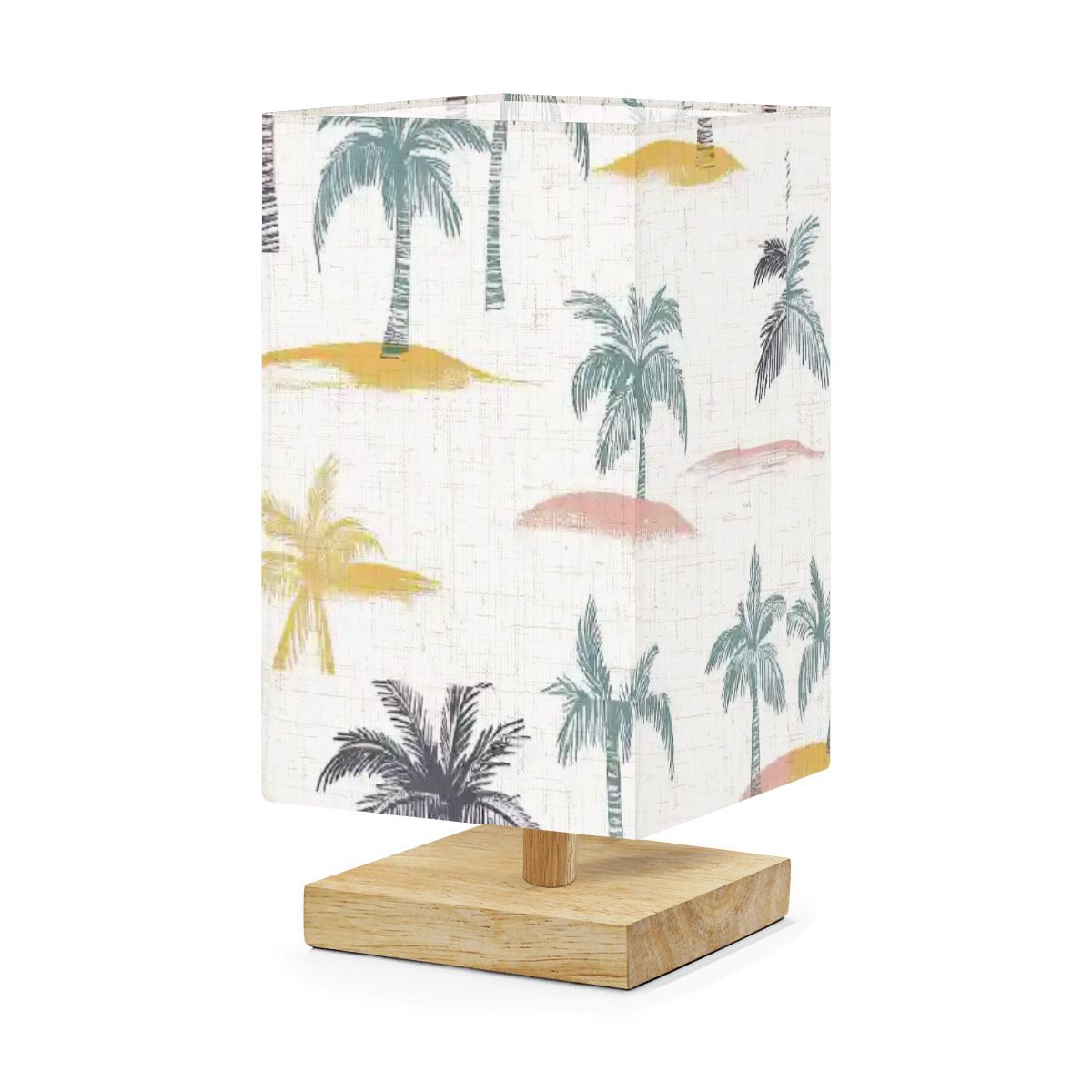
 Global Shipping
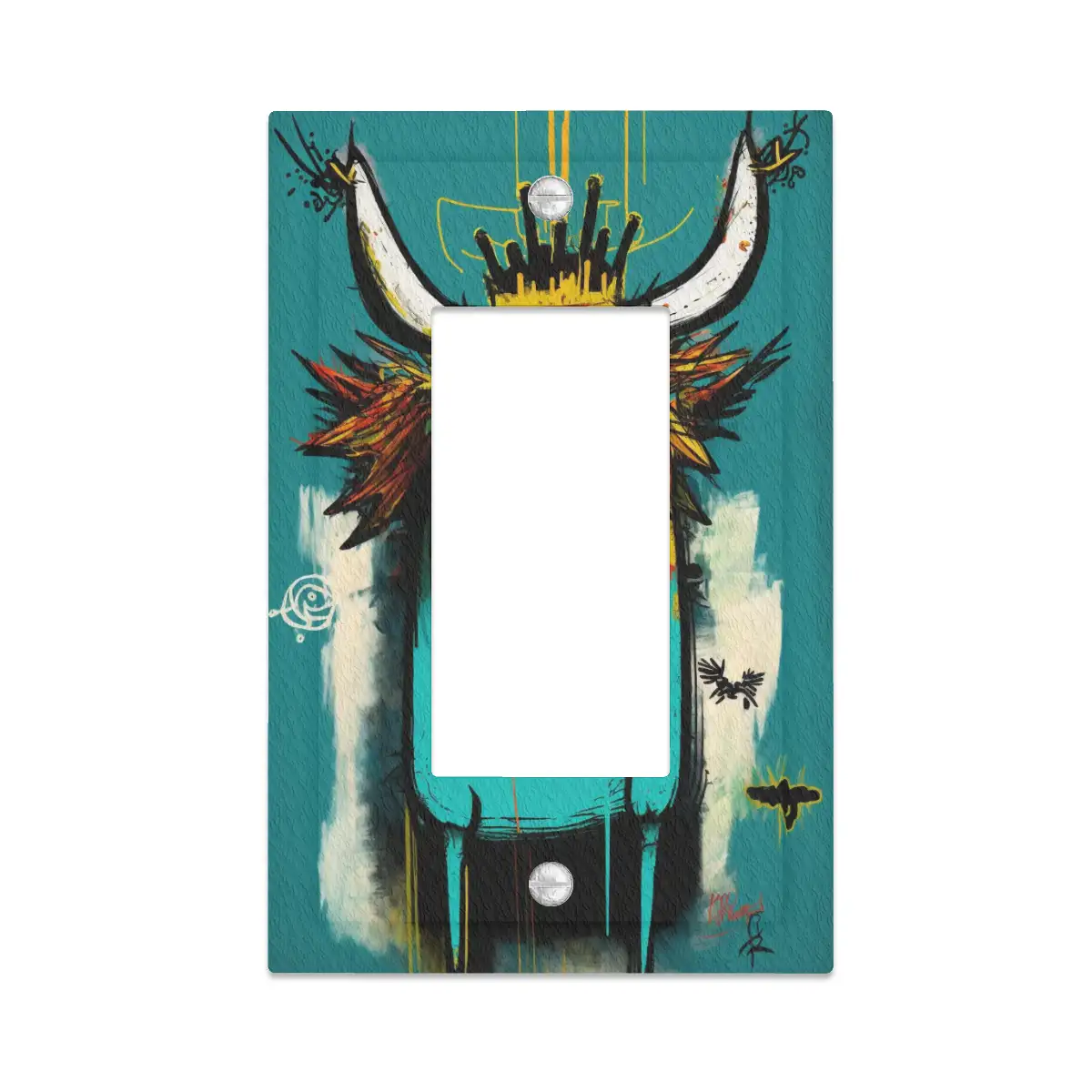

 Free shipping