





Want to turn your art into real money? More artists than ever are successfully selling online. You don't need gallery connections or expensive tools to begin.
This guide walks you through the best platforms and practical strategies that work.
No matter what kind of art you create, you can start today. Keep reading and discover clear steps to help you succeed.
How to Make Money with Art Online
Find Your Niche Market
Just observe what you like to paint the most, and see what people are really looking for. Look out for trends using free resources like Etsy search and Pinterest to identify niches that have low competition but are popular topics.
Start by narrowing down to just one niche. That will allow you to target the appropriate customers who value your art.
Set Up Your Online Shop
Pick an easy platform like Etsy to begin. Take bright photos with your phone, write short friendly descriptions, and set simple prices with clear shipping info.
Add a few items to get started. Keep your shop clean and organized from day one. Buyers feel more comfortable and are more likely to make their first purchase.
Sell Prints and Digital Downloads
Scan or photograph your finished paintings and offer both physical prints and instant digital files. Price prints from $15 to $60 and digital items from $5 to $12.
- Create easy-to-download bundles
- Offer popular sizes like A4 and 8x10 Keep your files high quality but simple. This gives customers choices and brings in money even when you are busy painting new work.
Create and Sell Merchandise
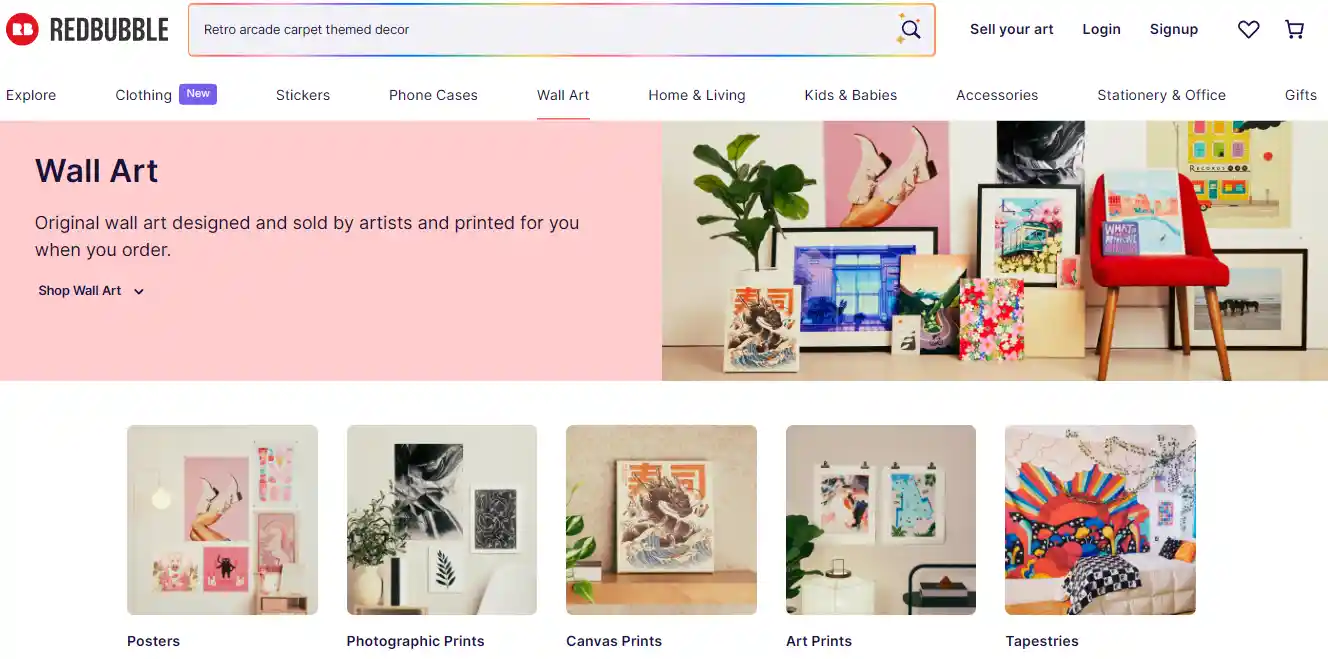
Upload your best designs to Print-on-Demand sites like Society6 or Redbubble. Start with easy items such as stickers, mugs, and tote bags.
Test a few designs and see which ones sell best. Choose bold, simple art that works well on products. You design once and they handle printing and shipping for you.
Offer Custom Commissions
Share examples of your work on social media and post clear commission information. Set fixed prices by size and style, and ask for a 50% deposit before starting.
Be honest about your timeline so expectations stay realistic. Finished custom pieces often lead to repeat orders and good word-of-mouth referrals.
Build Recurring Income
Invite your biggest fans to join a small membership on Patreon or Ko-fi. Offer monthly rewards like sketch packs, live sessions, or early looks at new art.
Start with low tiers around $5 so more people can join easily. Steady monthly support from loyal fans gives you reliable income and more freedom to create.
10 Ways to Make Money as an Artist
1. Sell Original Physical Artworks
You can sell hand-painted canvases, paper drawings or handmade art pieces online. Take clear natural-light photos to show every tiny detail of your work.
Honest descriptions about materials and sizes help buyers trust you and place orders easily.
2. Offer Custom Commission Art
Many people want personalized art, such as pet portraits or family drawings. Set a simple price list for different sizes and styles. Talk clearly with clients about their needs to avoid extra work and unnecessary disputes.
3. Sell Digital Art Files
Digital art is easy to deliver with no shipping cost. You can draw wallpapers, stickers or printable posters. Save files in high resolution so buyers can print them at home or local shops for personal use.
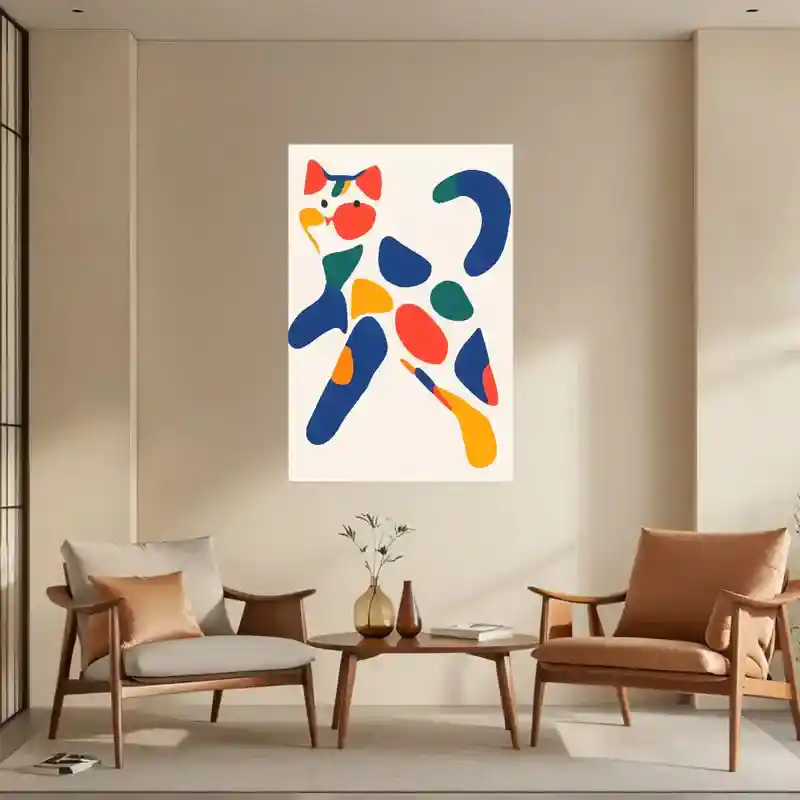
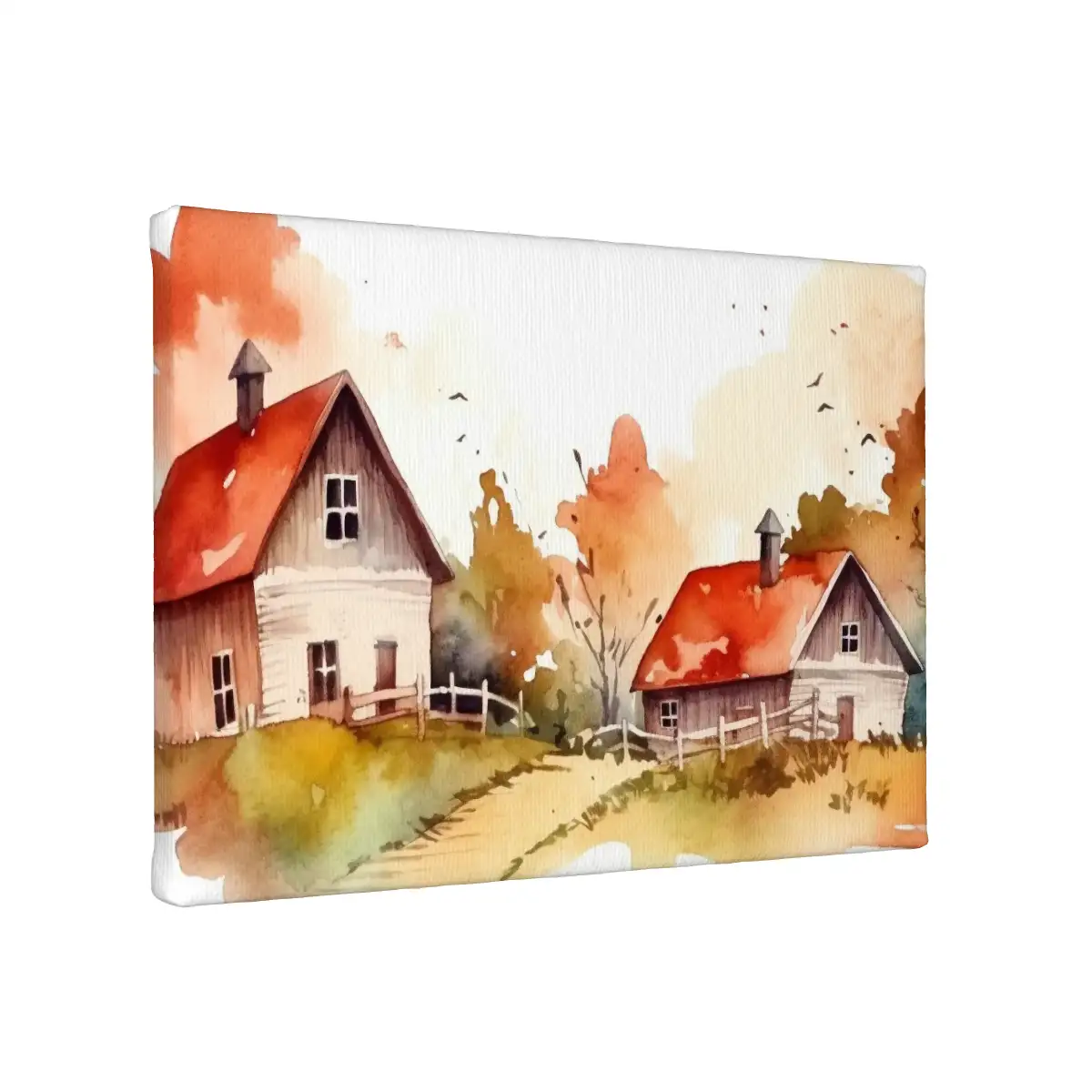
Custom Posters (2:3) - Print on Demand Fulfillment - PrintKK
4. Create and Sell Art Merchandise
Print your art on daily items like mugs, tote bags and phone cases. You can use print-on-demand services to avoid stocking goods. Pick simple and popular patterns to attract more young casual buyers online.
5. Post Art for Ad Revenue
Share your painting process and finished works on social media or art blogs. Platforms pay you ads fees if you have steady views. Post one short art clip every week to keep your audience engaged and grow traffic slowly.
6. Teach Simple Online Art Classes
You don't need professional teaching experience to teach beginners. Teach easy skills like doodling or watercolor basics. Make 10-minute short tutorials that fit students' free spare learning time perfectly.
7. Sell Art Templates and Brushes
Make useful digital tools for fellow artists, such as drawing brushes and line templates. These small files have repeated sales potential. Update tool packs monthly to keep old buyers coming back for new resources.
8. Take Freelance Commercial Art Jobs
Small businesses need simple art like logo icons and social media pictures. Finish short-term art tasks for these companies. Keep a neat work portfolio to show your style and win more business orders quickly.
9. Join Online Art Contests
Many official and brand art contests offer cash prizes for winners. Pick contests matching your art style to raise winning chances. Follow contest rules strictly to avoid getting disqualified for tiny mistakes.
10. License Your Art for Commercial Use
Let companies use your art on products for a long-term fee. This includes packaging designs and website illustrations. Sign a clear licensing contract to protect your art copyright and earn stable passive income.
8 Best Websites to Sell Your Art Online
Artfinder
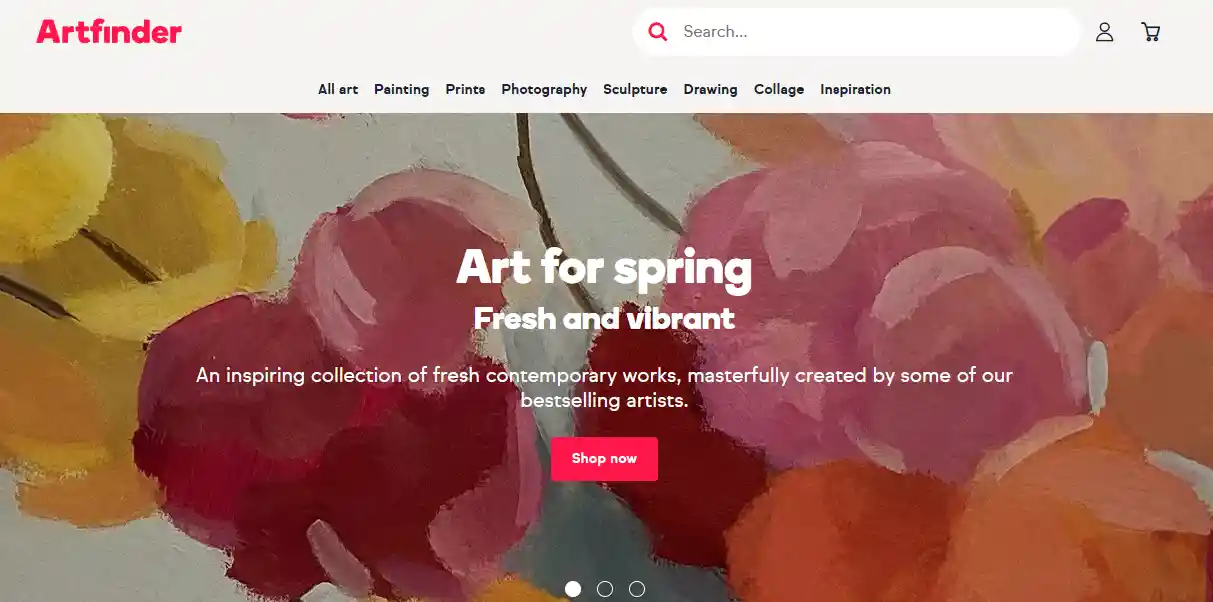
Artfinder is a great spot for serious artists. It connects you with art lovers around the world who want original paintings, prints, and sculptures.
You get your own beautiful artist page with bio and stories. Plans start low, and you reach buyers who really value fine art. Many artists sell originals here every month.
UGallery
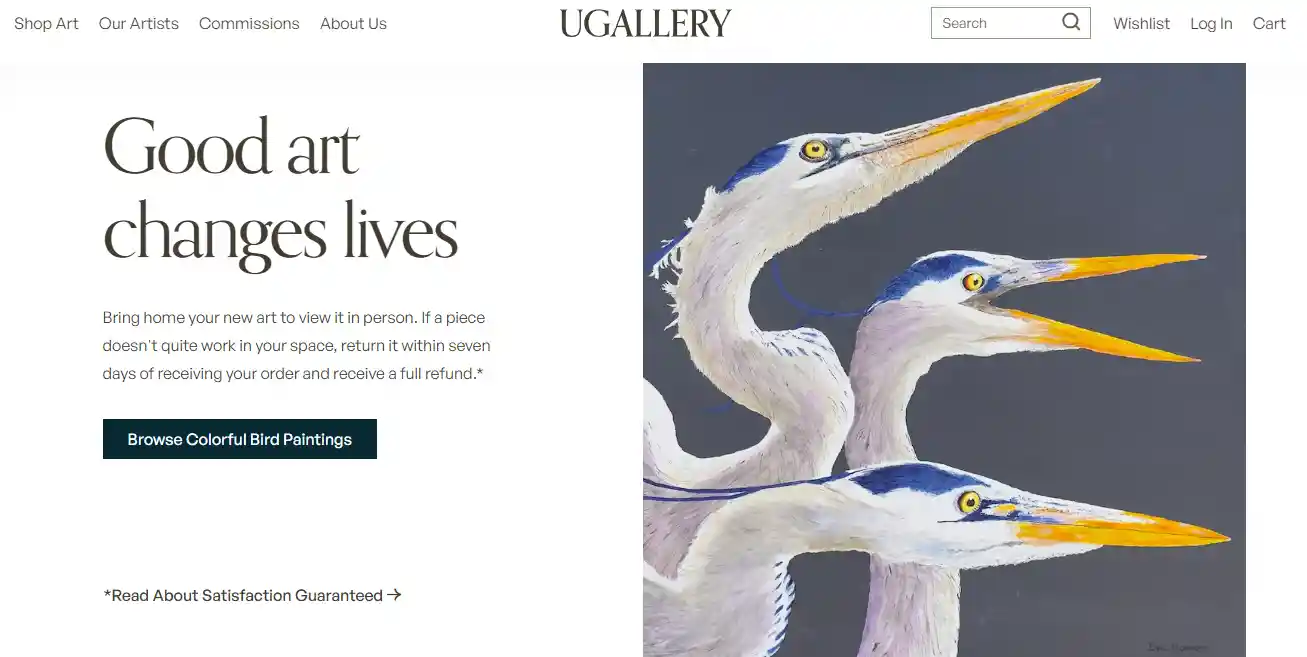
UGallery feels like a real online gallery. They carefully pick the art they show, so your work stands out to serious collectors.
Upload at least 10-12 strong pieces to apply. When something sells, they handle shipping and you keep most of the money. It's perfect if you want a curated, professional feel.
Etsy
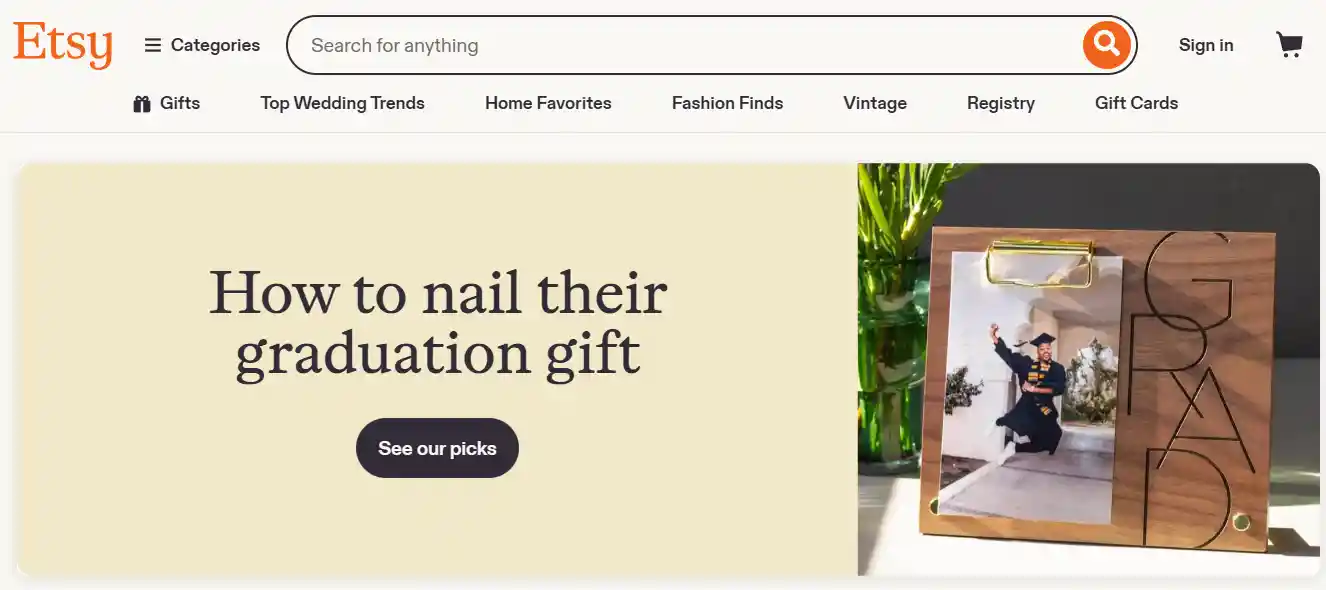
Etsy is super popular and easy to start. Millions of shoppers visit every day looking for prints, originals, cards, and more.
Take bright photos, write fun descriptions, and use good tags so people find you. You set your own prices and run your shop like your own little store. It's awesome for beginners.
ArtPal
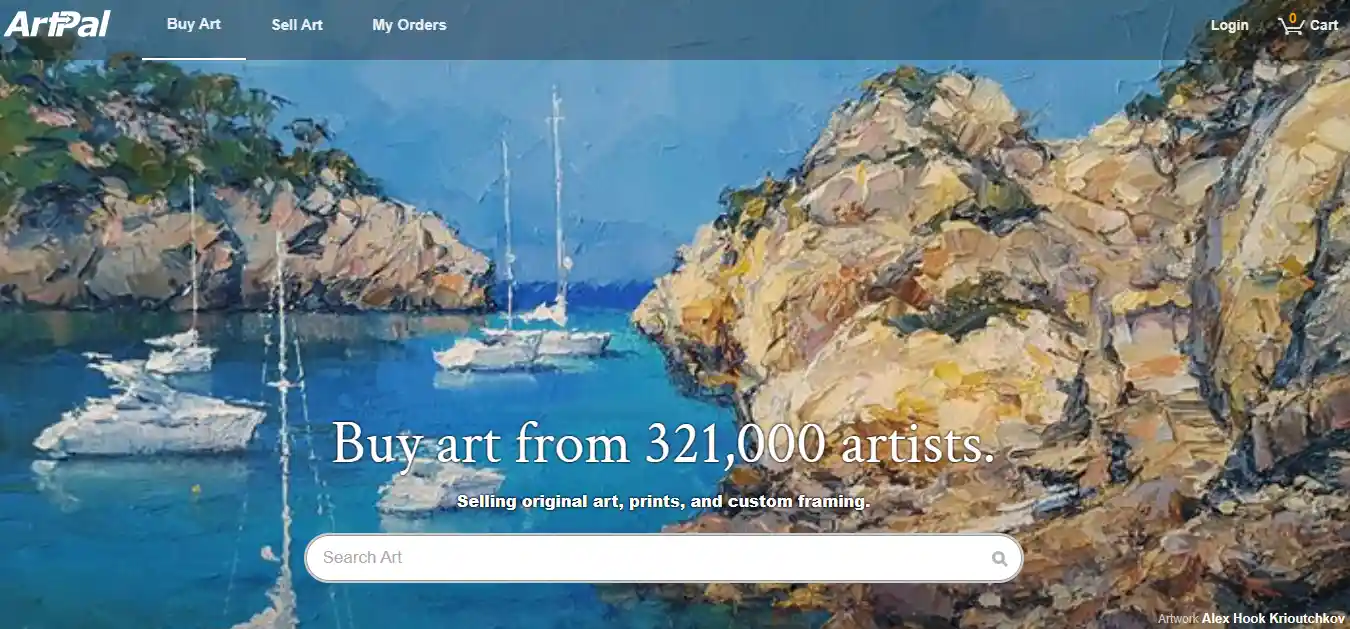
ArtPal is free and simple—no monthly fees or commissions. You keep every dollar from your sales. Upload as many originals or prints as you want and even offer print-on-demand.
It's a relaxed place where you control everything and start selling right away without stress.
Saatchi Art
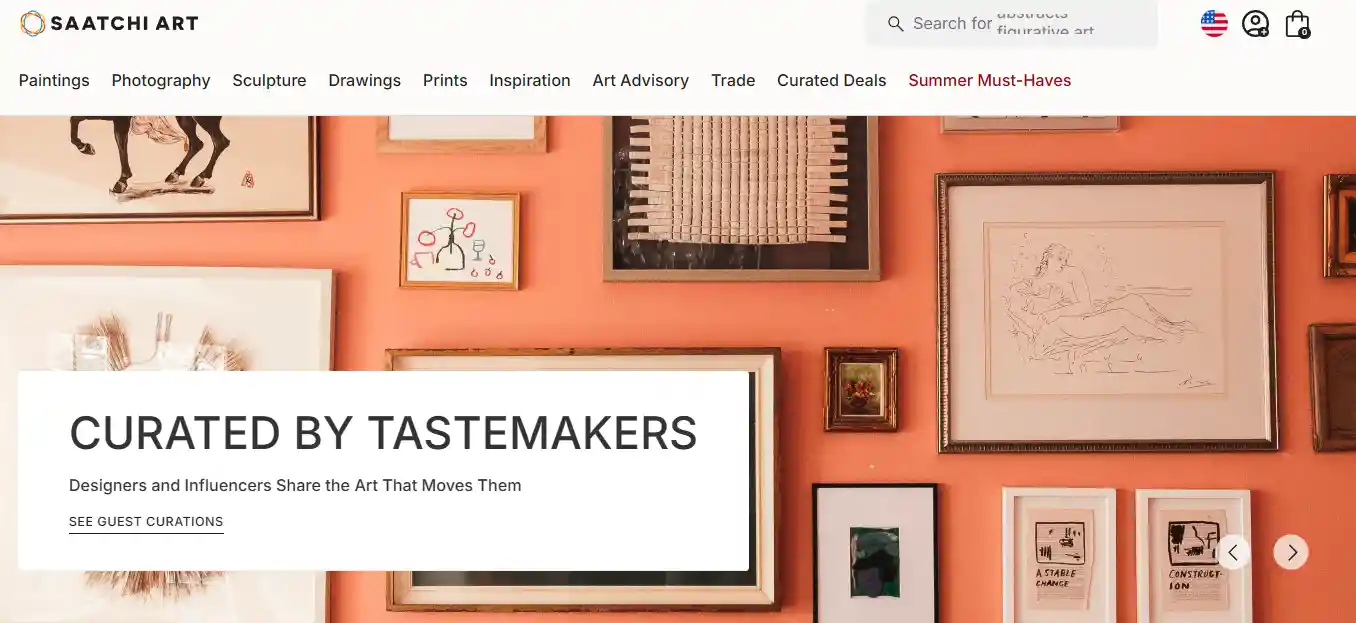
Saatchi Art puts your work in front of real art collectors from many countries. You can sell original paintings, limited edition prints, and sculptures.
The site has a clean, gallery-style look and promotes selected artists. Upload good photos and stories about your art to help buyers connect with you. Many artists make steady sales here.
Artsy
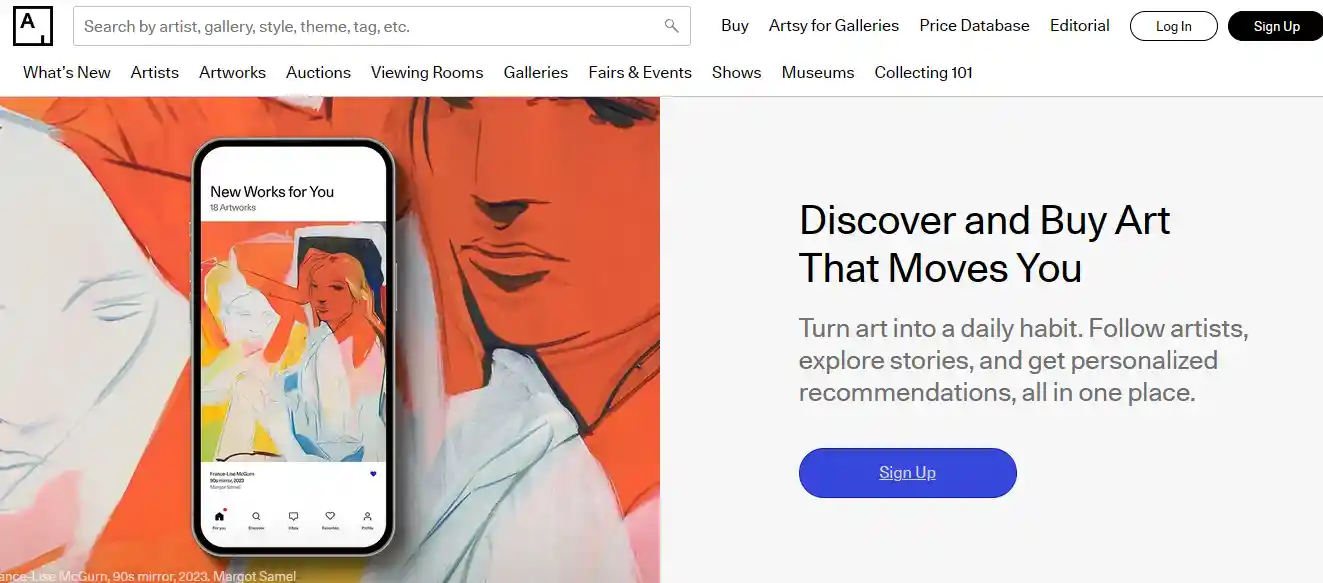
Artsy feels more high-end and professional. It connects you with serious collectors and galleries around the world.
Your artist page looks polished and reaches people who buy expensive art. It works best if your style is contemporary or fine art. The platform also lists art fairs and exhibitions.
Fine Art America
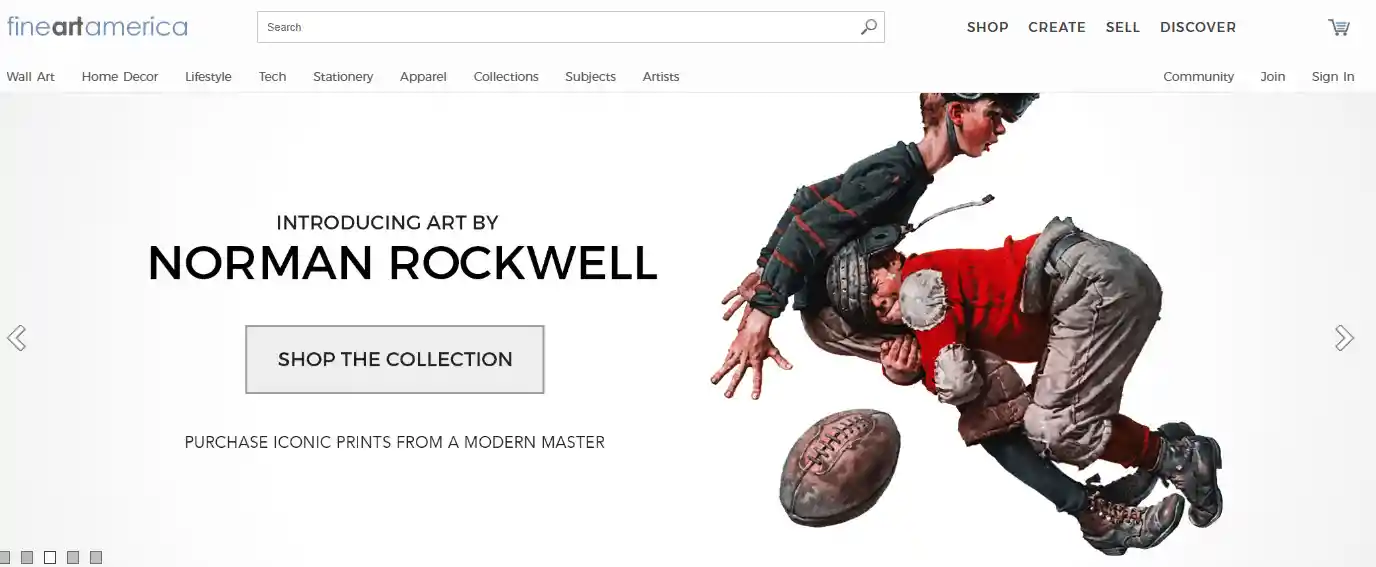
Fine Art America is awesome for print sales. You upload your art once, and they print it on canvas, metal, greeting cards, and more.
They handle all the printing, framing, and shipping. You just focus on creating while earning a commission on every item sold. Great for reaching home decor buyers.
Shopify
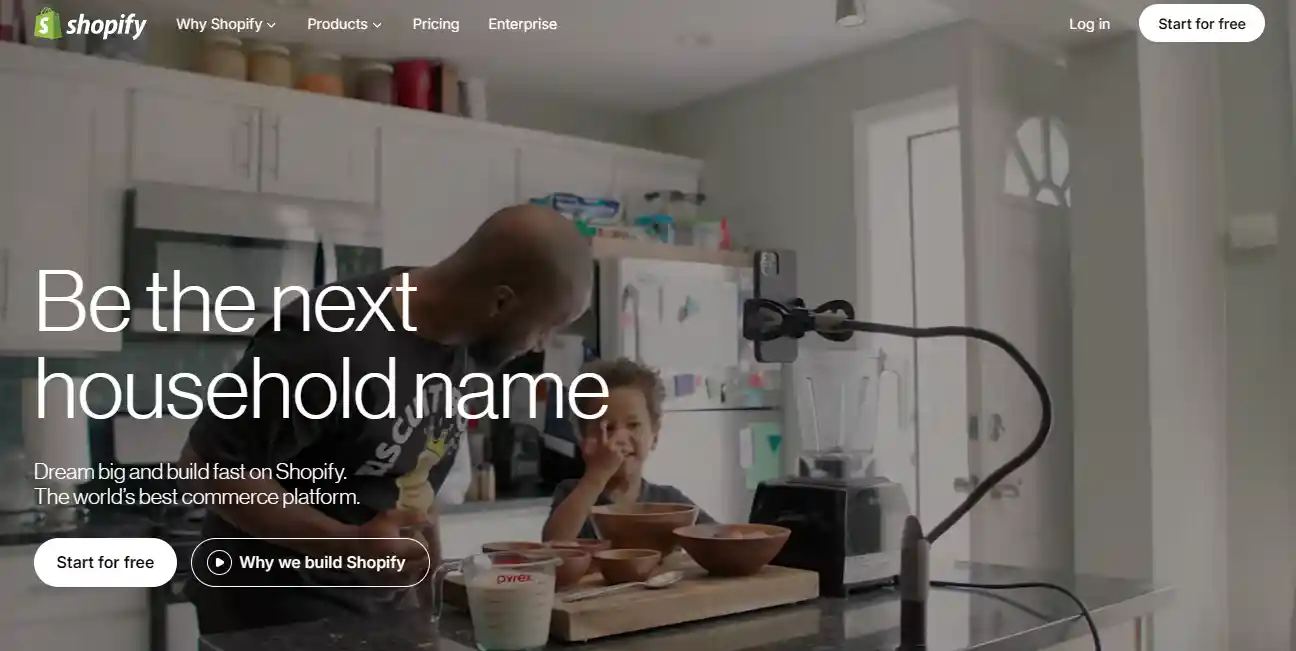
Shopify lets you create your own beautiful online store. You control the full look, prices, and sales. Add your art, write personal stories, and sell directly to fans without sharing big commissions.
It costs a small monthly fee but gives you total freedom and your own brand name. Perfect for growing artists.
How Artists Can Create Social Media Content Efficiently
Build a Zero-Start Workspace
Keep your filming spot ready all the time. Use a stand for your phone, a small light, and a long charging cable that stays plugged in.
Mark the edges of your frame on the table with tape so you know exactly what the camera sees. When you sit down to paint, you can start recording in under ten seconds.
No need to adjust lights or move things around. This removes the usual hassle that stops many artists from filming.
Record as You Draw
Switch from taking separate photos to simple recording. Turn on your phone's built-in time-lapse every time you start painting.
It runs in the background and gives you a full smooth video of the whole process.
When you hit a fun moment—like peeling off tape, mixing a nice color, or adding the last brush stroke—quickly record a three-second normal-speed clip.
By the time you finish one artwork, you already have one long video and several short, relaxing clips ready to use.
Use Simple Templates for Editing
Skip complicated video editing apps. Set aside about twenty minutes once a week to drop all your short clips into one folder.
Then use the built-in "one-tap" video tools or templates on social platforms. These tools automatically match music to your clips and create nice results.
You do not need to cut footage by hand or match sound waves. The goal is fast and good enough, not perfect.
Turn One Video into Many Posts
Make the most of every piece of footage. Take the same drawing video and create different versions:
- The full time-lapse to show the complete process.
- Short clips that focus on satisfying moments.
- A quick before-and-after cut that jumps from the rough sketch to the finished piece.
- A looping video with a simple text question on screen, such as "What's the biggest mistake beginners make with eyes?"
This way you spend less time creating new content and still keep your feed active.
Plan Posts Ahead and Stay in Control
On the weekend, spend ten minutes writing titles for the next week's videos and save them all as drafts.
Each day, open the app at the same time, post the next draft, and close the app right away. Do not scroll or reply to comments during this time.
This habit keeps your posting schedule steady and protects your painting hours from being eaten up by social media.
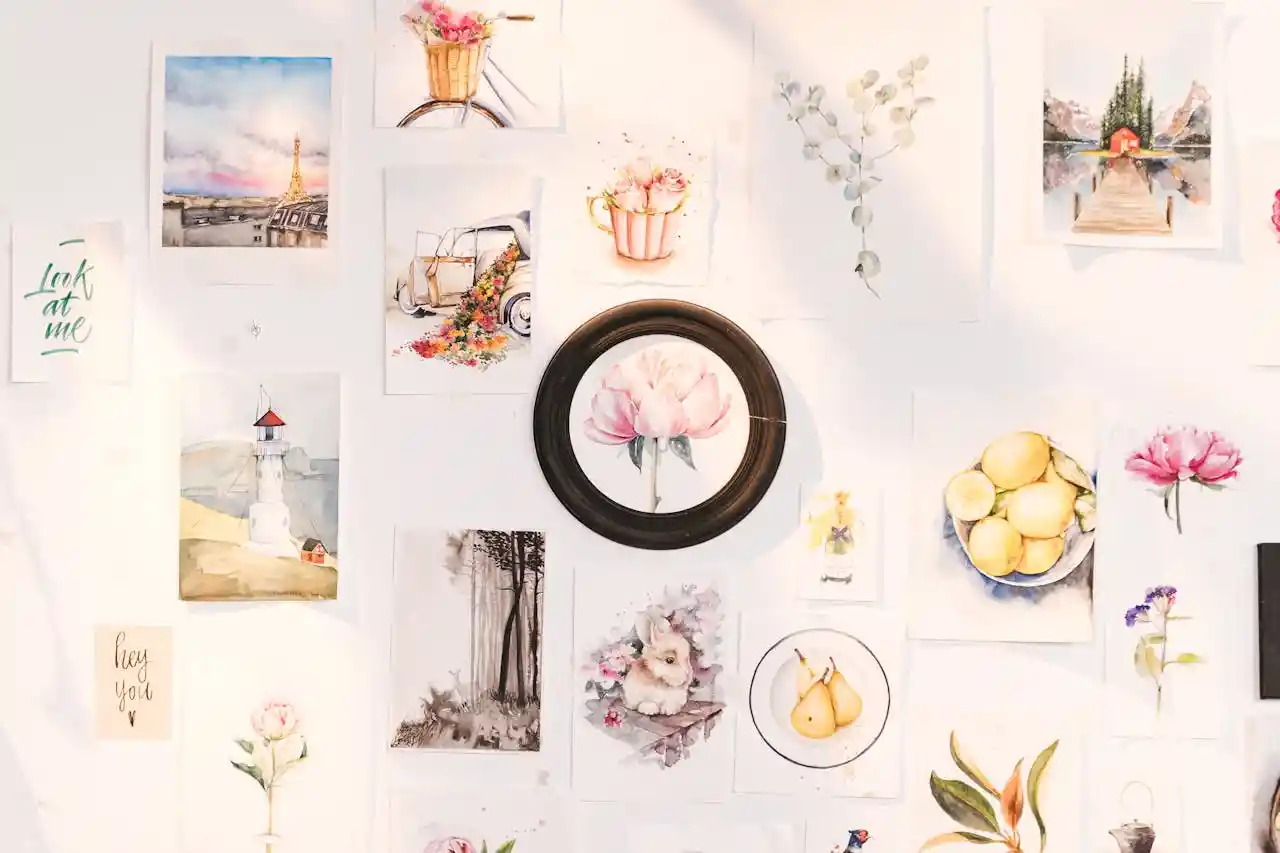
How to Find Strangers Who Actually Want Your Art
Step Outside Your Friends' Circle
Skip big tags like "art" and use specific ones like "cyberpunk pet" or "minimalist geometry".
Pick a clear theme that matches your work. Put these keywords in your bio and captions. For illustrations, try X or Pinterest. For 3D art, use Instagram or TikTok.
Join Niche Communities Where Fans Hang Out
Go where your dream buyers already chat. For cat art, post in r/cats, not r/art. Join Discord groups about games or books.
Look for Facebook groups that love a certain style. Be a friendly creator who shares work, not a pushy seller.
Use Algorithm Features to Reach New Eyes
Short videos on Reels or Shorts can push your art to strangers.
Follow popular challenges and use related hashtags. Team up with small bloggers in home decor or fashion. Share each other's work to attract people who would never find you alone.
Turn Strangers into Buyers with Small Steps
Show messy desks, failed sketches, and real studio mess. People trust honest artists.
Sell a cheap item like a digital print or postcard. That low price makes it easy for a stranger to say yes. Use Etsy or ArtStation to add extra safety.
Meet Real People in Physical Spaces
Hang your art in a local coffee shop or bookstore. People who never visit galleries will see it there.
Try specialty markets like a vintage fair or pet expo. Those events attract exactly the right crowd without needing art world connections.
Expert Tips
You now know the best platforms and clear steps to sell your art online. Pick the right sites, find your niche, set up your shop, and connect with real buyers.
Stay consistent and keep learning what works. You can build steady sales with time and effort. Learning how to make money selling art online gives you freedom and joy.
FAQs
What type of art is most profitable?
Simple digital downloads like phone wallpaper packs or printable coloring pages. They cost no shipping and earn passive income. Pet portraits and logos also sell well because people pay for personal use.
Should I sell on more than one platform?
Start with one to learn the basics. Add a second once you sell ten items there. More stores mean more views, but juggling too many slows you down. Slow growth wins.
How much does it cost to sell art online?
Most sites take a small fee per sale, around 5–15%. Some charge a tiny listing fee, like $0.20. Free platforms exist but offer fewer tools. Read each site's pricing page before joining.
Can I sell merchandise with my own artwork?
Yes. Use print‑on‑demand services like Redbubble. They make the t‑shirts, mugs, or stickers and ship them for you. You just upload your design and earn a cut of each sale.

 Global Shipping

 Made in USA
 Free shipping