





You run a small business. You pour your time and energy into serving great products and creating happy moments for customers. But getting them to come back again and again—that's the real challenge.
This is where a loyalty program for small business changes everything. It turns one-time visitors into regulars who spend more, refer friends, and stick with you even when times get busy.
In this 2026 guide, you will discover exactly how to build one that fits your shop, your budget, and your daily routine. No complicated theories. Just clear steps, real examples, and the five best apps that make it simple.
Why Loyalty Programs Matter for Small Business
Getting a new customer costs five times more than keeping an existing one. A loyalty program shifts your focus to the people already walking through your door. When a regular feels recognized, they spend more over time.
Loyalty also gives you free word-of-mouth. Happy members tell friends. You collect simple purchase data—like which items people buy together.
That helps you stock smarter and offer better deals. You don't need a huge budget. You just need a reason for customers to choose you again.
Types of Loyalty Programs for Small Business
Digital Stamp Cards
These suit businesses with repeat daily or weekly visits, such as cafés, bakeries, or nail salons. Customers scan a QR code at checkout to earn one stamp per purchase.
After eight or ten stamps they unlock a free item. A neighborhood coffee shop sets the reward at the tenth visit for a free latte and muffin.
The whole system runs through your existing POS or a free phone app, so staff never spend extra time explaining rules during busy hours. It keeps costs low while giving customers a clear reason to return.
Points Systems
Award one point for every dollar spent, then let customers trade points for discounts or free products. A small retail store might let 120 points equal a $10 credit toward any item.
The math stays simple: track points automatically in Square or Shopify so customers see their balance update right on the receipt.
This type works well for shops with medium to higher purchase amounts because people watch their points grow and start planning bigger buys to reach the next reward faster.
Tiered Programs
Customers move through levels like Basic, Silver, and Gold based on total spending or visits over six months. Silver members get an extra 10 percent off every purchase while Gold adds free shipping or a monthly surprise.
A local pet store uses yearly spend to unlock tiers and notices higher-value customers stay longer. Setup takes one afternoon in most loyalty apps, and the clear progress keeps everyone engaged without complicated rules.
Referral Programs
Give both the current customer and their friend a reward when a new person makes their first purchase. A boutique sends a personal referral code by text after every sale so the referrer earns $15 off their next visit.
This grows your list naturally because happy customers share it with friends who already trust the recommendation. Service businesses see the biggest lift since one good referral often brings in several new clients over time.
Subscription Memberships
Charge a small monthly fee for steady perks like free delivery or early access to sales. A bookstore offers $5.99 per month for 20 percent off all books plus one free bookmark each month.
Members visit more often because they feel they are already getting value, and the business gets predictable income each month. Many owners start with just 50 members and watch their membership program cover part of their rent within the first quarter.
How to Build a Loyalty Program for Small Business
1. Pick a Simple Points System That Fits Your Daily Flow
Don't overthink it. For a coffee shop, give 1 point per $1 spent and let customers cash in 100 points for a free drink. A hair salon might give 10 points per visit, with 50 points for a free blowout.
The key is matching the math to your average ticket size. Keep it simple – if you need a calculator to explain it, it's too complex.
2. Choose Rewards That Actually Excite Your Regulars
Small businesses can offer unique perks big chains can't. A local bookstore could give early access to signed copies. A pet store might offer a free "birthday bag" of treats.
Survey your top ten customers – ask, "What would make you come back twice as often?" Then build rewards around real answers, not guesses.
3. Make Joining Feel Like Zero Effort
Place a QR code on every receipt and a small sign at the register. Require just name + phone number or email – no passwords, no app downloads.
For example, a taco truck has customers scan a code while waiting for their order. In 10 seconds, they're in. The easier you make sign-up, the more people will actually do it.
4. Train Staff to Mention It Naturally (Not Pushy)
Give your team a simple script: "You're two visits away from a free polish – want me to track that for you?" A pizza shop found that when cashiers added "I can save that for you automatically," sign-ups tripled.
Role-play for five minutes before each shift. Rewards that feel special work best when staff sound helpful, not salesy.
5. Use Free or Low-Cost Tech That Works in 2026
You don't need a custom app. Try Loyverse (free for basic), Smile.io (free under 100 members), or even a simple Google Sheet with a stamp card backup.
A small bakery uses a $10/month loyalty add-on for their Square register. Pick one tool that connects to your current POS – manual entry kills the vibe.
6. Track Your Numbers and Tweak Monthly
Look at three things: how many people joined, how many redeemed, and whether they came back afterward. If no one redeems, your reward isn't tempting. If everyone redeems once but never returns, you're giving away too much.
Send a quick text poll every month asking "What reward would you swap in?" Track your numbers – small changes (like 100 points → 80 points) can double repeat visits.
How to Choose a Loyalty Program for Different Business Types
1. Match the Program to Your Business Rhythm
A coffee shop can reward daily streaks because customers visit often. A pressure washing business cannot. Streaks only work for high-frequency trips.
Low-frequency services need simpler rewards like "book three cleanings, get one free." Look at how often people already come back before picking a program type.
2. Decide What Behavior You Want to Drive
Loyalty should do more than hand out discounts. Pick one goal: higher spend per visit, more frequent trips, or new customer referrals.
A salon that wants bigger tickets might give $10 off after $100 spent. A pizza place that wants faster repeat orders could offer a free side after two visits in one week. Drive one clear behavior – not everything at once.
3. High-Frequency Businesses Benefit From Streaks or Points
Restaurants, cafes, and smoothie shops see customers weekly. Simple points work fine (1 point per dollar). But a streak challenge works better: "Visit three days this week, get a free cookie."
A breakfast spot tried this and saw Monday traffic jump. For food businesses, avoid vague points that people forget. Instead, show a running total on each receipt.
4. Higher-Priced Services Need Limited-Time Rewards
If your average ticket is $60–$80, try this: Spend $100, get $15 in rewards that expire in 30 days. Spend $300, the reward jumps to 20%. One brand saw average order value and customer lifetime value rise sharply.
Short expiration dates push faster return visits. For pressure washing or home repair, cumulative discounts work but are harder to track. Stick to simple thresholds.
5. Low AOV Businesses Should Keep It Simple With Tiers
When customers spend under $50 each time, points feel too small. A hardware store switched to tiers: Silver (5% off) after $100 total, Gold (10% off) after $300.
Then they used free software to send a text before someone dropped off. Redemptions went up and repeat visits steadied. Tiers give a clear goal without complicated math. Test with one tier first, then add a second.
5 Best Loyalty App Providers for Small Business
Loopy Loyalty
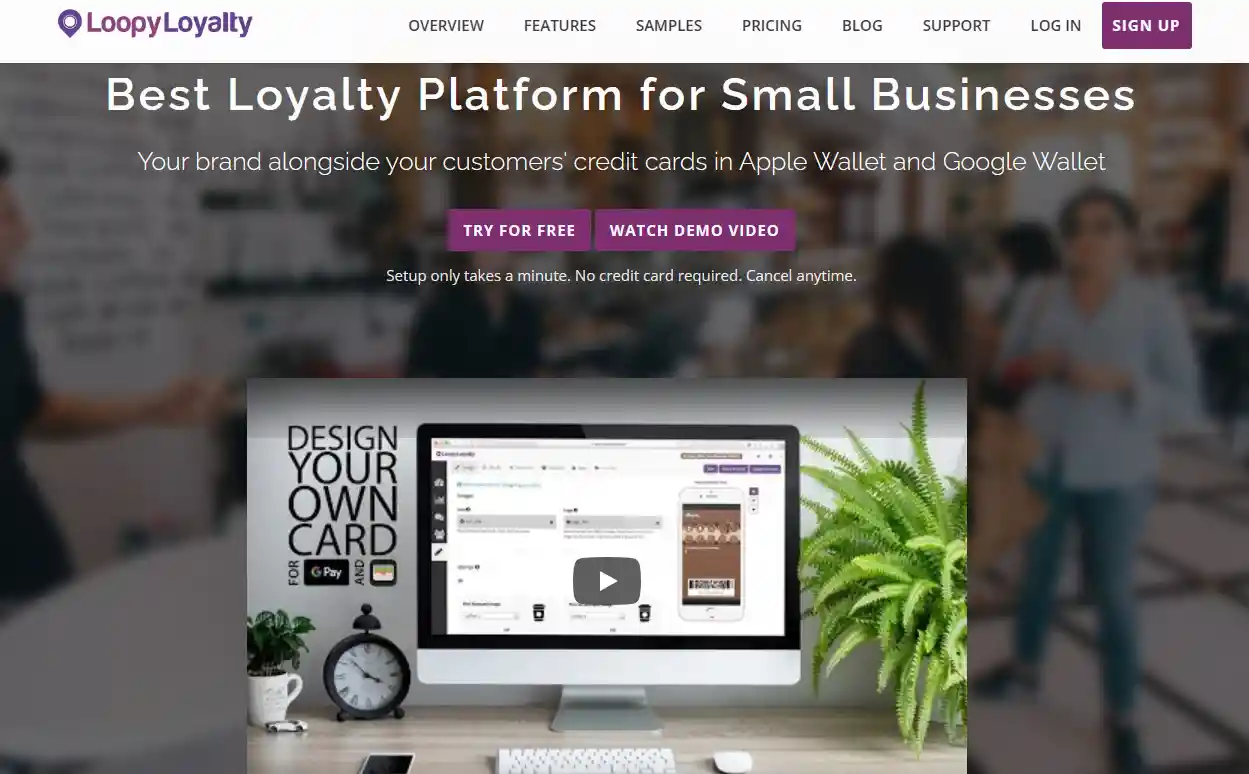
Loopy Loyalty replaces paper stamp cards with digital cards that live right in Apple Wallet and Google Wallet. No app download needed. Customers add the card with one tap from a QR code at your counter.
You can send push notifications to their lock screen when they earn a stamp or are due a reward. Pricing starts at $25 per month. This works great for coffee shops, salons, and boutiques that want something simple without changing their existing checkout process. Launch takes minutes, not weeks.
Square Loyalty
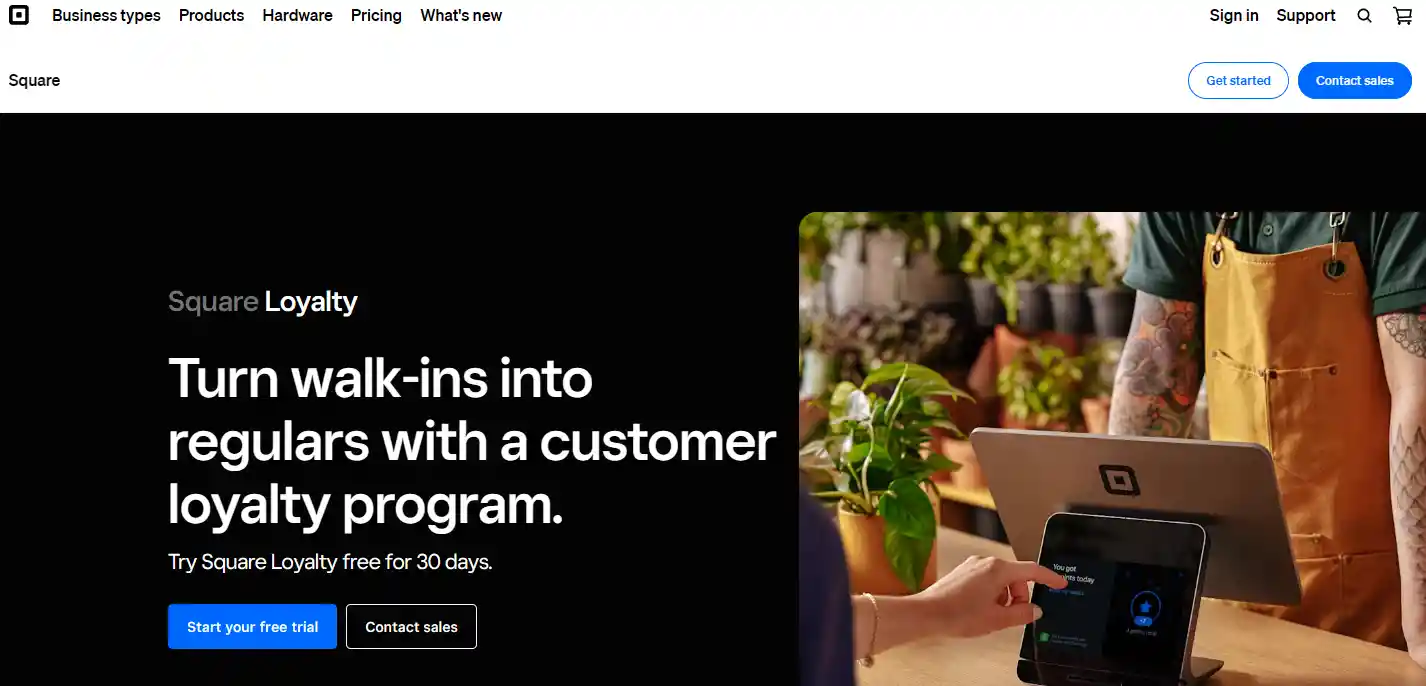
If you already use Square for payments, Square Loyalty plugs right in. Points add automatically at checkout without any extra scanning.
You can create up to 15 different reward types. Pricing starts at $45 per month for up to 500 loyalty visits. The downside is it only works with Square processing. But for a shop already in the Square ecosystem, it is the smoothest setup possible – no extra logins, no separate tracking. One less thing to manage.
Smile.io
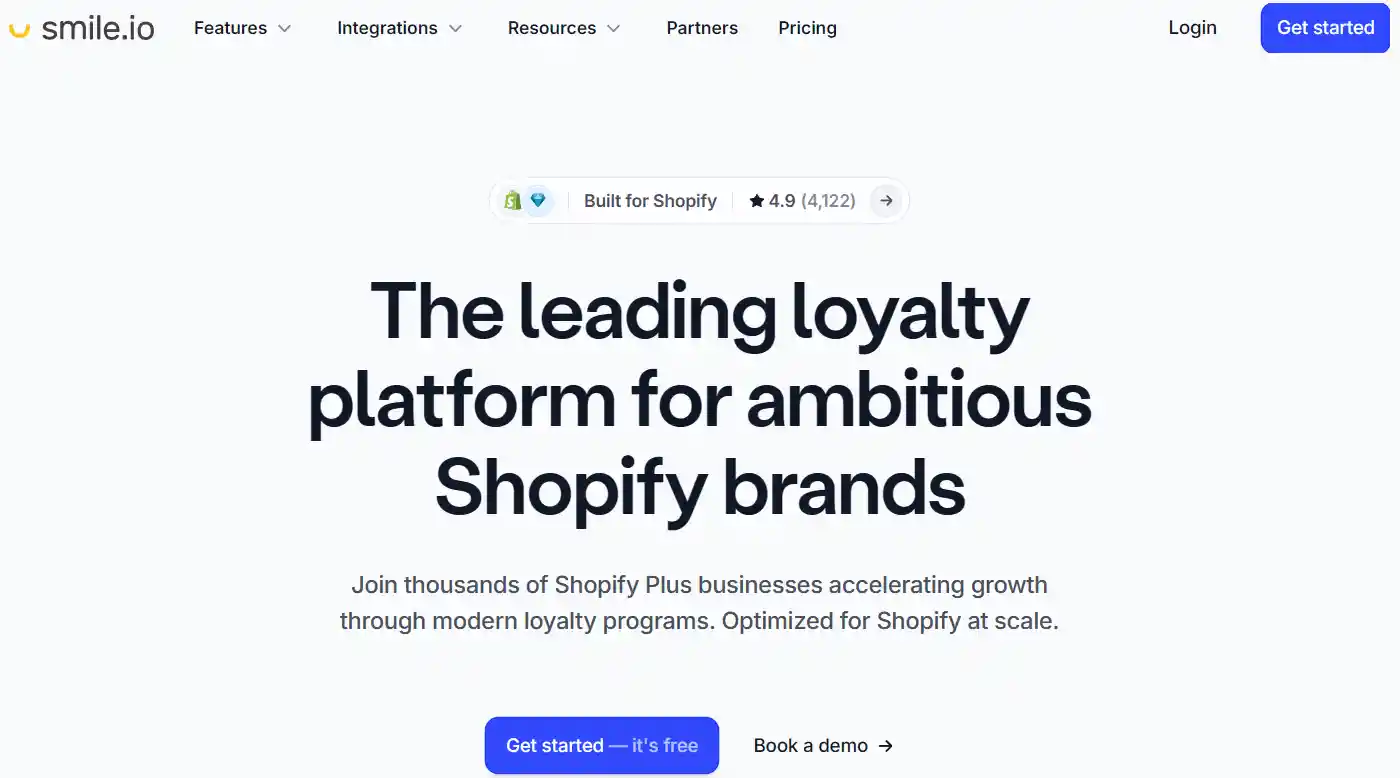
Shopify store owners pick Smile.io for its straightforward points, referrals, and VIP tiers. You can start free if you process under 200 orders a month, then grow into paid plans that add custom branding and email nudges.
Customers earn points for purchases or reviews and cash them in for discounts at checkout. Many small online shops launch the whole program in under an hour using ready templates and see higher average order values within the first month.
Yotpo Loyalty
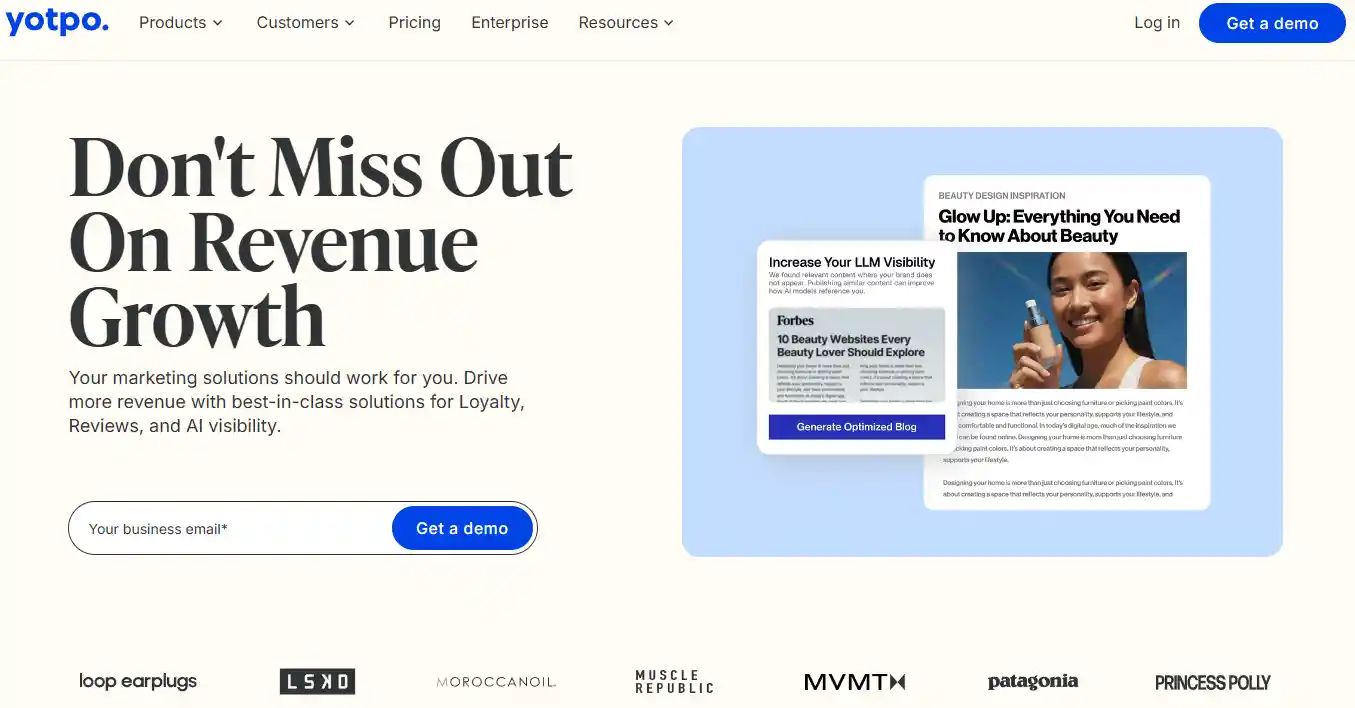
Yotpo Loyalty works well for growing e-commerce stores that want more control over rewards. The free plan covers very low order volumes, while the Pro plan starts at $199 a month and unlocks custom earning rules plus strong analytics.
It connects smoothly with tools like Klaviyo so you can send automatic birthday points or targeted offers. Small brands use it to segment customers by past behavior and watch repeat purchase rates climb without guessing what works.
LoyaltyLion
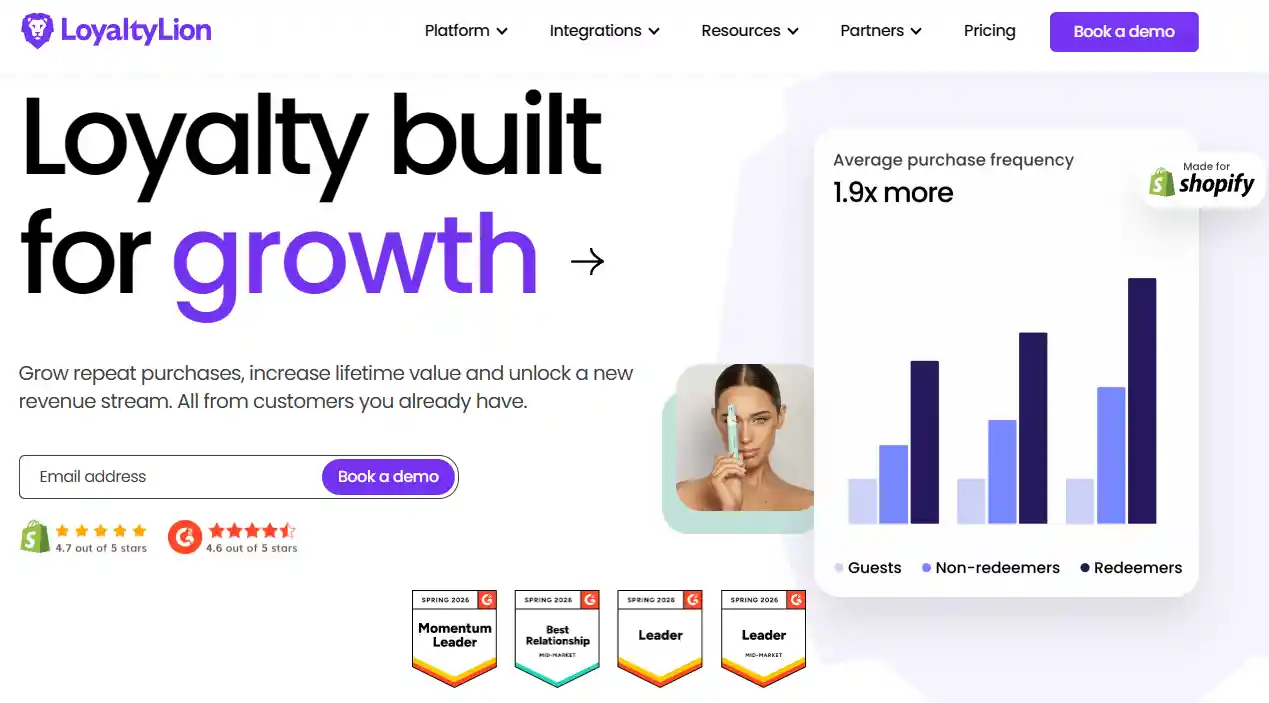
LoyaltyLion great for Shopify users who like deep customization and clear tiers. Plans scale with your monthly orders, with the Classic tier at $399 for up to 2,000 orders and features like branded loyalty pages and VIP levels based on total spend.
You can set rules for bonus points on specific products and track everything in one dashboard. Many independent retailers say the detailed reports help them adjust rewards quickly and keep loyal customers spending more each visit.
Expert Tips
You now have what you need to build a loyalty program for small business. Start simple. Pick one type that fits how often customers visit you.
Choose a free or low-cost app. Test it with your regulars first. Then watch what happens. People come back more often. They spend a little extra each time. And they tell their friends. You do not need a big budget or fancy tech.
Just a clear reward and a friendly way to track it. Take one small step today. Your best customers are waiting to feel appreciated. You have got this.
FAQs
What is a loyalty program for small businesses?
It is a simple system that rewards repeat customers. They earn points or perks each time they buy. That keeps them coming back.
What features should a loyalty app have?
Easy sign-up, automatic point tracking, and clear rewards. Bonus if it sends reminders to customers. Avoid anything that takes extra steps at checkout.
What are the best loyalty program tools?
Square Loyalty, Smile.io, and Loopy Loyalty are solid picks. Start with a free or low-cost plan. Pick the one that works with your current register.

 Global Shipping
 Made in USA
 Free shipping