






If you're trying to decide big cartel vs shopify, this guide is for you. Both let you sell online, but they fit different needs.
Big Cartel is simple and fast, ideal if you're just starting or have a small number of products. Shopify is stronger and more flexible, perfect if you want to grow, manage more products, or use advanced tools.
By the end, you'll know which platform matches your goals. You'll see which one fits your business now and helps you plan for the future. Simple, clear, and ready for your next step.
What Is Big Cartel
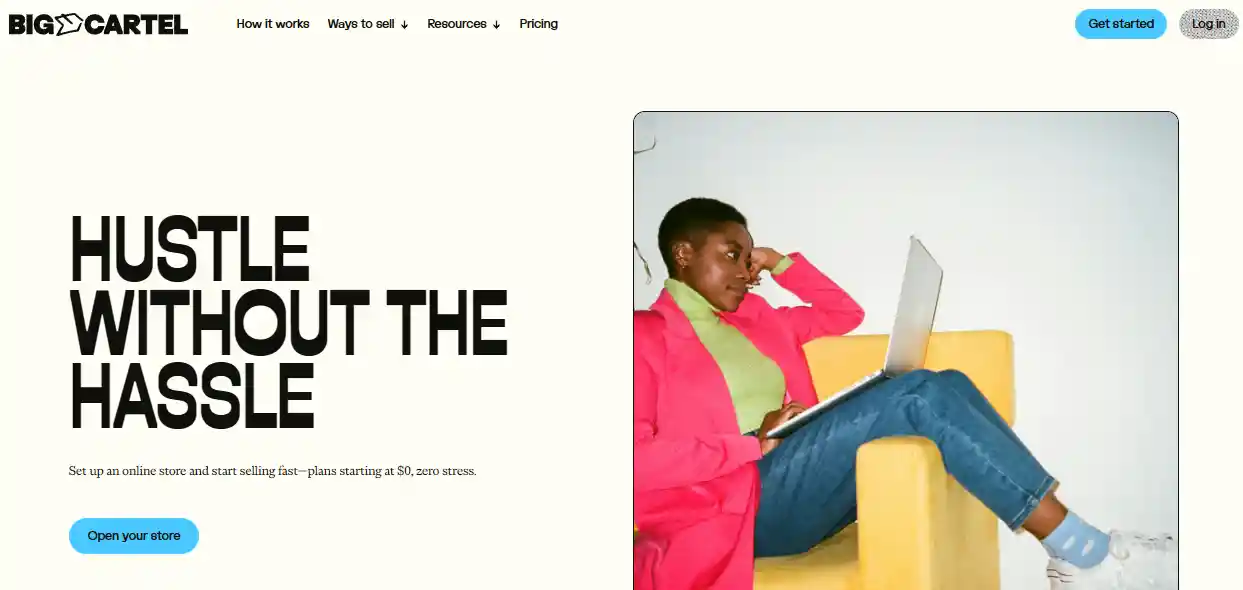
If you're an artist, musician, or maker with a small collection of products, Big Cartel is built exactly for you. It's an online store platform that keeps everything clean and simple, so you can focus on your work instead of wrestling with complicated tools.
You set up your shop in minutes. Add your items—whether they're prints, clothing, jewelry, or digital files—and start selling right away. The platform handles orders, tracks inventory, and lets you offer digital downloads or even sell at markets using its mobile app.
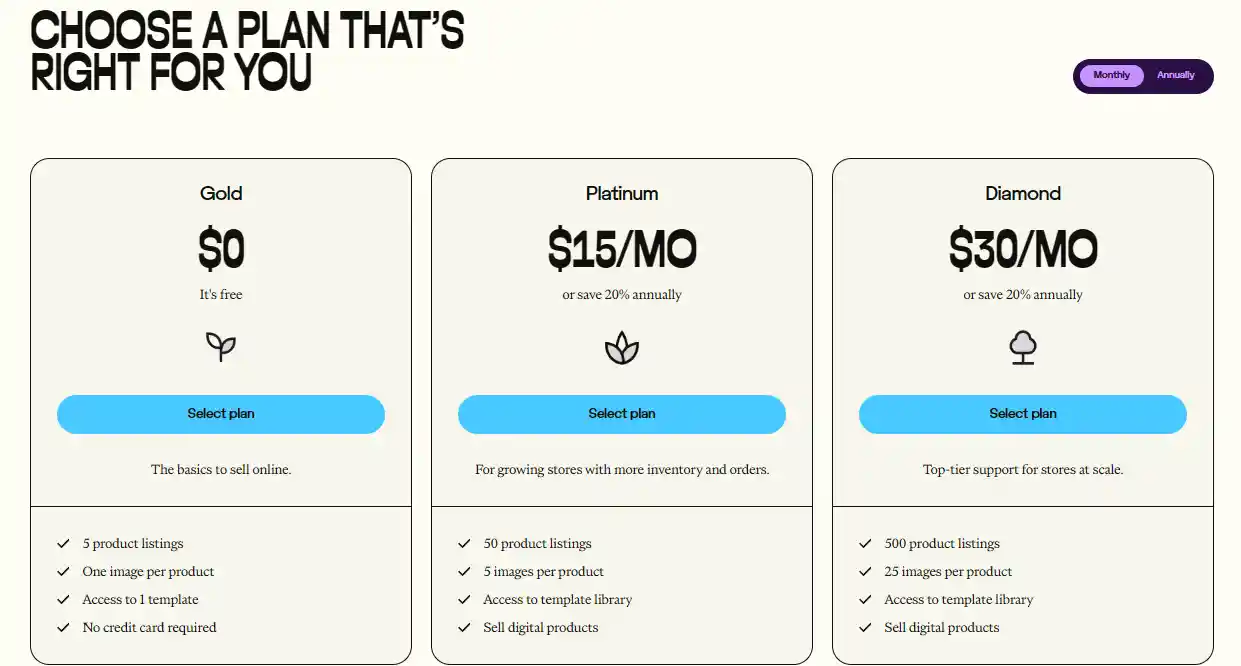
The free Gold plan lets you list up to five products with no monthly cost. When you're ready to grow, the paid plans give you more product slots, a custom domain name, discount codes, and better stock management.
You only pay standard payment processing fees through Stripe or PayPal—Big Cartel doesn't add extra charges.
It's a practical choice when you want a no-fuss store that feels personal and stays affordable while you build your brand.
What Is Shopify

If you're planning to build a store that can grow over time, Shopify is one of the most popular platforms for that reason. It works well whether you sell handmade goods, dropship products, or run a full brand with hundreds of items.
You get a clean dashboard where you can add products, customize your store look, set up shipping, and connect payment methods in just a few steps. It comes with built-in tools for discounts, abandoned cart emails, and basic SEO to help people find your shop.
The Basic plan starts at a monthly fee and lets you sell unlimited products with no extra transaction charges when you use Shopify Payments. Higher plans add features like professional reports, international selling options, and staff accounts.
Shopify also offers thousands of apps and themes, so you can add exactly what your business needs as it grows. It's a solid choice when you want a store that scales with you and handles more complex operations without switching platforms later.
Big Cartel vs Shopify: Quick and Complete Comparison
Pricing and Fees
Big Cartel
Big Cartel keeps costs low for small sellers. You can start with a free plan for a few products, then move to paid options at $15 or $30 a month.
No extra transaction fees come from the platform itself. You only pay what Stripe or PayPal charges. This setup works well when you want to keep more of your money early on.
Shopify
Shopify starts at $39 a month for the Basic plan, with higher tiers at $105 or $399. Yearly payments cut the cost a bit.
Lower card rates if you use Shopify Payments, and no platform transaction fees then. Extra charges apply if you pick other gateways. It fits when you expect steady sales volume.

Product Limits and Inventory
Big Cartel
Big Cartel caps products based on your plan. The free tier allows only a handful, while the top plan reaches 500. Inventory tracking helps on paid plans, but you handle stock manually at the start.
Limited slots push you to upgrade as your catalog grows. This keeps things manageable for small collections.
Shopify
Shopify gives you unlimited products on every plan. You track inventory across multiple locations with ease. Low-stock alerts and detailed tools come built-in.
No caps mean you add as many items as needed without changing plans. It supports you when your stock expands quickly or varies a lot.
Design and Customization
Big Cartel
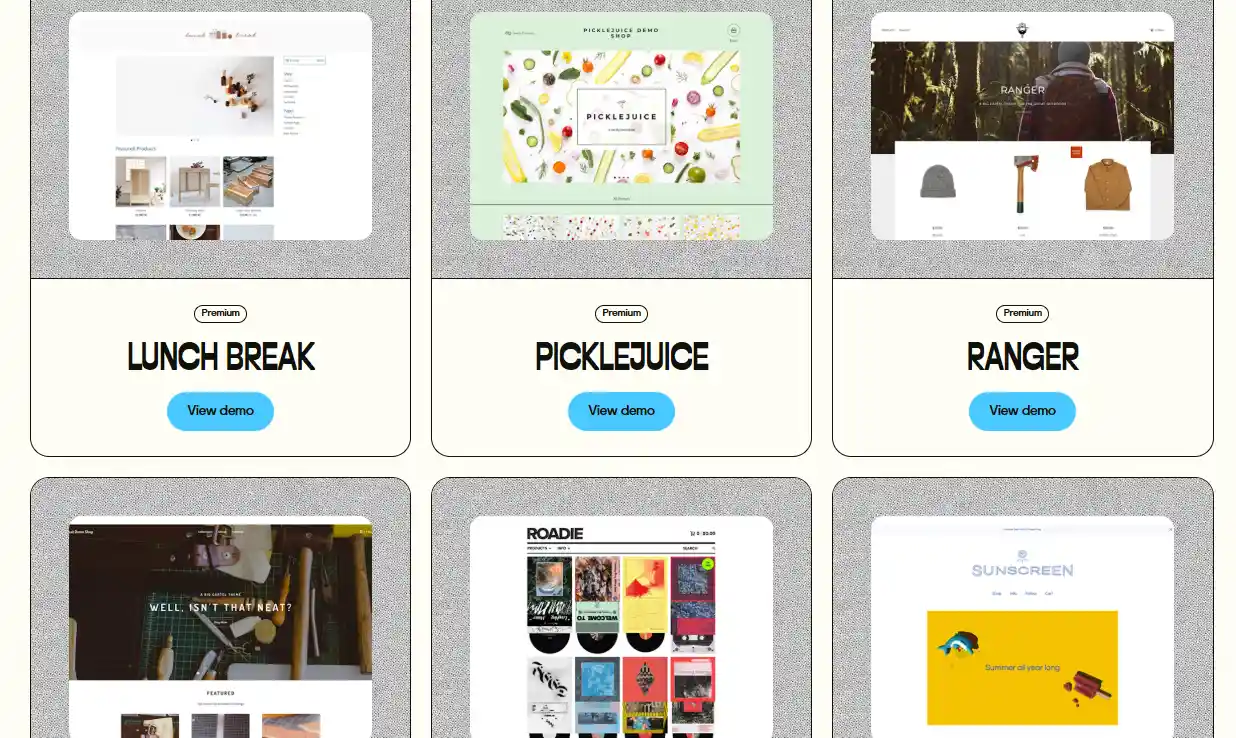
Big Cartel offers simple themes you can tweak a little. Paid plans let you edit code for more changes. You get a clean look fast, but options stay basic. Limited themes suit straightforward stores. This helps if you want to launch without spending time on complex designs.
Shopify
Shopify provides many free and paid themes with drag-and-drop editing. You access full code if needed and add sections easily. Extensive options let you build a unique store. It works when you need your site to match your brand closely or stand out from others.

Features and Tools
Big Cartel
Big Cartel covers basics like orders, discounts, and shipping setup. You get digital downloads and in-person sales support. Few built-in extras exist, and apps come through workarounds.
Core tools only keep it light. This fits if you handle most tasks yourself and avoid overload.
Shopify
Shopify includes abandoned cart recovery, email tools, and strong analytics. You connect to thousands of apps for more functions.
Multi-channel selling reaches places like Instagram or Amazon. Advanced built-ins handle growth needs. It helps when you want automation and ways to reach more buyers.
Scalability and Growth
Big Cartel
Big Cartel serves small or hobby-level stores best. You hit walls with product numbers or advanced sales tools as you expand. Switching plans adds slots, but features stay simple.
Best for staying small. This matches if you plan to keep your operation compact long-term.
Shopify
Shopify handles growth from small starts to large operations. Unlimited everything and pro reporting support bigger teams and sales.
International tools and custom checkouts adapt to new markets. Built to scale. It suits you if you aim to build a bigger business over time.
Support and Ease of Use
Big Cartel
Big Cartel setup feels quick and direct for beginners. Support comes through email or help guides. You find answers fast for common issues. Straightforward interface reduces learning time. This helps when you prefer a platform that gets out of your way quickly.
Shopify
Shopify offers 24/7 chat or phone on higher plans, plus vast docs and community help. The dashboard organizes tools clearly as you add them. Reliable support covers complex setups. It assists if your store involves more moving parts or team members.
Low-Risk Ecommerce: Why Big Cartel Works for Small Shops
Big Cartel is a good option for small shops, especially if you are just starting and want to limit risks. I've done this before with a small art store, and its simplicity kept me focused on selling instead of managing tools.
I was able to set up the store in just 3 days and made my first sale within the first week. For someone with limited capital, it keeps costs low and avoids unnecessary fees.
The downside is scalability. Big Cartel is not built for growth. If your shop expands or you need advanced features like marketing automation or multiple sales channels, you will likely need to move to Shopify.
Big Cartel is a low-risk starting point that lets you focus on selling rather than managing a complex system.
Read More:
- Squarespace vs. Shopify: Which is Best eCommerce Platform
- WooCommerce vs Shopify: Which is Better & How to Choose?
A Quick Test to Decide Which Platform Fits Your Store
If you're stuck between Big Cartel and Shopify, you're not really choosing a tool.
You're trying to understand what stage your business is in right now.
You don't need to read a long comparison.
Just walk through the questions below. It should take about 30–60 seconds.
1. How many products are you selling right now?
Start with the number of SKUs you actually sell.
- 1–10 products → Keep going to the next question
- 11–50 products → Shopify is usually the better fit
- 50+ products → Shopify is strongly recommended
Big Cartel is built for small catalogs. As your product count grows, its limits can raise costs or make daily tasks harder. Shopify handles larger catalogs with less friction.
2. How many orders do you get per month?
Next, think about order volume.
- Under 100 orders per month → Move to the next step
- 100–500 orders per month → Shopify is the safer choice
- 500+ orders per month → Shopify is the clear fit
Once you pass 100 orders a month, things like automation, order management, and abandoned cart recovery start to matter more. These features save time as volume grows.
3. Where does your traffic come from?
Consider how people find your store.
- Fans, followers, or friends
(Instagram, Xiaohongshu, Etsy, word of mouth) → Continue - Cold traffic
(ads, SEO, Google search) → Shopify fits better
Selling to people who already know you is simpler. Selling to new customers usually needs stronger marketing tools and tracking, which Shopify handles more easily.
4. Do you need advanced selling features?
Check what you need now or very soon.
- Abandoned cart emails
- Subscriptions or memberships
- Multiple currencies or cross-border sales
- Print-on-Demand integrations
- Data analysis or conversion tracking
If you need two or more of these, Shopify is the better option.
If you need none of them, move to the final step.
5. What is your main goal with this store?
Be honest about what you want.
- Side income, creative work, or light sales → Big Cartel
- Predictable growth and a repeatable brand → Shopify
Big Cartel works well as a simple starting point.
Shopify is designed for stores that plan to grow and scale.
A simple rule of thumb:
If you have fewer than 10 products, under 50 orders per month, and are focused on validating an idea, Big Cartel makes sense for now.
If you plan to run ads, scale production, or build a repeatable brand, starting with Shopify will likely save you time and rework. Paying less each month is rarely worth slowing down momentum.
Conclusion
When deciding big cartel vs shopify, it really comes down to your business stage. If you have a few products, low orders, and want something simple, Big Cartel fits. It helps you start quickly without extra tools.
If you plan to grow, handle more products, need marketing, or want automation, Shopify is the better choice. It gives you flexibility and tools for long-term success.
Think about your goals and daily needs. Use Big Cartel for small, creative projects. Use Shopify for scalable, growing businesses. Either way, you can focus on selling and building your brand.
FAQs
Is Shopify or Big Cartel better?
It depends on your goals. Big Cartel is simple and good for small shops, while Shopify offers more tools and flexibility if you plan to grow and manage higher sales volumes.
Is Big Cartel good for beginners?
Yes, Big Cartel is beginner-friendly. Its interface is straightforward, and it lets you set up products and take orders without complex settings, making it easy to start a small online store.
Is Big Cartel good for dropshipping?
Big Cartel can work for dropshipping if your store is small. However, it lacks advanced integrations, so automating orders or syncing multiple suppliers may be limited compared to Shopify.
How much of your profit does Shopify take?
Shopify charges a monthly fee and transaction fees, depending on the plan. Using Shopify Payments reduces extra fees, but additional apps or add-ons can slightly cut into your overall profit.
Can I make $10,000 per month dropshipping?
It's possible but challenging. Success depends on product selection, marketing, and supply chain management. Small stores usually grow gradually, so building to $10,000 a month takes planning and consistent effort.


 Global Shipping



 Made in USA
 Free shipping