





You might think opening a jewelry shop is complicated and needs tons of money or experience. But it's not as hard as it seems. With the right steps, your earnings can be way bigger than you expect.
In this complete 2026 guide, you'll learn how to start a jewelry business one clear step at a time. From picking your unique style, to finding your first customers, to growing your sales steadily.
Follow these 8 simple steps, and your passion can quickly become real income. Ready? Let's get started.
Why Start a Jewelry Business Online
You already know people love jewelry. Now imagine turning that into your own business from home in 2026.
The global jewelry market keeps climbing. It's set to grow by $116.36 billion between 2024 and 2030. That means more buyers every year, and most of them shop on their phones or laptops.
Going online changes everything for you. No rent for a store. No big upfront stock. You start small, test designs, and ship straight from suppliers.
Here's what you really gain:
- Reach customers anywhere—no limits to your local area
- Show off pieces with great photos and videos that highlight sparkle and details
- Adjust fast—swap slow sellers for hot trends without waste
Online jewelry sales keep rising because buyers want convenience and unique finds. You can build something personal that fits real life. The numbers show the opportunity. Your timing feels right. Jump in and make it yours.
How to Start a Jewelry Business in 8 Steps
Step 1: Choose Your Niche
Skip the "everything" approach — it spreads you too thin. Pick one hot 2026 style you enjoy making. Right now, bold colorful gemstones (like vibrant sapphire or emerald pieces) and sculptural silver cuffs are exploding.
Or try statement beads in fun mismatched colors, or personalized celestial motifs (stars and moons sell fast).
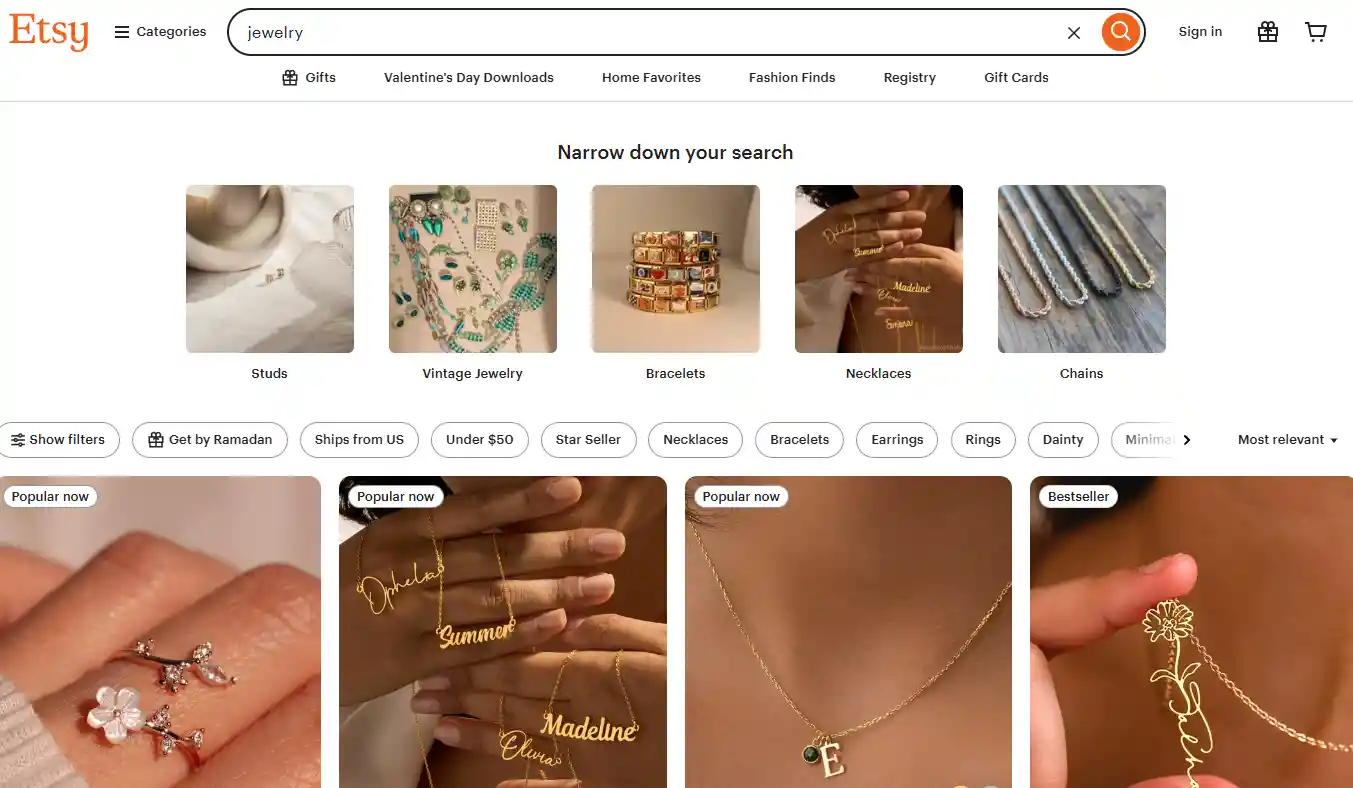
Quick check: Scroll TikTok and Etsy for what's getting likes. Focus here so your brand feels clear and special — customers spot the difference right away and remember you.
Step 2: Get To Know Your Buyers
Imagine one real person who'd love your stuff. Maybe a 25-year-old who wants playful, affordable beaded necklaces for daily outfits, or a 35-year-old mom hunting meaningful gifts under $100.
Jot down basics: age, daily life, budget, favorite apps (Instagram Reels? TikTok shops?).
Peek at comments under similar sellers — people say things like "I want something colorful that doesn't feel cheap." Use that to shape your designs and posts. When you nail this, your jewelry sells itself and fans spread the word for free.
Step 3: Make (Or Source) Your First Pieces
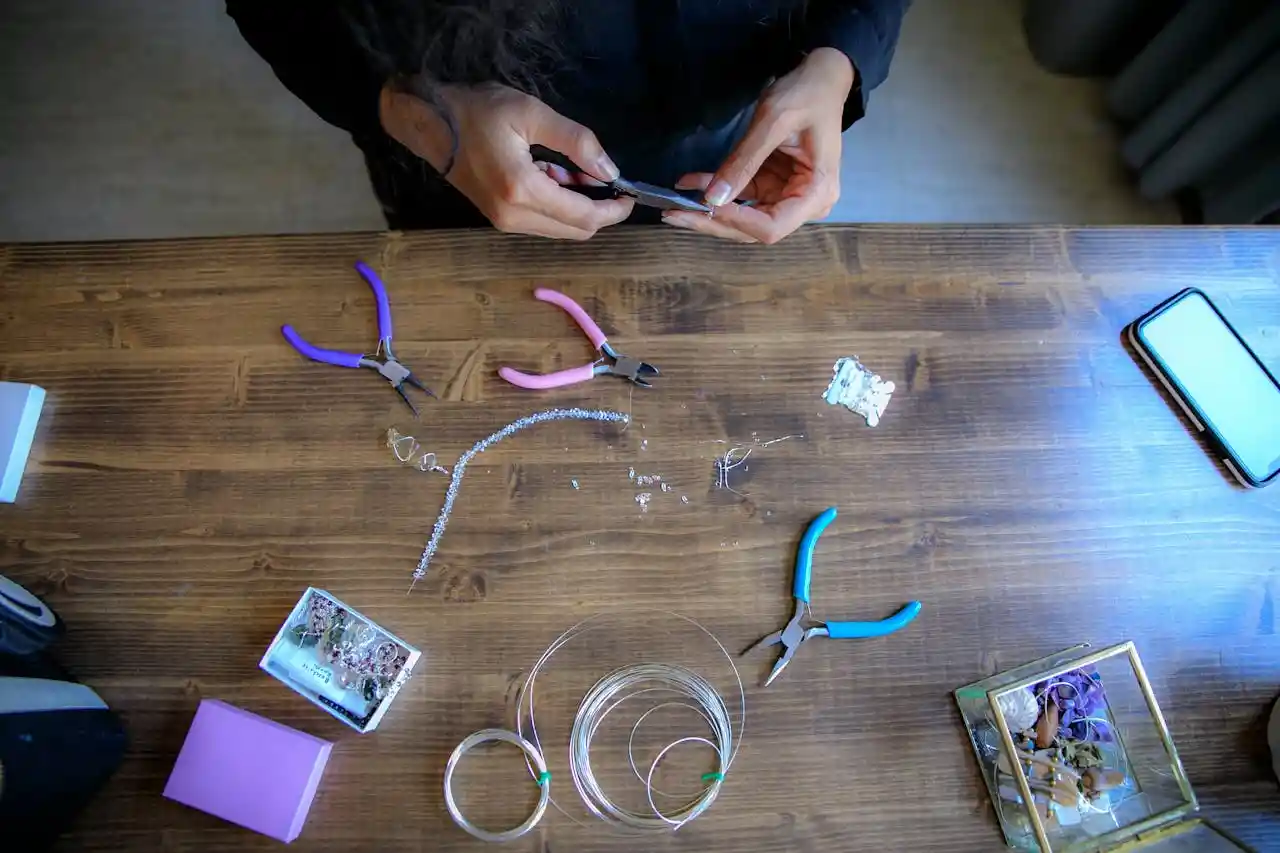
Decide if you want to hand-make every single piece or mix in some ready-made parts. If crafting is your thing, begin with just 10–20 simple designs in your niche. Keep them easy so you can make them quickly and see what customers actually buy.
Beginners grab a basic pliers set for $20–40 and order good-quality findings (clasps, jump rings, ear wires) from Fire Mountain Gems or AliExpress.
Want to grow faster? Use dropshipping suppliers like Etsy sellers or CJdropshipping — they have blank pieces you can customize with charms or engraving.
Either way, take great photos right away: natural light, clean background. Good pictures sell jewelry faster than anything else.
Step 4: Set Up Your Shop and Prices
Pick one main place to sell first so you don't get overwhelmed. Etsy is still the easiest for beginners in 2026 (low startup cost, built-in traffic). Or try Shopify if you want your own cute website later.
Price smart: Add up your materials + time (at least $15–20/hour for yourself) + Etsy/Shopify fees (about 6–10%) + shipping. Then add a healthy markup — most successful small jewelry shops aim for 3–5× material cost.
Example: If a necklace costs you $12 to make, sell it for $45–65. Start with 5–10 listings priced a little lower to get your first sales and reviews. Happy early buyers leave stars that help you show up higher in searches. You're building momentum.
Step 5: Build Your Brand Look and Feel
Choose 2 colors that fit your style (like warm gold + cream for elegant pieces, or bright pink + white for fun vibes). Make a basic logo in Canva — just your shop name in one nice font.
Write a short "about" line: "Hey, I'm Alex. I handmake gemstone earrings that feel special every day." Put this on your shop page and packaging stickers.
In 2026, people buy from brands that feel warm and real, not over-the-top fancy.
Step 6: Get Customers Coming In
Post daily on Instagram and TikTok showing your process, finished pieces, and quick styling ideas. Use hashtags like #HandmadeJewelry2026, #GemstoneRings, or #MinimalistStyle.
Share short Reels — people love watching "before and after" or "how I made this in 60 seconds."
Run a tiny giveaway (give away one necklace to get 100+ new followers). Email friends and family asking them to share your shop link.
When you get your first 5–10 sales, ask happy buyers for permission to repost their photos wearing your jewelry — that's gold for social proof. Focus on fun, consistent posting over perfect — momentum builds fast.
Step 7: Ship It Out and Wow Them
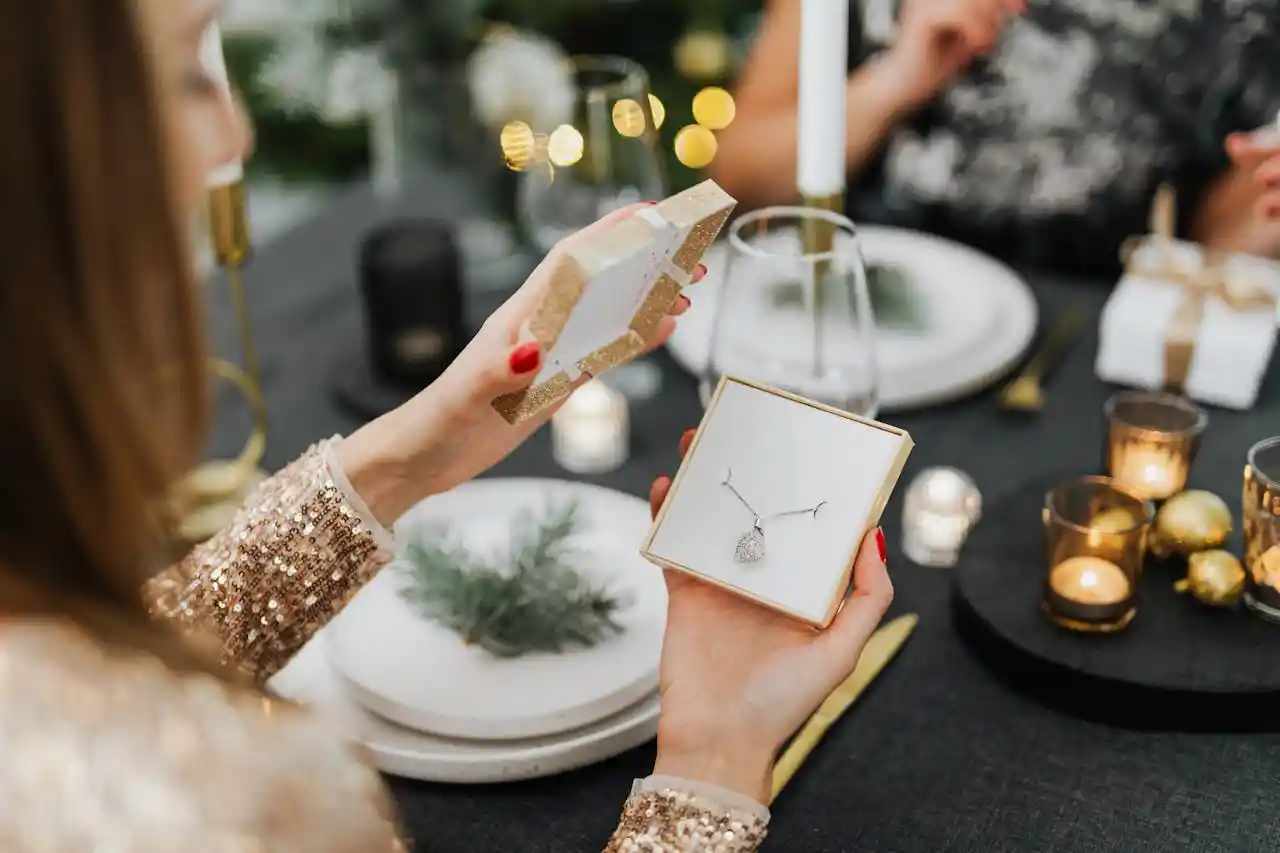
Pack every order with care: Use cute tissue paper, a thank-you card with your logo, and maybe a small extra charm or sticker. It costs almost nothing but makes people feel special.
Choose simple, tracked shipping (USPS First Class or Pirate Ship for cheap rates in 2026).
Offer free shipping on orders over $50–75 — most buyers love that and it boosts your average sale. Ship within 1–3 days and send a quick "your order is on the way!" message.
Step 8: Keep Growing and Improving
Check your sales and likes every week. Make more of what sells best and drop what doesn't.
Add a quick note in packages: "Love it? Tell me what you think!" Use feedback to add popular sizes or new trends like layered necklaces.
Set one small goal each month — like 10 new followers or 5 fresh listings. Celebrate every review and sale. Stay consistent with fun posts and treat buyers like friends. That's how your little shop keeps growing stronger.
Why Attention Matters in Jewelry Sales
In the online world, shoppers scroll quickly through feeds and sites. You have only a couple of seconds to catch their eye before they move on. That short moment decides if they stop to look closer or keep scrolling.
Jewelry feels different when bought online since buyers cannot touch or try it on right away. They become extra careful and picky. A strong first impression helps build trust fast. Clear, high-quality photos show details like sparkle, color, and size so people feel confident about what they see.
Many jewelry buys under a certain price happen on impulse. A striking image or bold presentation can spark that quick desire to add to cart. Loud colors or clean, eye-catching visuals make pieces stand out in a busy feed.
Focus on presentation from the start. Good images and thoughtful styling turn casual browsers into interested buyers. This simple step makes a big difference in getting sales started.
Top 5 Jewelry Suppliers for Your Online Stores
Stuller
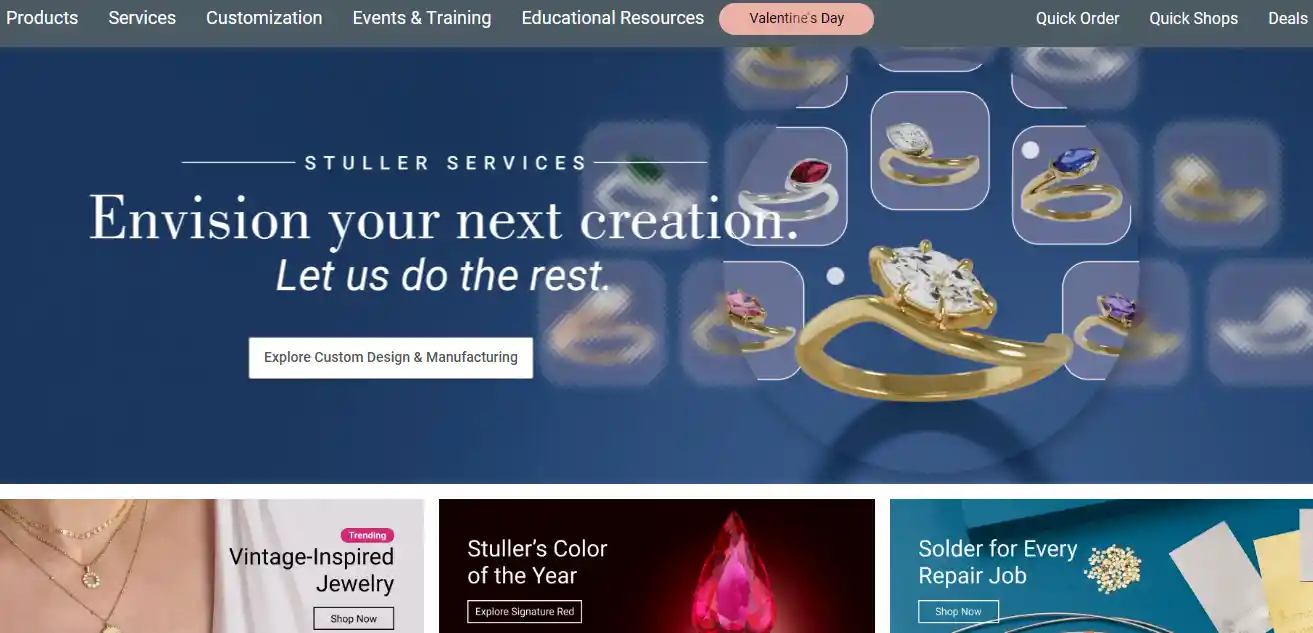
Go with Stuller if you want higher-end or fine jewelry options. They supply sterling silver, gold, and gemstone pieces for professionals.
You can find bridal items, custom designs, and ready-to-sell stock. Their tools help with ordering and inventory management. This works best when you build a brand around quality rather than just low prices.
PrintKK
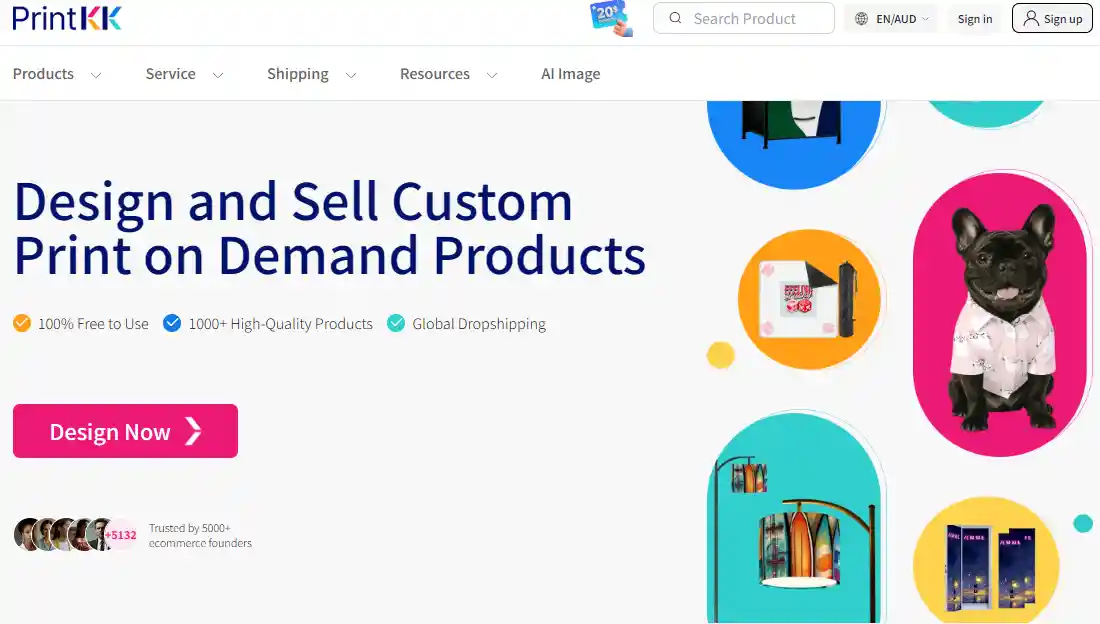
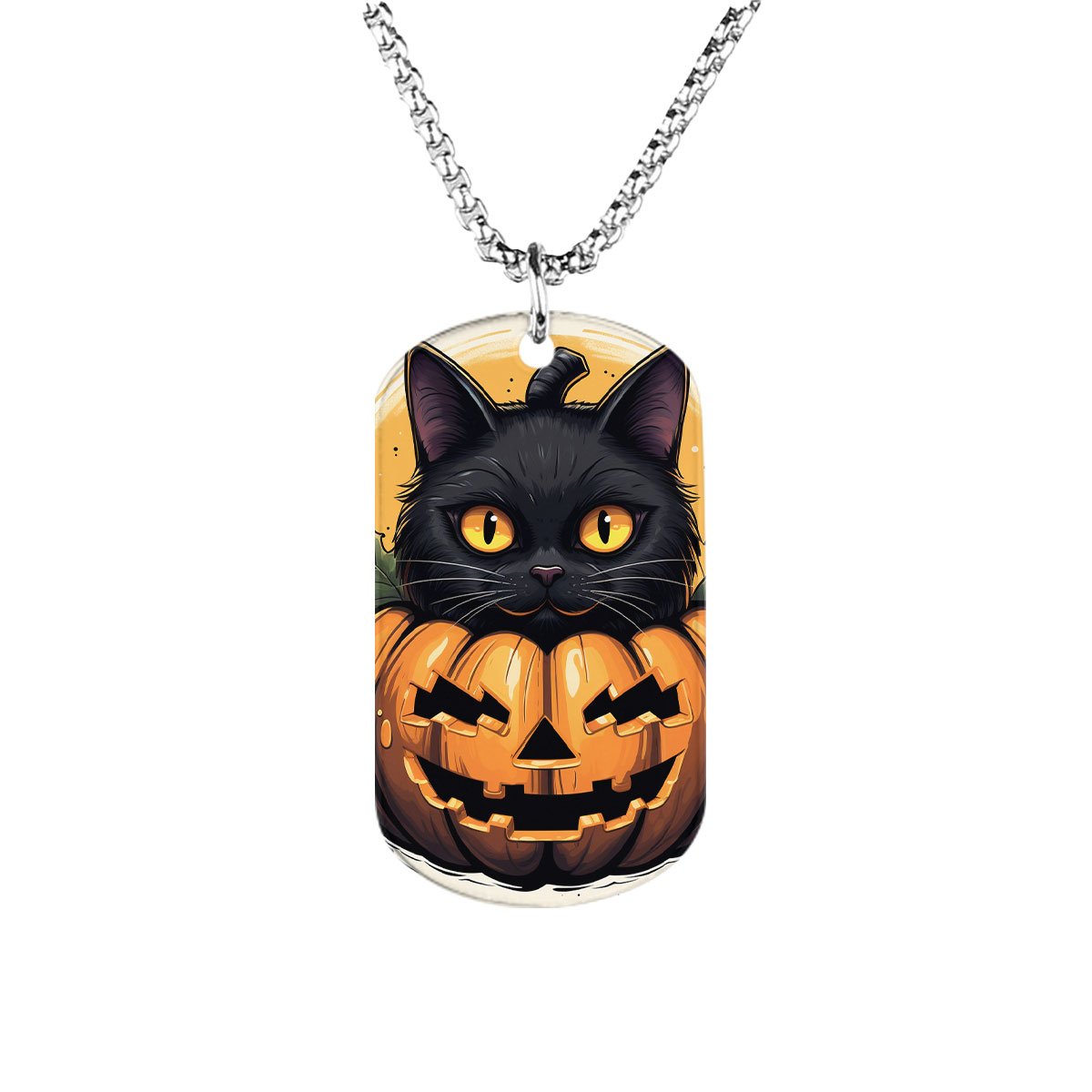
PrintKK gives you a free way to start with print-on-demand for custom jewelry.
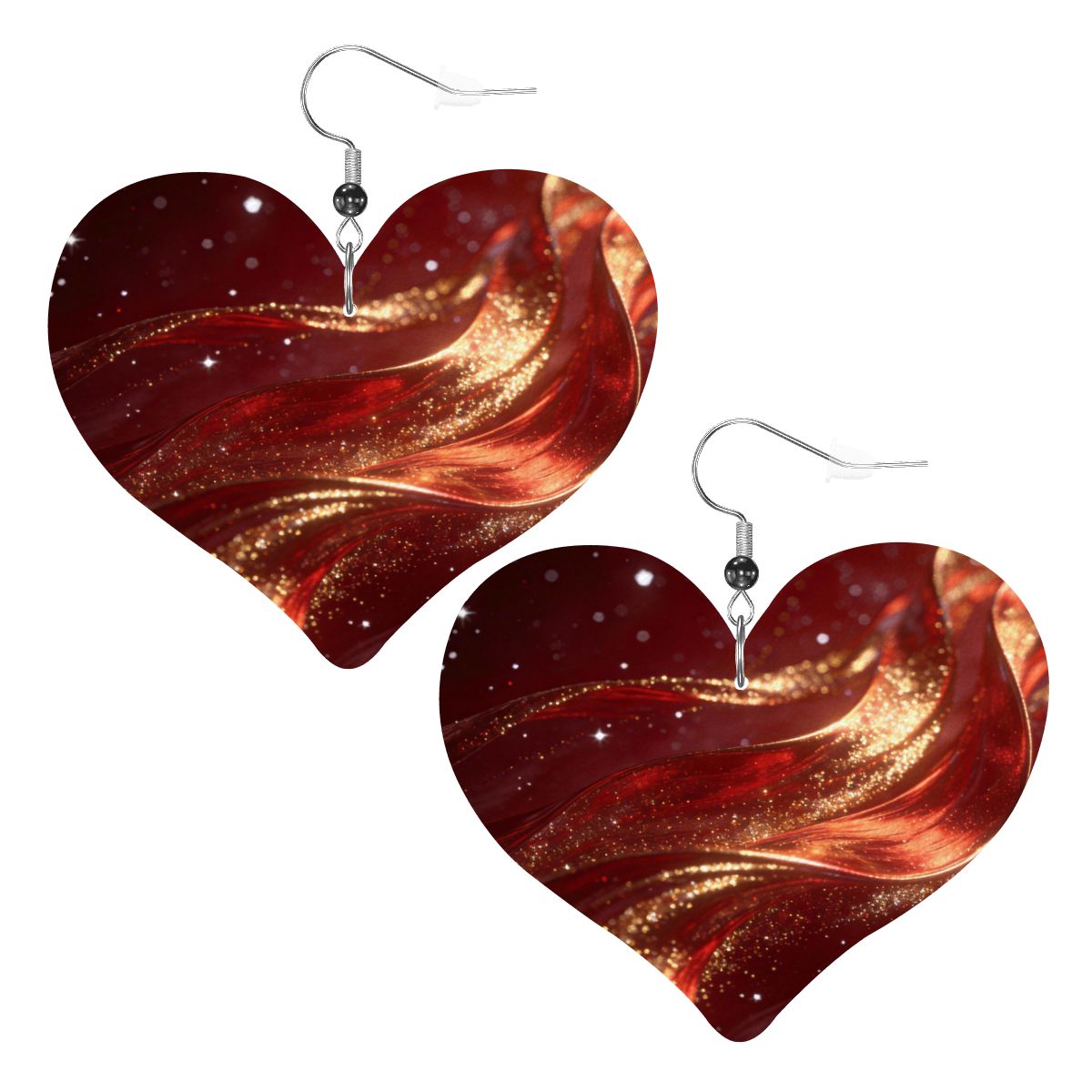
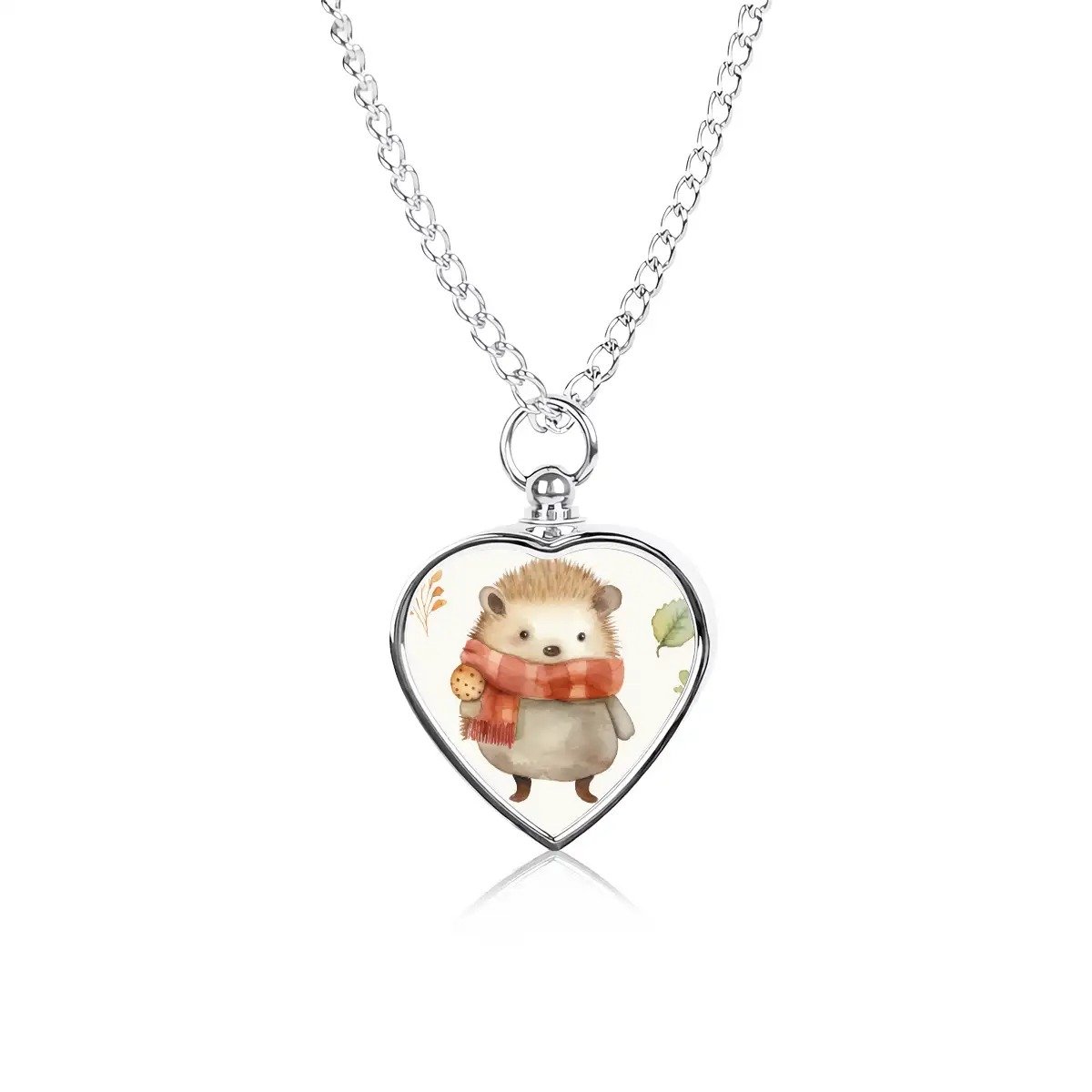
You pick from a big range of blank pieces—like personalized necklaces and earrings—then upload your own designs or use their templates to make them special.
The platform stays beginner-friendly with easy tools to design and list products. Many sellers use it to test ideas fast and build a store around meaningful, low-price items without any upfront investment.
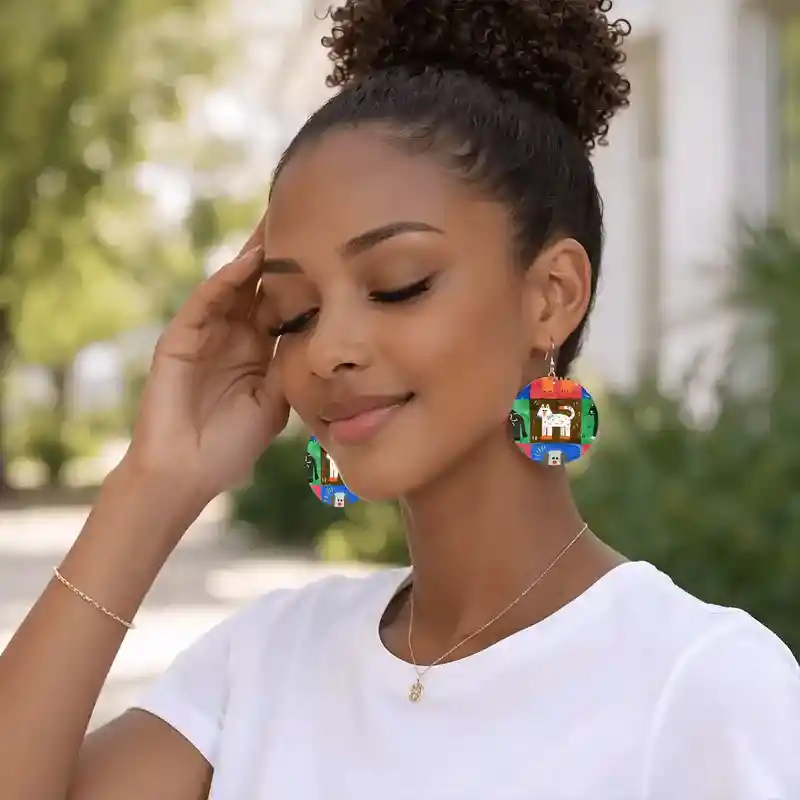
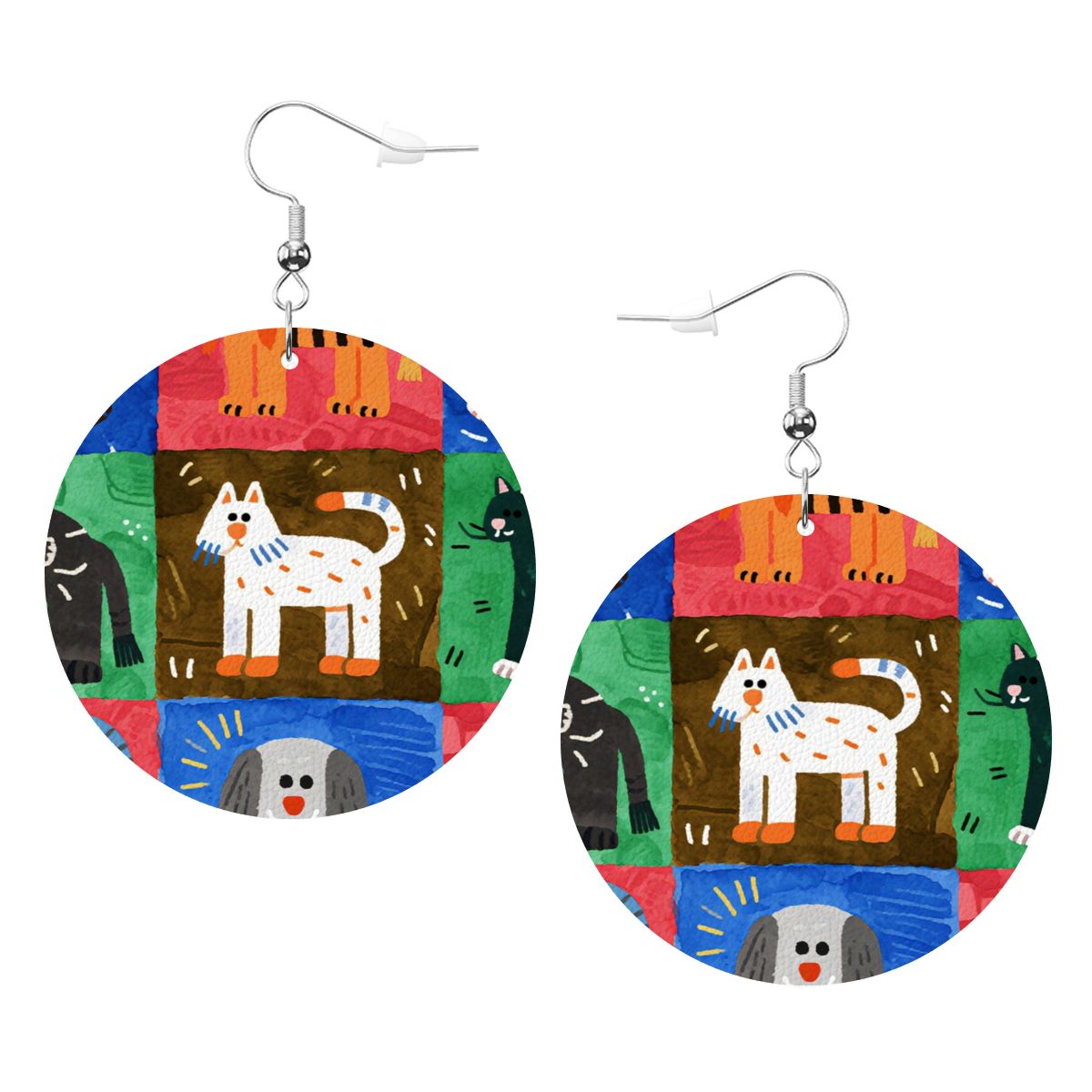
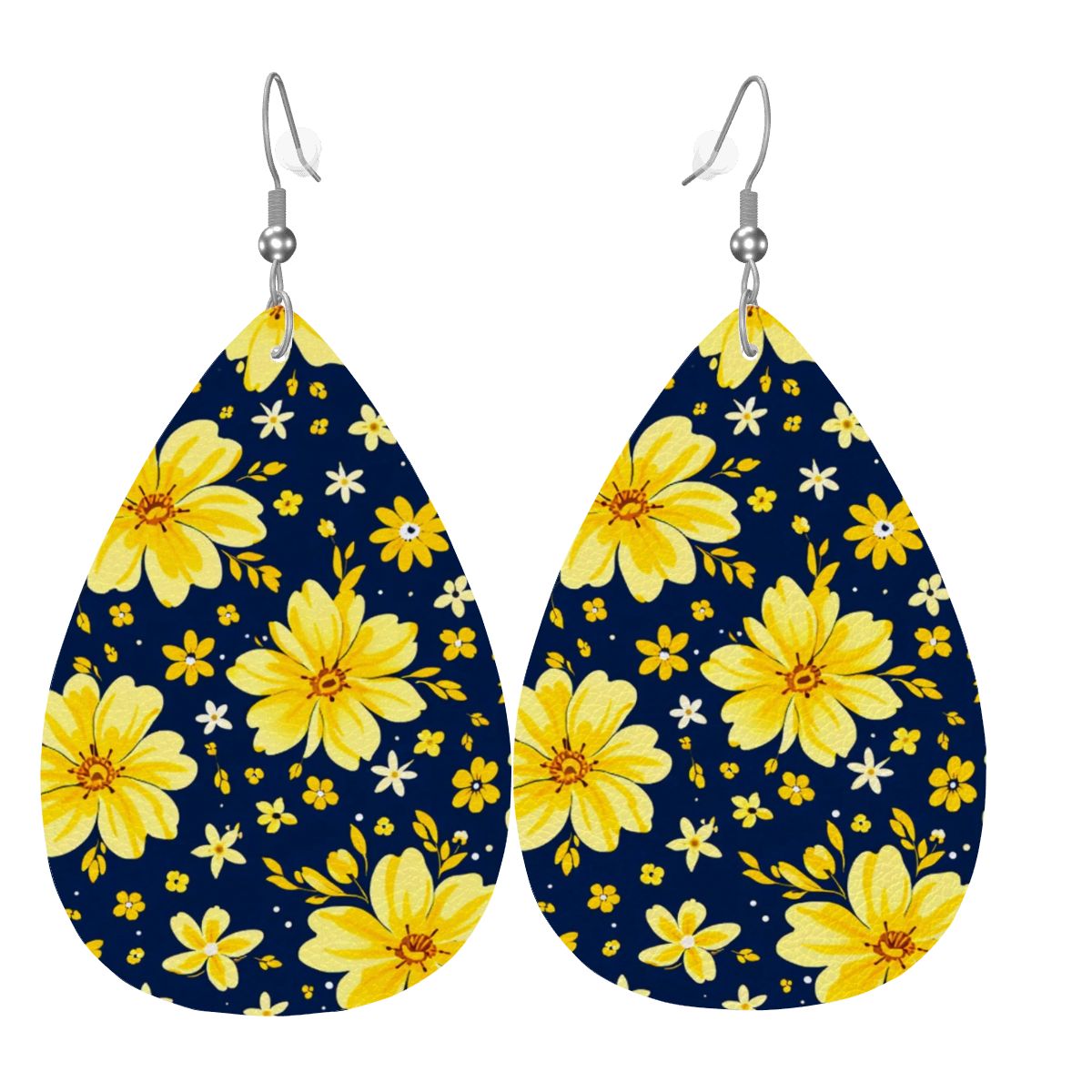
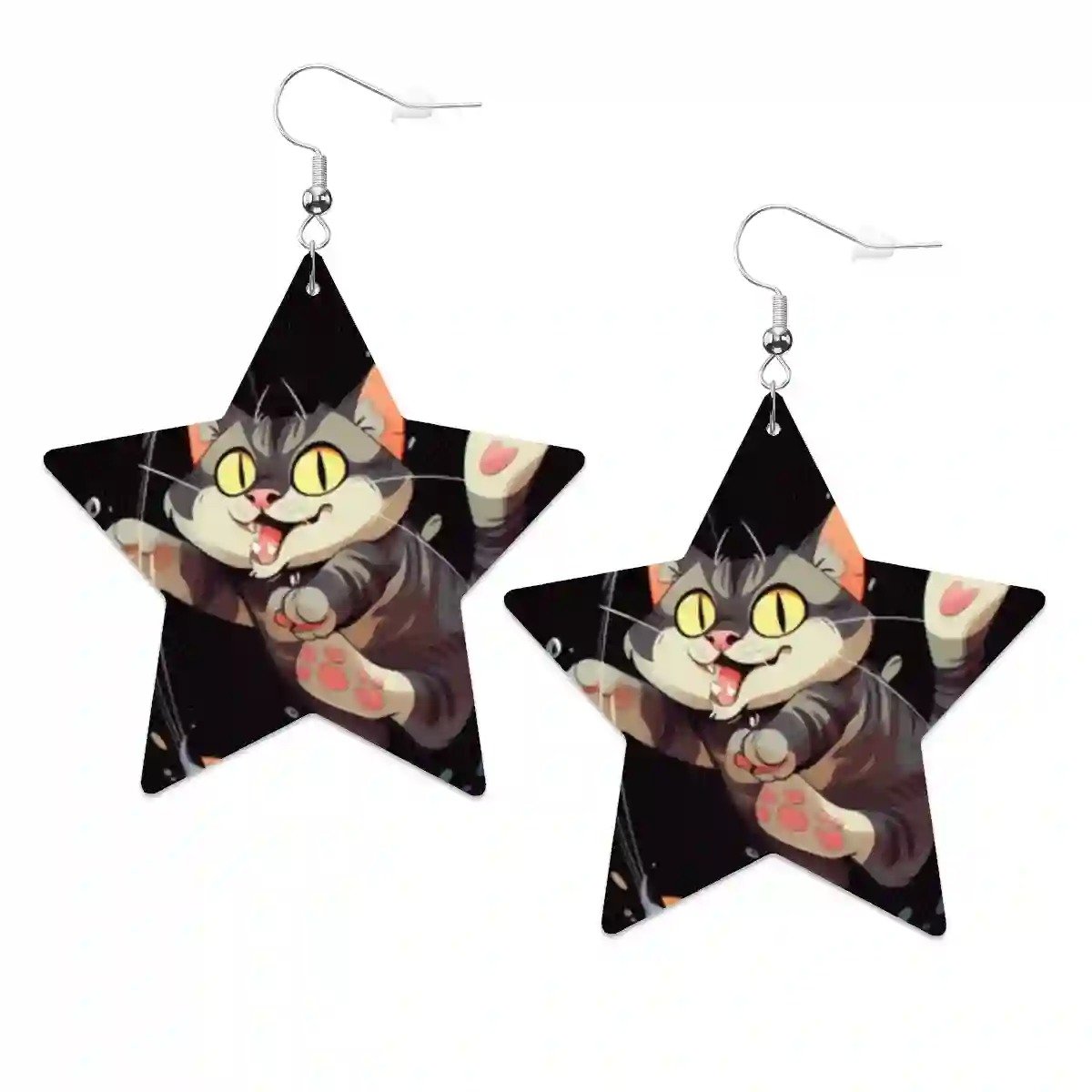
Custom Leather Round Earrings - Print on Demand Fulfillment - PrintKK
CJdropshipping

CJdropshipping gives you a large selection of fashion jewelry, including personalized and custom options.
It has U.S. warehouses for faster delivery in many cases. The platform connects directly to your store for automatic order handling and inventory updates.
You can find items like gemstone pieces, layered chains, or engraved items that match current trends. This supplier helps if you want variety and tools to test products without much risk. It also offers custom packaging to make your brand look more professional.
Spocket
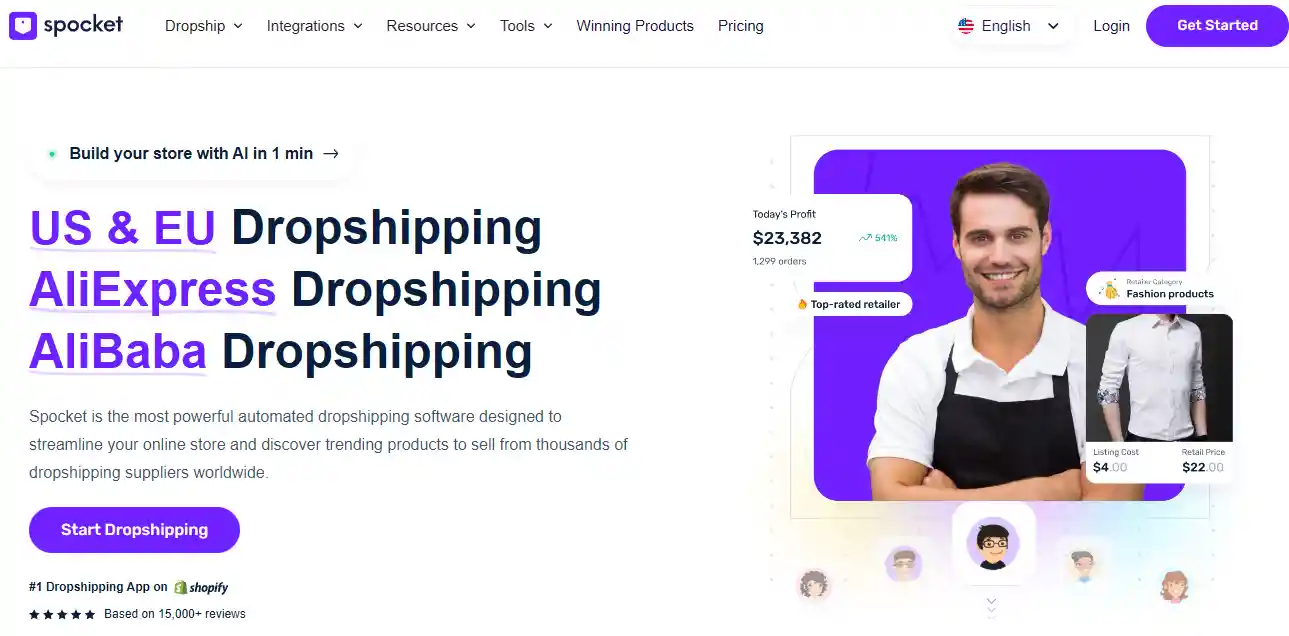
Spocket links you to suppliers mostly in the U.S. and Europe, so shipping often arrives in 3–7 days. It focuses on quality fashion jewelry, such as minimalist styles, everyday earrings, or semi-fine pieces.
The system syncs products, photos, and orders smoothly with Shopify or similar sites. You only pay after a sale, which keeps startup costs low. This works best when your customers value quicker delivery and items that feel premium without high prices.
ShineOn
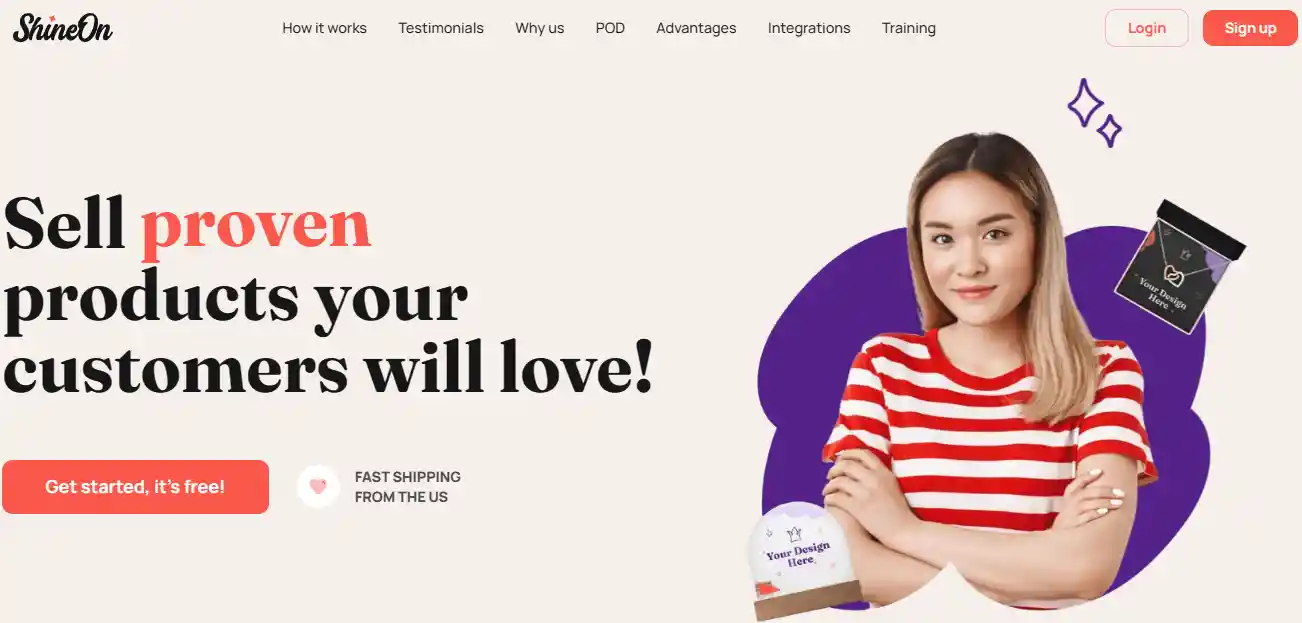
You can pick ShineOn if you want to sell personalized, print-on-demand jewelry that feels meaningful to buyers.
Everything gets made and shipped quickly from their own factories in the USA and EU—often in 2-3 business days—which helps with fast delivery and happy customers.
No need to hold inventory yourself. It works well for stores focused on gifts, emotional pieces, or special occasions since people buy these on impulse.
Many sellers like the high margins and ready-made product pages with good photos and descriptions.
Read More:
Start Your Jewelry Business with PrintKK
Ready to turn your jewelry ideas into real sales without the hassle? PrintKK makes it super easy to start your jewelry business in 2026.
Just visit the PrintKK site and use their simple design tool to create your pieces. Upload your artwork, add text, or play with templates.
When you're happy, place your order — you can buy one piece to test or bulk quantities for better discount prices. They handle printing, packing, and shipping for you.
Here's why PrintKK is a smart choice:
- No customs taxes or duties on shipments to the United States — more money stays in your pocket.
- Low prices + good quality on necklaces and earrings, and more.
- Their free AI Image tool quickly fixes and upgrades your designs so they look pro.
- Easy integration with Etsy, Shopify, Amazon, and other shops — connect once and sell automatically.
Give PrintKK a try — it's fast, affordable, and lets you focus on creating and growing your brand.
Expert Tips
Starting a jewelry business doesn't have to feel scary. You now know how to start a jewelry business in eight clear steps. Pick your niche. Understand your buyers. Create or source pieces. Set up your shop. Build your brand. Share your work. Ship with care. Keep improving.
Just start. Make one piece. List one item. Post one photo.
You have the tools and the plan. Customers are waiting for jewelry that feels special — the kind only you can make.
FAQs
How much does it cost to start a jewelry business?
You can begin with as little as $200–$500. This covers basic tools, materials for 10–20 pieces, and an Etsy shop setup. Many start even smaller by using what they already have.
Is a jewelry business profitable?
Yes, it can be very profitable. Small makers often earn $1,000–$5,000 a month once they build a steady following. Profit grows when you keep costs low and focus on what sells well.
What kind of jewelry sells best online?
Personalized pieces lead the way — think name necklaces, birthstone rings, and custom bracelets. Minimalist gold or silver items, layered chains, and eco-friendly designs also do great in 2026.
What are the best platforms to sell jewelry online?
Etsy is still the easiest for beginners with built-in buyers. Shopify works well if you want your own site. TikTok Shop and Instagram Shops help you reach people fast through short videos.
Do I need a business license to sell handmade jewelry online?
It depends on your location. Most places don't require one for small home-based sales, but check your city or state rules. Many start without one and add it later when sales grow.

 Global Shipping