





A great unboxing does more than just protect your product. It makes your brand look better. It leaves a good impression on your customers.
Custom packaging inserts keep everything safe during shipping. But they also add a nice sense of ceremony when the box opens. That small moment matters. In this guide, you'll learn how to create a professional unboxing experience step by step.
What Are Custom Packaging Inserts?
Custom packaging inserts are the inner pieces inside a box that hold your product in place. They can be made from cardboard, foam, or molded pulp.
Each insert is designed to fit one specific product—like a custom-cut tray for a bottle or a divider for two small items.
Inserts stop your product from sliding around during shipping. That's their main job. They turn a loose, rattling box into a secure, organized package.
Why Custom Packaging Inserts Matter?
You want your customer to feel good the moment they open the box. Custom inserts help you do exactly that. Here's why they matter:
- Stop product damage – no more rattling or broken items
- Create a clean, organized look – everything stays in its place
- Build trust – customers notice when you pay attention to detail
- Boost unboxing experience – makes your brand look more professional
The global packaging market is expected to reach $1.75 trillion by 2035. That's huge! It means packaging is a serious investment for businesses of all sizes. Don't let your brand blend in.
Smart, custom inserts turn a plain cardboard box into a professional moment your customers will actually remember. And when they remember, they come back.
Common Materials for Custom Packaging Inserts
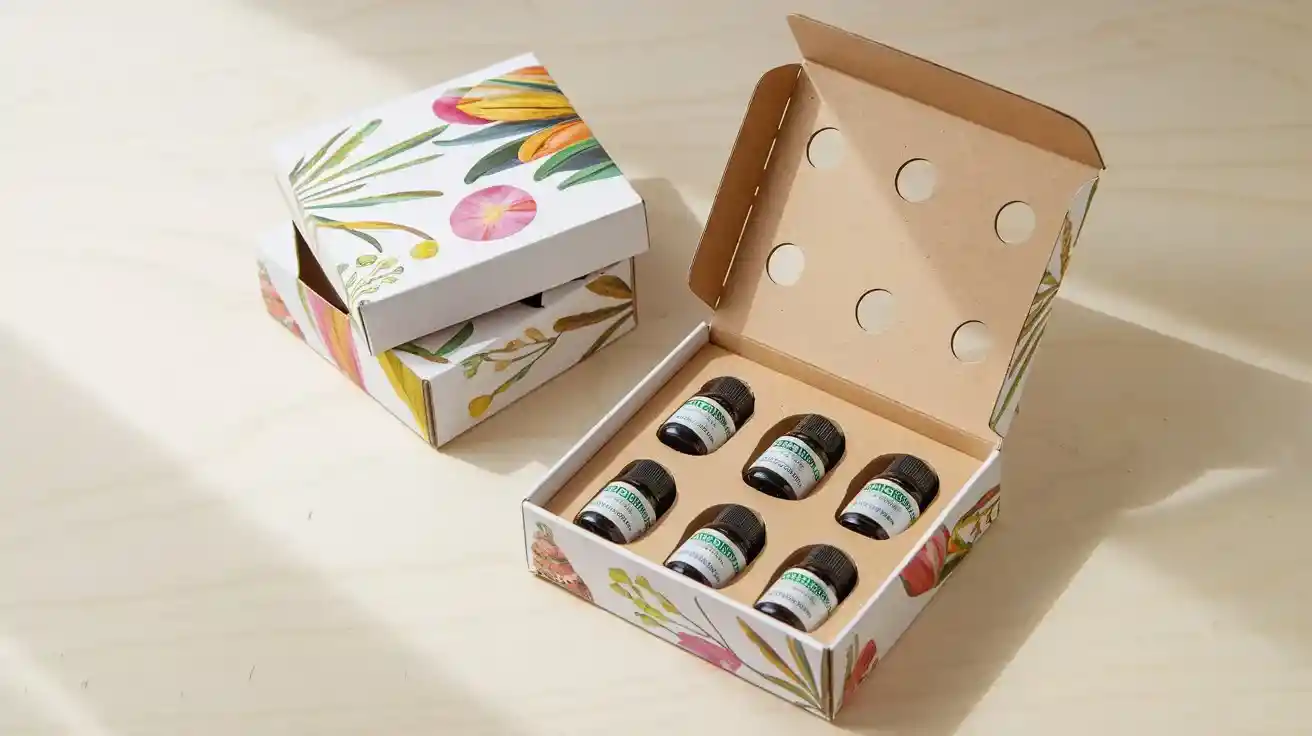
Corrugated Cardboard Inserts
A lot of brands love corrugated cardboard because it's sturdy but doesn't weigh much. You can shape it to hold items firmly in place, whether it's electronics or a set of bottles.
Thinner styles look sleek, thicker ones manage heavier stuff easily, and it prints your branding nicely. It's also super easy to recycle.
Source: ebro color
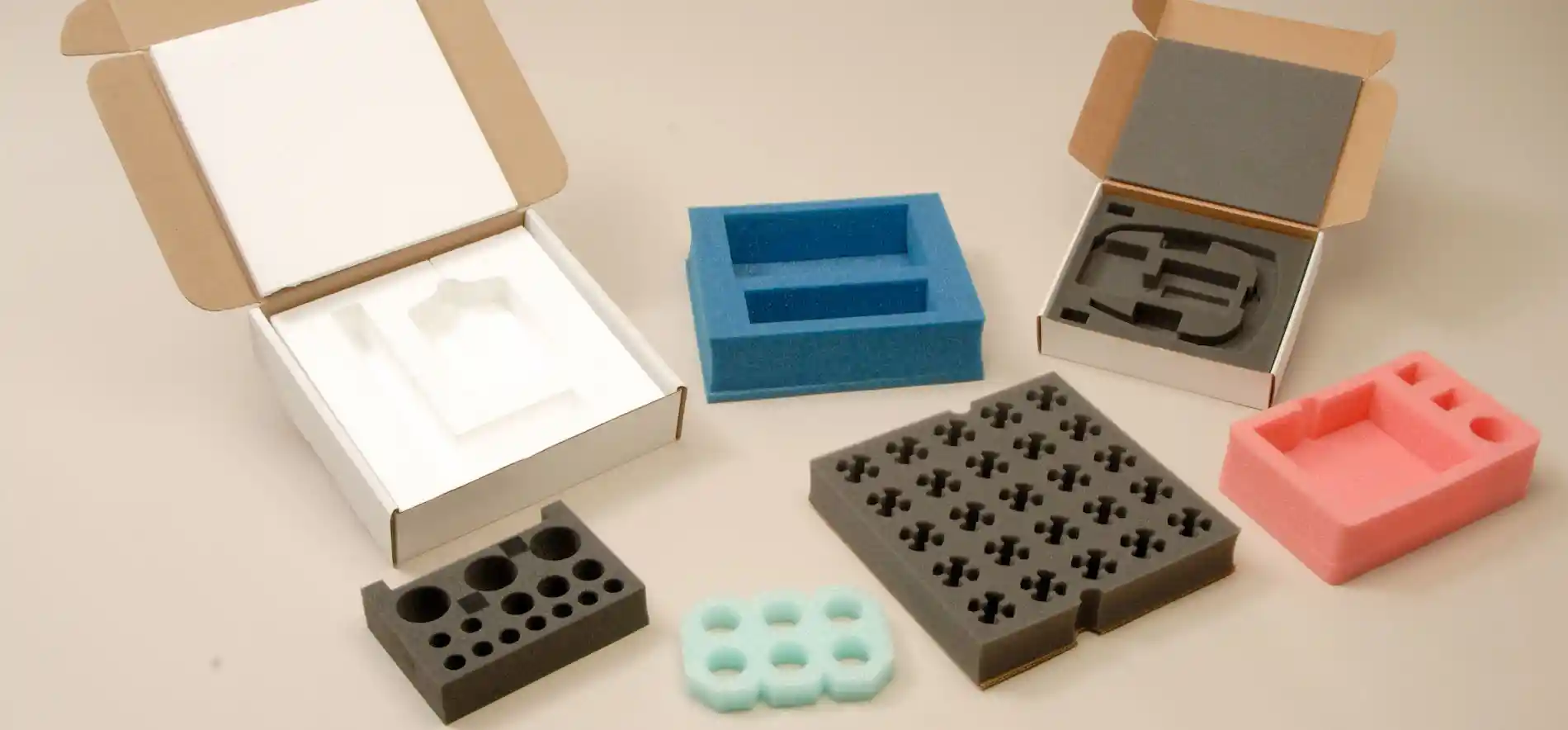
Foam Inserts
When protection matters most, foam inserts do the job well. They gently cradle fragile products like cameras or jewelry and stop them from getting scratched. The soft fit makes the product settle in with a nice little click.
Recycled foam options are becoming popular if you want that cushy protection with a greener touch.
Source: Index Packaging
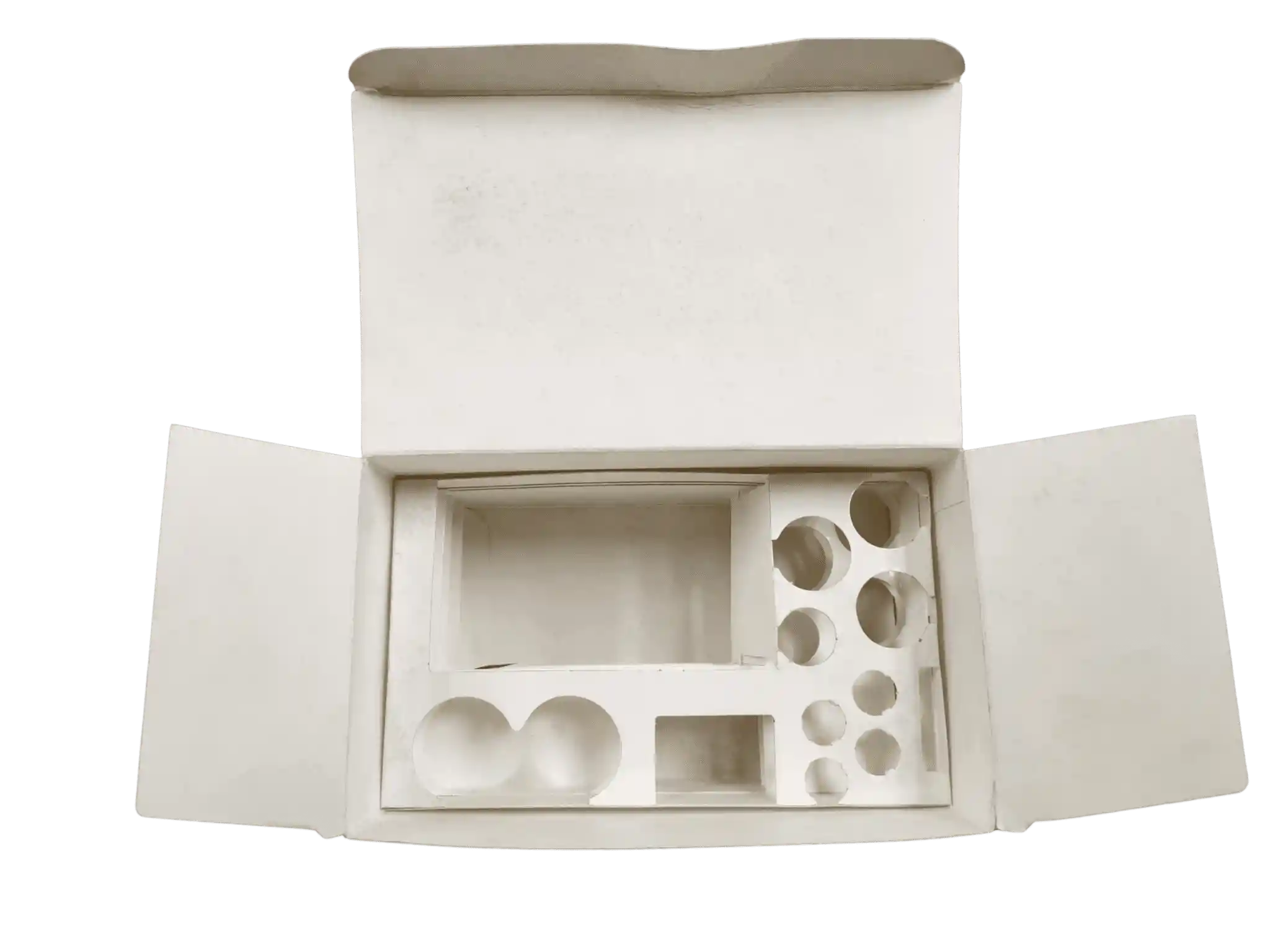
Paperboard and Chipboard Inserts
For cosmetics, cards, or fashion accessories, paperboard inserts feel just right. They fold into clean compartments that keep everything tidy and intentional.
Since they're thinner, they look more elegant and print colors beautifully. They're affordable yet still make the box feel special.
Source: Brown Packaging
Molded Pulp Inserts
Molded pulp is winning over many sustainable brands. It's made from recycled paper and shaped into trays that hug your product nicely while adding some cushion.
The textured surface gives a natural vibe that matches eco-friendly packaging. And the best part? It breaks down naturally, so it feels good to use.
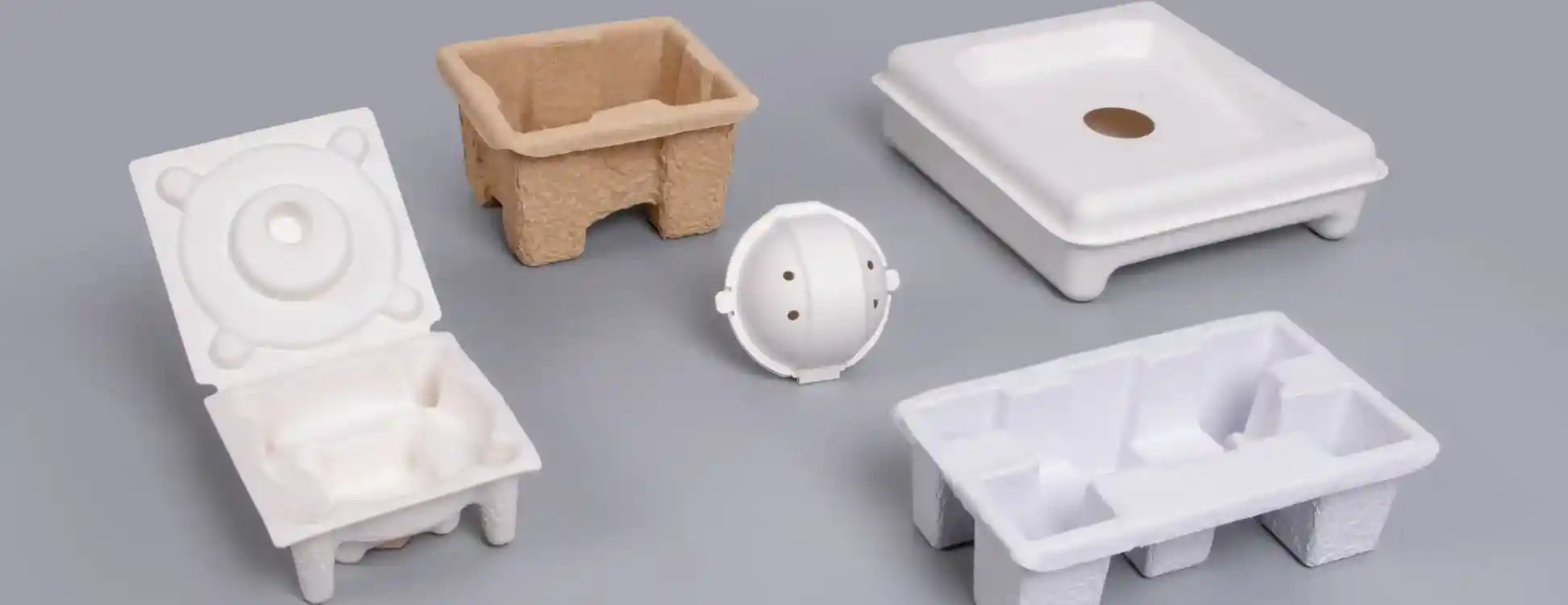
Source: PakFactory
Plastic Inserts (Thermoformed)
Thermoformed plastic is perfect when you need a precise, secure fit for unique shapes. Clear versions let customers see the product right away, and they hold up well for repeated use.
They're especially handy for subscription kits. Many brands now pick recycled plastic to make them feel more responsible.
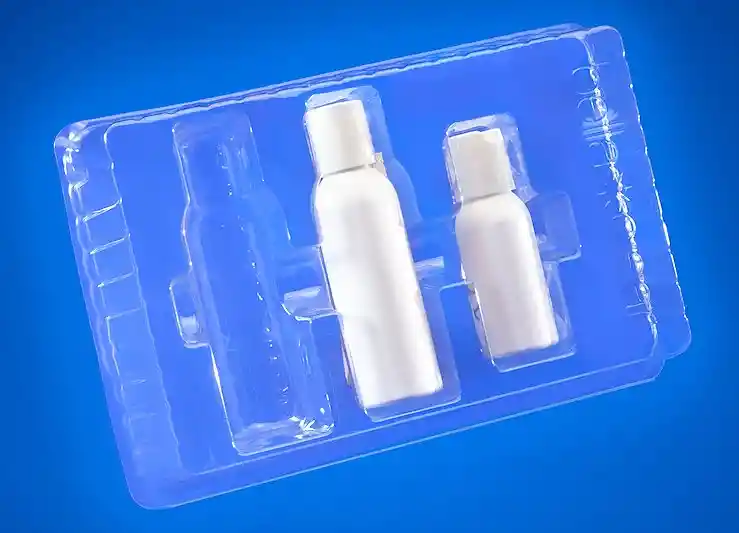
Source: Great River Plastics
How to Use Custom Packaging Inserts for Premium Unboxing?
1. Start With One Simple Product
If you sell multiple items, pick just one to begin with. Choose your most fragile or popular product. Test a small batch of inserts first instead of ordering hundreds. This keeps your cost low and lets you learn fast.
For example, if you sell candles, try a cardboard tray with a finger hole. See how it feels when you open the box. Once you get that right, move to bigger products.
2. Pick Material Based on Your Budget
Not everyone needs fancy foam. Cardboard inserts are cheap and easy to cut by hand. Start with cardboard if you're a beginner. Use a ruler and craft knife to cut a snug shape around your product.
Foam inserts cost more but protect heavy items better. Molded pulp looks natural and eco‑friendly but needs a custom mold. Match your material to how often you ship – daily shipping deserves stronger inserts.
3. Add a Simple Removal Helper
A tight fit is good for shipping but bad for unboxing. Make it easy for customers to take the product out. Glue a small fabric ribbon under the product so they can pull it up. Or leave half‑circle cutouts on two sides of the tray for finger space.
Test this yourself – if you struggle to remove it, your customer will too. This tiny detail makes your unboxing feel premium and thoughtful.
4. Check How the Box Opens First
Think about the box lid direction. When a customer lifts the lid, they should see the product facing them. Rotate your insert 180 degrees if needed. Many beginners forget this and place the product upside down.
For a box that opens from the top, your insert should have the product standing right‑side up. For a drawer‑style box, slide the insert out so the product is ready to grab. Small orientation changes make a big difference.
5. Mail a Test to a Friend or Yourself
Don't guess – ship a real box with your insert inside. Mail it to a friend across town or to your own address. Ask them to film the unboxing so you can see where things go wrong.
Does the insert shift during transit? Does the product pop out? Open the box carefully and check for any damage. Then improve your insert shape or thickness. One real‑world test is worth ten hours of planning.
How to Choose Packaging Inserts by Product Type?
1. High‑Protection Products (Fragile or High‑Value)
Think electronics, glass, ceramics, or luxury gifts. These items need strong impact resistance and no shifting during shipping. Use foam, molded pulp, or engineered corrugated inserts.
A snug fit is critical – any movement can cause cracks or scratches. Spend a little more on material here. One broken item costs more than good inserts.
2. Food & Perishable Products
Baked goods, snacks, drinks, or fresh items require food‑safe materials. Choose food‑grade pulp, corrugated dividers, or ventilated trays. The insert must prevent contamination and keep products stable.
Also watch out for moisture and crushing risks. Always check that your material meets safety rules. A bad choice can ruin the food and your brand's reputation.
3. Plant & Living Goods
Small potted plants, growing kits, or flowers need anti‑tip support and airflow. Use die‑cut corrugated supports or molded pulp holders. The insert should stop soil from leaking and keep the root structure steady.
Ventilation is also important – plants can't sit in a closed, stuffy box. A good holder keeps the plant upright and healthy until it reaches the customer.
4. Household & Everyday Items
Cups, tools, small appliances, and kitchen goods need stable fixing at a reasonable cost. Corrugated inserts or simple molded trays work well. Protection level here is medium because these items aren't super fragile.
But you may have many different product shapes (SKUs). Pick a flexible insert design that fits several sizes. That saves money while still stopping rattling.
5. Apparel & Lightweight Brand Products
Clothes, accessories, or stationery don't need heavy protection. Focus on brand experience over safety. Use paperboard inserts, printed cards, or a simple tissue paper system.
The goal is to present the item neatly, not to block big impacts. A clean, attractive insert makes unboxing feel special. Keep it light and low‑cost, but make sure the product stays folded or rolled in place.
6. Irregular or Multi‑Item Bundles
Subscription boxes, gift sets, or mixed SKUs are the trickiest. You need separate compartments to stop items from bumping into each other.
Use divider inserts, modular corrugated grids, or fully custom trays. Plan the layout carefully so each product has its own spot. This takes more design work, but a messy bundle feels cheap. Good structure makes every item easy to find and remove.
Expert Tips
So now you know how custom packaging inserts can help. They keep your product safe. They make unboxing clean and easy. You don't need a big budget to start. Just pick the right material and test the fit.
Think about how your customer opens the box. Small details matter. A snug insert feels professional. A loose one feels cheap.
Start with one product. Improve as you go. Good packaging builds trust. Your customers will notice the care you put in. That's a simple win for your brand.

 Global Shipping
 Free shipping