





You often face cool weather and wonder what to wear. The difference between sweater and jacket matters more than you think. Sweaters offer soft, cozy warmth for everyday comfort. Jackets provide tough protection against wind and rain.
Both play key roles in your closet. This guide breaks down their styles, uses, and fabrics. You will learn when to choose each one. Stay warm and look good with the right pick for any day.
What Is a Sweater?
You grab a sweater when you want something soft and warm to slip into on a cool day. It's a knitted top that covers your upper body and arms. Knitted fabric stretches to fit you comfortably.
Made from wool, cotton, or cashmere, it feels cozy and works over a shirt or alone for casual settings. Knowing the types helps you pick the right one fast.
Common sweater types include:
- Pullovers: Slide over your head. Crew neck fits close for a clean look with jeans. V-neck layers well over shirts.
- Cardigans: Open in front with buttons or zippers. Easy to toss on for quick warmth or polish.
- Turtlenecks: Fold high around your neck. Extra coverage blocks cold air on chilly days.
- Cable Knits: Feature twisted, rope-like patterns. Thick weave traps heat for serious warmth.
Each type suits different needs. A light pullover handles mild weather, while a cable knit tackles cold without extra layers. Choose based on your day's plans.
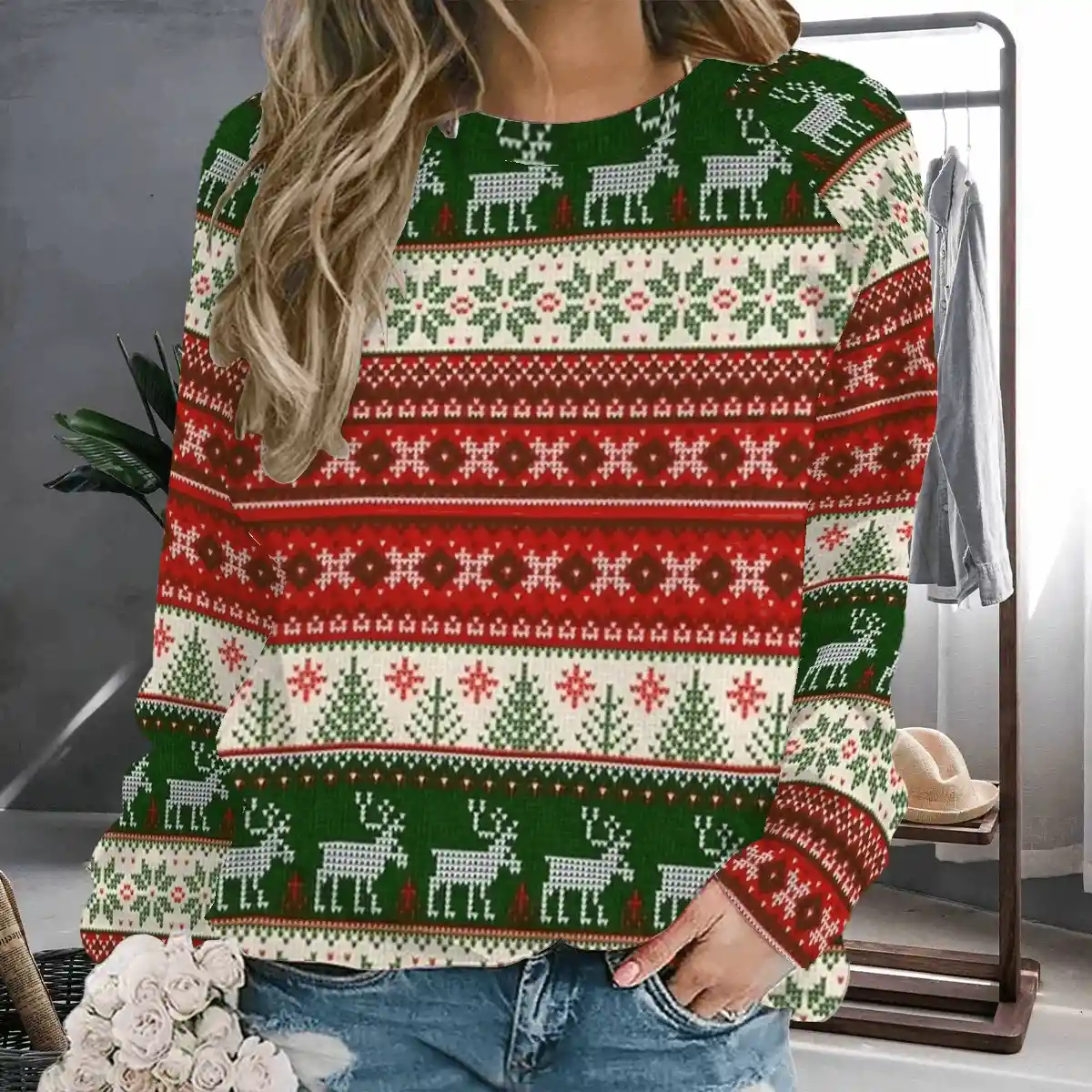
Custom AOP Raglan Crewneck Sweatshirts Women with Print on Demand - PrintKK
What Is a Jacket?
You reach for a jacket when you need protection from wind, rain, or cold outside. It is an outer layer worn over other clothes.
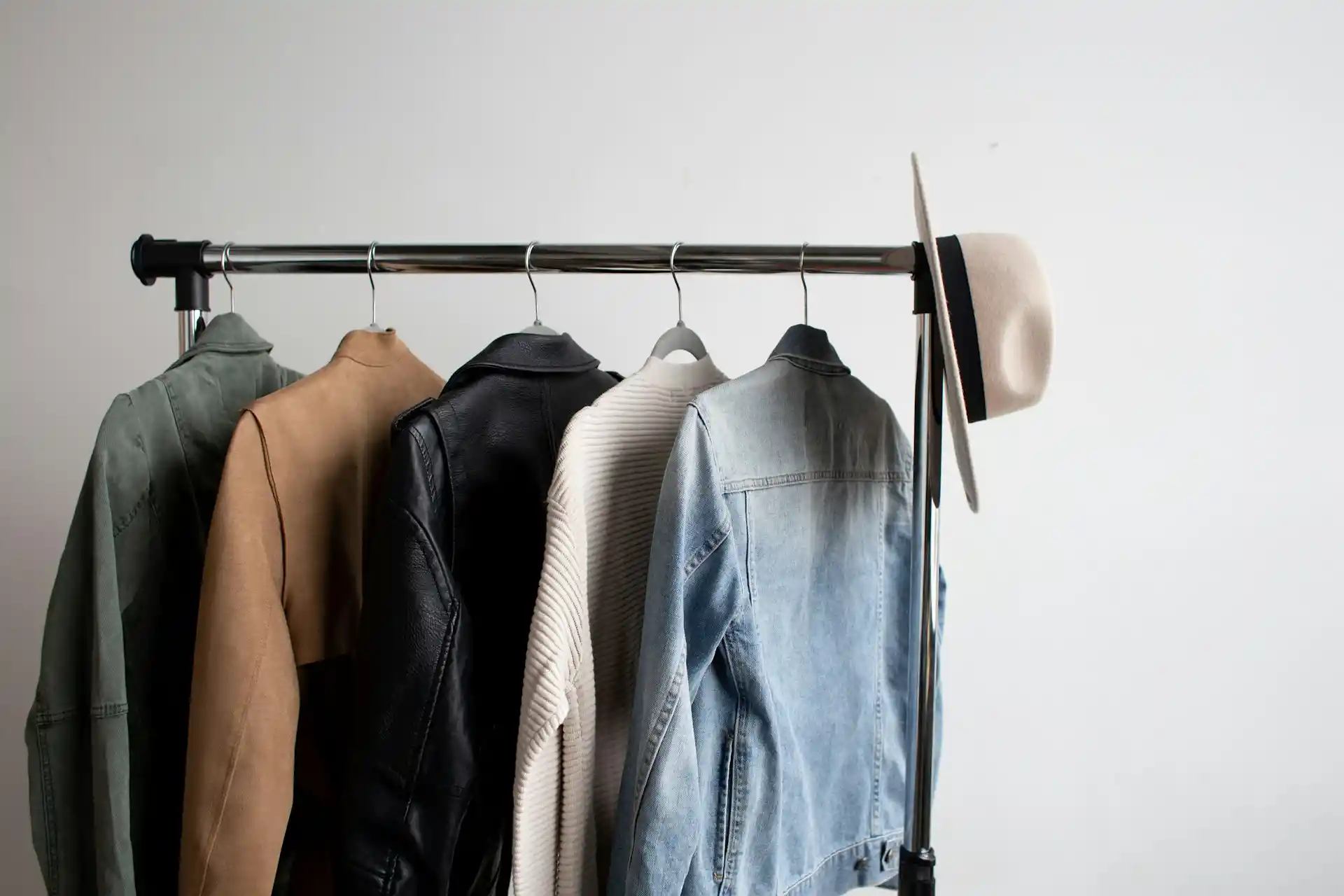
Durable fabrics like leather, denim, or nylon make it tough against weather. Linings add warmth, and closures like zippers keep elements out. Jackets fit looser than sweaters for easy movement in daily tasks.
Common jacket types include:
- Bomber Jackets: Short with ribbed cuffs and waist. Ribbed edges seal in heat and give a sporty look for casual outings.
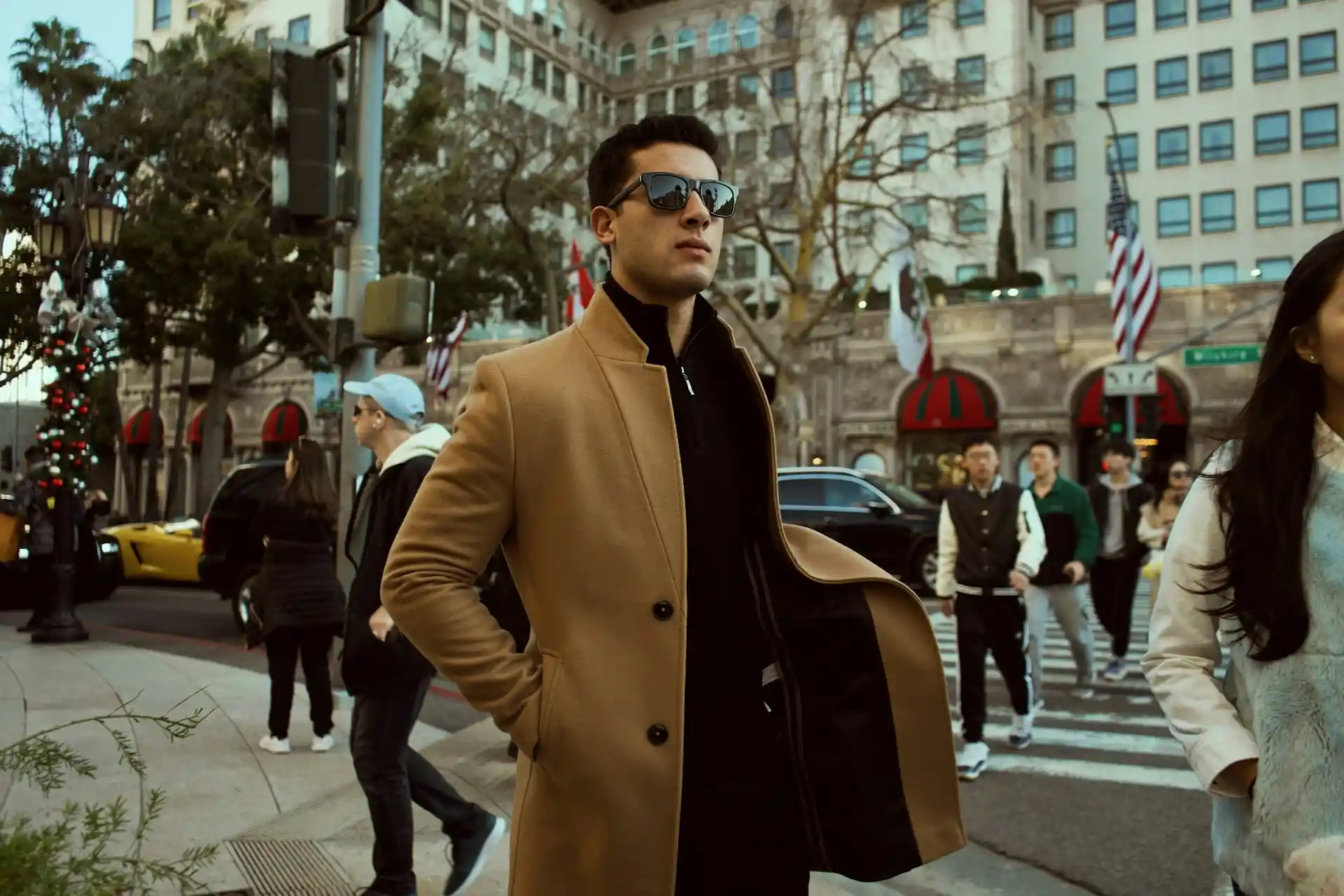
- Denim Jackets: Made from sturdy jean material. Layer over hoodies for mild days or add style to dresses.
- Parkas: Long with hoods and insulation. Heavy padding handles snow and rain on winter trips.
- Leather Jackets: Tough skin material that lasts years. Fits edgy styles or motorcycle rides.
- Windbreakers: Light and water-resistant. Pack small for sudden weather changes during runs or errands.
These choices match your needs. A windbreaker works for light rain, while a parka tackles harsh cold. Pick one that suits your activities and local weather.
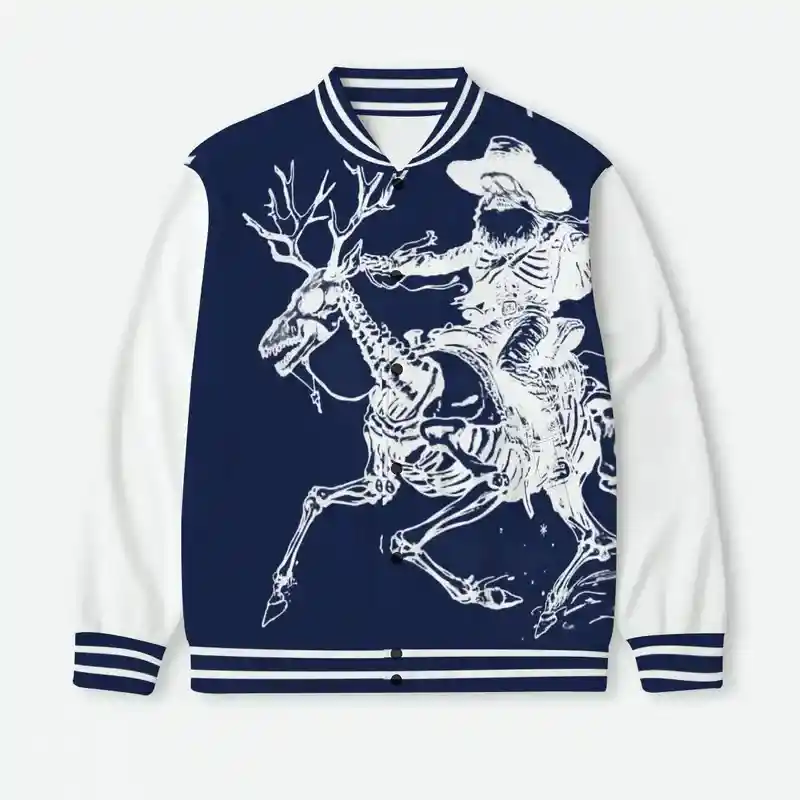
Print On Demand Button-up Baseball Jacket - PrintKK
Key Difference Between Sweater and Jacket
Material
Sweater
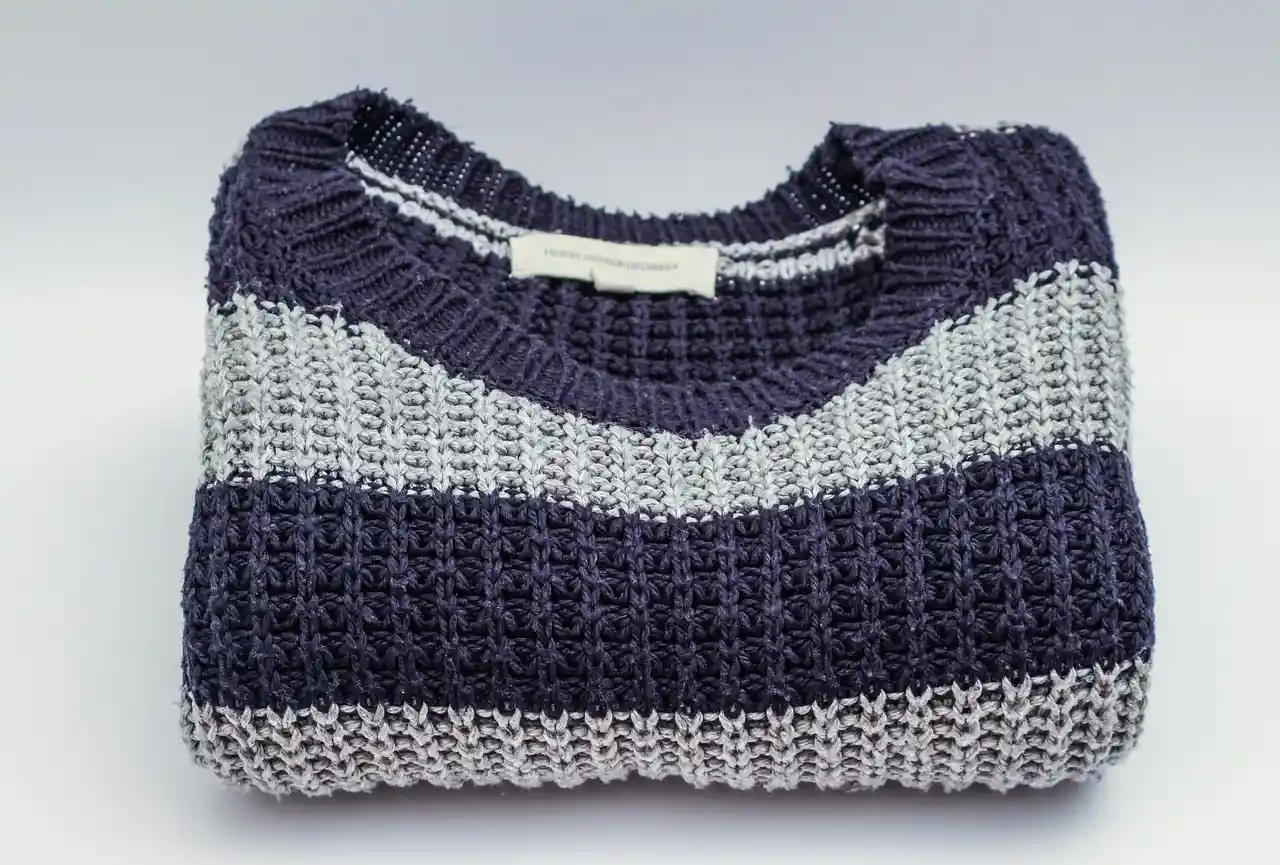
You choose sweaters made from soft, knit fabrics like wool or cotton. These materials stretch and fit close to your body. Wool keeps you warm in cold weather. Sweaters feel cozy against your skin. They come in blends for comfort. This makes them good for everyday wear.
Jacket
You pick jackets from tougher materials such as leather or nylon. These fabrics resist wind and rain. Leather adds style and lasts long. Jackets protect you from the elements. They often have linings for extra warmth. This suits them for outdoor activities.
Design
Sweater
You see sweaters with simple designs like pullovers or cardigans. They have no zippers, just buttons sometimes. Pullover style slips over your head easily. Sweaters hug your shape. They lack pockets often. This gives a casual look.
Jacket
You find jackets with zippers, snaps, or buttons for closure. They include hoods or collars. Zipper makes them quick to put on. Jackets fit loosely. Many have multiple pockets. This creates a structured appearance.
Purpose
Sweater
You use sweaters for light warmth indoors or layering. They work well under coats. Layering helps adjust to changing temperatures. Sweaters suit casual outings. They provide comfort without bulk. This fits relaxed settings.
Jacket
You wear jackets for protection against weather outdoors. They shield from rain or wind. Protection is key in bad conditions. Jackets handle active tasks. They offer more coverage. This makes them ideal for errands or sports.
Warmth Level
Sweater
You get moderate warmth from sweaters depending on thickness. Thin ones are for mild days. Thickness determines heat retention. Sweaters trap body heat well. They breathe to avoid overheating. This balances comfort.
Jacket
You receive higher warmth from jackets with insulation. Padded ones are for cold. Insulation blocks out chill. Jackets seal in heat better. They may feel heavier. This provides reliable defense in winter.
Style Versatility
Sweater
You style sweaters with jeans or skirts for everyday looks. They match casual outfits. Casual vibe suits home or work. Sweaters come in patterns. They layer easily. This adds variety to your wardrobe.
Jacket
You pair jackets with pants or dresses for different occasions. They fit formal or sporty styles. Sporty options work for adventures. Jackets have bold colors. They stand alone. This expands your fashion choices.
Sweater vs Jacket: How Fabric Affects Warmth and Comfort
Fabric Basics
You notice sweaters and jackets use different materials that change how they feel and work. Sweaters come from knit fabrics like wool, cashmere, cotton, or blends. These stay soft and warm with medium breathability. Knit structure traps air for coziness close to your skin.
Jackets use woven or coated materials such as canvas, nylon, polyester, waterproof fabrics, or leather. These resist wind and water while lasting through rough use.
Durable weaves make them strong for wearing as an outer layer in bad weather.
How Fabric Affects Warmth and Comfort
Fabrics decide warmth through structure and material. Knit sweaters hold heat well because air pockets form in the weave. Wool beats cotton or synthetics for insulation. Choose thick wool sweaters for steady cold, lighter cotton for mild days.
Breathability matters for comfort. Natural fibers in sweaters let air flow, keeping you dry indoors or during light activity. Jacket synthetics block wind but can feel stuffy if not vented. Pick sweaters for movement inside, jackets for outdoor protection.
Moisture handling differs too. Wool in sweaters absorbs sweat and releases it slowly. Synthetic jackets wick moisture fast in rain or exercise. Use wool for dry cold, coated jackets for wet conditions.
Weight impacts all-day wear. Heavy sweaters provide deep warmth but add bulk when layered. Light jackets allow easy movement. Thin sweaters suit layering, padded jackets stand alone in harsh weather.
Care for Longer Use
Proper care keeps fabrics performing. Wash sweaters in cold water and lay flat to dry. This prevents shrinking or stretching in wool or cashmere.
Clean jackets based on material. Wipe waterproof ones or machine wash synthetics gently. Condition leather to avoid cracks. Store both away from direct sun. Regular care stops damage and maintains shape over time.
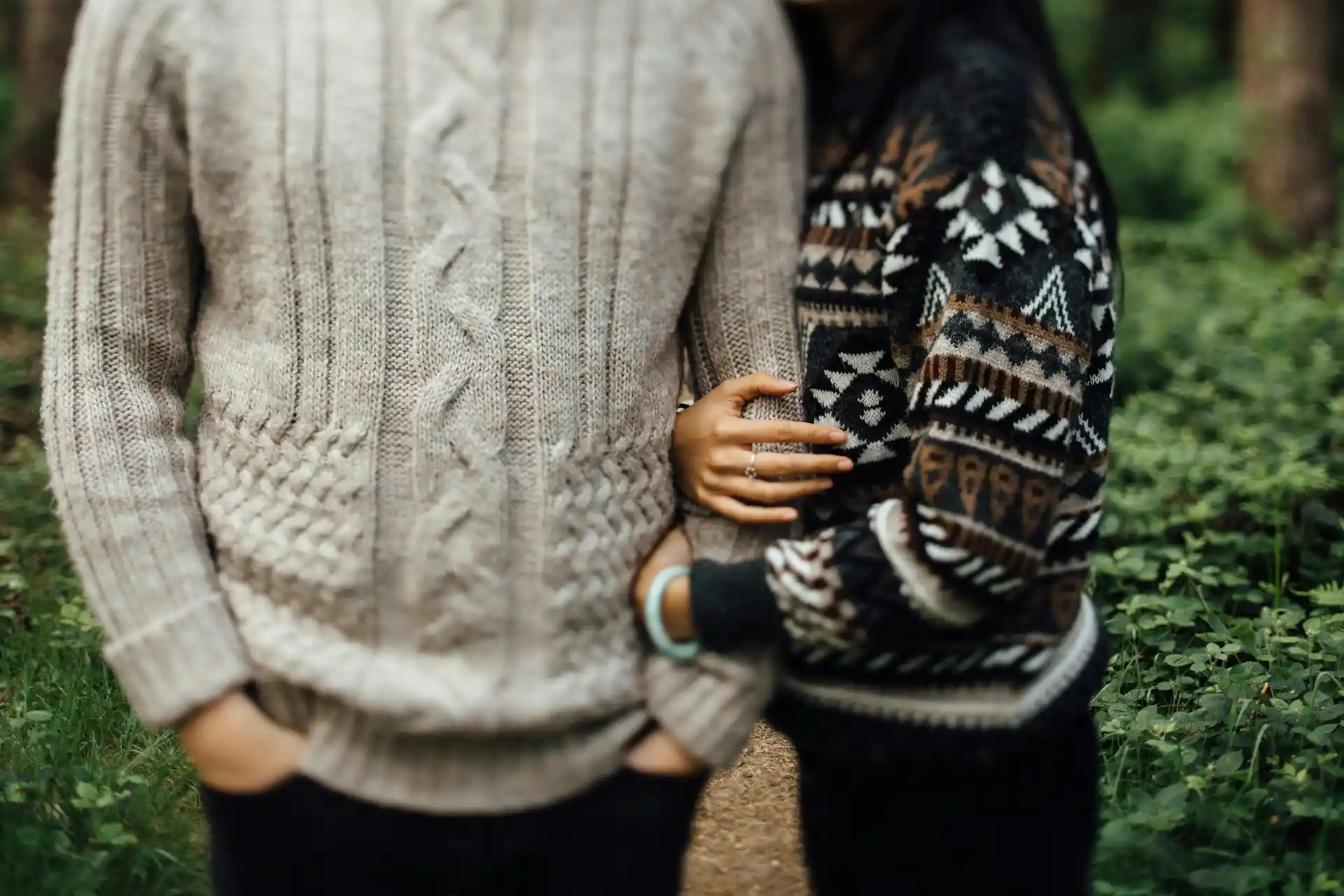
When to Wear a Sweater
A sweater is a key piece for keeping warm and comfortable when the weather isn't too cold or too hot.
Think of it as your middle layer or your main piece for those in-between times. You wear a sweater when you need light to moderate warmth, especially indoors or during cool days outside.
Sweaters work well because they are versatile – you can wear them for different occasions just by changing your other clothes.
Good Times to Choose a Sweater:
- Cooler Indoor Spaces: If you're in an air-conditioned office, a chilly classroom, or a drafty home, a sweater provides just the right amount of comfortable warmth without overheating.
- Fall and Spring Weather: For days that are brisk or slightly chilly, but not freezing, a sweater offers sufficient warmth. It's perfect for walks, casual outings, or running errands during these seasons.
- Layering Under Outerwear: When it's colder outside, a sweater makes an excellent base layer under a coat or jacket. It adds extra insulation without bulk.
- Casual or Smart-Casual Events: Sweaters fit well in relaxed settings like coffee meet-ups or at home. Many sweaters, like fine knits or cardigans, can also look appropriate for less formal gatherings or dinners.
- When Comfort is Key: If you prioritize feeling cozy and unrestricted, sweaters often offer a softer feel and more stretch than many jackets, making them great for travel or relaxing.
Choose a sweater when you need practical warmth that feels comfortable and fits easily into your daily activities. Consider the temperature, your activity level, and the formality of the situation.
When to Wear a Jacket
A jacket is your go-to choice for outerwear protection against cooler temperatures, wind, rain, or other outdoor conditions.
Think of it as your shield against the elements when a sweater alone isn't enough. You wear a jacket when you need more warmth than a sweater provides or when you require specific protection like staying dry or blocking wind.
Jackets are designed to be worn as the outermost layer, offering versatility for various activities and weather situations.
Good Times to Choose a Jacket:
- Cooler Outdoor Temperatures: When stepping outside into chilly air, a jacket offers essential warmth and insulation. This is especially true for breezy fall days or crisp winter mornings.
- Windy Conditions: Jackets, particularly windbreakers or heavier styles, are excellent at blocking wind chill, keeping you comfortable when the breeze picks up.
- Rain or Wet Weather: Opt for a jacket made with water-resistant or waterproof materials to stay dry during light rain or drizzle. This protection is something a sweater can't offer.
- Active Outdoor Pursuits: If you're hiking, commuting, or spending time outdoors, a jacket provides practical mobility and weather protection.
- Situations Requiring More Structure: Jackets often provide a more defined shape and structure than sweaters, making them suitable for settings where you want a slightly more polished outer layer.
- Layering Over Sweaters: On colder days, a jacket serves as the perfect outer shell layered over a sweater for maximum warmth without bulk.
Sweater and Jacket Everyday Outfit Tips
Casual Daily Looks
You build easy outfits with sweaters for relaxed days. Pair a crew neck sweater with jeans and sneakers. Neutral colors like gray or navy match everything in your closet. Add a scarf if it gets cooler. This setup works for errands or meeting friends without much thought.
Office or Smart Casual
You choose a fine-knit sweater over a collared shirt for work. Tuck it into chinos or a skirt. V-neck styles show the collar cleanly. Layer a blazer if needed. This keeps you warm in chilly offices while looking put together.
Outdoor Activities
You rely on jackets for protection outside. Wear a denim jacket over a tee with pants for walks. Pockets hold your phone and keys easily. Switch to a parka in rain for full coverage. This lets you stay active without weather slowing you down.
Layering for Changing Weather
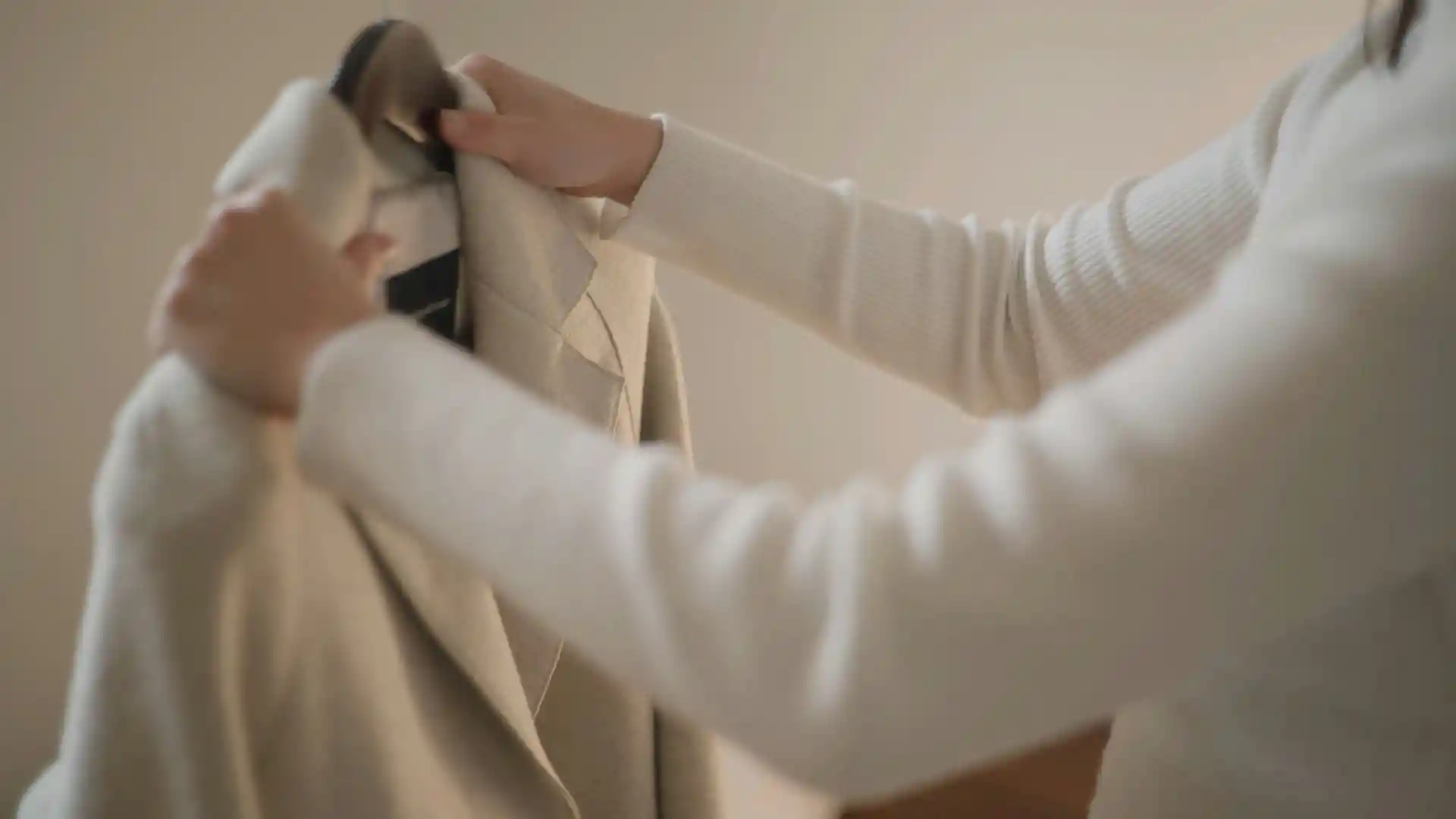
You start with a sweater as a middle layer under a jacket. On mild mornings, remove the jacket. Breathable knit prevents overheating indoors. In cold winds, zip up the jacket. This combo adjusts to your day from home to outside.
Evening Outfits
You dress up a sweater with darker jeans and boots. Cardigans over dresses add warmth after sunset. For jackets, a leather one pairs with shirts for dinners. Structured fit sharpens casual pieces. This shifts your look from day to night fast.
How to Pick Comfortable Clothes That Look Good
When choosing clothes, comfort and style should both play a role in your decision. The key is to balance practicality with aesthetics based on the situation. Before buying, think about why you need the clothes and where you'll wear them.
For example, if you're at home alone, comfort is the priority. You'll likely choose clothes that are soft, breathable, and easy to move in, ignoring any extra accessories or tight fits.
However, when meeting others or attending events, you'll want to look presentable. Clothes should still be comfortable, but now style matters too. The trick is finding pieces that work well for both comfort and style, depending on the situation.
Often, clothes you rarely wear fall into the "so-so" category—they're neither super comfortable nor stylish enough to stand out. These pieces fail to satisfy either side of the equation.
To avoid this, aim to choose clothes that excel in one area, and for the other area, find something good enough. A good strategy is to select practical clothes that still have some aesthetic appeal, or vice versa, choosing clothes that look great but are still wearable.
When it comes to practical clothes, focus on fabrics and how well the clothing fits the season and weather. Here's how to think about it:
Summer
Choose lightweight and breathable fabrics like cotton or linen blends. For example, a nobra top with a loose, breathable skirt will keep you comfortable, while a light shirt or a fisherman's hat can help with sun protection.
Comfort in summer is about reducing heat and staying cool. Avoid heavy fabrics that trap sweat or restrictive clothing that makes you feel hot and uncomfortable. If you're out in the sun, bringing an umbrella can add another layer of protection.
Winter
For colder months, layering is key. Start with a moisture-wicking base layer to keep sweat off your skin. Add a fleece or down jacket for warmth, and finish with a windproof outer layer like a puffer jacket.
When indoors, keep layers lighter with thin sweaters or shirts that are still warm but won't make you feel too hot from the heating.
Spring/Autumn:
These seasons call for versatile outfits. Go for loose T-shirts, shirts, or sweaters combined with comfortable pants like jeans or chinos. Add a jacket or windbreaker on top to deal with fluctuating temperatures.
Light fabrics are key here—things that allow for movement and adjust well to cool mornings and warmer afternoons. Remember, jackets or coats in spring and fall should be practical but can also add some style with cuts that suit your body shape.
By understanding the practical needs of each season and selecting comfortable fabrics that align with those needs, you'll find clothing that is both stylish and functional.
The goal is to pick clothes that you can wear without discomfort, but that still look put-together when you need them to.
Balancing comfort and style doesn't have to be hard, but it requires you to think carefully about what works for your life, your body, and your environment.
Read More:
Expert Tips
You now see the clear difference between sweater and jacket. Sweaters bring cozy warmth and soft comfort for everyday ease. Jackets offer strong protection and style for outdoor needs.
Both fit your wardrobe well. Choose a sweater for relaxed, breathable layers. Pick a jacket when weather demands toughness.
Understanding these options helps you dress smarter. Stay warm and confident in any season.
FAQs
Is a sweater or jacket better for winter?
For very cold weather, a jacket is often better. It provides wind and water resistance. Wear a sweater underneath a jacket for the warmest combination.
Can I wear a sweater in winter without a jacket?
Yes, you can wear a thick sweater alone on dry, mild winter days. In harsh or wet conditions, a protective jacket over it is recommended.
Can you wear both at the same time?
Absolutely. Layering a sweater under a jacket is a smart strategy. This method traps heat and allows you to adjust your comfort as temperatures change.
Which is warmer: hoodie, jacket, or sweater?
A specialized insulated jacket is typically the warmest. A heavy sweater or thick hoodie provides good warmth but lacks weather protection.

 Made in USA
 Free shipping
 Global Shipping