





Dropshipping looks easy from the outside. Pick a product, run some ads, watch orders roll in.
Reality hits different.
Most people burn through cash, chase trends that die fast, and wonder why nothing sticks.
Some call it a shortcut. Others say it's just an expensive hype trap.
In this post we break it down honestly. We look at when mentorship actually helps, what a fair offer includes, and how to spot the ones worth your time (or money).
How Dropshipping Mentors Make a Difference
Good mentors don't just hand you a list of winning products. They show you how to think about the whole game.
A solid one has already burned cash on bad ads, picked the wrong suppliers, and watched stores flop. When they spot you heading the same way, they pull you back fast. That alone saves weeks — sometimes months — of guesswork.
One big way they help is cutting through the noise on product research. Beginners chase every viral TikTok item. A mentor teaches you to look past hype. They ask simple questions like:
- Does this solve a real problem?
- Can you actually get it delivered quick enough?
- Will people pay more than the ad cost?
Their real experience turns random guesses into smarter bets.
Accountability changes everything too. It's easy to quit when you're alone and sales are slow. A mentor checks in, reviews your store setup, looks at your ads, and keeps you moving forward.
People who work with one often say they finally launched instead of endlessly "researching." That push makes the difference between a hobby and a business.
Mentors also share shortcuts you won't find in free YouTube videos. They know which ad platforms are eating budgets right now, how to fix a store that looks scammy to customers, and when to ditch a product before it tanks your account.
One guy I know went from zero to his first profitable month because his mentor spotted a tiny targeting mistake that was burning $50 a day.
Not every mentor is gold. Some just sell dreams. But the right one? They treat your store like it's partly theirs. They care about your wins because they've been there.
If you're serious about dropshipping, finding someone who's already done it — and is willing to guide you — can turn a slow, frustrating start into something that actually moves the needle.
Types of Dropshipping Mentors
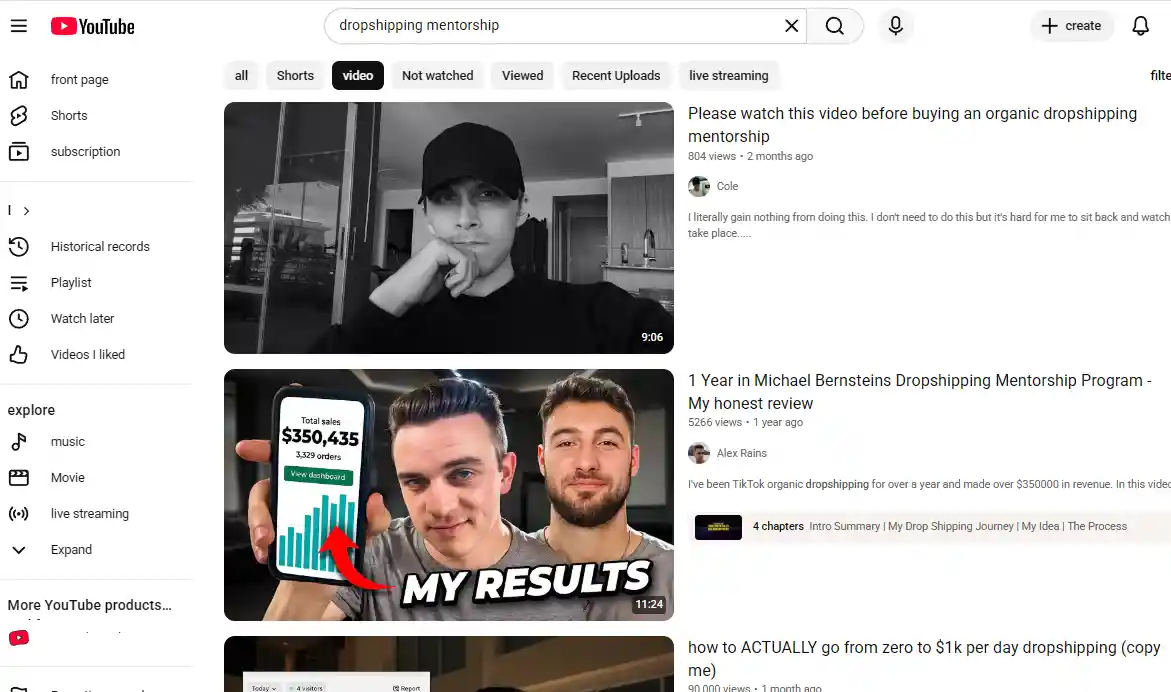
Social Media Mentors
These are the people you see most often on YouTube, TikTok, and Instagram. They post videos and stories about products that are selling right now, ad setups that worked for them, and quick tips on what's trending.
You can watch their content for free and pick up ideas without paying anything. The good ones share real numbers from their own stores. The downside is they talk to thousands of people at once, so you don't get personal answers when you're stuck.
Platform-Verified Mentors
Some courses or coaching programs pick their mentors carefully and put them through a check. The platform looks at sales proof, student results, and how consistent they are before letting them teach.
You usually pay more for this level, but the idea is lower risk. These mentors tend to follow a set system instead of changing tactics every month. It's helpful if you want structure and someone who's already been tested by the platform.
Community Mentors
This type hangs out in private groups — think Discord servers, paid Facebook communities, or small mastermind circles.
They give more direct help. You can post your store link and get feedback the same day. Someone might jump in and say "change this headline" or "your supplier is slow, switch now."
The group stays current because everyone shares what's working this week. It feels more like having a team than following one person.
Operators & Agency Mentors
These mentors still run their own stores or manage stores for other people through an agency. They're in the game every day.
They know the boring but important stuff: how to handle refunds without losing your ad account, when to reorder inventory, and which apps actually save time.
If you want to grow past a few thousand dollars a month, this type often gives the clearest path. Their advice comes from doing it, not just teaching it.
How to Know If You Need Dropshipping Mentorship
Answer these five questions honestly. The more "yes" answers you get, the stronger the case for getting a mentor.
- Have you already spent at least $500–800 on ads, products, or tools… and still have basically zero profitable sales after 2–3 months?
- Do you keep watching free YouTube videos or TikToks, but every time you try to copy the "strategy," something feels off and the results stay flat?
- When you look at your store stats (or your empty order list), do you feel stuck guessing what to fix next — product choice, ads, website, pricing, suppliers?
- Have you ever messaged "successful" dropshippers on Instagram or Discord asking for advice and got either ghosted or super generic answers like "just keep testing bro"?
- Deep down, do you think you could 3x your progress in the next 60 days if someone who's already done $1M+ in sales looked at your actual store and ad account for 30–60 minutes and told you exactly what's broken?
Count your yes answers.
- 0–1 yes → You're probably fine learning solo for now. Keep documenting what fails and why. Most people need this messy phase first.
- 2 yes → You're at the edge. A short mentorship (or even one really good audit/call) could save you months of blind testing.
- 3–5 yes → This is the zone where mentorship usually stops being "nice to have" and starts looking like the fastest way to stop bleeding money and time.
If you landed in that last group, don't feel bad. Almost every store that eventually does consistent five-figure months hits this wall first. The difference is some people stay stuck there for a year while others pay someone who's already walked through the wall and get out in weeks.
Your call. Just make sure the decision comes from your real numbers — not from hype or fear of missing out.

How to Avoid Dropshipping Mentorship Scams
Many people lose money on mentorships that promise fast riches but deliver little help. Here are the main ways to spot trouble and stay safe. Look for these signs before handing over cash.
Watch for Unrealistic Promises
Mentors who guarantee quick money — like "make $10,000 your first month" or "passive income with no work" — usually overpromise. Dropshipping takes testing, ads, and time. Real results come from effort, not shortcuts. If the pitch sounds too easy, it often is.
Check Their Actual Experience
A good mentor shows proof they run successful stores now, not just old screenshots or rented lifestyles like fancy cars and vacations.
Ask for recent sales data or store links. Many fake ones completed a course six months ago and now sell their own without real results. Legit mentors have ongoing proof, not just hype.
Look at How They Sell and Support
High-pressure tactics — like limited-time deals, constant DMs pushing you to buy, or cold messages offering help out of nowhere — are big red flags.
Real mentors focus on value first. After you pay, support often vanishes or gets handed to assistants. Genuine ones give direct, ongoing help and answer questions without disappearing.
Do Your Own Research First
Before joining, search for reviews outside their page. Check forums, Reddit, or independent sites for what past students say. See if they vet mentors with calls, background checks, or referrals.
Avoid anything that offers pre-built stores guaranteed to make money — that's a common trap. Take time to verify instead of rushing in.
Spotting these issues early saves a lot of frustration. Focus on mentors who prove their results and care about real progress, not just your payment. That way, mentorship becomes a real boost instead of a costly lesson.
What a Fair Mentorship Offer Actually Includes
Personal Time with Someone Who's Done the Numbers
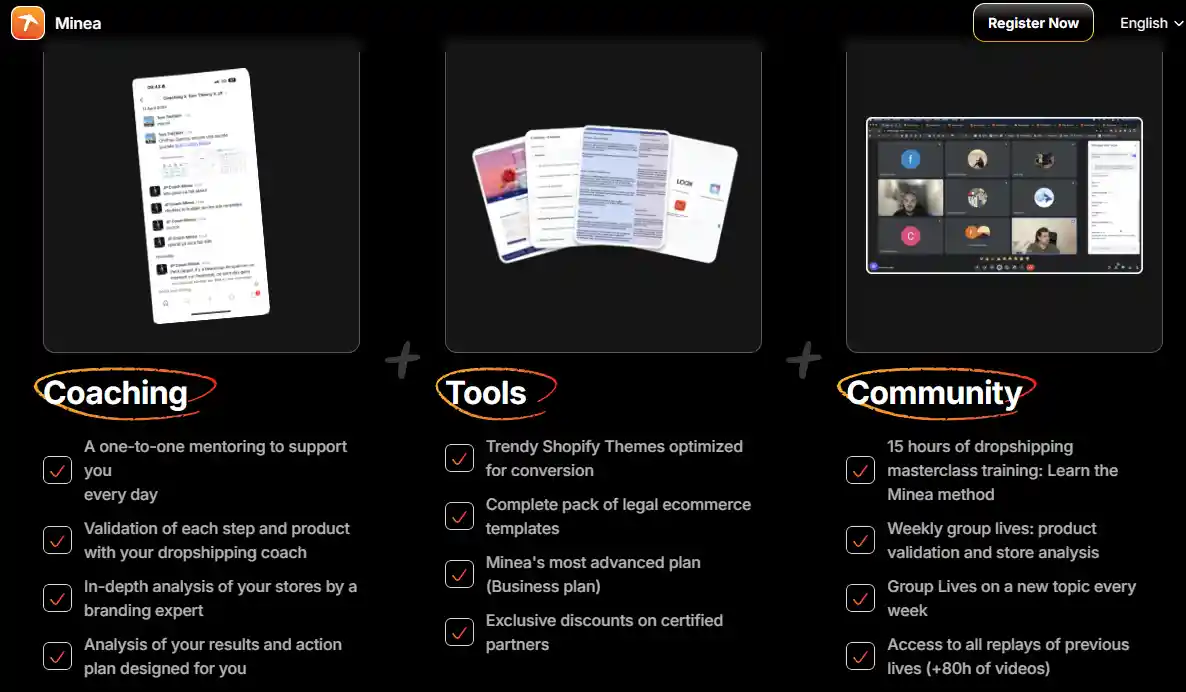
Weekly or bi-weekly calls where they open your store, scroll your ads manager, look at your winning/losing products, and tell you straight what to change first.
No group Zoom with 50 people muted. Real 1-on-1 feedback on your specific mess.
A Step-by-Step Plan Plus Plug-and-Play Stuff
You get a roadmap that matches your current level — not some 2022 generic course. Along with it come actual files: ad creative swipe files, product research spreadsheets, email sequences that have already worked, outreach message templates.
The goal is you can execute fast instead of staring at a blank screen wondering what comes next.
Help When You're Stuck — Not in Six Days
Quick replies in a private chat or group — usually same day or next morning. Some mentors do live "hot seat" sessions where anyone can throw their store up and get roasted in real time.
The point is you're never left hanging for a week wondering why your ads died overnight.
Proof and Clear Expectations Up Front
They show real screenshots or student case studies that look similar to what you're trying to do — not just income claims with Lambos.
Price is listed clearly, refund rules are written down, and they spell out what "success" looks like in the first 30–90 days (example: first profitable week, first $5k month, etc.). No vague "you'll make it big" talk.
Read More:
Expert Tips
Dropshipping mentorship can change your path—if you choose wisely.
You now know the real types of mentors out there. You see how good ones speed up your progress and save you from costly mistakes. You also spot the red flags that protect your wallet.
The key is simple: do your homework. Look for proof, real experience, and steady support—not big promises or flashy lifestyles.
When you find the right fit, dropshipping mentorship becomes a smart investment. It gives you clarity, accountability, and faster results.
FAQs
Can I realistically make $10,000 per month?
Yes, many experienced dropshippers hit $10,000+ monthly profit in 2026. Beginners usually start lower, around $0–$2,000. It takes time, testing, and smart scaling to get there consistently.
Is $500 enough to start dropshipping?
$500 can get you going with a basic store and small ad tests. Most people find it tight for real product testing. A more comfortable start is $800–$1,500 to avoid running out too fast.
How much should I expect to invest in a dropshipping mentorship program?
Fair programs range from $500–$3,000 depending on what's included. Some charge monthly, others one-time. Look for clear value like personal feedback before deciding on the price.
What's included in the dropshipping coaching program?
Solid ones offer 1-on-1 calls, store reviews, ad tips, templates, and ongoing chat support. They focus on practical steps for your setup instead of just videos. Check details upfront.
How long will I have access to the mentorship?
Access varies — some give lifetime or ongoing while active, others limit to 3–12 months. Good programs make it clear so you know what to expect from day one.
When are mentors available and what languages do they speak?
Mentors often reply during business hours or set office times, with quick chat responses. Many speak English; some offer other languages. Ask about schedules and support style early.
Can I cancel dropshipping mentorship class anytime?
Most let you cancel or pause if it's monthly. Some have short commitments or refund windows. Read the policy carefully so there are no surprises if plans change.


 Global Shipping


 Made in USA