





When choosing a custom apparel printing method, durability is often a top concern for brands and designers. Different printing techniques come with their own set of pros and cons, and DTF vs screen printing durability is a key comparison for many when making a decision.
Which method offers the longest-lasting and most wear-resistant prints? Is it the direct-to-film (DTF) process or the classic screen printing technique?
In this article, we will explore the durability differences between these two methods to help you choose the best printing option for custom apparel that ensures high-quality results and stands up to repeated wear and washing.
What is DTF Printing?
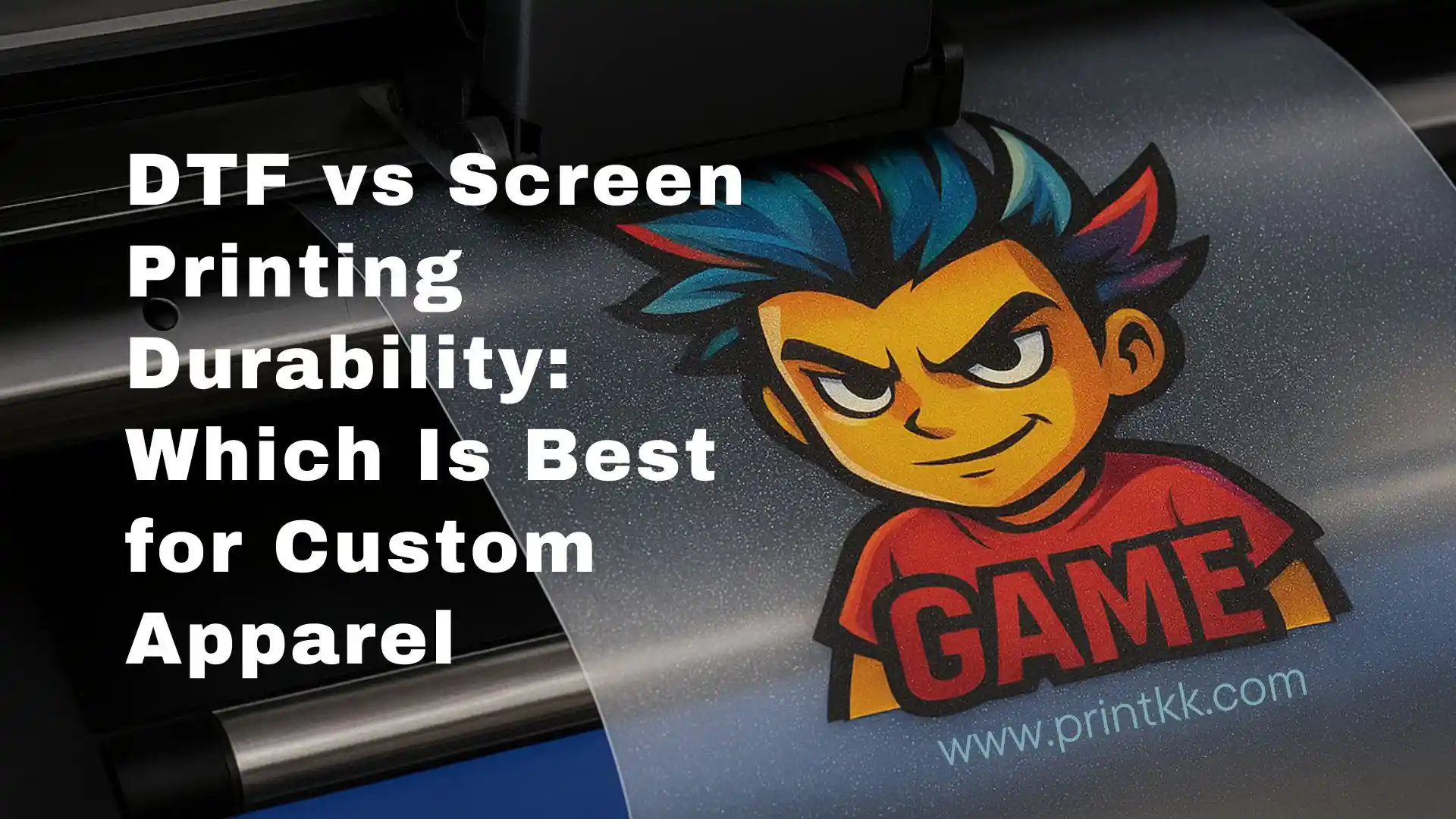
If you're exploring options for custom apparel, DTF printing—short for Direct to Film—starts with printing your design onto a special clear film using a modified inkjet printer.
The printer lays down full-color inks plus a layer of white underneath for opacity. Right after printing, a fine hot-melt powder gets shaken onto the wet ink. This powder acts as the glue that will bond everything to the fabric later.
You cure the film briefly to set the powder, then place it face-down on your shirt or hoodie. A heat press melts the adhesive and transfers the design in one step. Peel off the film, and you often press it again quickly to lock in the finish.
What makes this practical for you: it works on cotton, polyester, blends, nylon—pretty much any material—without pretreatment. You get sharp details, bright colors, and no limits on design complexity, even for small orders.
The print sits on top of the fabric, so it feels a bit textured but stretches well and holds up through regular washes if you follow basic care rules.
What is Screen Printing?
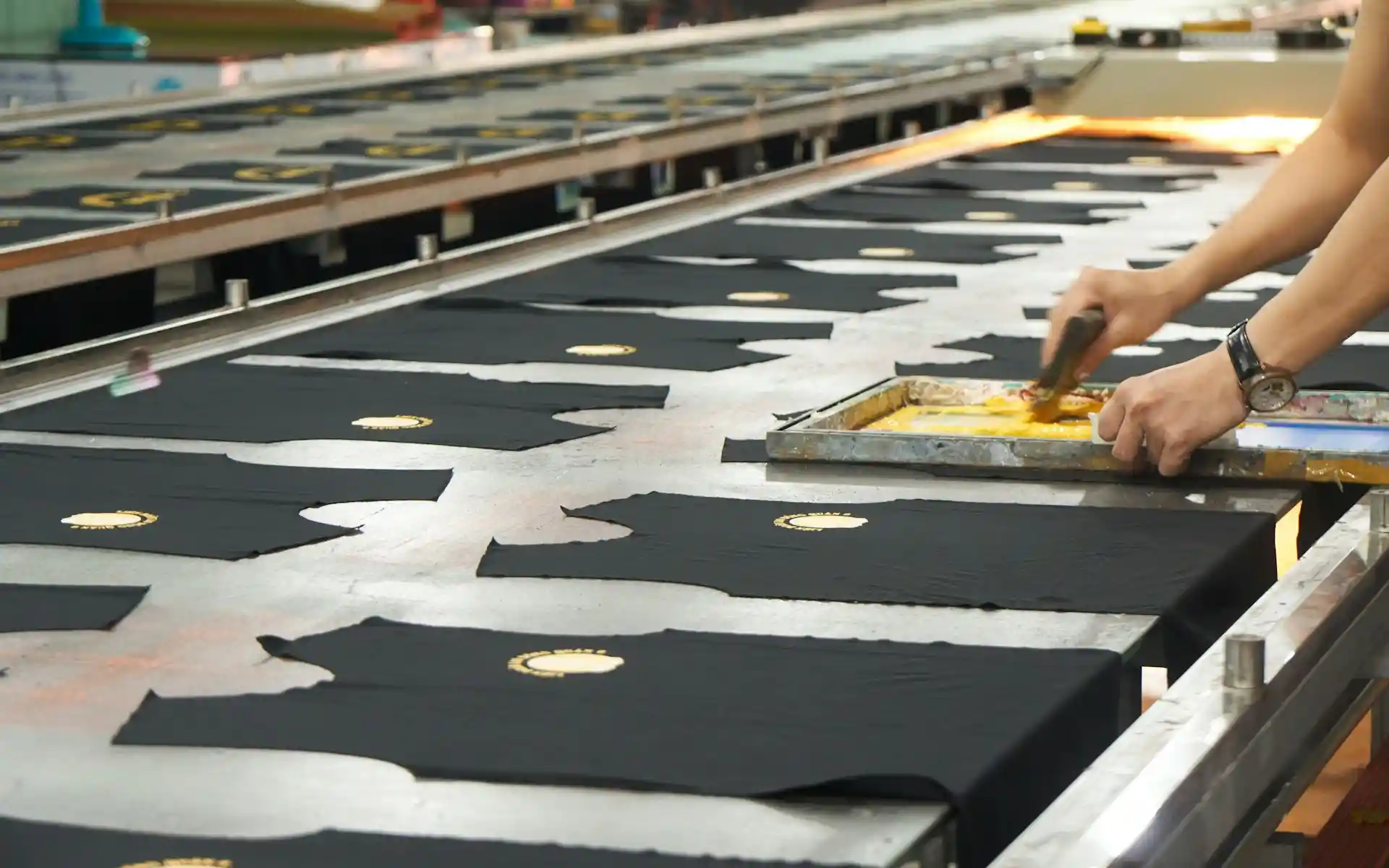
If you've ever handled a vintage band tee that feels like the design is part of the shirt, that's screen printing at work—a method where you push ink through a mesh screen to build up layers directly on the fabric.
You start by creating a stencil for each color in your design. Coat a screen with light-sensitive emulsion, expose it to UV light using your film positive, and wash away the unexposed parts to let ink flow through only where you want it.
For each color, align the screen on the shirt, spread plastisol ink across it, and squeegee it through firmly. Cure the print under high heat to bond it permanently.
Multi-color jobs mean repeating this for every shade, which adds time but ensures vibrant, opaque results.
Here's the real value for you: it excels on smooth fabrics like cotton or blends, giving a soft, breathable feel once washed.
Designs hold strong after hundreds of cycles if you avoid harsh detergents. It's cost-effective for bulk orders since setup costs spread out, but for small runs, the prep work makes it less ideal. You get sharp edges on simple graphics, though gradients or tiny details can be tricky without extra effort.
DTF vs Screen Printing Durability: Key Comparisons
Wash Durability
DTF Printing
You might wash your DTF-printed shirt up to 50 times before noticing any fading or peeling. The design bonds well to the fabric using a film transfer that resists cracking in the dryer. Regular care like turning inside out helps it last longer on cotton or blends. Avoid bleach to keep colors bright.
Screen Printing
With screen printing, your apparel can handle over 100 washes if you use quality inks. The ink sinks into the fabric, making it less likely to peel. Gentle detergents preserve the print on cotton tees. High heat in drying might cause slight fading over time, so air dry when possible.
Crack Resistance
DTF Printing
DTF prints stretch with the fabric, so you see fewer cracks on activewear like hoodies. The flexible film layer moves without breaking easily. Daily wear tests show it holds up in stretching activities. On rough surfaces, minor peeling can occur after extended use.
Screen Printing
You get strong crack resistance from screen prints because the ink integrates deeply into threads. It stays intact on stiff fabrics during movement. Repeated folding rarely causes issues on basic tees. For stretchy materials, special inks prevent splitting over dozens of wears.
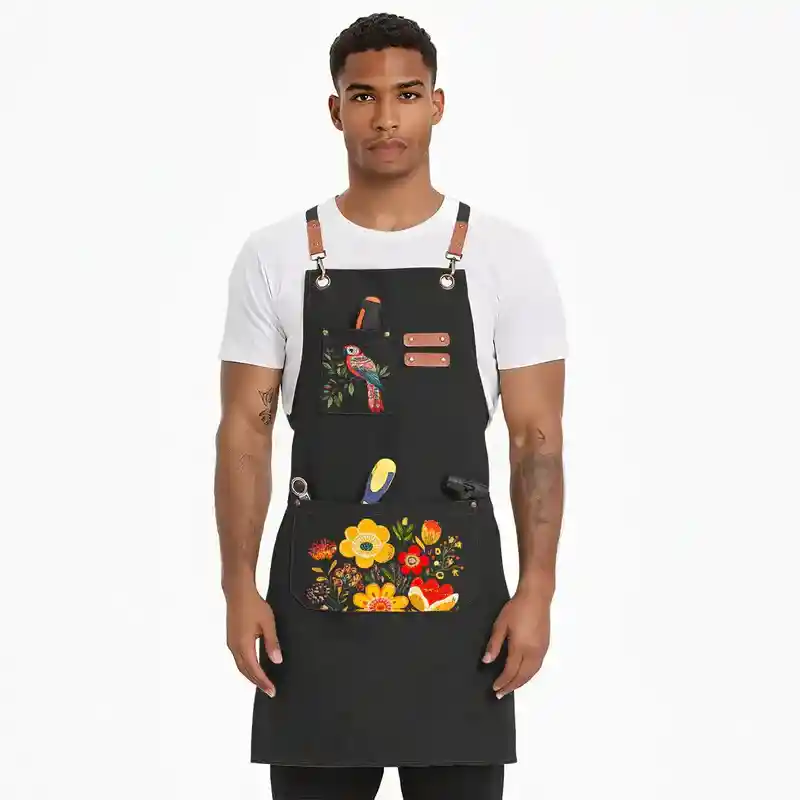
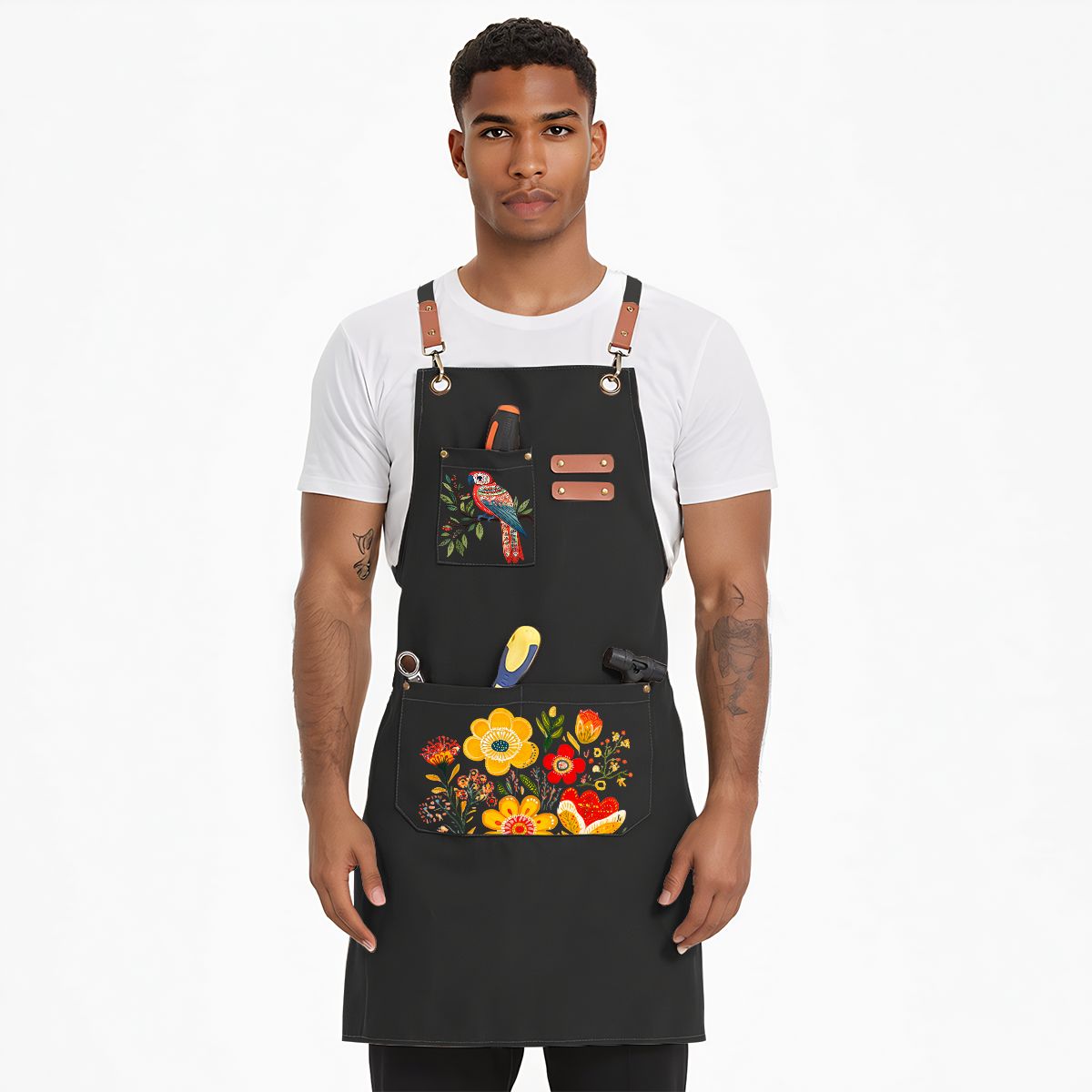
Print on Demand Unisex Canvas Cross Back Apron with Pockets - Daily Accessories - PrintKK
Fade Resistance
DTF Printing
Colors in DTF remain vibrant after sun exposure due to UV-resistant inks. You can wear it outdoors without quick dulling. Sunlight tests indicate minimal fading over months. Dark fabrics hold prints better, but lighter ones might show wear sooner in direct light.
Screen Printing
Screen prints resist fading well with plastisol inks that block UV rays. Your design stays sharp even after outdoor use. Color vibrancy lasts through seasons on treated fabrics. Washes can soften it slightly, yet overall it outperforms in long-term brightness.
Overall Longevity
DTF Printing
For everyday custom apparel, DTF offers 1-2 years of solid use before signs of wear. It works across materials without fading fast. Fabric compatibility ensures durability on synthetics. Small runs benefit from quick setup, maintaining quality over time.
Screen Printing
You can expect screen-printed items to last 3-5 years with proper handling. Bulk production yields consistent results. Ink bonding provides superior hold on natural fibers. It's ideal for uniforms needing repeated cleaning without losing detail.
The Influence of Different Fabric Types on Print Durability
Cotton Fabric Durability
Cotton absorbs ink well, giving clear prints with both methods. Screen printing typically lasts longer on cotton, especially for large orders, though the print itself can feel a bit heavier.
DTF gives vibrant results on cotton but might wear down faster with repeated washing. Both prints can fade over time if washed frequently.
Cotton-Polyester Blend Durability
Blends offer a balanced surface for printing. DTF provides decent durability on these fabrics, but how long it lasts depends heavily on the specific cotton-to-polyester ratio.
Screen printing is effective too, but the print might wear faster on the polyester parts of the blend. The synthetic fibers can also make the print less flexible overall.
Stretch Fabric Durability (Spandex/Lycra)
Stretch fabrics are challenging for any print. DTF offers reasonable durability, but the design can crack or peel if the fabric stretches significantly.
Screen printing can also be durable, but constant stretching from movement can degrade the print. Prints must be flexible enough to move with the fabric without breaking.
Polyester Fabric Durability
Polyester's smooth surface makes ink adhesion tougher. DTF printing works well here, offering vibrant colors and good durability on performance wear, but you need careful temperature control to prevent peeling.
Screen printing struggles more; the heat sensitivity of polyester often leads to fading or cracks in the print over time.
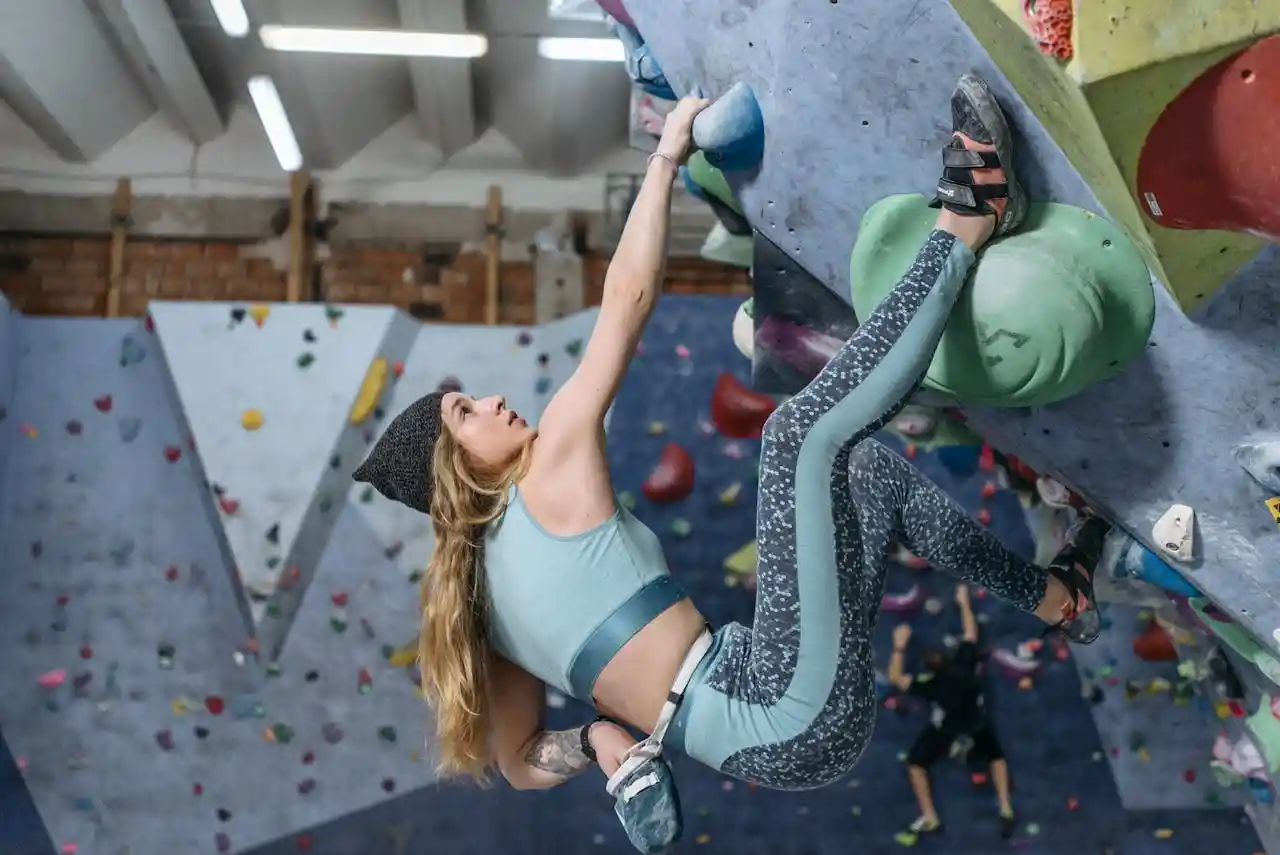
Performance Fabric Durability (Sportswear)
Performance fabrics face harsh conditions like sweat and movement. DTF printing is often the better choice here. It keeps colors bright and withstands stress better, maintaining durability through activity and washing.
Screen printing faces challenges because these fabrics often don't absorb ink well and can be sensitive to heat during the printing process.
Which is Better for Custom Apparel: DTF or Screen Printing?
When working on custom apparel, the method you choose affects how your products look and last. Both DTF and screen printing have strengths depending on the item and design.
DTF Printing
DTF prints start on a film and transfer with heat. It works on cotton, polyester blends, nylon, and other fabrics. Designs stay bright, even on dark colors.
It handles complex, multi-color artwork well. Products that work well with DTF include:
The print has a slight texture but stretches with the fabric, which helps durability on activewear or fitted items. DTF is ideal for small batches or limited-edition products.
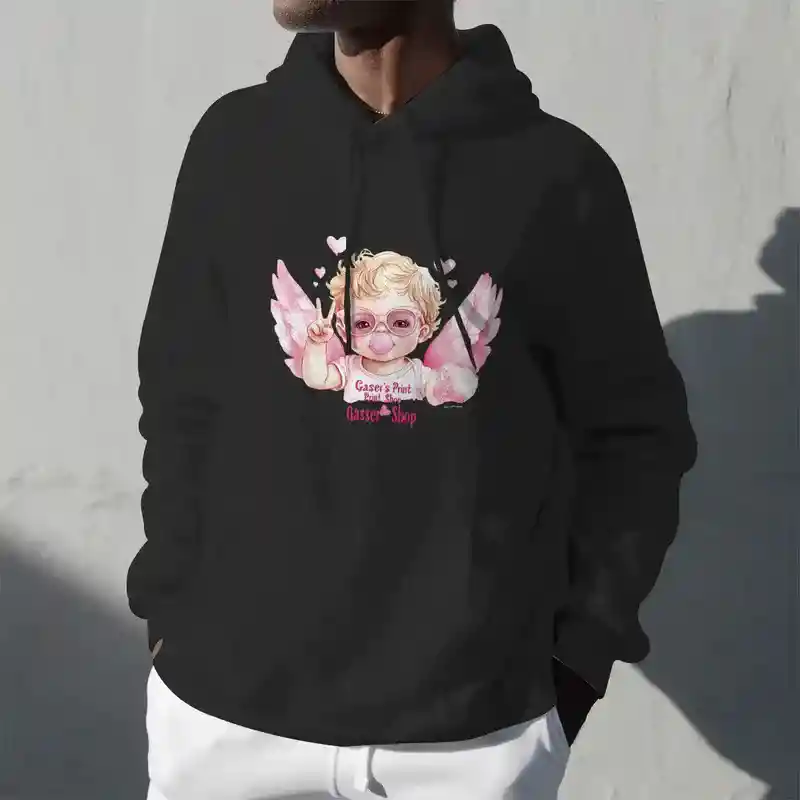
Screen Printing
Screen printing pushes ink through a screen for each color. It works best on cotton and blends, creating smooth, bold prints.
It is cost-efficient for large orders and simple designs. Products that benefit from screen printing include:
- Event T-shirts
- Branded hoodies
- Gym bags
Choosing the Right Method
Consider your product, fabric, and design:
- Use DTF for versatility, multi-color designs, or small batches across different fabrics.
- Use screen printing for bulk production, simple designs, and a classic, durable finish.
Matching the method to the product ensures your custom apparel looks professional and holds up over time.
Start Selling DTF Products Easily with PrintKK
Getting started with PrintKK is simple. You choose a product, upload your design, preview the look, and place your order. The setup is quick, and you can start creating custom items in minutes.
One big advantage is that you don't pay seller taxes on products shipped to the United States. Many US-made items even ship with no extra shipping cost.
PrintKK also keeps prices low while offering strong, reliable quality, making each product a good choice for personal use, gifts, or selling.
If you plan to sell custom products, PrintKK can connect easily with Etsy and Shopify, so you can manage orders without extra steps.
With affordable products, smooth tools, and fast US shipping, PrintKK makes it easy for you to start building and selling custom DTF items right away.
Expert Tips
When deciding on a printing method, durability matters. Comparing dtf vs screen printing durability helps you pick the right approach for your apparel.
DTF works on many fabrics and handles complex, colorful designs. Prints stay vibrant and stretch with the fabric. Screen printing is strong for large orders and simple designs. It creates smooth, long-lasting prints, especially on cotton and blends.
Consider your fabric, design, and order size. DTF is great for versatility and smaller batches. Screen printing is ideal for bulk production and classic results.
Choosing the right method ensures your custom apparel looks good and lasts. Matching technique to your needs keeps prints vibrant, durable, and professional.
FAQs
Does DTF last longer than screen print?
DTF is durable and holds up well across different fabrics, but screen printing generally lasts longer on natural fibers. The right choice depends on your fabric and how you plan to wash and wear the item.
What lasts longer, sublimation or DTF?
Sublimation bonds ink into polyester fibers, making it very permanent on synthetic fabrics. DTF works on more fabric types and resists cracking, but sublimation may outlast DTF on polyester over time.
Is screen printing better or DTF?
Neither is strictly better; each has strengths. DTF is ideal for detailed, multi-color designs and versatile fabrics. Screen printing is strong for large orders and simple designs with long-lasting results.
How does the feel of DTF print compare to screen print?
DTF prints have a slightly raised texture and stretch with the fabric. Screen prints feel smoother and blend more into the fabric. Your choice affects both appearance and how the garment moves.
Can I use DTF or screen printing on all types of fabric?
DTF works on most fabrics, including cotton, polyester, blends, and nylon. Screen printing performs best on cotton or cotton blends and can be less effective on synthetic or highly stretchy fabrics.

 Made in USA
 Free shipping
 Global Shipping