





Pricing custom t-shirts can feel like a puzzle. Charge too little, and you barely make a profit. Go too high, and you risk scaring off potential customers. So, how do you strike the perfect balance?
According to statistics, by 2025, men's T-shirt revenue is expected to reach $12.66 billion, while women's T-shirt revenue is projected to hit $20.9 billion. In such a booming market, learning how to price effectively is key to securing your place in this growing industry.
In this blog, we'll guide you through everything you need to know to set the right price for your custom shirts. We'll help you avoid falling into the low-price trap that can hurt your business and show you smarter ways to compete.
Ready to take control of your pricing and maximize your success? Let's dive in and turn your T-shirt business into a real profit-maker.
How to Price Custom Shirts to Maximize Profits
Understand Your Costs
Before setting a price, you need to know exactly how much each custom shirt costs to produce. Many sellers only calculate the shirt and printing cost, but real pricing requires a full breakdown.
Your total cost per shirt may include:
- Blank T-shirt: $4–$8
- Printing or embroidery: $3–$10
- Packaging: $0.50–$2
- Shipping contribution: $2–$6
- Platform or payment fees: 3%–15%
- Design tools, software subscriptions, advertising, and samples
For example:
- Shirt: $6
- Printing: $5
- Packaging: $1
- Transaction fees: $2
- Shared overhead costs: $2
Total cost per shirt = $16
Knowing your true cost prevents underpricing and protects your profit margin.
Use a Pricing Formula
A simple merch pricing formula is:
Selling Price = Total Cost + Desired Profit
For a more accurate approach:
Selling Price = Total Cost ÷ (1 - Target Profit Margin)
Example:
- Total cost: $16
- Desired profit margin: 50%
$16 ÷ (1 - 0.50) = $32
This means your shirt should sell for at least $32 to maintain a 50% margin.
You can also use markup pricing:
- 2x markup → Competitive, lower-margin pricing
- 2.5x markup → Balanced profit and affordability
- 3x markup or more → Premium or niche designs
Examples:
- $15 cost × 2 = $30 selling price
- $15 cost × 2.5 = $37.50 selling price
- $15 cost × 3 = $45 selling price

Research Your Competition
Competitive research helps you understand where your shirts fit in the market.
Typical pricing ranges:
- Budget Custom Shirts ($15–$22)
Simple designs, mass-market pricing, lower margins. - Mid-Range Custom Shirts ($25–$40)
Most independent brands and online shops fall here. - Premium Custom Shirts ($45–$80+)
Higher-quality fabrics, strong branding, limited editions, or specialty printing.
If your production cost is $16 and competitors sell similar shirts for $30, pricing at $18 may undervalue your work.
Factor in Perceived Value
Customers do not only pay for materials — they pay for value.
Higher pricing can be justified by:
- Unique artwork or exclusive designs
- Better fabric quality
- Durable printing that lasts after multiple washes
- Personalized customization options
- Premium packaging
- Strong brand identity
For example:
- Basic custom tee: $25
- Trend-driven graphic tee: $35
- Limited edition or premium design: $45+
Perceived value often matters more than production cost.
Adjust for Demand and Growth
Pricing should evolve as your business grows.
Stage 1: Launch Pricing
Use a lower introductory price to gain customers and reviews.
Example: $24–$28
Stage 2: Growth Pricing
Once sales become consistent, increase pricing to improve margins.
Example: $30–$38
Stage 3: Premium Positioning
Established brands with loyal customers can charge higher prices.
Example: $40+
Example:
- Price = $26 × 100 sales = $2,600 revenue
- Price = $32 × 85 sales = $2,720 revenue
Even with fewer sales, higher pricing can increase revenue and profit.
Profit Margin
Profit margin is one of the most important metrics when pricing custom shirts because it determines how much revenue you keep after covering expenses.
For custom apparel businesses, profit margins typically fall into three categories:
- 30%–40% profit margin → Suitable for competitive markets or high-volume sales
- 45%–55% profit margin → A balanced range that supports steady growth and sustainable profit
- 60%+ profit margin → Common for premium brands, unique designs, or niche audiences
Many successful custom shirt businesses aim for a 50% profit margin because it provides enough room to cover advertising, discounts, returns, and operational costs.
Understanding how to price t shirts for profit helps businesses build sustainable margins while staying competitive in the custom apparel market.
How to Charge for Custom T-Shirt Graphics as an Artist
1. Consider Your Costs
Start by asking yourself, what went into creating this design? Beyond the time spent sketching and refining, think about the tools you used. If you're paying for software like Adobe Illustrator, factor that cost into your pricing.
A good way to calculate this is to divide your monthly subscription cost by the number of designs you expect to complete. Following a custom merch pricing guide can help ensure you include all production and software expenses in your pricing structure.
2. Consider Your Time and Expertise
How much time do you invest in each design? And how skilled are you? Time is valuable, and your expertise matters. If a client is asking for something intricate that takes hours to perfect, your rate should reflect that effort.
For example, someone with years of experience might charge more than a beginner because their designs bring more polish and creativity.

3. Evaluate Usage Rights
Are you creating a one-time design for a small business, or is the client planning to mass-produce and sell thousands of shirts? The intended usage changes the value of your design.
For larger-scale uses, consider licensing fees or higher charges. You're not just selling a design—you're giving them a tool to profit from. This is especially important when pricing merch for local businesses, where branding and resale potential can significantly increase the value of a design.
4. Offer a Simple Formula
One way to simplify your pricing is by using a formula:
Price = (Hourly Rate x Hours Spent) + Revisions.
For example, if you charge $25 per hour and spend two hours designing, that's $50. Add a set fee for revisions to cover your time for adjustments.
5. Factor in Client Needs
Every client has different expectations and budgets. Listen to their needs and see how you can align your pricing without compromising your worth.
Maybe a smaller brand only needs a simple logo, while a larger company wants something intricate for a major campaign. Tailoring your rates to the project makes your pricing feel customized and professional.
Read More:
Why Low-Priced T-Shirts Are Misleading and How to Compete
Low-priced T-shirts, often seen in search results or advertisements, can be deceptively attractive. At first glance, you might wonder how some sellers can list shirts for $10 or less. However, these prices rarely reflect the true cost or profit margin.
1. Hidden Costs:
Many of these listings apply only to limited options, such as a size XS in white, which few customers actually want. Once you choose another size, color, or add shipping, the price increases significantly.
2. Clickbait Strategies:
Sellers often use these low prices to appear higher in search rankings. Platforms like Etsy favor listings with lower base prices, even if the final cost is much higher after customization or shipping.
3. Non-POD Methods:
Some competitors don't use Print on Demand (POD) services. Instead, they rely on transfers or bulk ordering, which can reduce production costs but often at the expense of quality.
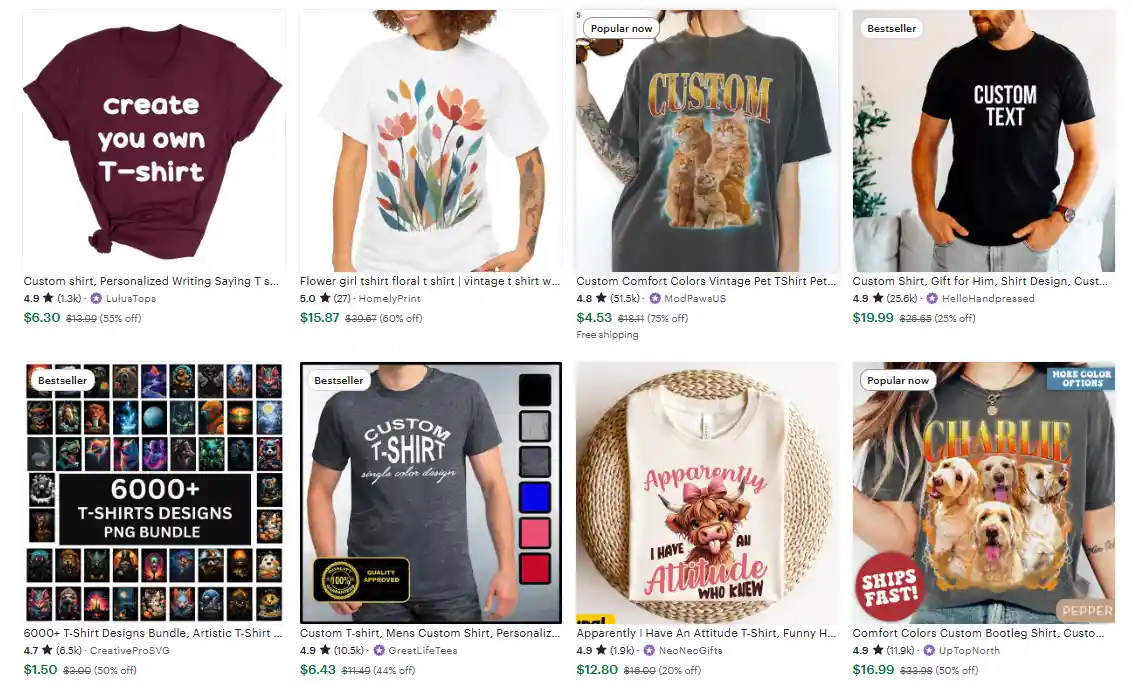
These tactics can mislead buyers into thinking all custom T-shirts should be inexpensive, creating a false sense of market pricing.
How to Compete with Low-Priced T-Shirts
So how do you position yourself against these tactics without lowering your own profit margins? Focus on value over cost. Customers are willing to pay more when they see the benefits of your product.
- Focus on Quality
Highlight the quality of your materials and printing methods. For example, if you use Direct to Garment (DTG) printing, emphasize its durability and vibrant designs compared to cheaper alternatives. Customers value long-lasting products.
- Showcase Unique Designs
A well-designed, eye-catching t-shirt can set you apart from generic competitors. Share the story behind your designs or your creative process to make your products more appealing.
- Leverage Your Brand
Build trust by showcasing your designs, reviews, and the story behind your work. People are often willing to pay more for a connection to the creator.
- Offer Value-Added Options
Introduce bundles, free shipping thresholds, or customizable designs. These extras make your shop stand out without slashing prices.
- Be Patient
In the early stages, it's common to price competitively to gain traction. Over time, as you build reviews and a loyal customer base, you can gradually adjust your prices upward.
Sell Better, Not Cheaper: Succeed with Premium Products
Have you ever wondered how some businesses sell T-shirts for just $5 or $6? It might seem impossible to compete with those prices, but here's the reality: low-cost products often come with compromises.
Instead of trying to match bargain prices, focus on delivering better quality and building a brand customers trust.
Why Competing on Price Isn't Sustainable
When you try to compete on price alone, it's easy to fall into a trap. Low prices often mean sacrificing profit margins, leaving little room to cover your overhead costs—like equipment maintenance, materials, and even your time.
Competing solely on price can also undervalue your work and lead customers to expect cheap designs in the future.
Additionally, cheap products often come at the cost of quality. Many low-cost competitors cut corners, using subpar materials or printing methods.
Customers might save money upfront, but they'll notice when the T-shirt fades or tears quickly. Those customers won't return—and neither will your profits.
How to Succeed with Premium Products
Choose Quality Materials
Start with better T-shirts and printing materials. Whether you're using DTG, vinyl, or screen printing, higher-quality inputs produce designs that last longer and look more professional. Customers are willing to pay more when they know they're getting durable, well-made products.
Add Value Through Design
Unique designs that stand out from the crowd can justify a higher price point. Whether it's intricate artwork, niche humor, or trendy graphics, originality sets your product apart. Buyers are less likely to compare prices when they fall in love with your design.
Be Transparent About Your Costs
Educate your customers on what makes your shirts worth the price. Highlight your use of better materials, ethically sourced products, or sustainable practices. Letting buyers know what goes into your pricing can build trust and justify higher costs.
Offer Exceptional Customer Experience
Going premium isn't just about the product. Offer better packaging, responsive communication, and flexible customization options. When customers feel valued, they're more likely to come back and recommend your business to others.

Stand Your Ground
When customers compare your prices with cheaper options, emphasize the differences. You're not just selling a shirt—you're selling quality, style, and durability. Often, they'll return to you after realizing that budget competitors don't deliver the same value.
Boost Profits with PrintKK's Quality and Affordable Custom T-Shirts
Are you looking for a way to maximize profits while keeping your customers happy? PrintKK might be the perfect solution. With their high-quality yet affordable custom t-shirts, you can stay competitive in the market and grow your business without sacrificing your bottom line.
Why PrintKK Makes Sense for Your Business
One of the biggest challenges in selling custom t-shirts is balancing cost and quality. Low-quality shirts can leave customers disappointed, while premium shirts often come with high production costs.
PrintKK solves this problem by offering high-quality American-made t-shirts at affordable prices, giving you the best of both worlds.
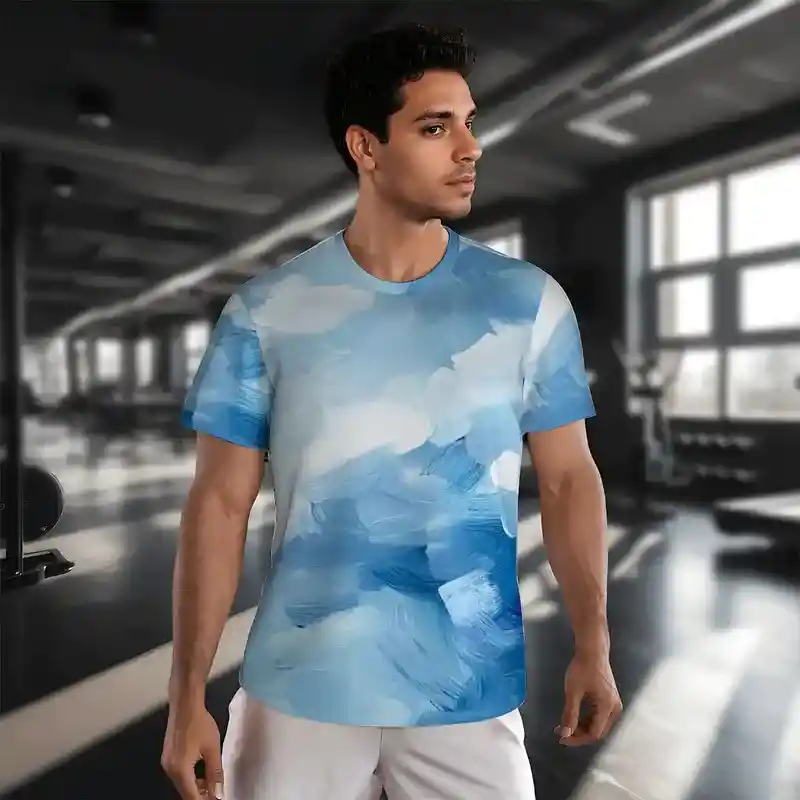
Custom Men's Mesh T-Shirt - Print on Demand Fulfillment - PrintKK
Another game-changer? Free shipping. With free delivery baked into the deal, you save on a major cost that other vendors often pass on to their customers. This not only helps your margins but also makes your pricing more appealing to buyers who are tired of unexpected add-ons at checkout.
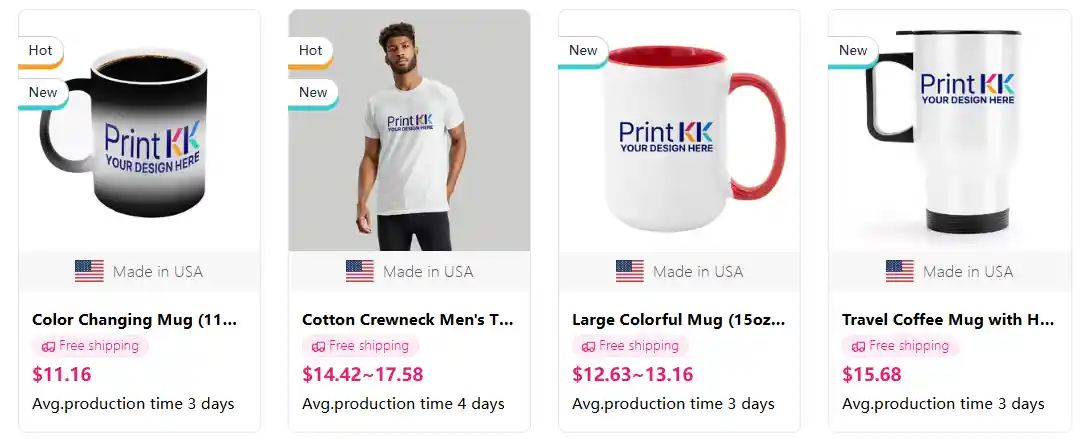
How PrintKK Helps You Stay Competitive
Set Competitive Prices Without Cutting Corners
With lower base costs, you can price your shirts attractively while still factoring in profit for every sale.
For instance, instead of racing to match ultra-cheap options, you can position your shirts as a high-value alternative at a reasonable price.
Offer Free Shipping to Seal the Deal
Shoppers are more likely to buy when they see "free shipping" during checkout. By incorporating this into your pricing strategy with PrintKK's help, you reduce cart abandonment and boost conversion rates.
Reinvest in Your Business
With the savings from affordable pricing and free shipping, you can reinvest in better designs, marketing, or packaging to make your brand stand out even more.
Read More:
Expert Tips
Now that you've explored strategies for pricing custom T-shirts, do you feel more confident in finding the right balance to maximize your profits?
By focusing on high-quality products like those from PrintKK, you can avoid the pitfalls of low-price competition. Quality builds trust and attracts loyal customers who are willing to invest in your designs.
Free shipping and premium U.S.-made T-shirts make your pricing more appealing and help build trust.
Keep refining your approach, and you'll find the sweet spot that benefits both your customers and your bottom line.

 Global Shipping
 Made in USA
 Free shipping