





With fierce competition, rising POD costs, and ever-changing marketplace trends, beginners often struggle to figure out how to sell print-on-demand t-shirts in a way that actually generates steady income.
Whether you're launching your first design or looking to scale an existing shop, this guide breaks the process down into six clear, actionable steps—helping you avoid common mistakes, choose the right platforms and suppliers, and build a brand that stands out in a crowded market.
Let's dive in and set your POD T-shirt business up for success.
Why Start a Print-on-Demand T-Shirts Business?
Starting a print-on-demand T-shirt business is appealing because it lets you jump in without big risks or upfront costs.
You don't need to buy equipment, hold inventory, or worry about packing and shipping. Instead, you can focus on creating designs you enjoy while a POD partner handles the rest.
This makes it a great option if you want a flexible side hustle or a low-stress online business you can run from anywhere.
Another reason to get started is the fast-growing demand for custom apparel. The global custom T-shirt printing market is expected to reach about $9.82 billion by 2030, supported by steady growth of over 11% per year.
That means more customers are looking for personalized, niche, or expressive shirts—exactly the kind of products you can create with POD.
You also benefit from changes in how companies promote themselves. Many businesses now use custom T-shirts as modern branding tools, ordering shirts to promote events, services, or products.
This opens the door for you to sell not just to individual shoppers, but to small businesses that need unique designs for their teams or customers.
Overall, POD lets you start small, grow at your own pace, and tap into a booming market without big startup costs.

How to Sell Print-on-Demand T-Shirts With 6 Steps?
1. Pick a Profitable Niche
Choosing a niche helps your shirts stand out instead of getting lost in a huge crowd. Look for topics people already care about—pets, hobbies, funny quotes, or fandoms.
Check if people in that niche actually buy merchandise by browsing bestseller lists or social groups. When your niche is clear, your designs feel more focused, and your store looks more trustworthy.
A strong niche also helps you create marketing that speaks directly to the right people instead of everyone.
2. Create Designs People Actually Want
Good designs don't need to be fancy—just meaningful to your audience. Start by studying real-life reactions: Which memes are trending? What quotes do people repeat?
What styles do they save on Pinterest or Instagram? Use simple fonts and bold visuals so the design stays readable even from a distance.
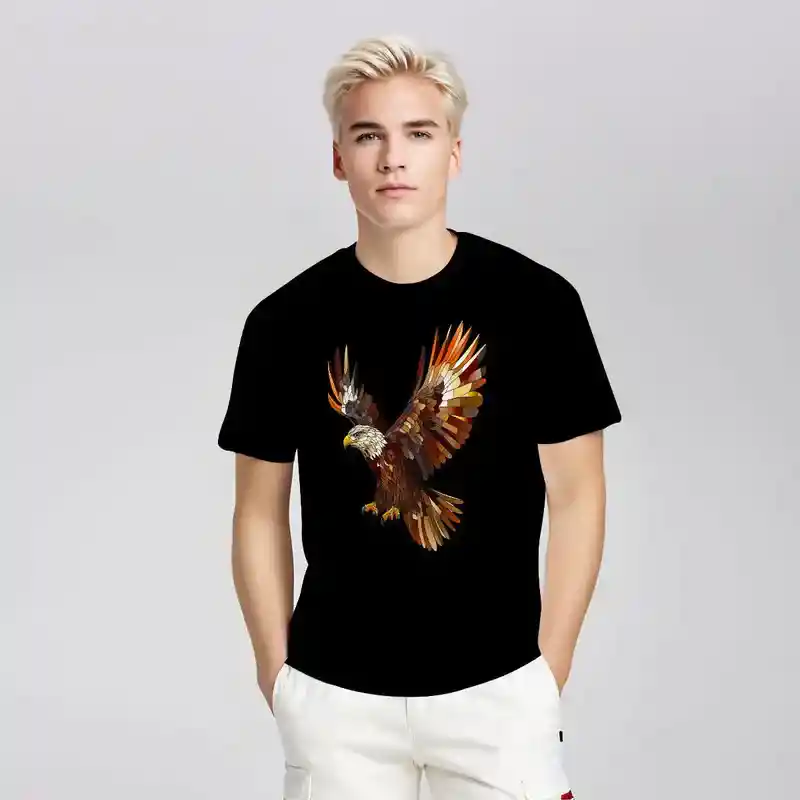
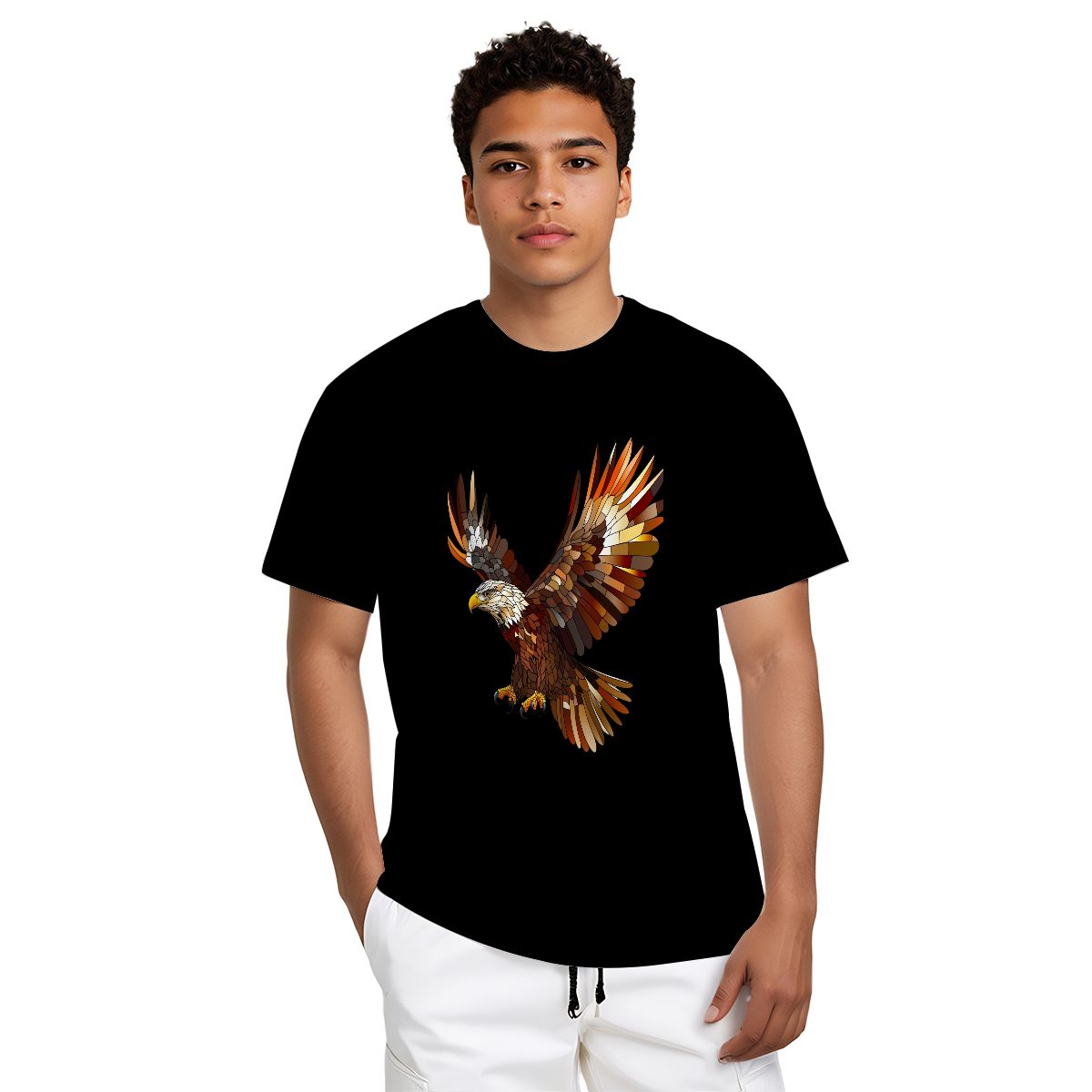
Test your designs on mockups to make sure they look good on light and dark shirts. A strong design is the heart of every POD T-shirt, and great designs usually solve a desire: to express identity, humor, or a passion.
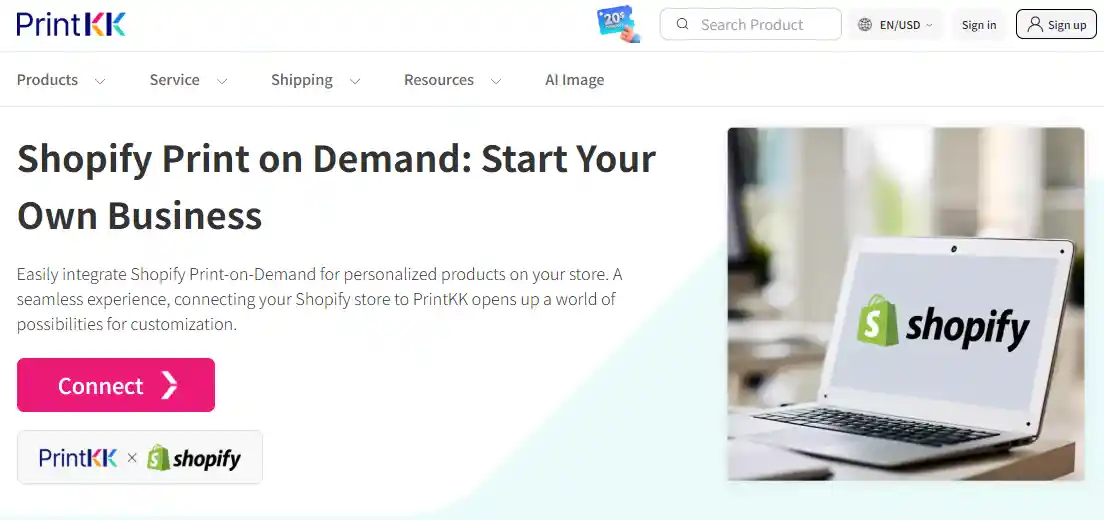
3. Choose a Reliable POD Platform
Picking the right POD partner saves you time and headaches. Compare printing quality, shirt brands, shipping regions, and support response time.
Make sure the platform integrates easily with your store—this reduces manual work and errors. Some platforms let you add branded labels or packaging, while others focus on lower product costs.
Think about what matters most to you: profit margin, quality, or speed. Choosing wisely early on helps you avoid switching platforms later and losing time.
4. Set Up Your Online Store
Your store should feel clean, friendly, and easy to shop. Use clear photos, detailed descriptions, and honest size guides so buyers feel confident.
Tell customers what makes your shirts special—better fabric, unique themes, or limited designs. Add FAQs to answer common questions and reduce customer messages.
A clean store builds trust and helps you look more professional, which can increase conversions and reduce returns.
5. Promote Your Shirts the Smart Way
Good marketing helps the right customers find you. Start with the platforms your niche already uses—TikTok for trends, Pinterest for inspiration, or Instagram for visuals.
Post content that feels fun and shareable: skits, styling ideas, behind-the-scenes clips, or customer photos. Run small, low-cost ads to test which designs get the best reactions before scaling up.
You can also partner with micro-influencers who speak directly to your niche—they often bring high engagement with lower cost.
6. Test, Improve, and Repeat
Success in POD comes from learning what works and changing quickly. Track which designs get the most clicks, saves, and sales.
Read customer reviews to find patterns—maybe they want softer shirts or funnier quotes. Try adjusting designs, adding variations, or releasing themed collections.
Keep experimenting with pricing and promotions too. Successful POD sellers keep experimenting instead of waiting for "perfect," and small improvements over time can turn a simple idea into a steady business.
How POD Sellers Can Increase Profit per T-Shirt?
Increasing your profit per t-shirt is one of the biggest challenges in POD, but there are several ways to make your margins stronger.
The first step is choosing the right supplier. Some sellers find that certain providers charge much more than others for the same quality.
You can compare multiple options on platforms like PrintKK, where some partners offer much better prices than premium providers.
You also want to understand your real costs. The profit calculators on POD platforms are often wrong, so you should do your own math. List out every cost, including:
- Supplier price
- Marketplace fees (like Etsy's)
- Shipping
- Subscription discounts
This helps you avoid surprises and set prices that actually work.

Ads are another place where many sellers lose profit fast. If your ads cost more than you earn, turn them off. A strong product, good mockups, and solid SEO can bring in sales without paid ads.
Pricing also matters. If your designs are unique and match a clear niche, you can charge more.
Many successful sellers earn $7–$12 profit per shirt simply by positioning their products at the higher end of their market. With the right supplier, pricing, and optimization, you can make each sale count.
How to Stand Out on Different Sales Platforms?
1. Etsy — Win With Visual Appeal and Clear Niche Identity
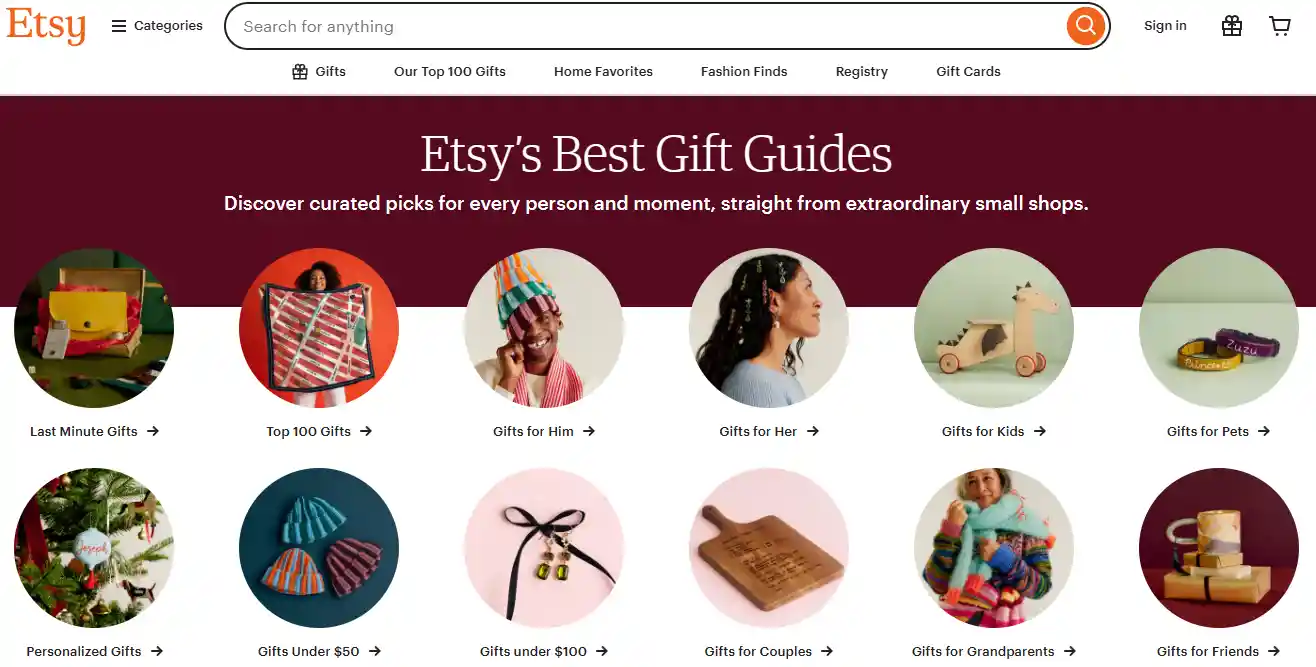
On Etsy, shoppers love designs that help them express who they are. They don't want generic graphics—they want personality. Your listings should feel warm, real, and creative. You can stand out by:
- Using high-CTR cover images (lifestyle photos beat plain mockups every time)
- Adding long-tail keywords to your title, 13 tags, and attribute fields
- Sticking to a clear niche theme people can connect with
- Branding your shop with a strong cover, About section, and intro video
- Using good after-sales service to build a 5-star review flywheel
On Etsy, strong visuals + smart search matching + true uniqueness are the keys to standing out.
2. Amazon Merch / Seller Central — Win With SEO and Conversion

Amazon shoppers arrive ready to buy, so your listing must be easy to find and even easier to trust. Ranking well and converting fast is everything. Here's how you can shine:
- Boost your Amazon SERP performance: keyword density, first 80 characters, bullet structure
- Use high-quality lifestyle images, which drive most of your CTR
- Launch new designs with a 0–14 day lower price to encourage early sales
- Use Amazon A+ content if available
- Run Auto + Manual ads to build relevancy and push your listing upward
On Amazon, visibility and conversion power your success.
3. Shopify — Build a Brand That Feels "Real"

On Shopify, you control the traffic—so your brand must feel strong, consistent, and trustworthy. The more your store looks like a real brand, the more people buy. You can stand out by:
- Telling a clear brand story with consistent visuals and tone
- Using high-quality lifestyle and mockup images
- Keeping your product pages fast (under 3 seconds)
- Creating standout ads with TikTok hooks and UGC content
- Setting up email flows: welcome, abandoned cart, and post-purchase
Here, you're not just selling T-shirts—you're building a brand experience.
4. POD Marketplaces (Redbubble, Teepublic, Zazzle) — Win With Quantity and Sharp Niches
These platforms are crowded, so you need both volume and focus. The more designs you upload, the more chances you have to be discovered. Here's how to stand out:
- Upload lots of designs to increase search placement
- Stick tightly to one strong niche to build consistent visibility
- Follow trends tied to seasons, events, and pop culture
- Optimize titles and tags to improve search relevance
You're not competing with branding here—you're competing with relevance and reach.
5. Social Commerce (Instagram, TikTok, Pinterest) — Let Your Content Do the Selling
On social platforms, people don't enter with "I want a T-shirt" in mind. They react to emotions, humor, and stories. Your content must grab attention fast. Try these ideas:
- Use short videos that trigger emotion—stories, humor, conflict, or surprise
- Film try-on videos so people can imagine wearing your shirt
- Share "POD behind-the-scenes" clips to build trust and transparency
- Join community hashtags and challenge trends to boost visibility
On social platforms, your content becomes your best salesperson.
Read More:
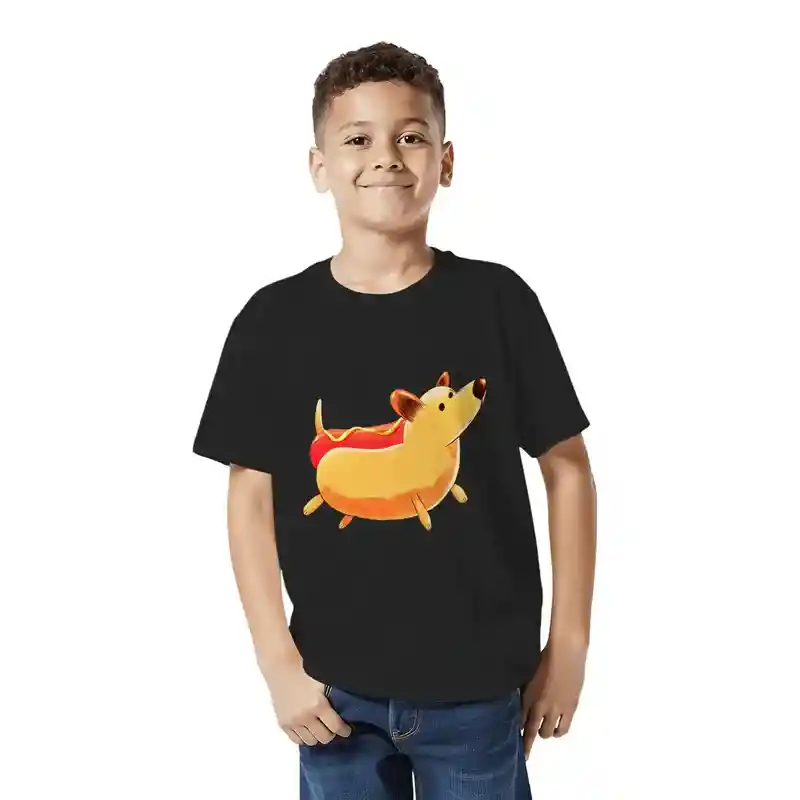
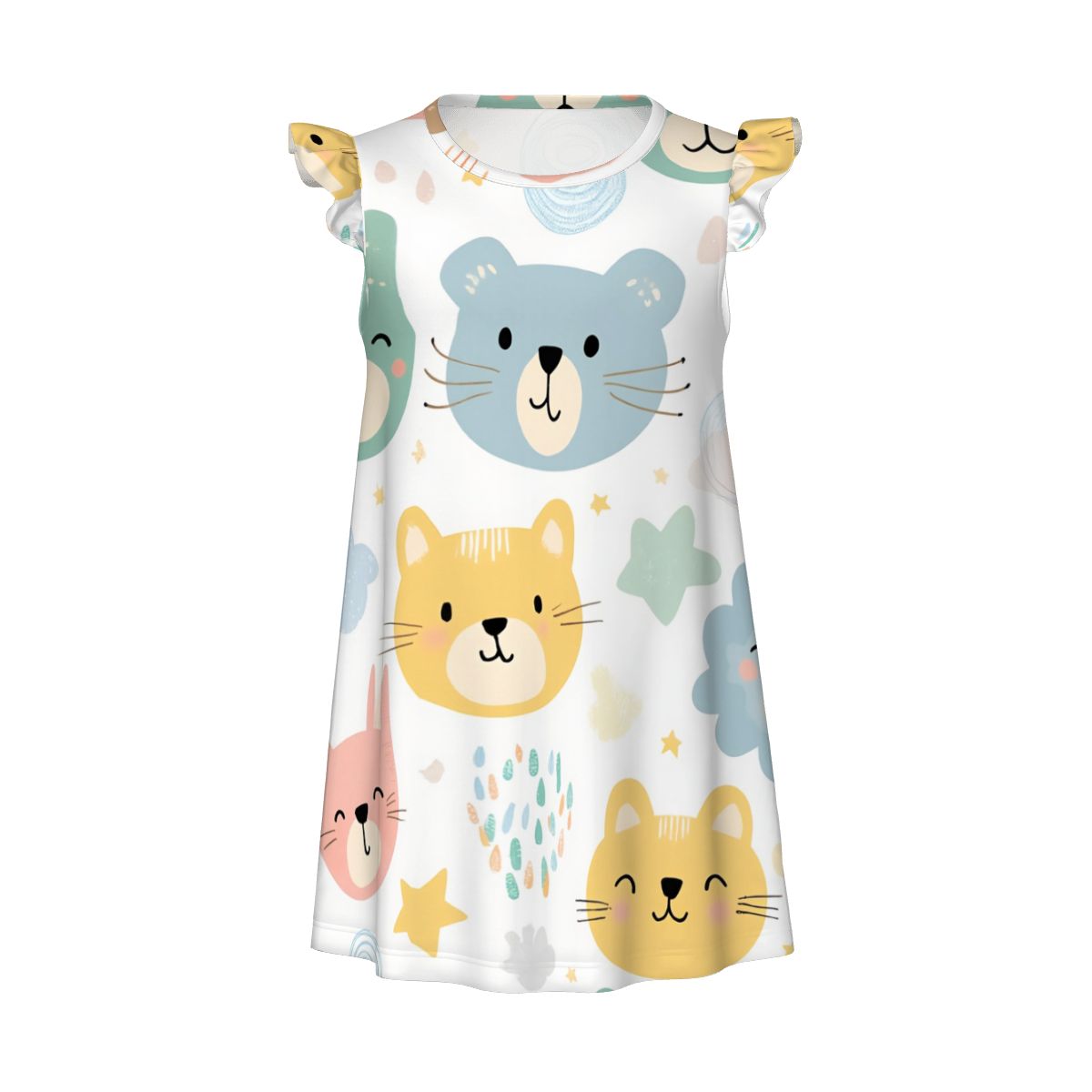
Custom Kids’ Cotton T-Shirt (Made in USA) - Print-On-Demand - PrintKK
Sell Custom T-Shirts Online With PrintKK
Selling custom t-shirts with PrintKK is easy. You can upload your own artwork, use the built-in design tools, or try the PrintKK AI Image tool to expand your ideas.
Once your design is ready, you just place an order or connect your store to start selling.
One big advantage is cost. PrintKK does not charge sellers shipping or taxes on t-shirt orders going to the US This helps you keep more profit while offering competitive prices.
All t-shirts are low-cost, good quality, and great for personal use, gifts, or selling online.
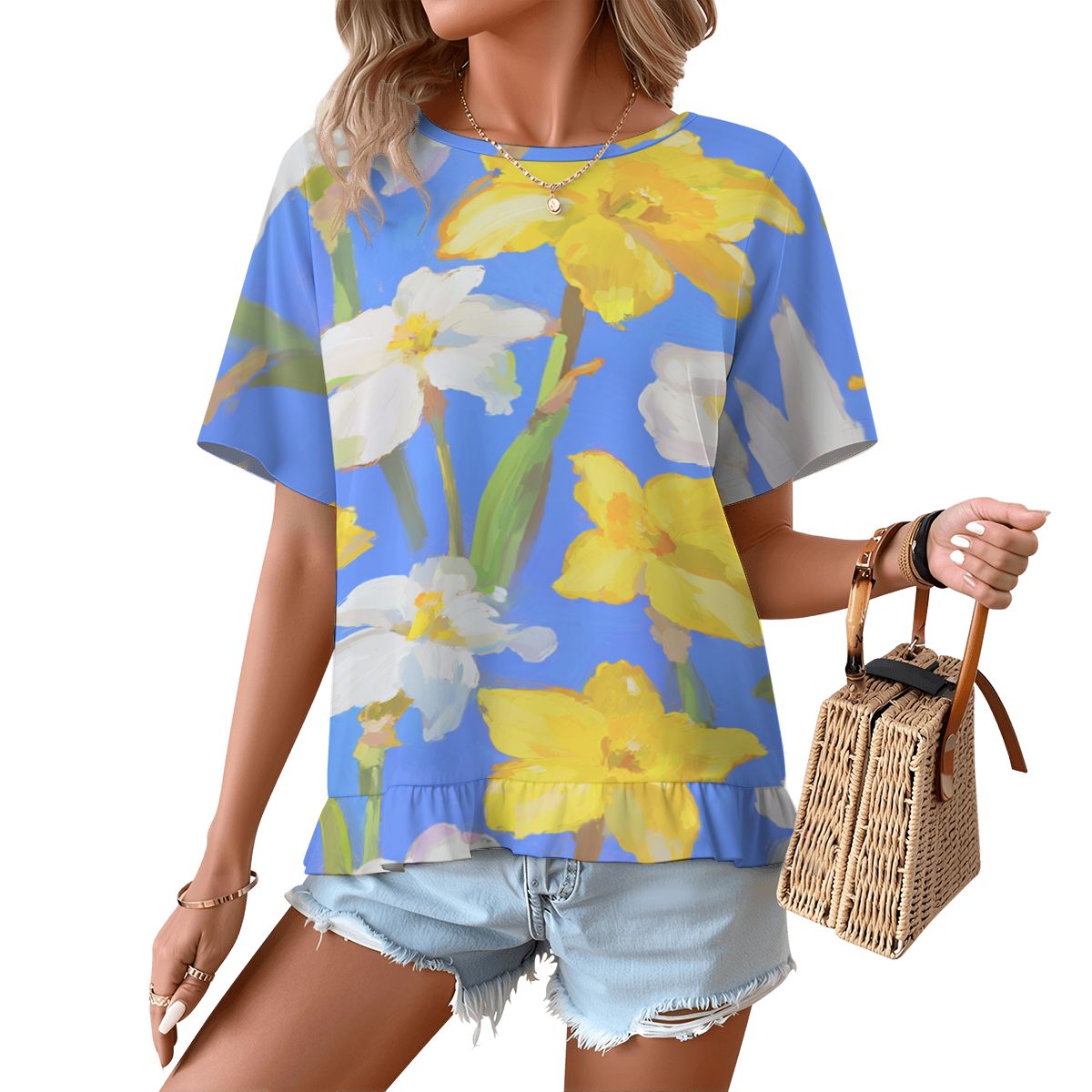
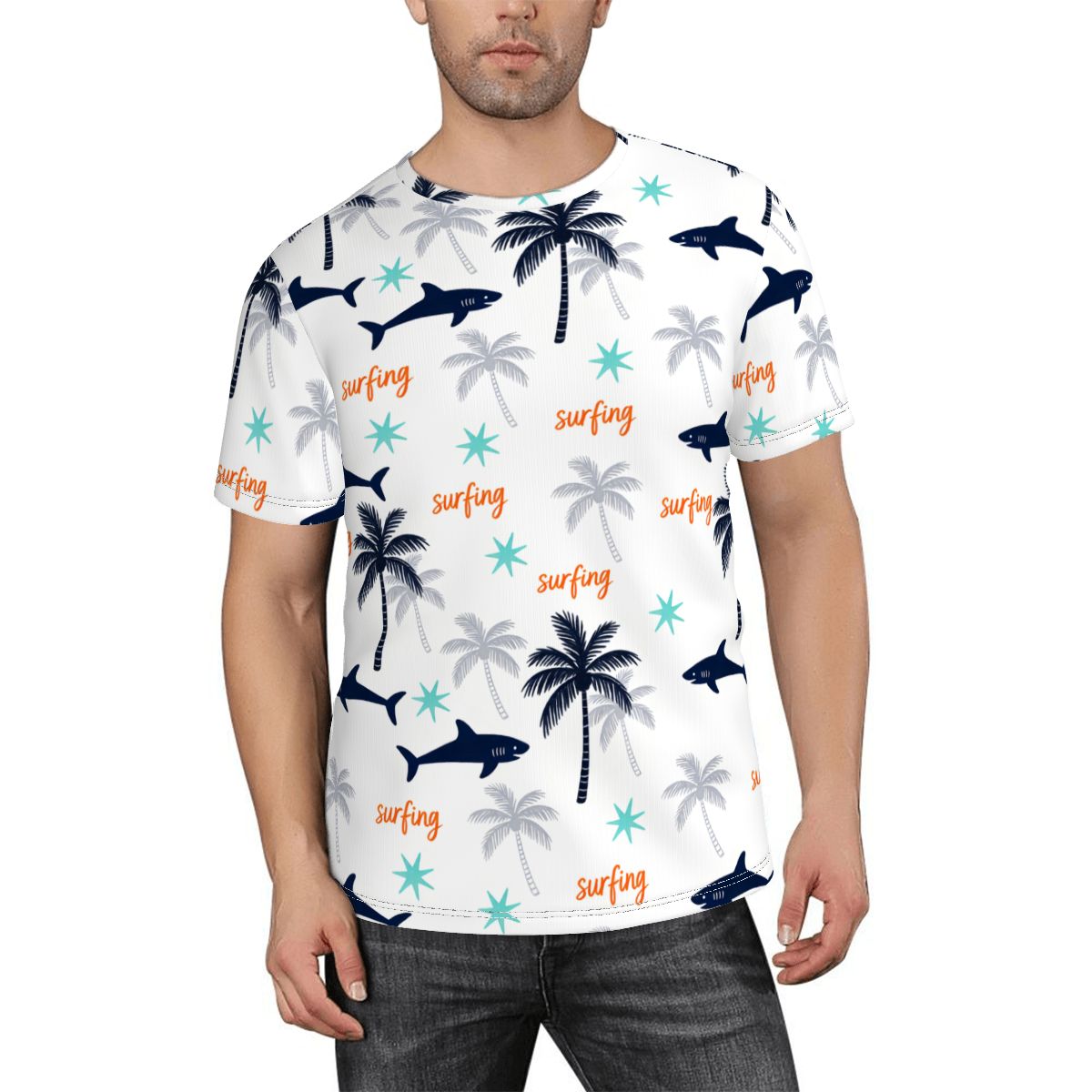
You can pick from a wide range of styles, including:
PrintKK also works smoothly with Etsy and Shopify, so you can manage orders without extra stress. With simple tools and flexible product choices, it's a strong option for growing your POD business.
Expert Tips
Learning how to sell print-on-demand t-shirts becomes much easier when you follow a clear plan. You now understand how to choose a supplier, create designs, set your prices, and promote your work. Each step helps you build a business that grows with your skills and creativity.
You don't need big budgets or complex tools. You just need steady effort and a clear niche. With the right setup, you can build products people enjoy and trust.
Use what you learned here to take action. Start small, test often, and keep improving. With time, you can create a shop that feels professional and ready for growth.
FAQs
How much does it cost to set up a print-on-demand business?
Starting costs are low because you don't need to buy inventory. Most people only pay for a domain, a store plan, or small design tools. You mainly spend money once a customer orders.
Can I do print on demand for free?
Yes, you can begin almost free by using marketplaces like Etsy or Redbubble. You only pay fees after a sale. You'll still need time, designs, and some effort to get traffic.
Do I need a business license to sell print-on-demand?
Most beginners don't need a license to start, but rules depend on your country or state. As your shop grows, you may need tax registration or simple paperwork. Always check local guidelines.
Is print on demand still profitable in 2026?
Yes. POD is still profitable if you focus on strong niches, clear designs, and platforms that fit your style. Trends change, but people always buy shirts that show identity, humor, or personal interests.
How much money can you make with print on demand?
Income varies a lot. Some sellers earn a small side income, while others make steady monthly profits. Your results depend on your niche, designs, traffic, and how often you test and improve your products.
Can you sell shirts with quotes on them?
Yes, you can sell shirts with quotes, but be careful with copyright or trademarked phrases. Stick to original lines or public-domain quotes. Simple, bold text designs often sell surprisingly well.

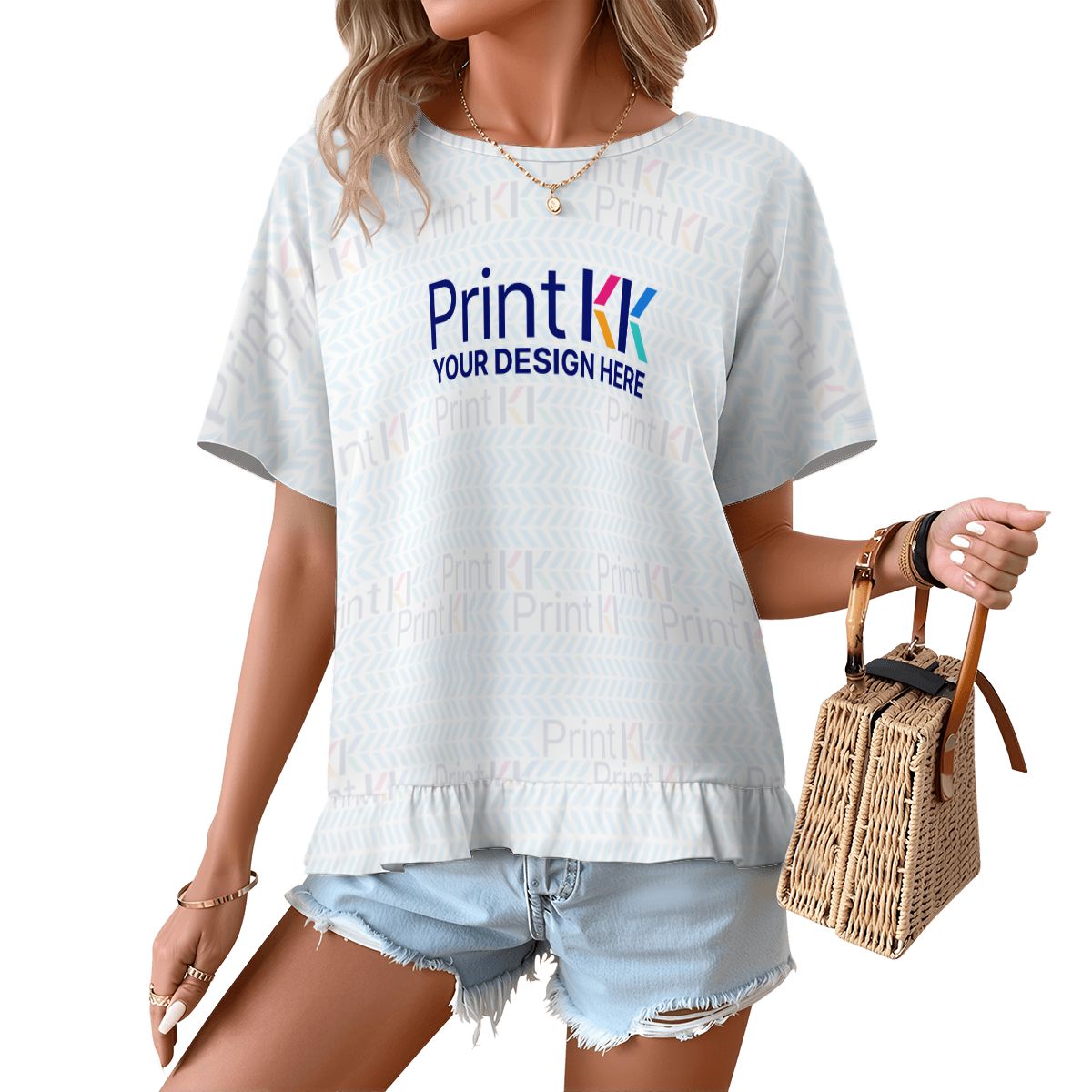
 Global Shipping
 Made in USA
 Free shipping