





Welcome to the 2026 Guide on how to start a card business. Greeting cards stay popular even now. People still love sending a thoughtful note for birthdays, thanks, or just because.
You do not need fancy skills or lots of money. This guide walks you through six clear steps. Many people begin part-time from home. Follow these steps, and you can have your first cards selling soon. Let's get your card business going today.
Is Starting a Card Business Worth It?
Real cards still win hearts. A quick text is nice, but a card with handwritten words gets kept, displayed, maybe even framed years later. That feeling keeps people buying.
The market tells the same story. Experts project the global greeting card industry will reach $19.61 billion by 2033. Birthdays, new babies, weddings, "just because" moments — people want to celebrate them properly.
Why 2026 could be your sweet spot:
- Niche designs (sarcastic humor, mental health support, pet-themed, inclusive messages) stand out fast.
- Print-on-demand services mean almost zero upfront inventory risk.
- Social media lets you show previews and sell directly to fans worldwide.
Yes, you'll spend time learning trends, tweaking designs, and posting consistently. But the payoff can be steady income from something you actually enjoy making.
Plenty of solo creators already earn full-time from cards they love. If sparking small moments of joy excites you, this space still has room — and it's growing.
How to Start a Card Business in 6 Steps
Step 1: Pick Your Niche
Skip generic cards. Target a specific crowd—like personalized notes for new parents, eco-friendly cards with plantable seeds, or bold humorous ones for remote workers. Trends right now love handwritten-style fonts, moody colors, and custom touches.
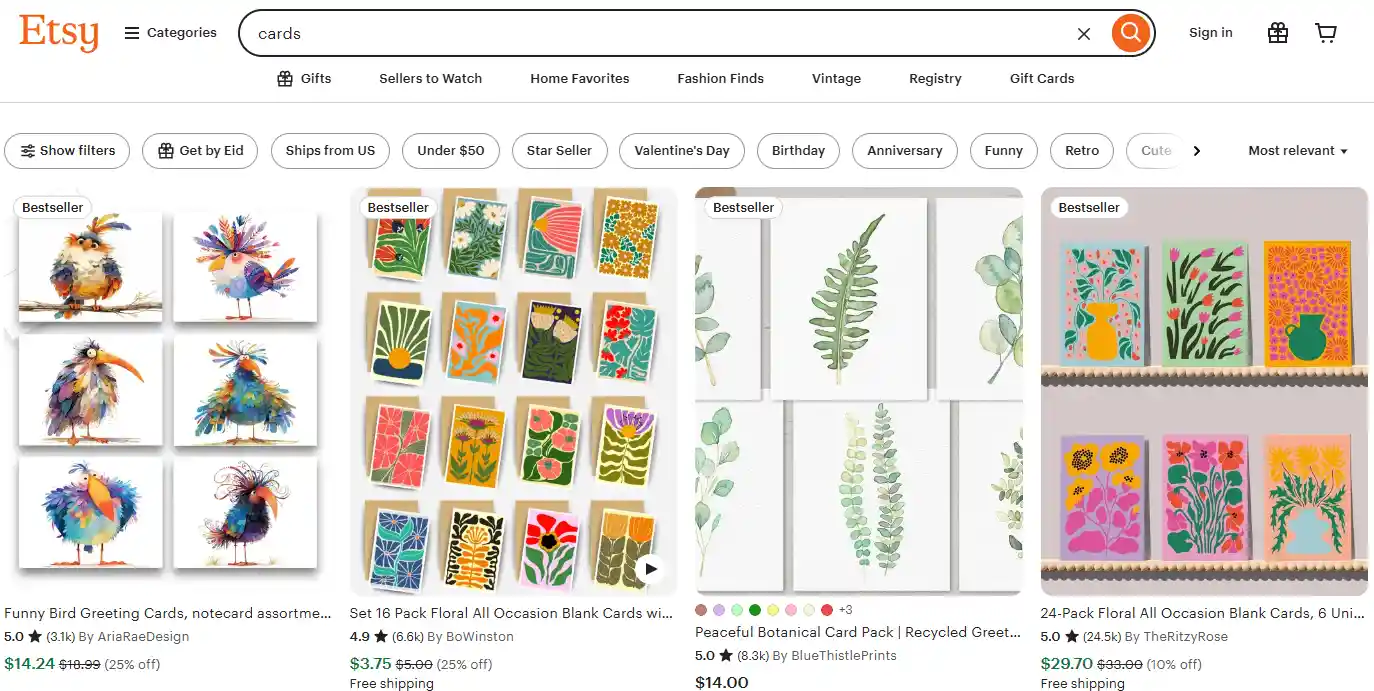
Scout Etsy, TikTok, and recent searches to spot gaps. Lock in one niche and create 10-15 matching designs. It helps you build fans fast and stand out.
Step 2: Design Your First Cards
You can start with zero art experience. Try Canva's free templates or draw and scan. Focus on simple winners: eye-catching front, meaningful or blank inside. Do 8-12 to begin so it stays fun.
Use 5x7 at 300 DPI for crisp prints. Test with friends—"Would this make you smile and buy?" Adjust, and your collection will feel ready and strong.
Step 3: Choose a Print-on-Demand Partner
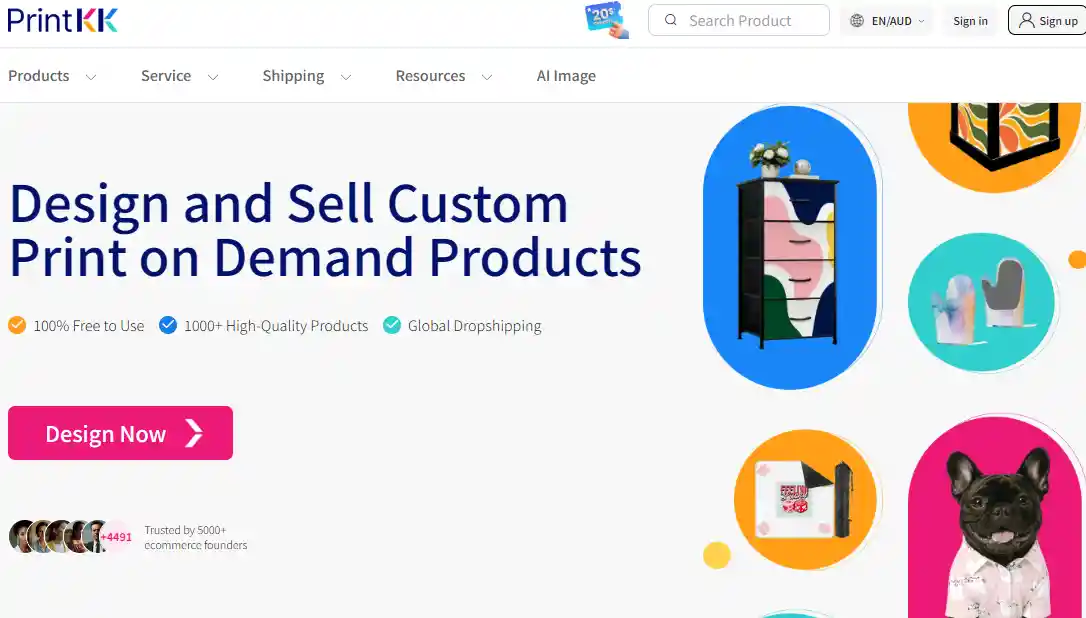
POD handles everything after the sale—no upfront stock! Leading ones in 2026: Printful (great quality), PrintKK (lots of options), Gelato (fast global shipping), and Podbase.
Create a free account, upload art, select premium paper (recycled or thick stocks are hot now), and include envelopes. Always get samples ($20-50) to feel the texture and see real colors. High-quality cards bring happy reviews and repeat orders.
Step 4: Set Up Your Business Basics
Pick a memorable name that fits your style and grab it on Etsy, socials, and a simple domain. Begin as a sole proprietor (easy setup). Track income/expenses for taxes—apps make it painless. Open a business-only bank account.
If sales pick up, consider an LLC down the road. This step gives you that "real business" feeling without hassle.
Step 5: Build Your Shop & Photos
Launch on Etsy first—it's beginner-friendly with built-in traffic. Craft short, warm descriptions: "Personalized card perfect for your bestie's big win!" Use phone photos in good light: show front, inside message, and full setup with envelope.
Set prices $5-7 (aim for solid profit after POD costs). Be upfront on shipping. Strong visuals and clear info turn browsers into buyers.
Step 6: Launch & Get Sales
Go live and promote! Share daily reels on TikTok/Instagram showing your cards in fun ways. Post in niche groups (pet lovers, wellness communities) without spamming. Offer a quick launch discount like buy-one-get-one-half-off. Get early reviews from friends/family.
New shops often see sales in 1-4 weeks with consistent effort. Watch what clicks, make more, and scale up—you're building something cool.
How Much Does It Cost to Start a Card Business?
You can begin a greeting card business for very little money in 2026, particularly if you select the right approach.
The cheapest way you can begin a greeting card business is around $0 to $100 using print-on-demand and free resources.
Most people would spend between $100 and $1,000 to get started properly. The major difference would come from your business model, which could be printing greeting cards only when a customer purchases one, buying in bulk, or making them by hand.
The Essential Startup Costs
Everyone needs to cover a few basic things to launch. Here is a simple breakdown:
Cost Item | Typical Amount | Notes |
Business setup (name, email, basic legal) | $0 – $50 | Free in most places; optional domain or email upgrade. |
Design tools & samples | $0 – $200 | Free apps like Canva; buy a tablet or order 5–10 sample cards to check quality. |
Online store setup | $0 – $100 | Free on Etsy listings or Printify Pop-Up; Shopify starts at $29/month if you want your own site. |
Marketing (photos, social posts, small ads) | $0 – $300 | Use your phone for photos; try $50–$100 on Instagram or Etsy ads to test. |
Packaging & misc (envelopes, labels, software) | $20 – $150 | Basic supplies; some print-on-demand services include this. |
These add up to the core expenses most new card sellers face.
How Your Business Model Changes the Cost
- Print on demand cards → Lowest barrier, fastest way to validate ideas. You pay ~50–70% of the sale price to the printer/shipper/platform (base cost per card typically $2.30–$4.50 + shipping $3.50–$6). Ideal if you want to launch quickly and iterate on 50+ designs without financial danger.
- Bulk → Best unit economics once you have sales data. Break-even usually requires selling 200–500 cards per design ($0.80–$2.50 per card for 500–1,000 units). Storage and cash-flow become real issues above ~2,000 cards total.
- Handmade → Highest per-unit profit potential, lowest financial risk, but extremely time-constrained. Most makers cap at 50–150 cards/month before needing help or switching models (materials usually $1–$4 per card).
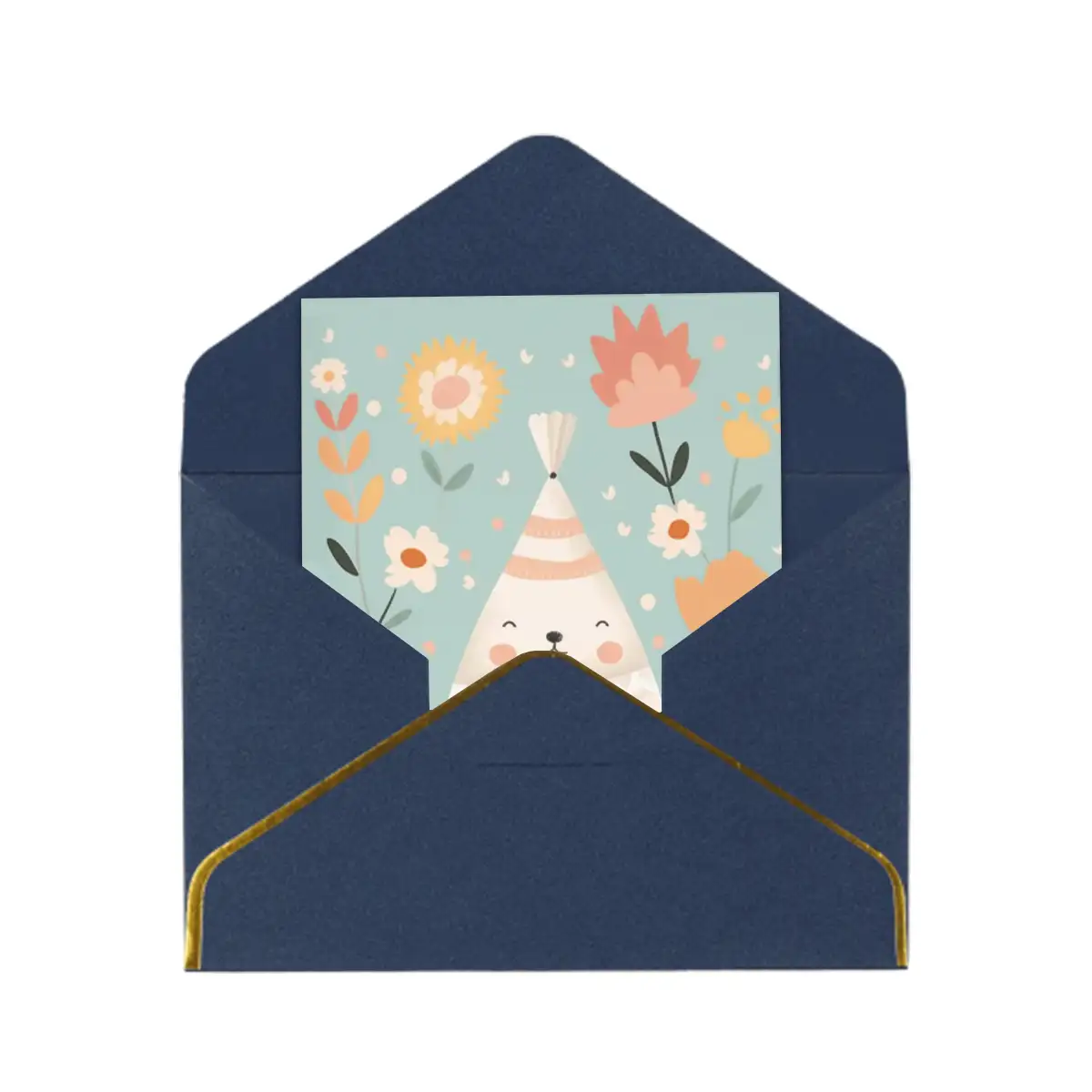
Quick beginner note (Feb 2026): Print-on-demand is still the go-to for low-risk testing—costs stay around $2–$4 fulfilled per card, letting you sell at $5–$9 with decent margins and no stock worries. Scale later if needed.
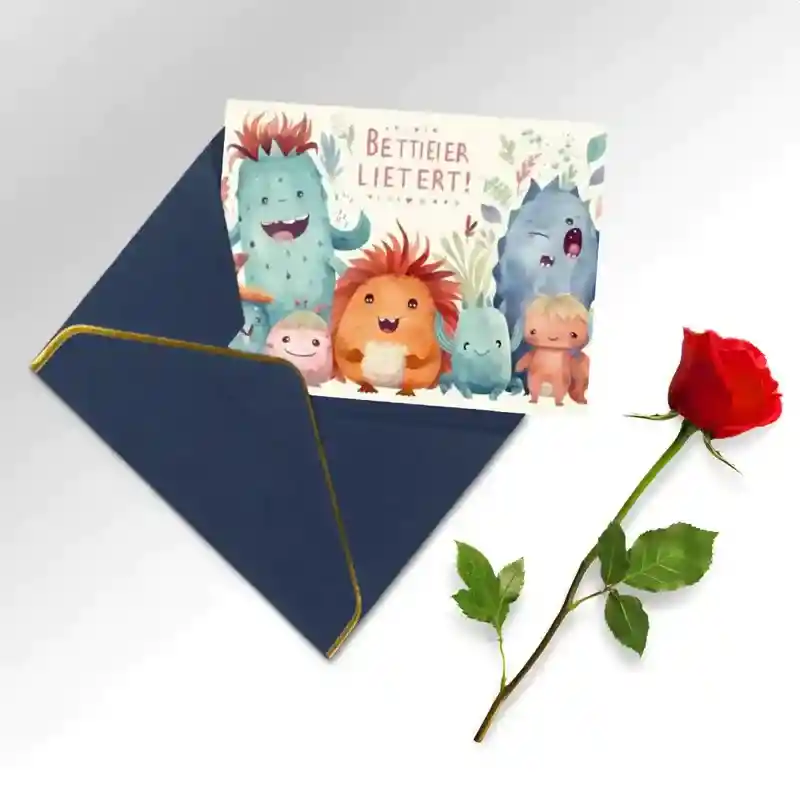
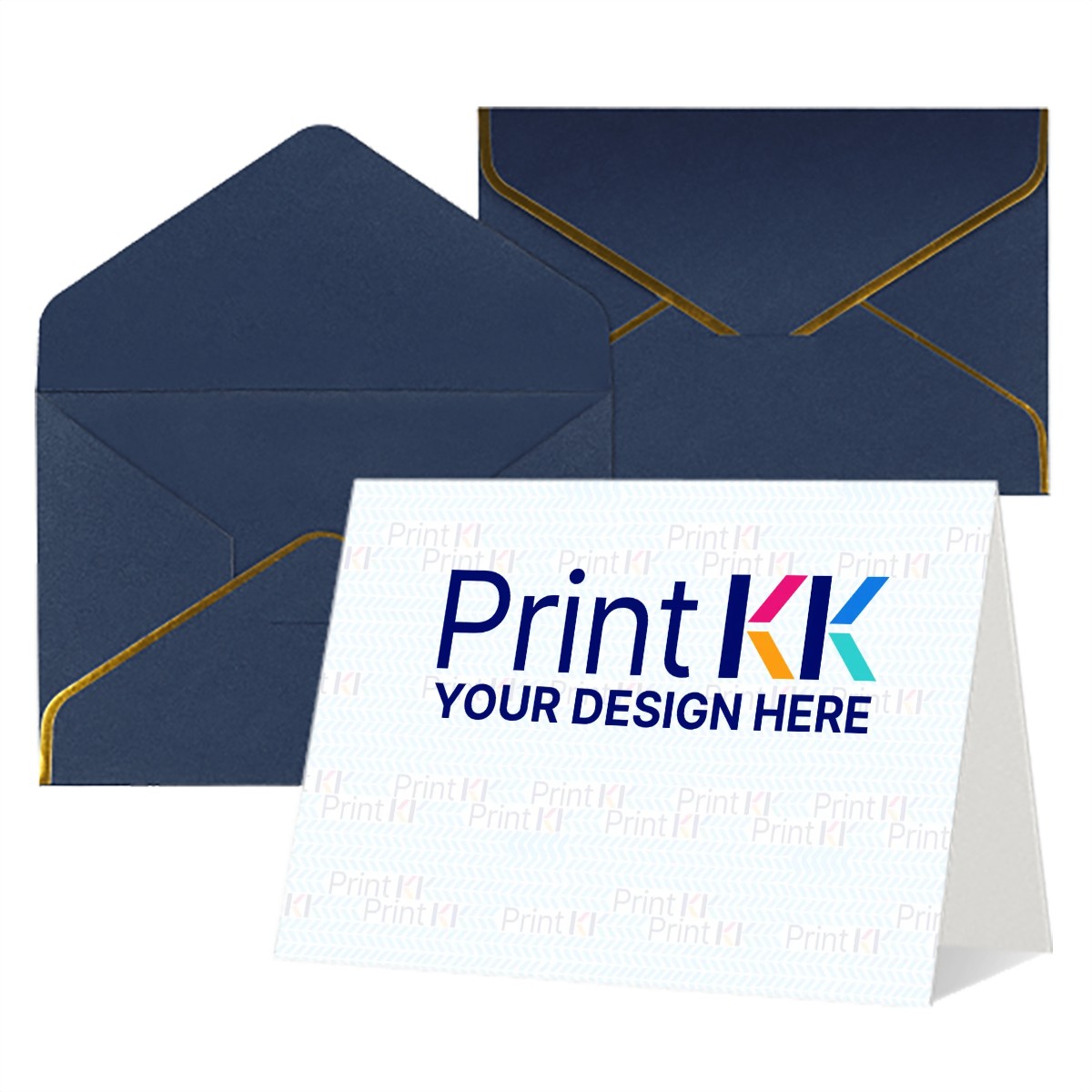
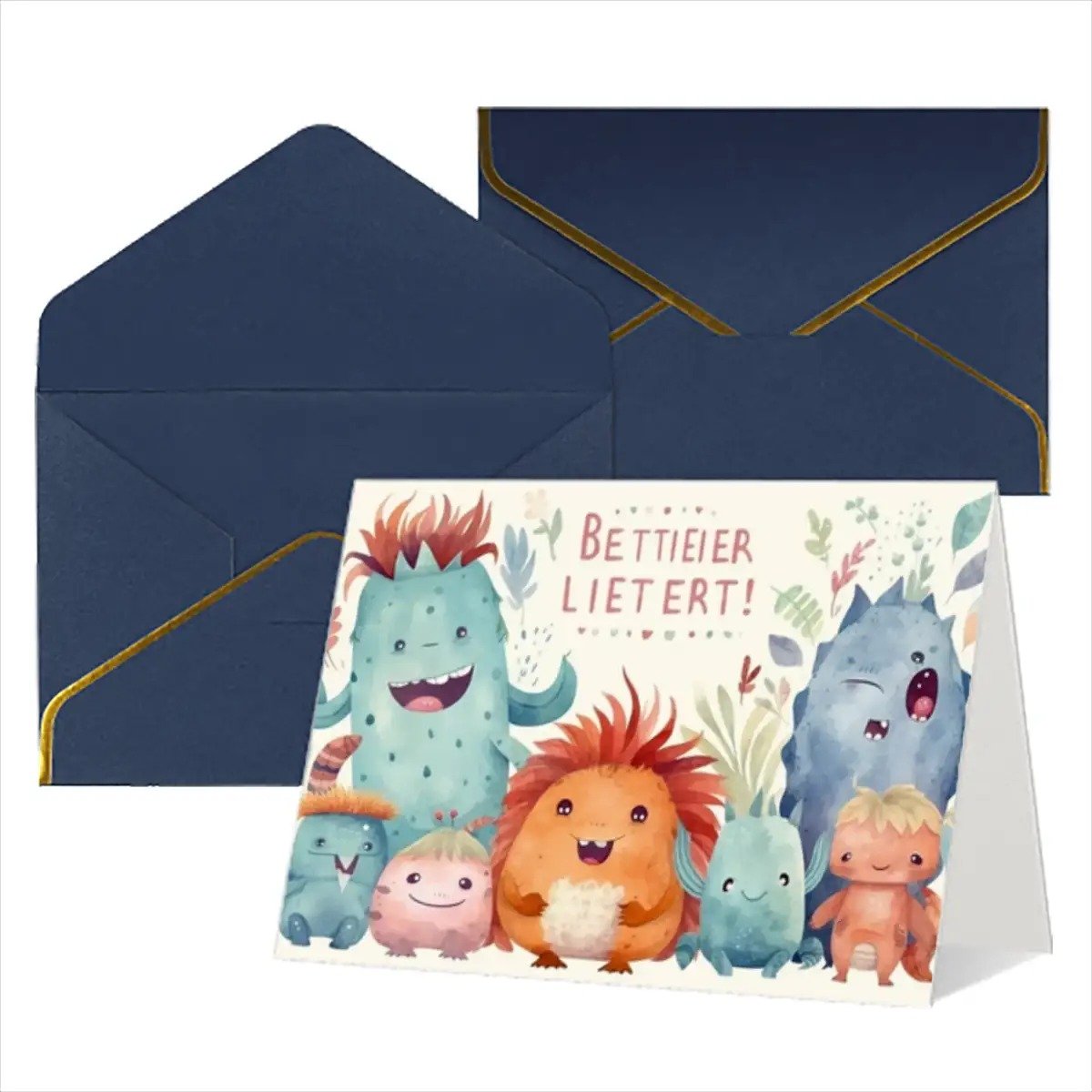
Print on Demand Golden Edge Greeting Cards (Horizontal) - Home Decor - PrintKK
Sneaky Hidden Costs New Sellers Miss
These extras quietly eat into profits during your first few months—plan ahead:
- Shipping & returns — Handling returns or damaged cards often means you pay extra shipping.
- Platform fees — Expect Etsy's $0.20 listing fee (per item/renewal), 6.5% transaction fee, and ~3–4% + fixed payment processing per sale.
- Ad spend waste — Testing Etsy or social ads frequently means spending money before consistent returns kick in.
- Your time — Designing, packing, and customer service hours add up fast—don't undervalue your labor.
Realistic Budget Ranges
Pick a level that fits your goals:
- Low-budget start ($0–$300): Use print-on-demand, free design tools, Etsy shop, and organic social posts. Great for testing ideas with almost no risk.
- Moderate investment ($300–$1,000): Add better design software, sample orders, small ad budget, and custom packaging. This helps you look more professional and sell faster.
- Scale-focused launch ($1,000+): Go for bulk printing or handmade in volume, plus a full website and bigger marketing push. Best if you want to grow quickly into wholesale or lots of sales.
Marketing Tips for Card Businesses (Beginner-Friendly)
Focus on Instagram or Pinterest First
These two platforms work best for showing greeting cards. Post your designs 3–5 times a week. Add 5–10 hashtags that match your niche, such as #EcoFriendlyCards or #GetWellSoon.
Reply to comments and like similar accounts. Steady posting builds an audience slowly but surely.
Make Your Online Shop Easy to Find
On Etsy, use prominent titles and tags with search terms such as "cute cat birthday card" or "modern wedding thank you." Take photos of the card against a plain background. Include short descriptions of what you are selling.
Post Behind-the-Scenes Content
Share videos or photos of your process of choosing paper, writing messages, or packing an order. Share why you chose a certain design or quote.
Customers will feel more connected to your business if they see the actual work that goes into each card. Share ideas for cards for certain holidays before they occur, such as teacher appreciation cards in April.
Turn Buyers into Promoters
Include a thank-you note with each order that politely asks for a review. Reviews will make your shop look reputable and trustworthy, and will also help your shop rank higher.
If a customer posts a picture of your card on social media, re-post it with their permission and give them credit. This is free advertising to their friends.
Time Posts Around Holidays
Cards sell the most during birthdays, major holidays, and events like anniversaries. Create a basic yearly plan. Promote related designs 4–8 weeks before each date.
Watch which cards sell best in each season and plan to make more of them next time. This keeps your shop busy all year.
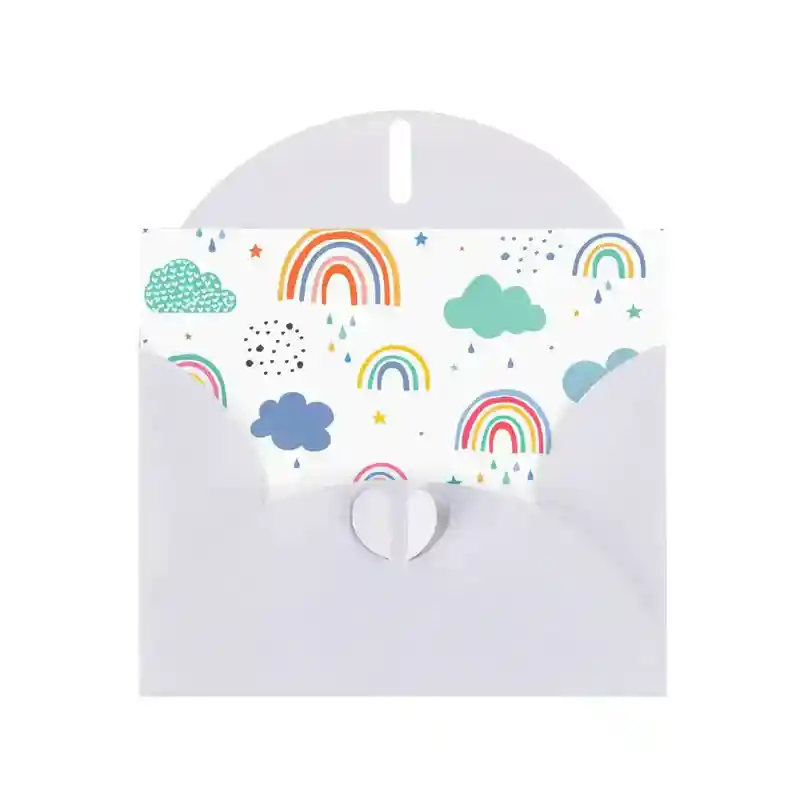
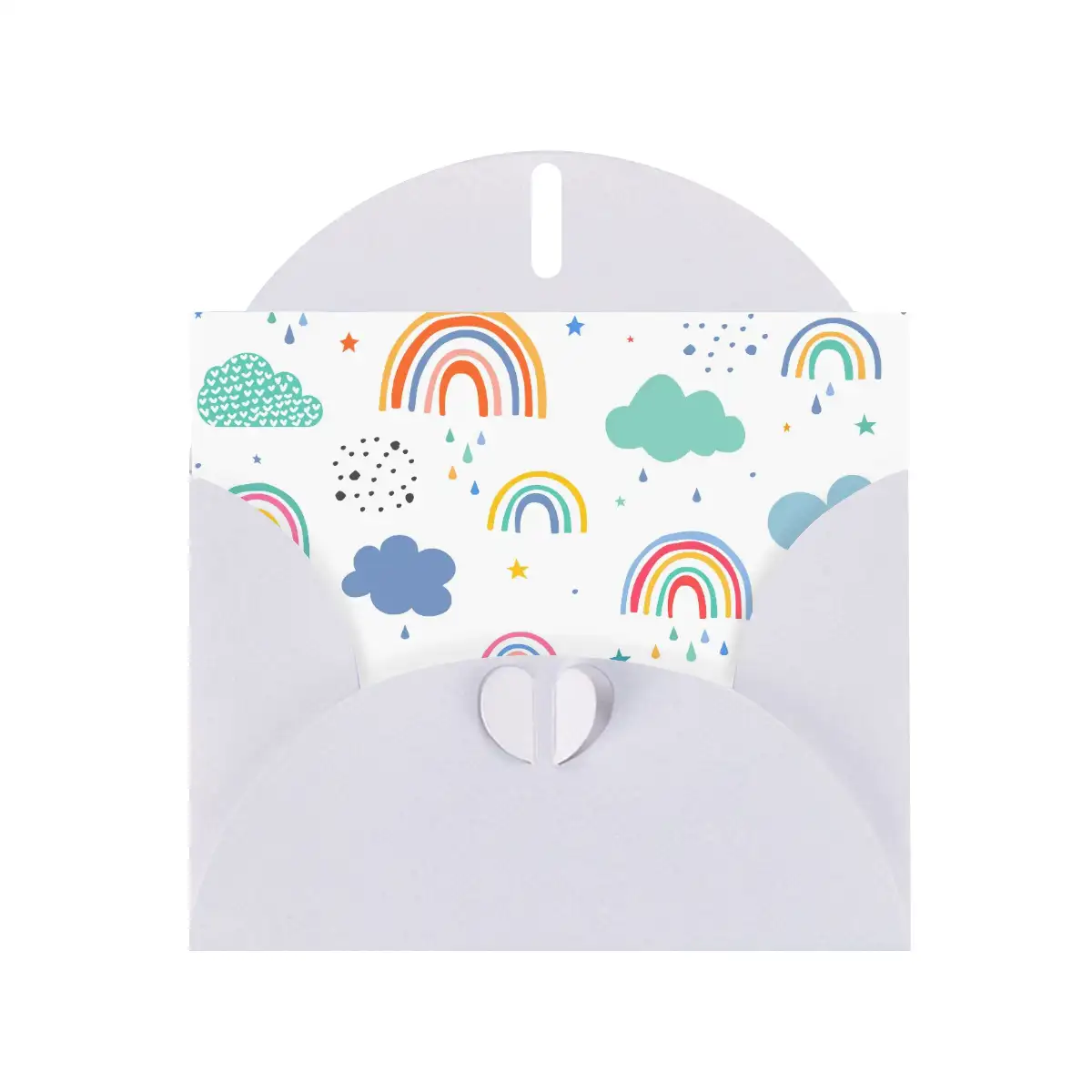
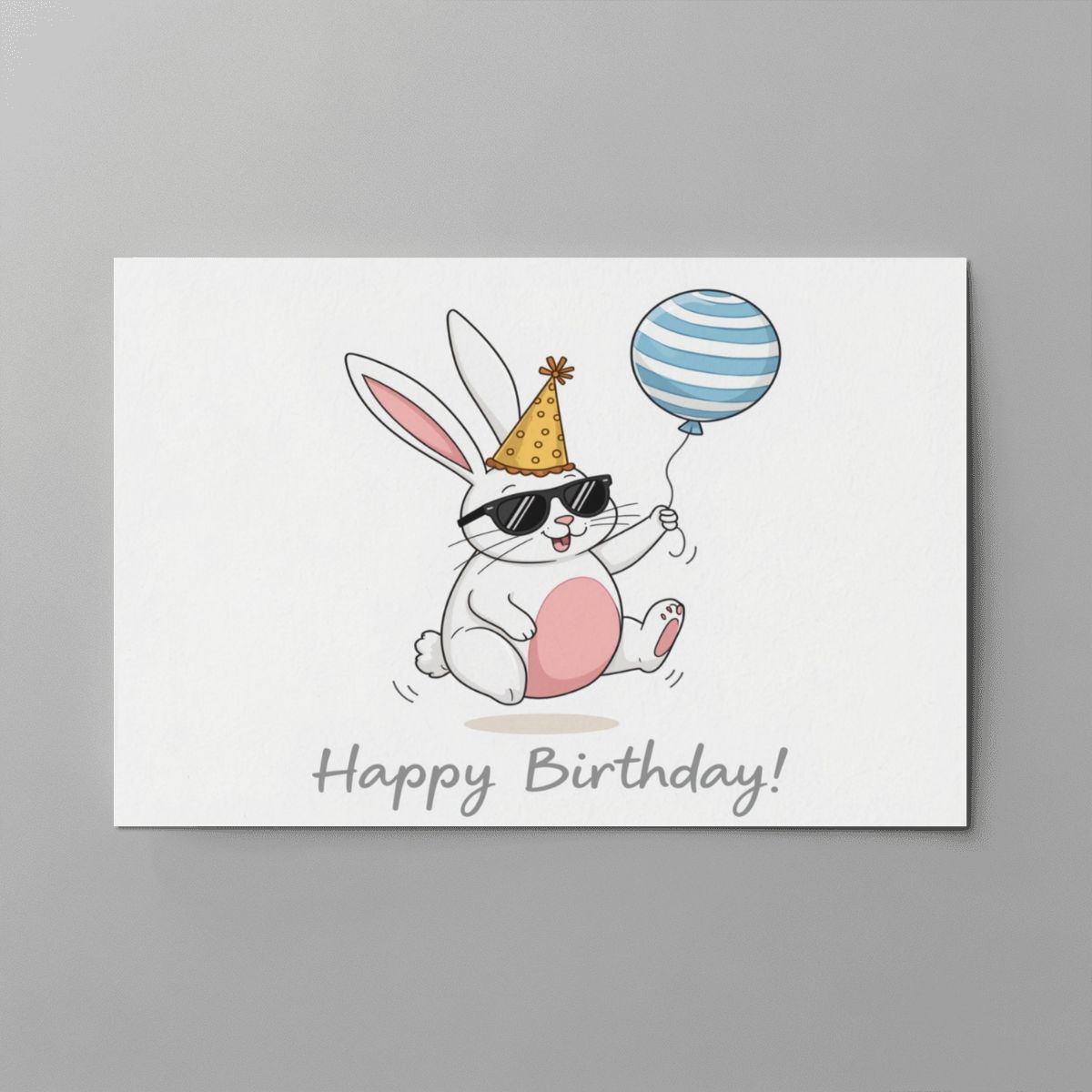
Print on Demand Horizontal Greeting Cards (Pearl Paper) - Home Decor - PrintKK
Launch Your Card Business Using PrintKK
You can launch your card business fast with PrintKK, a print-on-demand service. Sgn up for free on their site. Use their design tool to upload your artwork or create new designs right there.
Add text, adjust layouts, and preview how your greeting card looks. When ready, place an order — you can buy one sample to check quality or order in bulk for lower discount prices per card. No need to store anything at home.
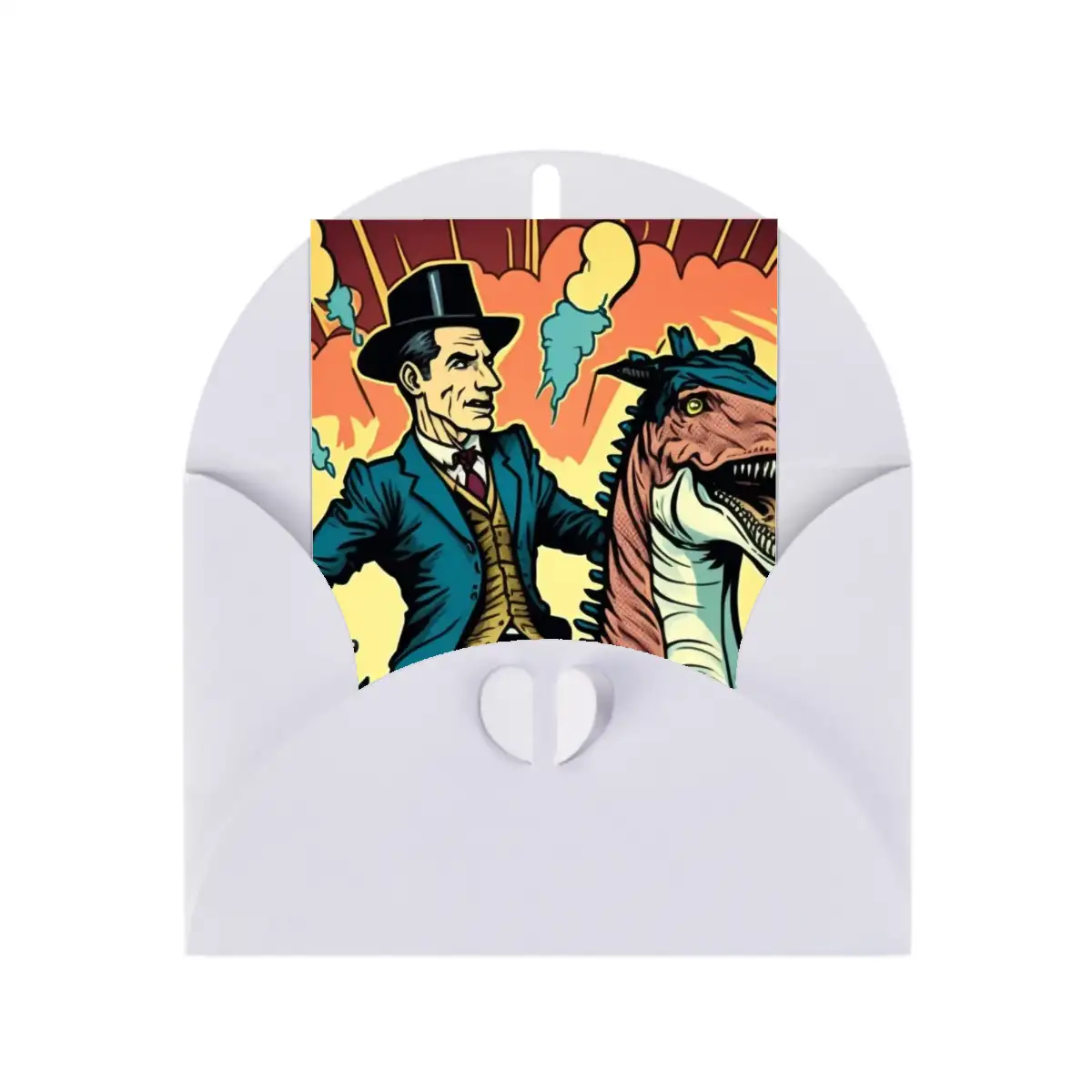
PrintKK stands out because their products offer low prices with good quality paper and printing. They have many greeting card options, like folded cards with envelopes or holiday styles.
Their built-in AI Image tool helps you quickly fix designs — remove backgrounds, generate similar images, or improve quality in seconds.
Best of all, PrintKK connects easily with your shops:
This setup lets you focus on creating and selling while they handle printing and shipping. Start small, test a few designs, and grow from there.
Expert Tips
You now know how to start a card business in 2026. You picked your niche. You designed your first cards. You chose a printing method that fits your budget. You set up your shop and learned simple marketing steps. Every part builds on the last.
Start small. Test a few designs. Listen to what buyers like. Make changes as you go. You do not need everything perfect on day one. Most successful sellers began exactly where you are now.
Take the first step today. Create one card. List it online. Share it with a friend. You have the tools and the plan. Your card business can grow at your own pace. Go make something people will love to send. You got this.
FAQs
Is a greeting card business profitable?
Yes, many greeting card businesses make good money. The market grows slowly but stays steady. With smart designs and low costs, you can earn a solid income, especially if you focus on popular niches.
What do I need to start a greeting card business?
You need creative designs, a way to print cards, and an online shop like Etsy. Basic tools include design software and a computer. Start small with print-on-demand to skip big upfront costs.
Do I need to copyright my greeting cards?
Your original designs get automatic copyright protection when created. Registering with the copyright office gives extra legal strength if someone copies your work. It helps protect your art and text.
What greeting cards sell the most?
Birthday cards lead in sales year-round. Holiday cards, especially Christmas ones, bring big seasonal boosts. Personalized, funny, or niche cards like sympathy and thank-you also do well with buyers.

 Global Shipping
 Free shipping