





Starting an activewear label today requires more than great designs — it demands clarity, strategy and a deep understanding of what modern consumers expect.
If you've been wondering how to start an activewear brand, 2026 offers more opportunities than ever thanks to on-demand production, creator-driven marketing and the rise of niche communities.
In this guide, you'll learn the essential steps to launch with confidence, build a brand identity that stands out and create products customers are excited to wear. Let's break down what it takes to turn your idea into a thriving activewear business.
Why You Should Start an Activewear Brand
Starting an activewear brand now is a smart move because the demand for modern fitness clothing keeps growing. More people are choosing to work out, walk more and stay active during their daily routines.
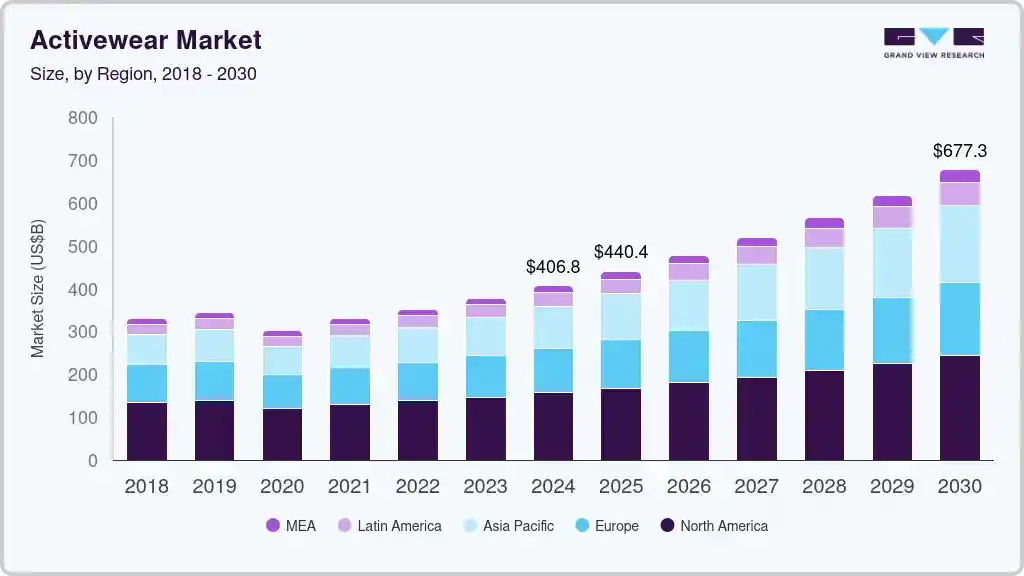
This shift is driving the global activewear market toward a value of about $677 billion by 2030, with steady growth each year. When you enter a growing market, you have a better chance to stand out and build a strong customer base.
You should also consider how activewear has become part of everyday fashion. People want clothes that feel good at the gym but also look great at school, work or weekend hangouts.
This gives you room to design pieces that fit both performance and lifestyle. When you offer styles that solve real needs, you're already ahead.
People love supporting new and authentic brands. When your story is real and your products are helpful, customers connect with you.
That emotional connection can become a powerful advantage as you build your business. Starting now gives you the chance to ride the wave of a fast-growing industry and create something meaningful.
How to Start an Activewear Brand With 6 Steps
1. Research Your Market and Pick Your Niche
Before you sketch your first pair of leggings, start by studying the market. Look at what people actually search for, what they complain about in reviews, and what big brands don't offer.
For example, you may notice runners asking for shorts with deeper pockets or gym-goers wanting non-slip sports bras. These gaps help you shape a niche.
Picking a focused area—like sustainable high-impact sports bras or tall-friendly joggers—makes your brand easier to understand and easier to market. When your niche solves a real problem, your products naturally become more appealing.
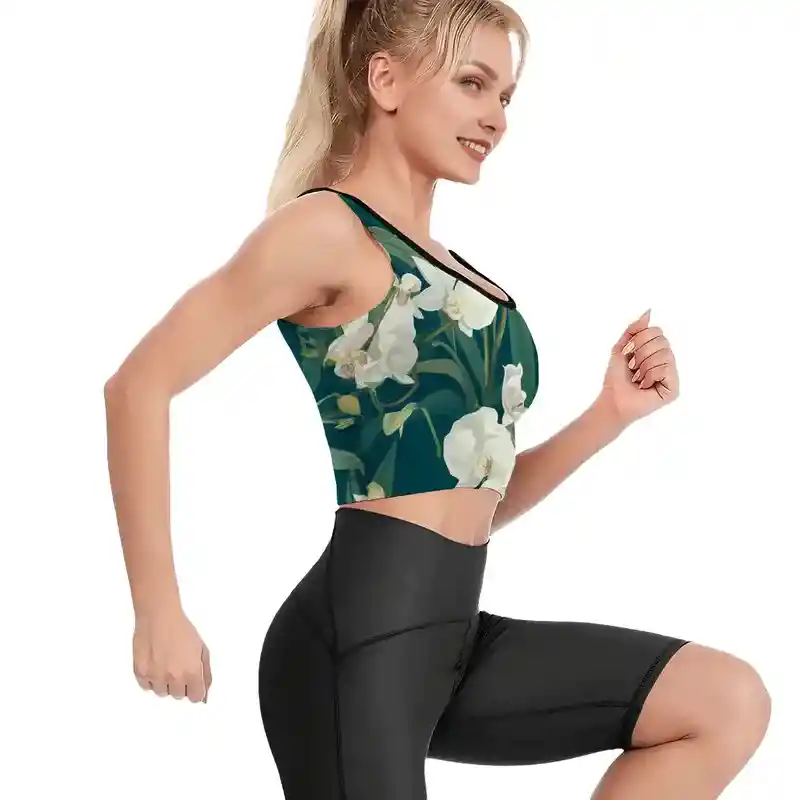
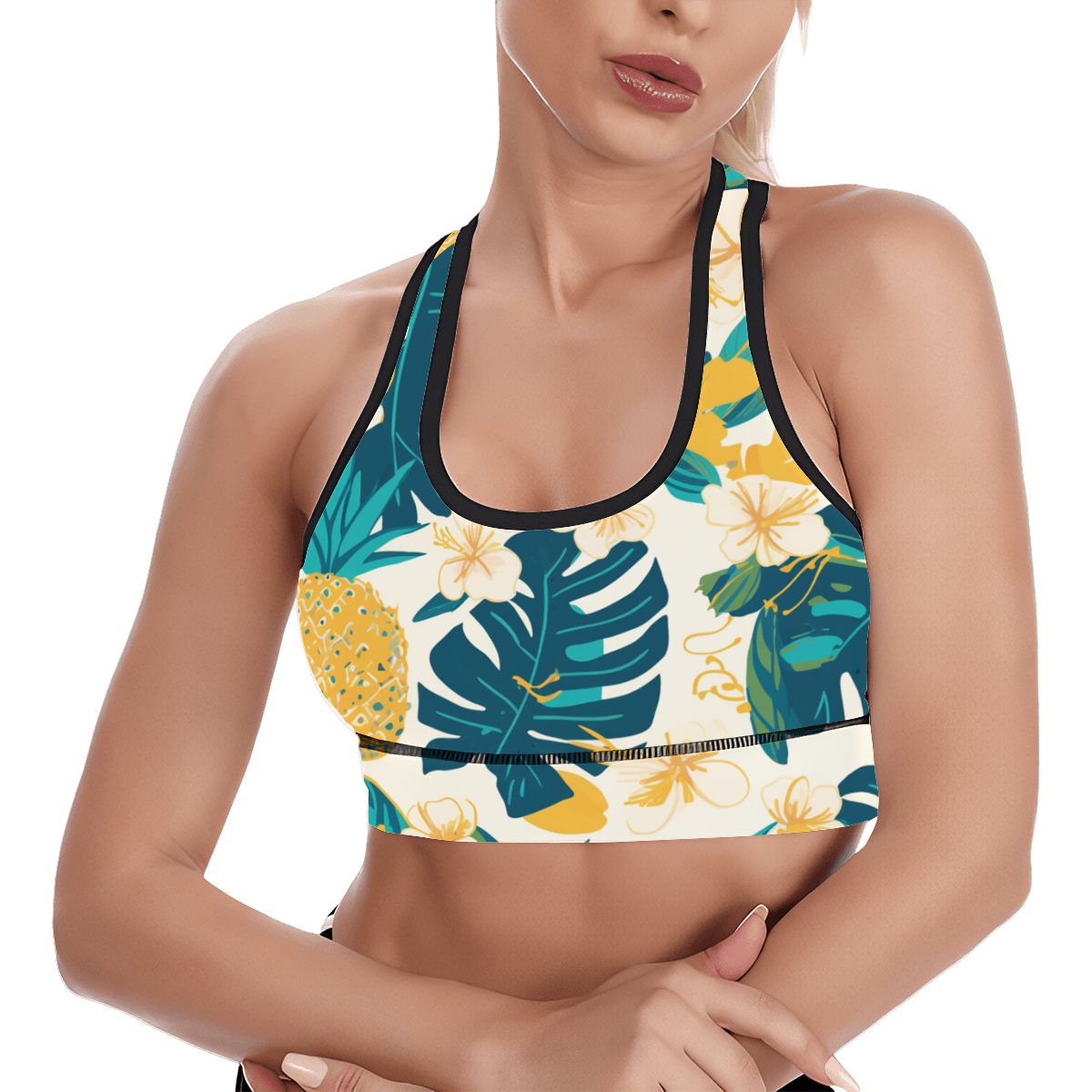
Custom Printed on Demand Yoga Strappy Sports Bra Top (AOP) - PrintKK
2. Create a Clear Brand Identity
Your brand identity is the "personality" of your business. Think about how you want people to feel when they see your clothes. Are you playful, bold, calm, or eco-focused? Choose colors and fonts that match that feeling.
For example, a minimalist yoga brand might use soft neutrals and simple shapes, while a high-energy training brand might use bright colors and sharp lines.
Write a short brand statement that explains what you stand for—for example: "Activewear made for everyday strength."
When you stay consistent everywhere (website, tags, packaging), people trust you faster. Clear identity builds recognition, even before you grow big.
3. Design Products That Stand Out
Activewear customers love pieces that both look good and work well. Start with choosing the right fabric—moisture-wicking material for runners, four-way stretch for yoga lovers, or recycled nylon if your brand is eco-centered.
Create a few strong designs and test them with real people. Ask them questions like: "Does the waistband roll down?" or "Does this feel too tight during squats?" These small details help your product stand out.
For example, adding hidden pockets, flat seams, or adjustable straps can make your piece more useful than the average store-bought option. Thoughtful design is one of the fastest ways to win loyal customers.

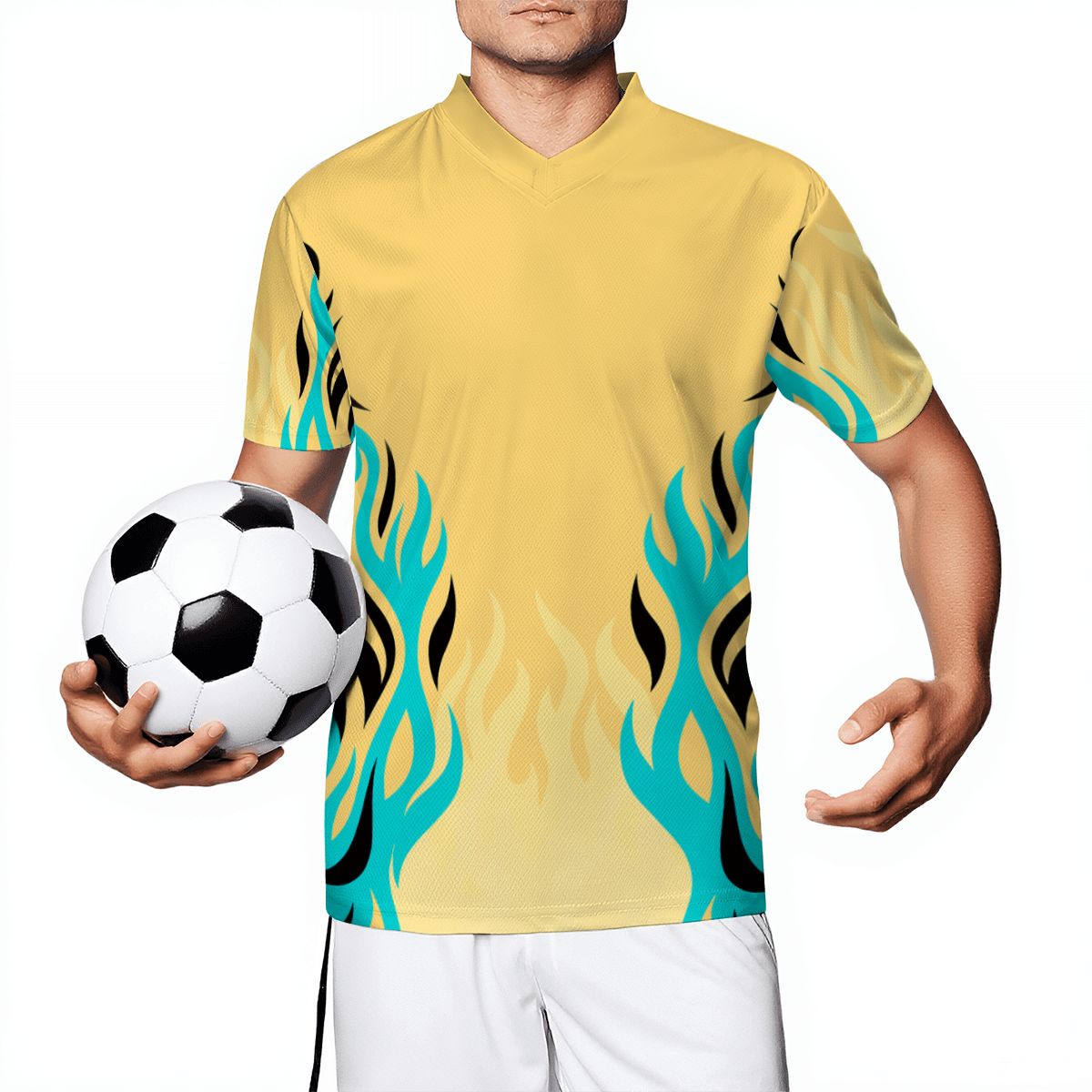
Custom AOP Football Jersey with Print on Demand - PrintKK
4. Source Reliable Manufacturers
Choosing the right manufacturer can save you a lot of stress. Look for factories that specialize in sportswear because activewear requires strong stitching, stretch testing, and technical sewing. Ask for a sample before committing.
When you receive it, test it like a real customer—jump, bend, wash it a few times, pull the seams. If the fabric pills or the seams pop, move on.
Compare different factories' minimum order quantities (MOQs). For example, one factory might require 500 pieces per design, while another lets you start with just 50.
A responsive manufacturer who answers questions quickly helps you avoid delays and surprises during production.
5. Build Your Online Store and Social Presence
Your website doesn't need to be fancy, but it does need to be easy to shop. Use clear photos that show fit from multiple angles.
Write simple product descriptions that explain benefits like "no-roll waistband" or "quick-dry fabric."
On social media, don't worry about being perfect—show real moments like fabric testing, packing your first order, or your first photoshoot.
These moments make your brand feel human.
For example, a short video comparing two fabrics can get more engagement than a polished photoshoot. In 2026, shoppers value honesty, so showing your process helps people feel connected.
6. Launch With Purpose and Keep Improving
Instead of launching with a huge collection, focus on one or two hero items—like a signature legging or your best-fit sports bra. Limited drops help you test demand and avoid extra inventory.
After customers buy, ask them for feedback about fit, comfort, and style. You might learn that your leggings need a slightly longer inseam or that your tops need more bust support. Use this feedback to improve your next batch.
Treat every launch as a learning step. Brands that grow fast usually tweak their products constantly instead of waiting for everything to be perfect.
How Much Does It Cost to Start an Activewear Brand?
1. How Much It Costs to Make Your First Batch of Products
The cost of making your first products depends on the approach you choose. If you go with Print On Demand, you can start with $0 upfront. The catch? Each item costs more to produce, so your profit per sale is smaller.
If you choose a small batch approach, you pay for production upfront.
For example, a small first order usually costs between $1,500 and $6,000, depending on fabrics and quantity. The good part is that your per-item cost is lower, which helps when you start selling.
Think of it like this:
- POD → little risk, higher price per item
- Small batch → more money upfront, better long-term profit
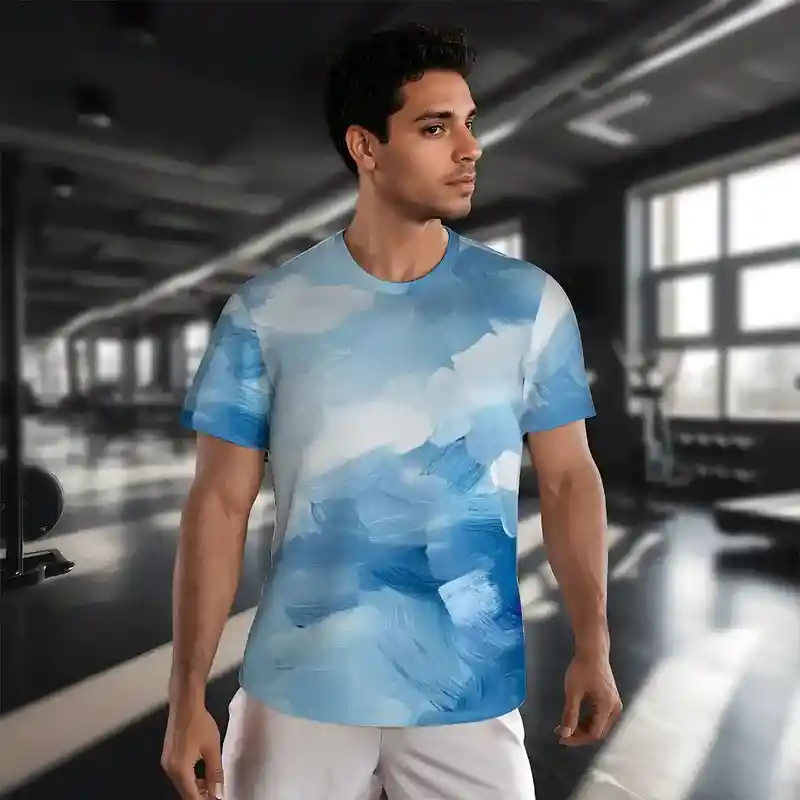
Custom Men's Mesh T-Shirt - Print on Demand Fulfillment - PrintKK
2. Don't Forget Shipping, Taxes & Packaging (Your "Hidden Costs")
After making your products, you still need to get them to you and ready to sell. These costs often surprise beginners.
For example:
- Domestic production shipping, taxes, and packaging: $200–$800
- Overseas production: $500–$2,000+
Make sure to budget for things like boxes, tissue paper, labels, and shipping fees. Even small costs add up fast. These hidden costs are easy to overlook, but they directly affect your bottom line.
3. Marketing & Launch Budget (What You Need to Actually Start Selling)
You might have amazing activewear, but if nobody knows about it, nothing sells. That's why marketing is crucial. Your launch budget covers things like:
- Product photos and lifestyle shots
- Social media ads
- Sending samples to micro-influencers (small KOLs)
For beginners, a realistic budget is $300–$2,000. You can start small, then scale ads as you see results. Think of marketing as your megaphone—without it, even the best clothes stay in the closet.
Why Faith Powers Successful Sports Brands
To succeed in the activewear market, you can't rely only on good products.
Many new brands think performance fabrics, materials, or technology will make them stand out—but what really drives success is belief, culture, and emotional connection. Customers don't just buy clothes; they buy identity, lifestyle, and energy.
The strongest sports brands build a faith system around their products. They make users feel:
- They are part of something bigger than themselves.
- Wearing the brand gives them confidence and status.
- They can challenge themselves and push limits.

For example, instead of focusing on "muscle support" or "breathable fabrics," top brands communicate: "You are not ordinary. You are unstoppable."
Short videos, strong brand personalities, and exclusive communities make customers emotionally invested. When your audience feels this, they return, participate, and even showcase your brand proudly.
If you want your brand to survive, you must play at the top level: sell faith, not fabric. Supply chains, cost, or livestream conversion are secondary.
The heart of a real sports brand is psychological energy—make your customers feel stronger, bolder, and alive. Only then can your brand truly thrive.
Read More:
- Print on Demand Activewear: Boost Your Business with High-Quality
- 8 Best Print on Demand Leggings Companies for Fashion Line
Start a Fitness Clothing Line With PrintKK
Using PrintKK is simple. You can design your activewear online, upload your artwork, or use their AI Image tool to create new designs. Once ready, place your order, and PrintKK handles production and shipping.
One big advantage is that products shipped to the US don't charge seller shipping or taxes. That makes it easier for you to start selling or gift items without extra costs.
PrintKK offers high-quality custom products at low prices, so you don't have to compromise on quality.
You can choose from a variety of fitness apparel:
Even if you are new, the AI Image tool helps you create or improve designs quickly. PrintKK also integrates easily with Etsy and Shopify, so selling your clothes online is fast and smooth. Whether for yourself, gifts, or launching a brand, PrintKK makes it easy to start.
Expert Tips
Starting your own activewear brand can feel challenging, but it is achievable if you follow the right steps.
By focusing on your niche, planning your products carefully, and building a clear brand story, you set yourself up for success. Remember, the goal is not just to sell clothes, but to create a connection with your customers.
With patience and focus, you can build a brand people trust and love. Take small steps every day, stay consistent, and your efforts will pay off. Your brand's growth is in your hands.
FAQs
Can I start a clothing line with no money?
Yes, you can start small using print-on-demand services. They let you sell products without upfront production costs, though your profit per item may be lower compared to ordering in batches.
How much does it cost to start an activewear brand?
Starting costs vary. Using small batch production may require $1,500–$6,000, while POD options need almost nothing upfront. Don't forget shipping, packaging, and marketing expenses.
Is a fitness clothing brand profitable?
It can be profitable if you control costs and understand your niche. Quality products, good marketing, and consistent sales can make this business generate steady income over time.
Is it hard to start a fitness clothing brand?
It takes effort, especially learning about fabrics, suppliers, and branding. But with clear planning and small initial steps, beginners can successfully launch without being overwhelmed.
Which sportswear items are the most popular?
Leggings, sports bras, mesh tops, and yoga sets are currently in high demand. Items that balance comfort, style, and function tend to sell better, especially for women and young adults.

 Global Shipping
 Made in USA
 Free shipping