





Beauty keeps changing fast. People want simple, effective products that fit their daily routines and show real results.
The new beauty dropshipping opens the door for you to sell these hot items without stocking anything yourself. Suppliers handle the rest, so you focus on what sells.
In 2026, trends lean toward clean skincare, quick-fix tools, and natural glow looks. This guide lists 15 trending products that move well right now.
Read on to find out what buyers love and how you can add them to your store.
Why Choose Beauty Dropshipping?
Beauty dropshipping fits because you don't need to buy stock upfront, rent space, or handle packing. You add products to your store, someone orders, and the supplier sends it straight to them. That setup keeps your initial investment low and lets you try different items without much loss if something doesn't sell.
People keep buying skincare, hair care, and simple makeup tools, especially items that show quick results in short videos.
The global beauty market is expected to grow toward $545 billion by 2033, which means steady interest from buyers who follow trends on social media.
With dropshipping you can follow trends fast—spot a popular serum or patch, list it, run some ads, and see what moves. It's practical if you want to sell beauty stuff without running a full warehouse operation.
The New Beauty Dropshipping: 15 Trending Products
1. Kojic Acid Serum
Kojic acid serums moved up fast in 2025–2026 because more people want brighter, even skin tone without spending a lot on clinic treatments.
TikTok and Instagram creators show before-and-after results, so demand stays steady year-round, not just seasonal. The product photographs well in flat-lay posts and Reels, which helps stores get organic reach.
Cost price: $4–7
Profit margin: 150–250%
Target audience age: 18–35
2. Hyaluronic Acid Serum
Hyaluronic acid serums remain a staple because almost every skin type needs extra hydration, and the ingredient appears in nearly every "simple routine" video.
It pairs easily with other products, so stores use it as an add-on to increase cart totals. Clear bottles show the product well in flat-lay content.
Cost price: $4–8
Profit margin: 150–250%
Target audience age: 18–40
3. Pimple Patches
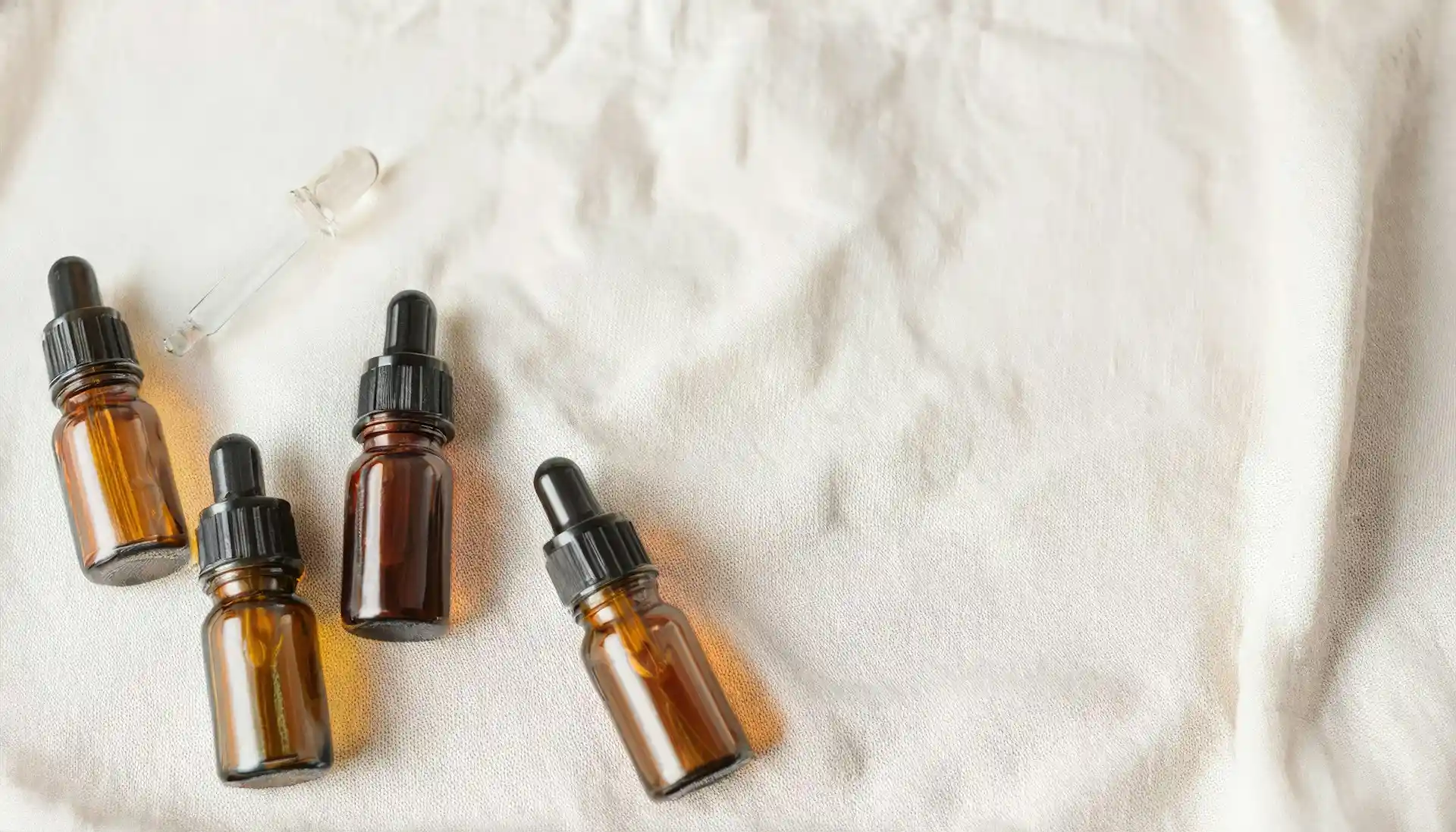
Overnight pimple patches keep selling because users see the spot shrink or flatten by morning and love posting the change.
They suit younger buyers who want something discreet and easy instead of heavy creams. Cute multipacks encourage people to grab extras, and the tiny weight makes shipping almost free.
Cost price: $1–3 (per pack)
Profit margin: 200–300%
Target audience age: 16–30
4. LED Face Mask
LED face masks continue to grow because more people want professional-looking skin results without salon appointments.
Red and blue light versions get shared a lot in "at-home spa" content. Even basic models look premium in photos, helping stores appear high-end while margins stay solid. Cost price: $15–30
Profit margin: 100–180%
Target audience age: 25–40
5. Retinol Serum (Gentle Formula)
Gentle retinol serums sell steadily as more beginners start anti-aging routines without strong irritation.
TikTok dermatologist recommendations push the "start slow" message, so milder formulas convert better than classic strong ones. Small dropper bottles photograph cleanly and encourage subscription-style reorders.
Cost price: $6–10
Profit margin: 140–220%
Target audience age: 30–50
6. Hair Growth Serum
Hair growth serums keep ranking high because hair thinning and shedding worry a large group of people, especially after stressful periods or postpartum changes.
Short before-and-after videos perform strongly on social media, which drives repeat views and shares.
Lightweight bottles ship cheaply and stores can bundle them with shampoos or scalp brushes for higher average order value.
Cost price: $5–9
Profit margin: 120–200%
Target audience age: 25–45
7. Strip Lashes
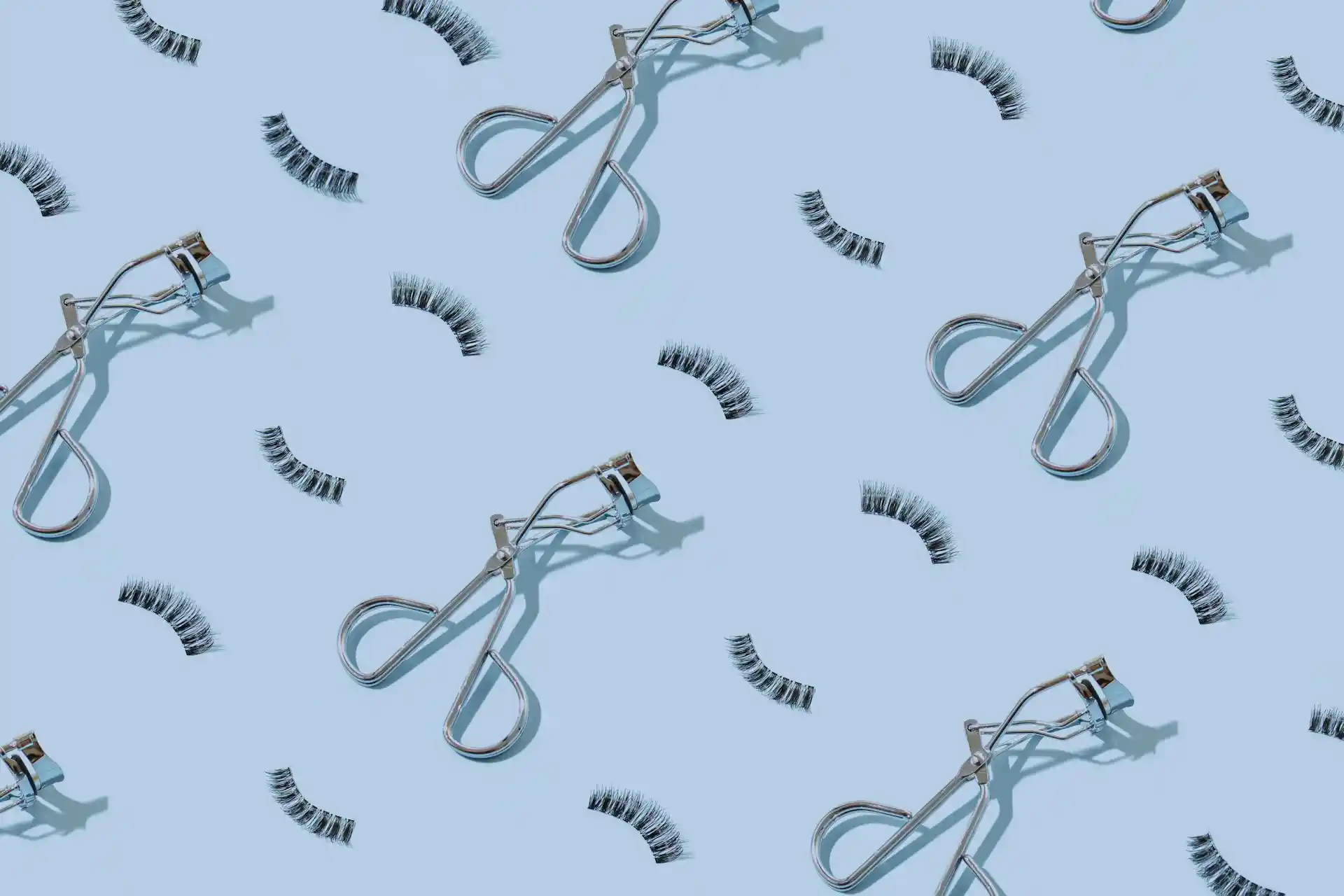
Strip lashes stay in demand since they give a full lash look in minutes with no salon trip. Reusable pairs come in natural through dramatic styles that match what people see in quick makeup videos.
They pack flat and weigh next to nothing, so you can bundle them with glue or liner without extra shipping pain.
Cost price: $2–5 (per pair)
Profit margin: 180–300%
Target audience age: 18–3
8. Azelaic Acid Cream
Azelaic acid creams gain traction as more people look for gentle options for redness, acne, and dark spots.
Dermatologist mentions in educational videos push it as a multi-tasker for sensitive skin. It stands out from harsher actives, so conversion rates stay solid for stores that target "calm skin" searches. Tubes or jars photograph neatly.
Cost price: $6–10
Profit margin: 120–200%
Target audience age: 20–40
9. Vitamin C Serum
Brightening with vitamin C never really goes out of style—people want that even, lively look every day.
Many pair it with sunscreen in morning routine posts, keeping it visible. Newer stable versions cut down on yellowing complaints, so reviews stay positive and bottles show nicely in clean photos.
Cost price: $5–9
Profit margin: 130–220%
Target audience age: 20–40
10. Exfoliating Facial Peeling Serum
Exfoliating peeling serums sell well because people share quick "glass skin" results after one or two uses.
The visible before-and-after difference works great for Reels and TikTok, driving traffic to stores. They target buyers who want faster texture improvements than basic scrubs provide. Small sizes keep shipping light.
Cost price: $4–8
Profit margin: 160–250%
Target audience age: 18–35
11. Jade Roller or Gua Sha Tool
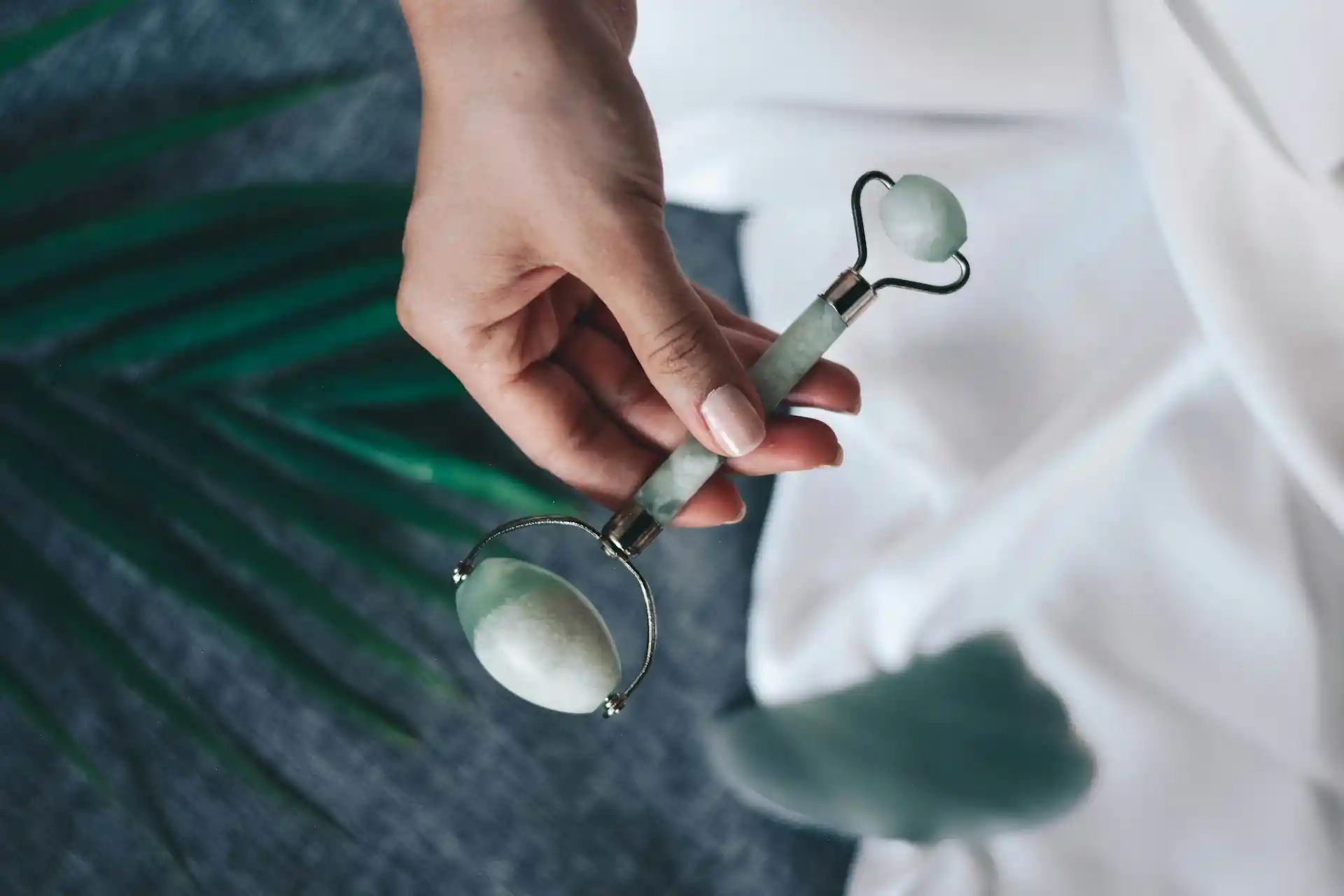
Face massage tools like jade rollers and gua sha boards pop up everywhere in de-puffing and glow videos.
Buyers treat them as cheap self-care steps that go well with serums. Stone tools last forever, ship in tiny boxes, and let you sell sets or add them as easy upsells.
Cost price: $3–6
Profit margin: 200–350%
Target audience age: 20–45
12. Sheet Masks (Pack Variety)
Sheet masks continue to sell in high volume because they offer quick hydration and fun ingredients that show up well in unboxing and application videos.
Korean-style packs with cute designs encourage impulse buys and multipack orders. Users share one-time glow results often, which keeps the product circulating on social feeds. Individual masks weigh almost nothing, so shipping costs stay very low.
Cost price: $0.50–1.50 (each)
Profit margin: 200–400%
Target audience age: 16–35
13. Electric Facial Massager
Electric facial massagers gain steady traction as more people add tech tools to daily routines for firmer skin and better circulation.
Short demo videos showing vibration and light features get shared widely. They look modern and premium in photos, allowing stores to position them as mid-range upgrades. Compact size keeps packaging and shipping simple.
Cost price: $10–20
Profit margin: 100–180%
Target audience age: 25–50
14. Blurred Lip Tint
Blurred lip tints keep moving because they create that soft, effortless color people see in everyday makeup videos.
The long-lasting, smudge-proof formulas cut down on touch-up complaints, and the faded-edge look photographs really well for try-on posts and flat lays. Lightweight tubes ship for almost nothing and work great bundled with liners or clear gloss.
Cost price: $3–6
Profit margin: 150–250%
Target audience age: 18–35
15. Scalp Massager Brush
Scalp massager brushes rise in demand as scalp care becomes its own category, with people focusing on healthier hair roots and less buildup.
Videos of relaxing massages and foam creation during shampoo go viral often. The tool is simple, durable, and very low-cost to ship, making it easy to add as a free gift or bundle item to boost order value.
Cost price: $4–8
Profit margin: 140–220%
Target audience age: 20–45
What Makes Customers Buy Your Beauty Products?
Customers care about three core things: price, quality, and whether the product solves a real problem.
Price must feel fair. Quality covers not just the product itself, but also how it is presented — packaging, texture, ingredients, and durability. Problem-solving means the product clearly addresses needs like acne, wrinkles, or dry skin.
To win attention, a product's value proposition must be stronger than competing brands. Ideally, it is more affordable, reliably higher in quality, and genuinely effective in solving the customer's problem.
Most niches are crowded. To stand out, you need products that are both cost-effective to source and proven to work. This requires careful product research, testing samples, and verifying suppliers for consistent quality. Strong networking and problem-solving skills help you find better suppliers and faster fulfillment options.
Clear product pages also matter. Show ingredients, provide simple usage tips, and set honest delivery expectations. Use real photos or short videos that reflect the actual product experience to build trust.
In short: focus on clear value, prove it with transparency, and maintain consistent quality.
How to Make Beauty Dropshipping Look Premium
Products pulled straight from basic suppliers often come across as generic or low-cost to shoppers, especially in the packed beauty space. Using suppliers with warehouses in the US or EU changes that—packages arrive quicker, usually within 7–14 days, and the items tend to have steadier quality checks.
Tools like AutoDS let stores grab the same popular SKUs from those closer locations without switching everything around.
Samples make a real difference. Order two or three of any product to test texture, scent, and packaging quality, and see if it matches what buyers expect. Many start with tools instead of liquids or colors—things like brush sets, lash curlers, organizers, or gua sha stones.
These skip most shade mismatches, sizing problems, or return headaches that come with serums and makeup.
The store pages need to look clean and trustworthy right away. Put in full ingredient breakdowns, a couple of short routine ideas that feel helpful, honest shipping estimates based on real times, and one or two quick clips or photos from actual users.
TikTok micro-influencers usually bring in steadier traffic than big ad spends—their videos blend in naturally with the beauty content people already scroll through. Small changes like these help the whole store feel more premium and cohesive without needing a huge budget.
6 Best Beauty Dropshipping Suppliers
1. CJdropshipping

CJdropshipping stands out because it carries a huge range of skincare and makeup items, from serums to pimple patches, with many US warehouse options now.
Sellers like it for fast product sourcing—if you spot a trending item on social media, they can often find and list it quickly. Shipping to the US usually takes 5-12 days, which beats waiting weeks from overseas.
Their app connects straight to Shopify, so you save time on order fulfillment. It works well if you want variety without hunting multiple suppliers. Many stores use it to test new beauty trends fast and scale up winners.
2. Spocket
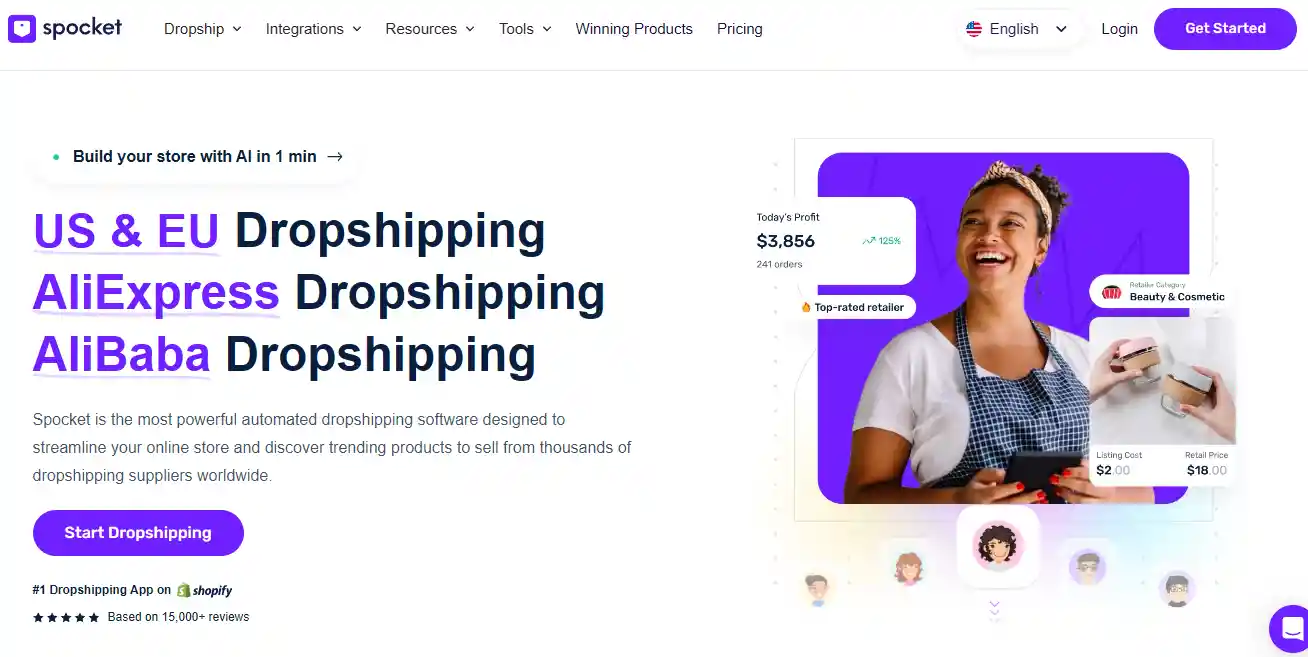
Spocket focuses on US and EU suppliers, so most beauty products like hyaluronic acid serums or LED masks ship in 3-7 days to North America. This cuts down on customer complaints about slow delivery.
The platform shows clear supplier ratings and product photos, making it easier to pick reliable ones. It integrates smoothly with Shopify or WooCommerce.
If your target customers are in the US or Europe and expect quick arrival, Spocket helps build trust and repeat orders without high ad spend on fixes.
3. Zendrop

Zendrop handles beauty items like lip tints, sheet masks, and scalp brushes with strong automation tools. It offers private labeling on some products, so you can add your own brand name or logo without big minimums. Shipping from their US spots is reliable and often under 10 days.
The dashboard lets you track orders and edit product details easily. Stores that want to look more professional and keep customers coming back for refills find Zendrop practical for building a real brand feel.
4. BeautyJoint
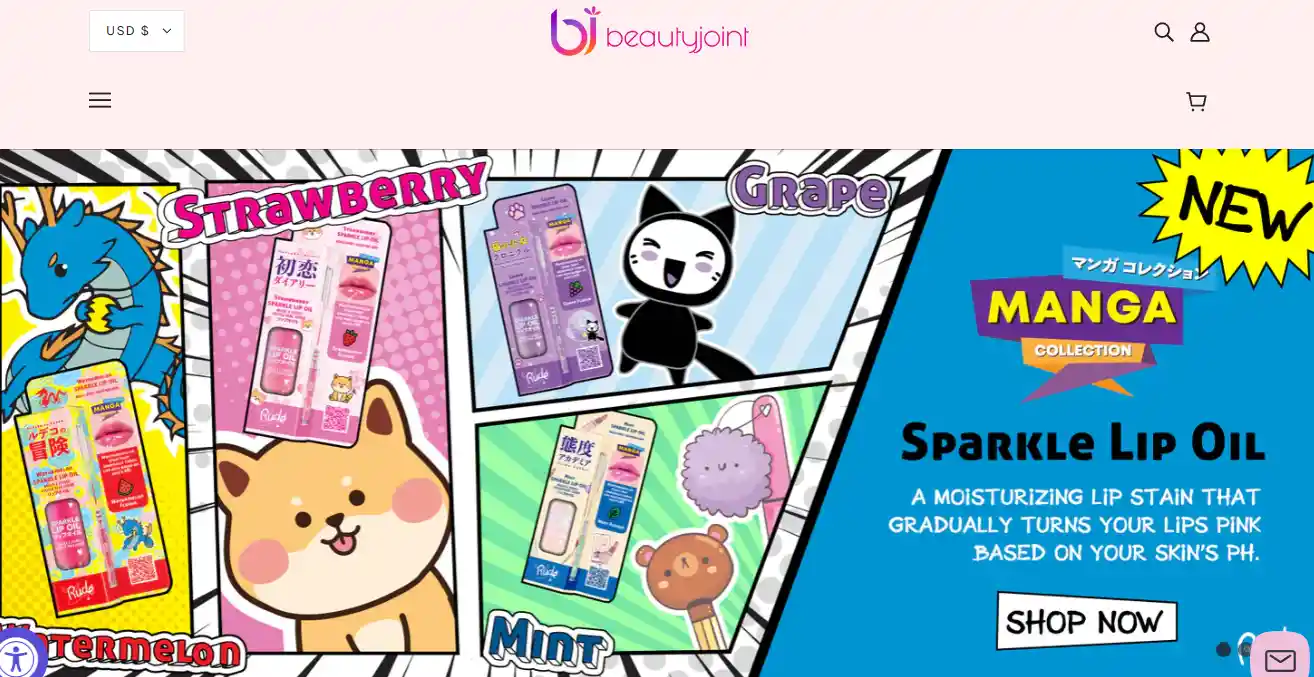
BeautyJoint specializes in name-brand and affordable cosmetics, skincare, and hair products from popular lines. It ships from US locations, so delivery to American buyers is quick—usually 4-8 days.
No need to worry about customs issues or long waits. They offer a wide catalog that includes trending K-beauty styles.
This one fits if you sell to customers who recognize brands or want variety in makeup and skincare without generic vibes.
5. Blanka
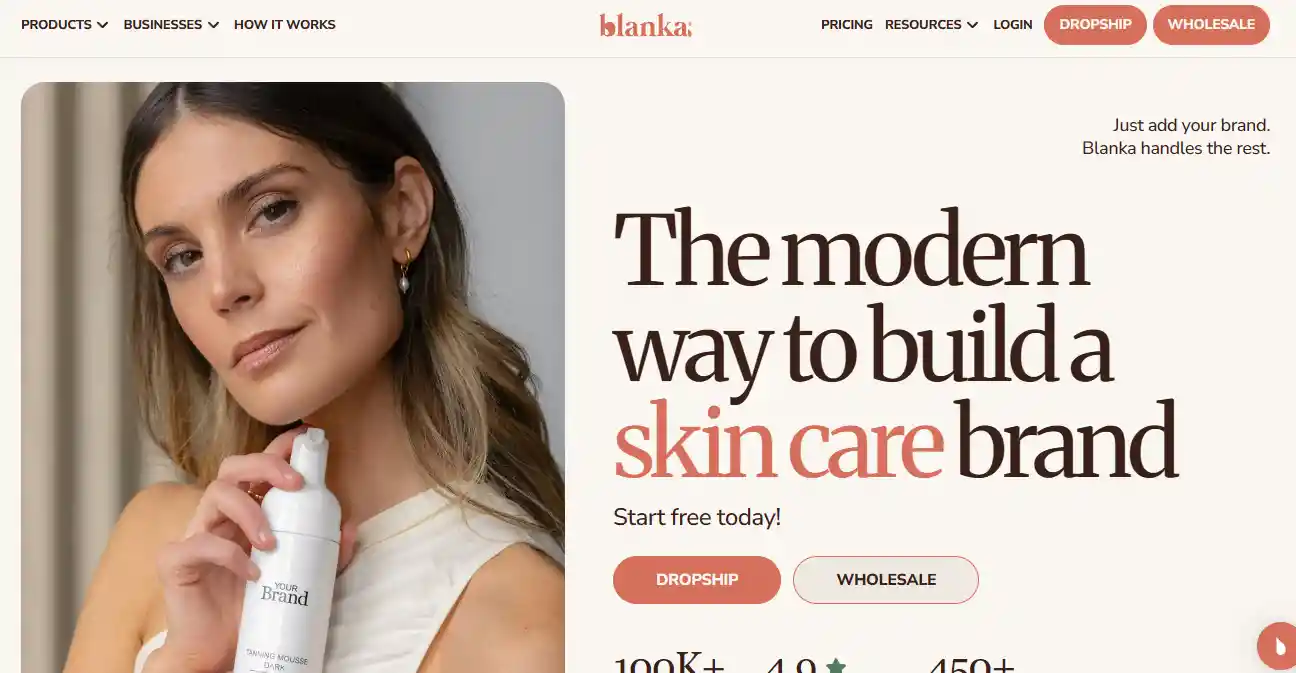
Blanka is great for private label beauty—think custom serums, creams, and makeup under your own brand. No minimum orders mean you can start small and test formulas.
They handle production and dropshipping, with clean, vegan-friendly options that match current clean beauty demand. Products come with nice packaging ready for photos.
If you plan to build a loyal following around your brand instead of reselling the same stuff as everyone else, Blanka gives you that edge without huge upfront costs.
6. AutoDS
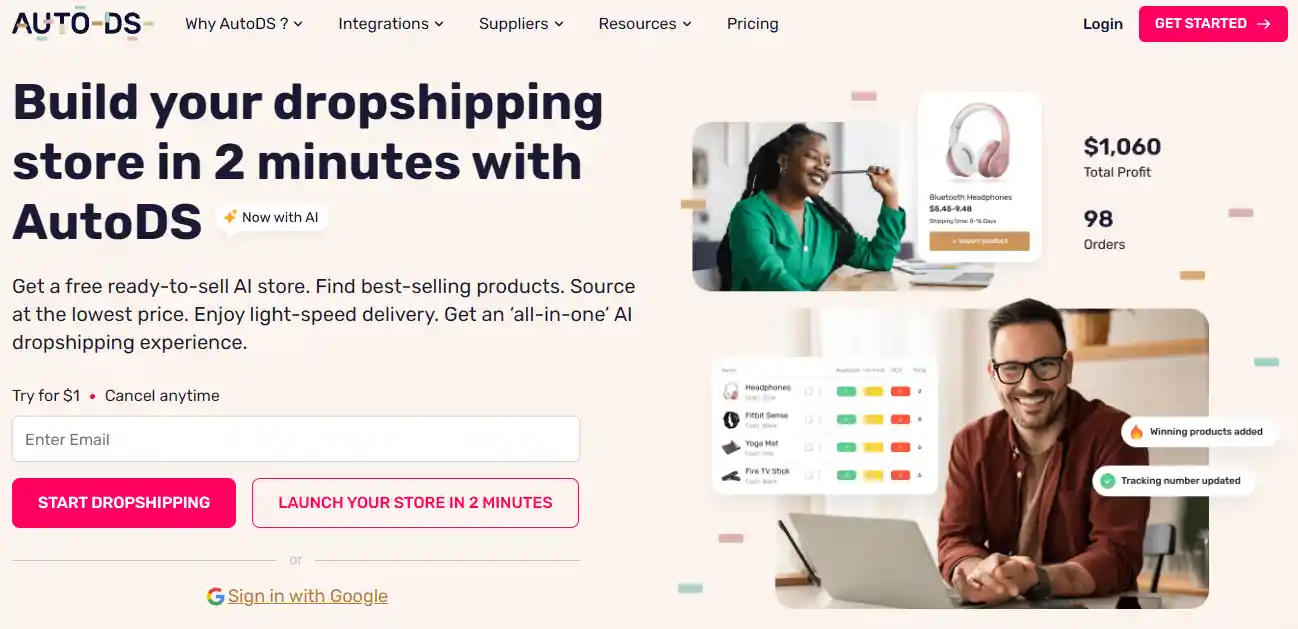
AutoDS works as a tool that pulls beauty products from multiple suppliers, including US ones, and automates listing, pricing, and order processing.
It covers trending items like gua sha tools or vitamin C serums. You can import products fast and monitor stock levels to avoid overselling. It connects to Shopify and other platforms.
For sellers who run multiple stores or want to save hours on daily tasks, AutoDS makes managing beauty dropshipping smoother and lets you focus on ads and growth.
Expert Tips
You've now got a clear look at the new beauty dropshipping and its top trending products for 2026. From serums that brighten skin to tools that make routines easier, these items match what buyers want right now.
The beauty market keeps growing, and dropshipping gives you a smart way in. You've got everything you need to build a solid store. Go for it—one product at a time. Good things are waiting.
FAQs
Can beginners start beauty dropshipping?
Yes, beginners can jump in easily. You don't need much money or experience. Pick simple products, use tools like Shopify, and learn as you go. Many people start part-time and grow steadily.
Is dropshipping dead in 2026?
No, dropshipping stays active in 2026. The market keeps growing with smart sellers who focus on quality, fast shipping, and real trends. It takes effort, but good opportunities exist for those who adapt.
What is the most profitable product to dropship?
No single item wins every time, but high-margin ones like serums, patches, or tools often bring strong returns. Look for trending beauty items with good demand and low competition to boost profits.
Is there a minimum order quantity (MOQ) for custom beauty products?
It depends on the supplier. Many private label options now offer zero or very low MOQ for dropshipping. Some start with no minimum, so you can test custom branding without big orders upfront.
Do suppliers offer free samples for beauty products?
Some suppliers provide free or low-cost samples, especially for tools or popular items. Others charge a small fee but refund it on your first order. Check with your chosen supplier to confirm.
Can suppliers ship beauty products dropshipping orders worldwide?
Yes, most reliable suppliers ship beauty items worldwide. Many use US, EU, or global warehouses for faster delivery. Always check shipping times and any restrictions for certain countries before listing.

 Global Shipping