




Deciding whether to focus on traditional or digital mediums isn't just about personal preference—it often comes down to workflow, tools, and the type of projects you want to tackle.
The discussion of traditional art vs digital art goes beyond "which is harder" or "which is better"; it's about understanding how each medium shapes the creative process, from setup and materials to revisions and final output.
This article breaks down the practical differences, helping you see which approach fits your style, resources, and goals.
What is Traditional Art?
Traditional art is the kind of art you make with your hands using physical materials.
It includes painting with oils, acrylics, or watercolors, sketching with pencils, charcoal, or pastels, sculpting with clay or wood, and printmaking.
When you work this way, the materials respond to your touch, and each stroke, mark, or shape is unique. You can't perfectly replicate it, and that uniqueness is part of what makes it special.
Advantages:
- Hands-on control: You can feel the texture of your brush or pencil, and small pressure changes make a visible difference.
- Unique piece every time: Even if you try to copy a previous work, tiny differences make it original.
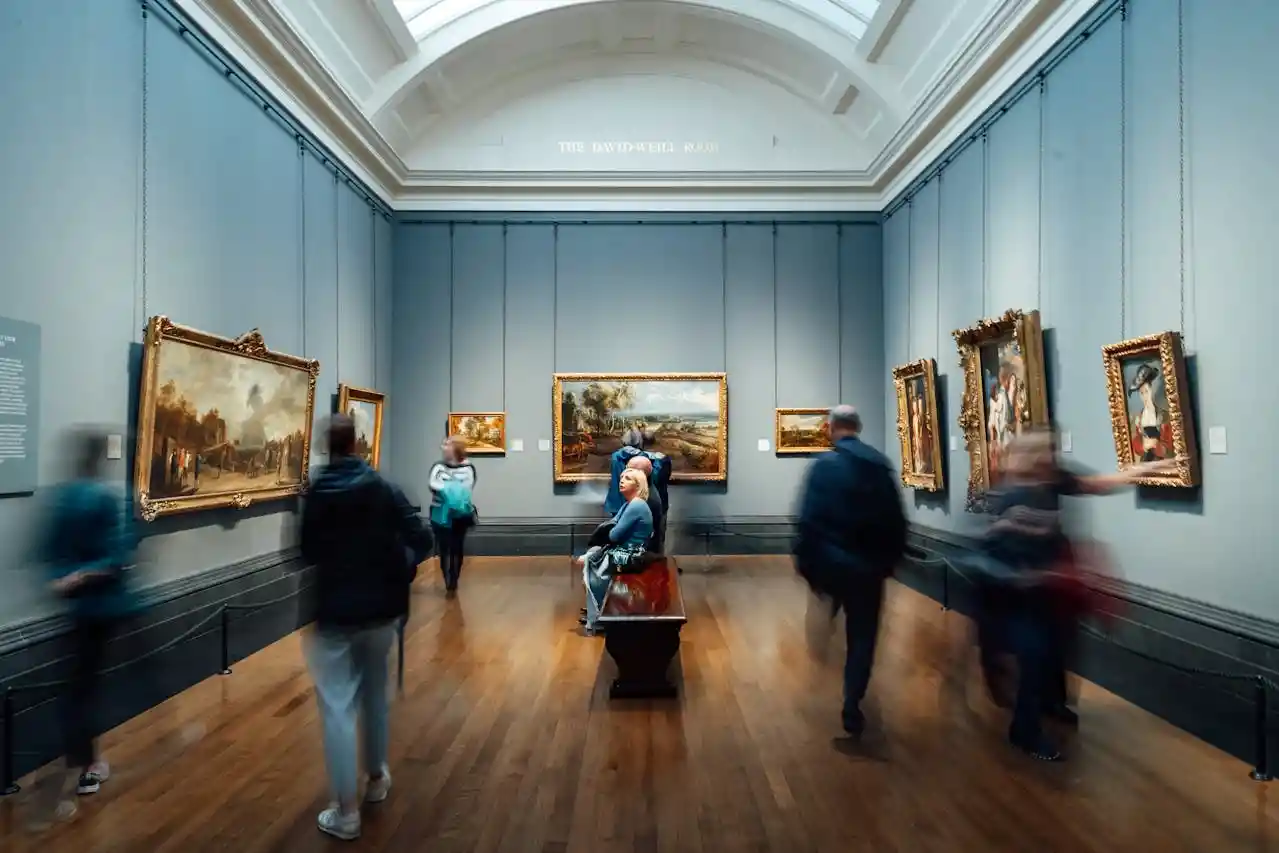
- Real-world presence: People can walk into a gallery and see your work without a screen in between.
- Skill growth: Working physically trains your observation and coordination in ways digital tools can't fully replicate.
Disadvantages:
- Supply costs: Paints, canvases, clay, and other materials add up if you produce regularly.
- Harder to correct mistakes: Fixing an error often means painting over, starting new layers, or adjusting carefully.
- Space needed: You need room to work and to store your pieces safely.
- Time commitment: Some processes, like drying layers or sculpting, are slow and need patience.
What is Digital Art?
Digital art is art you create using a computer, tablet, or other digital devices.
This includes digital painting, illustration, 3D modeling, graphic design, animation, and even NFT art. Instead of paint or clay, you use software like Photoshop, Procreate, or Blender.
Every brushstroke or model is made on the screen, and you can adjust, undo, or experiment without worrying about ruining the piece.
Digital art lets you produce work faster in some ways and share it instantly online.
Advantages:
- You can fix mistakes quickly: Nothing is permanent until you decide it is.
- Easy to reproduce: You can sell prints or digital files without affecting the original.
- Lower ongoing costs: After getting a tablet or computer, you don't need paint, paper, or clay for every new project.
- Fast sharing and selling: Your work can reach clients, galleries, or online stores anywhere immediately.
- Experimentation is low-risk: Trying new styles, colors, or effects doesn't ruin anything.
Disadvantages:
- Equipment cost at the start: A good tablet, computer, or software can take some investment.
- No physical texture: You miss the feel of paint, pencil, or clay, which can change how you perceive the work.
- Software learning curve: You need to spend time learning tools and shortcuts.
- Perceived value by some collectors: Some buyers may still prefer physical originals over digital files.
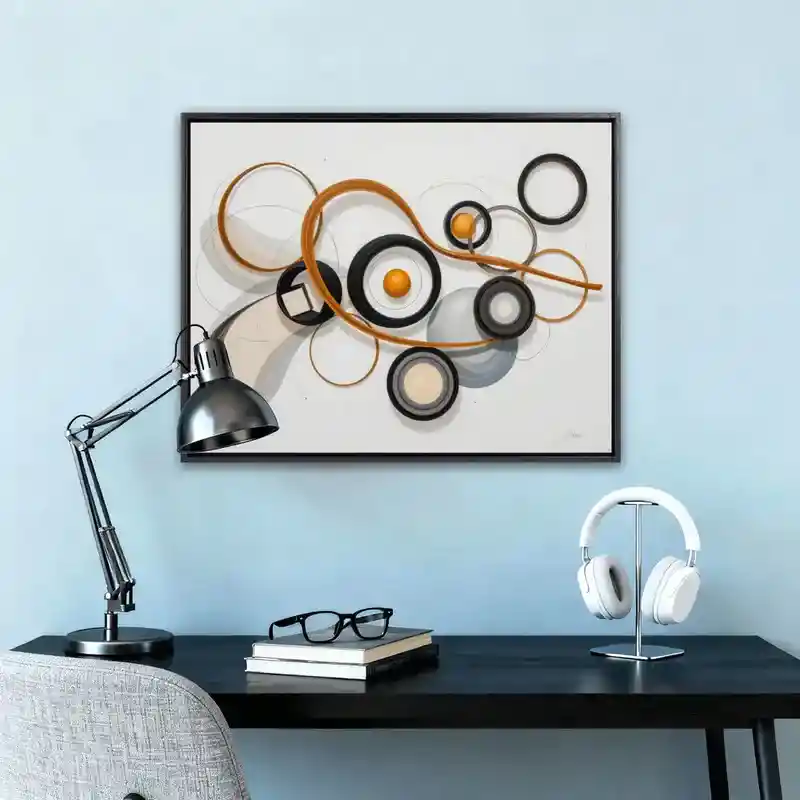
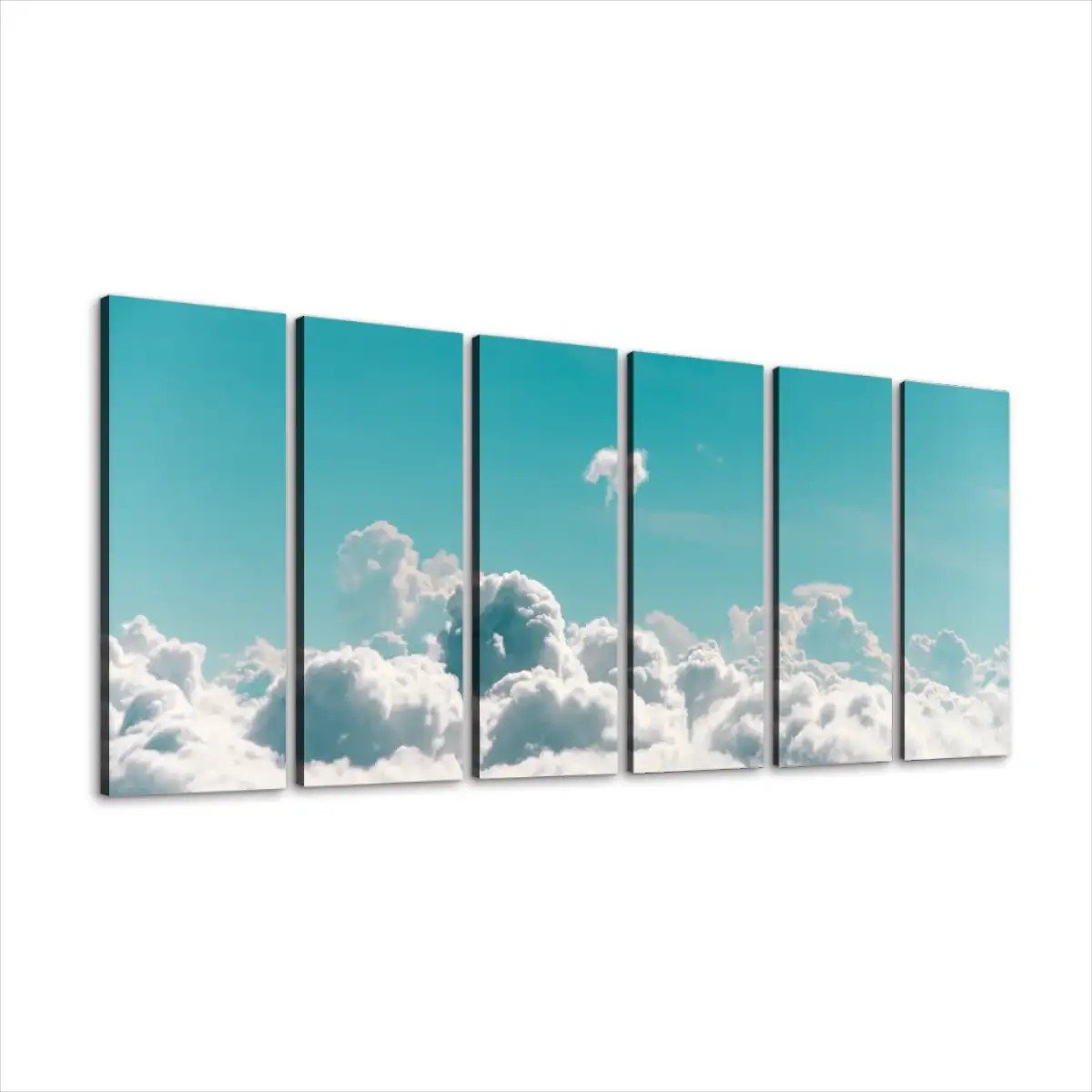
Custom Floating Frame Canvas 5:4 (Horizontal) (Made in USA) - Print-On-Demand - PrintKK
Traditional Art vs Digital Art: Key Differences
Materials and Tools
Traditional Art
When you work with Traditional Art, your choice of paper, paint, and brushes matters more than you might think.
Different textures and weights change how colors layer and how your strokes behave. You also get a tactile sense of your tools, which can help you notice small mistakes early. Understanding materials lets you predict how a piece will look before you commit.
Digital Art
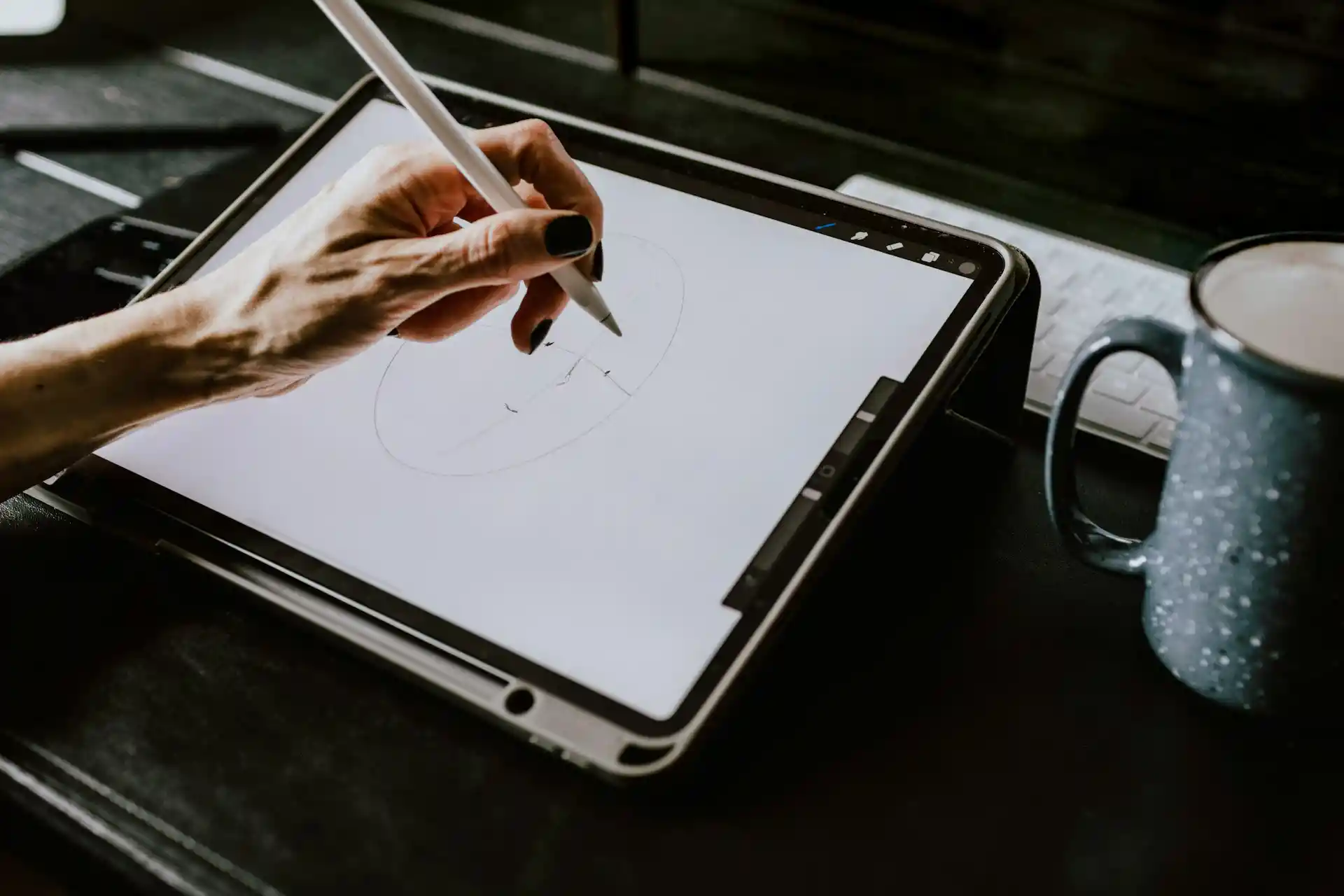
Digital Art relies on software, tablets, and stylus settings. Knowing which brush behaves like real pencil or paint makes a big difference.
Experimenting with layers and blending modes saves time and avoids frustration. Organizing your files and keeping track of export settings ensures your work looks professional, whether on screen or in print.
Flexibility and Experimentation
Traditional Art
Traditional Art gives you fewer "undo" options, so planning is important. Sketch lightly, test colors on a scrap, and think about composition before committing.
This limitation teaches you to work deliberately. When you figure out how a material reacts, you gain insight that digital shortcuts can't teach.
Digital Art
Digital Art lets you experiment freely. You can resize, recolor, or move elements without breaking the piece. Using layers strategically helps you test multiple ideas at once. Try creating several versions of a concept—digital tools let you compare them side by side and pick the best solution.
Learning Curve
Traditional Art
Mastering Traditional Art improves hand control, pressure sensitivity, and observation skills. You learn to read your medium and adapt to its quirks.
These skills transfer to any style, so time spent practicing fundamentals will pay off in more advanced projects.
Digital Art
Digital Art requires learning software and shortcuts first. Understanding layers, brushes, and file sizes might feel tedious, but once you get it, you can replicate effects faster than physically mixing paints. Knowing your tools prevents technical frustrations and gives you freedom to focus on creativity.
Time Investment
Traditional Art
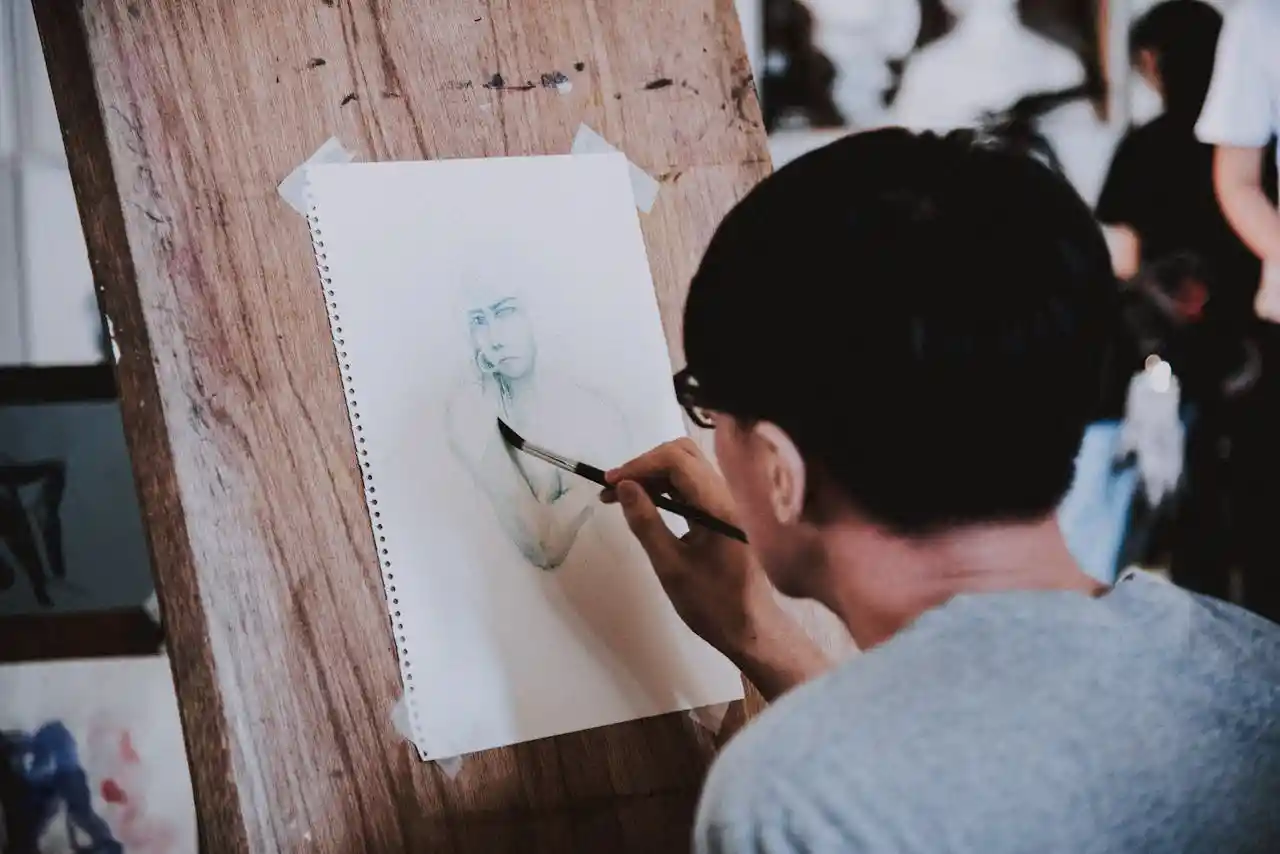
Traditional Art takes time to layer, blend, and refine. Drying times and corrections slow you down, but each step teaches patience and technique.
Planning ahead minimizes wasted effort, and tackling projects in stages makes complex work manageable.
Digital Art
Digital Art can be faster because you can undo, copy, or move elements instantly. However, efficiency depends on knowing shortcuts and program features. If you skip learning these, you'll spend more time fighting the software than creating.
Cost and Materials
Traditional Art
Traditional Art requires ongoing spending on supplies. Knowing which brands and grades of pencils, paints, and paper work best saves money and frustration. Buying versatile tools lets you experiment without accumulating clutter.

Digital Art
Digital Art has higher upfront costs, but brushes, textures, and templates are reusable. Setting up a consistent workspace and naming files logically saves time in long projects.
Planning your digital assets avoids wasted hours and keeps work organized.
Final Output and Sharing
Traditional Art
Traditional Art is a physical object. To share it online, photographing or scanning correctly preserves color and detail.
Displaying it in real life gives viewers a tactile sense they can't get digitally, which adds value to the work itself.
Digital Art
Digital Art is instantly shareable. Exporting in different resolutions lets you prepare files for social media, prints, or portfolios.
Using color profiles and layers strategically ensures consistency across platforms, which makes your work look polished everywhere.
Mistakes and Corrections
Traditional Art
Mistakes in Traditional Art teach you to adapt and problem-solve. Small errors can become intentional textures or features if you know how to integrate them. Over time, learning to live with imperfections improves skill and style.
Digital Art
Digital Art allows constant tweaking, but knowing when to stop is key. Over-editing can make a piece lose energy. Using undo, masks, and layers wisely helps you refine ideas without losing the initial spark that made the piece interesting.
How to Choose the Right Medium for You?
Beginners with Limited Space or Budget
If you are just starting and don't have much room or money for supplies, digital art can be easier to manage. You only need a tablet or computer and software.
You can experiment with brushes and colors without buying new materials. Mistakes are easy to fix, which makes learning faster.
Artists Who Enjoy Hands-On Experience
If you like feeling the texture of paper, paint, or clay, traditional art might suit you better.
Working directly with materials helps you understand light, shadow, and texture. You also get a physical piece at the end. Mistakes can be harder to fix, but you learn techniques more deeply.
People Who Switch Between Styles Often
If you want to try different styles or create both realistic and stylized work, combining both mediums could be best.
You can practice fundamentals with traditional art and experiment with colors, layers, and effects digitally. This keeps your workflow flexible and lets you adapt to different projects.
Those Focused on Sharing or Commercial Work
If your goal is online publishing or selling prints, digital art makes exporting, resizing, and reproducing work easier. You can also adjust your art quickly based on feedback or client requests.
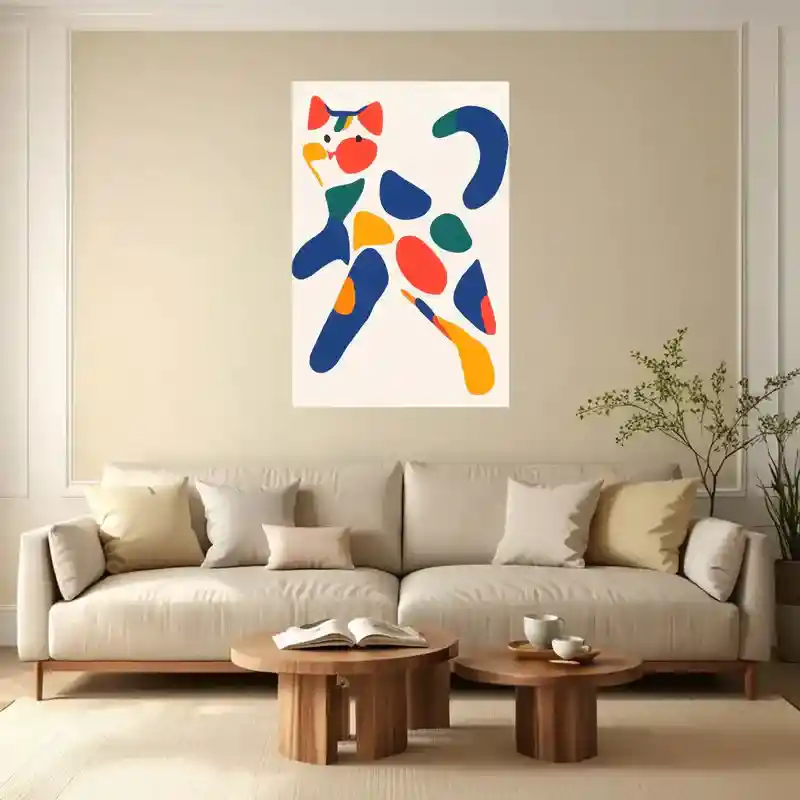
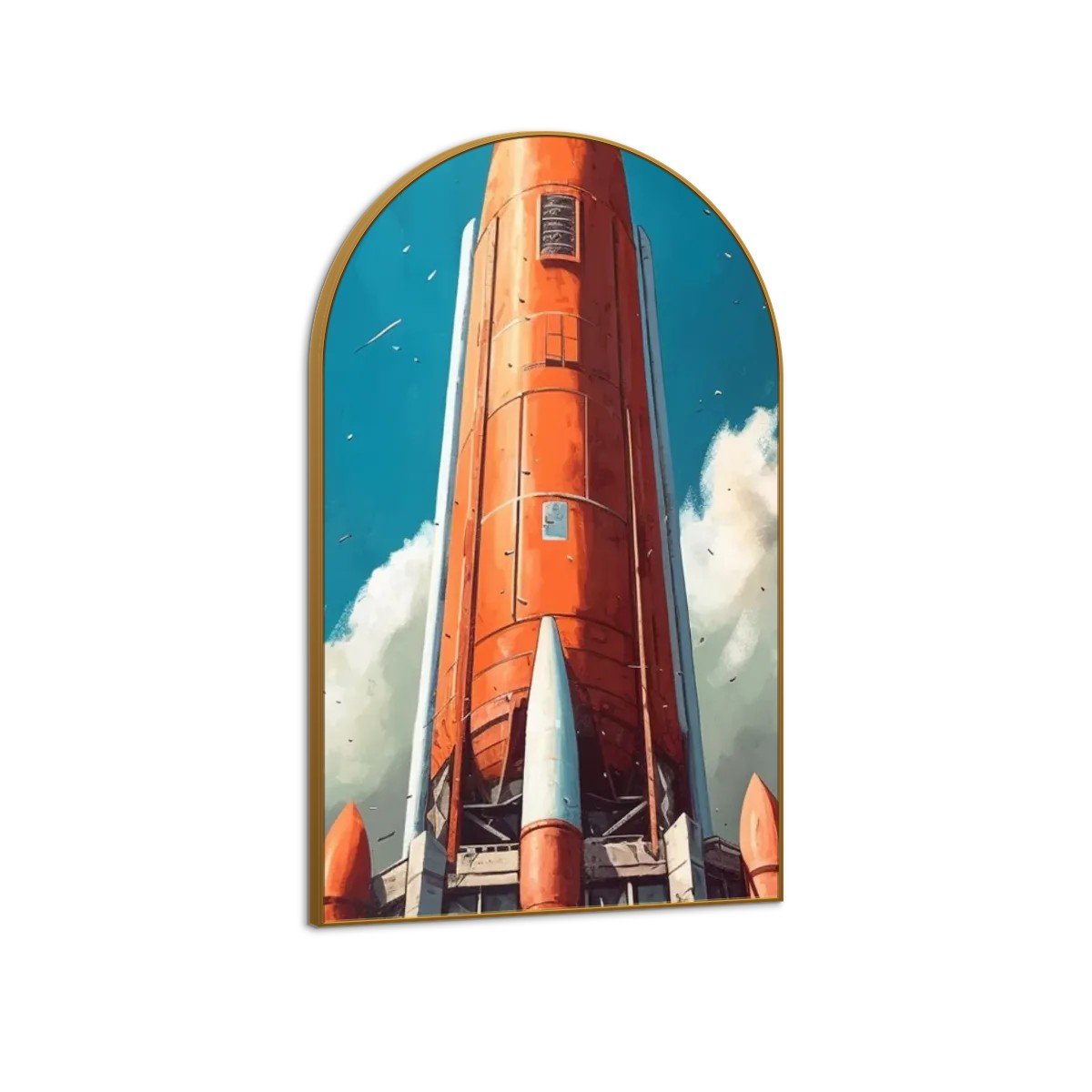
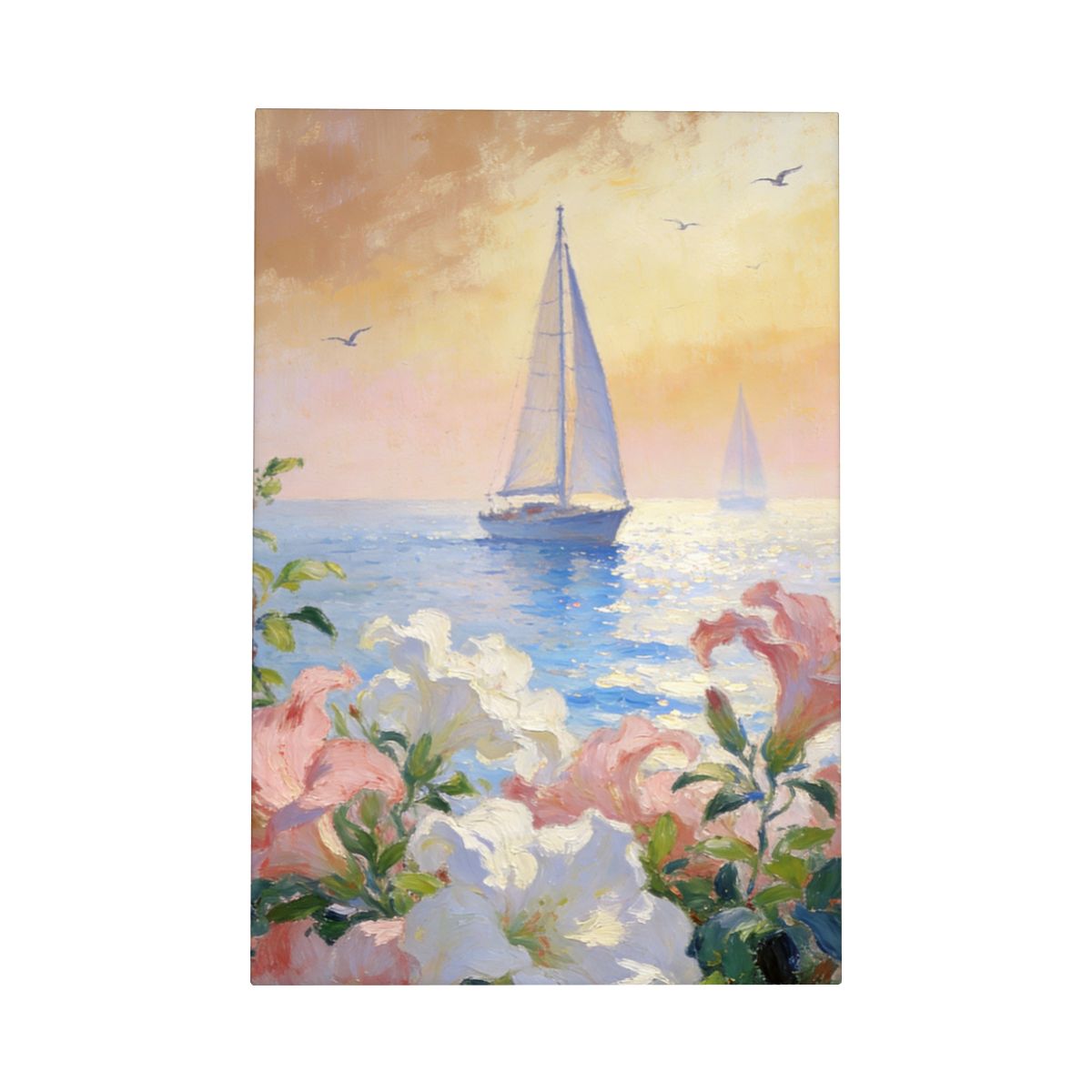
Custom Posters (2:3) - Print on Demand Fulfillment - PrintKK
How to Balance Between Digital Art and Traditional Art
Balancing digital and traditional art means understanding the strengths and challenges of each.
Digital art gives flexibility with undo options, layers, and file adjustments, but managing brushes, settings, and large files can be frustrating, especially if your computer struggles.
Traditional art is often more straightforward to start with, and working physically with materials can feel easier if you have a strong foundation in drawing or realism.
You should recognize that neither medium is automatically easier or better. Skills are still required in both, and effort is needed to achieve your vision.
Digital and traditional art can complement each other. Using traditional techniques can improve digital work, and experimenting digitally can expand style and speed. Respect for both mediums helps you stay open to learning and exploring.
Supporting the value of each approach lets you focus on creating work that reflects your intentions, rather than comparing which one is more "valid."
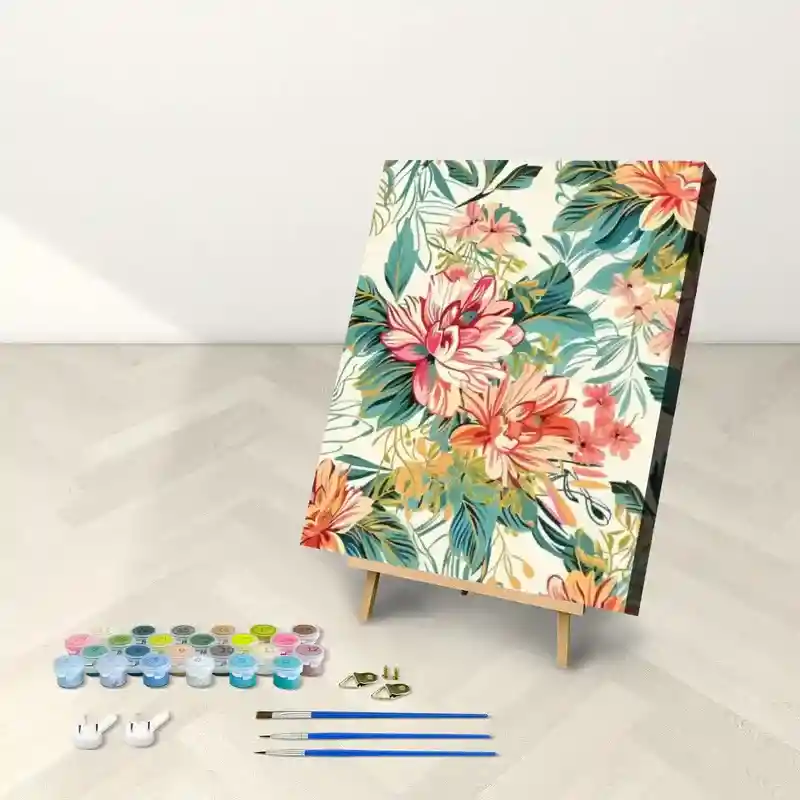
How to Sell Your Art: Traditional vs Digital Marketplaces
Traditional Art Sales
Marketplaces & Channels
If you sell traditional art, galleries and exhibitions are reliable ways to reach buyers who value originals.
Art fairs and local craft markets let you meet collectors directly, which helps you understand what people respond to.
Online platforms exist, but they usually favor established or high-end work. You need to weigh exposure against commission fees and how fast your work sells.
Pricing Strategies
Start by adding up your materials, time, and any gallery fees. Originals often sell differently from limited editions, so decide which route fits your goals.
Consider small pricing tricks, like rounding or slightly adjusting numbers, to influence how buyers perceive value. Track what sells and adjust over time to find your sweet spot.
Marketing & Promotion
Local promotion works differently than online. Show your work in galleries, art salons, or group exhibitions.
Document your process on social media or tell the story behind a piece to make it more relatable. Building relationships with collectors is as important as showing the work itself.
Fulfillment & Logistics
Protect your pieces when shipping. Use sturdy packaging and consider insurance. Clear contracts help avoid misunderstandings.
Think ahead about storage so your work stays in good condition. Even small details like labels or protective coatings affect how buyers perceive your professionalism.
Digital Art Sales
Marketplaces & Channels
Online platforms like Etsy, Gumroad, or ArtStation give you access to buyers around the world.
Print-on-demand and NFT platforms open different revenue streams, but they require research. Consider reach, fees, and how easy it is to start when choosing where to sell. Not every platform suits every style or business model.
Pricing & Licensing
Decide if you want to sell single pieces, print editions, or licenses for use. Protecting your digital rights matters, especially if your work is shared widely.
NFTs add another layer with smart contracts and royalties. Understand each option so you can control how your work is used and earn consistently.
Printing & Fulfillment
If you sell prints, know the difference between POD and batch printing. Check resolution, color management, and file formats to avoid disappointing buyers.
Packaging still matters even for prints, and delivery can affect customer experience as much as the artwork itself.
Marketing & Promotion
Social media drives visibility. Share your work on Instagram, TikTok, and Pinterest. Keep a portfolio or website so potential buyers can see your full range.
Collaborate on projects, take commissions, or join online events to expand your audience and strengthen your reputation.
Read More:
- How to Print Digital Art and Sell: Complete Guide for Artists
- How to Start a Digital Product Business: 10 Profitable Products
Turn Your Digital Art into Profit with PrintKK
Using PrintKK to sell your digital art is simple. You start by uploading your designs to the platform.
Then you can choose products to print on, like wall art. After customizing, you set your price and place the order. PrintKK handles production and shipping, so you can focus on creating.
The platform has several advantages for artists:
- No seller tax for products shipped to the US.
- Many US-made products ship free, saving costs for you and your buyers.
- High-quality items at low prices, which makes them great for both selling and personal use.
PrintKK offers a variety of products that are perfect for printing your digital art:
- Canva wall art
- Tapestries, blankets, and rugs
- Phone cases
Whether you want to sell your work, give it as a gift, or decorate your own space, PrintKK makes it easy to turn your designs into tangible products.
You can experiment with different items to see what your audience likes best and expand your digital art into a small business without extra hassle.
Expert Tips
When you think about traditional art vs digital art, remember that both have value. You can choose based on your style, tools, and workflow.
Traditional art gives you a hands-on, tactile experience. Digital art offers flexibility and fast experimentation. You can grow your skills in either medium. Focus on what feels right for you and enjoy the process. Your creativity matters more than the tool.
Both paths let you express ideas, share your work, and connect with others. Choose confidently, keep practicing, and let your art develop naturally.
FAQs
Which is harder, digital art or traditional art?
Both present unique challenges. Traditional art demands physical control with real materials, while digital art requires learning software skills. The difficulty often depends on your personal approach and goals.
Should you learn digital or traditional art first?
Starting with traditional art is often recommended. It builds a strong foundation in core skills like sketching and color theory, making the transition to digital tools smoother later on.
Why do people prefer traditional art?
Many enjoy the tangible experience—the feel of brush on canvas or the smell of paper. The unique, one-of-a-kind nature of a physical piece holds a special appeal for creators and collectors alike.

 Global Shipping
 Made in USA
 Free shipping