






YouTube is still huge, but many people now look for better options. Some want fewer ads, others need more freedom, and some just want a cleaner experience.
In 2026, there are many strong youtube alternatives that fit different needs. Whether you create videos, watch for fun, or run a business, you have real choices.
This guide covers the top 14 platforms. You will learn what makes each one unique and who it works best for.
What is YouTube?
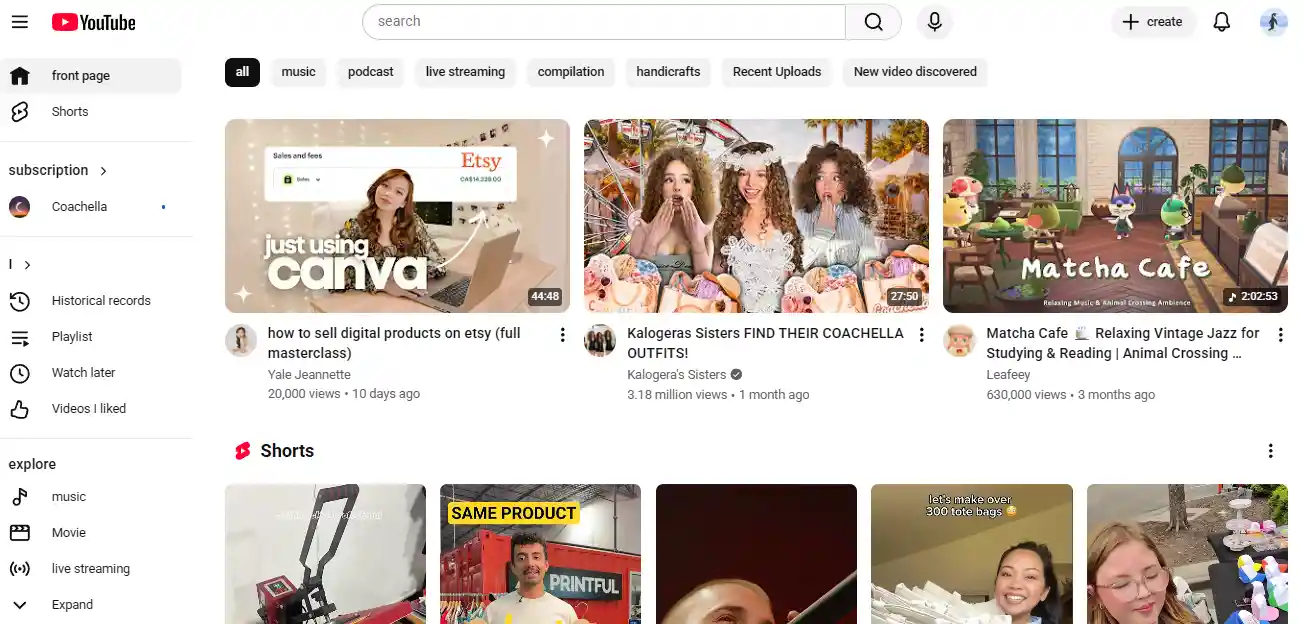
YouTube is a video platform where people share, watch, and comment. Think of it as a giant online library made by regular users, not just companies. Anyone can upload a video, and anyone can watch for free.
Most people know YouTube for music videos or tutorials. But the real value is the variety. You can find old news clips, repair guides for appliances, or raw footage from events. It's not polished TV. It's real, messy, and useful.
And YouTube runs on search. Type a question. Get a video answer. That's the core difference from other streaming sites.
Why Are People Looking for a YouTube Alternative?
People look for YouTube alternatives for a few clear reasons. Ads interrupt too often. Some videos now show two or three ads before playing. That gets old fast.
Privacy is another issue. YouTube tracks what you watch, how long you watch, and what you click next. Not everyone wants that data collected.
Content rules also push people away. YouTube removes or demotes some videos without clear explanation. A cooking tutorial or tech review might get flagged for no good reason. Creators lose income overnight.
Sometimes the recommendation algorithm just feels broken. It suggests the same videos or weird content you never asked for.
Alternatives offer fewer ads, more privacy, or different rules. That's why people switch.
Top 14 YouTube Alternatives for Every Need
Odysee
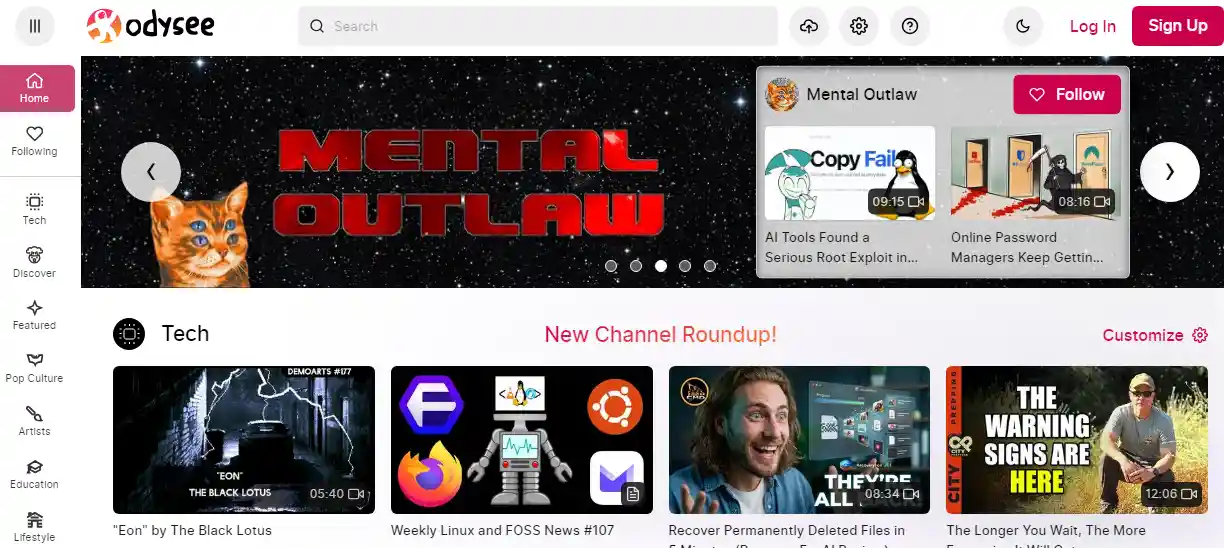
Odysee is a decentralized video sharing platform built on the LBRY protocol. It has light content moderation and lets creators keep more control over their uploaded videos. Users can browse various videos without strict algorithm restrictions.
Dailymotion
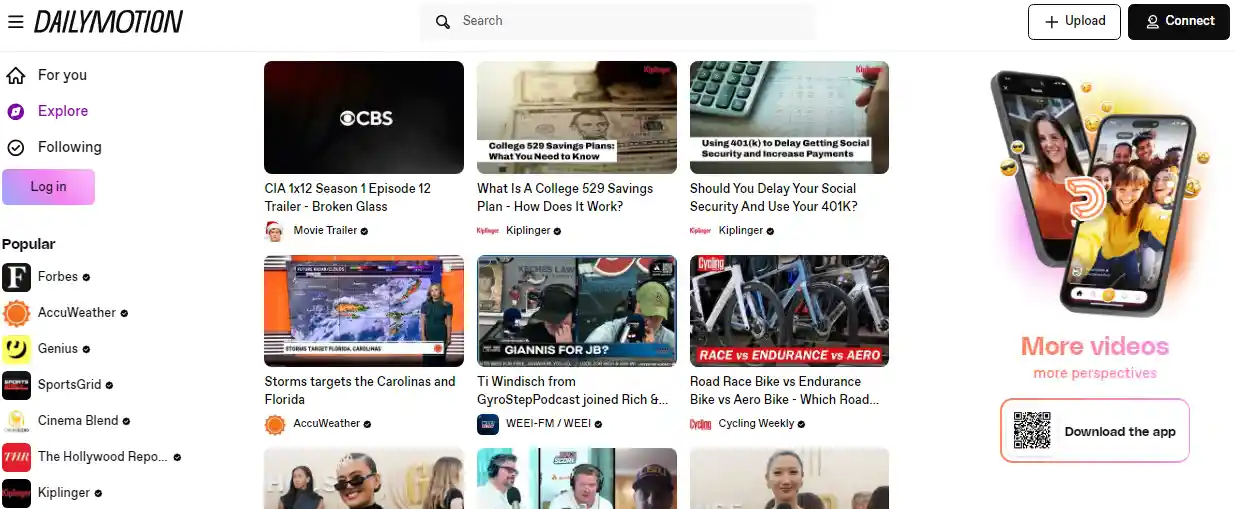
Dailymotion is a French video platform with a simple layout similar to YouTube. It hosts daily news, music clips and casual user videos. It supports HD video quality and has fewer strict upload limits for common creators.
Twitch
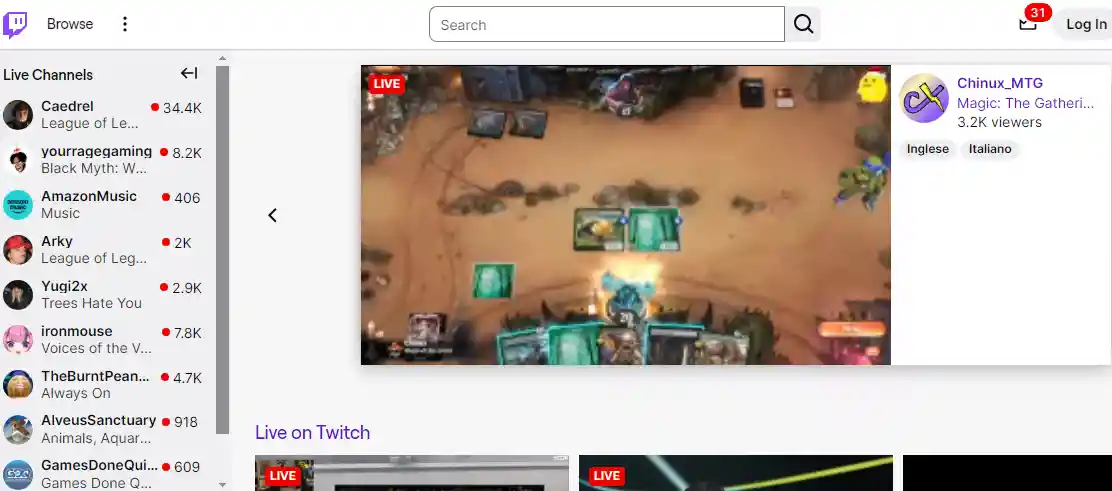
Twitch is a platform mainly for live streaming. It focuses on gaming streams and also covers music, talk shows and creative broadcasts. Viewers can comment in real time and follow their favorite streamers easily.
Brightcove
Brightcove is a professional video hosting service for businesses and organizations. It offers stable video storage and smooth playback for company ads, training videos and official media content. It is not designed for casual personal vlogs.
BitChute
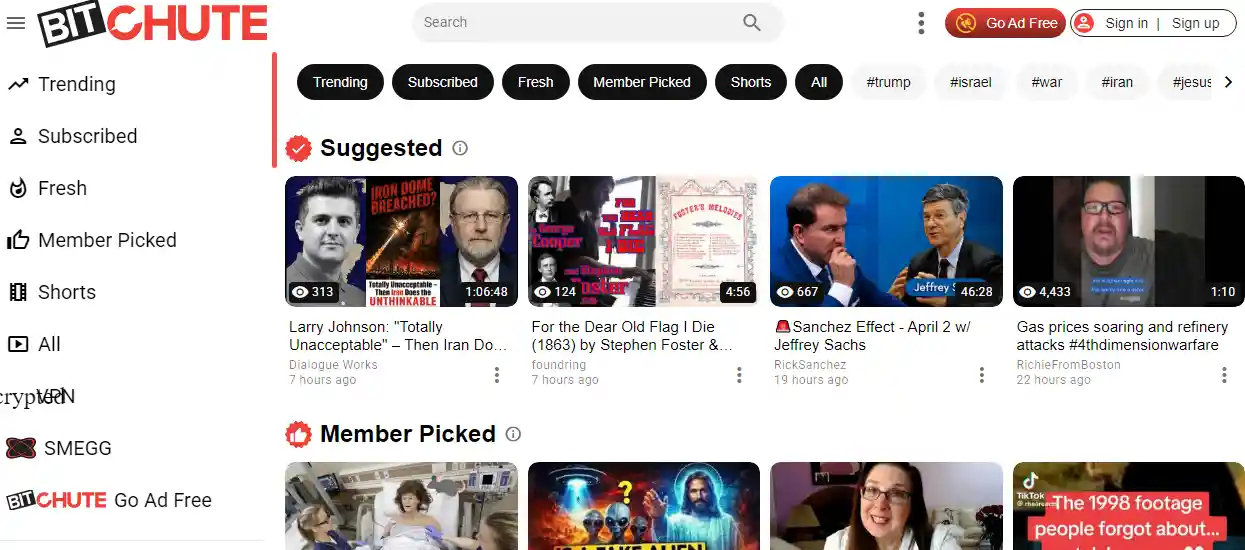
BitChute uses a peer-to-peer network to host online videos. It has loose content censorship and serves as a simple YouTube alternative. Its connection speed may be unstable during peak viewing hours for ordinary users.
Vimeo
Vimeo is a clean video platform famous for its high-quality playback. It attracts independent filmmakers, artists and professional creators. It has few advertisements and offers advanced hosting and collaboration tools for paid members.
Nebula
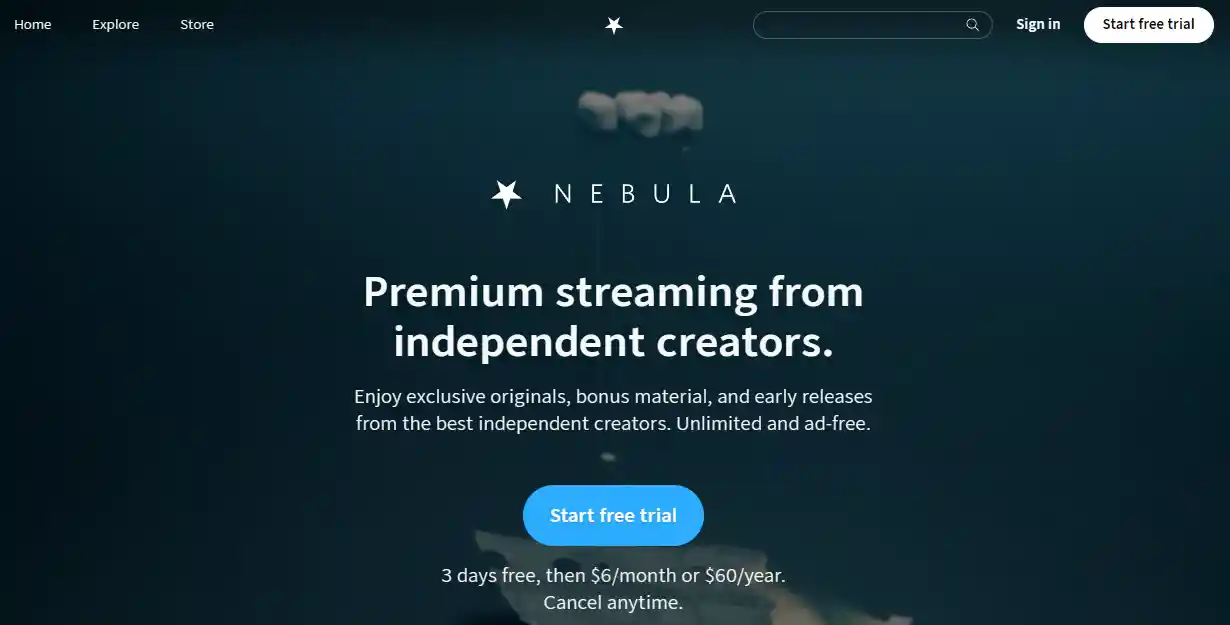
Nebula is a creator-focused streaming platform for educational and thoughtful content. Many independent educators and analysts upload original videos here. It requires a low monthly subscription with no disruptive ads.
PeerTube
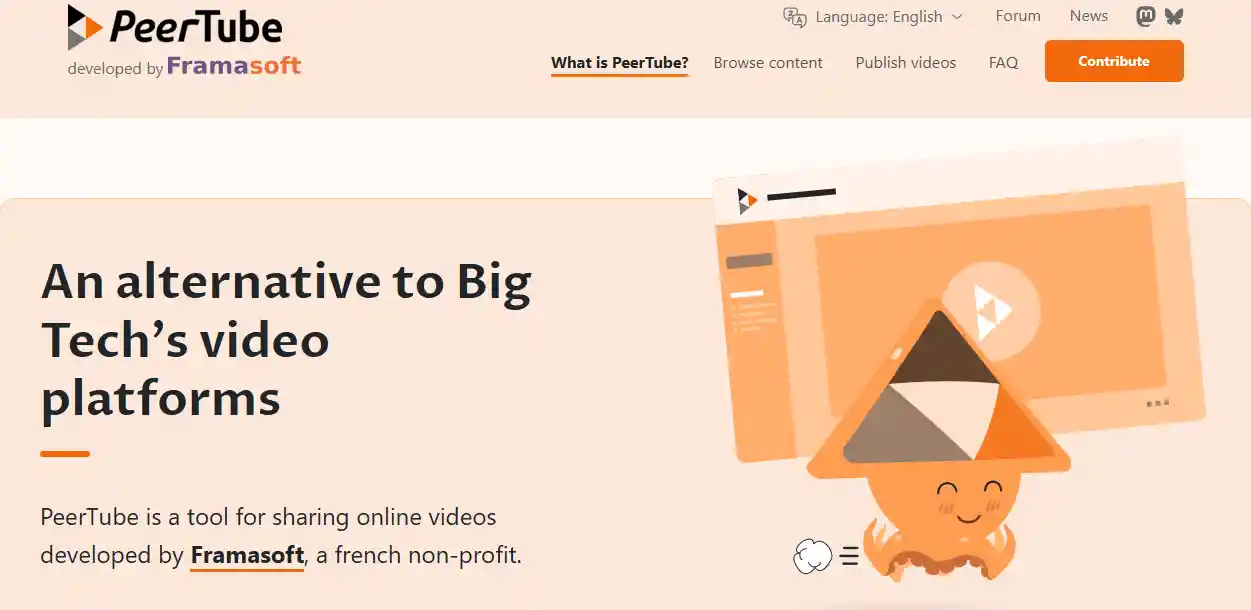
PeerTube is an open-source and decentralized video hosting tool. Different independent servers share its video resources. It has no central company control and suits users who value internet privacy.
Bilibili
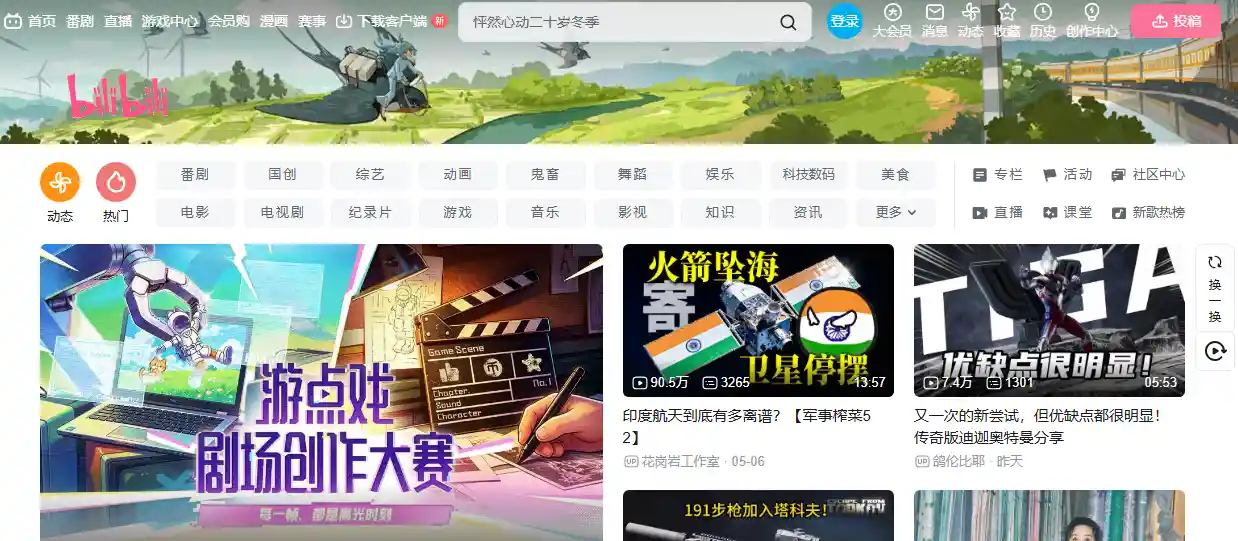
Bilibili is a popular Asian video platform rich in animation, gaming and creative short videos. It has friendly interactive comments and covers diverse content for young users. It mixes free videos and exclusive paid series.
Rumble
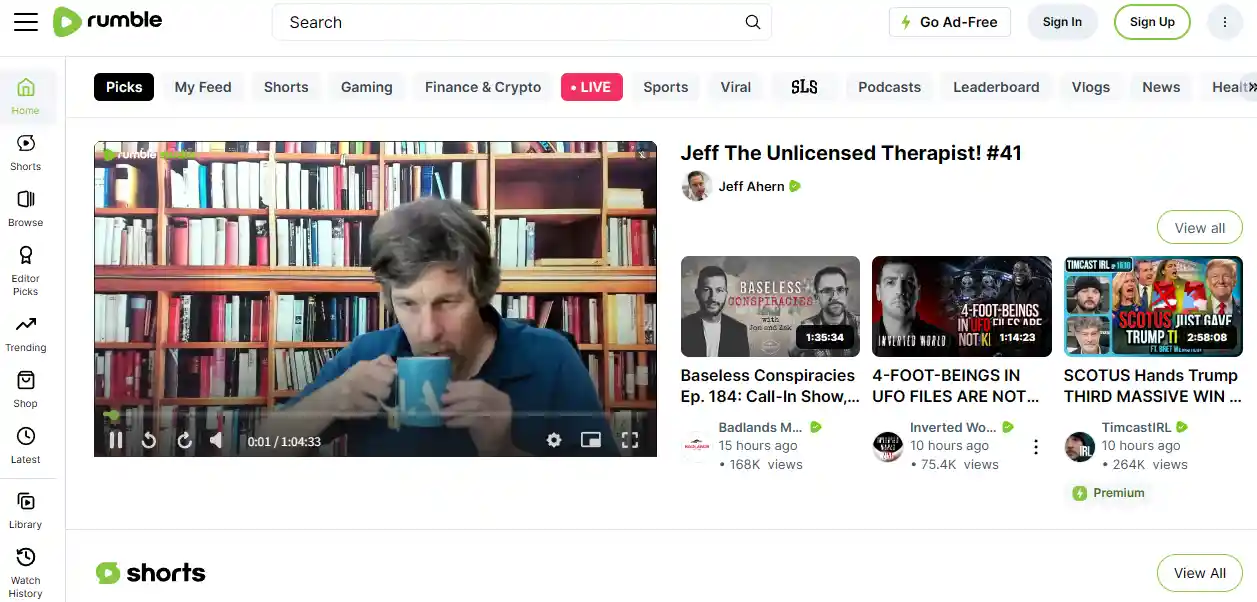
Rumble is an open video platform open to all types of daily video content. It gives ordinary creators simple monetization ways with loose posting rules. Its interface is plain and easy for new users to learn.
SproutVideo
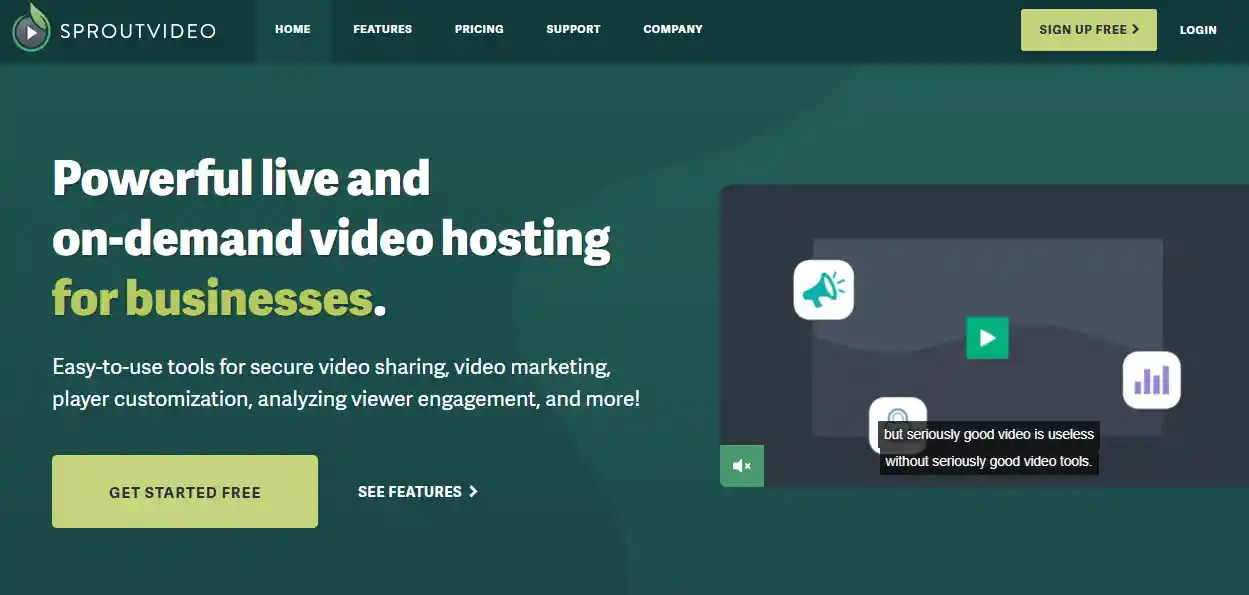
SproutVideo is a secure video hosting tool for small businesses. It supports private video sharing, data analytics and custom player designs. It works best for internal training and business marketing videos.
TikTok
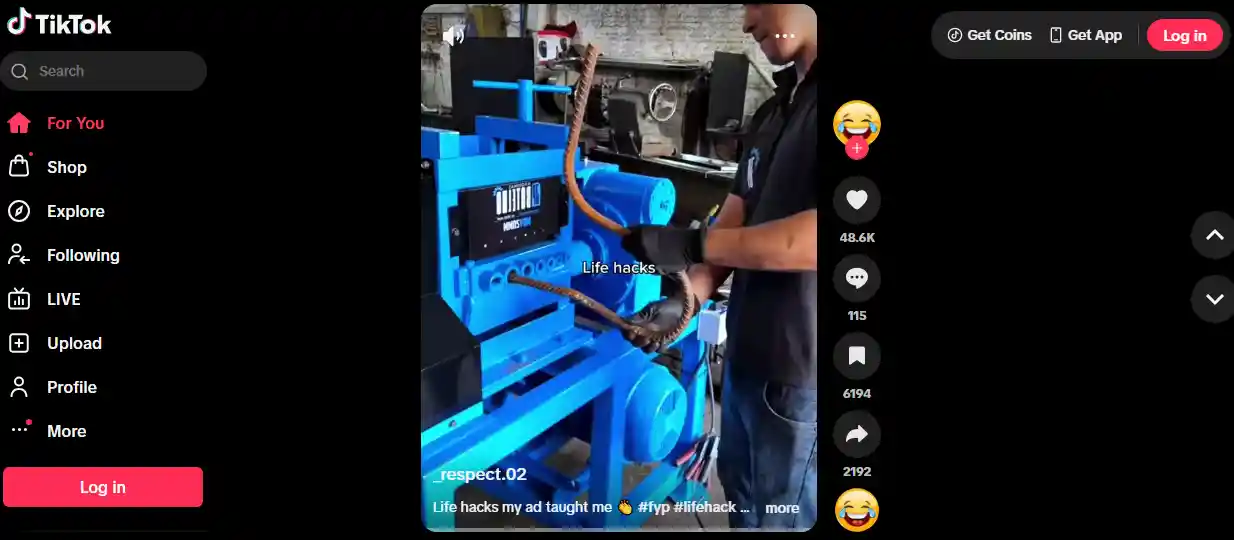
TikTok is a global short-form video platform for casual entertainment. It uses a smart recommendation system to show users trending clips. It covers dance, comedy, education and daily lifestyle content.
DTube
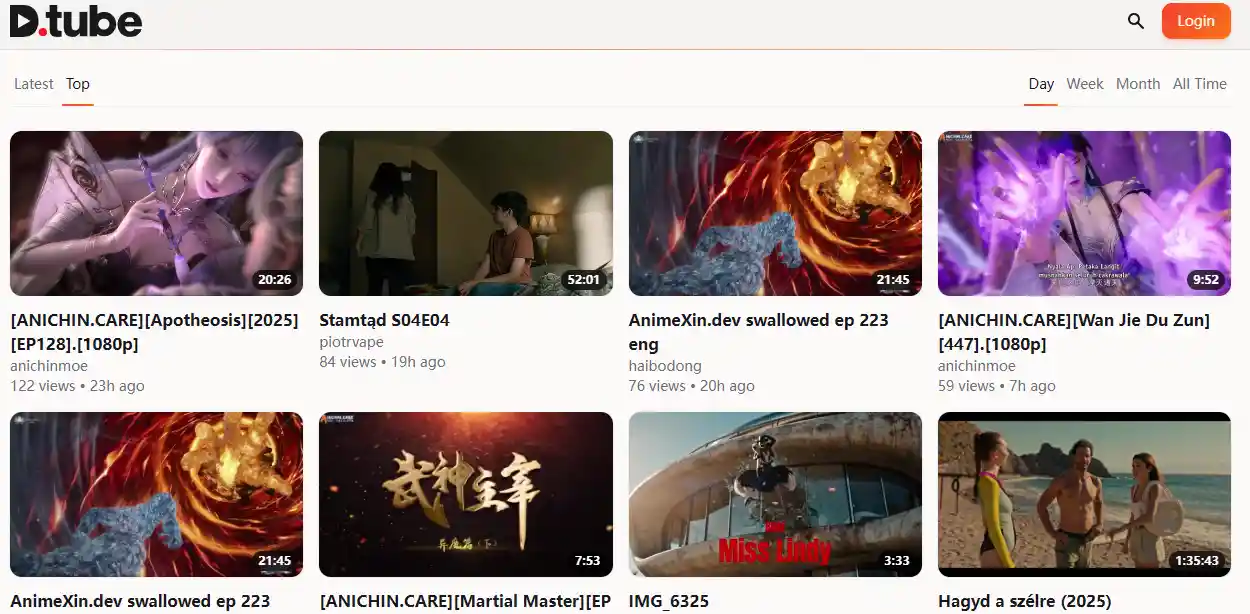
DTube is a blockchain-powered decentralized video website. It stores videos across multiple nodes to avoid central censorship. Creators can earn small digital rewards for their uploaded public videos.
KICK
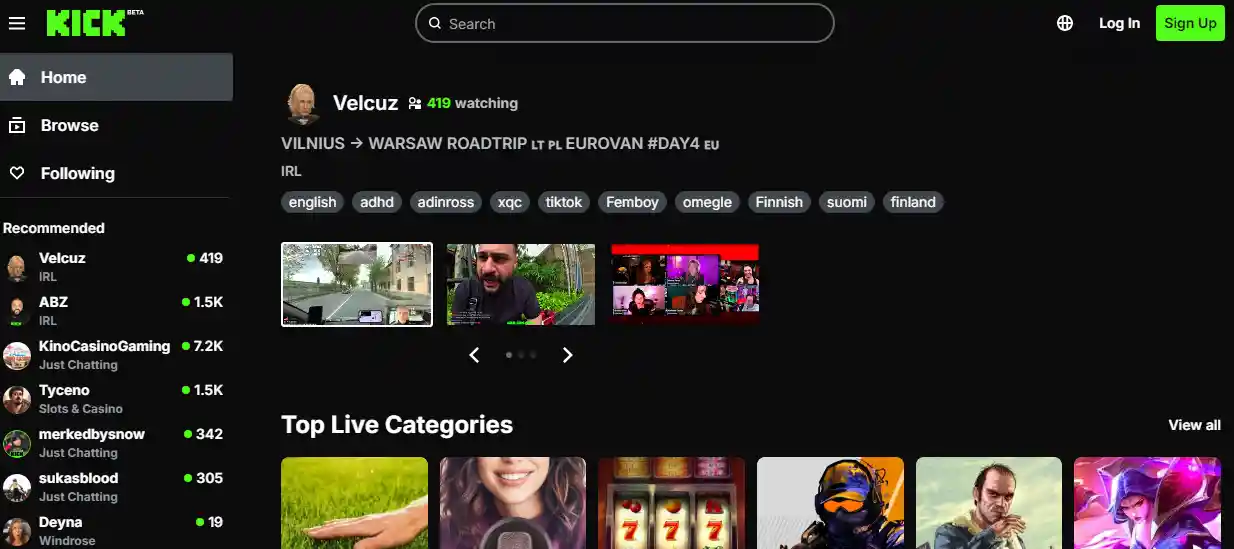
KICK is a live streaming platform that mainly targets gaming creators. It has low revenue fees for streamers and simple community rules. It provides basic streaming tools for both new and professional broadcasters.
Safe Community vs Open Platform: What Matters More?
Safe and Controlled
Platforms like Vimeo and Nebula put heavymoderation first. The result is polished videos, fewer ads, and spaces that feel safe for all ages. They work nicely for education and professional creators, though some people find them too restrictive
Wide Open
Sites such as Rumble and BitChute keep rules minimal. They protect free speech and let creators post almost anything. This leads to diverse and sometimes controversial content, but it also means more clutter and toxic comments for users to handle.
Balanced Middle Path
PeerTube takes a different route with decentralization. Users join smaller communities that decide their own rules inside a larger open system. This gives people more choice over the environment they want.
Choosing comes down to your priorities. Safe communities suit those who want calm and professionalism. Open platforms attract people looking for unfiltered voices and niche topics. Testing a couple of options usually shows which style fits better.
How to Successfully Migrate From YouTube to Another Platform
1. Audit your videos and match with a platform
Go through your old videos. Keep only the ones that still get views after a year. Those are your most valuable clips. Then pick a new platform that fits your audience.
For example, if you make tech tutorials, choose a site that focuses on educational content. Also check how the platform pays. Some share ad revenue. Others let you sell merch. Make sure that works for you.
2. Prepare clean files and rewrite SEO
Do not download your own videos from YouTube. That lowers quality. Use the original files saved on your computer. Then write fresh titles, descriptions, and tags for the new platform.
Their search algorithm is different. You also may need to change the video shape. Some sites prefer square or vertical videos. Adjust before uploading.
3. Move your audience without losing them
Tell your YouTube viewers where you are going. Put the new link in a pinned comment. Add a short message at the end of your next few videos. Offer something special on the new platform, like an extra video or a Q&A.
That gives people a reason to follow. Keep your channel name and logo the same everywhere so fans can recognize you.
4. Run both channels and avoid rule breaks
Do not shut down your YouTube channel right away. Post on both platforms for a few weeks or months. Once your new channel gets steady views, you can slow down on YouTube.
Before posting, read the new site's rules on copyright and banned content. A video that was fine on YouTube might get flagged elsewhere. Stay safe.
Read More:
Expert Tips
You now have a clear look at many strong youtube alternatives. Each platform offers something different for your needs.
You can pick safer spaces, open platforms, or something in between. Try a few and see what feels right for you.
The best part is having real choices. You get more control over what you watch and create. Start exploring today. Your next favorite video platform might be just one click away.



 Global Shipping


 Made in USA
 Free shipping