





You invest your heart in every stroke of the brush, every sketch, and every creation. However, converting that passion into real income can be tough.
In 2026, selling art online isn't just an option—it's one of the smartest moves you can make as an artist. You can reach buyers worldwide, set your own rules, and enjoy greater control over your career than ever before.
The best platforms now give you real power. Whether you love originals, prints, or merch, there's a place waiting for your style.
Let's dive in – your art deserves an audience, and the income that comes with it.
Is Selling Art Online Worth It for Artists?
Selling art online can give you real income in 2026, but it takes consistent effort. Many artists earn from prints, originals, or digital files through platforms that reach buyers worldwide. You control your schedule and avoid gallery cuts in some cases.
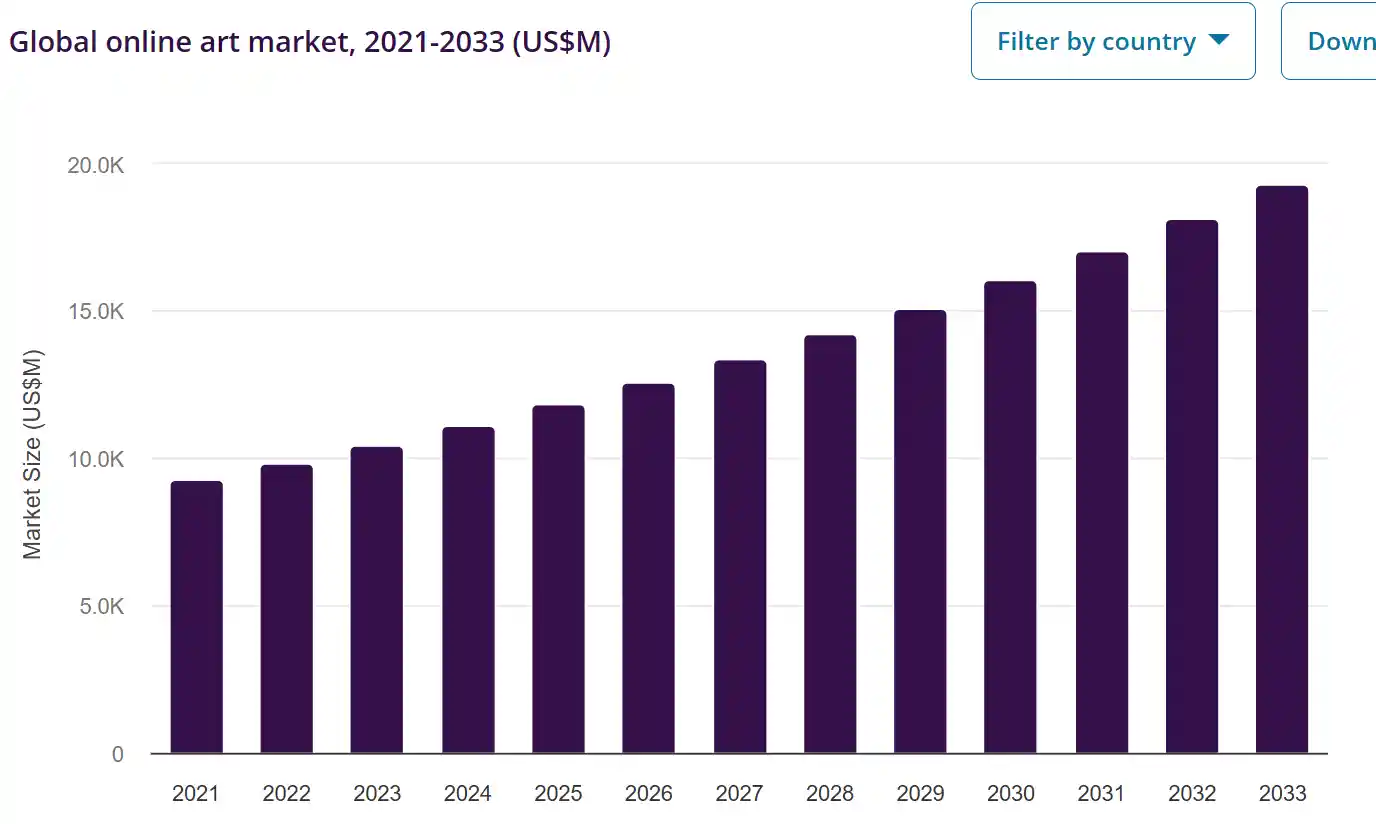
The global online art market keeps growing steadily. It stood around $11 billion in 2024 and is projected to reach $19.25 billion by 2033, with a steady 6.3% annual growth. This expansion means more people buy art digitally every year, especially affordable pieces and prints.
You face competition from thousands of creators. Success often comes from building an audience on social media, posting regularly, and choosing platforms that match your style.
Some artists make steady side money, while others turn it into a full career with strong marketing.
If you treat it like a business—track sales, adjust prices, and engage with buyers—it opens doors. Start small, test what works, and scale up as you learn.
15 Best Places to Sell Art Online
Ko-fi
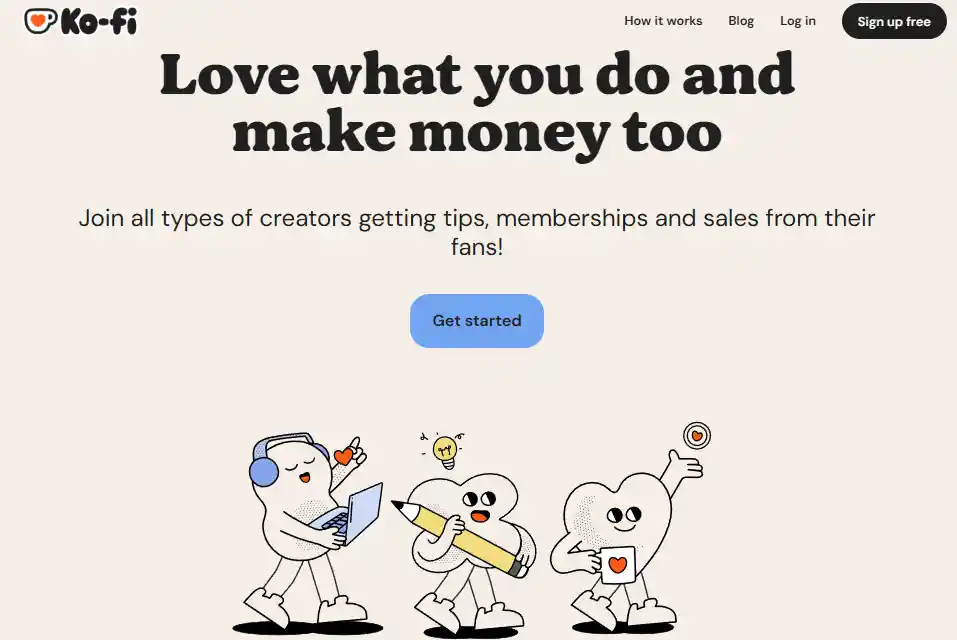
You use Ko-fi to get direct support from fans. It focuses on tips, memberships, commissions, and selling digital or physical art.
The platform keeps things simple. You set your own prices and control everything. Fees stay low, often 0-5%. Many artists like it for quick, personal sales. It suits creators who already have followers.
Redbubble
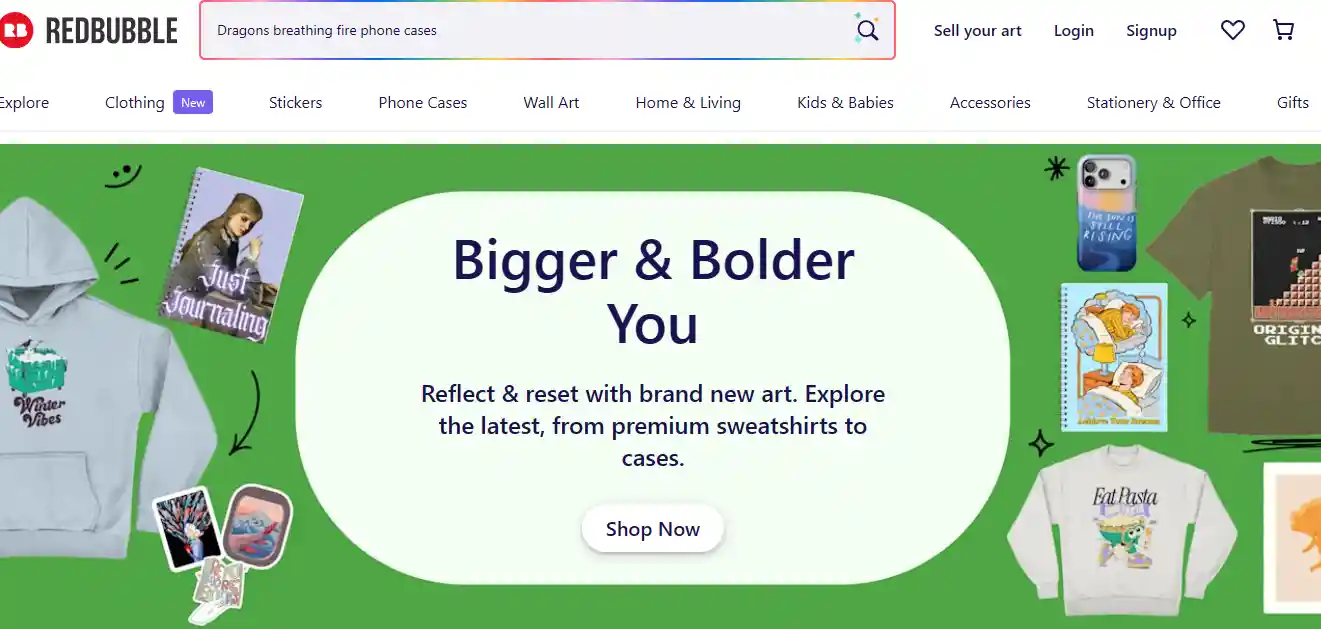
Redbubble runs on print-on-demand. You upload your designs once. They print them on t-shirts, stickers, posters, phone cases, and more than 70 other items.
You earn a commission on each sale. They handle printing, shipping, and customer service. It works well for casual, fun, or graphic art. No upfront costs. Just focus on creating.
Saatchi Art
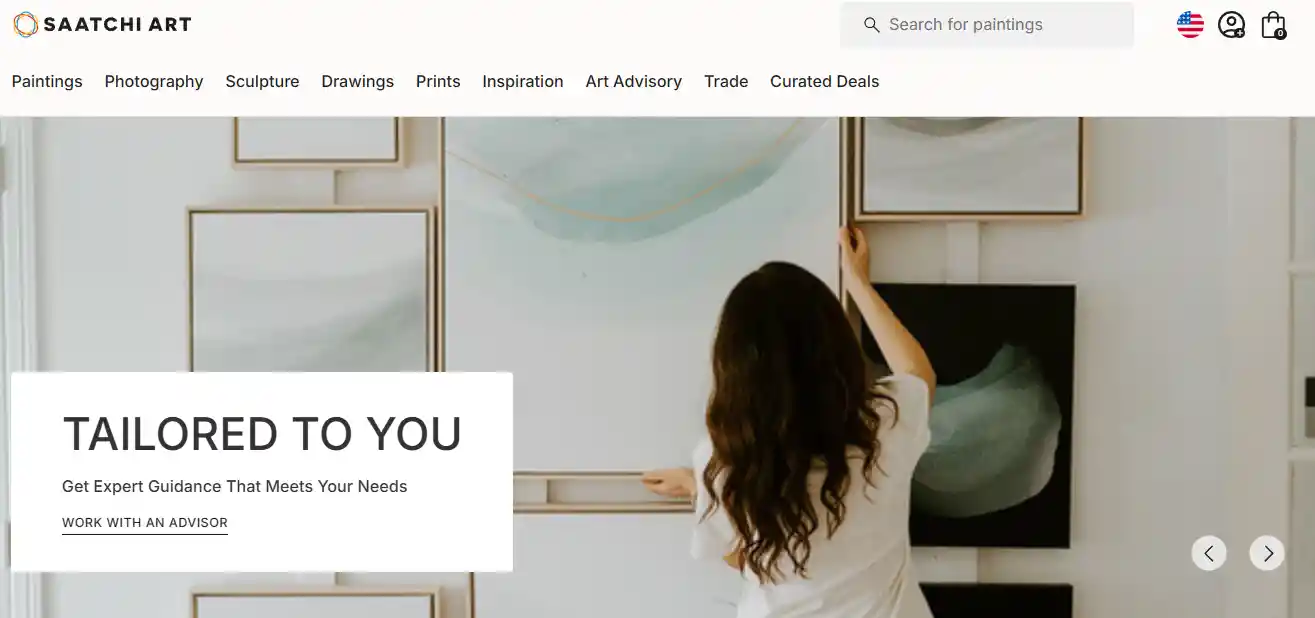
Saatchi Art acts like an online gallery for fine art. You list original paintings, sculptures, or prints. It reaches serious collectors around the world.
The site gets a lot of traffic. You pay no listing fee, but they take a 35% commission. It fits artists who make higher-end, original work.
Etsy
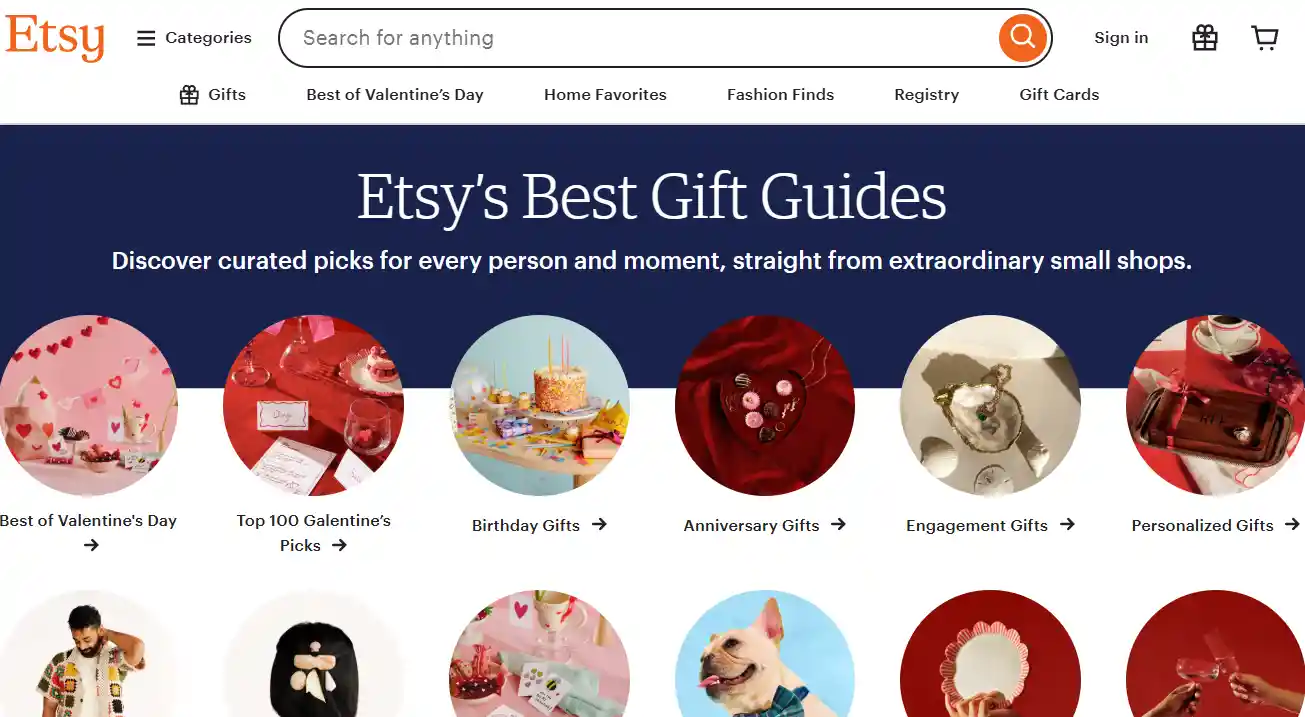
Etsy serves as a big marketplace for handmade, vintage, and creative items. You sell prints, originals, or small art pieces there.
Many buyers look for affordable, unique art. You pay a small listing fee plus transaction fees. You manage your own shop and build a brand. It helps if you want more control over your store.
Singulart
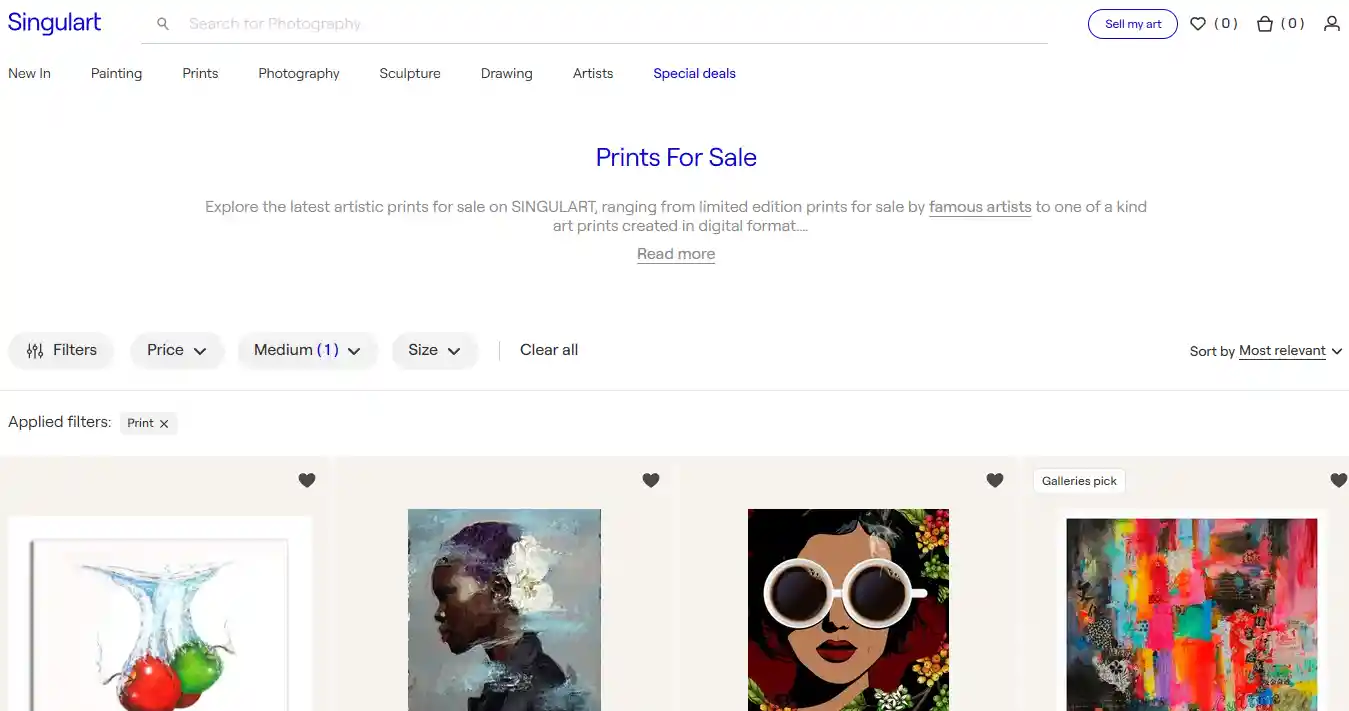
Singulart works as a curated online gallery. It features contemporary original art like paintings and photography. A team reviews artists before they join.
It connects you to global collectors. The platform handles promotion and sales support. Commissions tend to be higher. It suits serious artists who create fine, unique pieces.
Society6
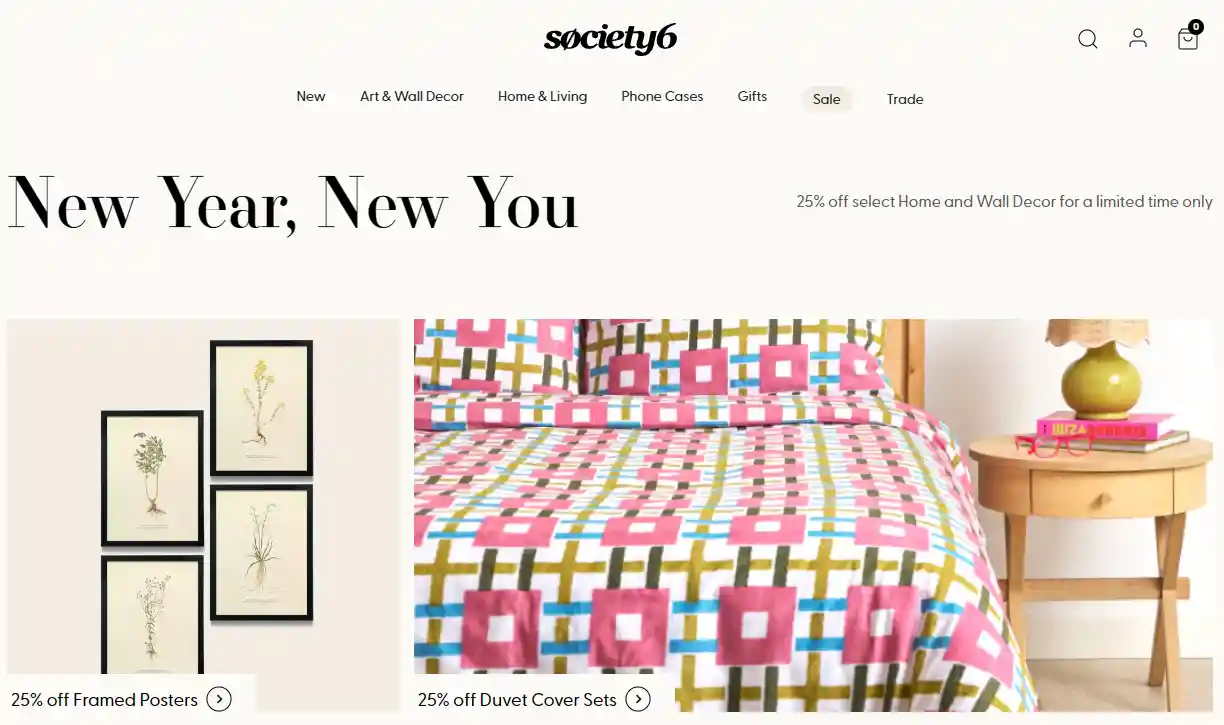
Society6 runs as a print-on-demand site. You upload designs. They print them on wall art, home decor, pillows, mugs, phone cases, and more.
The platform handles production, shipping, and support. You earn a commission, often around 5-10% on sales after recent changes. It suits graphic artists and illustrators who want passive income from trendy products.
Fine Art America
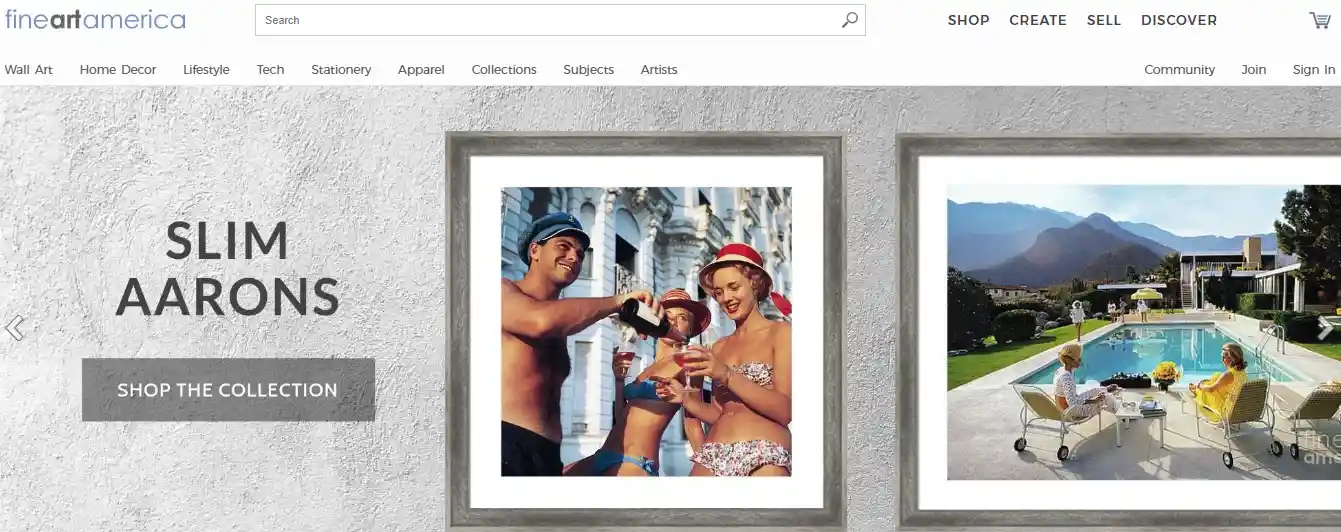
Fine Art America serves as the largest online art marketplace. You sell prints, canvases, framed pieces, metal prints, and merchandise like apparel or home goods.
It also lets you list originals with no commission. A premium plan costs $30 per year for extra exposure. They manage fulfillment worldwide. It works well for photographers and artists who want variety in products.
Minted
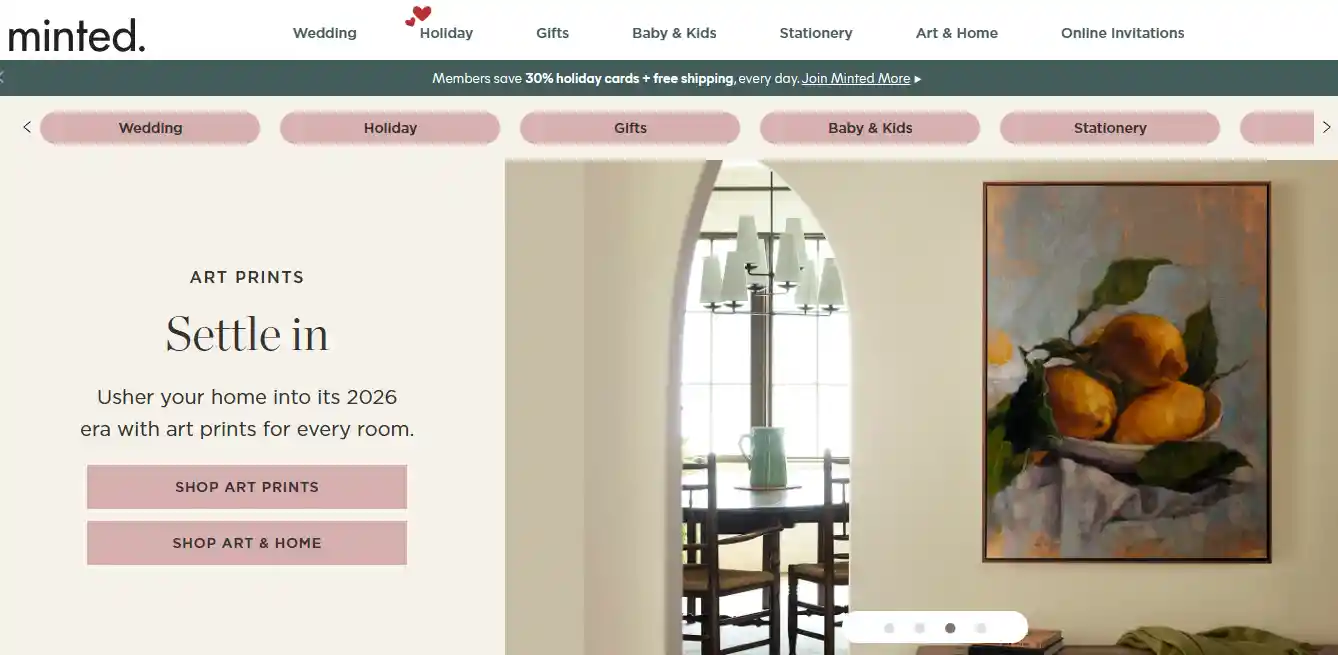
Minted acts as a curated community for independent artists. You submit designs to challenges. Winners get featured on stationery, art prints, invitations, and gifts. The platform connects you to buyers and big partners.
It focuses on high-quality, creative work. It fits artists who like competitions and want exposure through a selective marketplace.
Artfinder
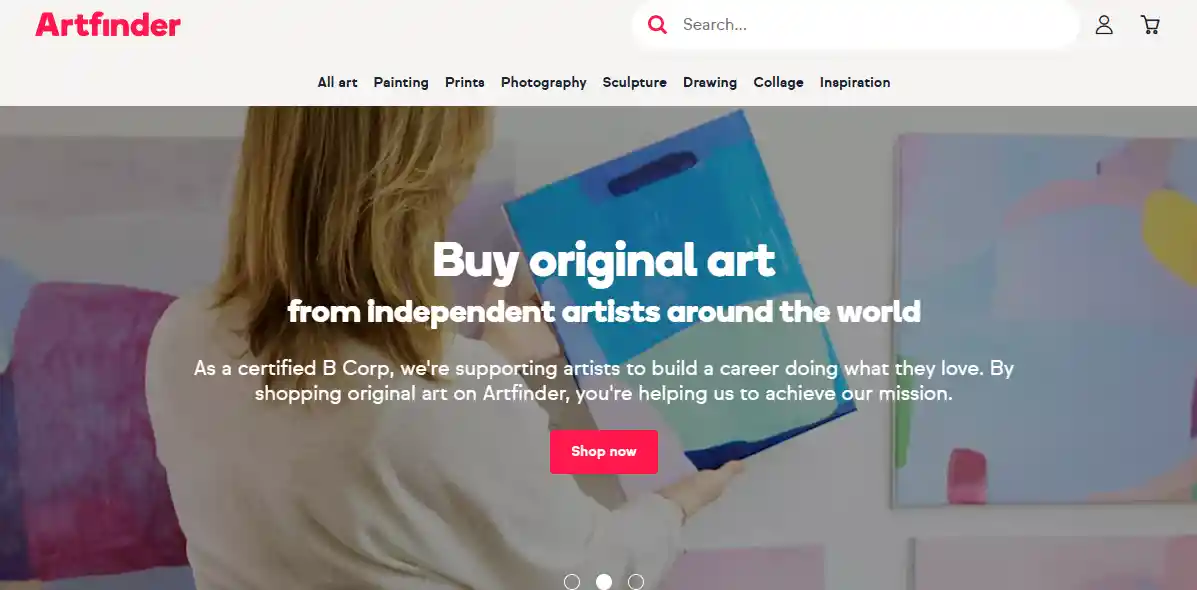
Artfinder operates like a gallery for independent artists. You sell originals such as paintings, sculptures, and photography. Limited edition prints are also allowed.
A team reviews applications before you join. They take 40-45% commission depending on your plan, plus a small monthly fee. It reaches global collectors. It suits serious artists who create unique, fine art pieces.
ArtPal
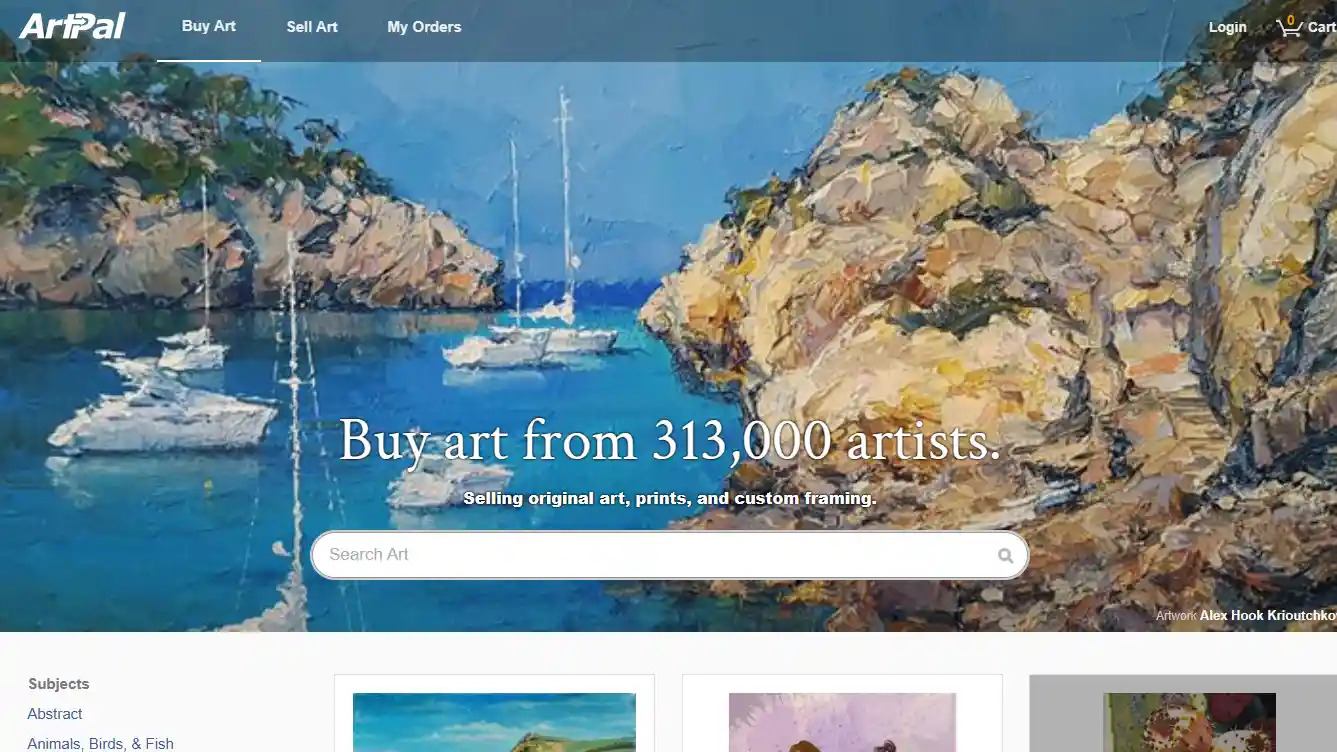
ArtPal keeps things straightforward. You sell originals, prints, and merchandise with built-in print-on-demand. There are no listing fees. You keep 100% on direct sales.
Commissions apply only to their POD items. The site has a large artist community. It helps beginners or anyone who wants low costs and full control over pricing.
Zazzle
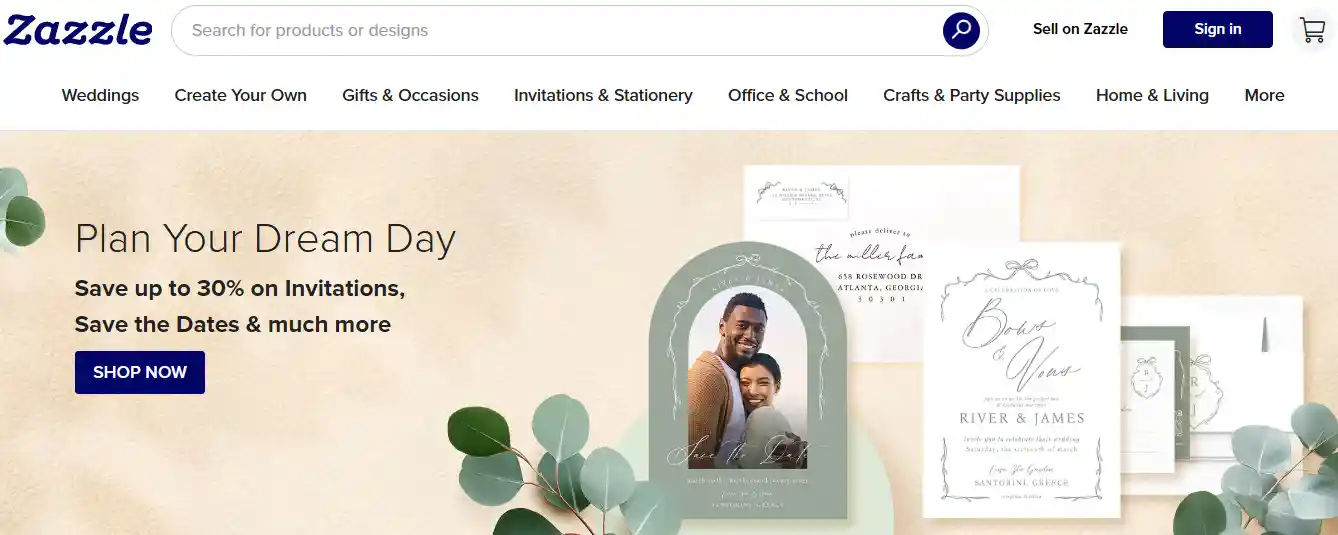
Zazzle is a print-on-demand platform. You upload designs. They print on invitations, cards, clothing, mugs, posters, and many personalized gifts. You set your royalty rate, often up to 10% now after recent changes. They handle production and shipping.
It fits artists who make patterns, graphics, or custom designs. No upfront fees. Earnings depend on your pricing and volume.
Artsy
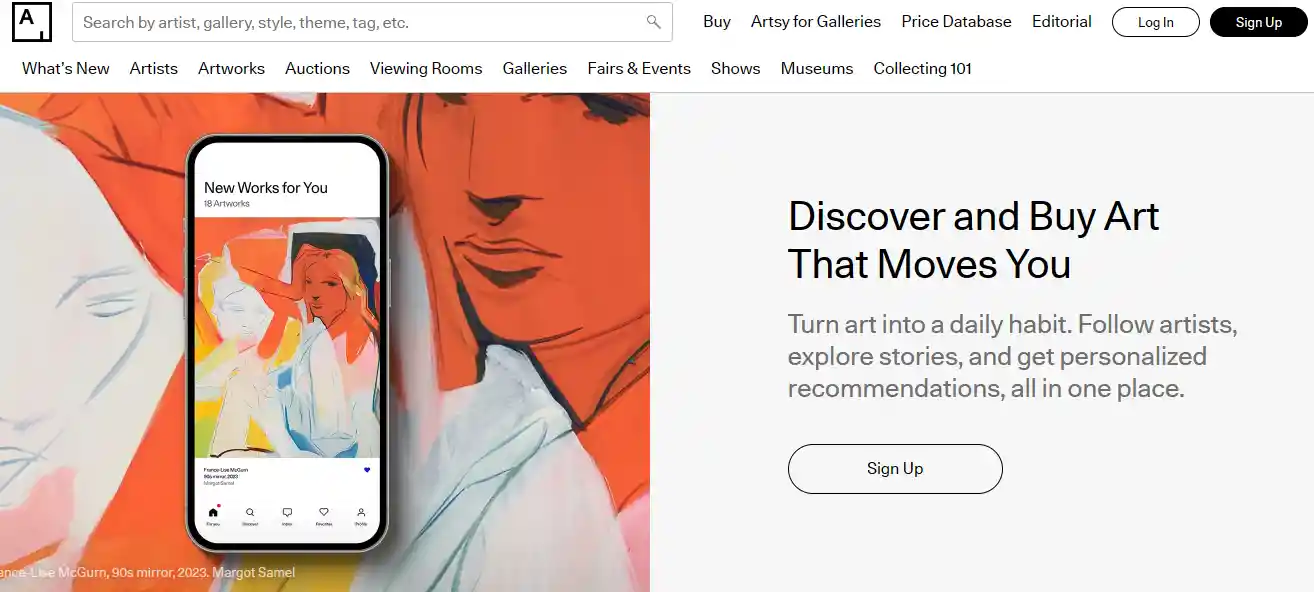
Artsy serves as a major online platform for fine art. It connects galleries, auction houses, and institutions to global collectors. Individual artists do not sell directly. You need gallery representation to list work.
It targets serious buyers. The site focuses on high-end originals and editions. It suits established artists with gallery partnerships.
eBay
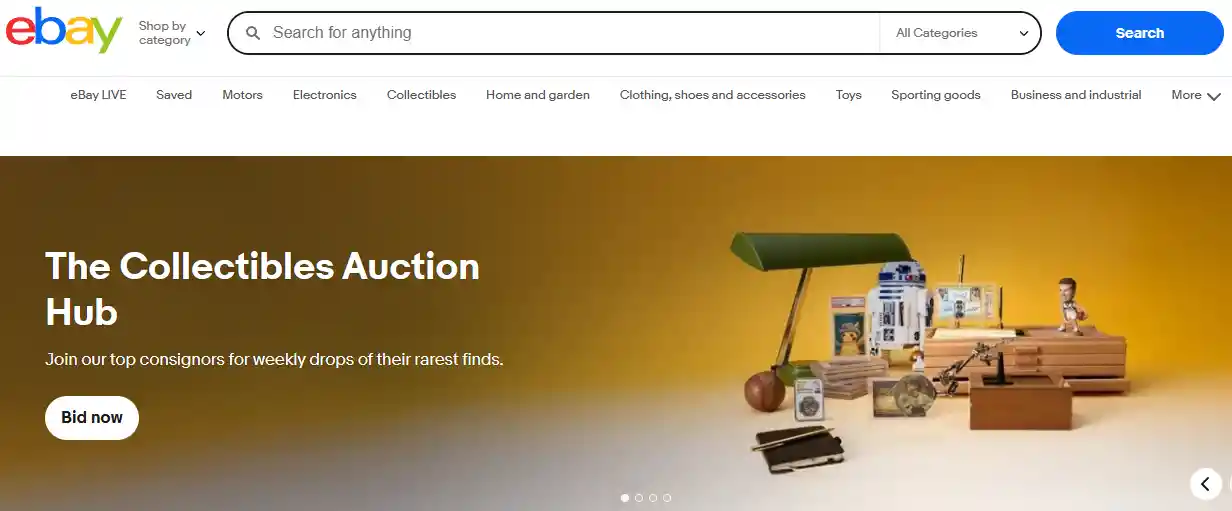
eBay works as a huge general marketplace. You sell originals, prints, or art supplies there. You handle listings, photos, and shipping yourself.
Fees include listing costs plus around 13-15% final value fee. It reaches millions of buyers worldwide. It helps if you want auctions, fixed prices, or to test different art pieces. Many artists use it for affordable sales.
UGallery
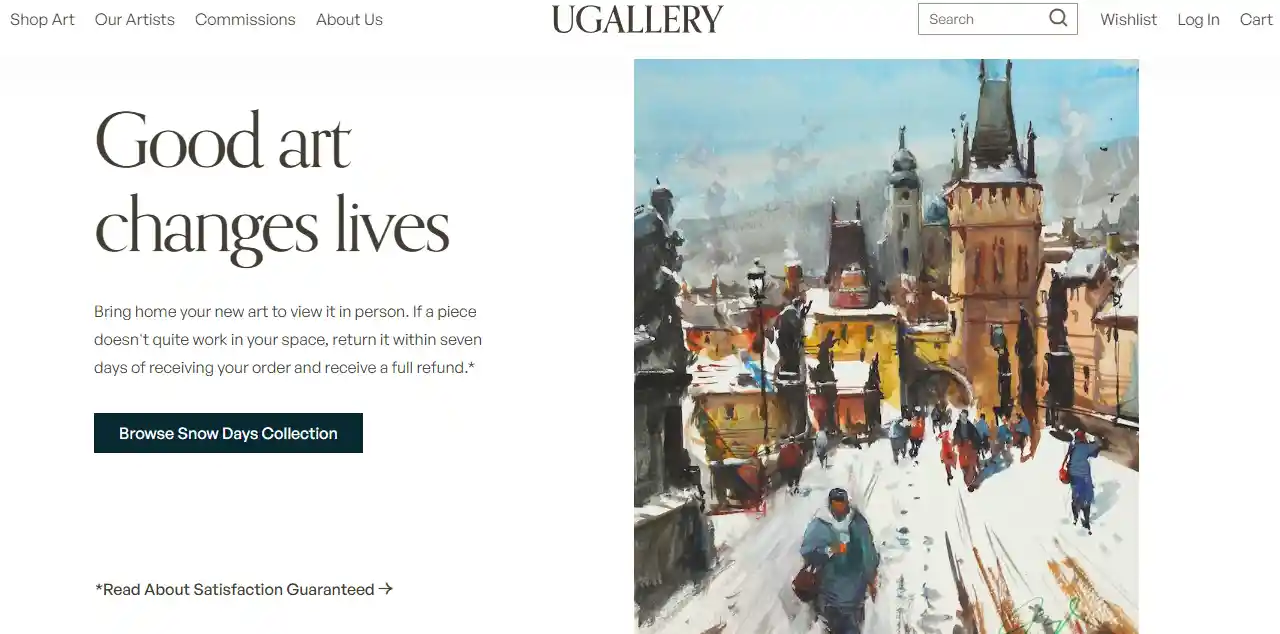
UGallery acts as a curated online gallery. It features original paintings and custom commissions. A team reviews applications with a small $5 fee. They accept only a few artists. The platform handles promotion, sales, and shipping.
It takes a high commission, often 50%. It fits professional artists who create unique, hand-crafted work for collectors.
Creative Market
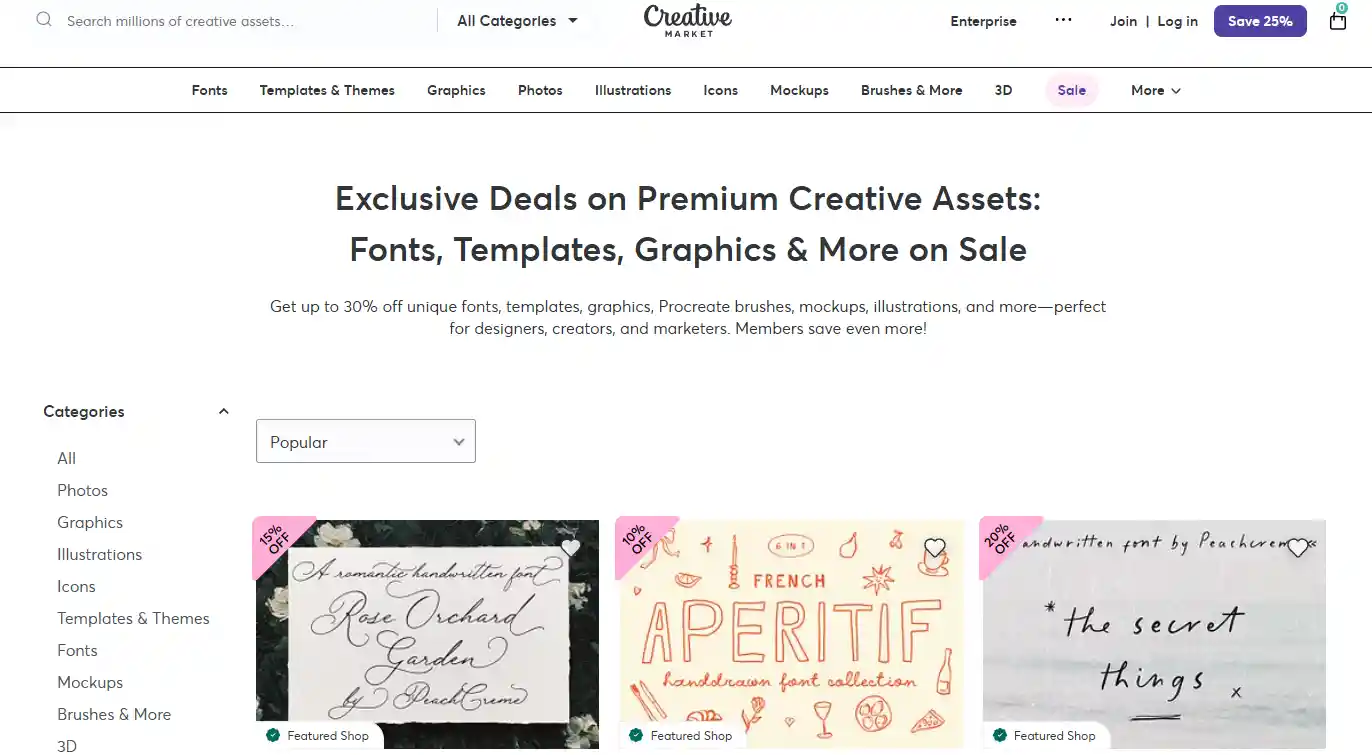
Creative Market focuses on digital products. You sell graphics, fonts, templates, brushes, or design assets. You set your own prices.
The platform takes about 30% commission, so you keep 70%. It reaches designers and creators. No print-on-demand here. It suits illustrators or digital artists who make reusable files for passive income.
When an Online Store Isn't Worth It for Artists
Before setting up your own online store, think about your current sales. If you aren't making enough, the fees can outweigh the profit. Platforms like Etsy, Shopify, Squarespace, or Wix all charge listing, subscription, or transaction fees. Without steady sales, it's easy to spend more than you earn.
Another thing to consider is your following. When millions of artworks are online, it's hard for a new artist to stand out. If you don't have a clear audience, most visitors won't find your work.
Selling online isn't just about the platform—it's also about marketing yourself.
Sometimes, simpler options work better. You can print a small batch locally, sell directly via social media or a Google form, and handle payments through PayPal. You keep more of your money this way.
For example, a batch of prints could earn $150-160, while using Etsy or Redbubble might cut that by $30-40.
For low-volume sellers, Ko-fi or similar low-fee platforms can be a good middle ground. They charge less per sale and let you test the waters without heavy upfront costs.
How to Price Your Art by Product Type
Original Art Pricing (Original Works)
Start with the basics. Add up materials, framing, packaging, plus studio time at an hourly rate you set based on your skill level.
Many artists use $20–$50 per hour to start. Factor in size—bigger or more complex pieces usually cost more.
One-of-a-kind work gets scarcity value. That uniqueness lets you charge a premium. Don't forget platform fees (often 30–50%), shipping, insurance, and the risk of damage.
When sales pick up, raise prices gradually. Test higher tags on new pieces first. Keep it consistent across platforms so collectors don't feel shortchanged.
Print Pricing (Art Prints & Reproductions)
Prints give you steady income without the one-time limit of originals. Break down costs: printing, good paper quality, maybe color proofing.
- Open editions stay affordable—price lower for unlimited runs.
- Limited editions (say 50–100) justify higher prices because of built-in scarcity.
Price by size too. Small A4 might go $20–$50, while large formats hit $100+. Add packaging, fulfillment, and platform commissions. Aim for a healthy margin after all that. Test different price points. Raise slowly if demand stays strong—don't drop prices later.
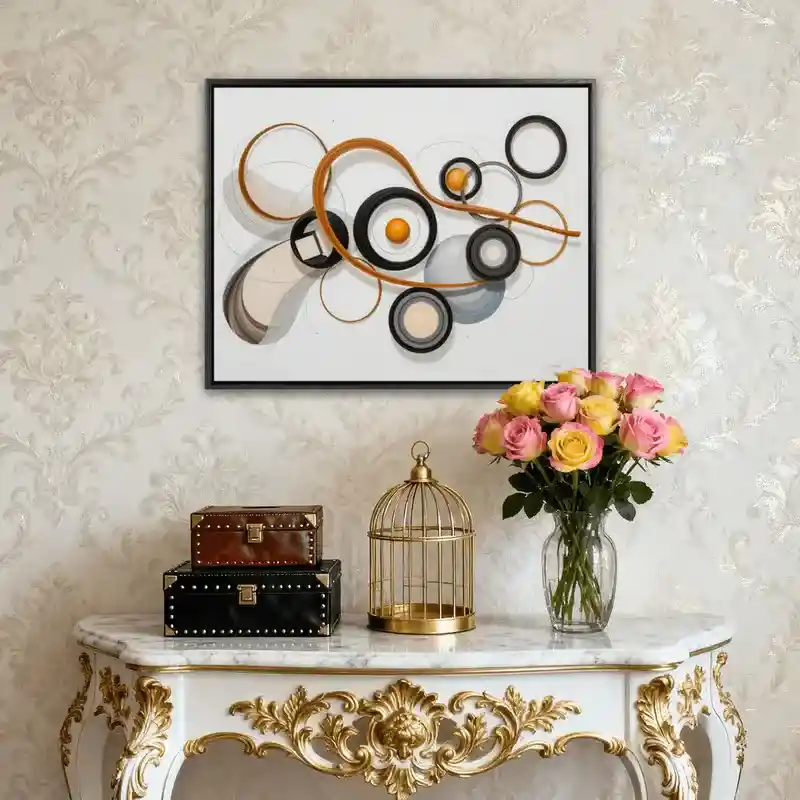
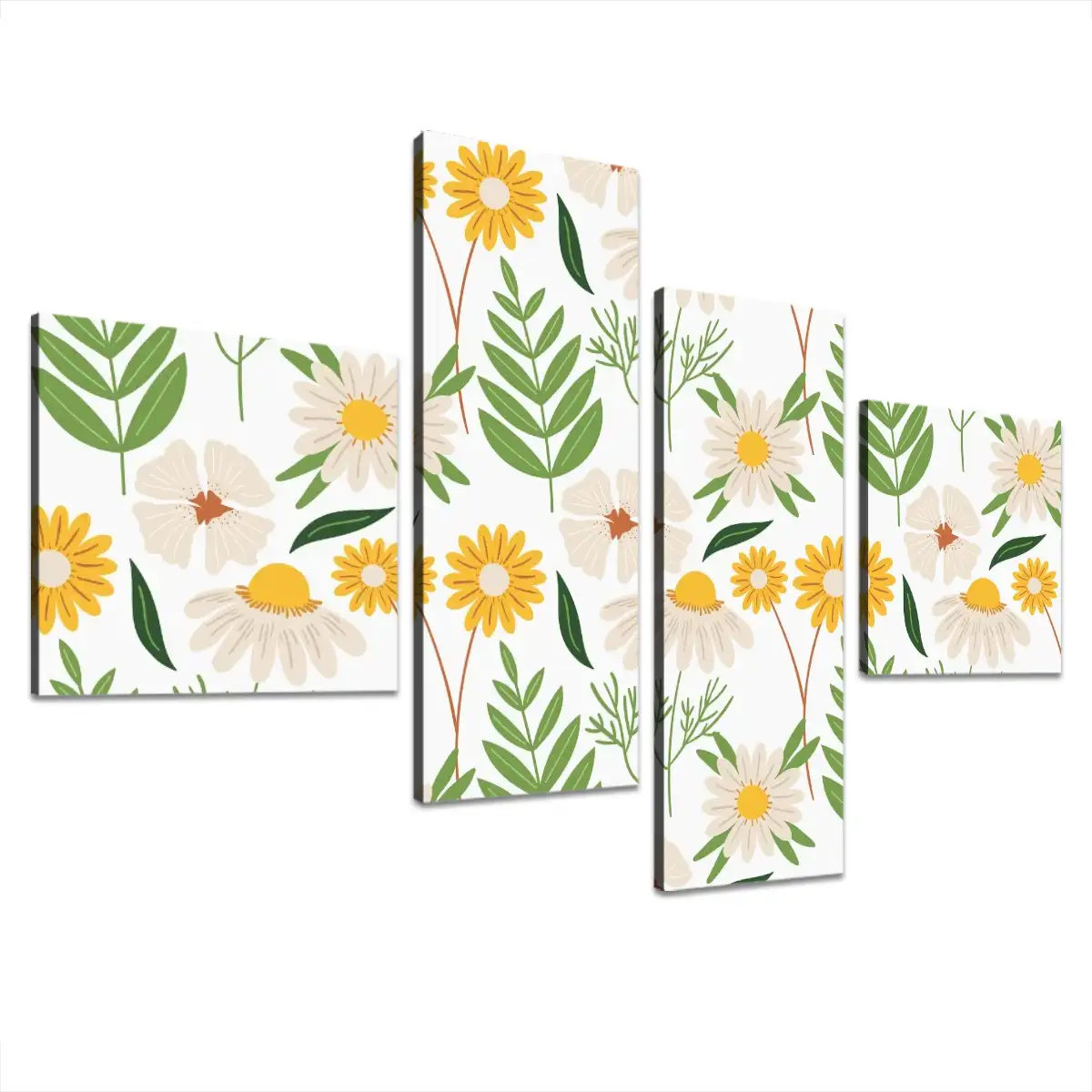
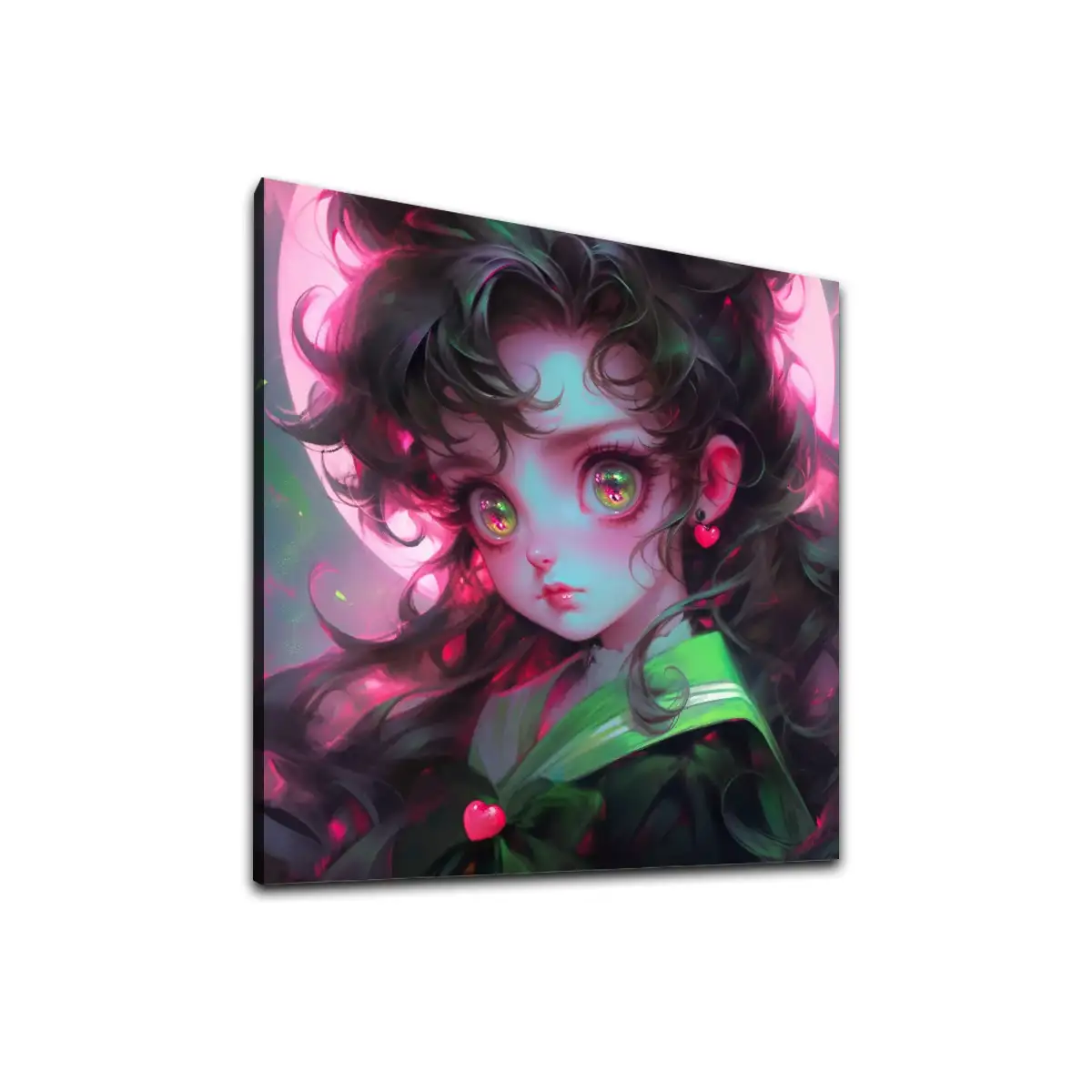
Custom Floating Frame Canvas 5:4 (Horizontal) (Made in USA) - Print-On-Demand - PrintKK
Merchandise Pricing (Art Products & Merch)
Merch like t-shirts, mugs, or posters runs on perceived value. The art makes it special, not just the blank item. Know your base cost from print-on-demand services. Many platforms charge low upfront. Go for higher-margin items (posters, canvases) over low-margin ones (basic tees).
- Price print-on-demand higher if you handle quality control yourself.
- Bundle items—a print plus sticker—to boost average order value.
Offer volume discounts for repeats or bulk. Factor in returns, defects, and replacements—they eat into profit. Avoid racing to the bottom on competitive sites. Charge what matches your art's vibe and quality.

Custom Large Colorful Mug (15oz) (Made in USA) - Print-On-Demand - PrintKK
Create and Sell Custom Art Products with PrintKK
Ordering from PrintKK is easy. You upload your design, select a product to make it on, and order. You are able to order in batches, which means the more you purchase, the cheaper the price, which is great if you want to resell or give away several items.
For artists like yourself, PrintKK has a number of clear advantages:
- Products shipped to the US are tax-free, which saves you money.
- Prices are low, whereas quality is high, so it is professional, yet not too expensive.
You can make your art into canvas prints, tapestries, tote bags, and other fun merchandise.
Other great stuff is that PrintKK easily works with platforms like Etsy, Shopify, and Amazon by simply linking your store and having your products listed automatically for you. This saves your time and makes online selling much easier.
PrintKK makes it easy for your artwork to become real-life products, reach more customers, and to sell without some complicated setups.
Read More:
Expert Tips
You now know your options. The best places to sell art online in 2026 give you many ways to reach buyers. Some fit print-on-demand. Others work great for originals or digital files.
Pick the platforms that match your style and goals. Start with one or two. Build your presence step by step. Price your work smartly. Share your art regularly.
The online art world keeps growing. You have real chances to earn from what you create. Stay consistent. Keep improving. Your art deserves to find its audience.
FAQs
What are the best websites for selling art for beginners?
For beginners, platforms like Etsy and Ko-fi are great starting points. They are user-friendly, don't require complex setup, and give you access to a ready audience for your artwork.
What website do most artists use?
Many artists use Etsy, Saatchi Art, and Fine Art America. These sites are popular because they combine marketplace traffic with easy tools for listing, pricing, and managing sales without needing your own website.
What kind of art sells the most?
Art that is visually appealing and easy to display tends to sell well. Popular types include prints, digital illustrations, home decor art, and lifestyle merchandise like mugs or tote bags.
How much does it cost to sell art online?
Costs vary by platform. Some charge listing fees, others take a commission on each sale. Expect small upfront fees or percentages, but it is usually manageable for beginners testing the market.
What is the most profitable way to sell art?
Profit often comes from balancing product cost and price. Selling prints or merchandise alongside originals can maximize earnings. Focus on items that are affordable for buyers but still cover your expenses.
Should I sell on more than one platform?
Yes, selling on multiple platforms increases exposure. You can reach different audiences, test which site performs best, and reduce the risk of relying on a single marketplace for your income.

 Global Shipping
 Made in USA
 Free shipping