





You want a sweater that fits just right. Not too loose, not too tight. A color you actually wear. Maybe even your own design on the chest.
But where do you start? This guide walks you through custom knitwear from the very beginning. No experience needed. You will learn how to pick fabrics, find a maker, and manage the whole process without the stress.
What Is Custom Knitwear?
Custom knitwear means you skip the guessing game of store racks. Instead of sorting through sizes that sort of fit and colors that sort of work, you start with a blank sweater and build it around yourself.
You decide how long the sleeves actually need to be. You pick a fabric weight that makes sense for your winter, not some factory's best guess.
It can be one piece for your own closet or a small batch if you're testing an idea. Either way, the sweater starts with what you want, not what's left on the shelf.
How to Make Custom Knitwear Within 6 Steps
1. Find a Maker Who Works With Beginners
Not every custom knitwear maker wants to deal with someone who's never ordered before. Look for shops on Etsy or small US-based manufacturers that mention "small batch" or "one-off" in their listings.
Read their reviews specifically for communication. If past customers say the maker answered questions clearly and walked them through the process, that's your green light.
2. Pick a Base Style You Already Know You Like
Most custom services typically offer a range of basic silhouettes to choose from—such as crewneck, turtleneck, or cropped styles.
While the specific details of the sweater can indeed be fine-tuned at a later stage, the primary objective is to first settle on a basic silhouette to avoid feeling overwhelmed by an excessive number of options.
3. Give Measurements From a Real Sweater, Not Your Body
Skip the tape measure around your chest. Grab a sweater from your closet that fits the way you want. Lay it flat and measure the width under the arms, the length from shoulder to hem, and the sleeve from armpit to cuff.
Send those numbers along with a photo of the sweater laid flat. This is how you avoid the "well, it fit on paper" surprise.
4. Ask for a Fabric Swatch Before You Approve Anything
Colors look different on a screen. Fabric can be scratchy or heavier than you imagined. Ask the maker to mail you a small swatch of the actual knit they'll use.
Some charge a few dollars for this, some include it in the setup fee. It's a small cost that stops you from ending up with a sweater you won't actually wear.
5. Request a Digital Proof and Mark It Up
Once your design is laid out, the maker should send a digital mockup showing where your text or graphic sits. Download the image and open it in any photo app.
Draw a circle around anything that looks off—too high, too low, too big. Send it back with notes. Marking it up yourself removes the guesswork on both sides.
6. Order One Sample Before Going Big
Even after all that, order exactly one finished piece first. Wear it for a full day. Wash it the way you normally would. See how the fabric holds up and how the fit feels after moving around.
If everything works, then you're ready to order more or call it a success. If something's off, you only have one sweater to rethink, not a dozen.
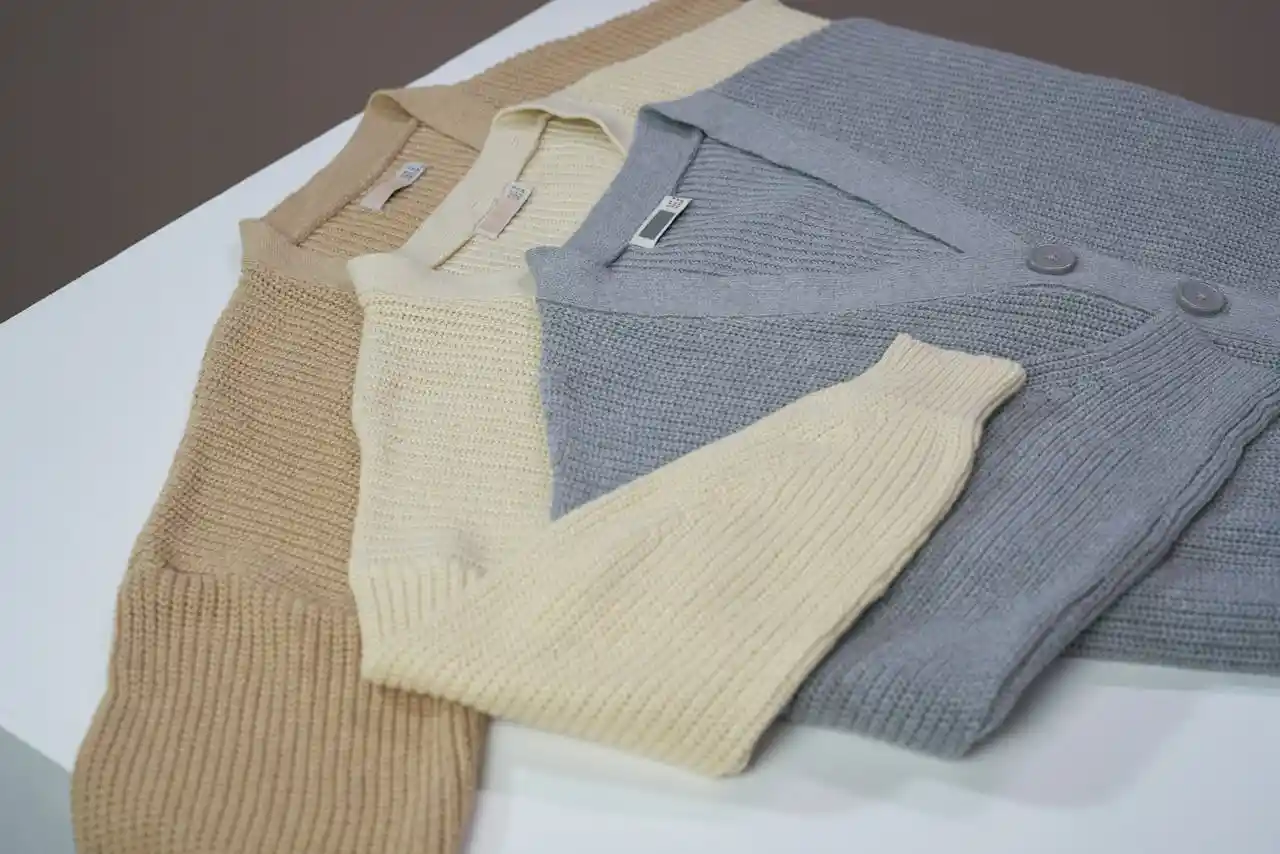
Custom Knitwear Fabric: Cotton vs. Wool vs. Cashmere
How Easy They Are to Own
- Cotton asks the least. Machine wash, machine dry, fold, done.
- Wool needs a little more space—hand wash or delicate cycle, then lay flat to dry. No dryer. But wool doesn't need washing after every wear, so it balances out.
- Cashmere is the high-maintenance friend. Worth it for some people, but only if you're okay with a separate wash routine and occasional de-pilling.
How They Age Over Time
- Cotton softens with each wash. It gets more comfortable, but the shape relaxes. If you like a lived-in look, cotton delivers.
- Wool ages slowly. With proper care, it holds its shape and structure for years.
- Cashmere ages faster. Pilling shows up in high-friction areas, and thin spots can develop. A cashmere sweater can still last a long time, but it shows its age more visibly than wool.
What Each Fabric Is Best For
- Cotton works best for sweaters that get worn often and washed often. Think everyday pieces that you don't want to worry about.
- Wool is the all-rounder. Perfect for a single custom sweater meant to handle multiple seasons and situations.
- Cashmere is best when you want one standout piece. Something you wear when you want to feel put together without trying.
Color and Detail
- Cotton holds up well to color. Bright colors will remain bright, and embroidery will lie flat on the surface.
- Wool also holds up well to color. The texture may make small details slightly different from those on cotton.
- Cashmere is probably the most difficult to customize. Too much embroidery or printing may stress it. However, if details like logos or bright patterns are the priority, then cotton or wool might be the easier route.
Read More:
- Cotton vs Polyester Sweatshirt: Pros & Cons and Which to Choose
- Tri-Blend vs Cotton: Which Is the Best Fabric for T-Shirt?
How to Keep Your Custom Knitwear Looking Great
1. Start with Quality from the Very First Stitch
Think about what will stay nice after months of wear. Fibers like wool and cotton are reliable. Good acrylic blends are also easy to care for.
A quick squeeze test tells if the yarn has bounce. When stitches look neat and even, the finished piece won't stretch out fast. Choose well, and it will stay loyal.
2. Wash the Gentle Way (and Only When Needed)
Slow washing keeps knitwear alive. Wear pieces several times before washing—unless there is a spill. When washing, fill a sink with cool water.
Add a little gentle soap. Soak for a short while, then press softly. Never wring or twist. Wrap in a towel to remove moisture, then lay flat. Simple steps make a big difference.
3. Stop Pilling Before It Starts
Those little fuzzy balls on your sweater? That's pilling. It happens when fibers rub against things like seatbelts, purse straps, or even your own arms.
To slow it down, be mindful of friction. If you wear a backpack, tuck your sweater's sleeves under the straps instead of letting them rub.
When you sit, don't let your back rub against rough chairs all day. And if pills do show up (they will), don't pick them. Just use a fabric shaver or a cheap disposable razor to gently shave them off. Good as new!
4. Store It Right, Not Just Anywhere
This is a big one. Never hang your knitwear. I know hangers seem easy, but gravity will pull those heavy arms down, leaving you with a sweater that looks like it melted.
Always fold it. For extra care, fold it with some acid-free tissue paper inside the folds to keep the shape crisp.
If you're putting it away for summer, make sure it's completely clean (moths love dirty sweaters!). Store it in a breathable cotton bag, not a plastic one, so the air can still move around.
8 Best Custom Knitwear Suppliers You Need to Know
Knitwise
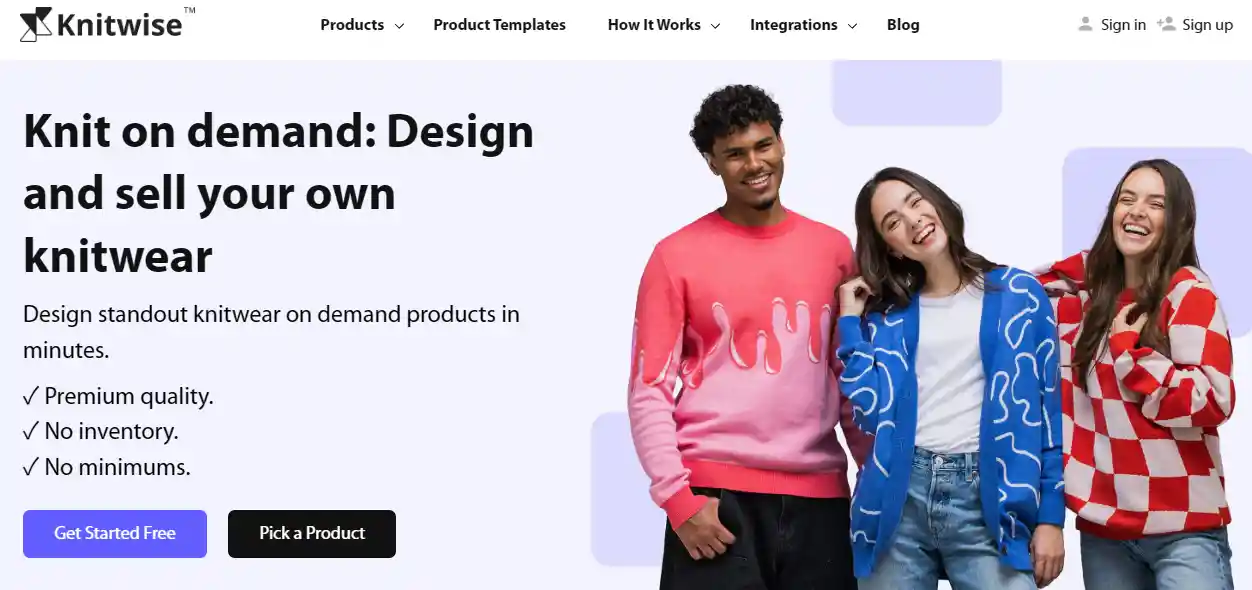
Knitwise is ideal for small brands and creators who want to test ideas quickly. It offers no minimum order, meaning you can order just one piece if needed.
Their design tool converts your artwork into knit-ready patterns, so you don't have to worry about complicated production steps. They also handle the knitting and shipping, making it easy to launch without inventory.
Wildemasche
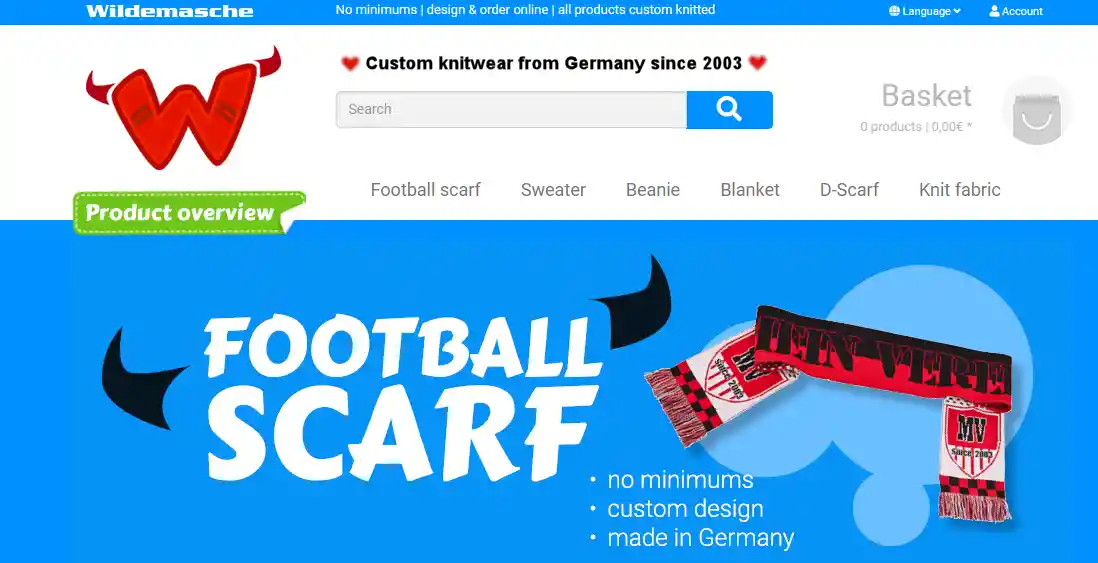
Wildemasche is perfect for single items or small batches. They provide a real-time preview of your sweater, so you know exactly what it will look like before production.
Orders usually take 2–3 weeks, which is fast for custom pieces. Wildemasche also allows adjustments in colors and trims, which is great if you want something unique but low-risk.
HKT Clothiers
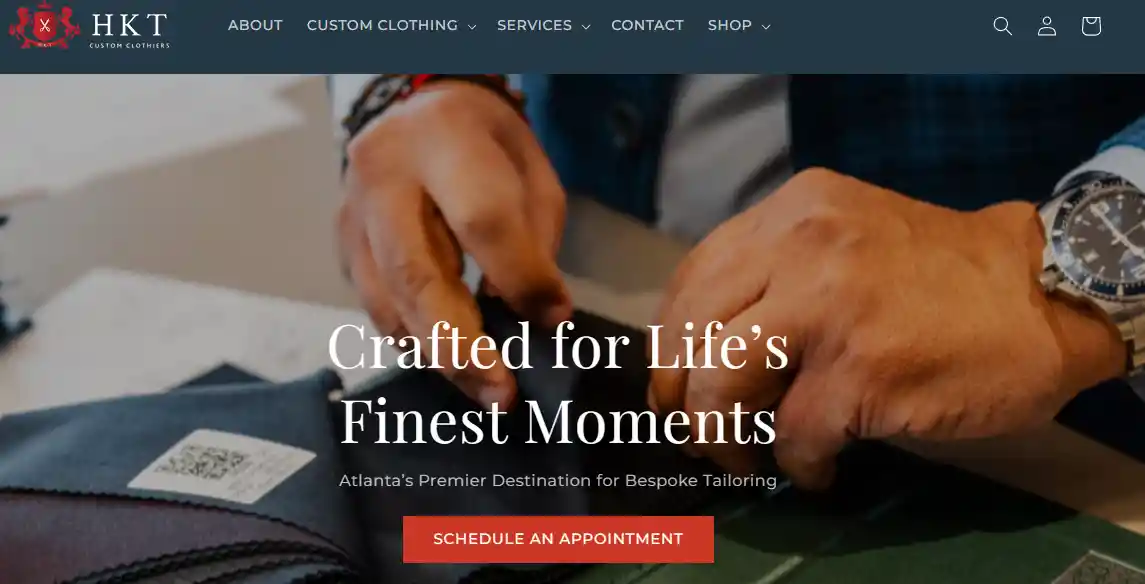
What makes HKT Clothiers stand out? Fit. Every sweater is made to exact measurements. No guessing, no one‑size‑fits‑all.
Combined with premium yarns like merino and cashmere, the result is knitwear that looks polished and feels like it was made just for you. Because it was.
Knitup
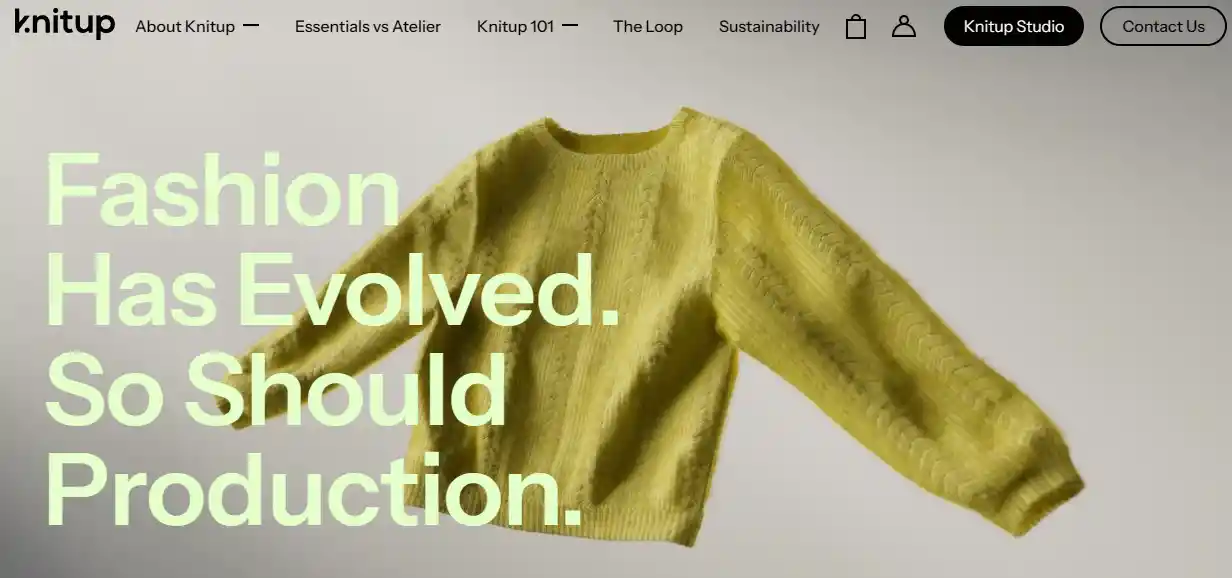
Knitup gives two clear options. Essentials is the fast track. Simple designs, quick turnaround—good for getting something out the door.
Atelier is for the hands-on type. More say in stitch patterns, silhouettes, and materials. Both live under one roof, so brands can switch between speed and detail as needed.
Hall Madden

Hall Madden is geared toward buyers who want a luxury feel. Their sweaters are made in Italy with merino wool and cashmere, and they use seamless 3D knitting for a cleaner fit.
Hall Madden emphasizes high-quality finishes, soft textures, and durability, making it ideal if you want a polished, professional look for your knitwear line.
40 Colori
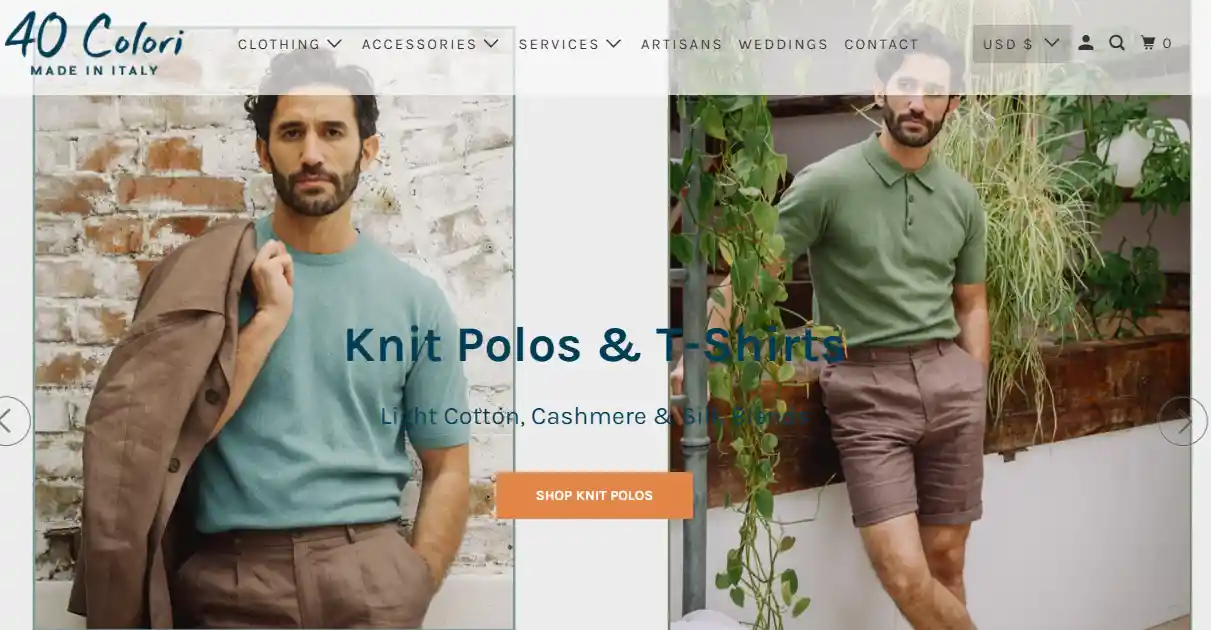
40 Colori offers made-to-measure options for both individuals and brands. You can start from base designs and adjust size, color, and yarn selection.
This is perfect if you want a personalized piece without building a design completely from scratch. They also support small batches, so you can test styles before committing to larger orders.
Knot Standard
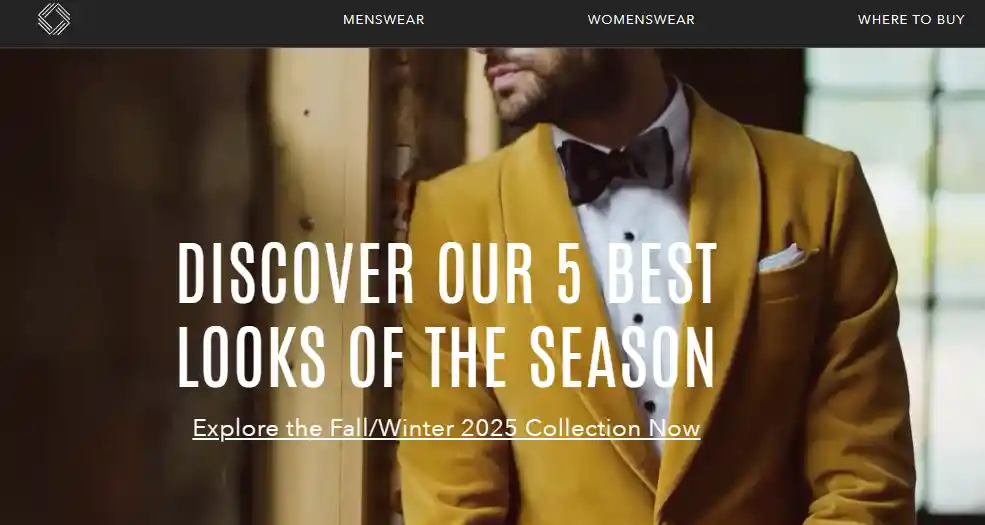
Knot Standard focuses on exact fit and hands-on service. They provide digital measuring tools and showroom appointments to ensure each piece is tailored to your body and preferences.
Buyers looking for precision, consistency, and professional support will find this approach very helpful.
Printful
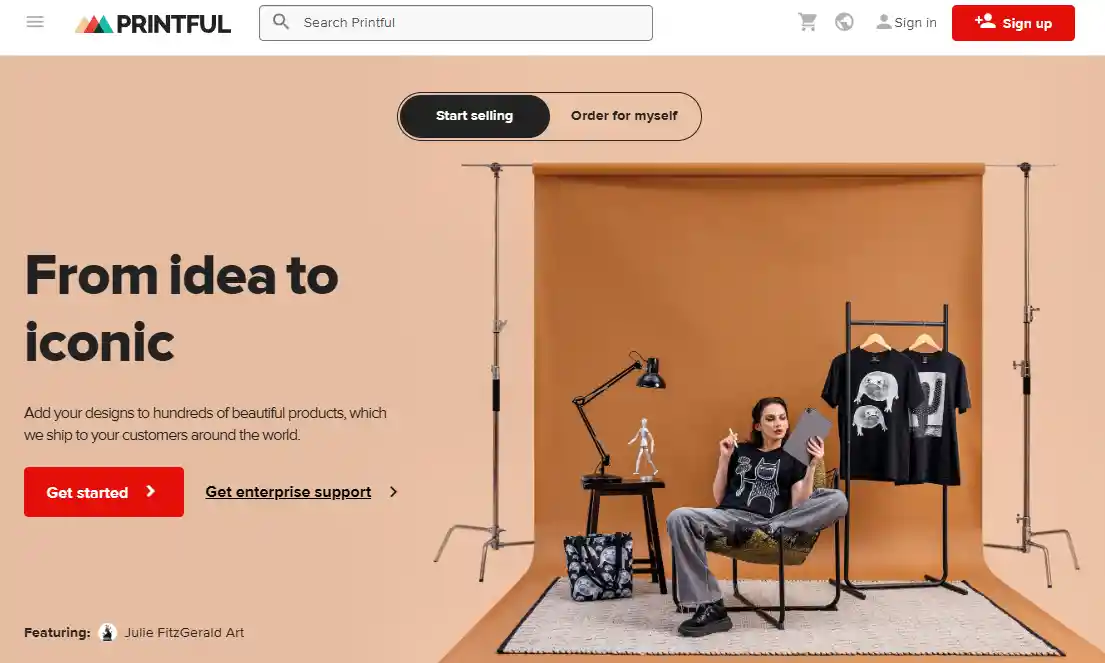
Printful does not require special equipment or a warehouse. Everything happens through their system. Design support helps new users get started without a steep learning curve. For online sellers expanding into knitwear, it removes a lot of the usual friction.
Conclusion
You now know how to make custom knitwear that actually fits your life. You learned how to choose fabrics, find the right maker, and handle the details.
The best part? You are in control. No more settling for what stores have left. You decide the fit, the feel, the finish.
Take your time. Ask questions. Order that first sample with confidence. Custom knitwear is not complicated. It just takes a little planning. And now, you have everything you need to start.

 Global Shipping
 Made in USA
 Free shipping