





So you think starting a podcast costs hundreds of dollars? Think again. You can learn how to start a podcast for free using just your phone and a simple idea. No fancy studio. No expensive mic. Just your voice, and something you actually enjoy talking about.
This guide skips the fluff and shows you exactly what works for beginners. Ready to turn your thoughts into episodes people actually listen to? Let's go.
How to Choose a Podcast Topic Right for You
You're right—let's go a bit deeper while keeping it easy to read. Here's how to choose a podcast topic that truly fits you:
- Find the "sweet spot" between passion and problem. What do you love and know how to help others with? For example, instead of "movies," try "how to find hidden gems on streaming apps."
- Narrow your focus until it stings. "Fitness" is too broad. "Quick workouts for busy students" gives you a loyal audience fast.
- Check the competition without fear. Search Apple Podcasts for your idea. If there are 10+ similar shows, that's a good sign—it proves demand. Just add your unique spin.
The #1 mistake beginners make? Picking a topic they "should" do. Ignore that. Your true curiosity will fuel weekly episodes without burnout. Test your idea by explaining it out loud in 30 seconds. If you feel excited, lock it in.
How to Start a Podcast for Free Within 7 Steps
1. Choose a Specific Topic and Outline the First Episodes
Deciding on a clear, narrow topic early prevents the frustration of having nothing new to say after just a few episodes. It also makes the show easier for potential listeners to understand and remember.
- Identify a subject that aligns with personal strengths or frequent interests.
- Brainstorm ten episode concepts before selecting the best three to start with.
- Develop a brief outline listing the core points for each of those episodes.
- Target a runtime of 15–25 minutes per episode to avoid overwhelming both creator and audience.
Solid planning at this stage creates momentum that carries through the rest of the process.
2. Set Up Free Recording Equipment
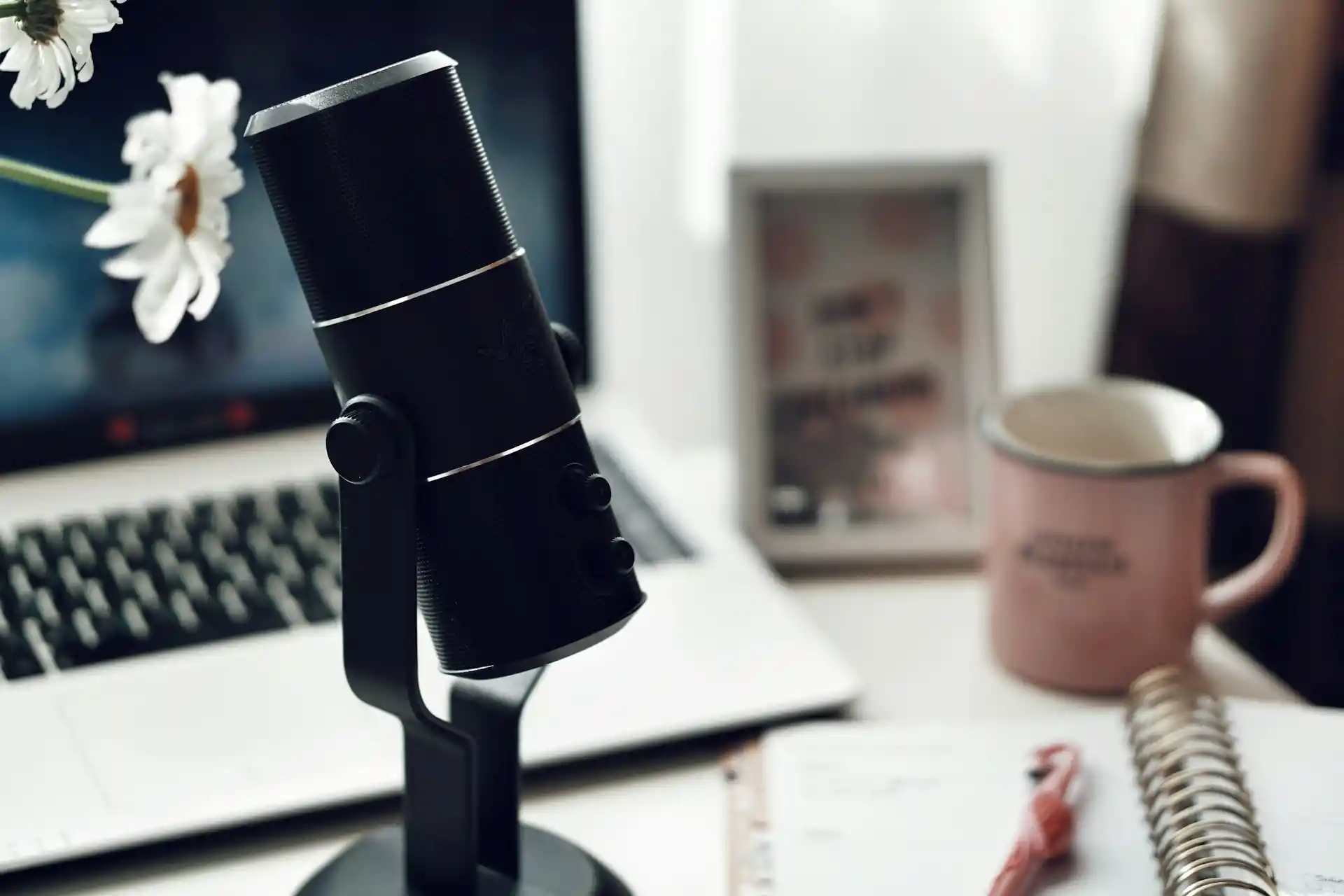
The recording setup relies on devices most people already own, with small tweaks that greatly affect sound clarity. Testing early avoids problems that are hard to fix later.
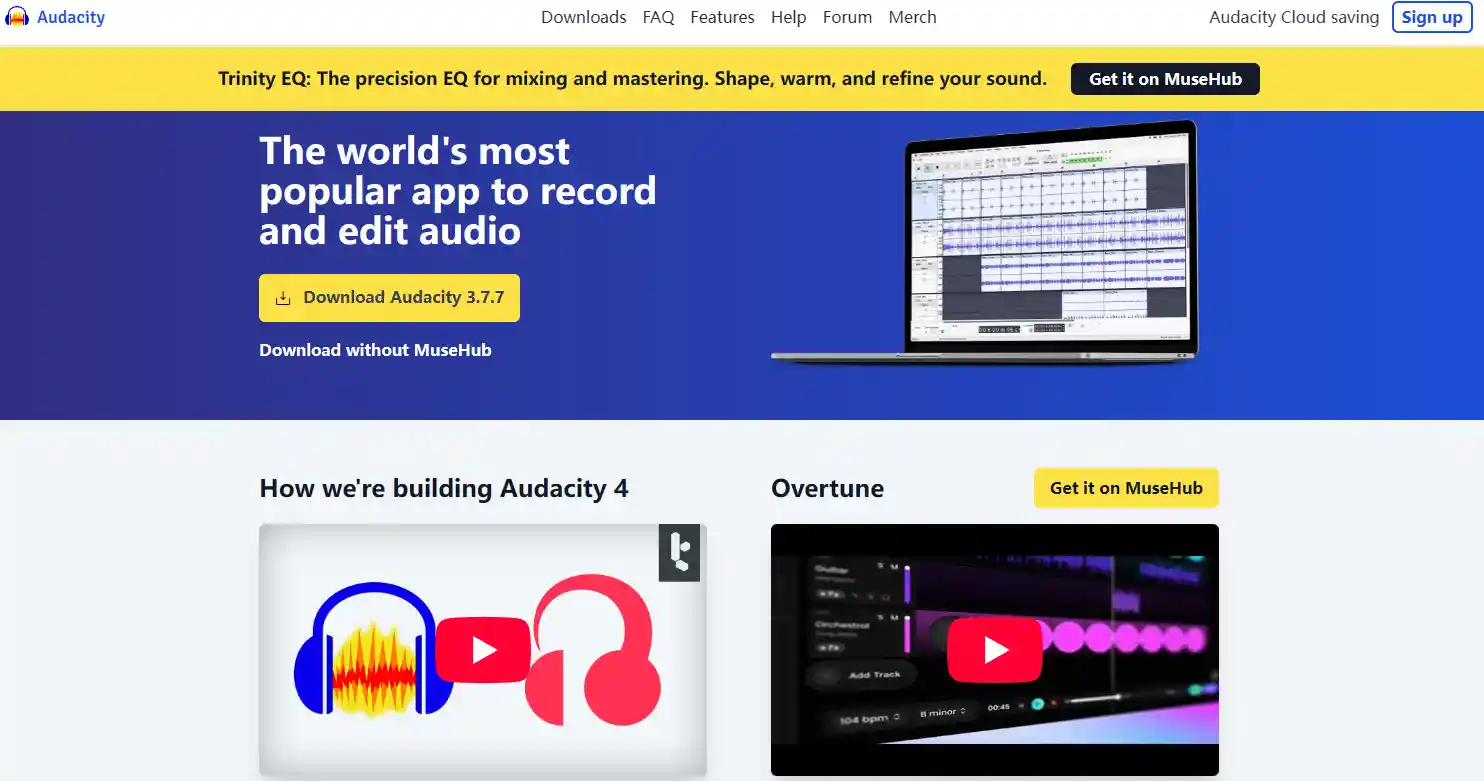
- Choose between the phone's voice memo app or the free Audacity software on a computer.
- Select a calm location and reduce echo using household items like blankets.
- Position the mic roughly 6 to 10 inches away and check speaking volume.
- Make a quick test recording and listen critically for any background interference.
These small preparations lead to cleaner audio without any additional purchases.
3. Record the Actual Episode
The recording phase benefits from following the outline while allowing a natural speaking style. Minor mistakes can be handled efficiently without restarting the whole session.
- Talk in a conversational tone and refer to the outline to maintain direction.
- Fix errors by pausing briefly and repeating only the affected sentence.
- Keep a comfortable pace that feels clear rather than rushed.
- Name and save the file right after stopping to stay organized.
This step often proves more enjoyable than many beginners anticipate once they begin speaking.
4. Edit the Audio File
Editing improves the listening experience by removing distractions and tightening the overall pace. Free tools provide all the necessary functions for a clean result.
- Open the recording in Audacity and delete extended silent sections at the beginning and end.
- Cut out significant mistakes and repetitive filler sounds.
- Use light noise reduction when needed to clean up minor background hum.
- Save the final file as an MP3 at a bitrate of 128 kbps or more.
Focused editing keeps the episode sounding natural while sounding more polished.
5. Design Simple Cover Art and Write Episode Notes
Attractive cover art and informative notes help the podcast stand out among thousands of other shows. Both can be prepared quickly with no-cost online resources.
- Build the cover using Canva templates sized at least 1400 by 1400 pixels.
- Choose clear fonts and a color scheme that reflects the podcast's identity.
- Compose a short summary paragraph and list three to five important takeaways.
- Add any useful links referenced during the episode.
These details support the audio and encourage more people to give the show a chance.
6. Upload the Episode to a Free Hosting Platform
Free hosting platforms manage file storage and generate the RSS feed that makes the podcast discoverable across apps. The interface on most beginner platforms is straightforward.
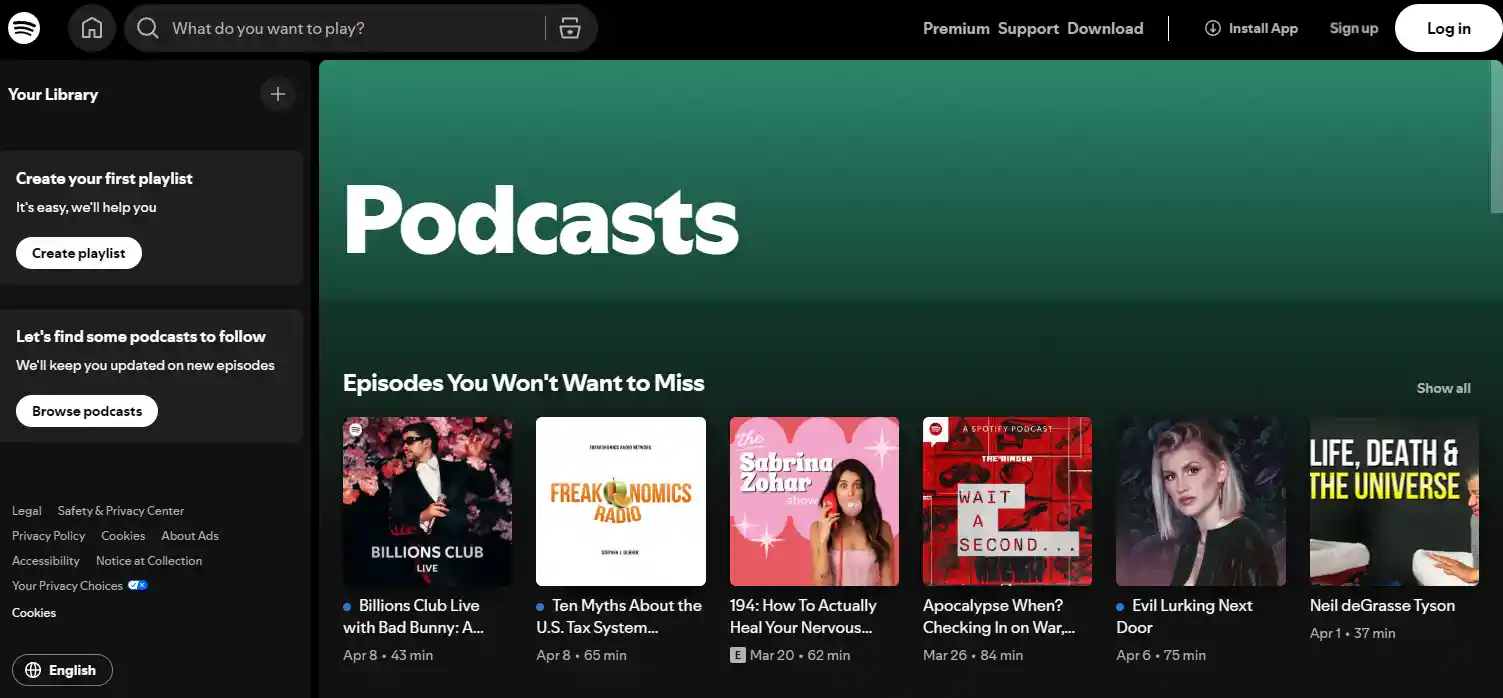
- Sign up with a service such as Spotify for Creators, RedCircle, or Podbean free plan.
- Input essential podcast information including name and category.
- Upload the edited audio file along with cover art and notes.
- Publish the episode and keep the provided RSS feed link handy.
Hosting takes care of the technical backbone so creators can concentrate on future episodes.
7. Submit the Podcast to Major Listening Apps
Submitting to major apps increases visibility and allows the first audience to find the show easily. The process is simple after the host has activated the feed.
- Use Apple Podcasts' podcasters portal to submit the RSS feed.
- Claim the show manually or automatically on Spotify.
- Include the podcast in other directories like Google Podcasts as needed.
- Promote the new episode link through personal contacts or social channels.
Publication on these platforms often comes quickly and provides real motivation to continue producing episodes.
How to Test a Podcast Idea Before Launching
Check Existing Demand With Real Searches
Type your topic into YouTube or Spotify. Look for shows updated within the last month. Pay attention to what listeners complain about in the comments.
Example: For a "study tips" podcast, comments like "these methods don't work for ADHD students" signal an unfilled need. If you find zero active shows, the market might be too small.
Analyze Three Competitors For Gaps
Pick 3 similar podcasts. Write down: their main angle, their audience, and what negative comments repeat.
Example: If all three interview experts but listeners say "too long, just give me a summary," your gap is short, practical solo episodes.
Run The 10-Idea Test Properly
Take a real topic, like "budget cooking." Try writing 10 episode titles: "5 meals under $5," "using leftovers," "cheap protein sources."
If you get stuck after 6 ideas, your topic is too narrow for a long-running show. If ideas flow easily and feel different, you have sustainable depth.
Lock In Your Unique Angle
Fill this blank: This podcast helps [specific group] with [specific problem] by [specific way].
Example: "Busy parents cook healthy dinners in under 20 minutes."
If you can't finish the sentence without sounding like another show, go back to step 2. A clear angle is the difference between being ignored and being chosen.
What Equipment Do You Need to Start a Podcast?
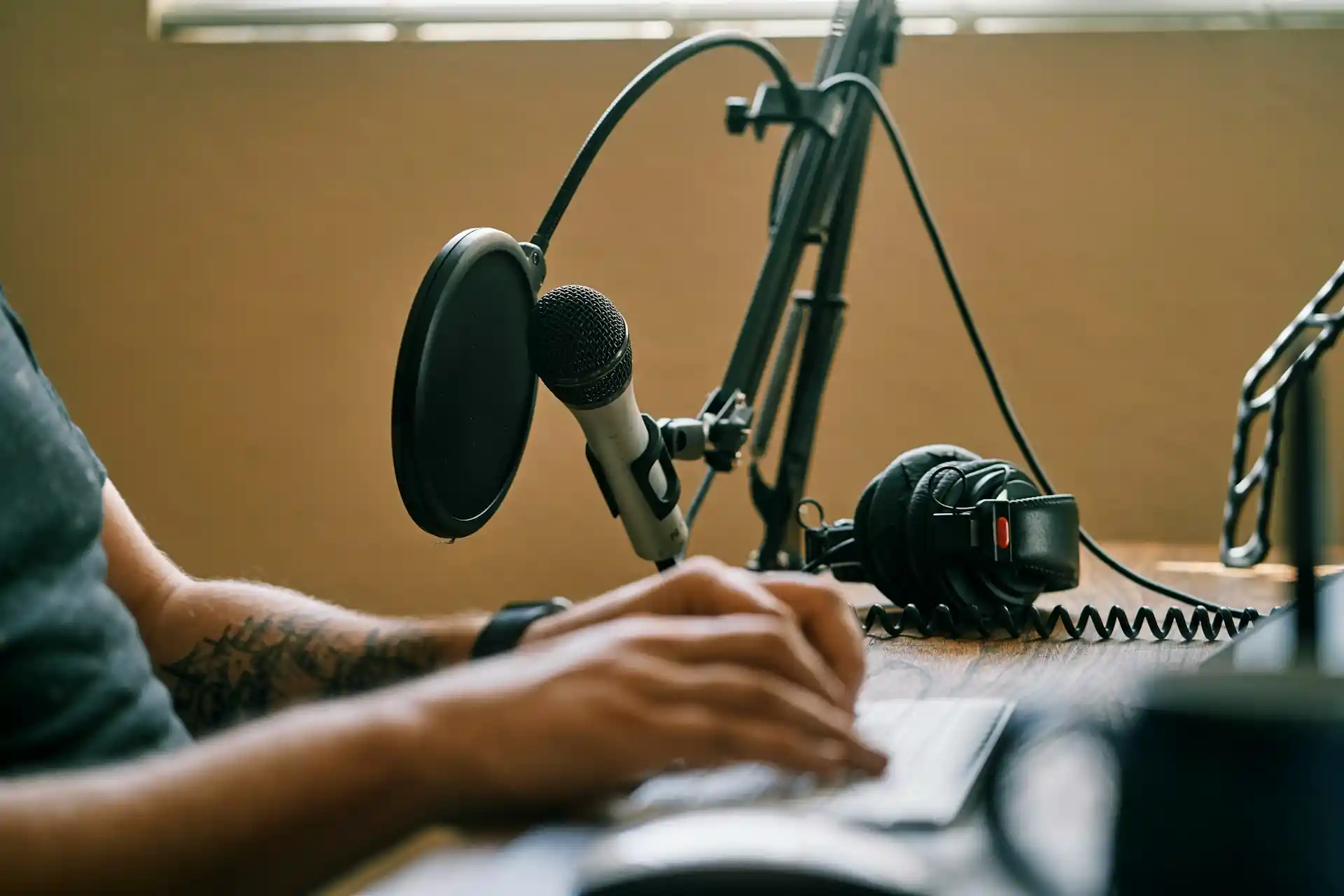
Don't need a fancy studio. Most beginners already own what works.
Your smartphone is enough. Modern phones record clean audio. Just place it on a soft surface to reduce vibration. Avoid empty rooms with echoes – a closet full of clothes works great.
A cheap mic helps, but skip it for now. Start with your phone's voice memo app. If you love podcasting after 5 episodes, buy a $20–$30 USB mic like the Samson Q2U or Fifine.
Headphones stop weird echoes. Any earbuds will do. They let you hear if your room sounds too hollow.
Free software handles the rest. Use Audacity or GarageBand. Both let you cut mistakes and add intro music.
Good content matters more than gear. Hit record with what you have today.
How to Make Money Through Podcasting
You don't need millions of downloads to earn your first dollar. Try these three realistic methods.
Affiliate links (easiest start). Recommend a product you already use, like a mic or editing tool. Share a special link in your show notes. You earn a small commission when someone buys. Amazon Associates and Libsyn have free programs.
Listener support. Platforms like Buy Me a Coffee let fans tip you directly. Mention it once per episode – no begging. A loyal group of 50 listeners can easily cover your hosting costs.
Your own simple offer. Sell a one-page checklist, a short guide, or 15-minute coaching calls. Keep it under $10. Your podcast becomes your best ad.
Skip the big sponsor deals for now. Brands want thousands of listens. Focus on small, steady money first. Start with one method and add others as you grow.
Read More:
Expert Tips
You've just learned how to start a podcast for free. No expensive gear, no waiting for the right time. The truth is, your first episode won't be perfect. And that's totally fine.
Every podcaster you love started messy. What matters is hitting record and showing up. Pick your topic, test it with a few simple posts, and use your phone as your mic.
You already have everything you need. So stop overthinking. Record that two-minute intro today. Your future listeners are waiting.
FAQs
Can anyone start a podcast for free?
Absolutely. Starting a podcast for free is possible for anyone. You only need a phone or laptop and some quiet time. Free tools like Audacity make the whole process easy.
How long should my podcast episodes be?
Beginners should aim for 15 to 25 minutes per episode. Shorter episodes are easier to create and keep listeners engaged from start to finish.
How often should I release my podcast episodes?
Releasing one episode every week is a great starting point. It keeps you consistent without feeling overwhelmed. You can always add more later as you improve.
How much does a podcast with 1,000 listeners make?
It depends on how you earn money. With 1,000 listeners, many podcasters make between $30 and $250 monthly at the beginning through small donations and affiliate links.
Should you add your podcast to YouTube?
Adding your podcast to YouTube can help a lot. It brings in new listeners who like video format. Just upload your audio file with a static image or simple video.



 Global Shipping