





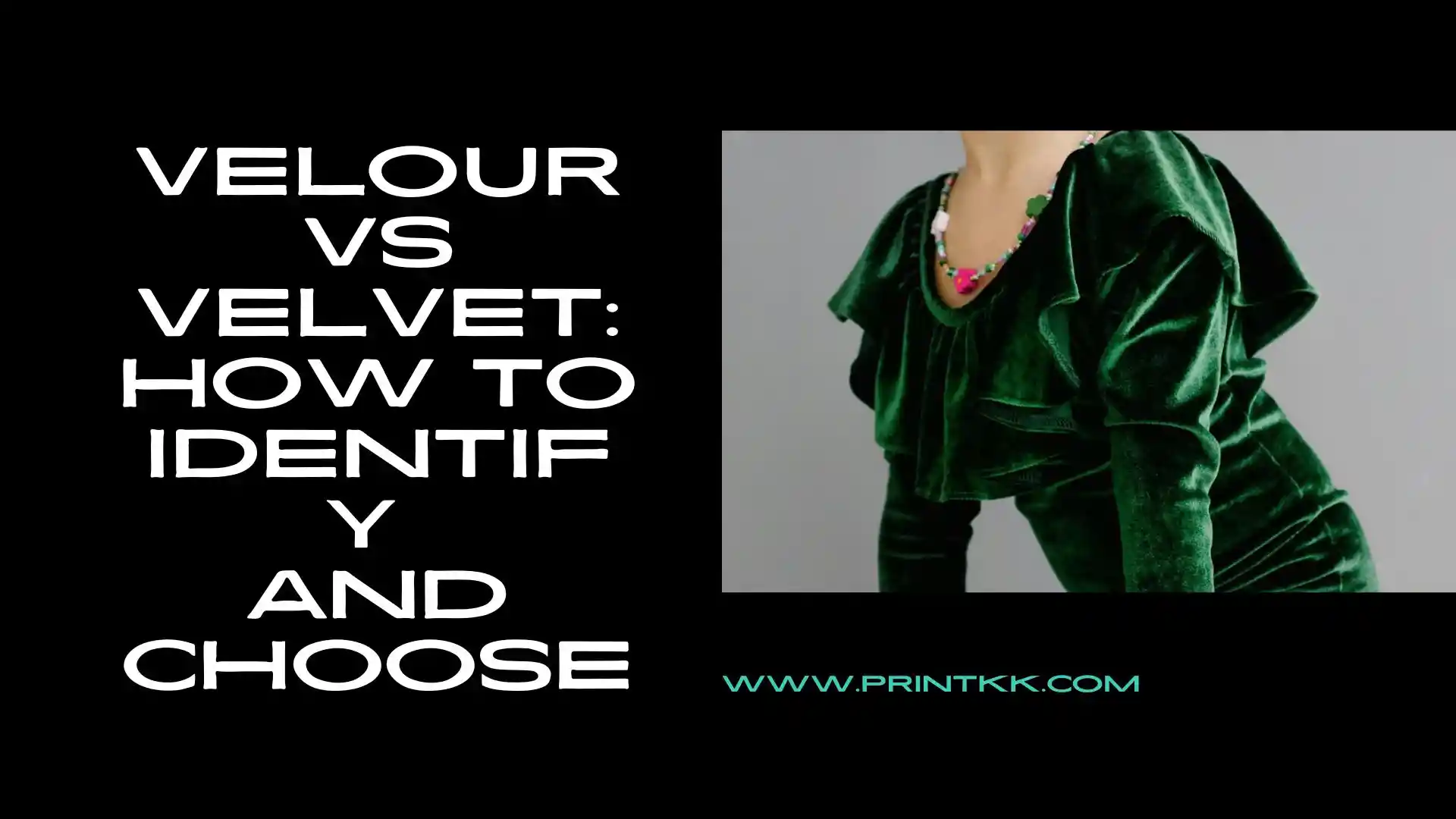
When you think about velour vs velvet, it's easy to get confused. Both feel soft and look luxurious, but they are different.
Velour is plush, stretchy, and perfect if you want comfortable, everyday clothes or cozy loungewear. Velvet is denser and shinier, ideal for elegant outfits or special occasions.
In this guide, you'll learn how to tell them apart and pick the right fabric for your style.
What Is Velour?
Velour is a soft, stretchy fabric that feels plush against your skin. Unlike velvet, it usually has a knitted base, which makes it more flexible and comfortable for movement. You will see velour used in tracksuits, hoodies, and loungewear because it combines softness with stretch.
The texture of velour gives it a casual and cozy vibe. It can also appear slightly shiny depending on the fiber, often made from cotton, polyester, or blends. When you pick velour, notice how it moves with your body and keeps its shape after wear.
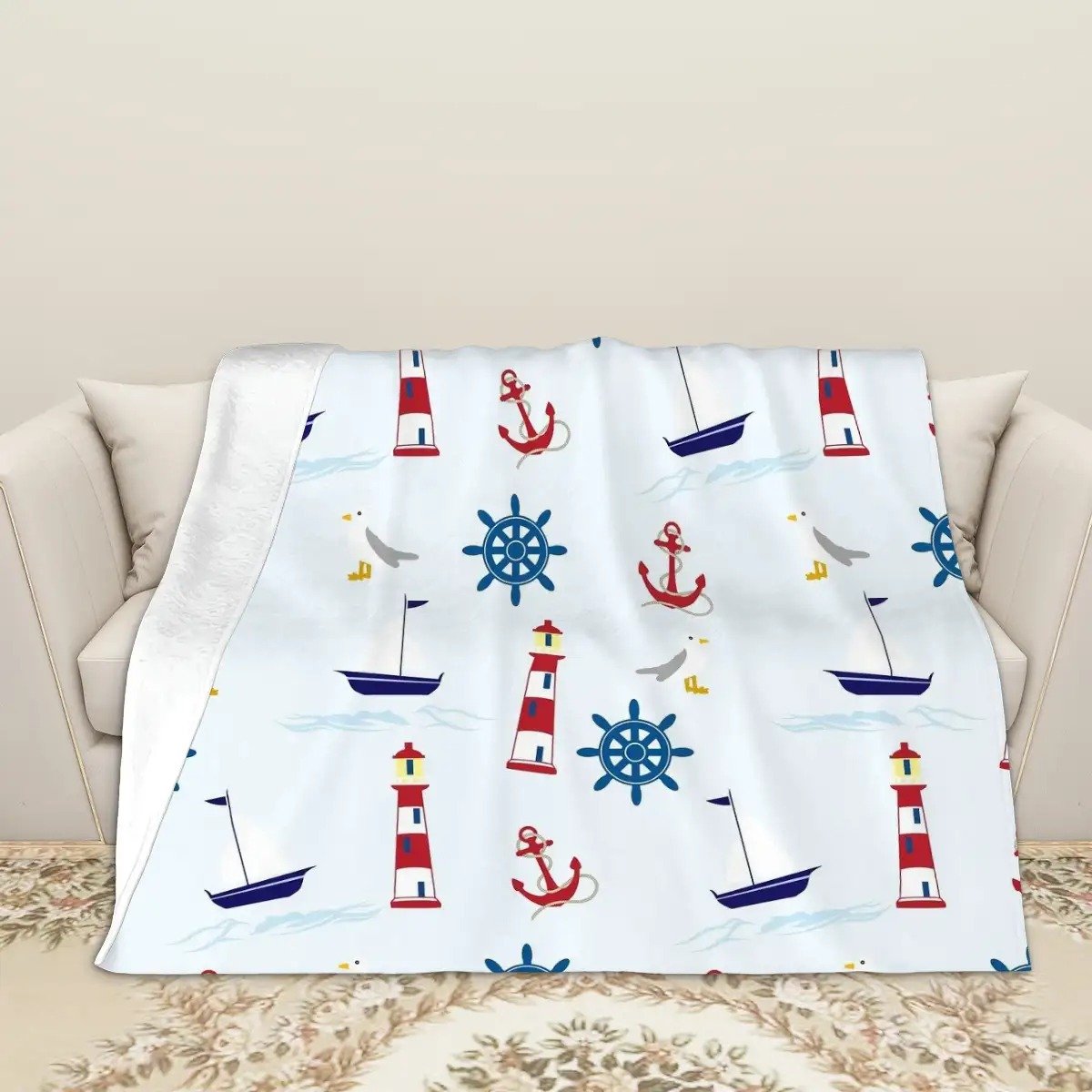
Velour works well for garments or items where comfort is key. It can be used for home items like blankets and pillow covers or for casual outfits where you want a relaxed, plush feel.
What Is Velvet?
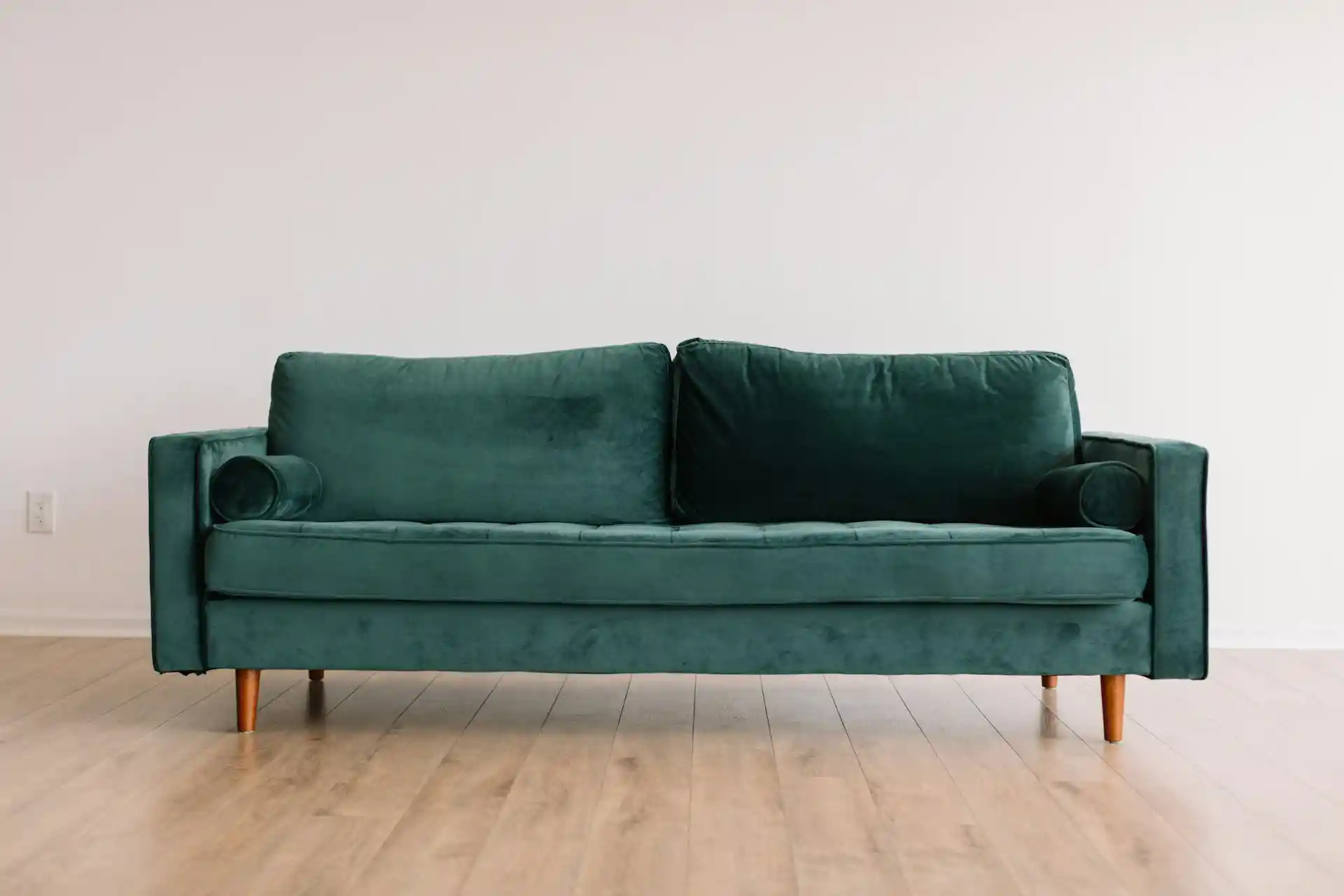
Velvet is a luxurious fabric with a dense, soft pile. You will notice how it catches light and changes color slightly when you move it. This texture gives your clothing or home items a rich, high-end appearance.
Velvet is not limited to silk; it can be made from cotton, polyester, or blends, which affects both feel and care.
Velvet works well when you want elegant drape and depth in color. You will see it in evening dresses, blazers, or curtains. Its smooth surface makes it feel formal, and the thickness gives structure to garments and decorative items.
Choosing the right fiber type can help balance appearance, comfort, and durability.
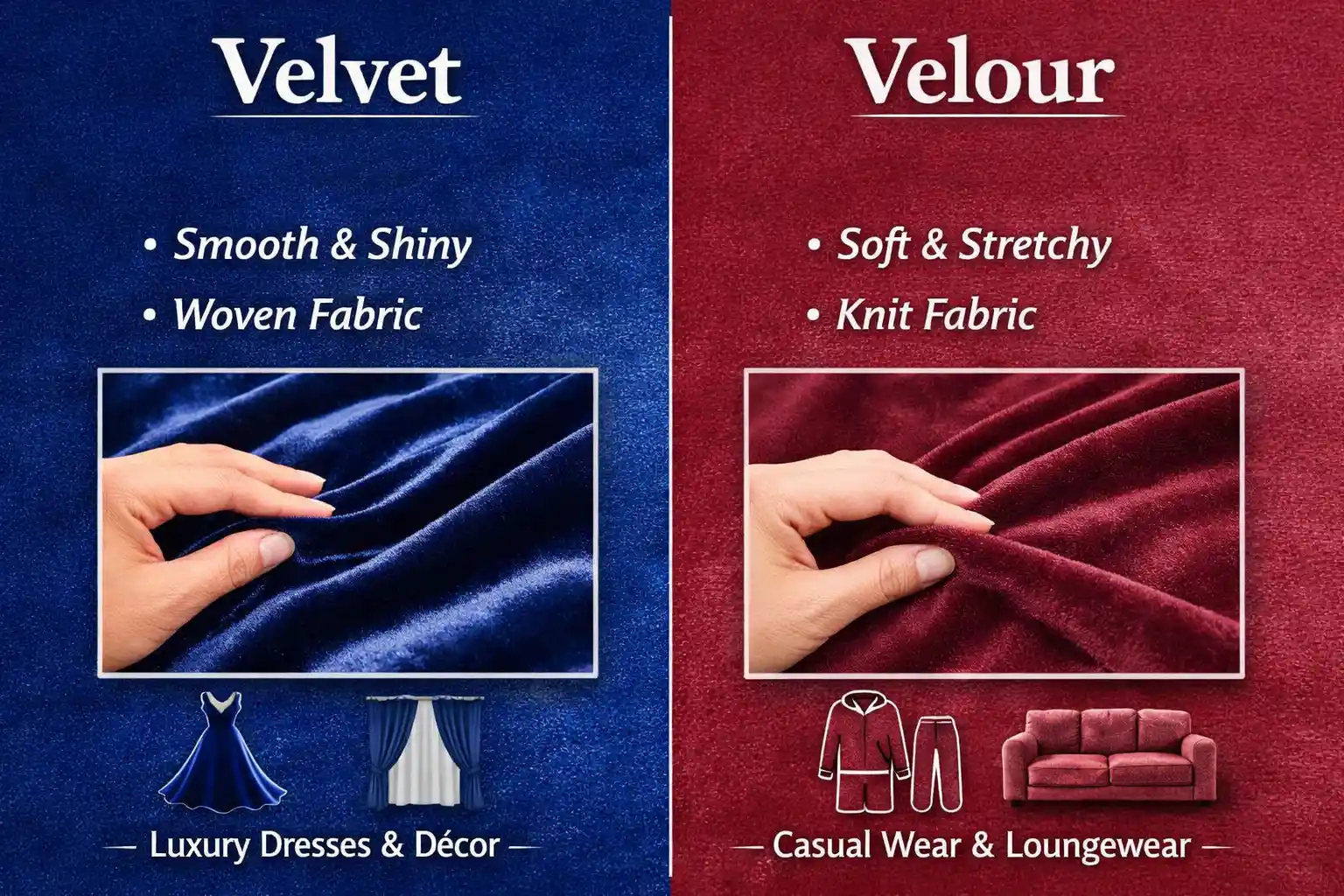
Velvet vs Velour: When to Use Each
Velvet
- Evening and formal wear: Use velvet for dresses, blazers, or jackets when you want a luxurious and elegant look. It drapes beautifully and gives your outfit a rich, high-end appearance.
- Interior decor: Velvet works well for curtains, cushions, and decorative throws. Its dense, shiny pile adds depth to colors and makes rooms feel more sophisticated.
- Special occasions: Choose velvet for events where you want to stand out. Its texture and sheen create a premium feel that casual fabrics can't match.
Velour
- Casual clothing: Velour is perfect for hoodies, tracksuits, and lounge pants. Its soft, stretchy surface gives you comfort and ease of movement for daily wear.
- Home textiles: Use velour for blankets, pillow covers, or soft upholstery. Its plush texture makes these items cozy and inviting.
- Active or practical wear: Velour's flexibility and softness make it suitable for garments you wear frequently. It handles gentle washing well and maintains comfort over time.

Print on Demand Velvet Bordered Pillow Covers (Double-Sided Design) - Home Decor - PrintKK
Velour vs Velvet: Detailed Comparison
Fabric Structure
Velour
You feel the difference right away because velour starts as a knit fabric. Loops form during knitting, then get cut to make the soft pile. The knit base gives it built-in stretch in all directions. This structure makes pieces hug your body without restricting movement.
Velvet
You see velvet's luxury comes from weaving. Two layers weave together at once, then a blade cuts them apart down the middle. The woven foundation stays firm with almost no stretch. That tight weave creates the dense, even pile you associate with high-end looks.
Appearance and Shine
Velour
You notice velour has a softer, more matte finish. Light spreads out across the short pile instead of bouncing back strongly. The subtle sheen changes little when you move, giving a calm, uniform color that works well for casual settings.
Velvet
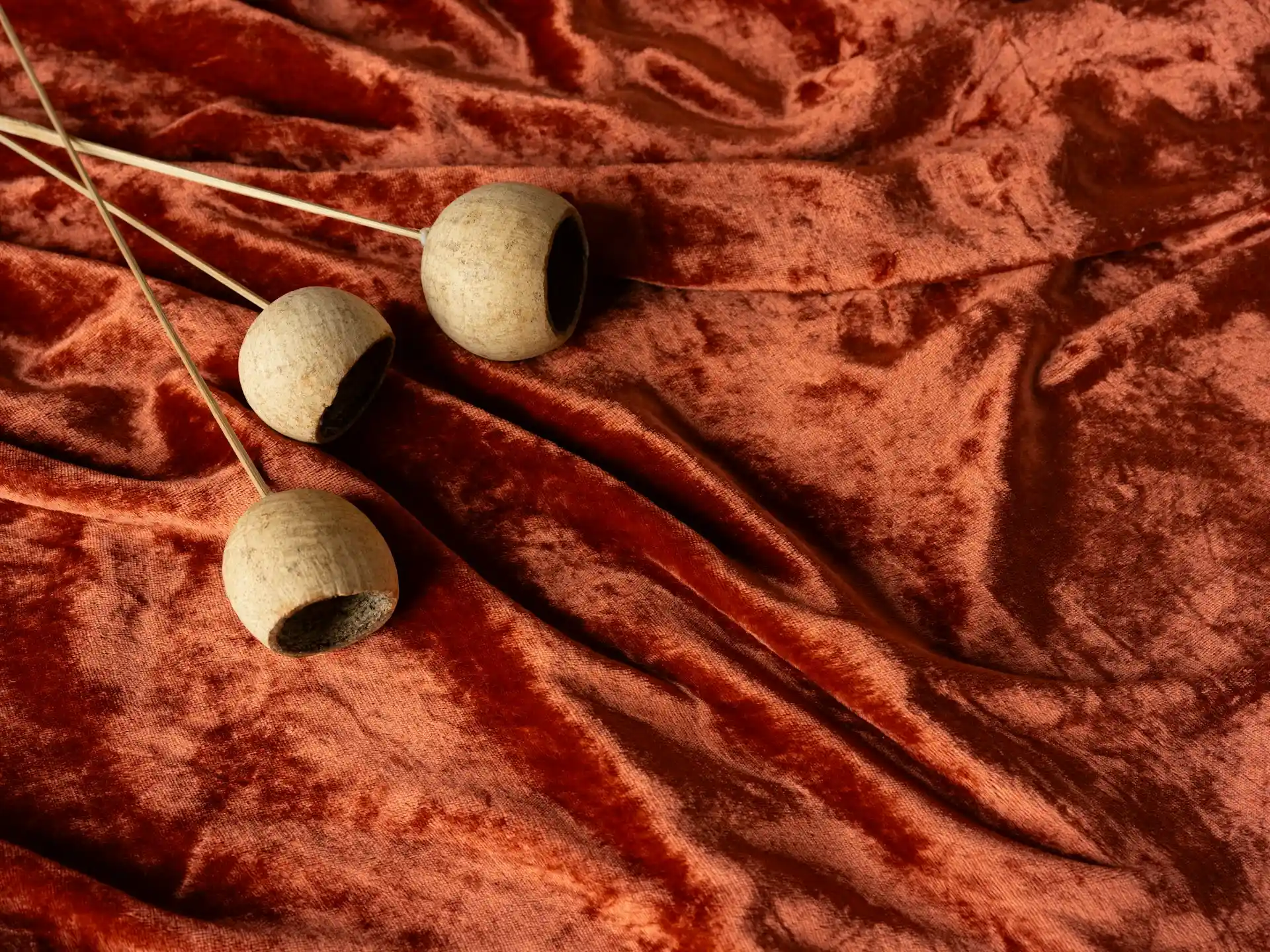
You catch velvet's signature glow from afar. The pile lies flat in one direction, reflecting light deeply. The dramatic shine shifts with every angle, making colors appear richer or darker. This play of light adds elegance to formal rooms or outfits.
Care and Durability
Velour
You handle velour easily in daily life. Most types go straight into the washing machine on gentle cycles. The synthetic blends resist wrinkles and hold shape after many wears. It stands up better to frequent use, spills, and quick cleanups.
Velvet
You treat velvet with more care to keep it looking new. Dry cleaning works best for most pieces, especially silk or rayon ones. The delicate pile crushes easily under weight or friction. It lasts longest on items you use gently or protect from heavy traffic.
Cost and Availability
Velour
You find velour at lower prices in most stores. Factories produce it quickly with polyester or cotton mixes. The affordable materials let you buy larger pieces like blankets or full tracksuits without spending much.
Velvet
You pay more for true velvet, especially silk versions. The complex weaving process takes time and skill. The premium fibers drive up costs, so you often see it in smaller accents or special garments rather than everyday basics.
How Velour and Velvet Behave When Printed
Pile Structure and Ink Behavior
Velour
You see velour's knitted base and short pile absorb ink in a forgiving way. The fibers take dye evenly without much resistance. Stretchy knit lets the print move with the fabric and stay clear even after pulling.
Velvet
You notice velvet's woven pile stands tall and dense. Ink sits more on the tips or sinks deep, depending on the method. Upright pile can soften fine lines as light shifts and hides small details.
Our Hands-On Printing Tests
We took small samples of velour and velvet in the same base color. First, we picked three designs: a detailed photo, smooth gradients, and a simple bold logo.
We tried common methods on each. For velour, dye-sublimation gave bright results that felt part of the fabric. DTG worked but looked flatter. Screen printing added thickness we noticed right away.
On velvet, dye-sublimation brought rich depth, though heat flattened the pile a bit. Screen printing held bold colors well. DTG struggled more, with some fuzziness in details.
We washed the samples several times. Sublimation on velour held strong without fade. Velvet prints stayed good but needed gentle care to keep the texture.
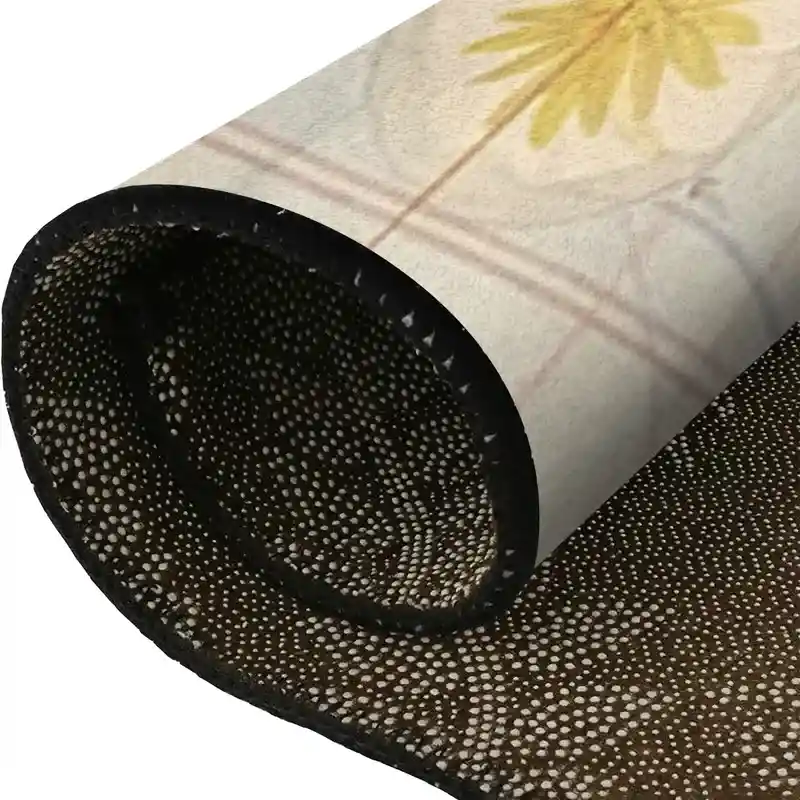
Print on Demand Multiple Sizes Crystal Velvet Round Area Rug - Home Decor - PrintKK
Color and Detail Results
Velour
You get vibrant, even colors on velour that look consistent from any angle. Gradients flow smooth. Matte finish keeps prints practical and less reflective for casual items.
Velvet
You find velvet shows deep, shifting tones that add luxury. High-detail photos lose some sharpness in the pile. Light-catching sheen makes bold designs stand out but can mute subtle shades.
Practical Printing Advice
You choose dye-sublimation for velour when you want lasting bright prints on synthetic types. It bonds deep and handles washes well.
For velvet, screen printing suits simple strong patterns. Use dye-sublimation on poly-based velvet for better color depth.
Boost details by picking bolder contrasts over tiny lines. Test gradients on samples first.
Wash printed pieces gently in cold water. Avoid rough rubbing to protect the pile and colors over time.
Eco-Friendly or Not? The Truth About Velour and Velvet
Common Fibers in These Fabrics
Velour
You find most velour today made from polyester or polyester blends. These synthetic fibers come from petroleum. Some brands use recycled polyester from plastic bottles, which cuts down on new plastic waste.
Velvet
You see velvet in many forms. High-end versions use silk or cotton. Cheaper ones rely on rayon, nylon, or polyester. A few makers offer organic cotton velvet or Tencel, a fiber from wood pulp.
Environmental Cost of Production
Velour
You face high water and energy use when polyester gets made for velour. Chemicals enter waterways during processing. The fabric does not break down in landfills, but recycled versions lower the harm.
Velvet
You deal with different impacts based on the fiber. Silk needs large amounts of water and land for mulberry trees. Cotton uses pesticides unless it is organic. Synthetic velvet shares the same petroleum and pollution issues as velour.
Durability and Long-Term Impact
Velour
You get good wear from velour in daily items. Machine-washable types last through many cycles. Longer use means you replace pieces less often, which helps the planet.
Velvet
You keep velvet longer on gentle items like curtains or special clothes. The pile can crush over time. Dry-clean chemicals add extra waste, but a well-made piece stays useful for years.
How to Choose Greener Options
You spot truly eco-friendly versions by checking labels carefully. Look for GOTS certified organic cotton, recycled polyester, or Tencel. Avoid cheap mixes that wear out fast.
I once bought a soft blanket labeled as velvet. It felt nice at first but pilled after a few washes and ended up in the trash quickly.
Now I read fiber content and pick items built to last, even if they cost more upfront. That choice reduces waste in the long run.
Read More:
Conclusion
Now you know the real differences in velour vs velvet. Choose velvet when you want that rich shine and elegant feel for special clothes or room decor. Go with velour when comfort, stretch, and easy care matter more for daily wear or cozy home items.
Both fabrics have their strengths. Pick based on how you plan to use the piece and how much upkeep you want. The right choice makes you happy with your buy every time you touch it.
FAQs
What does velour feel like?
Velour feels soft and plush with a gentle stretch. When you run your fingers across it, the fibers give a smooth, cozy sensation. It has a slightly textured surface that feels comfortable against your skin.
Is velour softer than velvet?
Velour usually feels softer and more flexible because it has a looser, stretchable pile. Velvet is denser and firmer, giving a structured, luxurious feel. Softness depends on the fiber type and quality of each fabric.
Does velvet look cheap?
Velvet generally does not look cheap. Its smooth, even pile and subtle shine create a rich appearance. Low-quality versions can appear flat or uneven, but proper velvet shows a sense of elegance and depth.
Is velvet more expensive than velour?
Velvet tends to cost more than velour because it is denser and often requires more precise production. The fabric's luxurious appearance and durability usually justify the higher price compared with casual, everyday velour.

 Global Shipping