





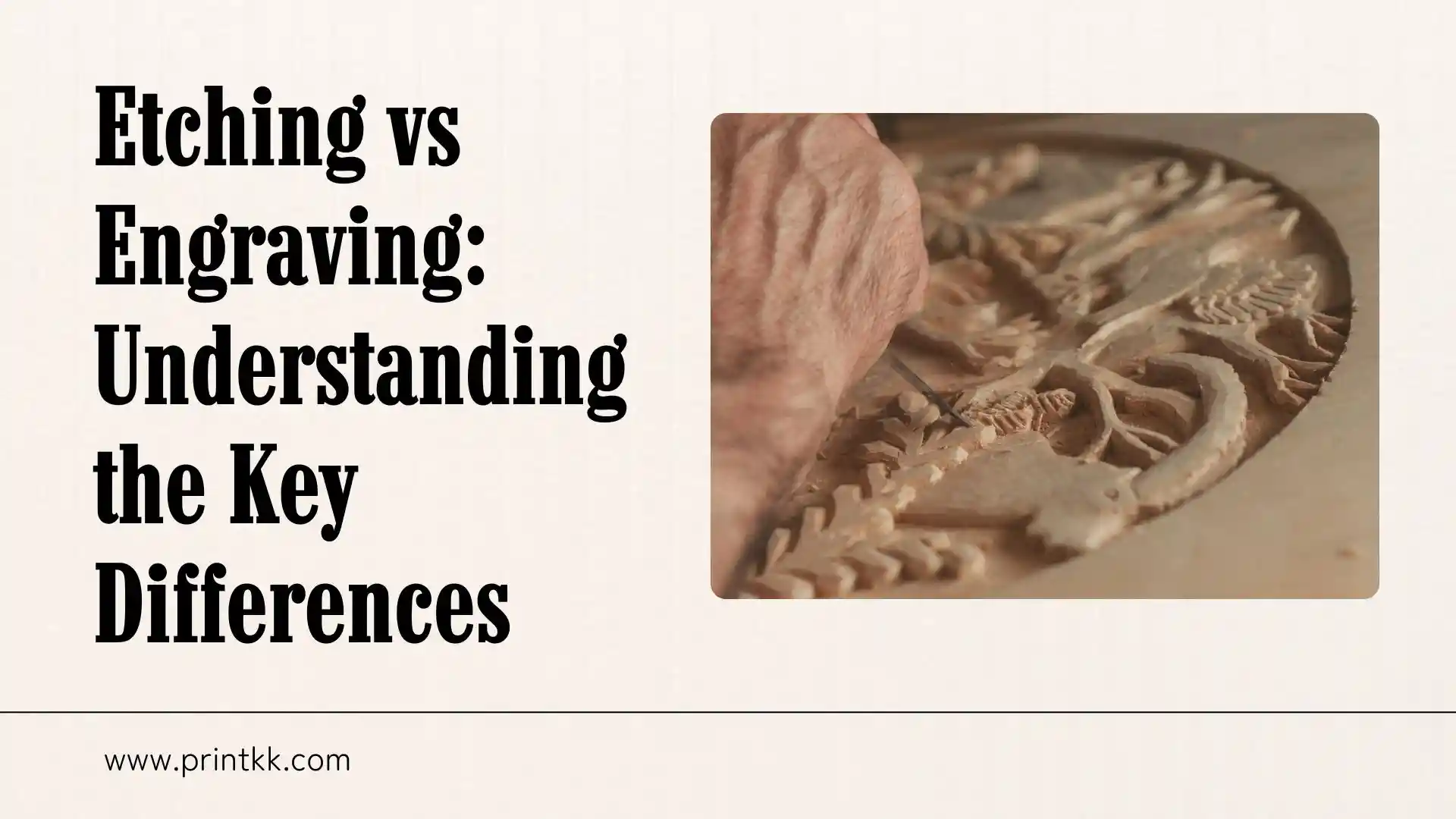
Perhaps you have noticed that some art are soft and moody, while others are sharp and super detailed. Often, this has to do with two old printing techniques: etching and engraving.
Both create amazing art pieces, though the outcome feels quite different. One leans toward gentle shading and atmosphere. The other delivers clean precision and bold contrast.
In this post we look closely at etching vs engraving so you can spot the differences yourself. Whether you're curious about art history or thinking of trying printmaking, these basics make everything click. Ready to explore?
What Is Engraving?
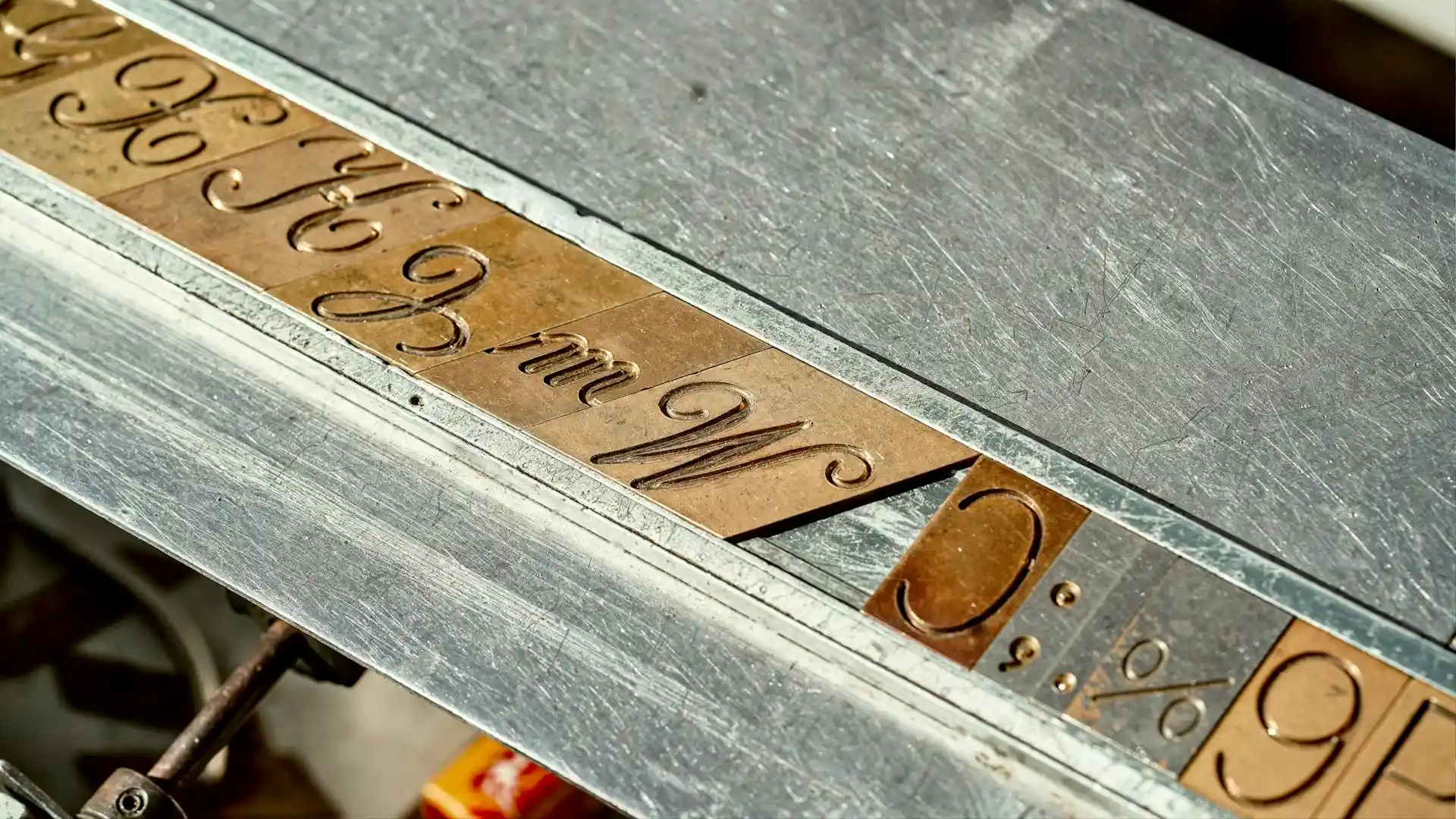
Engraving means cutting lines straight into metal with a tool called a burin.
The sharp burin digs into the copper plate and pushes the metal aside to create V-shaped channels of great precision.
By hand, the artist controls depth and width. Thin grooves print pale, while thick ones hold heavy ink for deep blacks and bold shadows.
Nothing chemical helps here. Every line reflects pure physical effort, giving prints tight, crisp detail that stays sharp over repeated pressings.
This technique produces marks that feel controlled and architectural, suiting images needing clear structure and fine precision more than loose, atmospheric effects.
What Is Etching?
Etching is a printmaking method where acid does most of the work instead of your hand cutting directly into metal.
You coat a metal plate with a thin acid-resistant ground, then scratch your design through it with a needle—wherever metal shows, acid will bite.
Dip the plate in acid. It eats the exposed lines, creating smooth, slightly irregular grooves that hold ink differently than engraving's sharp cuts.
Want lighter areas? Brush on stop-out varnish to block the acid, then dip again for deeper lines elsewhere. This builds real range in tone and texture.
Wipe off the ground, ink the grooves, and press. You end up with soft edges and rich shading, producing a more painterly feel that engraving rarely matches.
Etching vs Engraving: Key Differences Explained
Process
Etching
You cover a metal plate with a waxy ground that resists acid. Then you draw through the ground with a needle to expose the metal lines. Next, you dip the plate in acid, which bites into those exposed areas to create grooves.
The acid does most of the work, so you can make flowing, spontaneous lines that feel natural like drawing on paper. This method lets you experiment more freely without heavy physical effort.
Engraving
You take a sharp burin and push it directly into the metal plate by hand. Each cut removes metal and forms a clean groove right away.
You control every line through steady pressure and angle, which demands strong skill and patience. No chemicals get involved; the results come purely from your tool work and muscle control.
Line Quality
Etching
The lines often look softer with slight variations because acid eats the metal unevenly. You get fine, delicate details that can fade gently at the edges.
This creates a lighter, more atmospheric feel in the final print. Many artists pick etching when they want subtle shading or expressive strokes.
Engraving
The lines stay sharp and consistent from start to finish. They show clear swelling or tapering based on how you handle the burin.
You achieve precise, bold outlines with strong definition. This gives prints a crisp, controlled appearance that stands out in detailed work.
Skill and Control
Etching
You need less direct strength since the drawing stage resembles regular sketching. The acid handles depth, but you must manage timing and ground application carefully.
Beginners find it easier to start here and build confidence before trying harder techniques.
Engraving
You rely completely on hand-eye coordination and steady pressure for every mark. Mistakes are hard to fix once you cut too deep. This technique rewards years of practice and gives you total command over the final image.
Why Are Etching and Engraving Used Interchangeably?
Sometimes people get confused between the terms "etching" and "engraving," since both involve printmaking with lines cut into a surface. The two are often used interchangeably, whether inside art studios or outside them.
This confusion goes back a long time, when there wasn't a clear distinction between the two practices.
Both techniques are part of intaglio printmaking, where ink sits in grooves. Detailed line work on paper, sometimes with a raised appearance or a plate mark around the edges, is often called engraving, regardless of the exact process used. The terms became loose labels for similar-looking results.
The real difference shows in how the lines form. Engraving uses a burin to cut metal directly and leaves a clean burr.
Etching lets acid bite the lines, which can look softer. Still, most people do not notice or care about that detail when they talk about the finished print. That is why the words get swapped so often today.
What Is the Difference Between Laser Etching vs Laser Engraving?
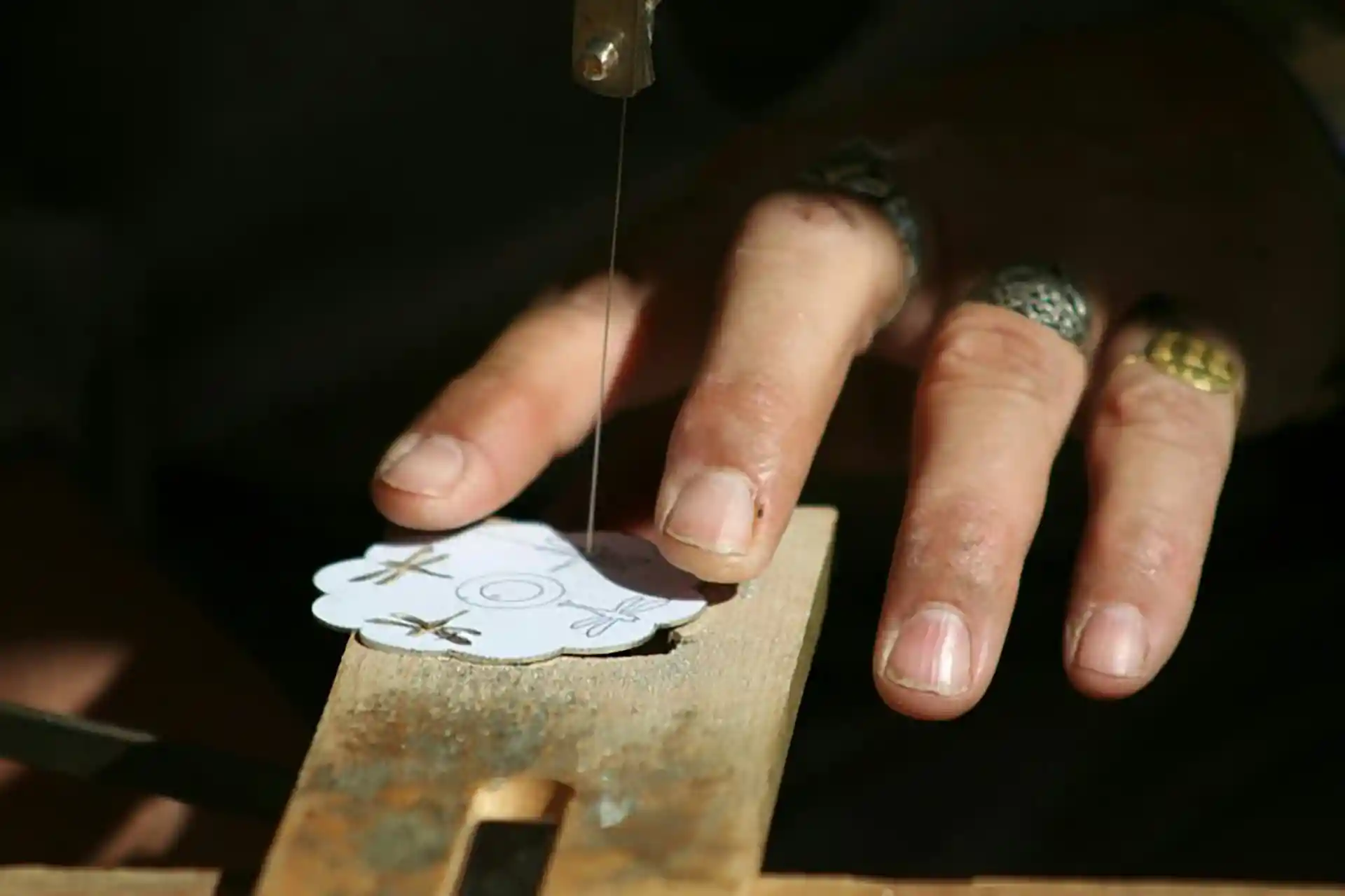
Laser etching and engraving are similar methods, as both methods use a laser to mark the surface, although in a different way.
Under laser etching, the top surface is exposed to heat. Here, color changes or very minor raised effects are seen. In this method, a shallow and smooth detail is created quickly. This method can be used on plastics, glass, and metals.
Laser engraving, on the other hand, cuts the material by burning it in order to leave a deeper engraving. This feels more indented and lasts longer. This can be used for wooden designs, bare metals, thick acrylics, and the like.
Etching looks flat, or shallow. Engraving looks more defined, almost as if there are real depths involved. The decision depends on the material and the length of time involved.
Feature | Laser Etching | Laser Engraving |
Depth | Shallow | Deep |
Appearance | Smooth, light mark | Textured, visible depth |
Speed | Faster | Slower |
Materials | Plastic, glass, coated metal | Wood, metal, thick acrylic |
Durability | Less permanent | More permanent |
Suitable Products for Etching and Engraving
Metals
Etching works well on metals like aluminum, brass, and coated stainless steel. It creates shallow, subtle designs by removing thin layers or using chemicals. The marks stay even and look clean on smooth surfaces.
Engraving suits the same metals but cuts deeper. You remove more material with tools or lasers, so lines feel raised and last longer under wear. It gives bold, permanent results on jewelry, plaques, and tools.
Wood
Engraving works well with wood by creating deep cuts that highlight texture, shadows, and details. It can be used for signs, boxes, and decorative items, particularly using a laser or by hand.
Etching on wood can be done, but the color will remain light. It simply marks the surface and doesn't have much depth, producing a soft, subtle look.
Print on Demand TV Trays with Storage Rack - Home Decor - PrintKK
Glass and Acrylic
Etching is the best option for glass or acrylic since it lightly frosts the material for smooth designs such as logos or text in an elegant pattern without deep cuts.
Engraving adds more texture and depth, removing material for a raised effect. It requires skill and precision to prevent cracks and works well when a bolder look is desired.
Plastic and Coated Materials
Etching handles plastics and coated surfaces well, creating visible marks without melting or warping thin items. The process keeps details sharp on keychains, panels, or cases.
Engraving cuts deeper into thicker plastics or coated pieces, producing durable, tactile lines that resist rubbing off. Choose based on how much strength and depth the final product needs.
Conclusion
You now know the real differences in etching vs engraving.
Both methods create beautiful prints, but they suit different goals. Etching feels more atmospheric. Engraving looks sharp and controlled.
Pick the one that matches the look you want.
Either way, you end up with lasting art you can feel proud of. Keep experimenting—your next print could be your best one yet.
FAQs
Which is better, etching or engraving?
Neither one is better overall. Etching gives you soft, flowing lines and is easier to start with. Engraving creates very sharp, strong lines that last a long time. Choose the one that matches the look you want.
Is etching cheaper than engraving?
Yes, etching is usually cheaper. You need less expensive tools and can make mistakes more easily. Engraving often requires high-quality sharp tools and takes more time to learn.
Which is better for glass, etching or engraving?
Etching is better for most glass projects. It creates smooth, frosted designs that look clean and even. Engraving on glass is possible but harder and can crack the material if you're not very careful.
Does laser etching wear off?
Normal laser etching on glass or metal almost never wears off with regular use. The mark is permanent because it changes the actual surface. Only very heavy scratching or strong chemicals can remove it.

 Global Shipping



 Made in USA
 Free shipping