





Starting a supplement brand is exciting. But finding reliable suppliers? That can feel tough. You want partners who ship fast, offer quality products, and help you grow.
That is where supplement dropshipping comes in. With the right partner, you skip the inventory headaches and focus on building your brand. This list shares 10 trusted dropshipping partners for startup brands. Each one is tested and ready to go.
Benefits of Dropshipping Supplements
Starting a supplement brand sounds expensive, but dropshipping changes the game. You don't need to buy hundreds of bottles upfront or rent a warehouse. That means lower risk and more room to experiment.
Here's what makes supplement dropshipping a smart move for startup brands:
- No inventory headaches – Your supplier stores and ships products. You just focus on marketing.
- Test products easily – Launch a new protein powder or vitamin gummy without committing to big orders.
- Higher profit margins – Supplements are lightweight and often sold at premium prices. Shipping costs stay low.
- Repeat customers – People buy vitamins monthly. Set up subscriptions and watch sales grow.
You also get to build a brand without dealing with FDA licenses or manufacturing headaches. Just pick reliable partners, add your label, and start selling.
Top Supplement Niches for Dropshipping by Profitability
Tier 1: Beginner-Friendly High-Demand Niches
These niches have steady daily searches. You do not need a big brand or expensive ads to start. Customers already know what they want.
Sleep & Stress Support
Many people cannot sleep or feel stressed all the time. They look for natural options instead of prescription pills. These products often have repeat buyers because stress does not go away after one week.
Common products in this niche:
- Melatonin alternatives
- Magnesium glycinate
- Ashwagandha
- L-theanine blends
- Herbal sleep teas
Why it works for beginners:
You can start with just two or three products. Ashwagandha and magnesium glycinate sell well year-round. Herbal sleep teas are also popular in fall and winter.
General Wellness / Daily Vitamins
This is the largest and safest niche. People take these products every day. They run out and reorder often. You do not need to explain complicated benefits.
Common products in this niche:
- Multivitamins
- Vitamin D3 / C / Zinc
- Immune support blends
- Electrolyte powders
- Basic mineral complexes
Why it works for beginners:
Demand never drops. Vitamin C and zinc sell more during cold and flu season. Electrolyte powders sell well after summer workouts. You can mix and match without risk.
Gut Health / Digestive Support
Gut health is a growing concern. More people know that digestion affects sleep, skin, and mood. Once someone finds a probiotic that works for them, they buy the same brand again.
Common products in this niche:
- Probiotics
- Prebiotics
- Digestive enzymes
- Fiber supplements
- Gut balance formulas
Why it works for beginners:
Probiotics have high repeat purchase rates. Customers finish a 30-day bottle and order another. Fiber supplements are cheap to source but sell at good margins.
Tier 2: High-Volume Competitive Niches
These niches bring many sales every month. But many other stores sell the same products. You need better prices, faster shipping, or smart marketing to win.
Fitness & Performance Supplements
Gym goers and athletes buy these products on repeat. They compare prices across stores. If your price is even one dollar lower, they switch to you. But they also expect high quality.
Common products in this niche:
- Whey protein
- Plant-based protein
- Creatine monohydrate
- Pre-workout formulas
- BCAA / EAA blends
- Post-workout recovery drinks
Why it is competitive:
Whey protein is heavy to ship. Pre-workout formulas have many cheap alternatives. To profit, focus on creatine monohydrate or plant-based protein. These have lower shipping weight and loyal buyers.
Weight Management Supplements
People looking to lose weight want quick results. They try one product, then another. This creates high turnover. But many weight management supplements make bold claims that get banned from ad platforms.
Common products in this niche:
- Fat burners
- Appetite suppressants
- Thermogenic blends
- Carb blockers
- Metabolism boosters
- Detox supplements
Why it is competitive:
Ads for fat burners and detox products are often rejected by Facebook or Google. You will need alternative marketing like email lists or influencer posts. Thermogenic blends and appetite suppressants are easier to advertise than fat burners.
Tier 3: Branding-Driven Long-Term Niches
These niches do not sell as fast at first. But customers who buy from you will stay for years. They care about trust, ingredients, and results, not just the lowest price.
Beauty Supplements
People spend money to look better. Beauty supplements promise stronger hair, clearer skin, and healthier nails. These customers want clean labels and visible results. They will pay more for a brand that feels premium.
Common products in this niche:
- Collagen peptides
- Biotin formulas
- Hair growth supplements
- Skin glow blends
- Nail strength vitamins
- Anti-aging antioxidant complexes
Why it works for long-term profit:
Collagen peptides have very high repeat purchase rates. A customer uses it for three months to see results, then buys again. Biotin and hair growth supplements are often bundled together for higher cart value.
Cognitive / Brain Support (Nootropics)
Students, remote workers, and older adults all want better focus and memory. This niche is still new, so there is less competition than fitness or weight loss. But you must educate your customers about what each ingredient does.
Common products in this niche:
- Omega-3 supplements
- Focus blends (caffeine + L-theanine)
- Ginkgo biloba
- Memory support formulas
- Stress-resistant adaptogens
- Brain energy boosters
Why it works for long-term profit:
Customers research nootropics before buying. If you provide clear, honest information, they trust you. Omega-3 and ginkgo biloba are well-known. Focus blends with caffeine and L-theanine sell well to young professionals. Once a customer finds a memory formula that works, they rarely switch brands.
10 Best Supplement Dropshipping Suppliers for Online Stores
Supliful
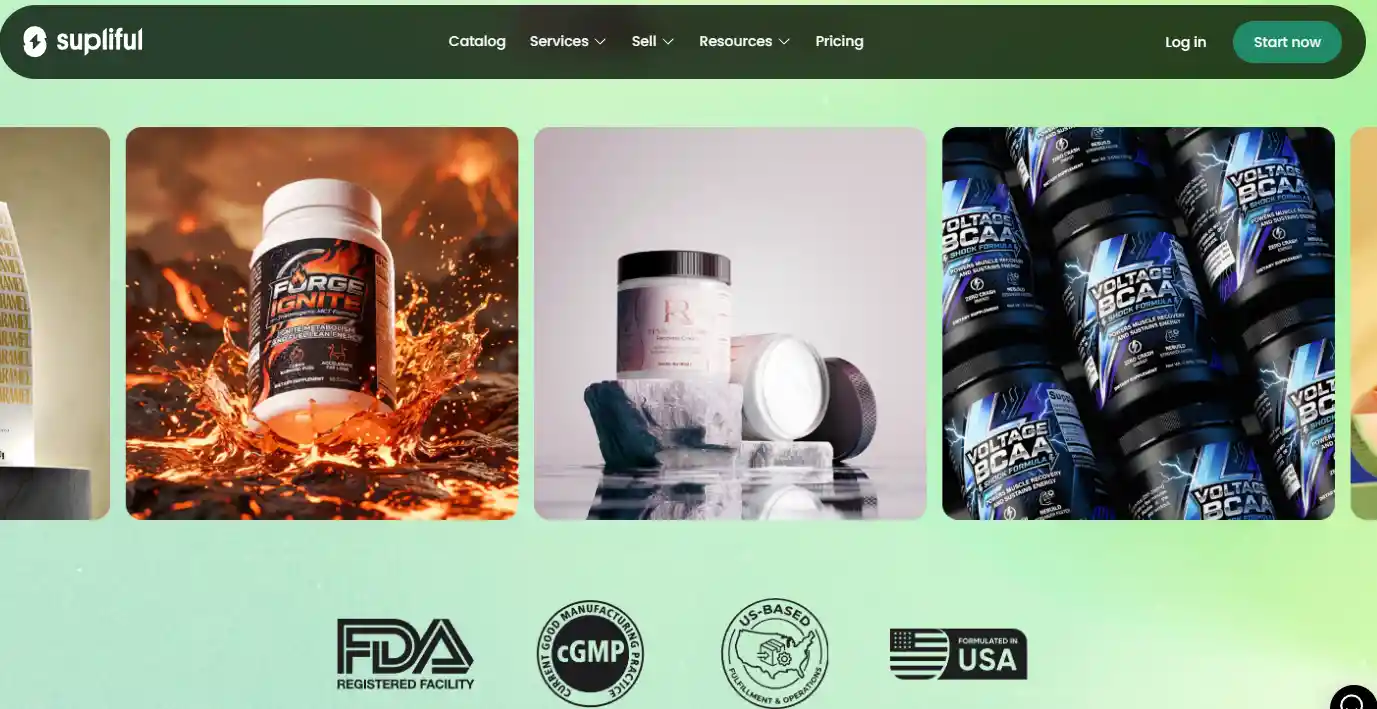
Supliful is a popular dropshipping and fulfillment service for supplements and wellness products. It allows online stores to sell private label vitamins, protein powders, gummies, and other health items without keeping stock.
Supliful offers many ready-made formulas as well as custom label options. They handle production, packaging, and shipping directly to your customers.
Nutribl
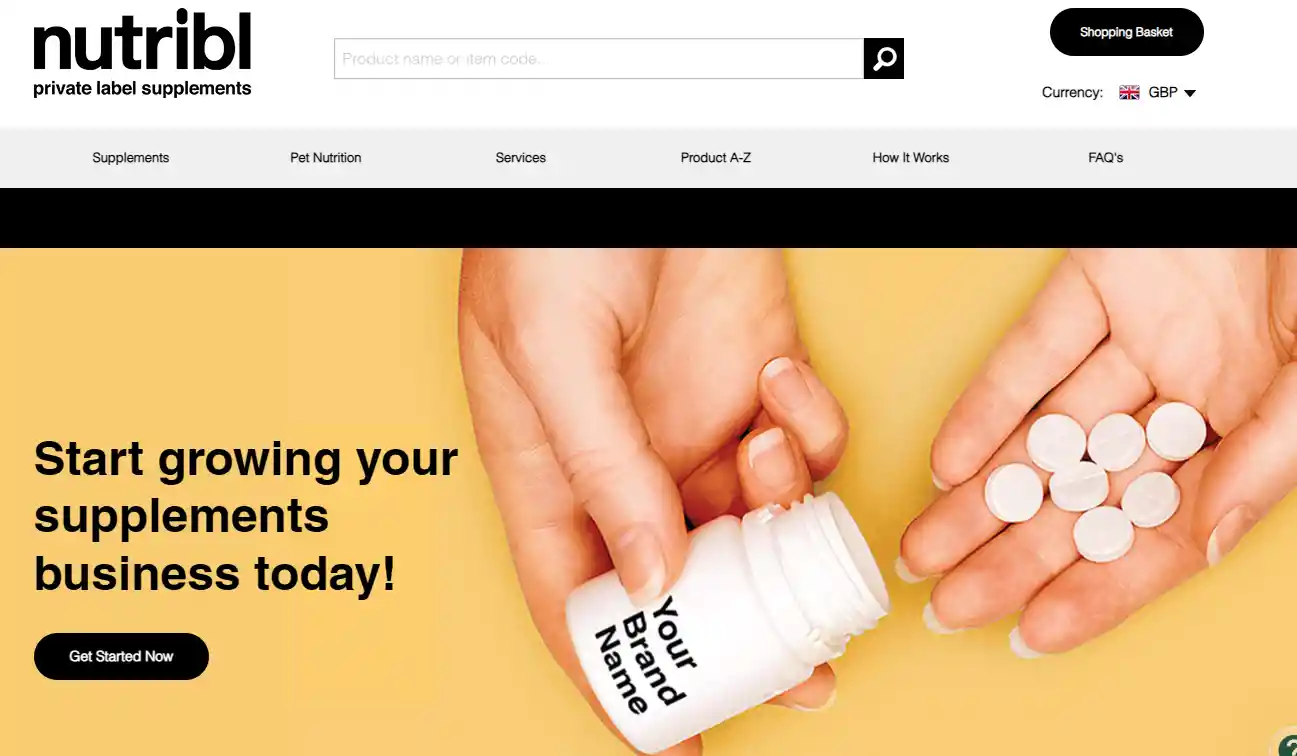
Nutribl is a UK-based supplier that focuses on low minimum orders. It offers capsules, gummies, and powders with as few as 10 to 50 units per batch. The brand handles packaging, labeling, and direct dropshipping to customers.
This supplier works well for new stores that want to test products without buying huge amounts.
WB Blends
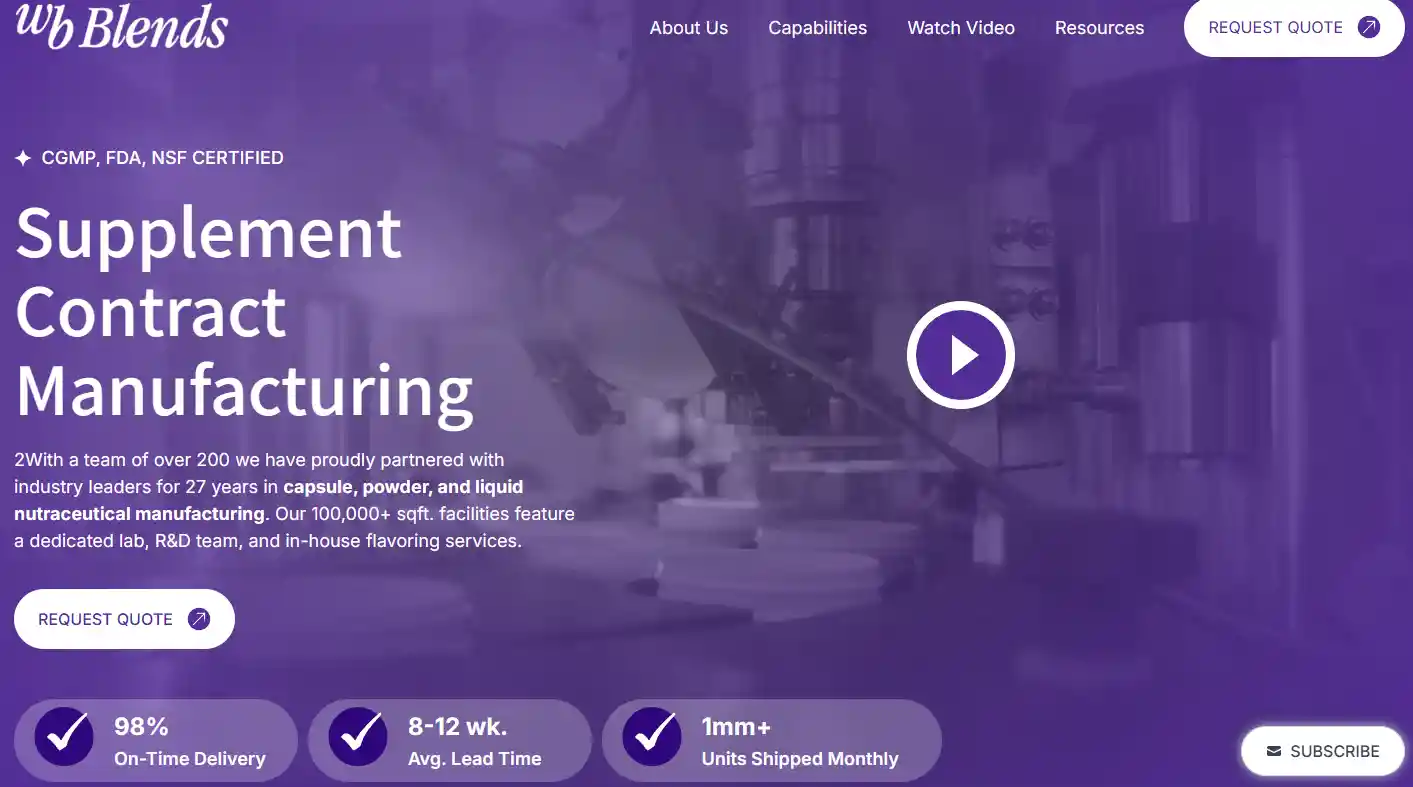
WB Blends is a US manufacturer that started in 1995. It specializes in powders, liquids, and herbal tinctures. The company has over 400 ingredients and nearly 3,000 formulas. It also holds organic and cGMP certifications.
WB Blends is a strong fit for stores that want unique powder blends instead of basic capsules.
ZoomsHeal
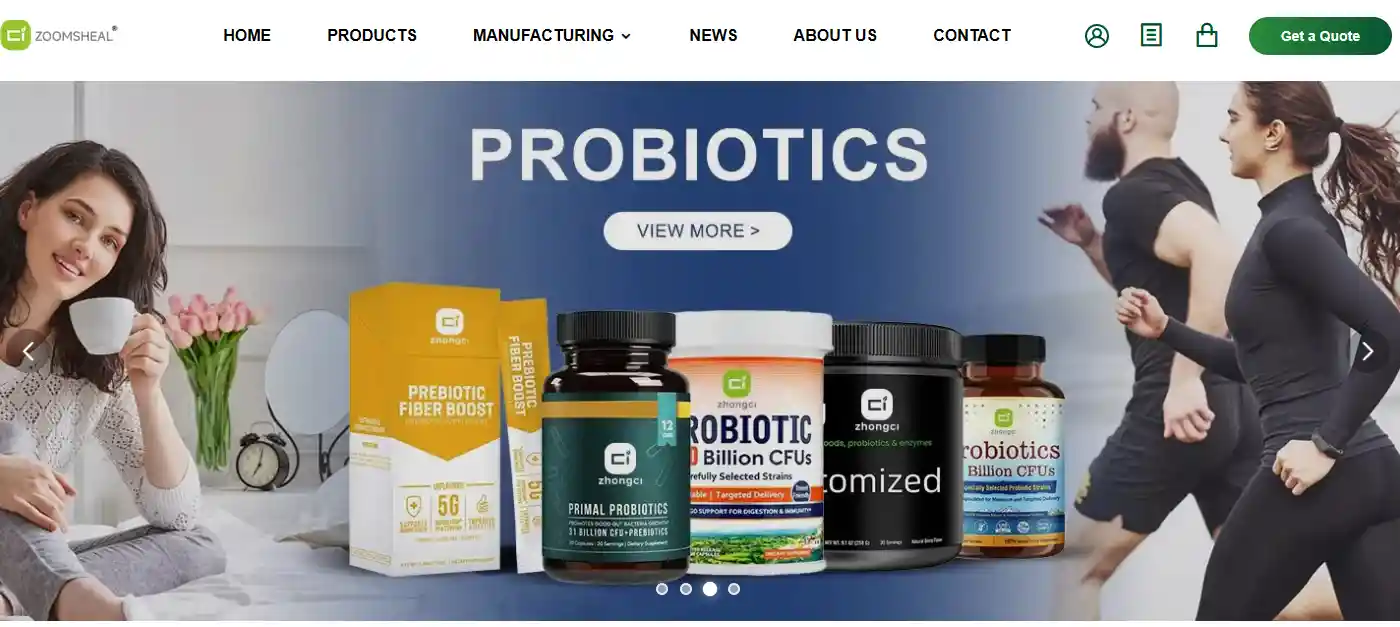
ZoomsHeal offers white label and private label dietarysupplements. Their product range includes softgels, gummies, powders, capsules, and tablets.
They use GMP-certified manufacturing and help brands quickly bring ready-to-sell products to market. ZoomsHeal is a good option for new online stores looking for reliable supplement suppliers.
Makers Nutrition
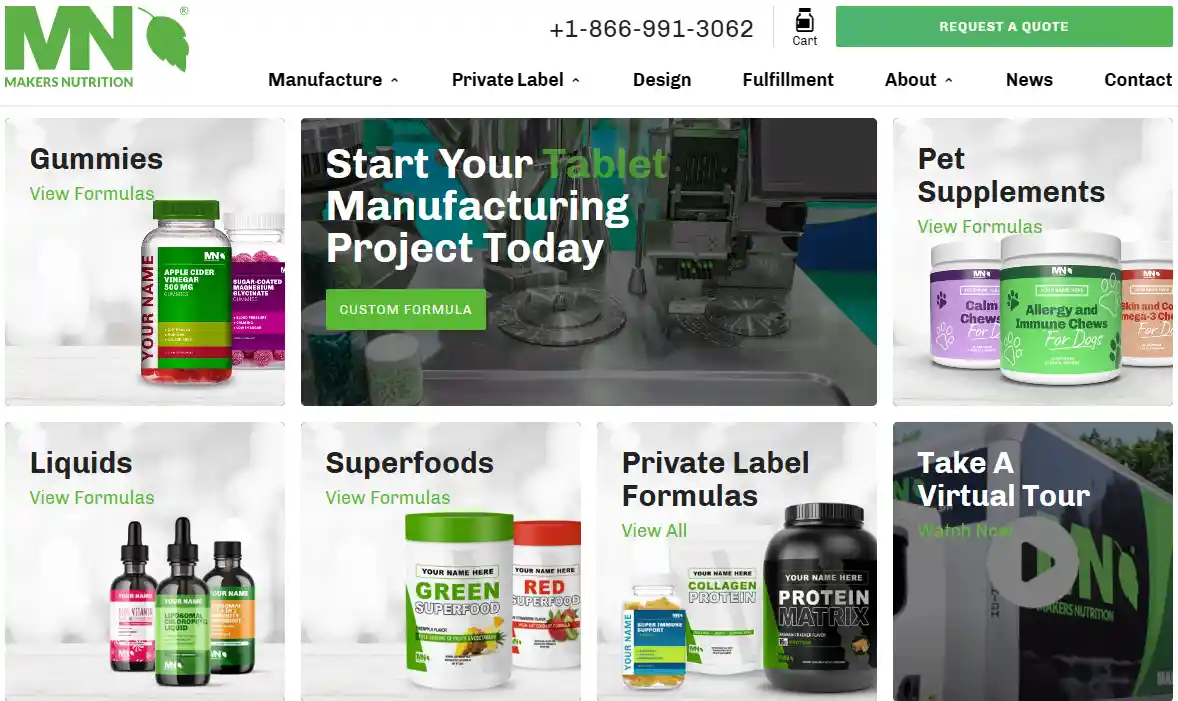
Makers Nutrition is a contract supplement manufacturer based in the US. They help brands create private label vitamins and custom formulas. You can use their manufacturing and fulfillment services to supply your online store.
Once products are made and stored in their warehouse, they can handle orders like traditional dropshipping for your e-commerce business.
Vitakem
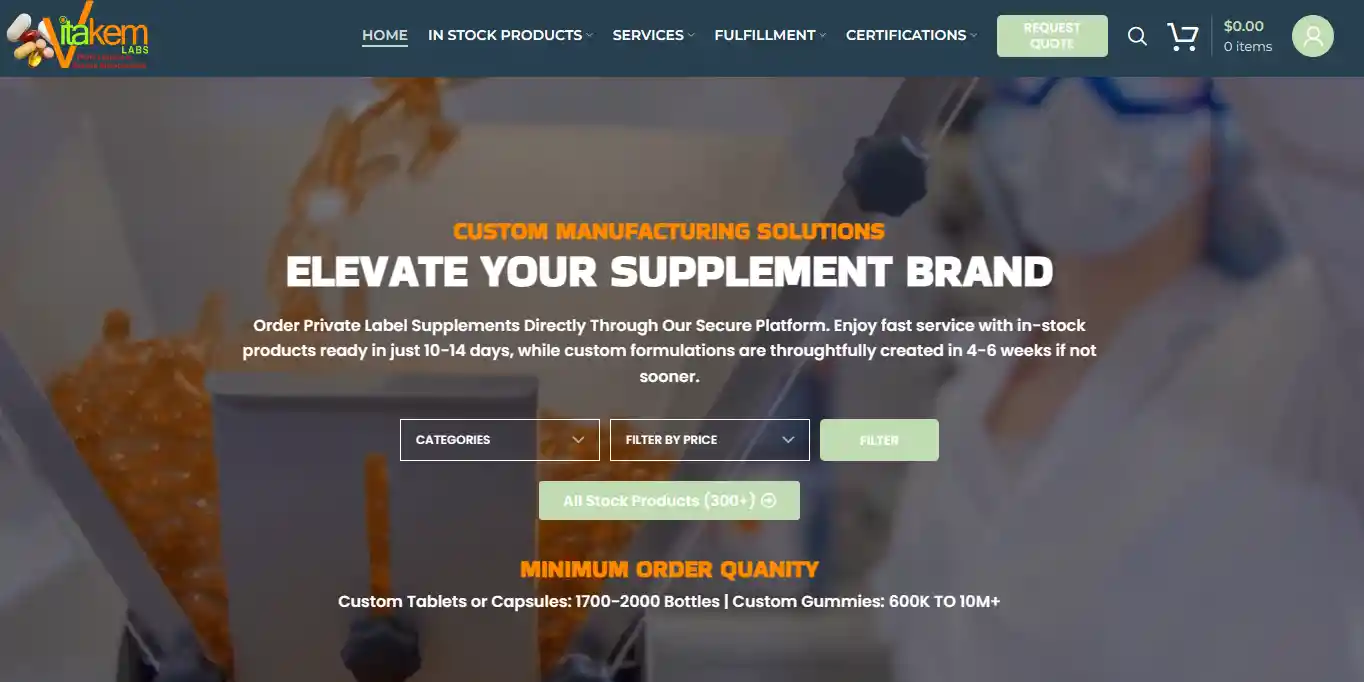
Vitakem is based in New York and makes private label vitamins. It has low minimum order quantities, which helps small brands. The company also offers label design and Amazon fulfillment.
Vitakem suits a startup that plans to grow into a premium brand later. The low starting cost gives room to learn.
OK Capsule
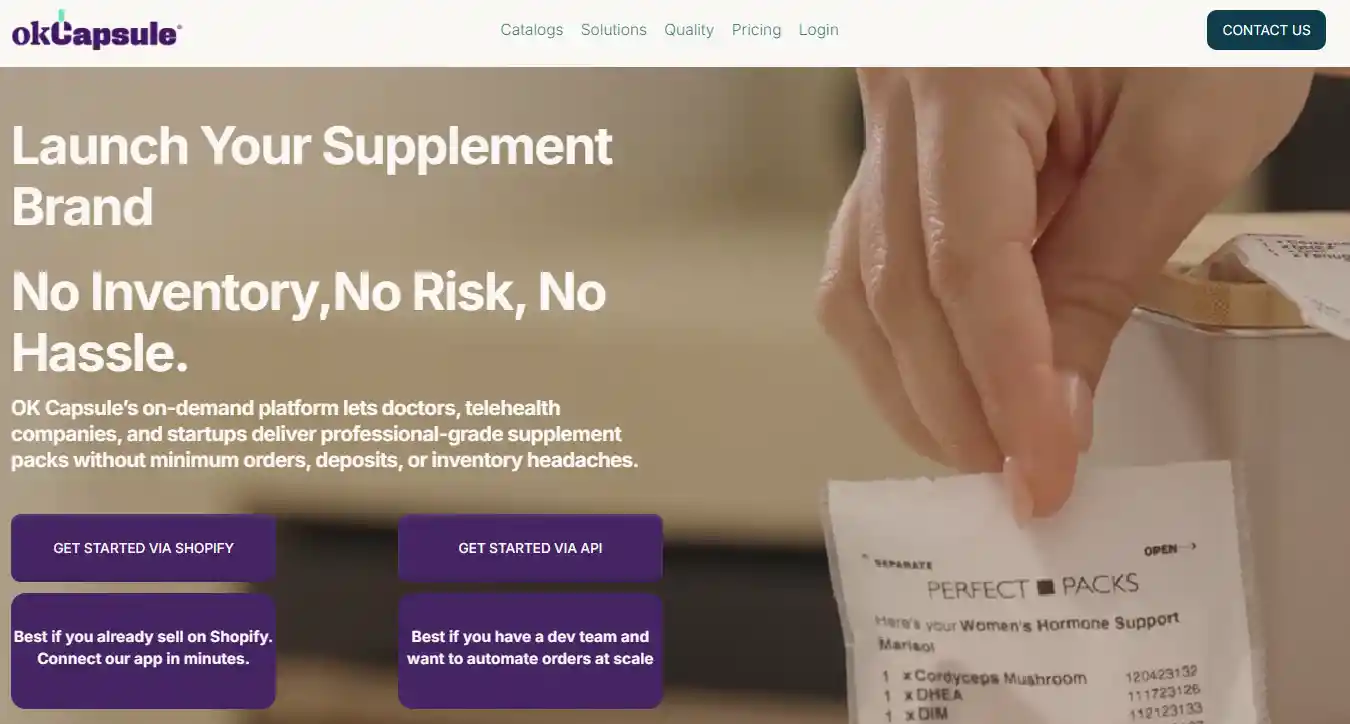
OK Capsule makes personalized daily packs instead of full bottles. Customers can choose their own ingredients and set morning or evening routines. The company uses an FDA compliance engine to check each order.
This supplier is not for standard bottled supplements. It works best for brands that target health influencers or people who want custom vitamin plans.
Dropship Webhosting
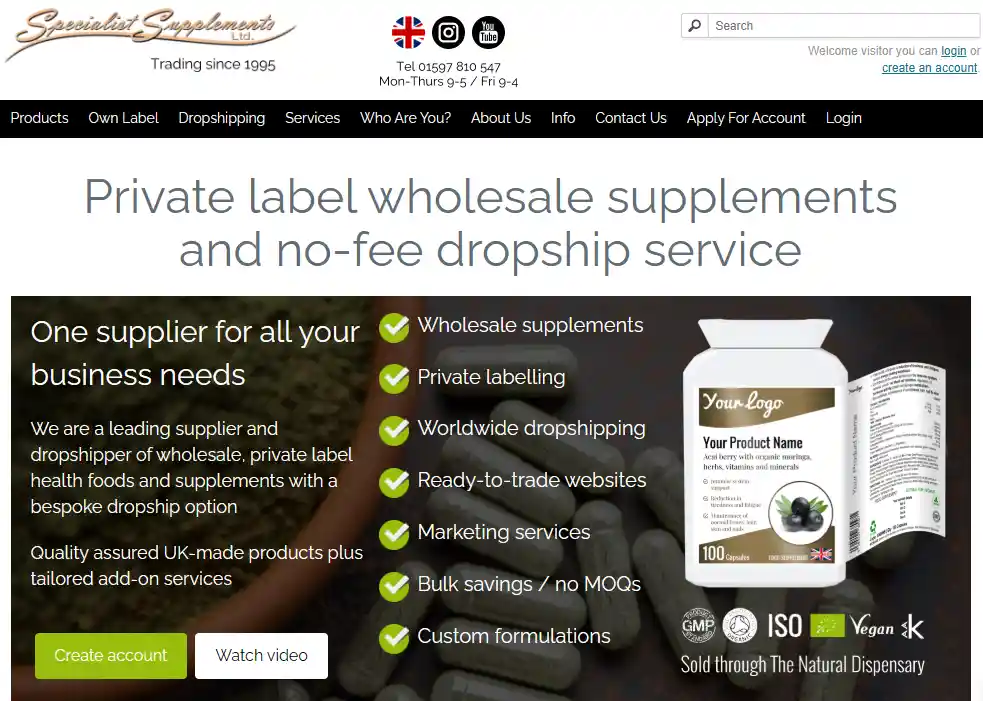
Dropship Webhosting provides hosting services and technical tools for supplement dropshipping businesses. They help online stores set up websites and manage the backend needs of running a supplement shop smoothly.
Superior Supplement Manufacturing
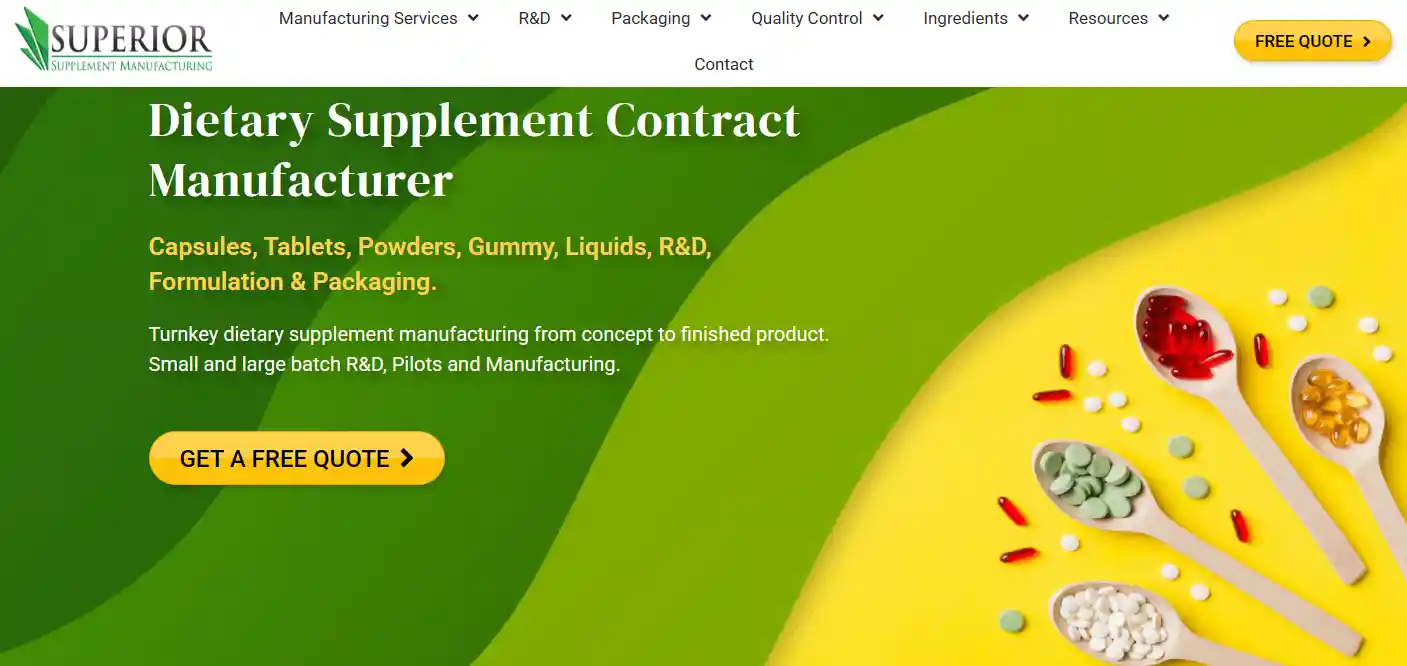
Superior offers full production from start to finish. It handles formulation, manufacturing, packaging, testing, and shipping. The facility makes capsules, tablets, softgels, powders, gummies, and liquids.
This is a good choice for a brand that wants one single partner for everything. The quality rating is high, but the service may cost more than smaller suppliers.
ENZ Pharmtech
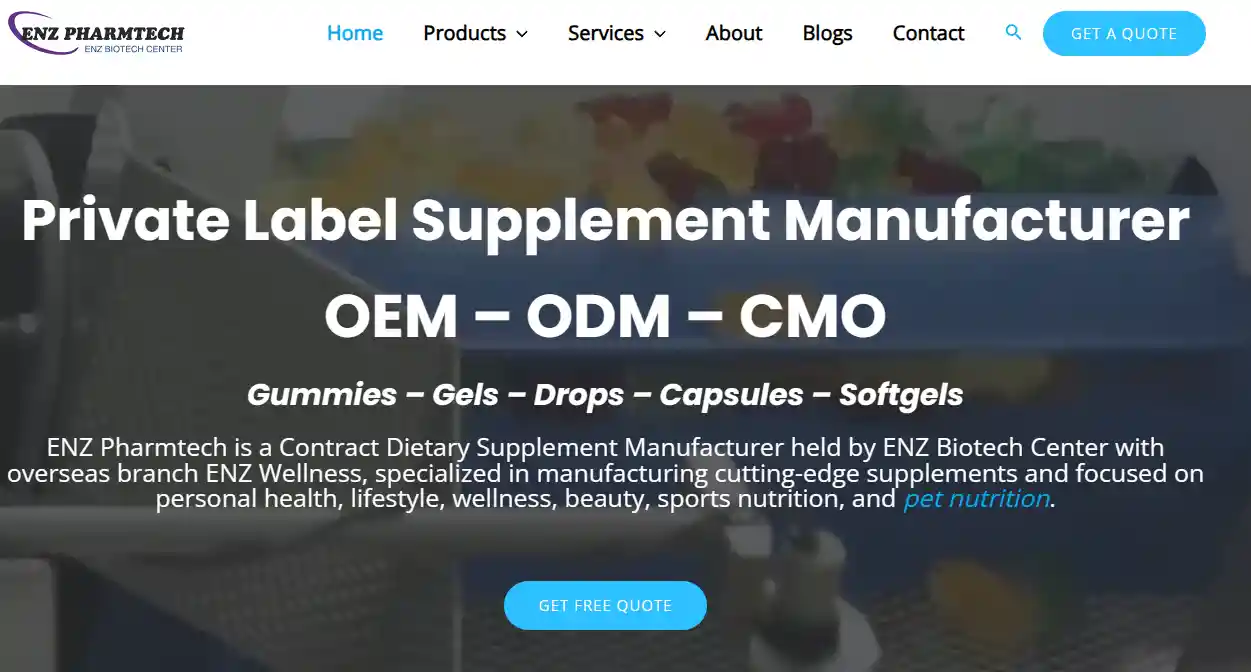
ENZ Pharmtech focuses on advanced products like probiotics and nutraceuticals. It holds multiple certifications including ISO, GMP, and HALAL. The company also works with digestive health, sports nutrition, and pet nutrition.
For a brand that specializes in probiotics or other science-heavy supplements, ENZ Bio is a reliable option. Standard vitamin stores may not need this level of expertise.
Read More:
Key Considerations for Dropship Supplement Partners
When picking a dropship partner for supplements, not all suppliers are equal. Here are the key things to check before signing up.
Certificates That Matter
Look for third-party testing like GMP or NSF. These mean the supplements are made safely and actually contain what’s on the label. Without these, you risk selling fake or dirty products. Ask for lab reports before adding any item to your store.
Fast & Discreet Shipping
Supplements are often taken daily. Customers run out fast. Choose partners who ship within 24-48 hours. Also check if they use plain packaging – no one wants a box screaming “vitamins” on their doorstep.
Real Stock Visibility
Some partners show inventory that’s not actually available. You list a bestseller, then orders get delayed for weeks. Ask if their system updates stock in real time. This saves you from angry customers and refunds.
Easy Returns for Expired Goods
Supplements expire. A good partner accepts returns on near-expiry products. Bad partners leave you holding the loss. Always read their return policy carefully before listing any item.
Supplement Dropshipping vs Private Label vs White Label
What They Are
Dropshipping
In dropshipping, you sell products that already exist from a supplier. When a customer orders from your store, the supplier packs and ships the item directly to them. Y
You do not hold any inventory and you cannot change the product formula or design. It is the simplest way to start an online supplement store.
White Label
White label products use pre-made formulas that the manufacturer already produces. You add your own brand name and logo to the packaging.
Customization is limited — you usually cannot change the ingredients or formula. Many brands use white label to sell supplements under their name without creating new products from scratch.
Private Label
Private label gives you the most control. You work with a manufacturer to create custom formulas based on your ideas.
You get full branding rights and can make products that feel unique to your brand. These products are often exclusive to your store.
Key Differences
Control
- Dropshipping offers low control. You sell whatever the supplier provides and have little say over the product or packaging.
- White label gives medium control. You can add your brand name and sometimes choose packaging, but the formula stays the same.
- Private label provides high control. You decide the ingredients, dosages, and overall product design.
Cost and Speed to Launch
Dropshipping has the lowest startup cost and is the fastest to launch. You can start selling in days with almost no upfront money.
White label costs more than dropshipping but less than private label. It still launches fairly quickly. Private label costs the most and takes the longest time because of custom formulation, testing, and production.
Profit Potential
Dropshipping usually brings low to medium profit margins because many stores sell the same products and competition is high.
White label offers medium profit potential since you build your own brand but share similar formulas with others. Private label has the highest profit potential because you can create exclusive products and charge more for a unique brand.
Expert Tips
You now have a solid list of supplement dropshipping partners to explore. Each one offers something different. Your job is to pick what fits your brand best.
Start small. Test one or two partners first. Check their shipping speed and product quality. Then grow from there.
You do not need perfection right away. Just reliable products and honest support. Focus on your customers. Keep learning as you go.
With the right partner, building a supplement brand becomes much easier. Stay positive and take the first step today. Your startup can do this.
FAQs
Is it legal to dropship private-label supplements?
Yes, as long as your supplier follows FDA rules. You just need proper labels and no banned ingredients. Stay on the safe side.
Are there any supplements I should avoid dropshipping?
Avoid high-risk ones like weight loss pills with unproven blends or prescription-level ingredients. Stick to simple vitamins, probiotics, and herbs.
How can I ensure the quality of the supplements I'm dropshipping?
Ask suppliers for third-party lab reports. Order samples yourself. Test the products before adding them to your store.
What's the typical profit margin for dropshipping supplements?
Margins usually range from 20% to 40%. Some premium brands go higher. It depends on your pricing and supplier costs.

 Global Shipping