





You might be wondering, can nonprofits sell products? The answer is yes, but it needs careful planning. The key is to focus on items that connect directly to your cause.
This guide will walk you through the rules and steps you need to follow so you can generate revenue confidently, stay compliant, and make the most of every sale.
Can Nonprofits Sell Products to Make A Profit?
Yes, your nonprofit can sell products to make a profit, but there are limits. Any income should support your mission, not private gain. Some sales may be considered unrelated business income and could be taxed.
To stay safe, check whether your products are closely tied to your nonprofit's purpose. Items that directly support your programs usually qualify as mission-related.
Focusing on these products helps fund your activities while protecting your tax-exempt status. Careful planning ensures your sales are both legal and effective.
Examples of Nonprofits Selling Goods
You run into nonprofits selling products more than you might realize. Check out these familiar cases.
- Goodwill thrift locations. You shop for used clothing, furniture, and household goods. Funds keep their workforce development programs, career coaching, and local community support going strong.
- Girl Scouts cookie drives. When you purchase Samoas or Trefoils, the troop gets the majority of the proceeds. They use it for outdoor trips, skill-building events, and helping others.
- History and art museum stores. You find note cards, puzzles, jewelry, and books tied to their collections. Money raised helps offer free days, youth workshops, and new displays.
- Wildlife parks and nature center shops. You buy caps, eco-bags, plush toys, and trail guides. Sales cover feeding animals, enclosure upgrades, and conservation initiatives.
The pattern stays the same: products bring in money that flows right back into the nonprofit's core work.
How to Check if Your Product Sales Qualify for Tax Exemption
Step 1 – Check if the Product Is Related to Your Mission
Start here. Ask yourself one simple question: Does this product directly help advance your nonprofit's core purpose?
If yes, you're usually in the clear.
- A farm-focused nonprofit sells milk from its own educational farm programs → related (it shows sustainable agriculture in action).
- The same nonprofit opens a full ice cream factory and sells pints year-round → unrelated (it's just a regular business, not tied to teaching or mission work).
To strengthen your case, show the connection clearly. Put mission info on labels. Use marketing that explains how sales support your goals.
Keep receipts and photos linking products to programs. Good documentation makes a big difference if questions come up.
Step 2 – Determine if the Activity Is Regularly Carried On
The IRS cares about how often you sell. "Regularly carried on" means your sales happen with the same kind of frequency and pattern a normal business would use.
One-time or rare events? Often safe.
- Annual holiday craft fair with mission-themed items → probably not regular.
- Weekly pop-up shop open to the public all year → feels like ongoing business.
Look at IRS examples: a two-week fundraiser at a fair usually escapes UBIT, but steady weekend markets that mimic retail stores often don't.
Keep sales short-term and event-based when the products aren't mission-direct.

Step 3 – Compare to Commercial Competitors
Even if sales feel mission-related, watch how much you act like a regular business. The IRS frowns on nonprofits competing head-to-head with for-profit companies in a big way.
Selling in a crowded market can trigger UBIT. Think pricing, advertising, and scale.
Ways to lower the risk:
- Keep prices low (focus on covering costs, not big profits).
- Limit scope (small inventory, limited hours).
- Highlight your nonprofit story over flashy sales pitches.
These steps show you're not trying to beat out Starbucks or Amazon. They help protect your exemption.
Step 4 – Consider Who Performs the Work
Who's doing the selling and making matters a lot. Using mostly volunteers is one of the best ways to avoid UBIT.
If unpaid volunteers handle substantially all the work, the activity often doesn't count as an unrelated business at all.
- Thrift store run almost entirely by volunteers → usually tax-free.
- Gift shop with paid managers and staff running daily operations → more likely taxable.
Track volunteer hours carefully. Log names, dates, and tasks. A simple spreadsheet showing 90%+ volunteer labor builds strong proof. This exception saves many nonprofits from tax headaches.
Step 5 – Document and Keep Records
The IRS loves paperwork. Strong records are your best defense during an audit. Don't wait until you get a letter.
Track these basics every year:
- Total sales by product type.
- Related expenses (supplies, shipping, etc.).
- Volunteer hours and who did what.
- How products connect to your mission (notes, photos, program links).
Use a simple template: columns for date, item sold, amount, volunteer hours, and mission tie-in. Review it quarterly. Good habits now mean less stress later.
When to Seek Professional Help
Some situations stay gray no matter how much you read. If sales grow fast, competition feels heavy, or you mix related and unrelated items, don't guess.
Talk to a tax advisor who knows nonprofits or a nonprofit attorney. They spot risks you might miss.
Check IRS Publication 598 for official guidance, and remember state rules can add extra layers. A quick consult often saves money and headaches down the road.
Follow these steps. You'll make smarter choices about product sales and keep more focus on your mission.
How to Sell as a Nonprofit on E-commerce Platforms
Selling online opens up your mission to way more people. You get to reach supporters who never walk through your door.
The key is setting things up right so your shop feels authentic, stays compliant, and brings in funds without extra headaches. Split your approach into these two big areas.
General Nonprofit E-commerce Guidelines
Pick the right strategy from the start. Focus on products that tie straight back to what your organization does. This keeps things mission-driven and helps avoid tax surprises.
Product Strategy & Mission Connection
Make your mission the star of every listing. Write product descriptions that show real impact.
- Instead of "Soft cotton t-shirt," try "This cozy tee funds after-school programs for 50 kids each month."
- Highlight how sales cover supplies, training, or direct help.
Add your logo everywhere. Use certified badges if you have them. Upload clear photos that show the product in action—maybe someone wearing the shirt at an event or a program it supports. Shoppers connect faster when they see the story.
Pricing & Inventory
Decide between print-on-demand (POD) or holding stock. POD means no upfront inventory; you design, a partner prints and ships only when ordered.

It's low-risk and great for testing ideas. Holding inventory gives you more control over quality and faster shipping, but ties up cash.
Price smart. Cover your costs first—production, fees, shipping—then add a bit extra to support programs. Keep it fair so people feel good about buying.
Track inventory closely if you stock items. Use simple tools to avoid running out during big campaigns.
Fulfillment & Logistics
Decide how orders get out the door. Self-fulfill if you have volunteers and space—it saves money and adds a personal touch with thank-you notes. Third-party logistics (like POD services) handle packing and shipping for you. They scale easily when orders spike.
Package with care. Include a small card explaining your mission. Fast, reliable shipping builds trust and brings repeat buyers.
Taxes & Compliance
Sales tax can sneak up on you. Many platforms collect and send it automatically in states that require it. Check your nexus—where you have enough sales to owe tax. UBIT still applies if products aren't mission-related, so review the earlier steps on that.
Different states have different rules. Some give nonprofits breaks on certain sales. Others don't. Track everything. Talk to a tax pro for your specific setup.
Marketing & Promotion
Tell your story everywhere. Use social media to share behind-the-scenes looks and impact updates. Run platform ads targeted at people who care about your cause.
Weave the mission into every post. Show real people helped by purchases. Email your list with new drops and stories. Authentic sharing turns one-time buyers into lifelong supporters.

Platform-Specific Considerations
Each big platform has its own tricks. Here's what works well for nonprofits right now.
Etsy
Etsy loves handmade, unique, and story-driven shops—perfect for you.
Set up your shop with a clear "About" page that explains your nonprofit status and mission. Use the "Impact" or shop story sections to share how sales make a difference.
Etsy often handles sales tax collection for you in many states. Double-check your settings in Finances > Payment settings. Keep listings creative and mission-focused to stand out.
Shopify
Shopify gives nonprofits discounted plans if you qualify—apply through them or partners like TechSoup. Pick a clean, professional theme that highlights your cause.
Integrate email marketing and social tools right in the dashboard. Set up sales tax in Settings > Taxes and duties; it auto-calculates for many places. Add apps for donations to keep them separate from product sales. It's flexible for growing fast.
Amazon
Amazon reaches millions, but it's more competitive. Enroll in Brand Registry if you have a trademark—it protects your listings and unlocks better tools. Verify your nonprofit status where possible.
Use Fulfillment by Amazon (FBA) for easy storage and shipping. Watch marketplace facilitator rules—they handle sales tax in most states.
Focus on high-quality photos and clear mission descriptions to build trust on a big platform.
Pick the platform that fits your size and goals. Start small, test what resonates, and watch your sales support the mission even more. You've got this.
Read More:
What are the Best Products for Nonprofits to Sell?
You want products that bring in steady money while staying close to your mission. The right ones sell easier, face less tax risk, and make supporters feel good about buying. Here are some of the strongest choices right now.
Mission-Themed Apparel
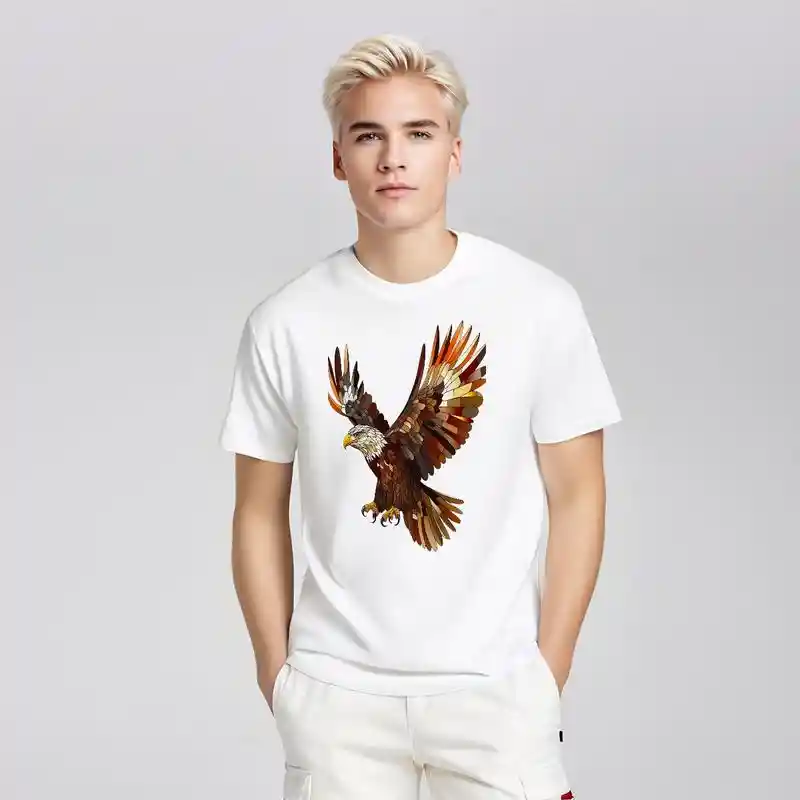
T-shirts, hoodies, and hats with your logo or a short tagline about your cause work well. People wear them to show support and start conversations.
You can sell these year-round. Print-on-demand keeps costs low and lets you test designs without big inventory risks.
Supporters buy them because they want to spread your message. Sales often stay mission-related, which helps protect your tax-exempt status.
Eco-Friendly Reusable Items
Tote bags, water bottles, straws, and beeswax wraps appeal to donors who care about the environment. If your nonprofit focuses on conservation, sustainability, or community health, these items tie directly to your work.
They are practical so people use them often. Reorders happen naturally. You can explain in every listing how each purchase funds your programs. These products usually avoid unrelated business income tax because of the clear mission link.

Print on Demand Canvas Tote Bag (Made in USA) - Handbag - PrintKK
Educational Books and Guides
If you run programs in literacy, health, history, or skill-building, sell your own workbooks, e-books, or printed guides. Buyers see them as tools that extend your impact. Parents, teachers, and learners purchase them for real use.
You control the content completely. Production costs stay reasonable, especially with digital versions. This category almost always counts as related activity, so you keep more of the revenue for your cause.

Print on Demand Wooden Bookmark - Daily Accessories - PrintKK
Handmade or Locally Sourced Crafts
Jewelry, candles, soaps, or pottery made by program participants or local artisans fit many missions. Art therapy groups, youth job training, or fair-trade programs benefit directly.
Shoppers love knowing their purchase supports real people. Stories behind each item make listings stand out.
These products sell best at events and online when you share photos of the makers. The personal connection reduces tax concerns since the sales further your purpose.

Custom Frosted Jar Scented Candle with Lid (6oz) - Print-On-Demand - PrintKK
Seasonal and Holiday Items
Ornaments, greeting cards, wrapping paper, or special-edition mugs tied to holidays sell quickly in short bursts. You can plan ahead and create limited runs.
Supporters buy them to give as gifts that carry meaning. Seasonal spikes bring cash flow when you need it most. Keep designs simple and mission-focused.
These items work best when you limit them to a few weeks or months so they do not look like regular business activity.

Print on Demand Golden Edge Greeting Cards (Horizontal) - Home Decor - PrintKK
Branded Office and Desk Accessories
Notebooks, planners, pens, and stickers with your logo or uplifting quotes perform steadily. People who already support you grab these for daily use.
They make great small gifts or impulse buys. Costs are low, and you can bundle them.
If your mission involves education, mental health, or workplace equity, these items reinforce your message every time someone sees them on a desk.

Print on Demand Spiral Notebook - Daily Accessories - PrintKK
How to Price Nonprofit Products
You need prices that cover costs, bring in funds for your mission, and feel fair to buyers. These examples with real numbers make it easy to copy for your own shop.
Start with Your True Costs
List every expense for one item. For a t-shirt: printing $8, shipping $4, platform fee $1, packaging $0.50, labels $0.30. Total cost: $13.80.
Many nonprofits stop at printing and lose money.
Add those small items every time. Use a simple spreadsheet. When you see the exact $13.80, you know the lowest price you can charge without losing cash.
Add a Mission Markup That Feels Right
Take your $13.80 cost and add 20-50% for programs. At 30% markup, sell the shirt for $22. That gives you $8.20 profit per sale.
Tell buyers: "$8 from this shirt feeds a family for two days." Try $20, $22, and $25 on three similar designs.
After 50 sales, check which price sold most and brought the most program money. Adjust the others to match the winner.
Watch What Similar Products Cost
Search Etsy for "animal rescue t-shirt." Most sell between $18 and $28. If your cost is $13.80, price at $24. You stay in the normal range but earn $10.20 for your mission.
Buyers see fair value. If other nonprofit shirts are $20, you can match or go $2 higher because of your clear impact story.
Offer Tiered Options and Bundles
Sell the same design in three ways: basic tee $22, premium soft cotton $28, limited color $32.
Add a bundle: shirt + sticker + tote for $40 (costs you $22, profit $18). One animal shelter tried this and saw average order jump from $22 to $35.
Buyers pick the level they like, and you earn more without changing single prices.
Review and Adjust Prices over Time
Every three months, open your sales report. If printing cost rose to $9, change price from $22 to $24. If $24 shirts sell just as fast, you now earn $2 more per sale for programs.
One small education nonprofit did this and added $1,200 extra mission funds in one year. Check costs, check sales, make one small change. It keeps your shop strong and simple.
Make Income for Your Nonprofit with PrintKK
You can start selling custom products fast with PrintKK. Just upload your designs or use their easy tools to create them.
Pick the items you like, set your prices, and place your order. You can buy in bulk and get nice discount prices for larger quantities. This helps you keep more money for your mission.
PrintKK ships to the US with no extra taxes or fees on their products. Their items cost less than many other services, but the quality stays high. You get lots of choices, like:
- Home decor (pillows, blankets, wall art)
- Clothing (t-shirts, hoodies, hats)
- Stationery (notebooks, stickers, mugs)
Everything looks great and lasts a long time.
You can connect PrintKK smoothly with Etsy, Shopify, or Amazon. Orders go straight to them for printing and shipping.
This saves you time and lets you reach more buyers online. Give it a try and watch your nonprofit earn more without the hassle.
Expert Tips
Now you know the key rules for selling products as a nonprofit. You understand that can nonprofits sell products depends on whether the sales are related to your mission. You also know the importance of tracking income, keeping good records, and following tax rules.
Selling products can help your organization grow and reach more supporters. You can plan carefully, choose the right products, and use proper channels to stay compliant.
By following these steps, you reduce risk and make the process easier. Focus on your mission and the value your products bring. With clear planning and attention to rules, you can manage sales successfully and confidently.
FAQs
What are nonprofits not allowed to do?
Nonprofits cannot operate primarily for private gain or engage in activities unrelated to their mission. They must avoid excessive lobbying, political campaigning, or any actions that threaten their tax-exempt status.
Are nonprofits allowed to make a profit?
Yes, nonprofits can generate profit, but it must support their mission. Any surplus should be reinvested into programs rather than distributed to individuals or shareholders.
Does selling products affect a nonprofit's tax exemption?
Selling products is allowed as long as the activity aligns with your mission. Unrelated business income may be taxable, but occasional or mission-related sales generally do not threaten your exemption.
Can a nonprofit sell products through an online store?
Yes, you can sell products online through platforms like Etsy, Shopify, or Amazon. Ensure sales follow nonprofit rules and that records of revenue and expenses are well-maintained.
What are nonprofits allowed to spend money on?
Nonprofits can spend funds on programs, staff salaries, operational costs, and mission-driven projects. All expenses should directly support the organization's goals and public benefit.
Should your nonprofit consider liability concerns?
Yes, selling products carries potential risks. Consider insurance, safety standards, and proper documentation. Planning ahead helps protect your organization and maintains compliance with legal requirements.

 Global Shipping