






Getting into online business often feels harder than it should be. You see success stories everywhere, but the real steps are rarely clear.
It's about learning how products, suppliers, and customers actually connect. When done right, you avoid upfront inventory risks and focus your energy on choosing the right products and improving listings.
This dropshipping for dummies guide shares practical insights, common mistakes to watch for, and what beginners usually learn the hard way.
Instead of theory, you'll get a clear picture of how dropshipping works in real life and how to start with smarter expectations and better decisions.
What Is Dropshipping?
Dropshipping is a retail method where you sell products without keeping them in stock. You act as the storefront. When a customer buys from you, you purchase the item from a third-party supplier. That supplier then ships it directly to your customer.
Think of yourself as the middleman. Your main responsibilities are marketing your store and handling customer service. You never see or handle the physical product. Your profit is the difference between the price you charge the customer and the price your supplier charges you.
This model keeps startup costs very low. You only pay for an item after you've sold it. The trade-off is you have less control over shipping and product quality, so choosing a great supplier is your most important task.
Pros and Cons Of Dropshipping
Pros of Dropshipping
- Low startup cost: You don't need to buy inventory upfront, so it's easier to start with a small budget.
- Flexible location: You can run your store from anywhere with internet access.
- Wide product selection: You can list many products without holding stock.
- Focus on marketing and growth: You spend more time improving listings, content, and customer experience.
- Scalable: As sales grow, you can expand without worrying about warehouse space.
Cons of Dropshipping
- Lower profit margins: Products cost more per item than buying in bulk.
- Less control over inventory: Suppliers may run out of stock unexpectedly.
- Shipping complications: Orders from multiple suppliers can cause delays or higher costs.
- Customer service challenges: You handle complaints even if the supplier caused the issue.
- Highly competitive: Many sellers can offer similar products, making marketing and differentiation important.
Dropshipping for Dummies: 7 Steps for Beginners
Step 1: Pick a Niche You Like
You need to choose a niche, which is a specific group of products you want to sell. Don't pick something super crowded like phone cases.
Go for things people love but aren't everywhere, like eco-friendly pet toys or fun kitchen gadgets for kids. Think about what you enjoy – if you like fitness, sell yoga gear.
Research using free tools like Google Trends to see what's popular.
This step is key because a good niche makes selling easier and more fun for you.
Step 2: Find Reliable Suppliers
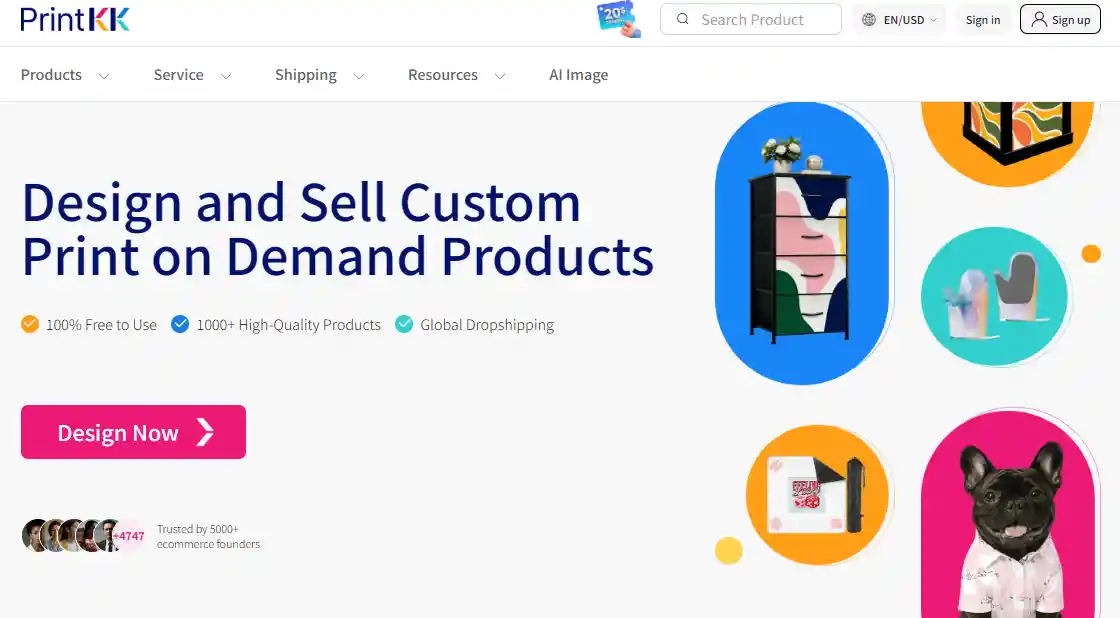
Find suppliers who will ship products directly to your customers. The best place to start is AliExpress or apps like PrintKK and DSers that connect to Shopify.
Look for suppliers with high ratings – at least 95% positive feedback – and fast shipping times. Order a sample product yourself first to check the quality.
Don't skip this test order. Bad suppliers can ruin your business with late deliveries or junk products. Build a list of 3-5 good ones to stay safe.
Step 3: Set Up Your Online Store
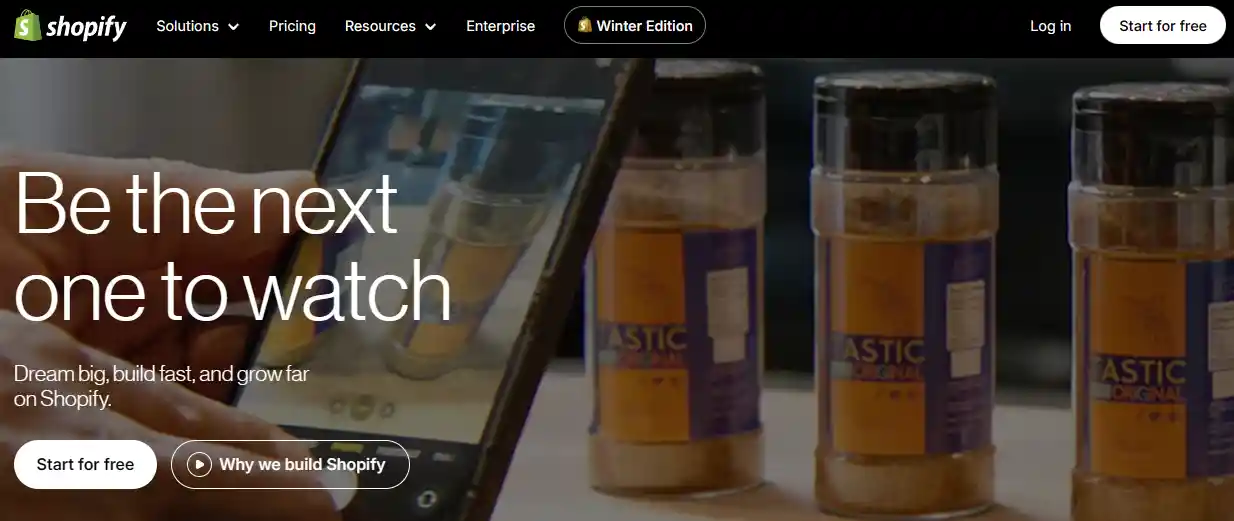
You don't need to be a tech wizard. Use Shopify – it's super easy and has a free trial. Sign up, pick a simple theme, and add your products.
Name your store something catchy and easy to remember. Add pages like About Us and Contact.
Make sure your store looks clean on phones because most people shop that way. Keep it simple so customers don't get confused and leave.
Step 4: Add Products to Your Store
Import products from your suppliers with just a few clicks using apps. Write your own product descriptions – don't copy from suppliers.
Make them exciting and clear, like "This cozy hoodie keeps you warm on chilly walks and looks super cute!"
Add good photos from different angles. Set prices higher than what you pay the supplier – aim for at least double to cover costs and make profit. Always include shipping info upfront.

Step 5: Get Traffic with Marketing
No traffic means no sales, so start marketing right away. Use Instagram and TikTok to post fun videos of your products. Run cheap Facebook ads to test what works – start with $5-10 a day.
To boost effectiveness, it's important to create a short, clear product video for visual platforms like Instagram and TikTok, where users decide quickly whether to continue watching. Showing the product in real-life scenarios helps build trust and gives potential buyers a better understanding of what to expect.
Share tips related to your niche to build trust. Email marketing is free and powerful – offer a small discount for sign-ups. Be patient; it takes time to get your first sales, but keep trying new things.
Step 6: Handle Orders and Customers
When someone buys, you forward the order to your supplier, and they ship it. Use tools to automate this so it happens fast. Reply to customer questions quickly – good service turns buyers into repeat customers.
If there's a problem, like a late package, apologize and offer a refund or discount. Happy customers leave good reviews, which bring more sales.
Step 7: Track and Improve Your Business
Check your store stats often to see what's selling and what's not. Remove slow products and add more winners. Watch your profits – subtract ad costs and fees.
As you make money, try new niches or better ads. Stay updated with trends, but don't change everything at once. Celebrate small wins, like your first sale, and keep learning.
How to Manage Returns and Refunds in Dropshipping
1. Figure Out Why the Customer Wants a Return
When a customer emails you about a return or refund, start by asking them what went wrong. Listen carefully.
Common reasons include the item arriving damaged or broken, the wrong product showing up, delivery problems like lost packages or big delays, or just buyer's remorse—they changed their mind and don't need it anymore. Get photos if it's damaged or defective. This helps you understand the issue fast and shows the customer you care.
2. Choose the Best Fix: Refund, Replacement, or Partial Refund
You don't always have to do the same thing. Think about what's fair and smart for your business.
- For small, cheap items that are damaged, just give a full refund without asking them to send it back. It's easier and keeps the customer happy.
- If they really like the product but got the wrong one, offer a replacement.
- For minor issues, like a small scratch, a partial refund often works great.
Always weigh the cost against how much that customer might buy from you in the future. A happy customer can come back and spend way more over time.
3. Team Up With Your Supplier
You're in the middle, so talk to your supplier right away. Send them the customer's message and any photos. Ask if they will refund you or send a new item. Some suppliers want the product shipped back to them—get the right address. Others might just reship without a return. Know their rules ahead of time.
Be patient; it can take a few days or weeks for them to reply or fix things. Good communication here saves you money and headaches.
4. Give the Refund and Keep Your Records Straight
Once you decide on a refund, do it quickly through your store's payment system, like Shopify or PayPal. Customers love fast action—it builds trust. After that:
- Update the order status to "refunded" in your dashboard.
- Note it in your records so you don't forget.
- If you use apps for inventory, adjust anything needed.
Keeping clean records helps you track how much money you're losing on returns and spot problems early.
5. Stop Returns Before They Happen
The best way to handle returns? Make fewer of them.
- Write super clear product descriptions with real sizes, colors, and materials. Add lots of photos from every angle.
- Set a simple return policy on your website. Tell customers exactly what they can return and in how many days.
- Track why people return stuff. If lots say "too small," add size charts. If many say "not like the picture," get better photos.
Small changes like these can cut your returns way down and keep more money in your pocket.
Content or Social Media: What Works for Dropshipping?
You might wonder if you should focus on creating lots of content or jumping straight into social media ads. Both can work, but they do different jobs. Let's break it down simply.
Social media is great for quick wins. You can run ads on TikTok, Instagram, or Facebook and get people to your store fast. It's exciting when sales come in right away. But ads cost money every day, and if you stop paying, the traffic stops too.
Content, like blog posts or guides on your site, takes longer to build. Yet it brings free traffic from Google searches over time. Good content keeps visitors on your site longer. They read helpful tips, trust you more, and are more likely to buy.
Here's what often works best for beginners:
- Start with social media to test products and make your first sales quickly.
- At the same time, add simple content to your store pages – better descriptions, buying guides, or FAQs.
- Quality content helps you stand out when someone else spends big on ads but has a boring site.
- SEO traffic is free and keeps coming, even while you sleep.
Many successful dropshippers mix both. Use social media to grab attention. Use content to build trust and get steady visitors. You don't need perfect writing – just helpful info.
Over time, good content can beat heavy ad spend by winning customers who stay and buy again.
Read More:
- How to Market Your Dropshipping Store: 16 Effective Ways
- Pros and Cons of Dropshipping: Is It Worth It?
Expert Tips
You've made it to the end of this dropshipping for dummies guide. Starting your online store is easier than you think. Pick a niche you like. Find good suppliers. Build a simple shop. Market it smartly. Handle orders and returns with care.
You don't need to be perfect from day one. Just take one step at a time. Learn as you go. Stay patient and keep trying.
Dropshipping can be fun and rewarding. You get to be your own boss. Sell products you enjoy. Build something real.
FAQs
How much money do I need to start dropshipping?
You can begin with $200 to $500. This covers a basic online store, domain name, and some ads. Many start even smaller and grow slowly as sales come in.
Is dropshipping a good idea for beginners?
Yes, it works well for new sellers. You avoid buying stock upfront and learn step by step. Simple tools make setup easy, and you focus on selling rather than storage.
Is dropshipping legal?
Dropshipping is fully legal in most countries. Just follow normal business rules, pay taxes on earnings, and use honest product descriptions. Choose reliable suppliers to stay safe.
Is dropshipping still profitable?
Many stores still make good money today. Profit comes from finding the right products and customers. Smart choices in niches and marketing keep earnings steady.
Why do so many dropshippers fail?
Most fail from quitting too soon or picking bad products. Poor customer service and high ad costs without testing also hurt. Patience and learning from mistakes help you succeed.


 Made in USA
 Free shipping
 Global Shipping