






If you want to stay ahead in SEO, you need the right tools.
In this post, you'll find 15 solid tools we picked for real results. Each one fits somewhere in your daily work—whether you run a small team, scale content, or focus on technical wins.
We cover what each tool does best, how to use it practically, and why it matters in today's mixed search landscape.
Keep reading. You'll discover ways to work smarter, publish faster, and stay visible no matter how search evolves.
What Are AI SEO Tools — And Why They Matter
AI SEO tools are software that help you analyze, plan, and improve your website content and search engine performance. They can save you time by automating tasks like keyword research, content optimization, and technical audits.
You should understand that AI is changing SEO fast. In a recent global survey, nearly one-third of SEO professionals said generative AI will drive upcoming SEO changes. This means the tools you use today might not be enough tomorrow.
The market for AI technology is growing quickly, with estimates predicting it will exceed $800 billion by 2030. For you, this growth means more options and features in AI SEO tools that can make your workflow smarter and more efficient.
By using these tools strategically, you can focus on higher-value tasks while staying ahead in search rankings.
15 Top AI SEO Tools to Optimize Your Workflow
Surfer SEO

Surfer SEO scans current top-ranking pages for your target keyword and delivers exact guidance on structure, terms to add, and how much coverage each section needs.
Teams rely on its real-time scoring while drafting to make adjustments that align content with what already performs. Pair the suggestions with your expertise rather than accepting every recommendation to keep the final piece authentic.
Semrush
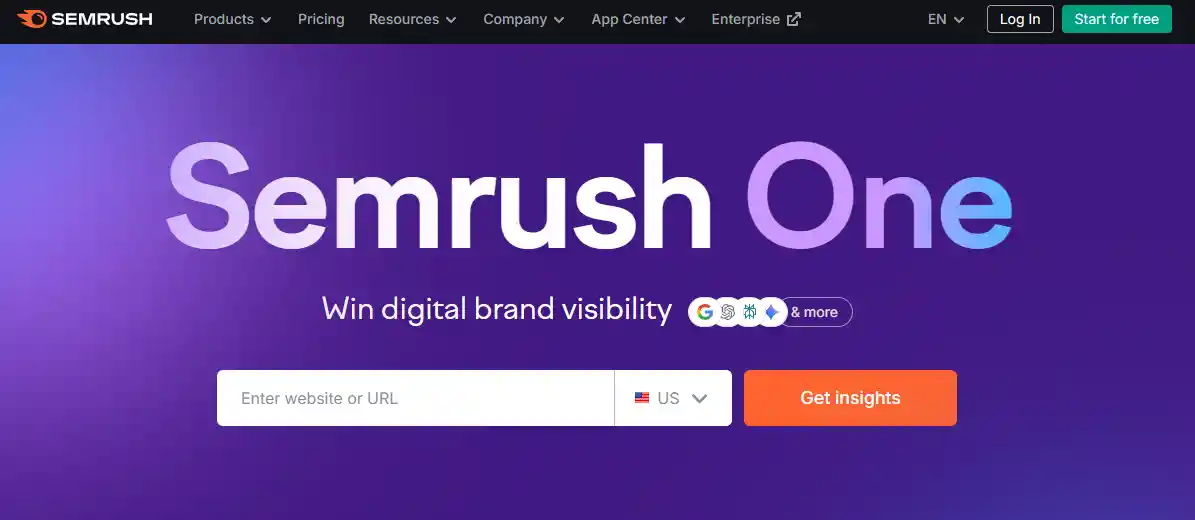
Semrush covers keyword discovery, full site checks, link profiles, and now includes tracking for brand visibility inside AI responses from sources like ChatGPT or Google AI Overviews.
It highlights spots where rivals appear in those answers but your site does not, all from the same interface. The unified view cuts down on tool-switching and speeds up spotting new opportunities.
Clearscope
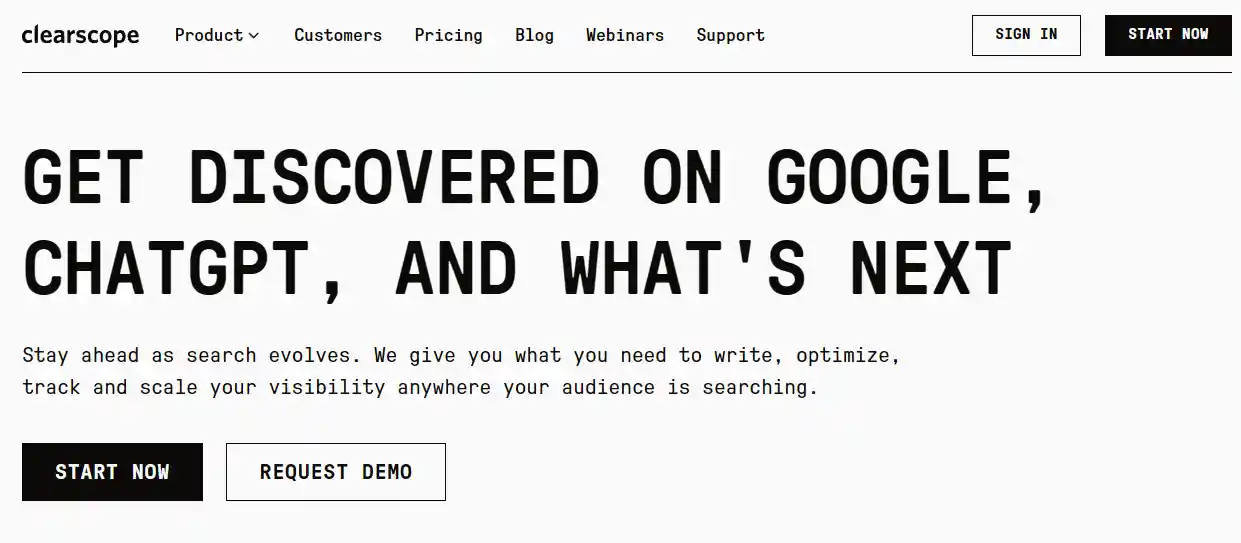
Clearscope compares your draft against leading pages and flags missing angles or related concepts that strengthen depth. It avoids heavy keyword repetition by focusing on natural topic expansion.
Many writers use it during revisions because the feedback targets relevance for standard search and AI summaries without overwhelming the process.
Writesonic
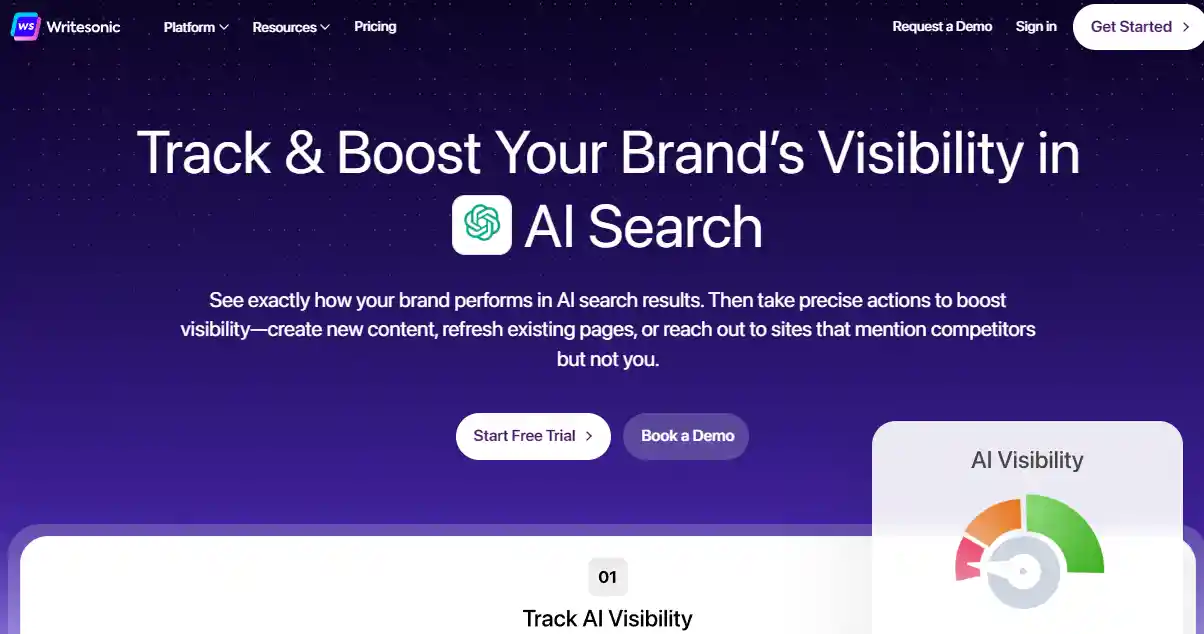
Writesonic creates complete drafts or specific sections built around SEO data and now checks potential visibility in AI-driven search. It integrates keyword insights so you can produce faster when volume matters.
The output works well for initial versions, but always edit to match your tone and add unique details that keep it original.
Ahrefs
Ahrefs excels at backlink exploration, keyword difficulty ratings, and analyzing competitor strategies, with recent additions for monitoring brand presence across AI platforms. It reveals content areas competitors cover that you miss and points to realistic link targets.
Start projects here to select topics backed by strong data before moving to writing or optimization.
Frase
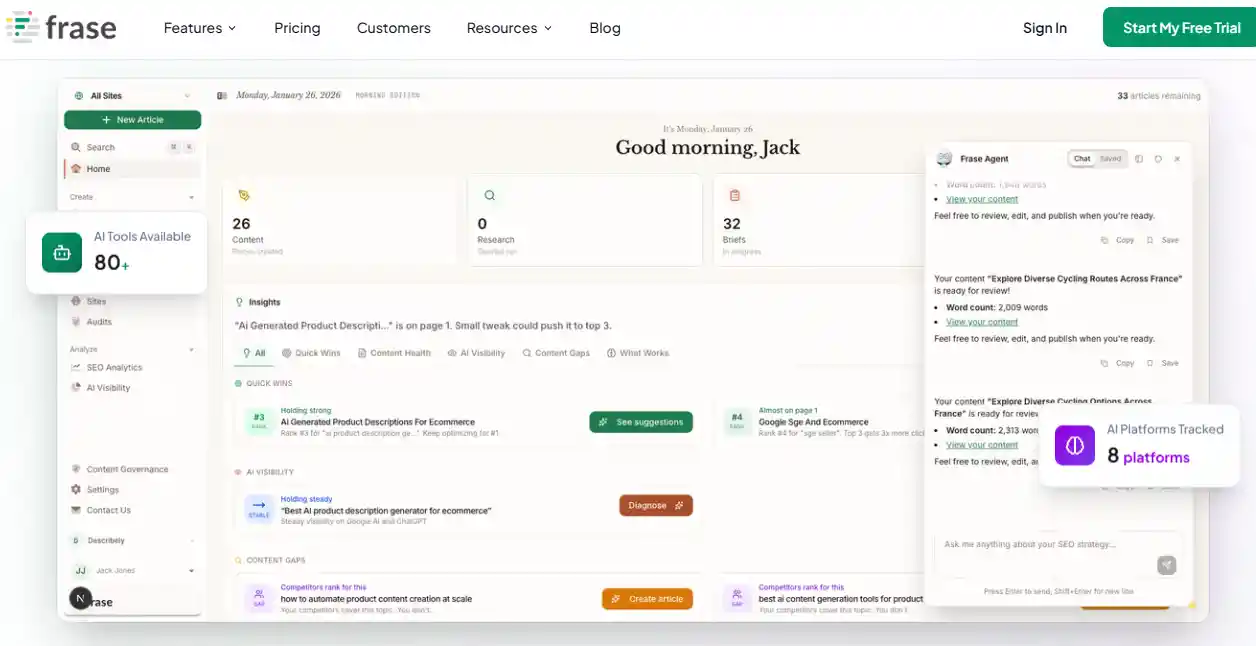
Frase pulls SERP data to create detailed content briefs that outline key questions, subtopics, and gaps competitors cover. It then supports drafting with AI while keeping suggestions tied to real search intent.
Writers use it to build structured outlines fast, then refine manually for accuracy and brand fit. The brief-first approach helps avoid generic output and targets both Google and AI answer formats more effectively.
Jasper
Jasper handles long-form content generation with templates tuned for SEO, letting you input brand guidelines, voice samples, and keyword lists upfront. It produces drafts that incorporate facts and structure pulled from current data.
Teams running high-volume blogs find it cuts first-draft time significantly, but the key is layering in human edits for depth and to prevent repetition that AI summaries might skip.
Otterly.ai
Otterly.ai helps you monitor brand representation and product mentions in responses from AI platforms and LLMs. It highlights gaps where your content is missing in AI-generated answers and tracks how well your pages appear across multiple AI-driven search results.
Teams use it to adjust content strategy quickly, ensuring visibility in both traditional search and AI-powered recommendations.
SE Ranking
SE Ranking combines standard tracking with AI-specific features like monitoring brand mentions in overviews and chat platforms. It runs site audits, keyword positions, and competitor comparisons in one place, plus an AI writer for quick drafts.
The tool suits smaller teams or agencies because it reduces the need for multiple subscriptions while providing clear reports on how visibility shifts in mixed search environments.
AirOps
AirOps lets you build custom workflows that automate parts of SEO like research, outlining, and optimization using connected data sources. You can set up sequences that pull SERP insights, generate briefs, and even push optimized content live.
It fits operations where consistency across many sites matters, as the reusable agents save time on repetitive steps without forcing full reliance on one AI model.
Alli AI
Alli AI automates on-page changes directly on your site, such as adding schema, updating meta tags, or rewriting elements based on performance data. It scans for issues and applies fixes in bulk without manual coding.
This suits teams handling many pages because it reduces time spent on technical tweaks while keeping content aligned with current search signals. Test changes on a small set first to confirm they improve results before rolling out site-wide.
Search Atlas

Search Atlas serves as an all-in-one alternative with strong AI assistance for keyword clustering, content briefs, and optimization. It includes an AI agent that handles research and drafting while integrating SERP data for relevance.
Agencies and growing sites use it to replace multiple tools without losing depth in analysis. The interface keeps everything in one flow, which helps when you need quick iterations on content plans.
Scalenut
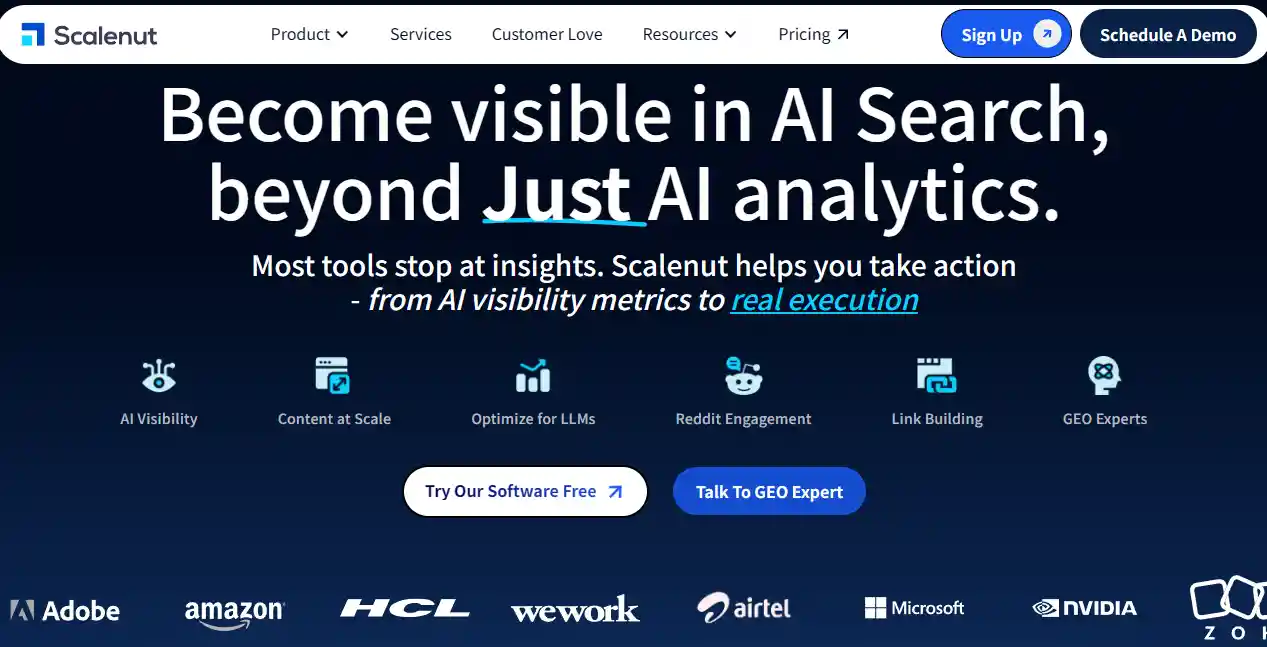
Scalenut combines keyword planning, AI drafting, and real-time optimization in a single platform. It groups topics into clusters and generates cruise-mode drafts that pull in current SERP insights.
This works well for consistent publishing schedules because you can move from idea to publishable piece faster. Always add your own research and voice during final passes to maintain quality and avoid thin sections.
Rankability
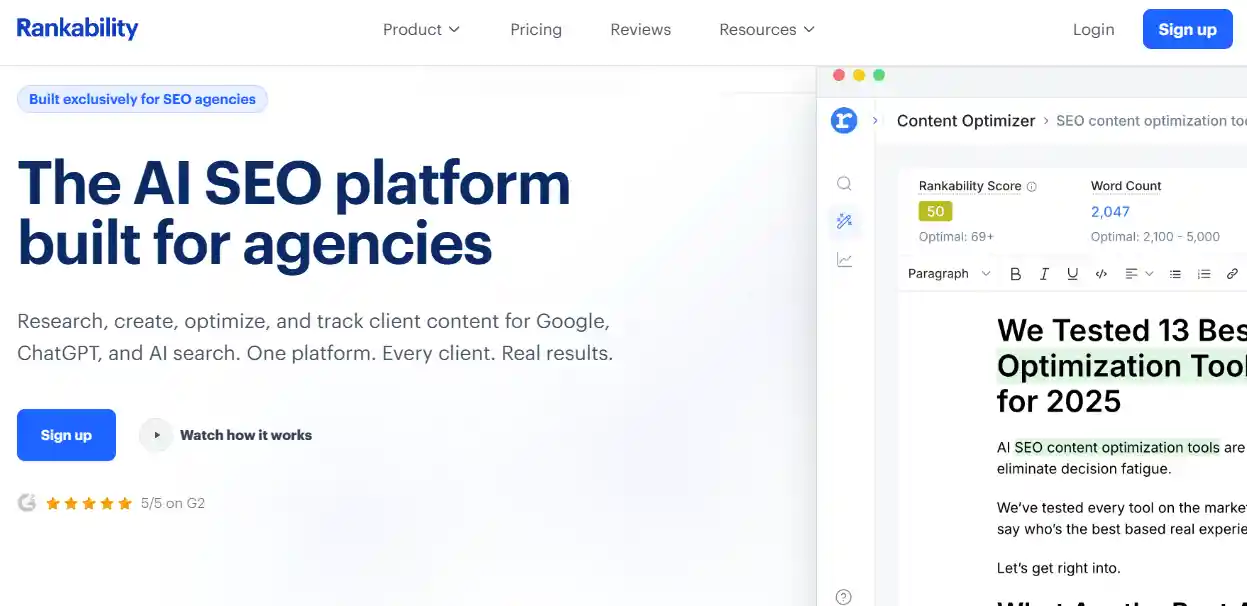
Rankability focuses on scoring and refining content specifically for both traditional rankings and AI platforms. It offers real-time optimization during writing, keyword discovery across search types, and monitors how well pieces perform in AI responses.
Content teams find it practical for daily use since the score guides adjustments without overcomplicating the process. Combine it with site audits from other tools for a fuller picture.
Indexly
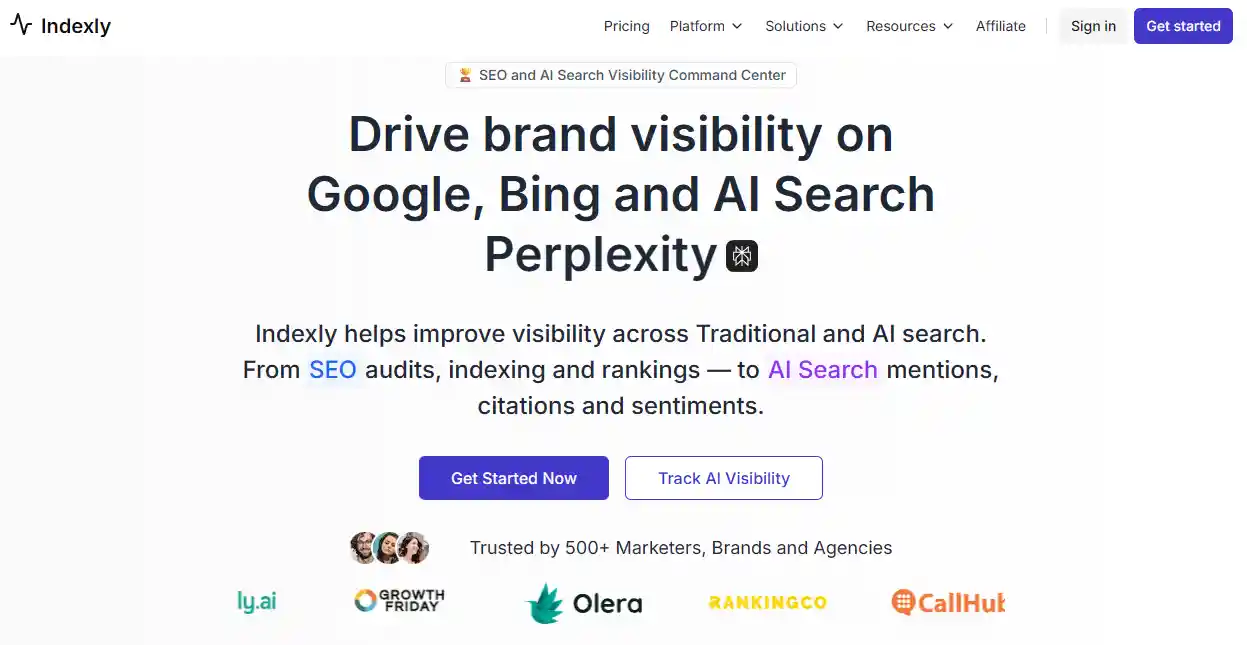
Indexly speeds up indexing while tracking technical health and discoverability in AI engines like ChatGPT or Perplexity. It flags crawl issues, monitors if pages appear in LLM outputs, and automates fixes for faster visibility.
This becomes essential when new content needs to show up quickly in mixed search results. Use it alongside content tools to ensure published work reaches both users and AI systems without delays.
How to Choose the Right AI SEO Tool for Your Business
Picking an AI SEO tool in 2026 feels overwhelming with so many options. Focus on what actually moves the needle for your setup instead of chasing every shiny feature.
Know Your Biggest Pain Point
Look at where you lose the most time right now. Is it endless keyword digging? Rewriting content that never ranks? Or checking if your brand even shows up in ChatGPT answers? Pinpoint that one slow spot.
A tool that fixes your daily headache delivers way more value than a fancy all-in-one suite you barely touch. Spend a week tracking your workflow. Write down the tasks that frustrate you most. That list guides your choice better than any review.
Match Features to How Search Works Today
Traditional rankings still matter, but AI visibility in summaries and answer engines decides a growing chunk of traffic. Look for tools that track mentions across Google AI Overviews, Perplexity, Gemini, and similar platforms.
Strong ones also handle content optimization based on real SERP data plus AI citation patterns. Skip tools stuck only on old-school keyword stuffing.
Prioritize those that help with topical depth, entity coverage, and quick on-page tweaks so your pages get pulled into direct answers.
Check Ease of Use and Integration
You want something that fits your current routine, not one that forces a complete overhaul. Test the interface for a few days if a trial exists. Does it connect smoothly to WordPress, Google Analytics, or your keyword tracker?
- Clean dashboard with fast loading
- Simple setup for campaigns
- Clear reports you actually read
If it takes weeks to learn, pass. Time saved on learning equals more time fixing SEO issues.
Consider Budget and ROI
Prices jump around a lot in 2026. Some tools start low but charge extra for AI tracking add-ons. Others bundle everything at a higher rate.
Ask yourself: Will this cut hours from your week or lift traffic enough to cover the cost? Start small with one core tool. Run it for a month, measure time saved or rankings moved, then decide to scale or switch. Avoid big commitments until you see proof it works for your niche.
Test Before You Commit
Most solid tools offer trials or limited free access. Run a real project through it—optimize one page, track one keyword cluster, monitor AI mentions for a brand query. See if the suggestions make sense and lead to better results.
Compare two or three shortlisted ones side by side on the same task. The one that feels intuitive and gives actionable steps wins. This quick test avoids expensive mistakes and points you straight to the right fit for 2026.

How Small Teams Use AI SEO Tools for Maximum Impact
Running SEO on a small team means you wear many hats—research, writing, fixes, and tracking all fall on just a few people. The good news?
AI tools level the playing field in 2026 by handling the heavy lifting so you focus on what really moves the needle for your business. Here's how small teams make these tools deliver real results without getting overwhelmed.
Start with One Clear Pain Point
Pick your biggest bottleneck and attack it first. Many small teams waste time juggling five tools when one or two solve most issues.
- If content takes forever to create and optimize, tools like Surfer SEO or Writesonic speed up drafts with built-in SEO guidance.
- If you worry about showing up in AI answers from ChatGPT or Google Overviews, Semrush or SE Ranking tracks brand mentions across platforms.
- For technical headaches like slow indexing, Indexly flags issues and suggests quick fixes.
By narrowing to one area—like faster publishing—you see quick wins that free up hours each week. Small teams often double output this way before expanding to other parts of the workflow.
Build Simple Workflows That Save Hours
Create repeatable steps so tools work for you automatically. Small teams thrive when they stop starting from scratch every time.
Use Frase or Search Atlas to generate content briefs from SERP data in minutes, then feed those into Jasper or Scalenut for first drafts. Edit for your voice and publish. This cuts writing time from days to hours.
Many teams set up AirOps agents to automate research and outlining weekly. You review outputs instead of doing everything manually. The key is keeping workflows short—three or four steps max—so nothing feels like extra work.
Track Both Rankings and AI Visibility
Classic rankings matter, but AI visibility drives a growing chunk of traffic now. Small teams use tools that cover both without needing big budgets.
SE Ranking or Semrush shows keyword positions plus how often your brand gets cited in AI responses. Run monthly checks on key topics to spot gaps where competitors appear but you don't.
Adjust content with clearer answers, structured data, or unique angles that AI models favor. Teams report 20–30% more mentions after consistent tweaks, turning passive tracking into active growth.

Layer Human Input to Keep Quality High
AI handles speed and data, but your expertise adds the edge that stands out. Small teams avoid generic output by always reviewing and personalizing.
Use Clearscope or Rankability to score drafts and suggest improvements during edits. Add real examples from your business, customer stories, or fresh insights AI misses.
This keeps content authentic and trustworthy—crucial when AI search favors comprehensive, helpful sources.
Test Affordable Plans and Scale Smart
Budget matters when you're small. Start with trials or low-tier plans to prove value before committing.
Many tools like Writesonic start around $49/month for solid features, while free tiers in Mangools or basic AI graders give quick insights.
Once a tool saves time or boosts traffic, upgrade for team access or more projects. Small teams often stick to 2–3 tools total—enough power without tool overload or high costs.
Read More:
- Top 20 AI Solutions for eCommerce Businesses
- 12 Leading AI Dropshipping Website Builders: Boost Your Online Store
Combining AI and Human Insight for a Smarter SEO Strategy
You get the most from AI SEO tools when you treat them as helpers, not full replacements. AI handles fast tasks like pulling keyword data, building outlines, and spotting gaps in drafts.
This speeds up your work a lot. The real strength in rankings still comes from your own knowledge, clear planning, and strong backlinks. Pure AI output often misses the depth search engines reward.
Focus on Research First
Many people find the biggest win comes from using AI for keyword clustering. It groups terms based on what actually ranks together, not just similar words. This stops you from creating pages that fight each other for the same traffic.
Feed that clustered data into your tools so the AI starts with accurate info. You then review and add industry details or real examples that machines cannot know.
Build a Clear Workflow
Start with research using tools like Semrush or Ahrefs for insights and competitor views. Move to outlining or drafting with something like Jasper or Writesonic. Then optimize with Surfer or Clearscope. Finally, check visibility in AI responses.
The tools that fit smoothly into your existing steps make the biggest difference. You end up testing more ideas quickly, which leads to faster publishing and indirect ranking gains.
Always Add Your Human Touch
AI gets you about 70% of the way on drafts for many teams. You handle the rest by rewriting sections, inserting unique stories, or fixing facts. This keeps content from feeling flat or generic.
Search engines favor pieces with real expertise and original angles. Without that, even well-optimized AI content struggles to hold strong positions over time.
Keep Strategy in Your Hands
Decide topics based on business goals, audience needs, and long-term authority. Use AI to execute faster, but guide the direction. Technical basics like site structure and schema still matter so AI systems can read and cite your pages easily.
Blend the speed of tools with your judgment. That combination builds smarter, more lasting SEO results in 2026.
Expert Tips
These top AI SEO tools give you real ways to work smarter in 2026. They handle research, speed up content, track AI visibility, and cut hours from your week.
Pick the ones that fix your biggest slowdowns. Start small. Test a couple. Watch how much faster you move and how much steadier your results become.
The mix of AI speed and your own smart choices keeps you ahead. Search keeps changing, but you stay ready. Keep tweaking your workflow. Keep publishing strong content. You've got this. The tools are here to help you win.
FAQs
Are AI SEO tools worth it?
Yes, they save you time on research, optimization, and tracking. Many users see faster workflows and steadier results when tools fit their needs. They pay off quickly if you pick ones that solve real daily tasks.
Can AI SEO replace a human SEO expert entirely?
No. AI handles speed and data tasks well, but strategy, creativity, and deep industry knowledge still need human input. The best approach combines both for stronger outcomes.
Are free AI SEO tools effective for small businesses?
They can be. Options like basic versions of ChatGPT, Google Search Console, or limited free tiers help with keyword ideas and quick checks. They work best to start or test before upgrading.
How much do AI SEO tools typically cost?
Prices range from $20–$50 per month for basic or content-focused tools up to $100–$300 for full-featured ones like Semrush or Surfer. Many offer starter plans or trials to match different budgets.
How quickly can I expect to see results from using AI SEO tools?
You often notice workflow improvements right away, like faster content creation. Ranking or visibility gains usually show in 4–12 weeks with steady use, depending on your site and competition.



 Global Shipping








 Made in USA
 Free shipping