





When winter arrives, cozy fabrics like fleece and sherpa become must-haves for blankets, jackets, and hoodies. But what's the real difference in the ongoing fleece vs sherpa debate?
While both are soft, warm, and made from synthetic polyester, they offer unique textures and benefits. Fleece is lightweight and smooth, ideal for everyday layering, while sherpa mimics fluffy sheepskin for ultimate plushness and insulation.
In this guide, we'll break down their comfort, warmth, care, and best uses to help you choose the perfect one for staying snug all season.
Learn About Fleece and Sherpa
What Is Fleece?
Fleece is a soft synthetic fabric made mostly from polyester. Makers brush one or both sides to create that fuzzy feel you like on jackets and blankets. It stays light so you can wear it without feeling weighed down.
You get good stretch and quick drying after rain or sweat. Many outdoor brands use it for mid-layers because it traps some heat while letting moisture escape. You can wash it easily in a machine and it holds color well over time.
What Is Sherpa?
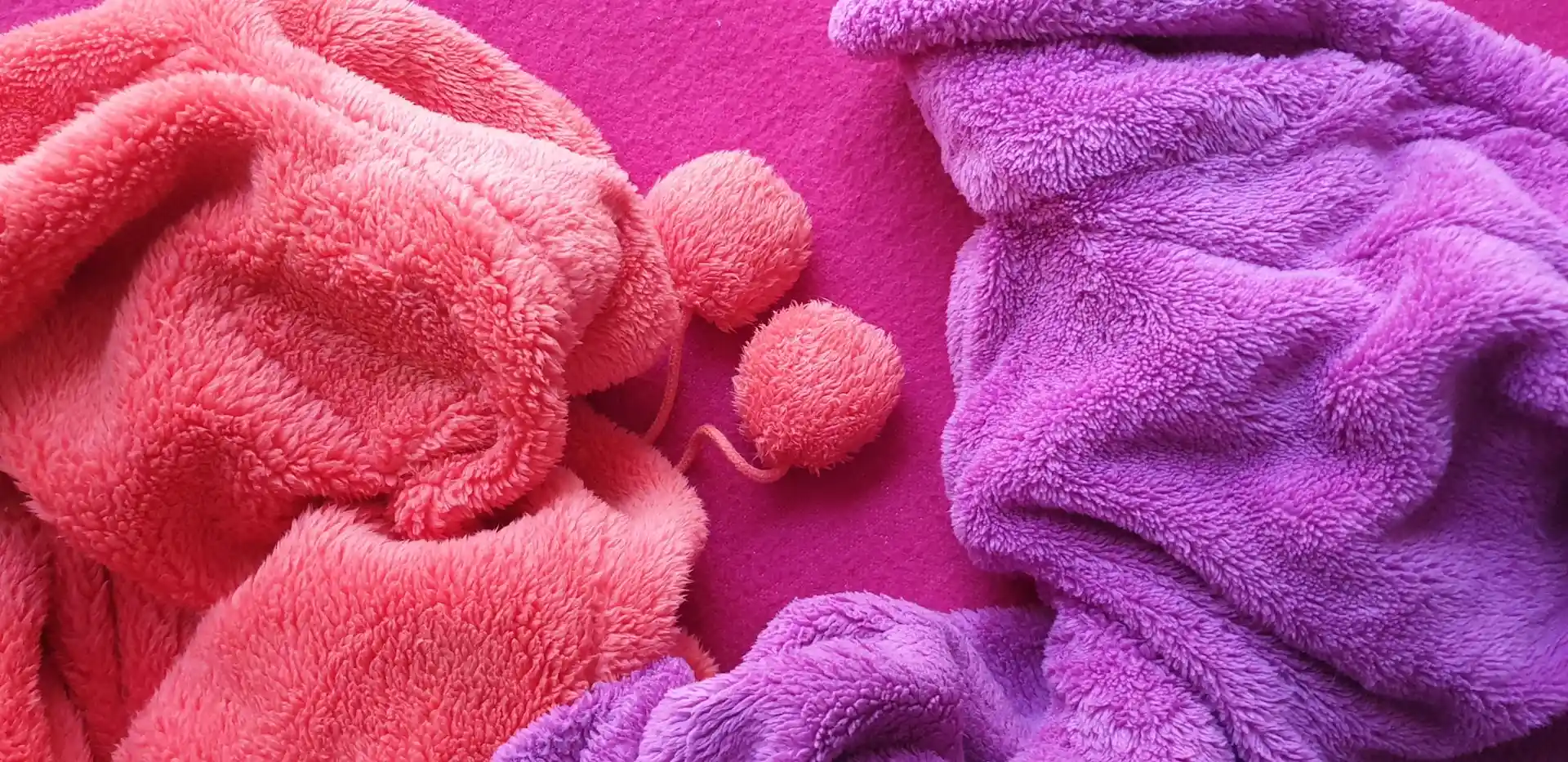
Sherpa is also synthetic polyester but built to copy real sheep's wool. One side stays smooth while the other has a thick, fluffy pile that looks and feels like lamb fleece.
This pile gives extra warmth by trapping air close to your body. You often find it lining hoodies, lining boots, or as the inside of heavy blankets.
It adds bulk and weight compared to regular fleece. You need gentle washing to keep the fluff from matting, but the cozy texture makes cold days more bearable.
Fleece vs Sherpa: 10 Key Differences You Should Know
Material & Construction
Fleece
Fleece is made from polyester or blended fabrics. It uses a brushing process that creates a soft, fuzzy surface. This gives you good stretch and a smooth feel, while keeping the material light and easy to work with. You can move comfortably without restriction. The fabric stays flexible for daily use.
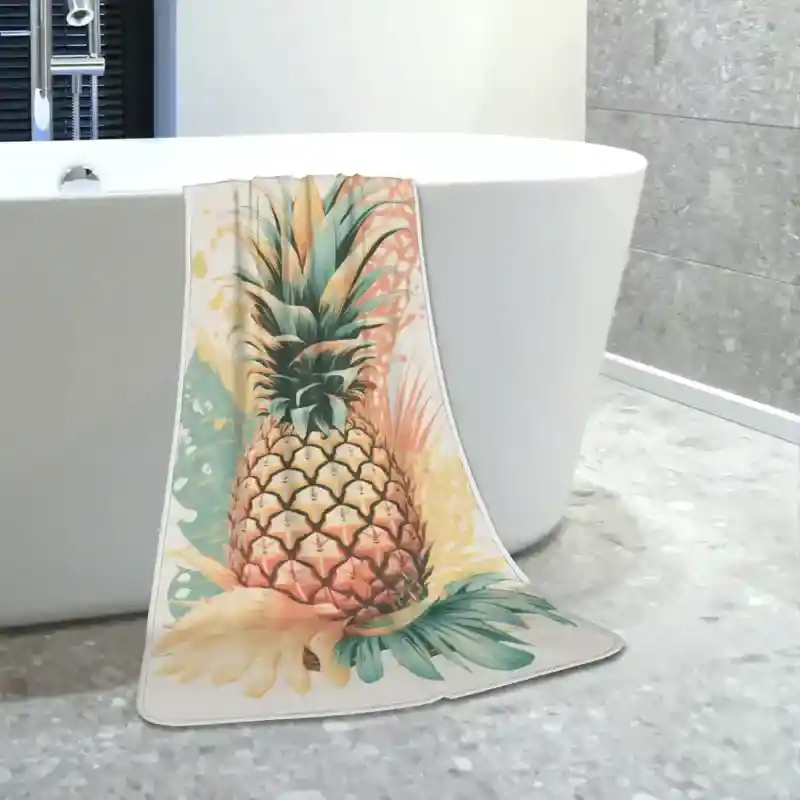
Custom Coral Fleece Bath Towels - Print on Demand Fulfillment - PrintKK
Sherpa
Sherpa is usually polyester that looks and feels like lamb's wool. It has a thick, piled layer on one side. This fluffy construction makes it heavier and adds a natural, cozy texture you can see and touch. You notice the depth right away. The pile traps air for extra warmth.
Comfort & Feel
Fleece
Fleece feels light and soft against your skin. It lets air flow well, so you stay comfortable in mild weather. You get a smooth touch without too much weight on your body. You can wear it all day. The fabric does not cling or feel heavy.
Sherpa
Sherpa gives you a thick, plush feel like real sheepskin. It wraps you in warmth, but the extra weight can feel heavy. You enjoy deep softness in cold settings, though it may feel warmer than needed. You sink into the fluff. The texture stands out clearly.
Insulation & Warmth
Fleece
Fleece traps some heat with its brushed fibers. It works best when you layer it with other clothes. You stay moderately warm in cool weather without feeling too hot. You add or remove layers easily. The warmth stays even during light activity.
Sherpa
Sherpa holds heat better because of its thick pile. The fluffy side blocks cold air well. You get strong insulation that keeps you cozy even in very cold conditions. You feel protected from wind. The trapped air acts like a natural barrier.
Durability & Maintenance
Fleece
Fleece lasts long but can pill after many washes. Use cold water and low heat to clean it. You avoid shrinkage by following simple care steps each time. You turn it inside out before washing. Gentle drying keeps the softness intact.
Sherpa
Sherpa holds up well over time, yet its thickness needs extra care. It takes longer to dry after washing. You keep it in good shape with gentle cleaning and air drying. You shake it out to restore fluff. Avoid hot dryers to prevent matting.

Aesthetic & Design Appeal
Fleece
Fleece has a clean, even surface. It fits modern and simple styles easily. You create sleek looks that feel current and neat. You choose solid colors or subtle patterns. The finish stays smooth and professional.
Sherpa
Sherpa shows a rough, wool-like texture. It suits rustic or vintage designs. You add visual depth and a cozy, old-school charm to your items. You pair it with denim or neutral tones. The look feels inviting and warm.
Weight & Thickness
Fleece
Fleece stays light and thin. You can wear it in spring, fall, or mild winter days. You move freely without extra bulk. You pack it easily for travel. The low weight makes layering simple.
Sherpa
Sherpa is heavier and much thicker. It works best for deep winter use. You gain serious warmth at the cost of added weight. You feel the volume on your body. The thickness provides a cushioned effect.
Breathability & Moisture-Wicking
Fleece
Fleece lets air pass through and pulls sweat away. It suits active use or changing weather. You stay dry during movement. You wear it for walks or light exercise. The fabric dries quickly after getting damp.
Sherpa
Sherpa does not breathe as well. It can feel stuffy in humid air. You choose it for still, cold days rather than sweaty activities. You avoid it during workouts. The pile holds moisture longer.
Cost & Price Point
Fleece
Fleece costs less because it is simple to make in large amounts. You spend less on basic items or bulk orders. You find many affordable options. The lower price fits everyday purchases.
Sherpa
Sherpa often costs more due to its complex pile process. Higher quality versions raise the price. You pay extra for the plush look and feel. You invest in lasting comfort. The cost reflects the detailed construction.
Use Cases
Fleece
Fleece fits sportswear, light jackets, and home clothes. It works for hiking or daily layers. You use it in many everyday situations. You throw it on for quick errands. The versatility covers most seasons.
Sherpa
Sherpa shines in winter coats, blankets, and heavy linings. It keeps you warm indoors or out in cold weather. You pick it for maximum coziness. You wrap up on couch nights. The material excels in low temperatures.
Printing Results & Applicability
Fleece
Fleece has a flat surface that takes prints clearly. Fine details show up well. You get sharp designs on smooth fabric. You add text or small graphics easily. The colors stay vibrant after washing.
Sherpa
Sherpa's fluffy pile can blur small details in prints. Large or simple patterns work best. You choose bold graphics to stand out on the texture. You focus on big logos or shapes. The fluff softens the overall print effect.
Truth of Sherpa Fleece: Warm, Soft, but Environmentally Costly
1. Weight & Thickness: From Lightweight to Heavy-Duty
The thickness of Sherpa fleece can vary significantly, making it versatile for different uses:
- Lightweight (100-200g/m²): Ideal for lighter outer layers like sweatshirt linings or thin jacket interiors.
- Medium weight (200-300g/m²): This is the all-around option, perfect for outerwear or blankets.
- Heavy-duty (300-400g/m²+): Great for insulation in extreme cold, such as snow boots or thick winter coats.
2. Fleece Pile Height: Beauty and Function
Sherpa fleece comes in different pile heights, influencing both its look and feel:
- Short Pile (a few millimeters): Feels ultra-smooth, making it perfect for baby items and soft inner linings.
- Long Pile (3cm+): Mimics the curly texture of real lambswool but can be prone to tangling and matting.
- Extra-soft Short Pile: Dense and cloud-like, ideal for items worn close to the skin, like loungewear.
- Particle Fleece: Has a textured surface with raised particles, appealing to those who love a vintage, retro style.
3. The Material Breakdown: Synthetic All the Way
Sherpa fleece may feel natural, but it's all synthetic:
- Main Fiber: Polyester (or other forms of polyester) is the primary material, providing durability, wrinkle resistance, and low cost.
- Additional Fibers: Acrylic for fluffiness, nylon for added strength, and sometimes elastane for flexibility.
Despite any fiber mixes, Sherpa fleece is predominantly made from synthetic materials, and it's far from the eco-friendliness of natural fibers like wool.
4. Single-Sided vs. Double-Sided: Warmth and Cost
- Single-Sided Fleece: This version has fleece only on one side, with a smooth backing on the other. It's lighter and cheaper, often used for inner linings of jackets or blankets.
- Double-Sided Fleece: Both sides feature fleece, providing double the warmth. However, it's more expensive and heavier, perfect for outerwear, winter home wear, or insulated footwear.
5. The Pros: Affordable, Soft, and Easy to Care For
Sherpa fleece delivers excellent value for money, especially when compared to natural wool.
- Affordability: It costs a fraction of real wool, making it a go-to for budget-conscious consumers.
- Softness: High-quality versions can feel almost indistinguishable from real wool, with an ultra-soft, baby-like touch.
- Warmth Without Bulk: It's lightweight yet warm, offering similar insulation properties to wool without the heavy, bulky feel.
- Low Maintenance: Machine washable, quick-drying, and wrinkle-resistant, making it ideal for those who prefer low-effort fabrics.
- Color Variety: Synthetic fibers take dye well, resulting in vibrant, colorfast hues that hold up well in photos.
6. The Cons: Environmental and Functional Trade-Offs
While Sherpa fleece excels in comfort, it's not without its drawbacks.
- Breathability Issues: The dense fabric traps heat, which can make it uncomfortable in sweaty situations or during physical activity. If you're prone to overheating, it might not be the best choice.
- Static and Pilling: In dry weather, Sherpa fleece tends to generate static, which can lead to fuzz buildup or tangling of the fleece fibers.
- Environmental Concerns: As a synthetic material made primarily from petroleum-based polyester, Sherpa fleece contributes to microplastic pollution. When washed, it sheds tiny plastic fibers that contaminate water sources. It's also non-biodegradable, adding to the global plastic waste problem.
- Limited Performance in Moisture: Unlike wool, which continues to trap heat when damp, Sherpa fleece loses much of its insulating properties in wet conditions, making it less ideal for rainy or snowy environments.

Ideal Use Scenarios: Soft and Warm for Everyday Wear
Sherpa fleece is perfect for:
- Budget-Conscious Shoppers: It's a great alternative to expensive natural wool items.
- Anyone Seeking Softness and Warmth: It offers a soft, luxurious feel that's hard to beat.
- Easy Care Needs: If you prefer something that's machine-washable and quick-drying, Sherpa fleece is a solid choice.
- Home Use: For blankets, indoor slippers, or loungewear, Sherpa fleece's warmth and softness make it ideal.
Read More:
- Polyester vs. Cotton: What Fabric is Better
- Cotton Jersey Knit vs Preshrunk Cotton: A Clear Comparison
Fleece vs Sherpa vs Wool vs Microfleece: Which is Best for Winter?
Microfleece for Active Days
Microfleece stays thin and light. It lets air pass through easily. You move freely during runs or hikes. It dries quickly and serves well as a base layer. Warmth remains moderate. You add thicker pieces in strong cold.
Regular Fleece for Everyday Use
Regular fleece gives more warmth than microfleece. It feels soft with low weight. You wear it for normal winter tasks or short walks outside. It breathes well and layers smoothly under coats. Warmth lowers faster in wet weather.
Sherpa for Deep Warmth
Sherpa has thick fluffy pile that holds heat tightly. You get strong coziness in harsh cold. It lines heavy coats or forms warm blankets. The added bulk slows fast movement. You stay comfortable when sitting or standing still.
Wool for Natural Performance
Wool grows on sheep. It keeps warmth even when wet. Air flows through and balances body heat. You use it in extreme cold or damp conditions. It lasts long with proper care. Some feel itch, and it needs gentle cleaning.
How They Compare
Sherpa and wool lead for extreme winter warmth. Fleece and microfleece fit milder cold. Sherpa and wool offer plush comfort. Microfleece allows easy movement. Wool endures longest. Fleece types clean simply.
Best Choices for Your Activities
Pick microfleece for running or climbing. Choose regular fleece or sherpa for daily wear. Use sherpa or wool for home blankets. Select wool or microfleece for tough outdoor trips. You find the right fabric for your winter needs.

Print On Demand Thick Coral Velvet Rug - PrintKK
Discover High-Quality Fleece Products at PrintKK
At PrintKK, designing and ordering high-quality fleece products is easy. Simply choose your product—like a fleece hoodie, blanket, or rug—and upload your custom design.
In just a few clicks, you can place your order and have it delivered right to your door.
Here are some of the benefits of shopping at PrintKK:
- No seller taxes on products shipped to the US
- Many products come with free shipping within the US
- Affordable prices with excellent quality
- Perfect for personal use, gifts, or resale
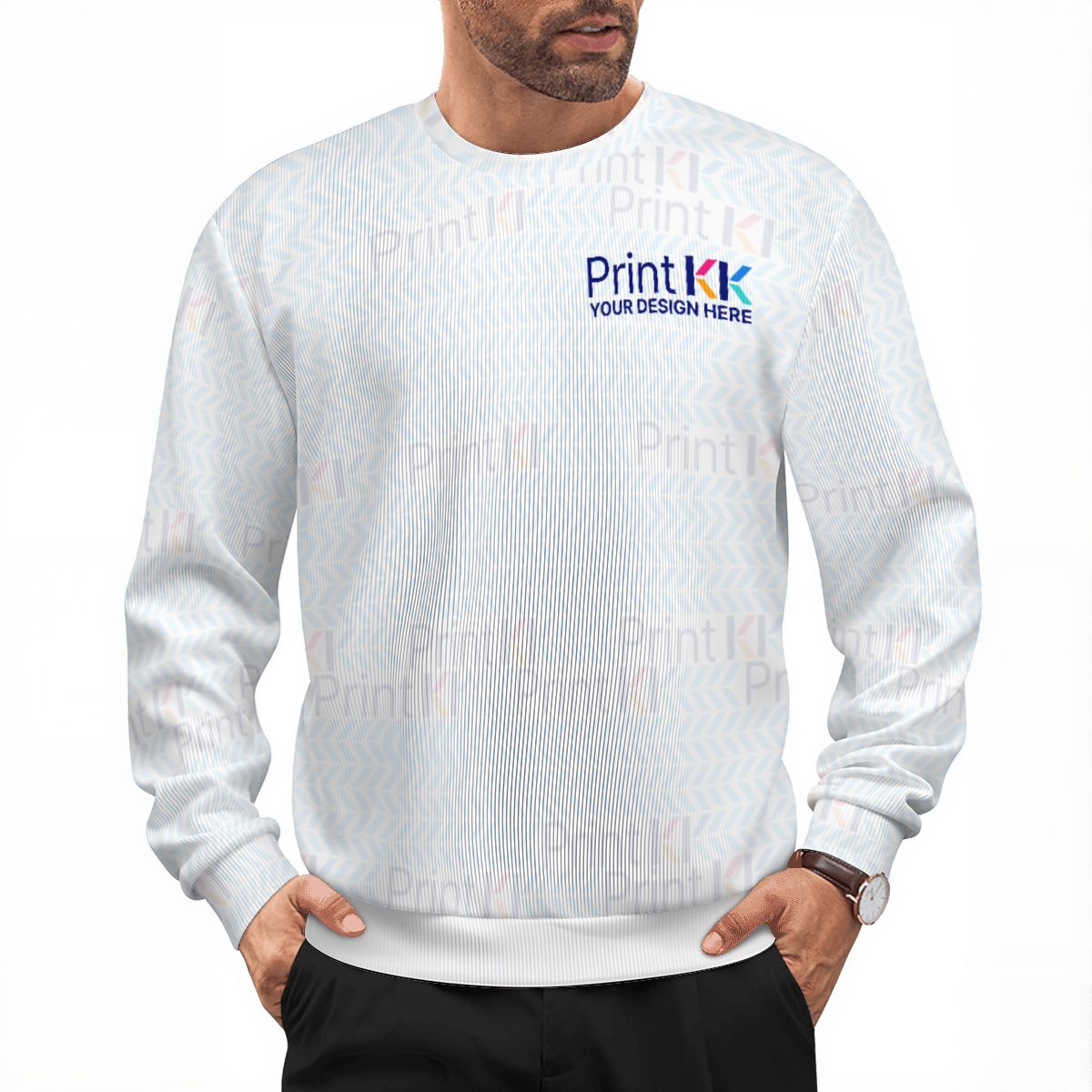
PrintKK offers a wide range of fleece items that are perfect for customization. Whether you're looking for a cozy fleece hoodie, a warm blanket, or a stylish rug, you can easily add your design to create something truly unique.
With competitive pricing and top-notch quality, PrintKK makes it easy to get the perfect fleece product for any occasion.
Expert Tips
You now understand the main points in the fleece vs sherpa choice. Fleece keeps things light, breathable, and easy to move in.
Sherpa brings deeper warmth and that cozy plush feel. Both fabrics work well for winter comfort, just in different ways. Pick fleece when you want versatility and less weight.
Choose sherpa when you need maximum snugness on cold days. You can feel good knowing either option will keep you warm and comfortable. Enjoy your cozy season ahead.
FAQs
Which is softer, fleece or sherpa?
Sherpa feels softer to most people. Its thick, fluffy side gives a deep, plush touch similar to sheep wool. You get that extra cuddly sensation. Fleece stays soft and smooth, but without the same level of fluff.
Which is warmer, sherpa or fleece?
Sherpa provides more warmth. The piled structure traps air well and blocks cold air effectively. You stay comfortable in very low temperatures. Fleece offers decent warmth, especially with layers, yet falls short in extreme cold.
Can fleece and sherpa be washed in a washing machine?
Both fabrics handle machine washing well. Choose cold water and a gentle setting. You maintain their quality this way. Flip them inside out and skip high heat in the dryer to preserve the texture.
Is sherpa or fleece better for photo blankets?
Fleece performs better for photo blankets. The flat surface displays images with clear details and strong colors. You see sharp, vibrant pictures. Sherpa's textured pile can make fine details appear slightly softer or less defined.

 Global Shipping