






You're building your brand and want products that feel 100% yours—without starting from zero. That's where white label vs private label makes the decision easier.
White label lets you grab ready-made items, slap your logo on them, and start selling almost right away—low risk, super quick.
Private label gives you more power: you design something unique just for your brand, build real loyalty, and stand out from everyone else.
Both can grow your business like crazy.
Let's break it down so you pick the path that fires you up and fits your goals perfectly.
What is White Labeling?
White labeling is a fast way to launch products under your own brand. The manufacturer already has the formula, packaging, and production ready. You choose from their options, add your logo, adjust colors or box design if possible, and sell it as yours—no need to create anything from scratch.
Many small beauty brands start this way. You can order small runs, sometimes just 50–100 units, test what customers buy, and keep risk low. The global white label cosmetics market reached $1.01 billion in 2024 and is projected to hit $1.57 billion by 2030.
The downside is the core product is the same across brands. Your advantage comes from better photos, branding, and marketing—not a unique formula. If you want speed, low costs, and real sales data before going deeper, white labeling works well.
What is Private Labeling?
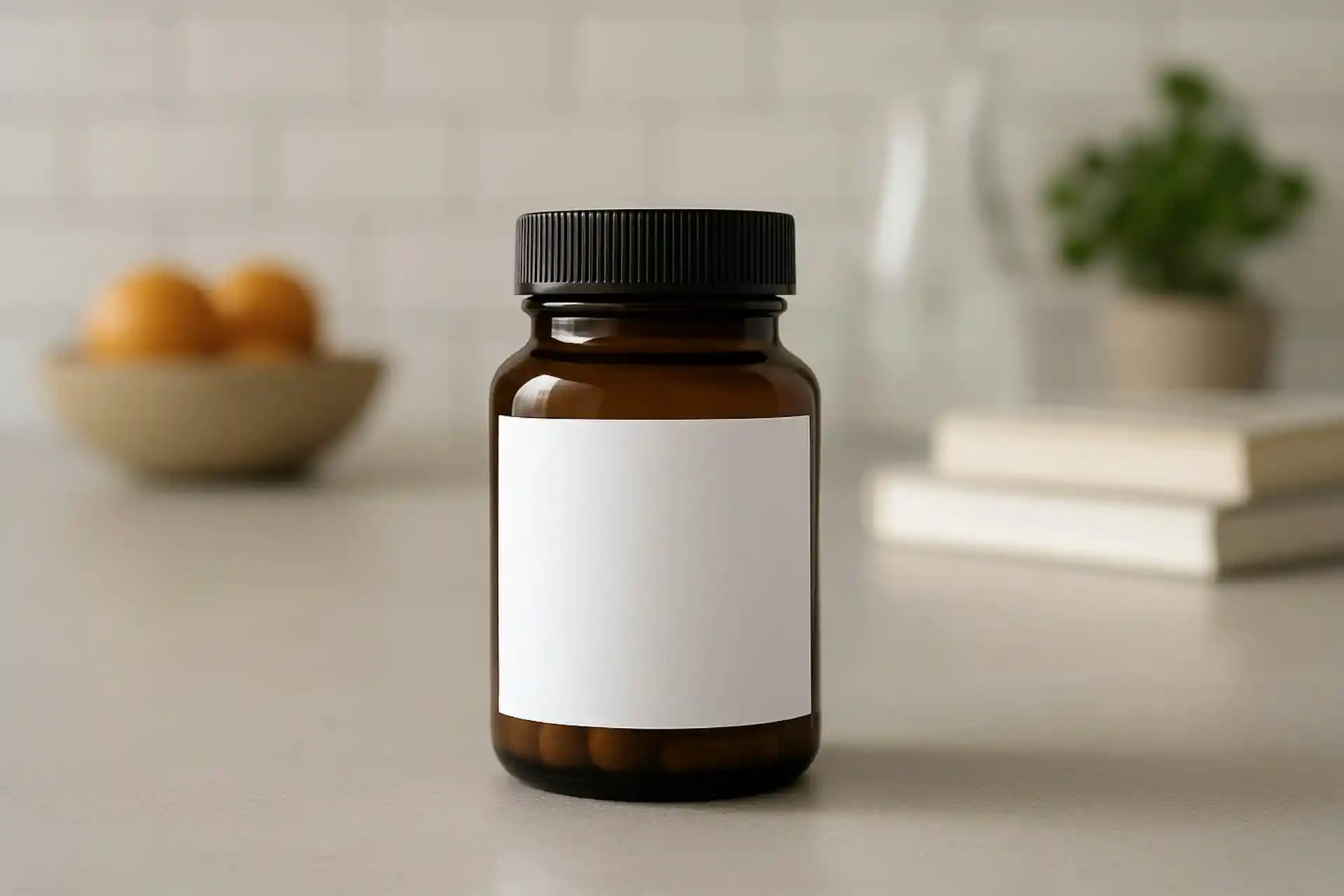
Private labeling lets you team up with a manufacturer to build products made only for your brand. You pick ingredients, tweak the formula for better feel or results, select scents and packaging that fit your look. No other seller gets your exact version.
This setup creates standout items customers link just to you. In 2024, private label products took 20.7% of U.S. consumer goods sales as buyers picked these over big names. Once your white label sales show demand, switch here for loyalty.
Expect MOQs of 3,000–12,000 units and extra costs for testing. You gain 50–70% margins vs. white label's 30–50%, plus a hard-to-copy edge. If sales data backs you, this builds real market control.
Private Label vs White Label: What's the Difference?
Branding and Ownership
Private Label
You work with a manufacturer to create a product made just for your brand. The item often has custom features, formulas, or designs that no other seller can use.
You control most of the branding and keep it exclusive to your business. This setup lets you build a unique identity that stands out on the market.
White Label
You buy a ready-made product from a manufacturer who sells the same base item to many different brands. You add your logo and maybe change the packaging, but the core product stays the same for everyone. Many sellers end up offering very similar items under their own names.
Customization Level
Private Label
You get to decide many details about the product. You can change ingredients, sizes, colors, or materials to match what your customers want. This higher control helps you create something special that fits your brand story. You invest more time upfront for that difference.
White Label
Customization stays limited in most cases. You usually only add your logo, tweak labels, or adjust basic packaging. The main product design and quality come straight from the manufacturer without big changes. This keeps things simple when you need to move fast.
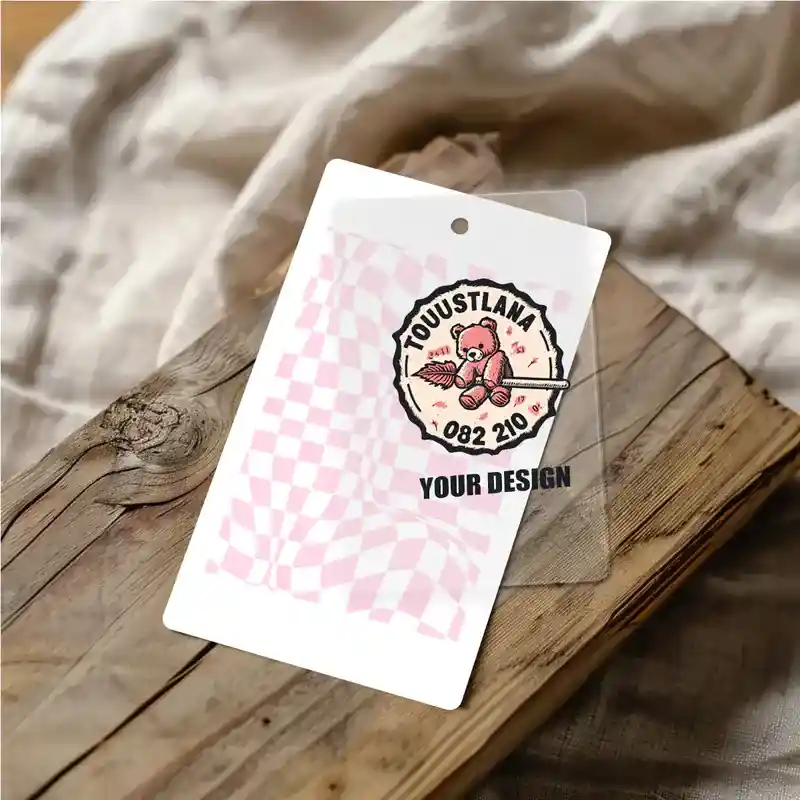
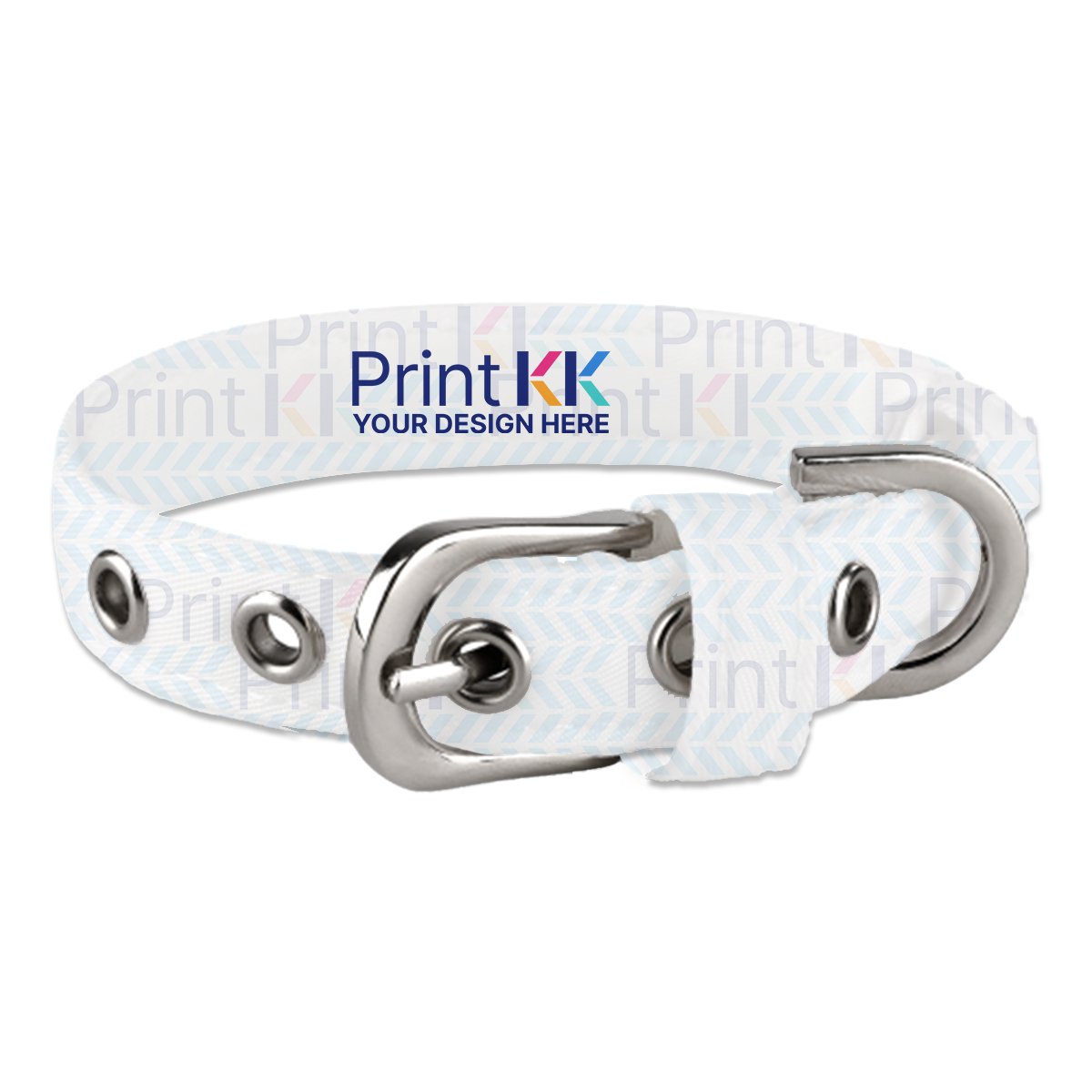
Print on Demand Combination Hang Tag - General Brands - PrintKK
Exclusivity
Private Label
The product belongs only to you. No other brand sells the exact same version. This exclusivity gives you an edge because customers see it as truly yours. You avoid direct competition from identical items under different names.
White Label
The same product exists across multiple brands. Other sellers can offer almost the same thing with their own branding. This means you share the market with similar-looking options, so your marketing needs to work harder to show value.
Speed to Market
Private Label
It takes longer to launch because you help develop the product from start to finish. You go through testing, samples, and adjustments before production begins. This extra time suits brands that want a strong, long-term position.
White Label
You start selling much faster since the product already exists and is ready. You pick from existing options, add your branding, and get it online or in stores quickly. This approach works well when you want to test ideas without delay.
Private Label vs White Label: Pros and Cons
Private Label Pros
- You gain full control over every aspect of the product, including ingredients, design, packaging, and quality standards.
- The finished product remains completely exclusive to your brand, which means no other company can sell the exact same item.
- Customers begin to associate the unique product directly with your brand name, helping to create stronger recognition.
- Over the long term, you have the potential to build much deeper customer loyalty because the item feels special and made just for them.
- Once established, profit margins often become higher since you avoid sharing the same product with many competitors.
- You can carefully design the product to match exactly what your target customers want and need from your brand.
Private Label Cons
- The upfront investment required for research, development, sampling, and testing turns out to be significantly higher than other options.
- The entire process from idea to finished product usually takes several months, sometimes even longer depending on changes.
- You take on a much larger financial risk because a large amount of money goes in before you see any sales at all.
- When you start with smaller order quantities, the cost per unit becomes noticeably more expensive compared to bigger runs.
- Making adjustments or fixing problems after production has already started often leads to extra costs and delays.
- While you work on development, you can easily miss out on fast-moving trends that competitors jump on more quickly.

White Label Pros
- You can bring products to market very quickly because the core item already exists and has been fully developed by the manufacturer.
- The initial startup costs remain quite low since you skip the expensive research and custom production stages.
- You start with a product that has already been tested and proven to meet basic quality and safety standards.
- Ordering in smaller quantities becomes much easier and more affordable, which makes it simple to test the market first.
- The overall level of financial risk drops considerably because you do not commit large sums before seeing customer response.
- This faster approach allows you to enter the market ahead of competitors and capture attention while trends are still strong.
White Label Cons
- Many different brands end up selling products that are almost identical, which reduces how special your item feels.
- You have only very limited ability to change or improve the main product itself beyond adding your logo and labels.
- Customers may notice that similar products exist under other brand names, making yours seem less unique or original.
- Because so many sellers offer nearly the same thing, price competition tends to increase and drive margins down.
- Profit margins often stay smaller since you cannot easily stand out through product differences alone.
- Building strong, lasting brand loyalty becomes more difficult when the product itself does not feel exclusive to your store.
How to Choose for Your Brand: White Label vs Private Label
1. Your Business Size and Stage
If you run a small or new brand with limited cash and no sales history, start with white label. It lets you test ideas fast without big spending. Once you have steady orders and more budget, switch to private label to build something unique. Larger brands often use private label to protect their growth.
2. Product Lifecycle Stage
For new products you want to try quickly, white label fits best. You launch, gather feedback, and see what sells in months. If the product has proven demand and a longer life ahead, go private label. Custom work pays off when you plan to sell it for years.
3. Customer Persona Fit
Think about who buys from you. If your customers want affordable, trendy items and shop mostly on looks or price, white label works well. If they value quality, exclusivity, or a story tied to your brand, private label matches better. Loyal buyers often pay more for something made just for them.
4. Market Saturation and Competitors
In crowded markets full of similar products, private label helps you stand out with a unique formula or design. When the space still has room and speed matters more than difference, white label lets you enter without fighting for attention right away.
5. ROI Expectations
If you need quick returns and low risk to keep the business running, white label gives faster cash flow with smaller margins. If you can wait longer for higher profits and stronger brand value, private label usually delivers better ROI over time through loyalty and pricing power.
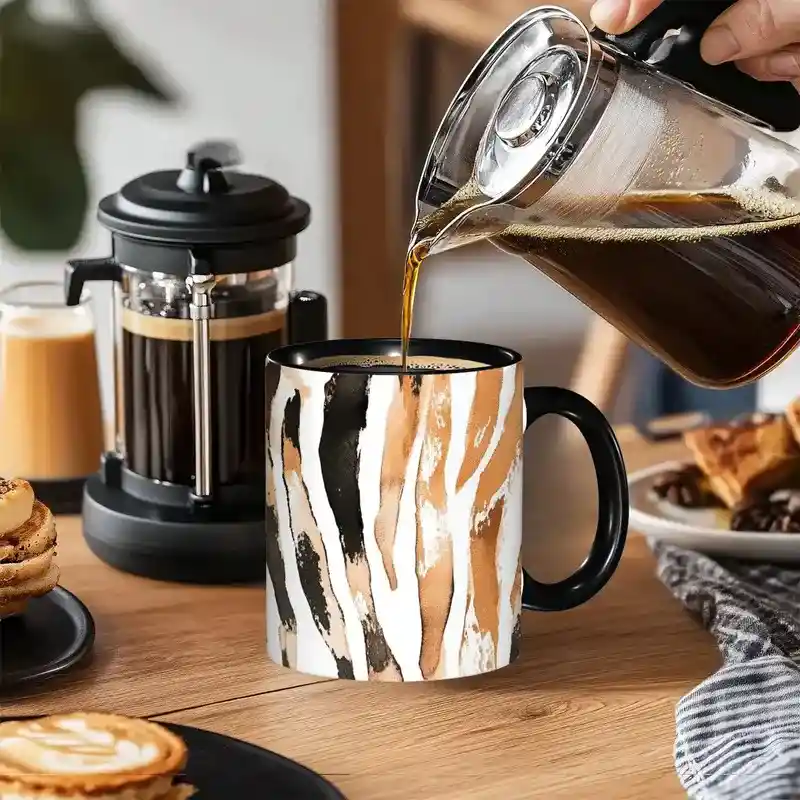
Custom Standard Colorful Coffee Mug (11oz) (Made in USA) - Print-On-Demand - PrintKK
How Private Label Brands Compete with National Brands
1. Focus on Untapped Markets
Some people who have money to spend are ignored, and these are the customers private label brands can reach. Look for customers who are being overlooked.
For example, small health food brands can make a profit supplying special products for people with dietary restrictions, while skincare brands can branch out into lines for uncommon skin types.
2. Real Product Differentiation Is the Way to Survive
Concentrate on your strengths, not price wars. Being a small brand provides the opportunity to stand out by creating products that are not identical to others.
The value of the products may also lie in making them feel special in ways that large companies would not normally consider.
3. Move Faster with Marketing
Private label brands can move faster than big brands. Using social media, online stores, and content marketing, they can launch new ideas quickly.
While big brands may take months to respond, a private label brand can start a campaign on Instagram and see results in just a few weeks.
4. Build a Strong Brand Story
Small brands are able to make themselves outstanding with a good identity and careful design. The packaging, the brand's website experience, and the very look of what you sell all have ways of making a customer feel like your friend.
5. Compete Smartly with Advertising
Big companies have big budgets for ads, but you can reach your perfect people on a budget too. Your focus is on using online ads, influencers, and user groups. Sometimes a powerful ad campaign can be as simple as a creative approach to messaging your perfect people.
Matching Fulfillment Models with Your Brand
1. Overview of Fulfillment Models
Dropshipping lets suppliers ship directly to your customers. You hold no inventory, start with low costs, and test products easily.
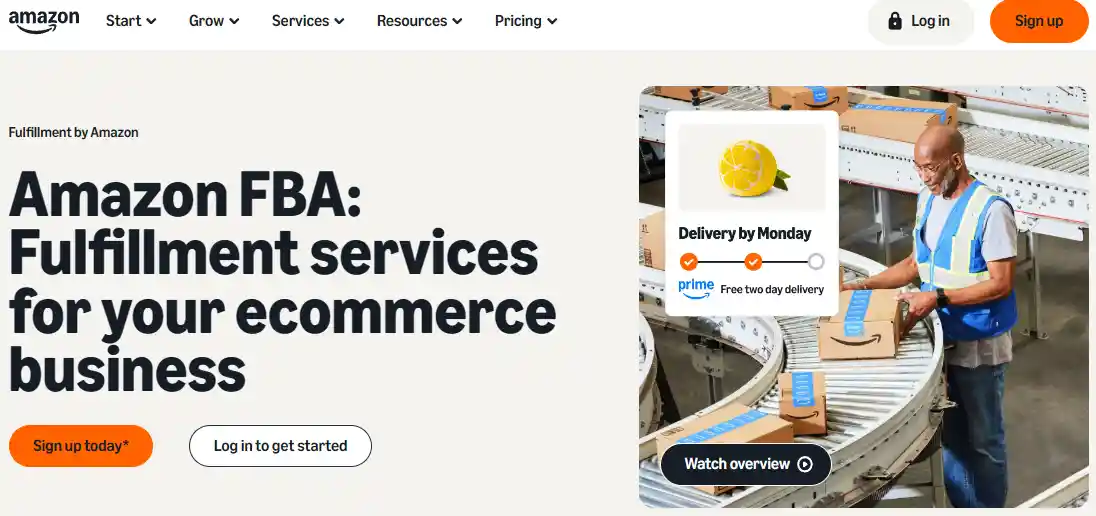
Fulfillment by Amazon (FBA) stores your items in Amazon warehouses. They handle packing, shipping, and returns—often with Prime fast delivery.
Third-party logistics (3PL) companies manage your inventory and shipping. They offer flexibility, custom packaging, and handle large volumes well.
2. How Fulfillment Impacts Your Brand
Your choice affects margins. Dropshipping keeps costs low but takes a bigger cut per sale. FBA adds fees but boosts sales through Prime. 3PL lets you control costs better as you scale.
Inventory risk changes too. Dropshipping avoids stockouts or overstock. FBA and 3PL require you to buy and store items first.
Customer experience depends on speed and quality. Fast shipping builds trust. Custom packaging from 3PL strengthens your brand feel.
3. Choosing the Right Model
Dropshipping fits best when you have a small budget, want to test new products, or keep risk low.
FBA works well for high-volume items, building trust with Prime buyers, and needing fast delivery.
3PL suits private label brands with growing sales, custom packaging needs, or special handling requirements.
4. Practical Tips for Implementation
Match your fulfillment to your brand goals—speed for mass appeal or custom touches for premium feel.
Consider hybrid setups, like FBA for main products and 3PL for extras during busy seasons.
Track key numbers like shipping times and costs, then adjust as your sales grow.
Read More:
Conclusion
You now understand the key differences in white label vs private label.
White label gives you speed and low risk. Private label offers control and true uniqueness.
Both paths can work for your brand. Choose based on your goals, budget, and timeline.
Either way, you take a smart step forward. Your brand gets stronger when you make the choice that fits you best.
FAQs
Is private label the same as white label?
No, they're different. White label is a ready-made product you just rebrand. Private label is made just for your brand from the start.
What is a private label with an example?
Private label means a manufacturer creates a product only for your brand. Example: Costco's Kirkland Signature batteries – made specially for Costco, not sold anywhere else.
Who owns the product in white label vs private label?
In white label, the manufacturer owns the formula and product. In private label, you own the recipe, design, and rights – it's truly yours.
Can I combine white label & private label strategies?
Yes! Many brands start with white label to test the market fast, then switch to private label later for full control and better profits.

 Global Shipping