






Navigating the art market in 2026 requires savvy pricing strategies for your prints. Whether you're an established artist or just starting, knowing how to price art prints is key to success.
This guide provides essential insights and tips to help you price your art prints effectively. Learn to balance creativity and profitability as we explore the factors that impact pricing, ensuring your art reaches its audience while rewarding your efforts.
Welcome to your streamlined roadmap for art print pricing in the digital era.
How to Price Art Prints
Cost-Based Pricing
This method considers material costs (canvas, paper, paints, printing), studio expenses, and labor time. It provides a baseline and ensures the artist covers expenses. However, it may undervalue works that require high skill but low material cost.
Adding these calculations helps artists better understand how much do art prints sell for, especially when comparing profit margins across different formats.
Market Comparison
Artists research prices of similar works by creators at comparable career stages. This anchors the artwork within a realistic market range.
The limitation is that emerging artists may unknowingly benchmark themselves too low due to inconsistent market standards.
This market-based approach is often highlighted in many professional print pricing guide resources.
Size-Based Pricing
Pricing based on dimensions (e.g., price per square inch) offers consistency and transparency. Buyers see a logical structure, but it may oversimplify value—larger pieces aren't always more conceptually complex or time-consuming.
Value-Based Pricing
This approach charges based on perceived value, concept, artistic reputation, and uniqueness. It works well for artists building a strong brand but is harder to justify without a clear market presence.
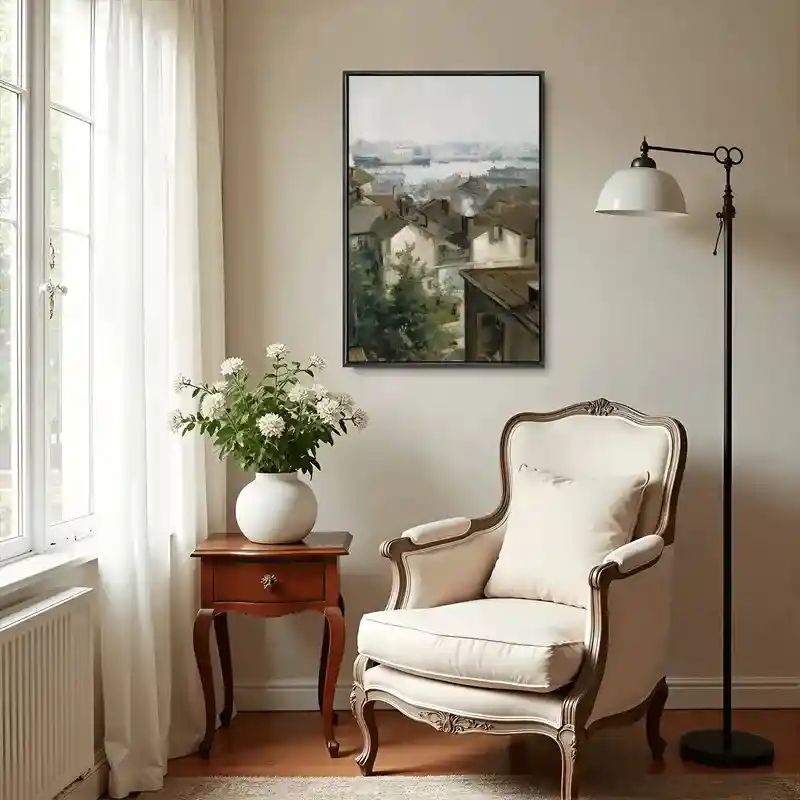
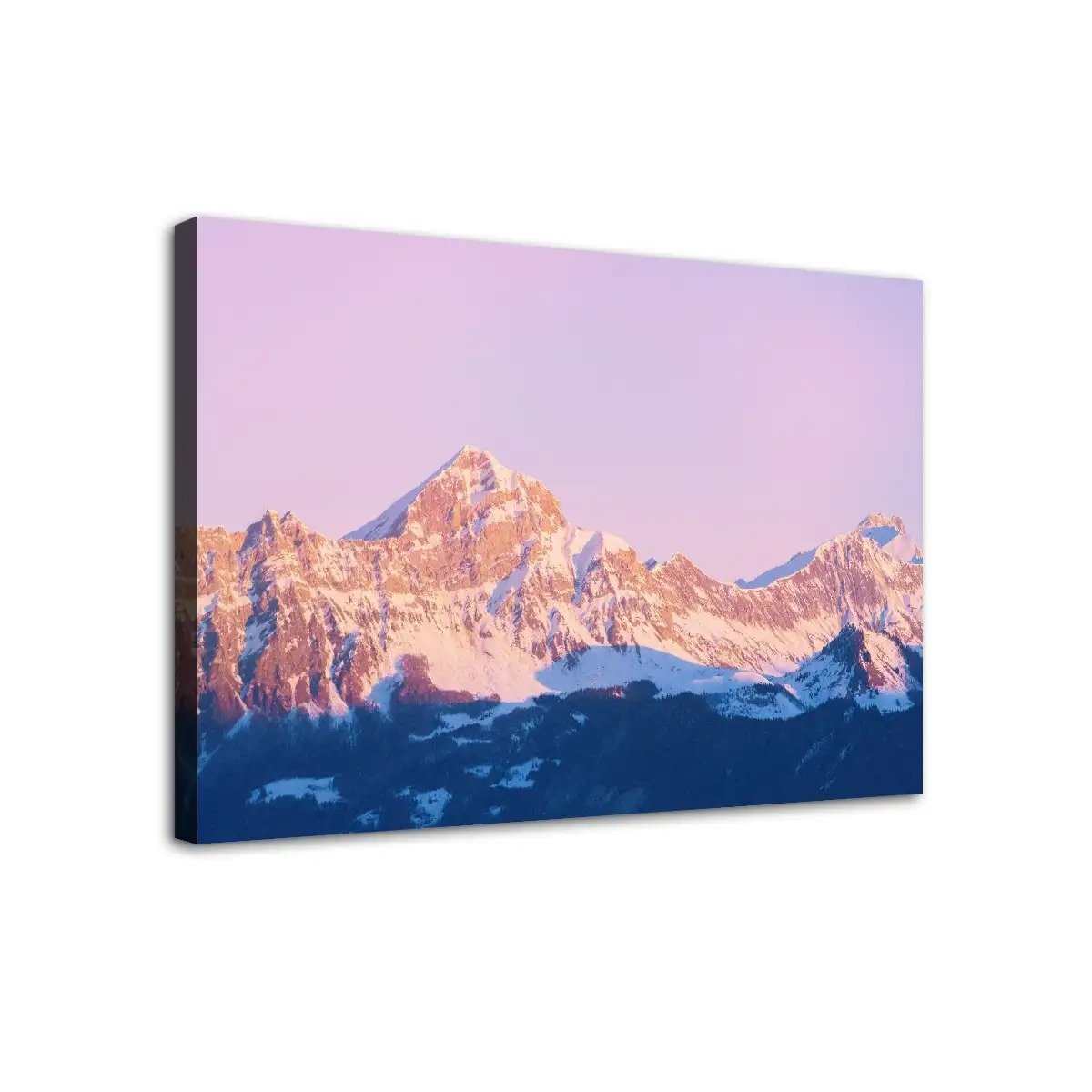
Print on Demand Floating Frame Canvas 2:3 (Vertical) (Made in USA) - Wall Decor - PrintKK
How to price other types of artwork?
Pricing Methods for Three-Dimensional Works
Materials and Production Complexity
Sculptures and installations often require costly materials (metal, stone, resin) and specialized fabrication.
Pricing must reflect not only cost but also the technical difficulty and risk involved.
Many sculptors also compare costs with services like canvas printing for artists cost when determining whether to produce print versions of 3D works.
Labor and Technical Expertise
3D works usually involve complex processes—carving, welding, casting—which demand high expertise. Pricing based on labor hours and craftsmanship highlights the value of technical mastery. However, tracking actual time can be difficult.
Transportation and Installation Costs
Large or heavy works need crating, shipping, insurance, and professional installation. These additional costs significantly impact the final price. Though necessary, such fees may discourage casual buyers.
Longevity and Maintenance
Durability, materials' aging behavior, and required upkeep influence pricing. Public art, for example, often includes long-term maintenance plans. Buyers appreciate transparency, but it adds complexity to the pricing structure.
Pricing Methods for Time-Based Art
Artist's Time and Performance Duration
For performance art, pricing often correlates with preparation time, rehearsal, and actual duration. This makes compensation clear and fair, though it may overlook intangible artistic value.
Editioning for Video Art
Video artworks are frequently sold as limited editions to preserve exclusivity. This allows an artist to price lower per piece but still achieve strong total revenue.
The challenge lies in determining edition size that maintains scarcity without restricting income.
Many artists look for an art print pricing guide when planning edition numbers for video stills or documentation prints.
Documentation and Reproducibility
Time-based works are often sold with documentation (photos, video, instructions). The quality and completeness of these documents directly affect the artwork's value.
However, documentation may reduce the "uniqueness," complicating pricing.
Site-Specific and Commission-Based Pricing
Intervention or site-specific works require research, travel, and adaptation to space—often priced like a commissioned service.
This model ensures fair compensation but makes standard pricing difficult, as each project is unique.
Pricing Art Prints vs Originals
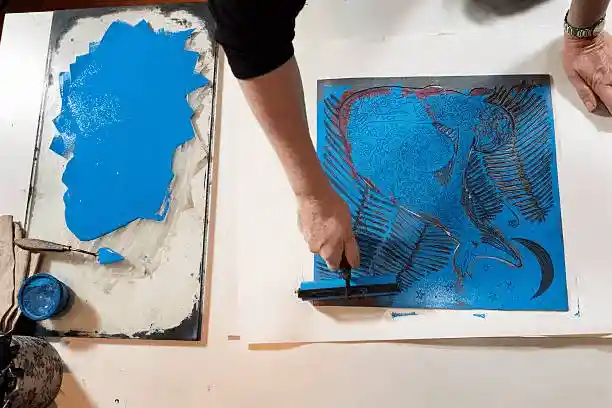
Understanding the pricing dynamics between art prints and originals is a pivotal aspect of navigating the art market.
This distinction not only affects the artist's revenue but also shapes the buying choices of consumers.
As the digital era flourishes, artists and print-on-demand services are finding innovative ways to offer value to a broader audience without diminishing the allure of original works.
Pricing Art Prints
Production Costs: Factor in the cost of materials and printing technology used.
Market Demand: Lower-priced prints might sell in higher volumes, appealing to a wider audience.
Edition Size: Limited edition prints can be priced higher due to their scarcity.
Pricing Original Artworks
Unique Value: The exclusivity and originality of the piece significantly influence its price.
Artist's Reputation: Established artists can demand higher prices based on their standing in the art community.
Medium and Size: The materials used and the artwork's dimensions play critical roles in determining its price.
Balancing Act
Finding the right pricing strategy requires a balance that respects the value of both prints and originals. It's about creating a symbiotic relationship where prints can serve as a gateway for new collectors and enthusiasts to appreciate art, while originals maintain their status as exclusive and valuable pieces for serious collectors. This approach ensures artists can cater to diverse budgets and preferences, fostering a more inclusive art market.
Start Your Art Prints Business with PrintKK
Launching your art prints business can be a thrilling yet daunting venture, especially in the bustling market of print-on-demand (POD).
With the right partner, however, the process becomes not only manageable but also immensely rewarding.
This is where PrintKK steps in, offering a robust platform tailored for artists, designers, and entrepreneurs eager to showcase their creativity and expand their brand reach without the conventional hurdles of inventory and upfront costs.
Ease of Use
PrintKK shines with its straightforward setup and intuitive design interface, making it a breeze for newcomers and seasoned professionals alike to bring their visions to market.
The platform simplifies the creation process, allowing you to focus on design and marketing, while it handles the logistics of printing and shipping.
Extensive Product Range
With over 1000+ customizable products at your fingertips, PrintKK empowers you to diversify your offerings. From apparel and accessories to home decor, the possibilities for your art to adorn various canvases are nearly endless, appealing to a wide audience.
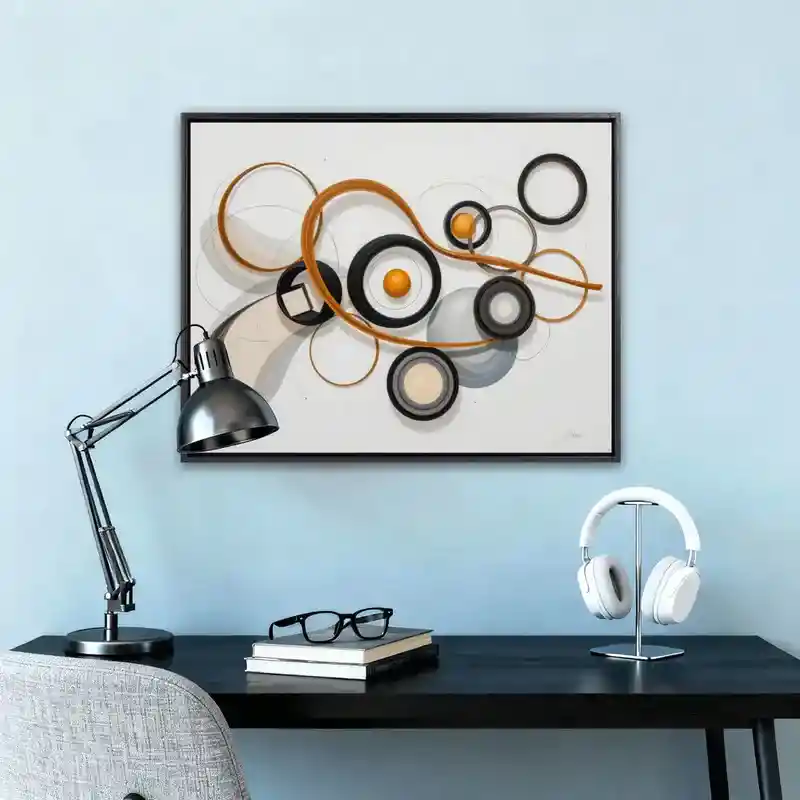
Custom Floating Frame Canvas 5:4 (Horizontal) (Made in USA) - Print-On-Demand - PrintKK
No Upfront Investment
Dive into the eCommerce space without the traditional barriers. PrintKK operates on a print-on-demand model, which means products are only produced when ordered, eliminating the need for inventory and reducing the risk associated with unsold stock.
Seamless Integration
PrintKK seamlessly integrates with major eCommerce platforms like Etsy and Shopify.
This streamlines the setup of your online store. You can focus on creating and selling, not managing technical details.
Global Reach
Leverage PrintKK's worldwide shipping capabilities to reach customers across the globe. This global reach amplifies your potential market, offering your art prints to an international audience without the logistical nightmares typically involved in cross-border commerce.
Support and Resources
Beyond the technology and infrastructure, PrintKK provides a wealth of resources and support to help you grow your business. From marketing tips to design advice, you're never alone on your entrepreneurial journey.
Starting your art prints business with PrintKK means tapping into a world of opportunities.
It's about embracing your creativity, expanding your reach, and building a brand that resonates with audiences worldwide, all while being supported by a platform that understands and caters to your needs as an artist and entrepreneur.
Conclusion
In conclusion, mastering the art of pricing your prints is a journey of balance. It's about understanding your costs, gauging the market, and valuing your art rightfully. Whether you're just starting out or looking to refine your strategy, the key is to stay informed and adaptable.
Remember, the right price not only reflects the value of your work but also connects with your audience, paving the way for a successful art prints business. Keep evolving and let your art shine in the marketplace.
FAQs
Can art prints be worth money?
Yes, art prints can gain value when produced in limited editions, signed by the artist, or associated with growing demand. Quality, scarcity, condition, and the artist’s reputation significantly influence long-term resale potential.
How do you price art prints per square inch?
Pricing art prints per square inch involves dividing your target price by the print’s total area while considering materials, labor, edition size, and demand. Adjust the rate for complexity and market expectations.
How much does it cost to make a print of a painting?
Making a print of a painting typically costs money for scanning, color correction, printing, and materials. Prices vary depending on size, paper type, print method, and production quantity.
How much should I charge for a print of my art?
To price a print of your art, consider production costs, edition size, demand, your experience level, and market comparisons. Aim for a price that feels fair, competitive, and financially sustainable.
What size art prints sell the most?
The most popular art print sizes often fall between small affordable formats and medium wall-ready options. Common best-selling dimensions include 8×10, 11×14, and 16×20 inches, balancing appeal, framing convenience, and cost efficiency.

 Global Shipping