






The kidswear market is evolving faster than ever, driven by changing parenting habits, rising demand for personalization, and the growth of online shopping. As parents become more quality-conscious and trend-aware, opportunities in the children's apparel space continue to expand.
Whether you're an aspiring entrepreneur or an established seller looking to diversify, exploring the right kidswear business ideas can help you tap into a market that balances creativity with long-term demand.
In this article, we'll break down 15 profitable kidswear business ideas to try in 2026, helping you identify models that align with current trends and future growth potential.
Why Start a Kidswear Business?
If you're exploring kidswear business ideas, this is one of the more practical options.
Starting a kidswear business also allows you to reach a consistent audience, since children quickly grow out of clothes and families need new items regularly. You don't need a large upfront investment either.
Using print-on-demand services makes it easy to create and sell designs without holding big amounts of inventory. You can test different styles, colors, or themes and scale gradually.
By focusing on quality, understanding your customers, and using flexible production methods, you can run a kidswear business with less risk while meeting real, ongoing demand from parents and caregivers.
15 Profitable Kidswear Business Ideas to Try
1. Organic Baby Clothing
You can focus on organic fabrics that are gentle on babies' skin. Parents often prefer clothing made from cotton or bamboo because it reduces irritation. Offering simple, high-quality pieces can help you build trust. Using print-on-demand for personalized designs can also let you test what sells without a large inventory.
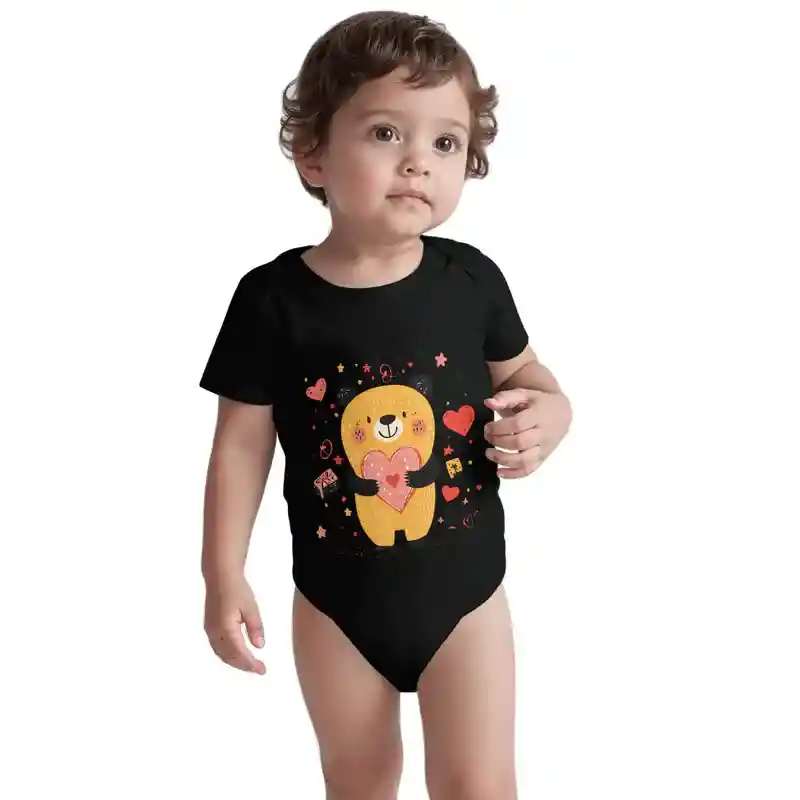
Custom All Over Print on Demand Baby Onesies (Short Sleeve) - PrintKK
2. Personalized Kids T-Shirts
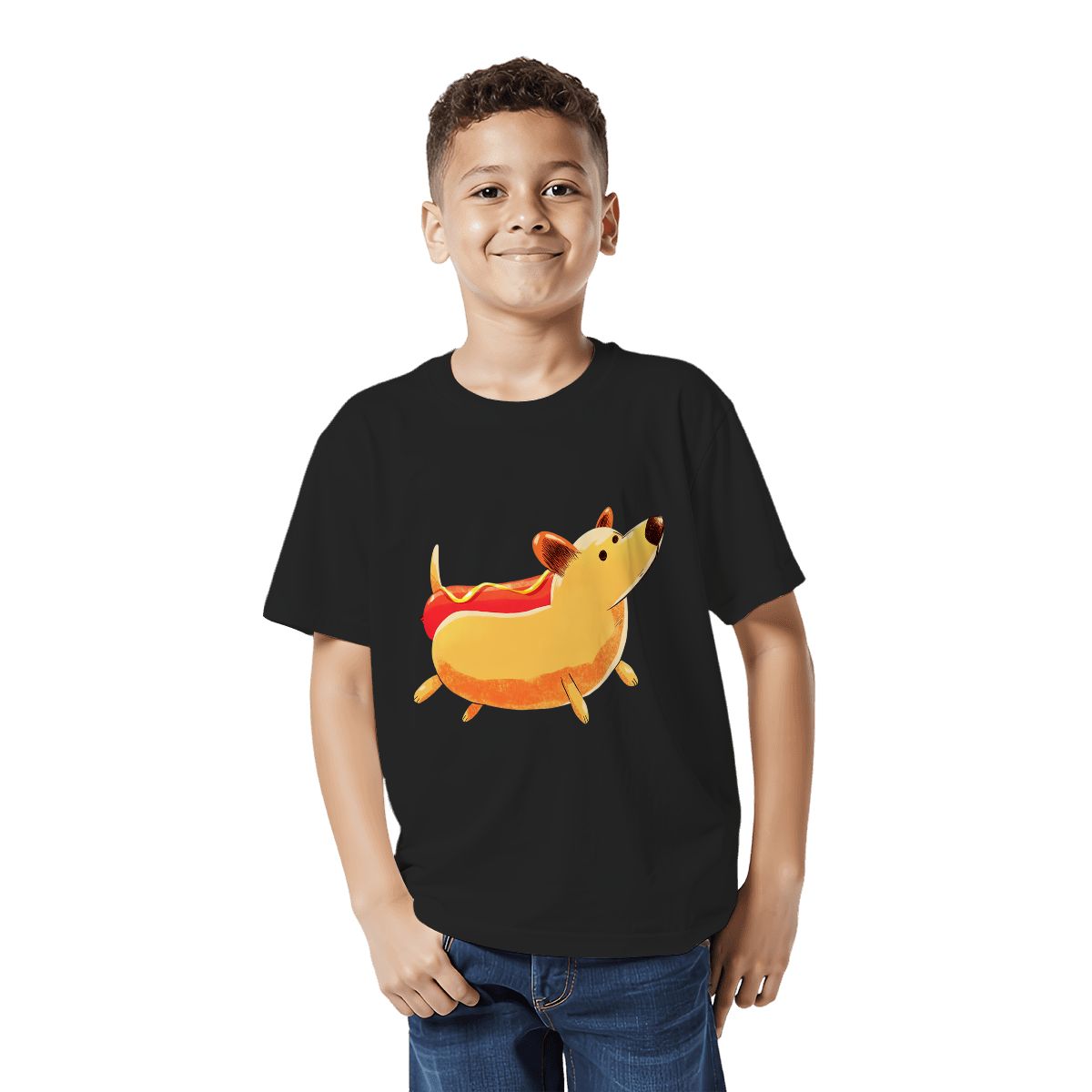
Creating custom t-shirts allows you to offer names, favorite characters, or custom messages. Kids love seeing their own designs, and parents enjoy the personalization. With on-demand printing, you don't need to pre-stock sizes, making it easier to handle different age groups.
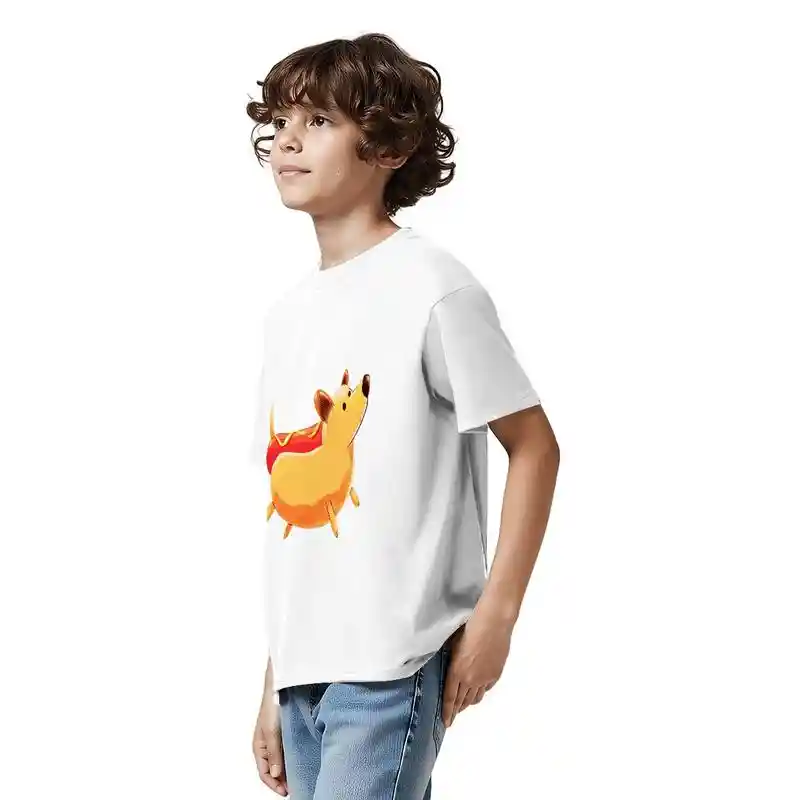
Custom Kids’ Cotton T-Shirt (Made in USA) - Print-On-Demand - PrintKK
3. Matching Family Outfits
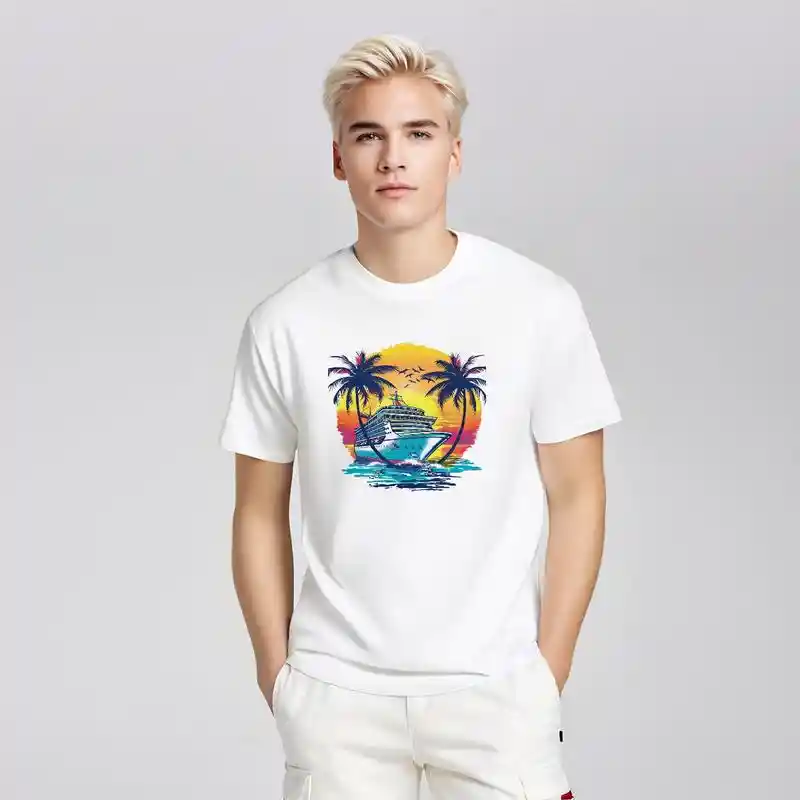
Selling matching outfits for parents and children can attract buyers looking for coordinated photos or events. Highlight simple designs and practical fabrics. You can test small batches first to see which combinations are most popular before committing to larger runs.
4. Seasonal Holiday Collections
Design holiday-themed clothing for kids, like Christmas, Halloween, or Easter outfits. These products have predictable demand, so you can plan marketing and inventory around specific months. Small print-on-demand orders make it easy to try new styles without leftover stock.
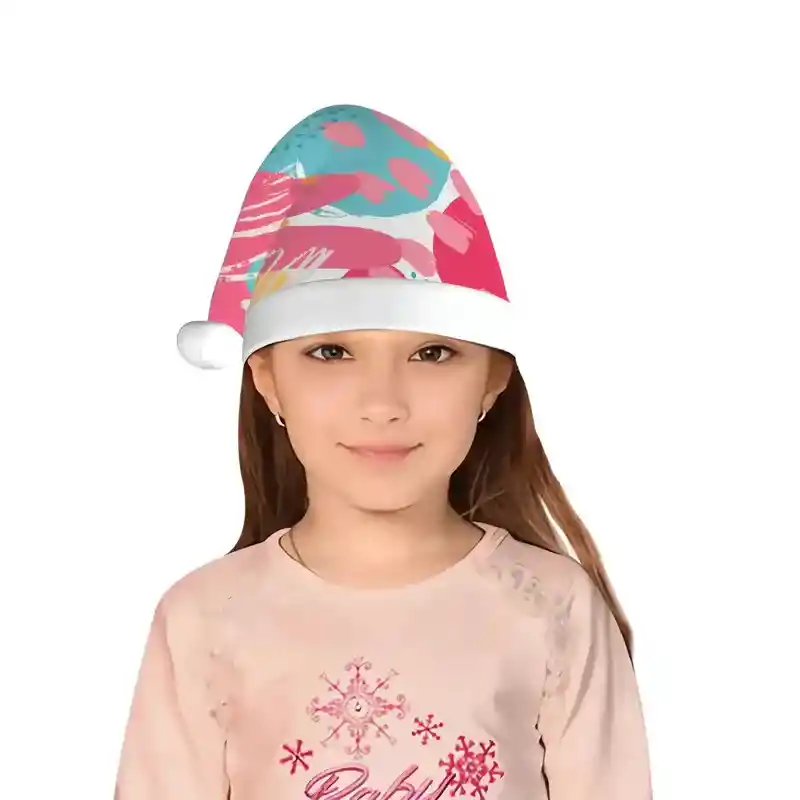
Print on Demand Kids Santa Hat Christmas Hat - Home Decor - PrintKK
5. Eco-Friendly Playwear
Offer clothing made from sustainable fabrics designed for rough play. Parents care about both comfort and durability. You can differentiate your brand by highlighting materials, stitching quality, and safety standards. Testing designs in small batches lets you find popular styles before scaling.
6. Kids' Pajamas and Sleepwear
Pajamas are a daily need, so you have consistent demand. You can offer themed or personalized sleepwear that children enjoy wearing. Using print-on-demand allows you to expand designs quickly without worrying about excess inventory.
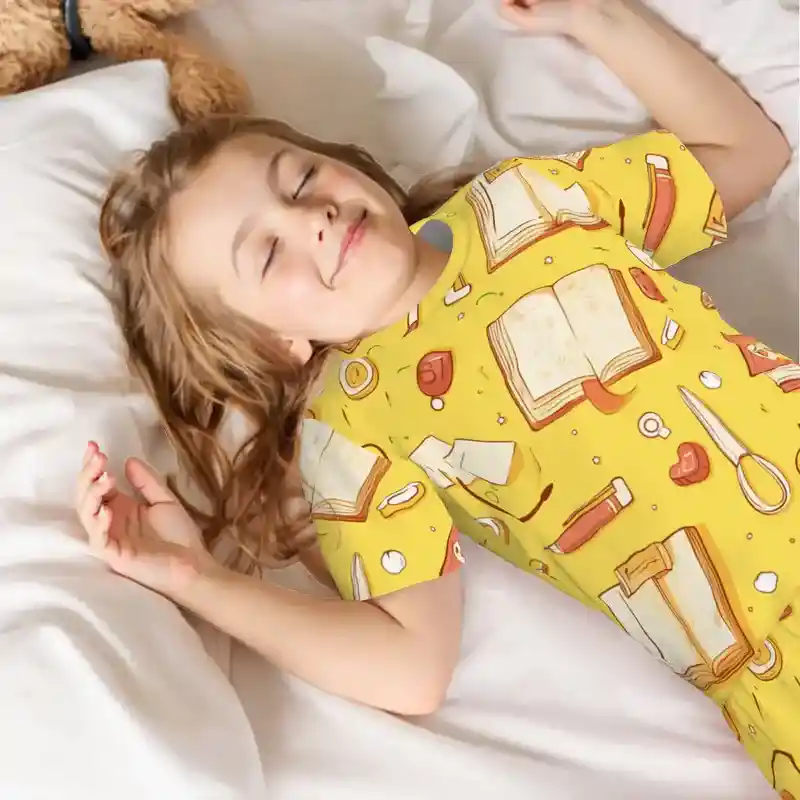
Custom Printed on Demand Pajama Sets for Kids Crew Neck Short Sleeve - Kids' Clothing - PrintKK
7. Kids Sportswear
Sports and activity clothes are growing in demand, especially for younger kids joining classes or teams. Comfortable, breathable fabrics and easy sizing are important. Small collections for specific activities can help you identify what works before expanding your catalog.
8. Handmade or Boutique Items
Handcrafted or boutique clothing adds a unique touch that parents appreciate. Focus on quality and limited designs. You can sell online or at local markets to see what appeals to your audience, then scale the most popular pieces.
9. School Uniform Alternatives
Offer stylish alternatives for parents who want comfortable or themed options for school or daycare. Attention to fit, durability, and ease of cleaning can make your brand stand out. Starting small allows you to adjust designs according to feedback.
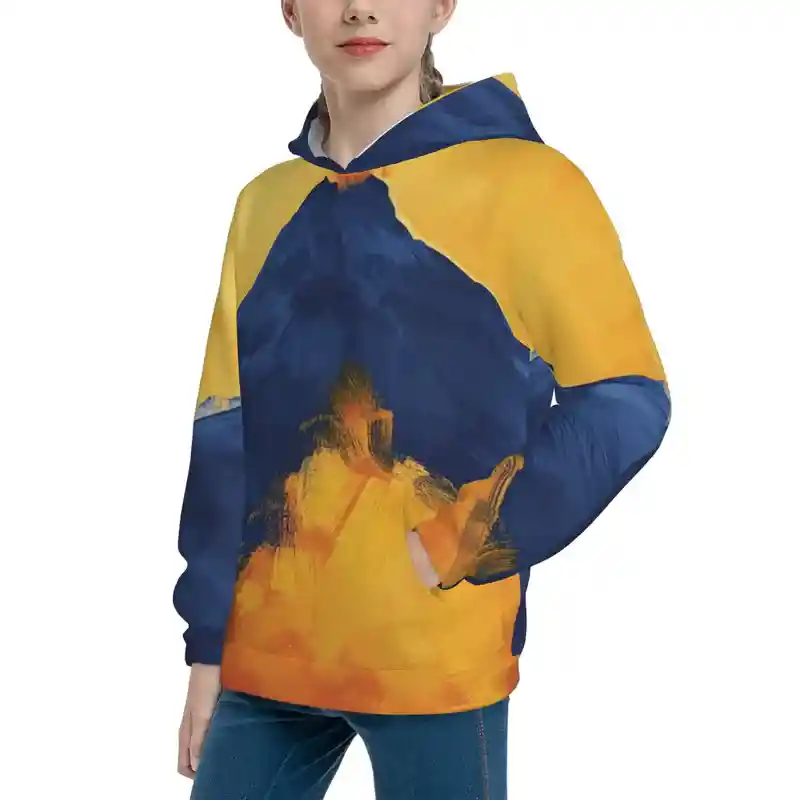
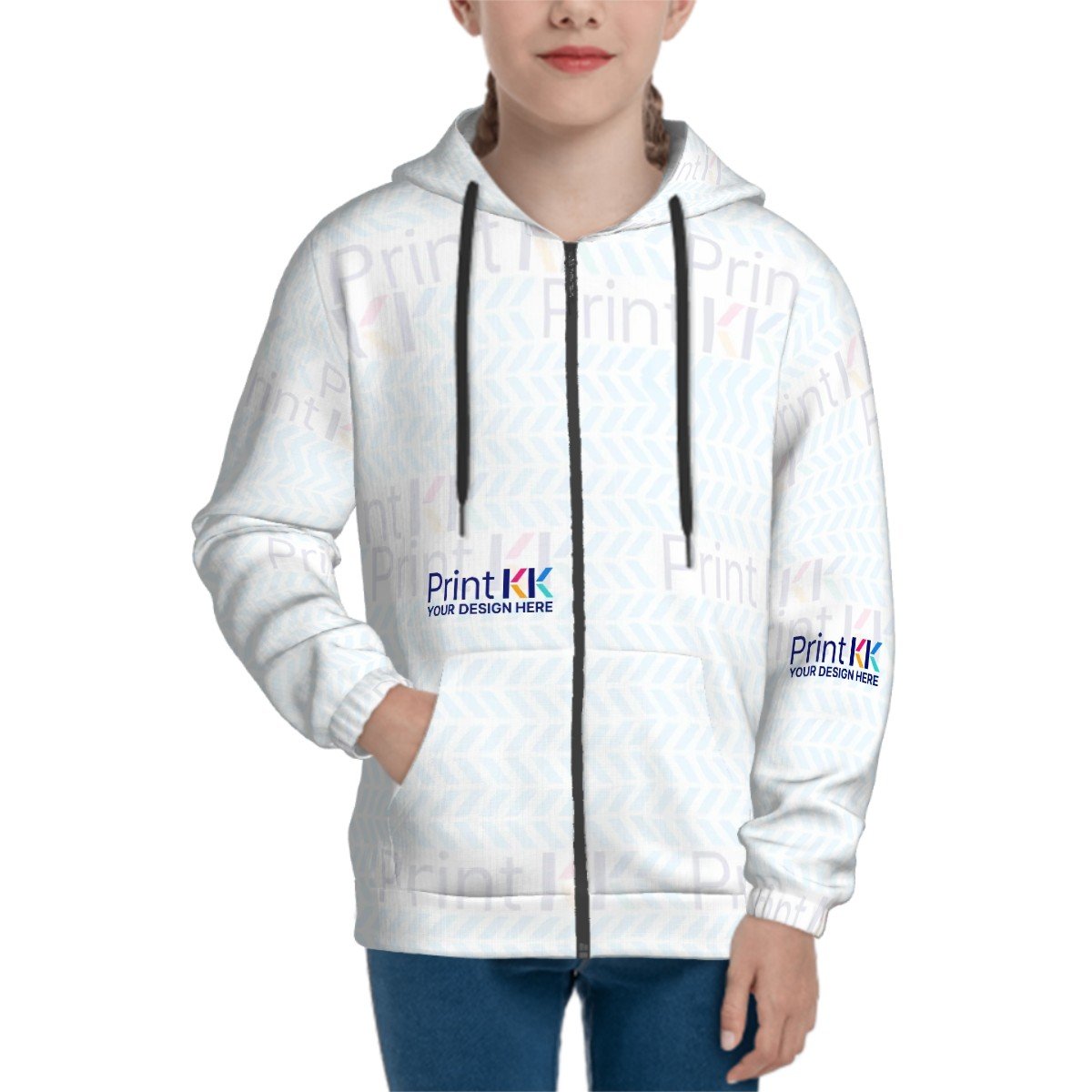
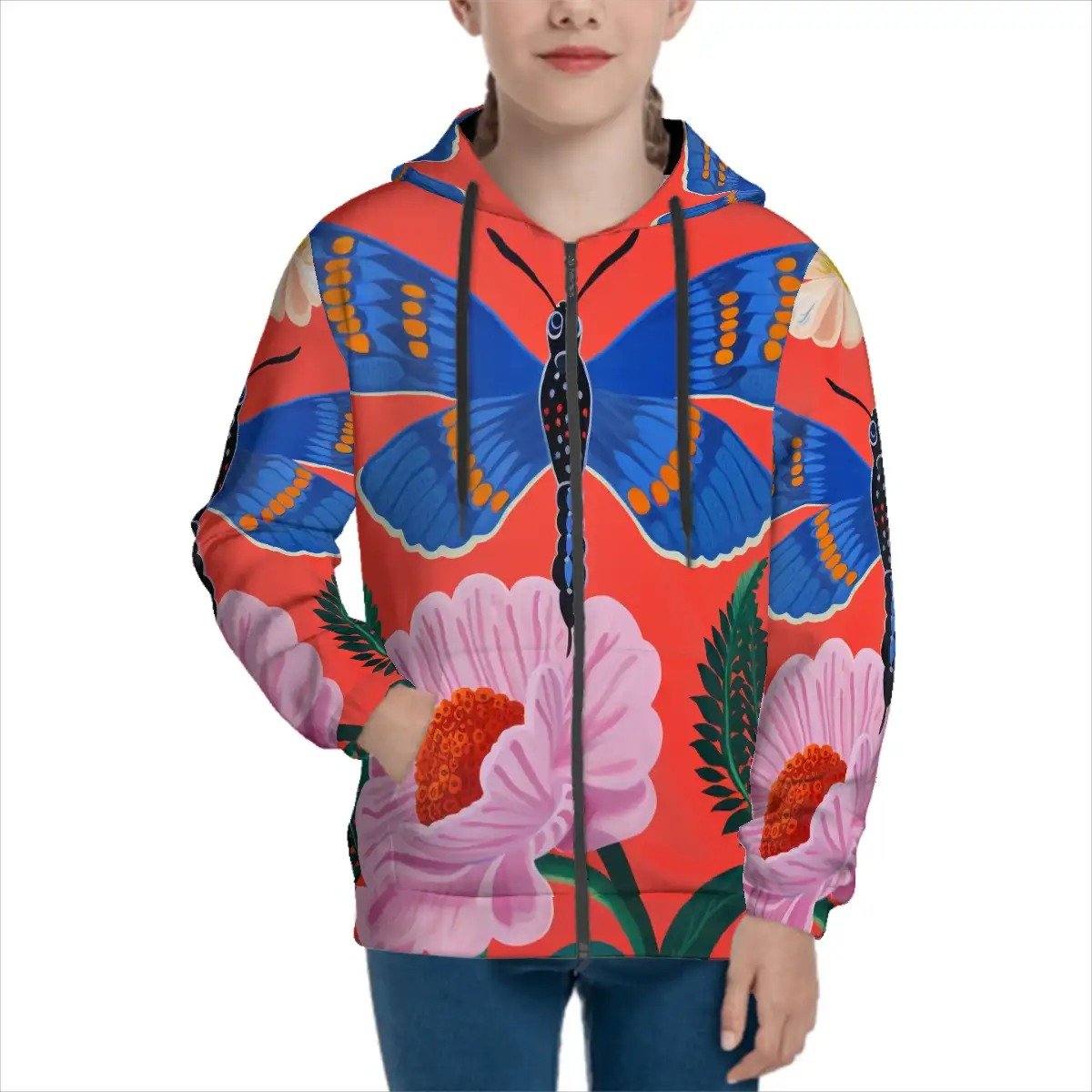
Custom Printed on Demand Youth Hooded Sweatshirt (AOP) - PrintKK
10. Trendy Teen Clothing
Older kids are more style-conscious, so designs that match trends or pop culture are popular. Include different sizes for growing teens. Print-on-demand helps you try seasonal or trendy designs without producing a large stock upfront.
11. Gender-Neutral Clothing
Many parents look for gender-neutral options for flexibility and style. Simple designs, versatile colors, and comfortable fabrics are key. You can use print-on-demand to create diverse styles and see what resonates with your audience.
12. Kids Accessories
Accessories like hats, scarves, or socks can complement your main clothing line. They are smaller items with lower price points, which encourages parents to buy more. You can test new patterns or themes quickly using on-demand production.
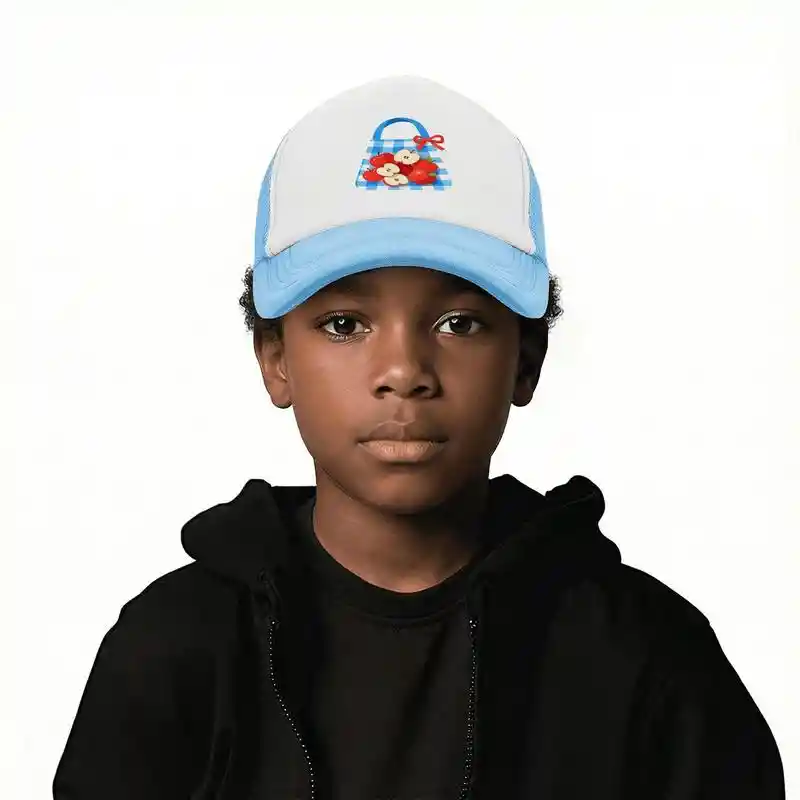
Custom Kids Mesh Baseball Cap - Print-On-Demand - PrintKK
13. Costume and Dress-Up Wear
Design costumes for play or events. Kids enjoy imaginative clothing, and parents appreciate durability. Seasonal demand can be strong, and small batch production lets you adjust inventory based on trends or popular characters.
14. Baby Shower Gift Sets
Curated gift sets for newborns are convenient for buyers. You can combine clothing, bibs, or blankets into packages. Using print-on-demand helps you personalize items and reduce upfront investment while offering attractive options.
15. Limited Edition Collections
Offering limited edition items creates exclusivity and tests new ideas. Small runs reduce risk, and you can see which designs attract repeat buyers. Print-on-demand services let you experiment without holding large inventory while keeping the brand fresh.
How to Estimate Demand Before Buying Baby Clothing Stock
Before ordering baby clothing stock, it's important to know how much the market will buy. Starting with too much inventory ties up cash, while too little can leave customers disappointed. One way to check demand is to look at your competitors online.
Platforms like eBay let you see similar items, how many have sold recently, and their feedback scores. Remember, only about a third of buyers leave feedback, so adjust your estimates accordingly.
Another step is to talk to your supplier. Ask about minimum order quantities, pricing, and delivery times. If they can ship 250 items in three weeks, plan your orders around that lead time. Starting small is usually safer. For example, try ordering around 10 units of each design to see how sales perform.
You can also gauge interest with pre-orders. Display an "out of stock" notice with an option for customers to pre-register. This shows which items are in demand and helps you plan future orders. Monitor your sales, website traffic, and inventory closely to adjust stock levels over time.
How Much Does It Cost to Start a Kidswear Business?
Legal & Basic Protection – $100 – $300
Keep it lean but safe.
- Sole proprietorship registration (if required) – $0–$50
- Product liability insurance – skip for first 3 months, or get a basic policy for ~$25/month (budget $50–$75 for 2–3 months)
- Sales tax permit – free
- Simple return policy & terms – free template
Product – Two Clear Options
This is your biggest cost. Choose the model that fits your risk tolerance and brand vision.
Option A: Print‑on‑Demand (POD) – $100 – $300
Best for: testing ideas, zero inventory, no upfront stock.
- Sign up for PrintKK or Gelato – free
- Upload your designs (or use their blank kidswear)
- Order samples (3–5 pieces) to check print quality, fabric, sizing – $50–$150
- No minimum, no storage
- Pay only when a customer orders (higher per‑unit cost, but no risk)
Option B: Small Batch Bulk Buying – $300 – $700
Best for: better margins, professional feel, real brand.
- Find a supplier on Alibaba, a local wholesaler, or work directly with children clothing manufacturers, or use blank brands (e.g. Bella+Canvas)
- Buy 20–50 pieces of 2–3 simple designs (onesies, leggings, tees)
- Per unit cost: $4 – $8 (blanks + simple print)
- Add samples first: order 2–3 samples – $30–$60
- Add care labels / size tags (iron‑on or sew‑in, 100pcs for $20–$40)
- Optional safety test (CPSIA) for small batch – $150–$300 (many small sellers skip until they grow, but be aware)
My recommendation for a mid‑range starter:
Start with POD for 2–3 designs to validate demand ($150). Then reinvest first profits into a small bulk order ($400). That keeps total product spend under $600.
Selling Platform & Tools – $100 – $250
Free is possible, but paying a little looks more professional.
- Shopify Basic (first 3 months often $1/month, then $29) – budget $60 for 2 months
- Domain name – $12/year
- Email marketing (free tier of Mailchimp or ConvertKit) – $0
- Or start on Etsy – $0.20 listing fee × 10 listings = $2 (but higher transaction fees)
Branding & Packaging – $100 – $250
Make parents feel they bought from a real brand.
- Logo design (Fiverr or Canva Pro) – $30–$80
- Custom woven labels (100pcs) – $40–$70
- Hang tags (50–100pcs, print at home or Vistaprint) – $20–$40
- Poly mailers + custom stamp – plain mailers ($15 for 50) + rubber stamp ($10) = $25
- Tissue paper & stickers – $10–$20
Photography – $50 – $150
Your phone is fine. Just add a few cheap upgrades.
- LED light box (small for flat lays) – $30–$60
- White foam board – $10
- Props (one toy, one wooden hanger) – $20 (thrifted)
- Child model – trade a free outfit for photos ($15–$25 value)
Marketing & Launch – $100 – $250
Don't overspend. Use free and low‑cost tactics first.
- Micro‑influencers – send 3 local mom bloggers a free outfit + $5 coffee card = $50–$80
- Facebook/Instagram ads test – $50 over 10 days
- Giveaway (one free outfit as prize) – product cost $15–$25
- Canva social templates – free
Most real founders start between $900 and $1,200.
If you go all‑in on bulk from day one, budget closer to $1,200 – $1,500.
If you start with POD and reinvest, you can launch for under $900.
Common Customer Acquisition Methods for Kidswear Brands
1. Word-of-Mouth & Referrals
Parents trust recommendations from other parents. If someone likes your clothes, they are likely to tell friends or family. Community trust matters in local neighborhoods, schools, and daycare centers.
Offline sharing can help you reach people who don't use social media often. Repeat purchases also act as a natural way to gain new customers. When parents come back, they often tell others about the brand, which is one of the most reliable baby clothes business ideas for organic growth.
2. Social Media Discovery
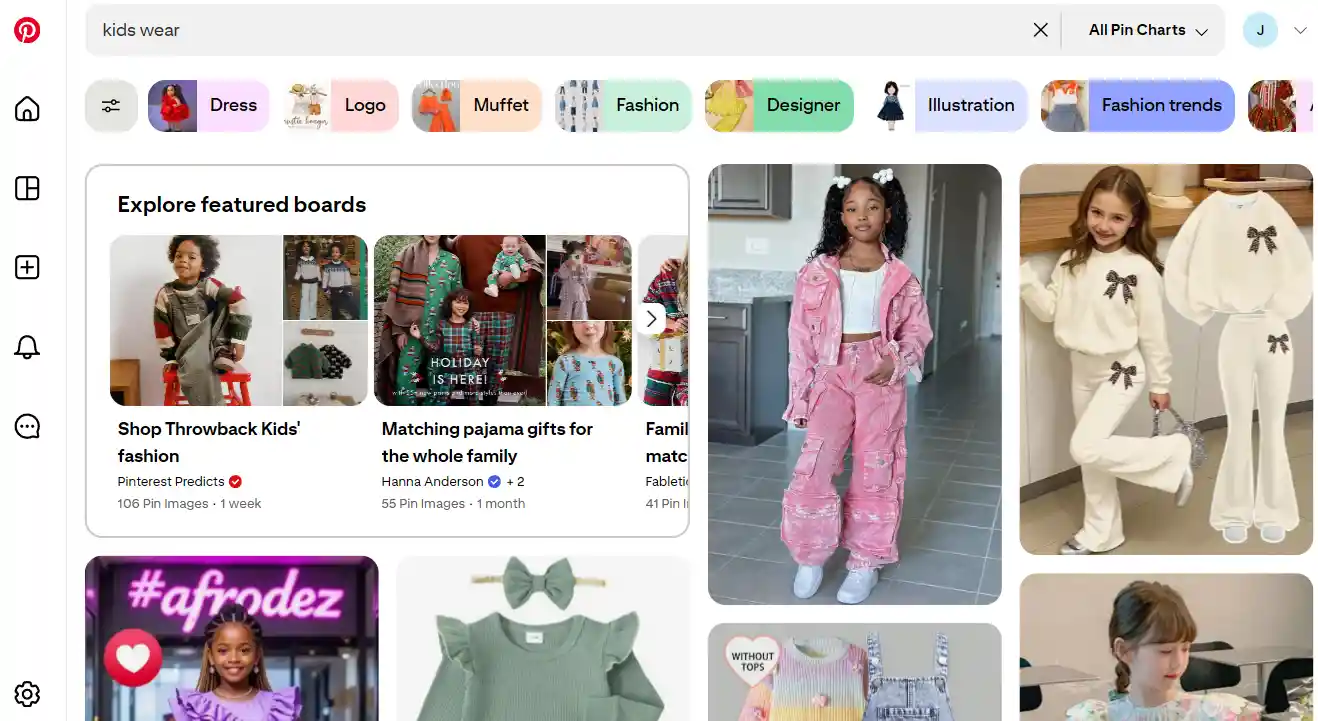
Platforms like Instagram and Pinterest are useful for showing your products visually. Parents often browse for ideas and inspiration. Short-form videos can also get your designs noticed quickly. Be aware that inspiration and direct sales are different.
Many people follow for ideas but may not buy immediately. You can test which content leads to actual sales and which just builds awareness, especially if you're exploring kids clothing business ideas for audience growth.
3. Influencer & Creator Mentions
Parenting bloggers and family-focused creators can introduce your brand to a wider audience. Micro-influencers often have a smaller but very engaged following.
Larger accounts may reach more people but engagement can be lower. Focus on authentic usage. Parents notice when influencers actually use your products versus scripted promotions.
4. Marketplaces & Platform Traffic
You can sell on Shopify or other marketplaces. Marketplaces offer built-in traffic, but brand-owned stores give you more control.
Early-stage brands may benefit from marketplaces to get initial visibility. The downside is that fees and competition can reduce profit. Consider balancing both approaches based on your resources.
5. Seasonal & Event-Driven Demand
Certain times of the year drive more purchases. Back-to-school periods bring steady demand for everyday wear. Holidays and gift seasons often encourage buying for parties or presents.
Weather changes and children growing fast create natural replacement cycles. Planning stock and promotions around these periods helps match supply with demand.
6. Content & Search Discovery
Parents often search online for specific kidswear needs. Blogs, guides, and helpful content attract visitors and build trust. Search-driven traffic can bring long-term visitors if your content answers questions or provides value.
Monitoring which topics get the most attention can guide new product ideas and content focus.
Read More:
Launch Your Kidswear Business Easily with PrintKK
Getting started with PrintKK is simple. You can design your products directly on the platform and place orders in easy steps. The system also integrates easily with popular e-commerce platforms like Etsy and Shopify, so you can sell online without technical hassle.
PrintKK offers several advantages for kidswear sellers. Shipping to the US is tax-free, which helps you save money and plan your pricing.
All products are priced affordably while maintaining good quality. This makes them suitable whether you are buying for yourself, as gifts, or to resell.
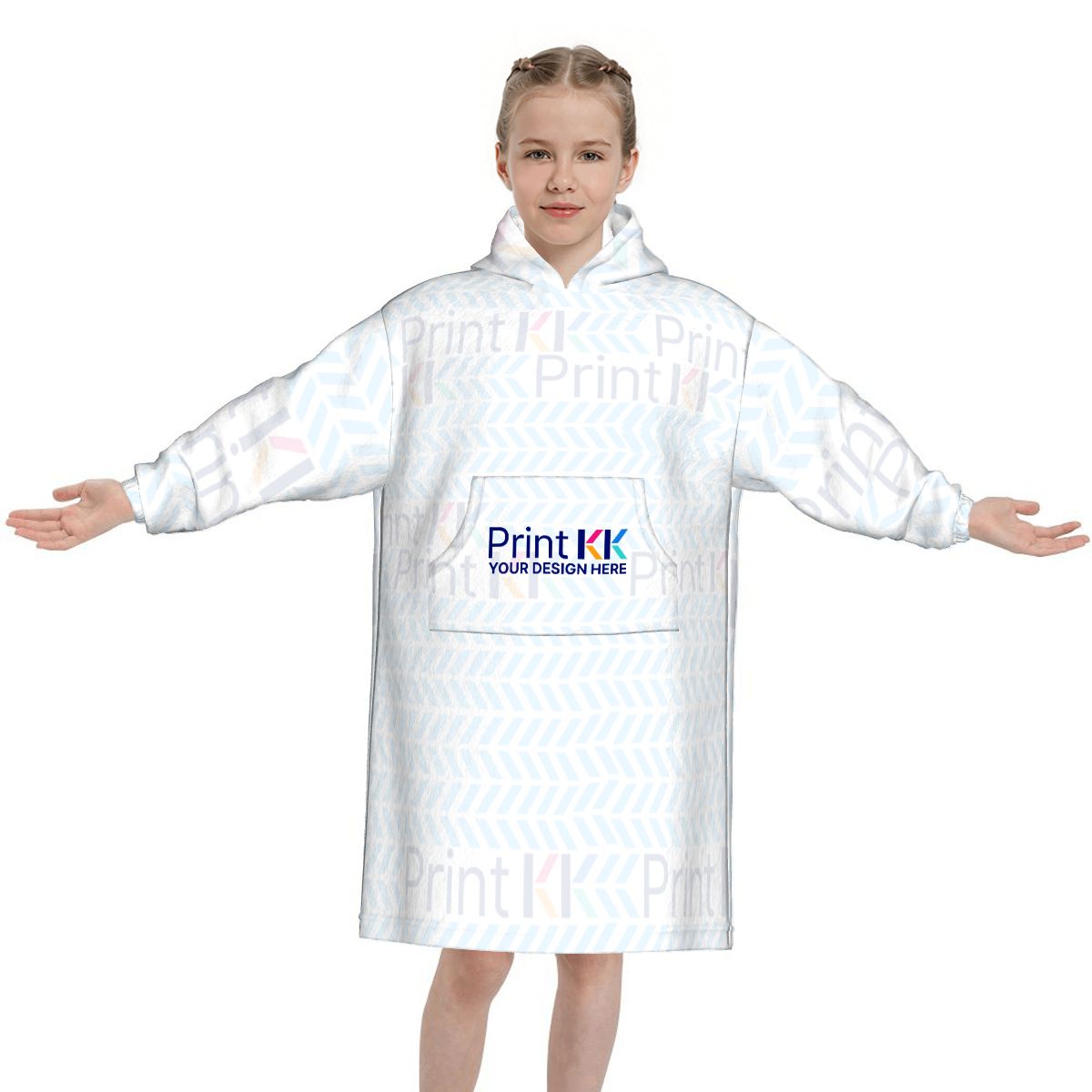
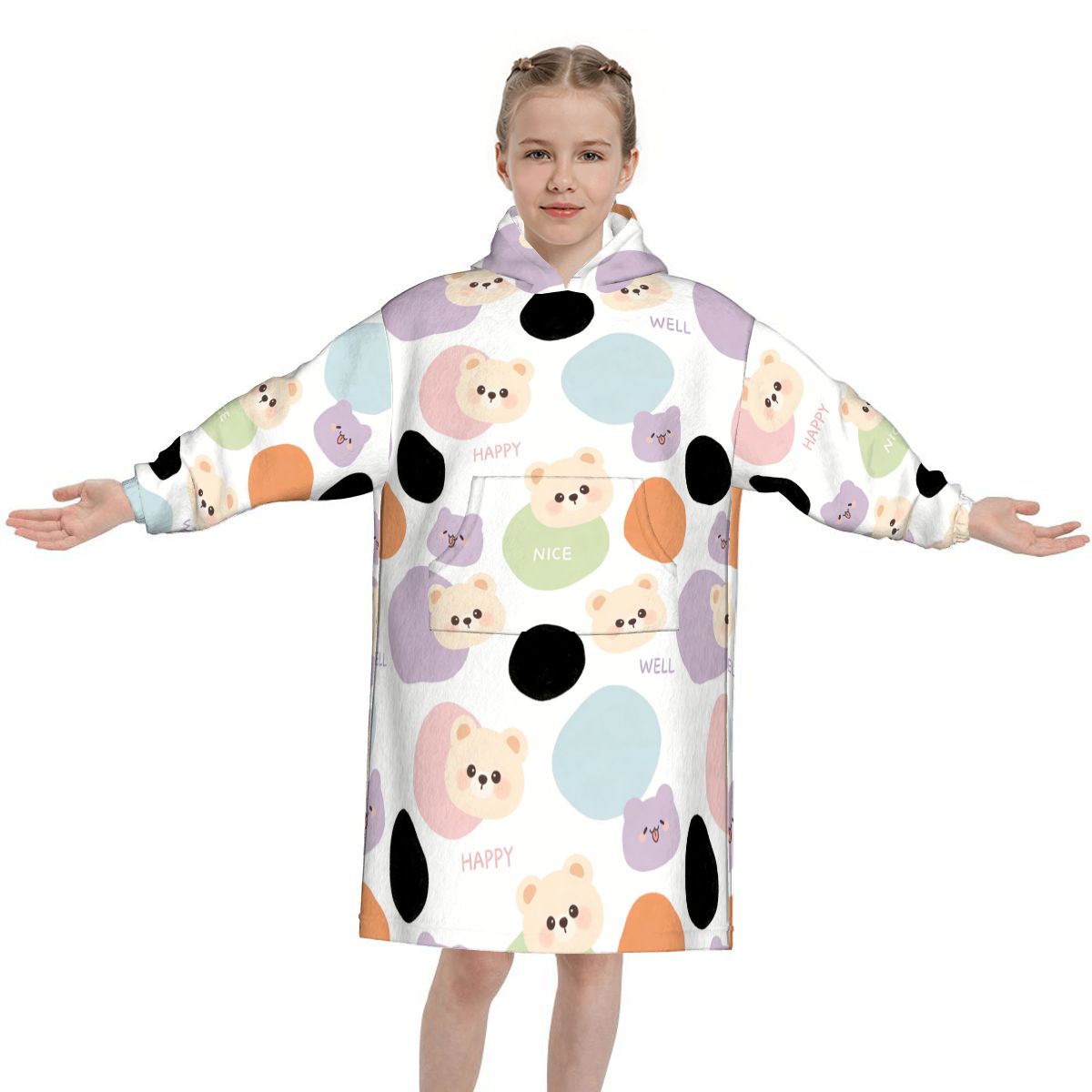
You can choose from a variety of kidswear products, including:
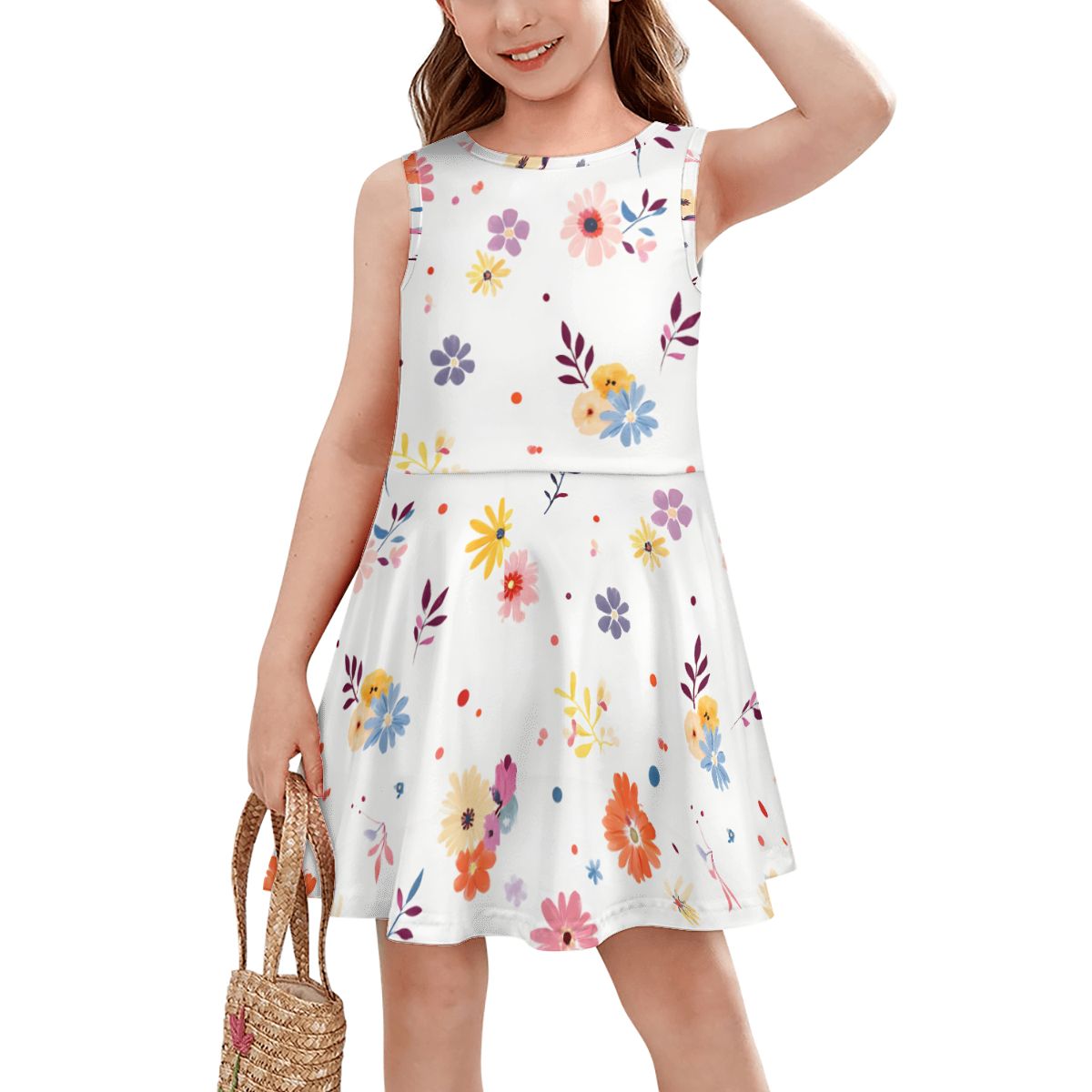
- Dresses for everyday wear or special occasions
- T-shirts with fun prints or personalized designs
- Hoodies for cooler days and casual comfort
- Pajamas that are soft and kid-friendly
These options let you build a small but attractive catalog quickly. Using PrintKK, you can test designs without investing heavily in inventory.
It also allows you to focus on what sells and respond quickly to popular items. With minimal setup, you can start selling kidswear online efficiently and confidently.
Expert Tips
Starting a kidswear business can be rewarding if you plan carefully. You now have a clear view of 15 profitable kidswear business ideas to explore. Focus on understanding your customers and managing inventory wisely.
Remember to combine marketing, social media, and word-of-mouth to reach more parents. Start small, test your designs, and grow gradually. By staying organized and paying attention to demand, you can build a brand that lasts.
FAQs
What kid businesses are trending now?
You see strong demand for sustainable fabrics, gender-neutral designs, and activewear in kidswear. Parents favor eco-friendly options like organic cotton and inclusive styles. Athleisure and sensory-friendly clothes also gain ground as kids stay active and families prioritize comfort.
Is kids clothing business profitable?
You can earn good returns in kids clothing since kids outgrow items fast, creating repeat buys. The market grows steadily with solid demand for quality pieces. Many owners report healthy margins when they manage costs well and target niches.
How much does it typically cost to start a kidswear business?
You often start an online kidswear business for $500 to $5,000 if using print-on-demand. This covers designs, website setup, and initial marketing. Larger setups with inventory can reach $10,000 or more, depending on scale.
What online platforms are best for selling kidswear?
You get good results on Etsy for custom and handmade items, Shopify for your own store, and Amazon for wide reach. These support easy listings, payments, and shipping. Many sellers also use Instagram to build direct customer connections.

 Global Shipping
 Made in USA
 Free shipping