





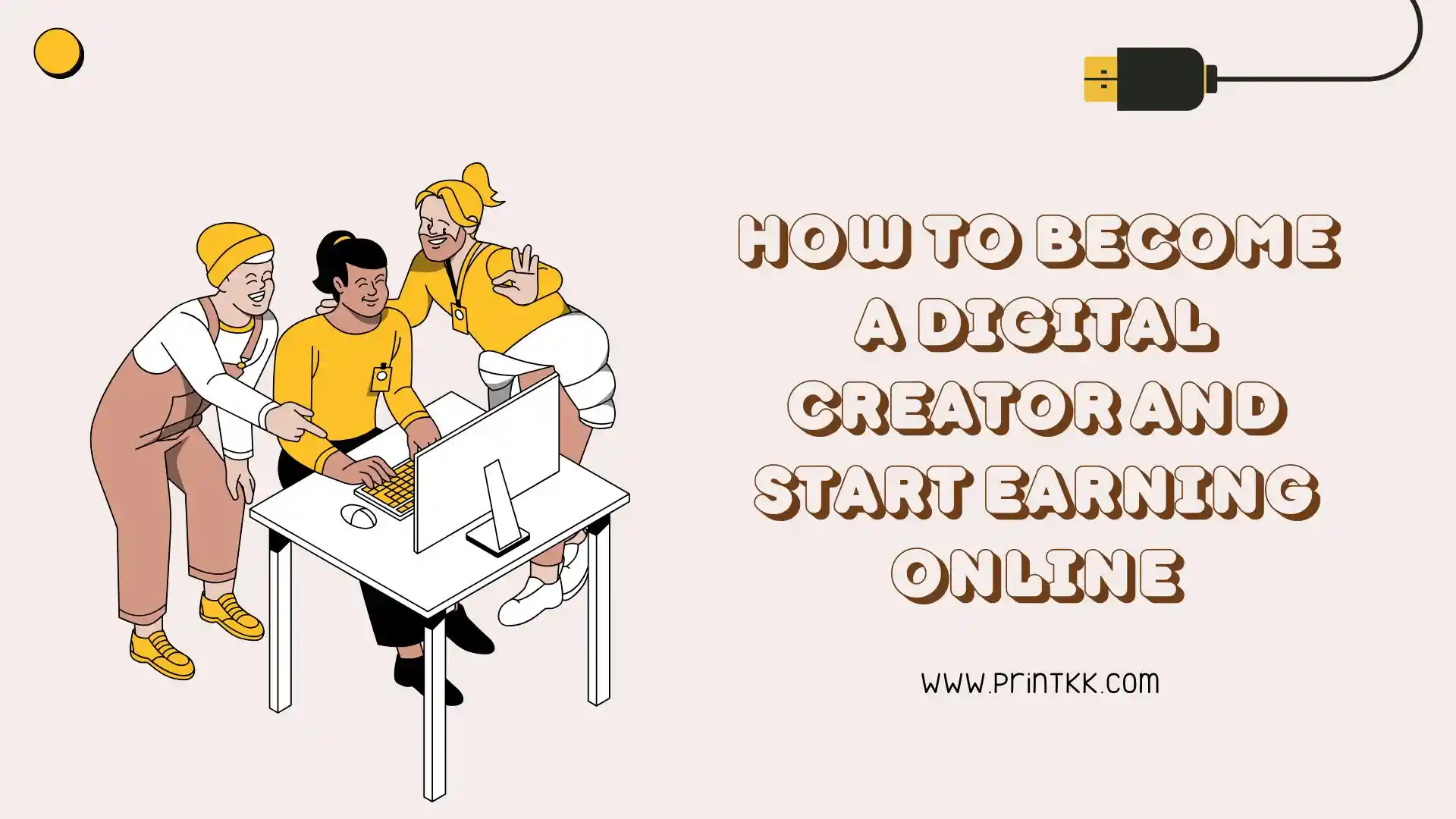
Being a digital creator used to sound like a side hobby. Today, it's a career. People are building audiences and earning a full income from a laptop and a quiet corner of the internet.
The hard part isn't the idea. It's knowing where to start. Too many platforms, too much noise, too many shortcuts that go nowhere.
This guide cuts through that. You'll learn how to become a digital creator step by step — from finding your niche, to growing an audience, to turning that audience into real income.
Why Become a Digital Creator?
Most people think being a digital creator is about chasing viral moments. The truth looks different. The real win is building something nobody can take away from you—a brand, a skill, and an audience that follows you across platforms.
There's another reason worth thinking about. A regular job ties income to hours worked. Creator income works differently. One good video, design, or product can keep earning long after it's made. That kind of payoff doesn't exist in most jobs.
The smartest creators don't start because they want to be famous. They start for options—more freedom over their time, more control over their work, and a path that grows with them.
How to Become a Digital Creator: Step-by-Step
1. Pick a Niche You Won't Quit in Three Months
Honestly, most creators fail because they pick a niche based on what's trending, not what they actually enjoy.
Ask yourself: could I talk about this for one years with zero views? If the answer is no, keep searching. Passion outlasts algorithms every time.
2. Choose One Platform and Stop Trying to Be Everywhere
New creators often make the mistake of spreading themselves across five apps. Don’t do that. Focus on one app that matches your natural strengths:
- You talk well on camera? YouTube or TikTok
- You're funny in writing? Twitter/X or Threads
- You have an eye for design? Instagram or Pinterest
- You enjoy deep topics? A blog or Substack
My honest take: master one platform for 6 months before adding another. Spreading thin just means being invisible everywhere.
3. Make Content That Solves Problems, Not Just "Shares Vibes"
Here's something most gurus won't say: aesthetic content rarely makes money. What actually grows accounts is content that teaches a skill, saves time, or answers a real question.
Before posting, ask "what does the viewer walk away with?" If you can't answer that, rewrite the post.
4. Treat Your First 1,000 Followers Like Gold
Going viral sounds amazing until you check your DMs a week later and nobody's there. That's the part creators don't post about.
Honestly, your first 1,000 followers matter way more than your next 100,000 because those early people actually read your captions, click your links, and stick around when you have a bad week. So reply to their comments.
Remember the ones who show up often. Ask them what they want to see next. It feels slow, but this is the boring stuff that turns into real income later.
5. Diversify Income Before You "Need" the Money
Most creators wait until they're desperate to monetize, then take any sponsorship offered and lose audience trust. Do it earlier and smarter:
- Affiliate links first because they require zero followers to start
- Digital products next (templates, guides, presets) for higher profit margins
- Sponsorships third, but only with brands you'd actually use
- Coaching or community last, once people trust your expertise
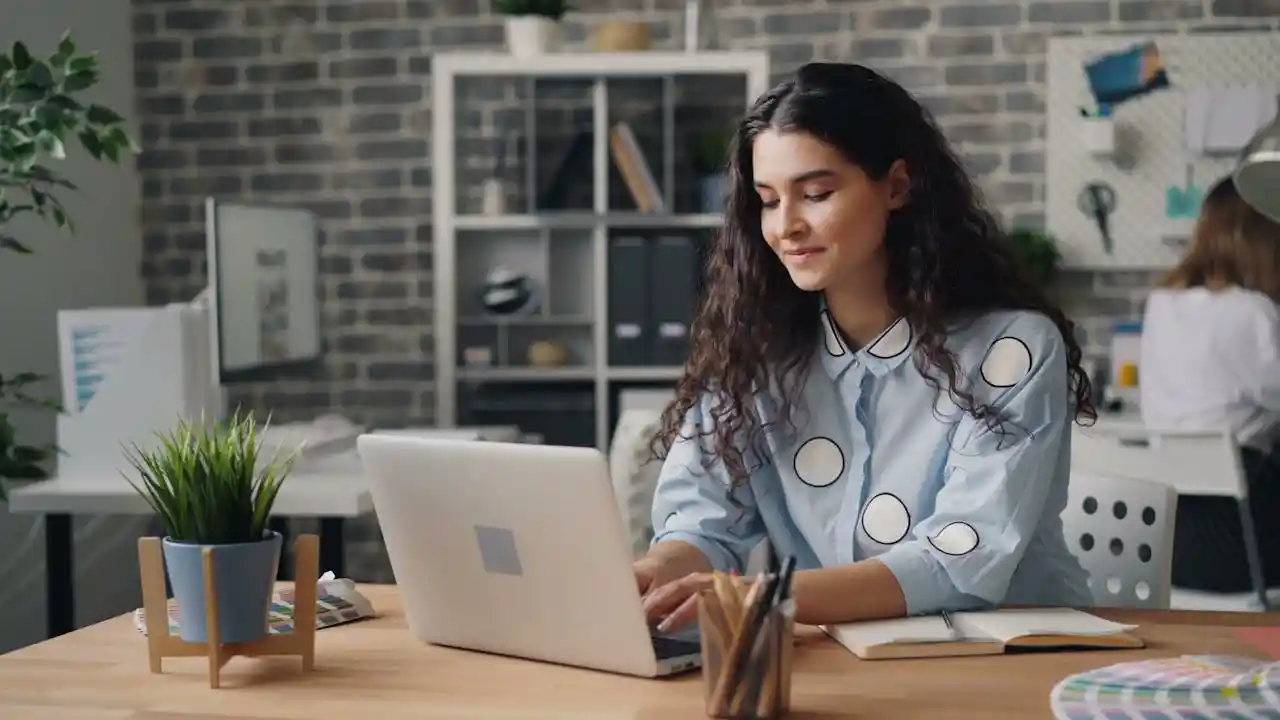
Using AI Tools to Build a Creator Workflow Faster
Replacing the Blank Page: AI for Ideation and Strategy
Most new creators stall before they ever publish. The idea well runs dry, or every angle feels already done. AI tools clear this hurdle fast. A single prompt can turn one broad interest into dozens of sub-topics pulled from what audiences are actually searching for.
The bigger value shows up in strategy. From a single keyword, a full content roadmap starts to take shape:
- Core themes an audience genuinely cares about
- Sub-topics that fit naturally underneath
- Formats that work best for each one
Used this way, AI doesn't replace creative instinct. It removes the stalling that ends most creator journeys before they begin.
Production at Scale: Scripting, Drafting, and Repurposing
Once an idea is locked in, AI speeds up the writing side. A rough outline can turn into a video script in minutes. A long blog post can be cut into ten short captions for different platforms.
The trick is feeding the tool examples of an existing voice, so what comes back sounds personal, not robotic. Done well, this cuts production time in half without making the content feel thin or generic.
Visual Output Without a Design Team
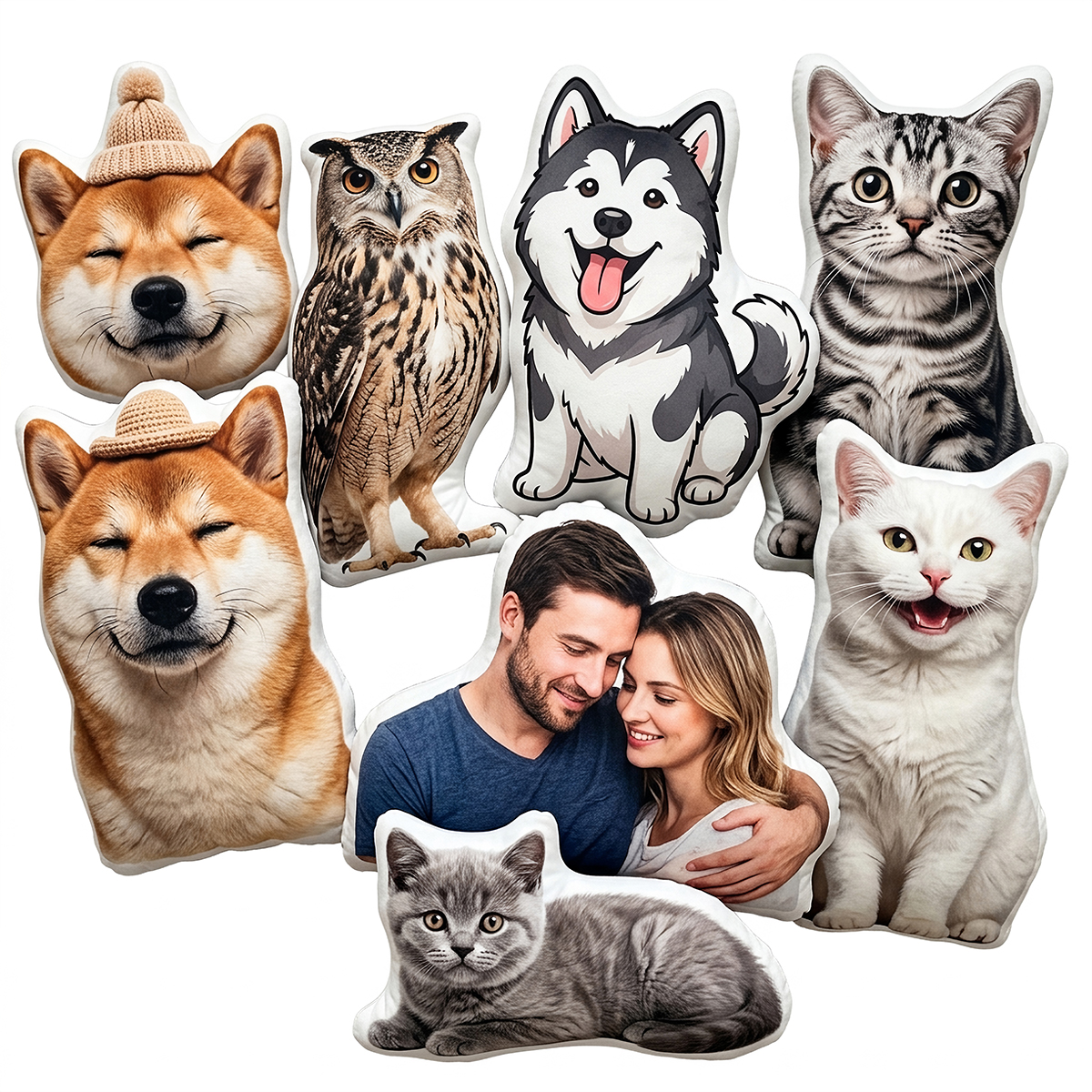
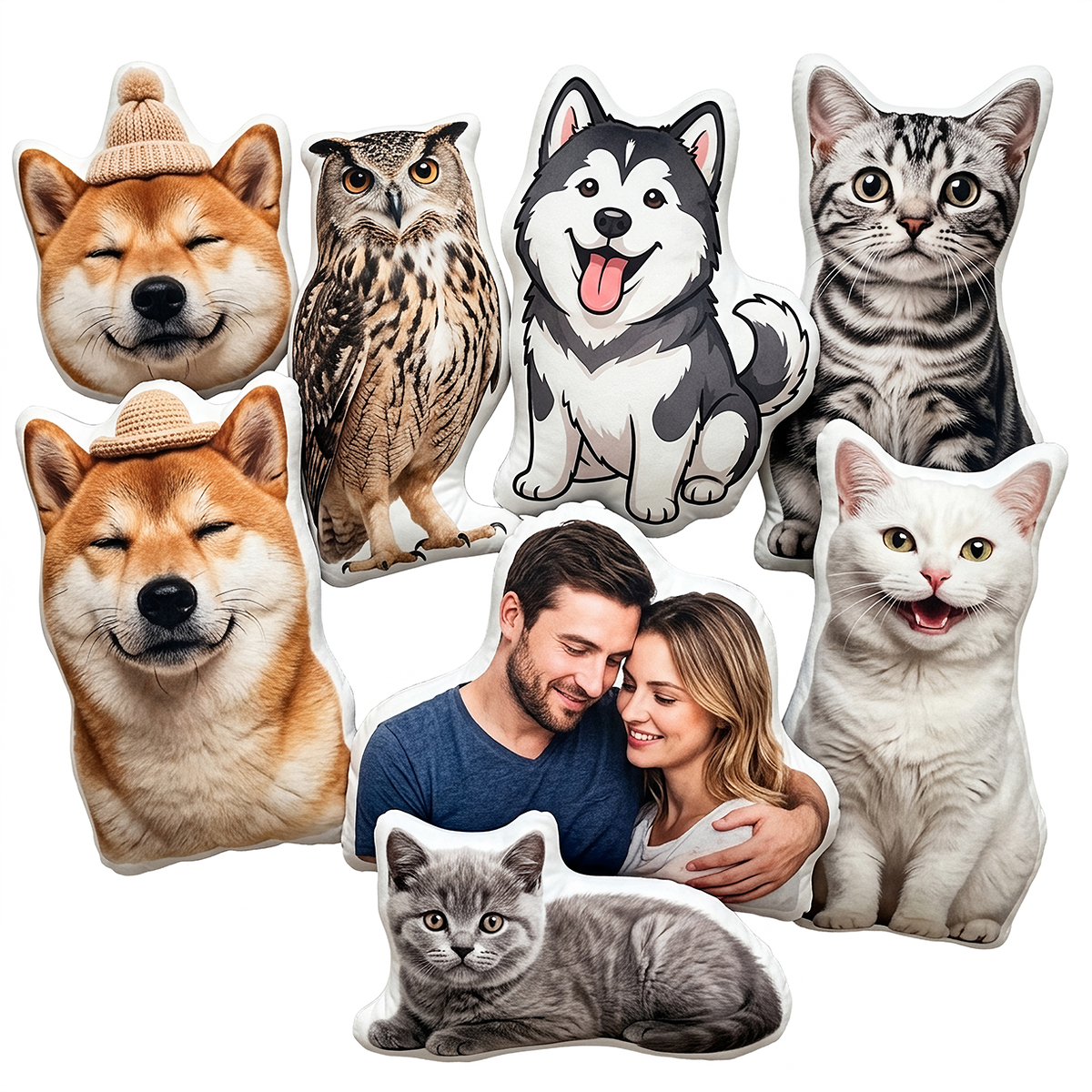
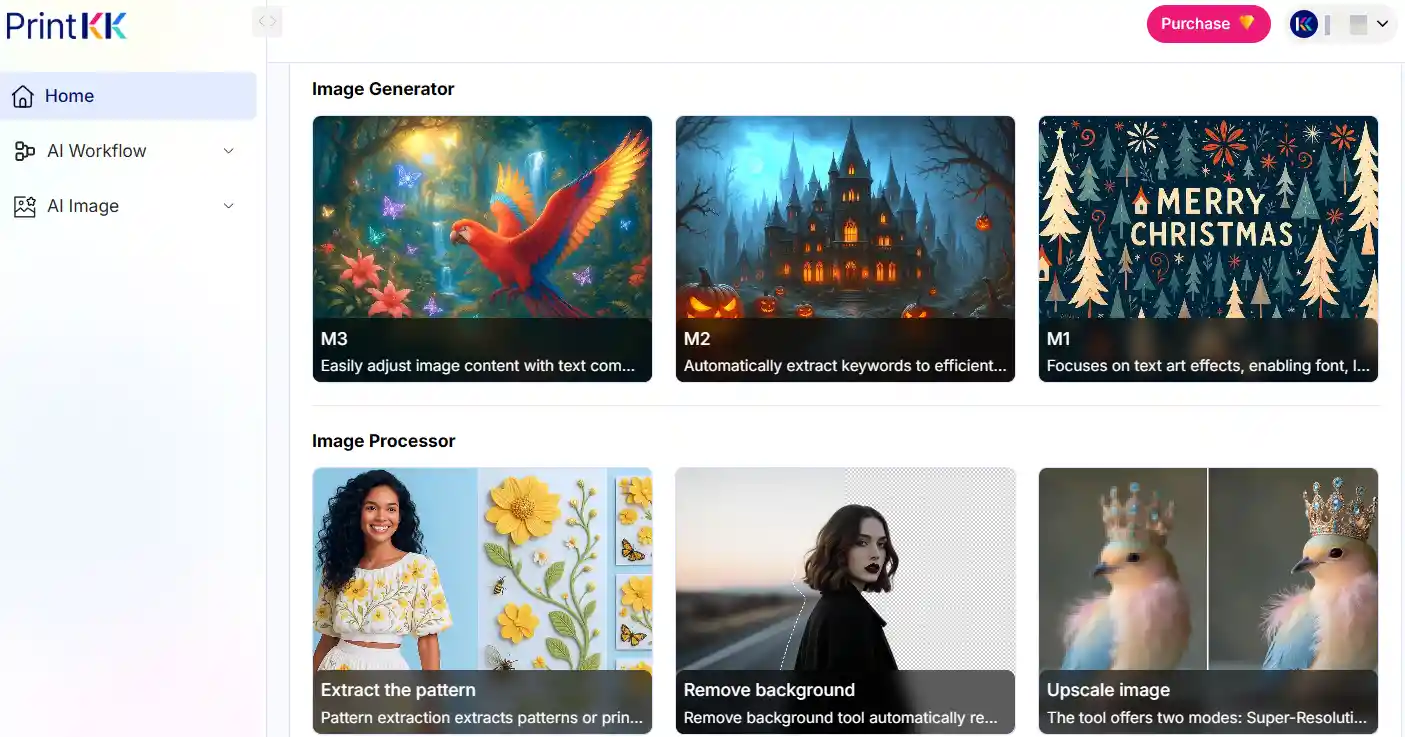
Hiring a designer used to be one of the biggest hurdles for new creators. AI image tools have changed that. A brand color palette and a few reference images can now turn into custom graphics, thumbnails, or mockups for merch.
Before ordering a print-on-demand sample, designs can even be tested as AI-generated previews. This makes the jump from digital creator to product creator a lot less risky.
Distribution Intelligence: Working Smarter After You Publish
Most creators move on the moment a post goes live. That's where AI changes the game. By scanning past content, it can flag the hooks, lengths, and topics that keep landing—turning gut feelings into clear patterns.
One finished video can also be reshaped automatically into a Reel, a TikTok, a Short, and a still post, instead of being rebuilt from scratch each time.
The result is a workflow that keeps learning. Each round of content gets a little sharper, guided by what already worked instead of what felt right.
Read More:
How Do Digital Creators Make Money?
Platform Ad Revenue (The Slowest Path)
Let me be real with you: ad money is overhyped. YouTube pays roughly $2 to $5 per 1,000 views in most niches, and TikTok's Creator Fund is even worse — some creators report earning around 2 cents per 1,000 views.
The creators bragging about "AdSense income" online are usually in finance, tech, or insurance niches where ad rates are 5x higher than normal. If you're in gaming, beauty, or comedy, treat ad revenue as a small bonus, not a plan.
Sponsored Posts (Where Things Get Interesting)
Brand deals are where most mid-sized creators actually pay rent. But the pricing game is weirder than people admit.
A creator with 8,000 super-engaged followers in a specific niche (say, vintage watches) can charge more than someone with 200,000 random lifestyle followers. Here's what brands actually care about:
- Your engagement rate (5%+ is gold)
- How specific your audience is
- Whether your past content looks professional
- If you've worked with similar brands before
One thing nobody mentions: always charge for usage rights separately. If the brand wants to run your video as a paid ad on their own account, that's a second fee — sometimes double the original price.
[[
You don't need a huge following for this to work. I've seen people with 2,000 followers earn more from affiliates than creators with 50,000 earn from sponsorships. The secret? Recommending stuff people are already searching for.
Amazon's commissions are small but its conversion rate is unreal because everyone already has an account and trusts checkout.
For bigger payouts, look at software companies — tools like Notion, Canva, and ConvertKit often pay 20-30% recurring commissions, meaning you earn every month that person stays subscribed.
Digital Products (The Real Game-Changer)
Here's the honest math nobody shares: a $30 template that took you a weekend to build can outearn a year of ad revenue if your audience actually needs it.
The best digital products solve a specific, annoying problem your followers complain about in your comments. Don't guess — read your DMs.
What sells well in 2026:
- Notion systems and dashboards
- AI prompt packs for specific jobs
- Editing presets and LUTs
- Niche-specific spreadsheets (budget trackers, meal planners)
- Short
Avoid the trap of making a giant 20-hour course as your first product. Small, cheap, specific products sell way faster and teach you what your audience actually wants to buy.
Paid Communities and Memberships
This is quietly becoming the smartest income stream of the year. Instead of chasing new followers, you charge your existing fans a small monthly fee for something extra — a private Discord, weekly Q&As, behind-the-scenes content, whatever.
The math is wild: 200 members at $10/month is $24,000 a year, and most of them will stay if you actually show up. Substack, Skool, and Circle are leading this space now. The trick is making members feel like insiders, not customers.
Selling Your Skills Directly
Coaching is the most underrated income stream because creators feel weird charging for their time. Get over it. If you've grown a real account, people will pay you to help them do the same.
A 60-minute strategy call at $150 is doable even with a tiny audience. You only need three clients a week to out-earn most 9-to-5 jobs. Same logic applies to freelance services — editing, ghostwriting, thumbnail design — for creators who'd rather work behind the scenes.
Live Stream Tips and Virtual Gifts
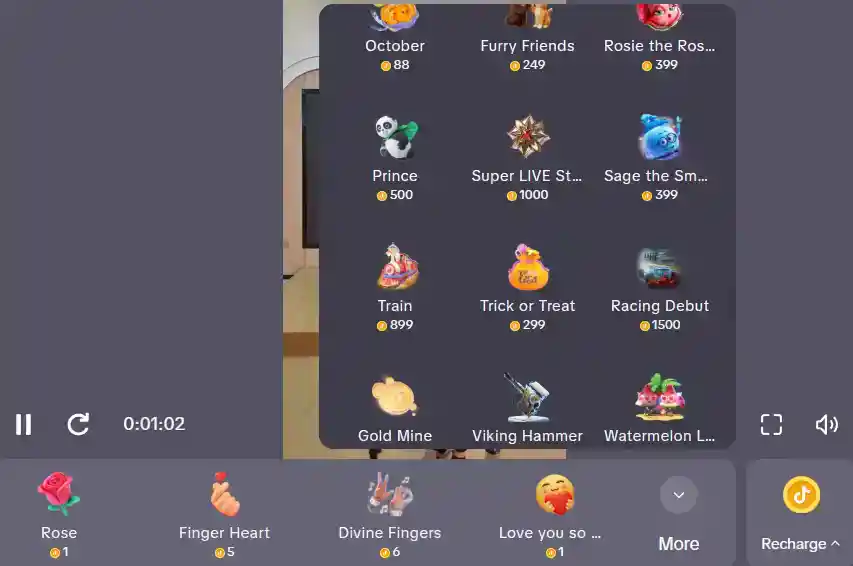
Streaming income is strange. Some people make $30 in a 4-hour stream; others make $3,000. The difference usually isn't viewer count — it's parasocial connection.
Viewers tip people who feel like friends, not performers. If you're naturally chatty and don't mind being on camera for long stretches, Twitch and TikTok Live can outperform every other income stream on this list. If you hate small talk, skip it entirely.
Licensing and Reselling Old Content
Most creators completely forget this exists. That viral clip from two years ago? News networks, ad agencies, and even Netflix documentaries license user content all the time.
Sites like Jukin Media and Newsflare handle this for you. One licensed clip from a viral video can quietly earn you a few hundred to a few thousand dollars while you're working on something new. It's the closest thing to passive income in this whole industry.
Building an Actual Product Brand
This is the long game and it's not for everyone. Launching a physical product (clothing, food, skincare) means inventory, shipping, customer service, and real financial risk.
But the ceiling is much higher than anything else here. MrBeast's Feastables reportedly did over $250 million in revenue. Emma Chamberlain turned coffee into a real business.
The pattern is the same every time: build a deeply loyal audience first, then sell them something they'd buy from you specifically — not just any brand. Skip the audience step and your product launch will flop, no matter how good the design is.
How to Turn Your Creator Brand Into Physical Products (POD)
1. The Strategic Case for Going Physical
Most creators earn through platforms they don't own. Ad rates shift, sponsors come and go, and one algorithm change can cut income in half. Physical products give creators a stream of income that doesn't depend on staying lucky with a feed.
Print-on-demand lowers the barrier. A creator uploads a design, a partner prints and ships it, and the creator keeps the margin — no warehouse, no upfront inventory.
And beyond the money, tangible goods deepen the bond. A clip gets watched once. A tote bag goes to the grocery store every week.
2. Auditing Your Brand Before You Design Anything
Before opening any design tool, study the brand that already exists. Most creators have visual signatures they barely notice — a catchphrase fans quote back, a color palette across thumbnails, a running joke from streams.
Scrolling through comments and DMs is a useful exercise. The words and references that show up again and again are raw material for product ideas.
The goal isn't to guess what fans might like — it's to translate community language into something they can hold.
3. Choosing Products That Align With Your Creator Identity
The match between content and merch matters more than the size of the catalog. Personality-driven and lifestyle creators tend to land well with apparel.
Visual artists and educators often see stronger results with wall art, prints, and stationery. Community-led niches — book clubs, gamers, plant people — often connect through accessories and drinkware like mugs, totes, and stickers.
A common early mistake is launching every category at once. Three or four strong items tied to one clear idea will almost always feel more like a real release than twelve scattered ones.
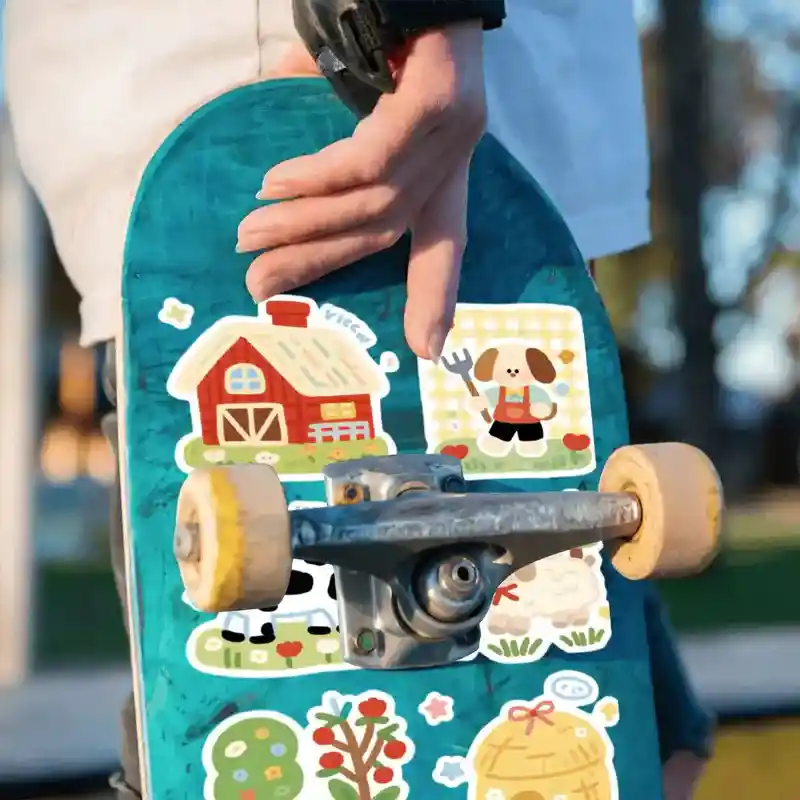
Custom Printed on Demand Epoxy Sticker - Daily Accessories - PrintKK
4. From Design File to Live Store
Artwork should be high resolution, usually 300 DPI, with transparent backgrounds where needed. Colors shift between screen and fabric, so designs often need a cleaner version made just for printing.
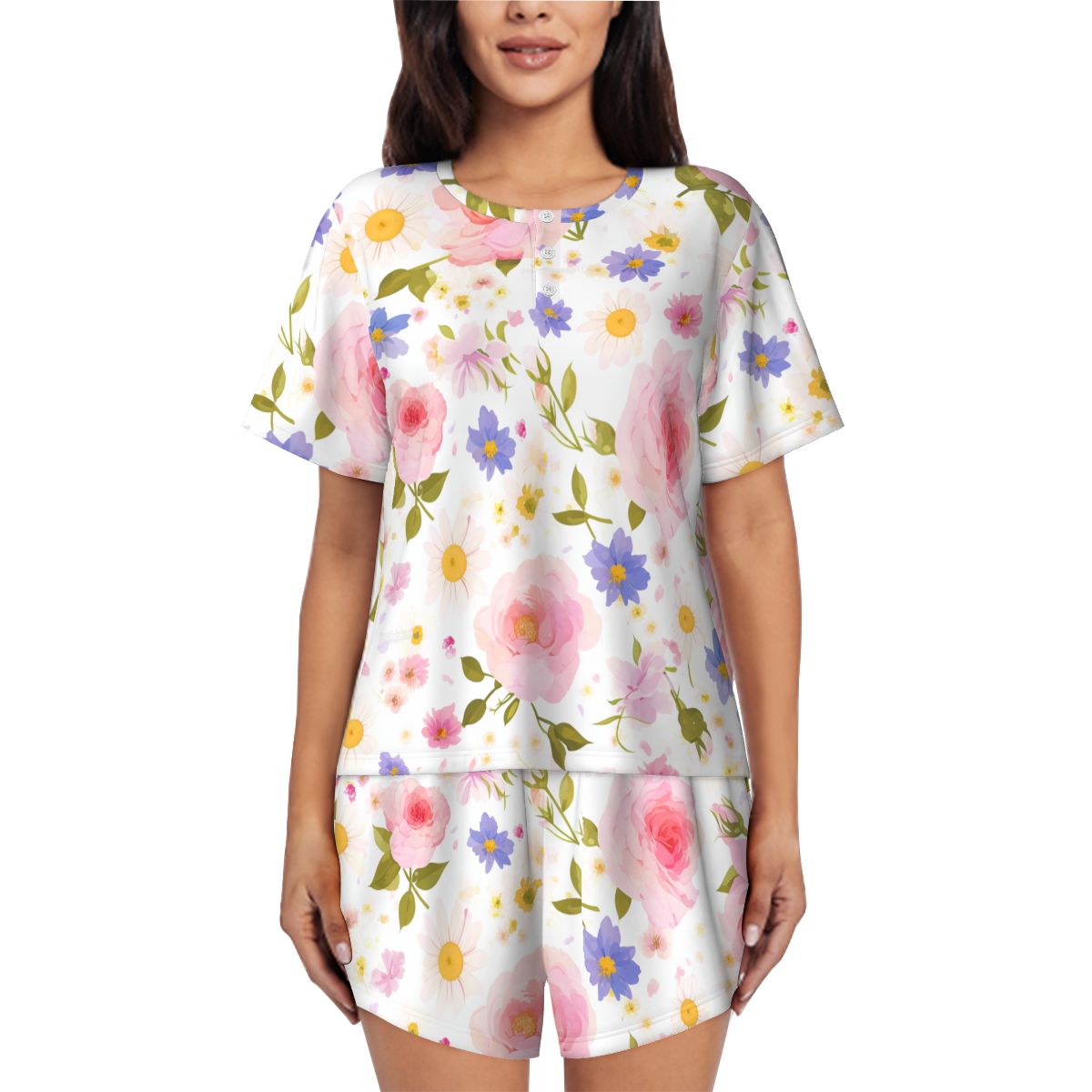
PrintKK offers a wide range of print-on-demand products with global shipping support and competitive pricing, making it a flexible option for creators launching merch brands. Its customization tools and supplier network help simplify the production process for beginners and growing stores alike.
The storefront can live on Shopify, Etsy, or a creator-owned domain, each with its own trade-offs around fees, traffic, and control. Before going public, ordering samples is worth the wait — mockups can hide thin fabric or off colors.
5. Launching With the Audience You Already Have
A creator launching merch isn't starting from zero. The job is bringing the audience along, not dropping a link out of nowhere. Sketches, design decisions, and behind-the-scenes posts double as regular content and build quiet anticipation.
A soft launch shares the store with a smaller group first, like email subscribers, and catches problems early. A public drop creates a sharper moment of buzz.
Waitlists and creator-only perks turn passive viewers into first-time buyers, and a simple follow-up — a thank-you note, a feature post with customer photos — is what turns a single sale into a repeat customer.
Expert Tips
So that's how to become a digital creator without losing your mind in the process. Pick a niche you actually care about. Stay on one platform. Post stuff that helps real people. Talk to your early fans like friends. Then slowly add ways to earn — affiliates, products, sponsorships, whatever fits your style.
You won't blow up in a week. Nobody does. But if you show up, learn as you go, and keep improving, the income will follow. Your only real job right now is to start. Hit record. Write the first post. Open the blank doc.
The creators you admire today were exactly where you are now. Your turn.
FAQs
Can anyone become a digital creator?
Yes. No degree or expensive gear is needed. What matters more is having something useful to share, showing up consistently, and being willing to learn as the work evolves.
How much money do I need to start?
Very little. A smartphone, free editing apps, and a social media account are enough to begin. Most costs come later, when growth calls for better tools or paid services.
What's the average income for a digital creator?
It varies widely. Some earn a few hundred a month, while others pull in six figures. Income depends on niche, audience size, and how many revenue streams a creator builds.
Do I need a big audience before monetizing?
Not really. Smaller audiences with strong engagement often earn more than larger, passive ones. Selling products, taking sponsorships, or offering services can begin with just a few hundred loyal followers.
What is the biggest mistake new creators make?
Quitting too early. Many give up before content has time to find an audience. Steady posting, learning from data, and adjusting along the way usually beats waiting for instant results.


 Global Shipping