





If you're considering selling online, Etsy is likely one of the first platforms you've looked at—especially if you create handmade, customized, or design-driven products.
However, as the platform grows and competition increases, you may be wondering: Is selling on Etsy still worth it today?
This article helps you evaluate Etsy from a practical perspective by breaking down its business model, costs, advantages, and limitations, so you can decide whether the platform aligns with your goals in 2026 and beyond.
What Is Etsy?
Etsy is a global online marketplace that connects people who make, sell, buy, and collect unique items.
Unlike traditional retail platforms, Etsy is centered on handmade, customized, and creative products—items that emphasize originality, personalization, and craftsmanship rather than mass production.
Etsy's Exponential Growth
Etsy's growth over the years has been impressive. From a small niche platform, it has evolved into a major global marketplace. By 2023, Etsy reached a market cap of over $17 billion, ranking among the top online marketplaces worldwide.
The platform's seller base expanded rapidly, with around 7.5 million active sellers in 2021—nearly a 75% increase year over year. At the same time, Etsy attracted over 96 million active buyers, highlighting its strong global appeal.
From a financial standpoint, Etsy generated approximately $2.8 billion in revenue in 2024, reflecting continued year-over-year growth.
While the company faced profitability challenges during this period, its gross merchandise sales remained stable at around $13.3 billion, indicating consistent buyer demand and transaction volume.
For print-on-demand (POD) sellers, Etsy's emphasis on creative, handmade, and personalized products creates a strong market fit.
With a large US-based audience and a high proportion of female entrepreneurs, the platform offers valuable opportunities for artists and POD businesses looking to reach engaged, design-focused customers worldwide.
Pros and Cons of Selling on Etsy
When considering selling on this platform, it's vital to understand the advantages and challenges that come with it.
This analysis aims to provide a balanced view, helping you make an informed decision about whether selling on Etsy aligns with your business goals.
Pros of Selling on Etsy
- Access to a Large Customer Base
Etsy has millions of active buyers globally, offering sellers immediate access to a vast and diverse customer base interested in unique, handmade products.
- Niche Market Appeal
The platform specializes in handmade, vintage, and unique items, attracting customers specifically looking for these types of products.
- User-Friendly Interface
Etsy is known for its easy-to-use interface, both for setting up a shop and managing sales, making it accessible for beginners.
- Community and Support
Etsy provides a strong community of sellers and offers various forums and support groups where you can get advice and share experiences.
- Built-in Analytics Tools
The platform offers tools to track shop performance, helping sellers make data-driven decisions to grow their business.
Cons of Selling on Etsy
- High Competition and Market Saturation
With millions of active sellers, many niches on Etsy have become highly saturated. New shops often struggle to gain visibility, especially without strong SEO knowledge, competitive pricing, or external marketing efforts.
- Rising Fees and Shrinking Profit Margins
Etsy's listing fees, transaction fees, payment processing fees, and offsite advertising fees can significantly reduce profit margins. For low-priced or print-on-demand products, these costs can make scaling more difficult.
- Limited Control Over Your Brand
When selling on Etsy, the platform—not the seller—owns the customer relationship. Branding options are limited, customer data access is restricted, and direct marketing opportunities (such as email lists) are constrained.
- Algorithm Dependency
Shop visibility is heavily influenced by Etsy's search algorithm. Changes to ranking factors, advertising policies, or platform rules can directly impact traffic and sales, often without advance notice.
- Limited Scalability for Some Business Models
While Etsy is excellent for starting out, it may not be ideal for long-term scaling. High-volume sellers may eventually find the platform restrictive compared to running an independent website or multi-channel strategy.
What Can You Sell on Etsy?
- Handmade Items
Custom jewelry, personalized gifts, home decor, and unique art pieces.
- Vintage Goods
Items that are at least 20 years old, including clothing, accessories, and collectibles.
- Craft Supplies
Materials for DIY projects like beads, yarn, and scrapbooking supplies.
- Unique Factory-Manufactured Items
Small-batch productions, innovative gadgets, and novel items that are not widely available.
- Print-on-Demand Products
Customized apparel, accessories, and home decor items that are printed and shipped on demand.
- Digital Products
Digital artwork, printable planners, instructional guides, and templates.
What Can't You Sell on Etsy?
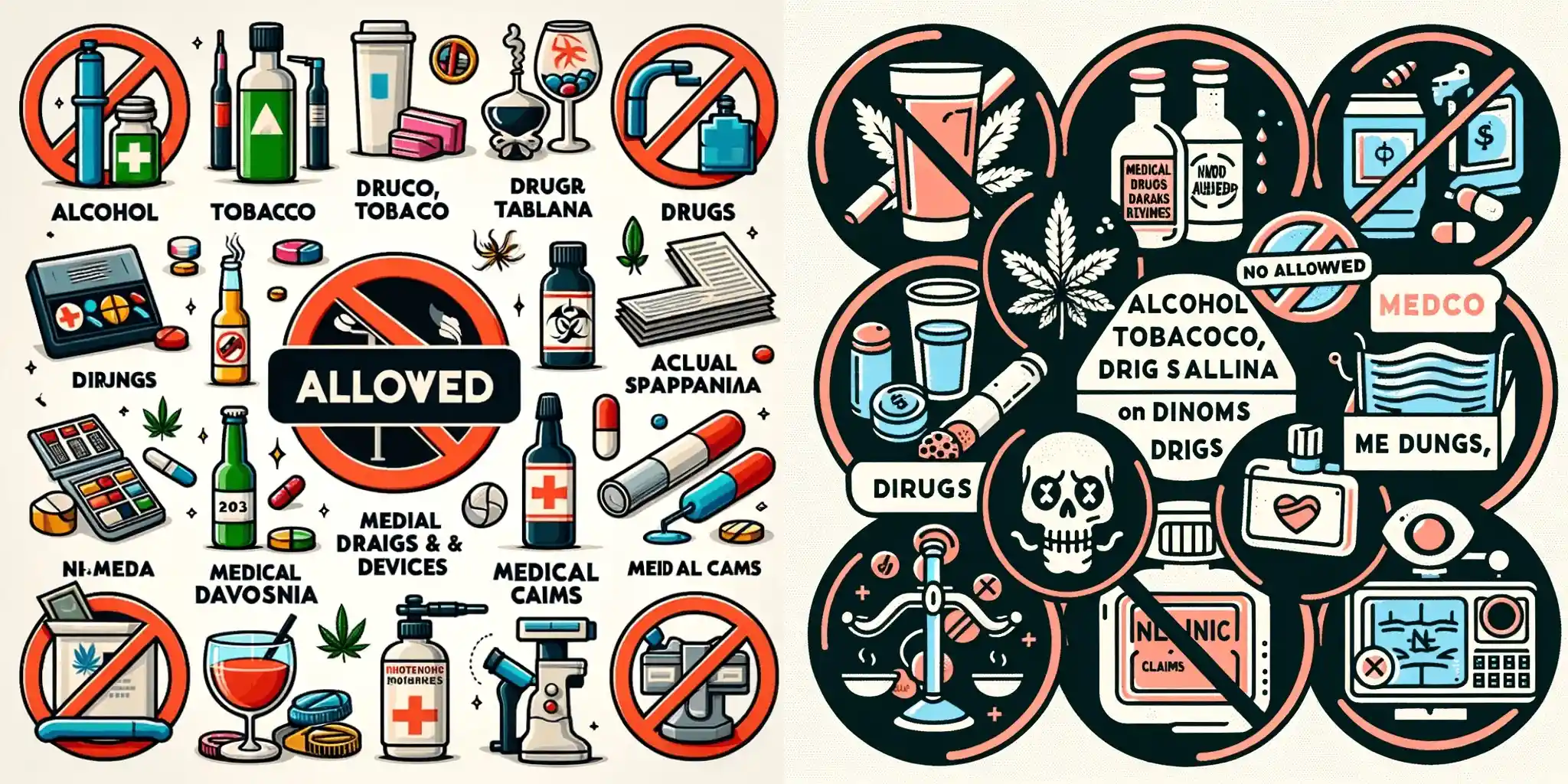
- Alcohol, Tobacco, Drugs
Includes all forms of alcoholic beverages, tobacco products, illicit drugs, and drug paraphernalia.
- Medical Drugs and Devices
Any items that fall under prescription drugs, medical devices, or make unverified medical claims.
- Hazardous Materials
Items that pose a risk to health and safety, such as certain chemicals or explosives.
- Illegal Items or Promoting Illegal Activity
Any goods or services that are illegal or promote illegal activities.
- Hate Items and Discriminatory Goods
Products that promote, support, or glorify hatred and discrimination.
- Highly Regulated Items
Includes certain foods, plants, wildlife products subject to complex legal regulations.
- Counterfeit or Unauthorized Items
Replica or counterfeit items and unauthorized reselling of branded products.
How Much Does It Cost to Sell on Etsy?
For entrepreneurs, small business owners, and creatives exploring the Etsy platform, understanding the cost structure is crucial for financial planning and assessing potential profitability.
- Listing Fees
Etsy charges a $0.20 fee for each item listed on the platform. This fee applies every time an item is listed, whether it's a new listing or relisting an existing product.
- Transaction Fees
When an item sells, Etsy takes a 5% transaction fee on the sale price. This fee is applied to the total cost that the buyer pays, including the item price and any shipping or gift wrapping charges.
- Payment Processing Fees
These fees vary by country and are charged on the total amount of the sale, including tax and shipping. In the United States, for example, the fee is 3% of the total sale price plus $0.25.
- Offsite Ads Fees
Sellers can opt into Etsy's Offsite Ads, which promotes products on various platforms outside Etsy. If a sale is made through these ads, Etsy charges an advertising fee, which is a percentage of the total sale price.
- Subscription Fees (Optional)
Etsy offers an optional subscription service called Etsy Plus, which provides advanced tools and credits for sellers. This subscription costs $10 per month.
It's important to note that these fees are subject to change, and sellers should always check Etsy's official website for the most current information.

How to Start a Successful Business on Etsy in 2026?
Crafting Your Niche
Finding your niche is the first crucial step. Etsy is known for its eclectic mix of unique items, so standing out means offering something that not only fits the platform's ethos but also resonates with a specific audience.
Whether it's bespoke jewelry, custom print-on-demand apparel, vintage collectibles, or handmade home decor, your products should reflect your brand's uniqueness and appeal to Etsy's diverse customer base.
Researching trends, understanding customer preferences, and identifying gaps in the market can help in sculpting your niche.
Setting Up Your Etsy Shop
Once your niche is defined, setting up your shop is the next step. This involves creating a compelling shop name, designing an attractive storefront, and ensuring your product listings are detailed and SEO-friendly.
High-quality images, engaging product descriptions, and the right keywords play a significant role in attracting potential customers. Additionally, integrating your print-on-demand services with Etsy streamlines the process, allowing you to focus more on design and marketing.
Building Your Brand and Customer Base
Developing a strong brand identity and building a loyal customer base are vital for long-term success. Utilize Etsy's tools for promotion, like sales events and Etsy Ads, to increase visibility.
Engaging with your customers through excellent customer service, gathering feedback, and maintaining a strong online presence on social media platforms will help establish your brand's reputation. Remember, repeat customers and positive reviews are powerful endorsements on Etsy.
Navigating Etsy's Marketplace in 2026
Staying informed about Etsy's evolving marketplace is crucial. This includes staying updated with Etsy's policies, fee structures, and any new features or tools that Etsy may introduce.
Keeping abreast of market trends and adapting your strategy accordingly will ensure that your business remains relevant and competitive in the ever-evolving online marketplace.
Is Selling on Etsy Worth It?
Whether selling on Etsy is worth it in 2026 depends largely on a seller's expectations, strategy, and ability to adapt to the platform's competitive environment.
Search Visibility and Platform Dependence
Success on Etsy is closely tied to mastering its search algorithm. Strong SEO, high-quality product photography, and optimized listings are essential for visibility. Without these, even well-designed products may struggle to gain traction.
Time and Patience Required for Growth
Etsy is not a platform for overnight success. Most profitable shops grow gradually, often starting as side projects. Sellers who are willing to test products, refine listings, and build momentum over time are more likely to succeed.
Fees vs Built-in Traffic
While Etsy charges multiple fees, many sellers find the platform's built-in traffic and buyer trust justify the cost. However, these fees must be carefully factored into pricing, especially for low-margin or print-on-demand products.
Competitive and Saturated Marketplace
Etsy's popularity means intense competition across many niches. Standing out requires clear differentiation, branding, and sometimes external traffic from social media platforms such as Instagram or TikTok.
Overall, selling on Etsy can be worth it for sellers who treat it as a long-term business, understand the platform's limitations, and actively work to differentiate themselves in a crowded marketplace.
Why Are More and More People Stopping Selling on Etsy?
It now hosts millions of active sellers, which can dilute visibility for individual shops. This surge in sellers means that new entrants may struggle to get their products noticed without significant marketing efforts or unique offerings.
Changes in Etsy's fee structure have also played a part. Recent adjustments have seen increases in transaction fees and the introduction of mandatory advertising fees for sellers making over a certain amount in sales. These changes can erode profit margins, making it less financially viable for smaller shops or those with lower price points.
When to Choose to Sell on Your Own Website Instead of Etsy?
For those with a growing customer base and a unique brand identity, shifting sales to a personal website can be a strategic step forward. Owning your website allows you to escape the confines of Etsy's fees and direct competition with similar products, which can enhance your profit margins and brand visibility.
An independent website provides the freedom to customize your marketing strategies and customer experience without platform constraints, offering promotions, and gathering insightful customer data to refine your products and services. This level of customization helps in building a loyal customer base and enhances direct communication with your customers.
This initiative is most beneficial when you have the resources and knowledge to manage the complexities of running a website, including SEO, payment processing, and security. When you build a strong brand that people recognize and search for, traffic will shift from marketplaces like Etsy to your specialized stores.

5 Etsy Alternatives for Your Online Store
For entrepreneurs, small business owners, designers, artists, and other creatives, diversifying sales channels is a strategic approach to business.
While Etsy is a popular choice, exploring alternatives can open up new opportunities and audiences.
Here's a look at some notable platforms that serve as alternatives to Etsy, each with its unique features and audience.
Shopify

Ideal for those wanting complete control over their online store's look and feel. Offers extensive customization and branding options.
Amazon Handmade
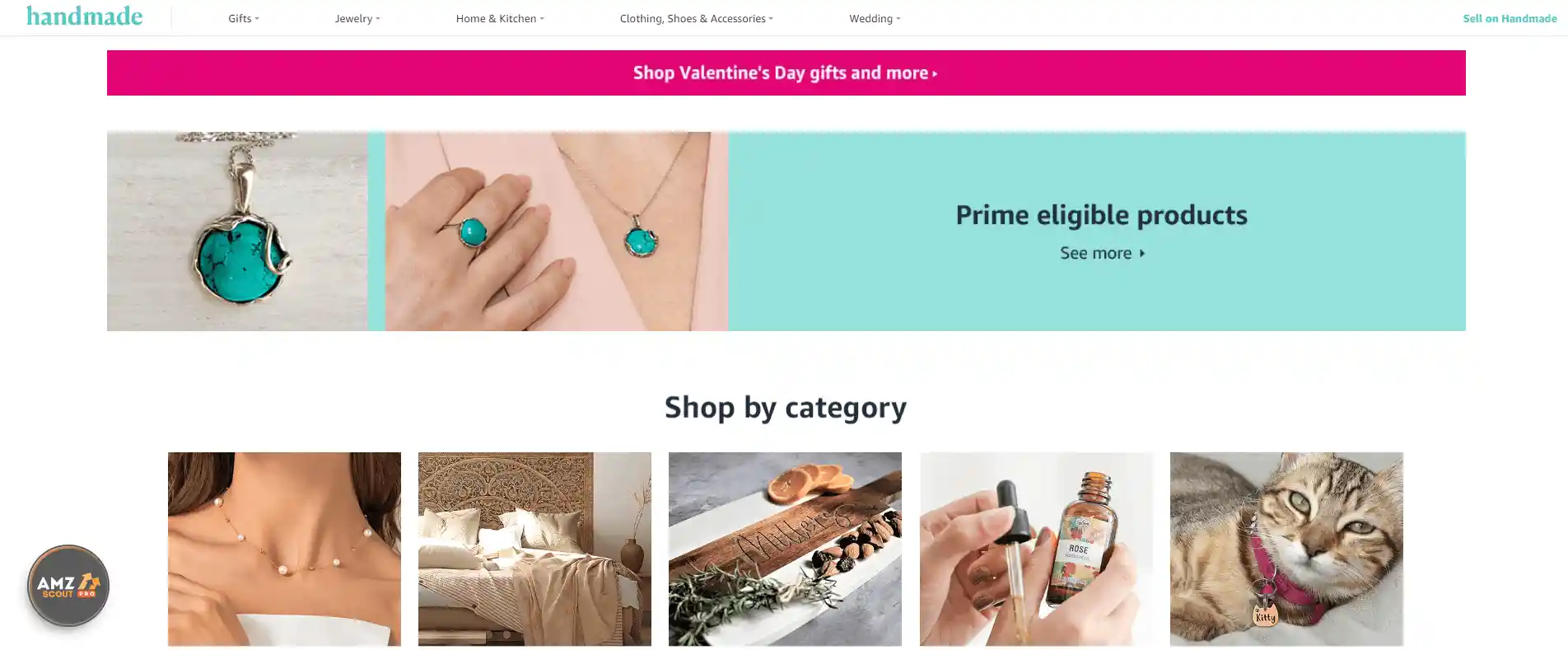
Targets a vast customer base and is suitable for artisans looking to tap into Amazon's extensive reach.
Big Cartel
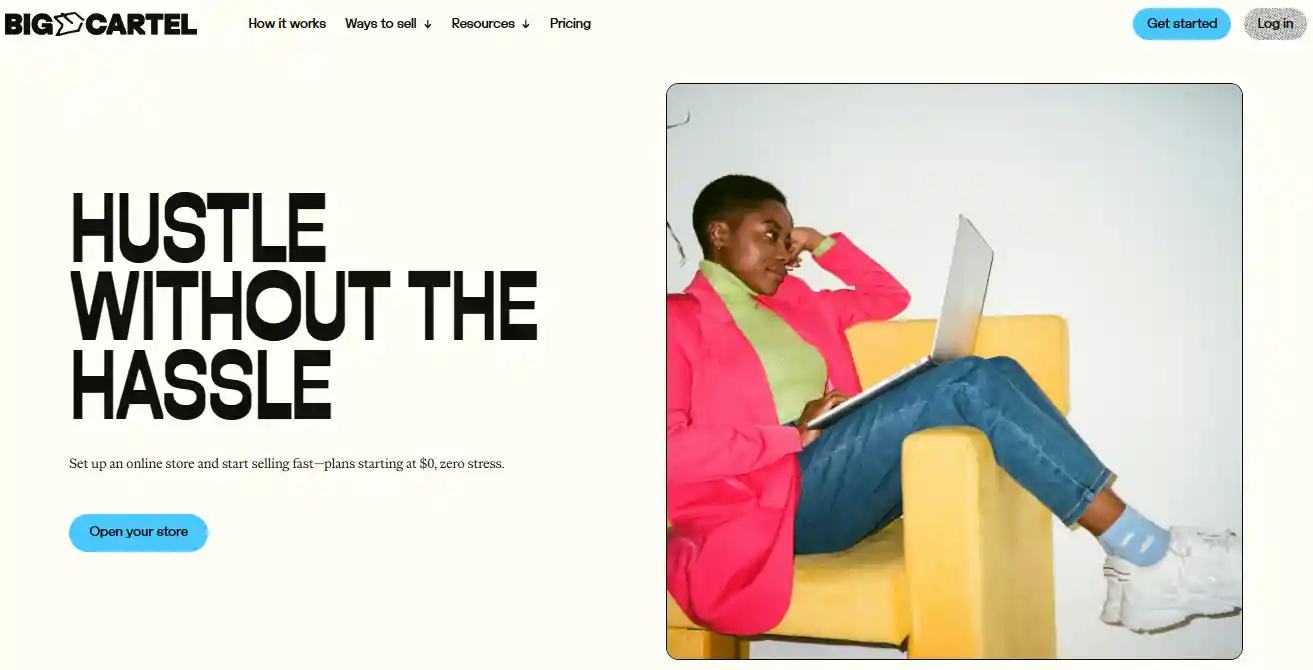
Favoured by artists and makers for its simplicity and artist-friendly tools. It's particularly good for independent artists and small-scale sellers.
eBay
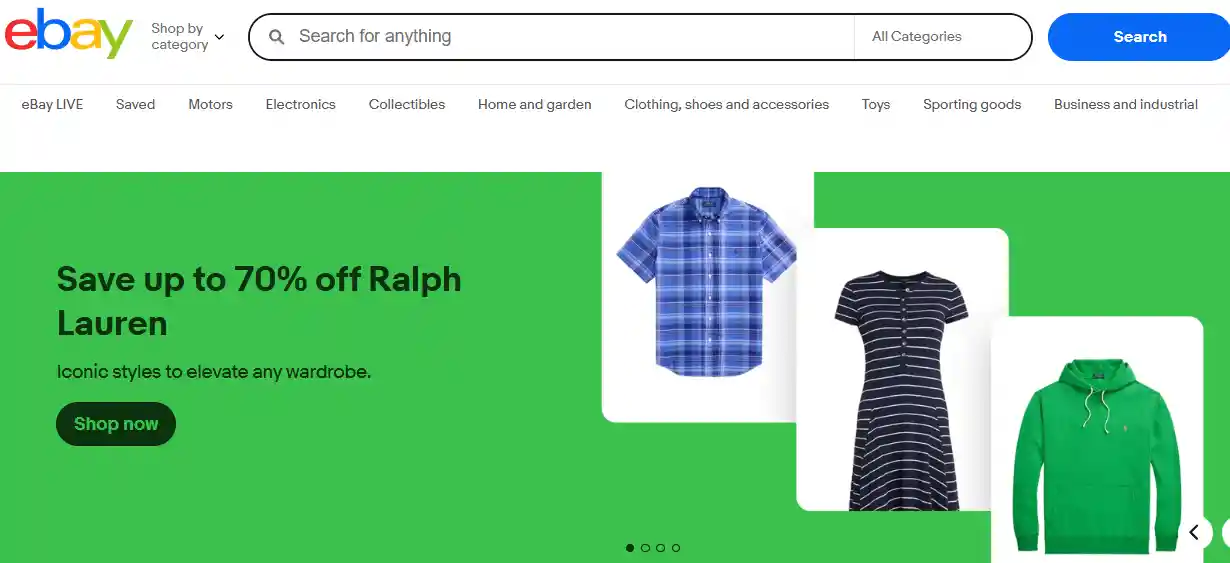
Offers a massive, diverse marketplace. Suitable for sellers looking to reach a broad audience with both auction-style and fixed-price listings.
Squarespace

Ideal for sellers who prioritize design and aesthetics. Offers beautiful templates and is excellent for visually-oriented products.
PrintKK Makes Your Store More Competitive
Leveraging a platform like PrintKK can significantly enhance the competitiveness of your Etsy store. This advanced print-on-demand service provides a seamless integration with Etsy, allowing you to offer a wider range of customized products without the need for inventory.
PrintKK's technology enables you to rapidly design and prototype new products, from custom t-shirts to unique home decor, which can help you quickly respond to market trends and customer preferences. This capability ensures that your store remains relevant and appealing to shoppers looking for personalized items.
PrintKK helps streamline your operations by handling all aspects of production, from printing to shipping. This not only saves you valuable time but also reduces the costs associated with managing physical inventory and logistics. With PrintKK, you can focus more on designing and marketing your products while relying on their robust fulfillment system to satisfy customer orders efficiently.
Expert Tips
Selling on Etsy can be worth it if you understand what the platform offers—and what it doesn't. Etsy gives you access to a large, engaged audience and built-in trust, making it a strong option if you sell unique, handmade, or personalized products.
At the same time, you'll face growing competition, rising fees, and limited control over branding and customer relationships. To succeed, you need patience, consistent optimization, and a clear strategy rather than expecting quick results.
Etsy works best when you treat it as part of a long-term plan. By understanding when Etsy supports your growth—and when it limits it—you can make smarter decisions for your online business.
FAQs
Is it hard selling on Etsy?
Yes, selling on Etsy can be challenging because competition is high, but it is manageable if you choose a clear niche, learn basic SEO, and consistently improve your listings over time.
How much time does it take to sell on Etsy?
It often takes a few weeks or several months to make your first sale on Etsy, depending on demand, pricing, product quality, and how active you are with optimization and promotion.
How much is an Etsy shop per month?
An Etsy shop has no fixed monthly cost, but most sellers spend money on listing fees, transaction fees, payment processing, and optional services like Etsy Plus or advertising.
How much does the average Etsy seller make?
The average Etsy seller earns a modest income, often a few hundred dollars per month, while top sellers earn much more. Your results depend on niche, effort, pricing, and consistency.
Is it better to sell on Amazon or Etsy?
Amazon suits high-volume, standardized products, while Etsy works better for handmade, creative, or personalized items. If branding and uniqueness matter to you, Etsy is often the better fit.
Who pays for Etsy's shipping costs?
On Etsy, sellers usually pay shipping costs, but you can include them in product prices or offer free shipping. Buyers ultimately cover shipping through the total amount they pay.

 Global Shipping

 Made in USA
 Free shipping