





When it comes to sewing, crafting, or even shopping for home décor, the terms textile vs fabric often appear, sometimes interchangeably.
But are they really the same, or do subtle differences affect your projects and choices?
Understanding these distinctions can help sewists, designers, and consumers make informed decisions—whether you're picking materials for a new outfit, a DIY project, or just curious about what you're buying.
In this article, we'll explore the differences between textiles and fabrics, and provide practical tips for using them effectively in real-world applications.
What Does Fabric Mean?
When you think about fabric, picture the actual material you touch and use every day.
You walk into a fabric store and see rolls of cotton, linen, or polyester ready for sewing—that is fabric. It is the flat, flexible sheet made by weaving, knitting, or bonding fibers together.
After the basic sheet forms, makers often dye it, print patterns on it, or add finishes to make it softer, stronger, or water-resistant.
This makes fabric the finished product you choose for a specific job. You pick a light, flowing one for a summer dress or a thick, tough one for upholstery.
In short, fabric is the ready-to-use material you buy and work with, not the raw fibers or unfinished stages.
What Does Textile Mean?
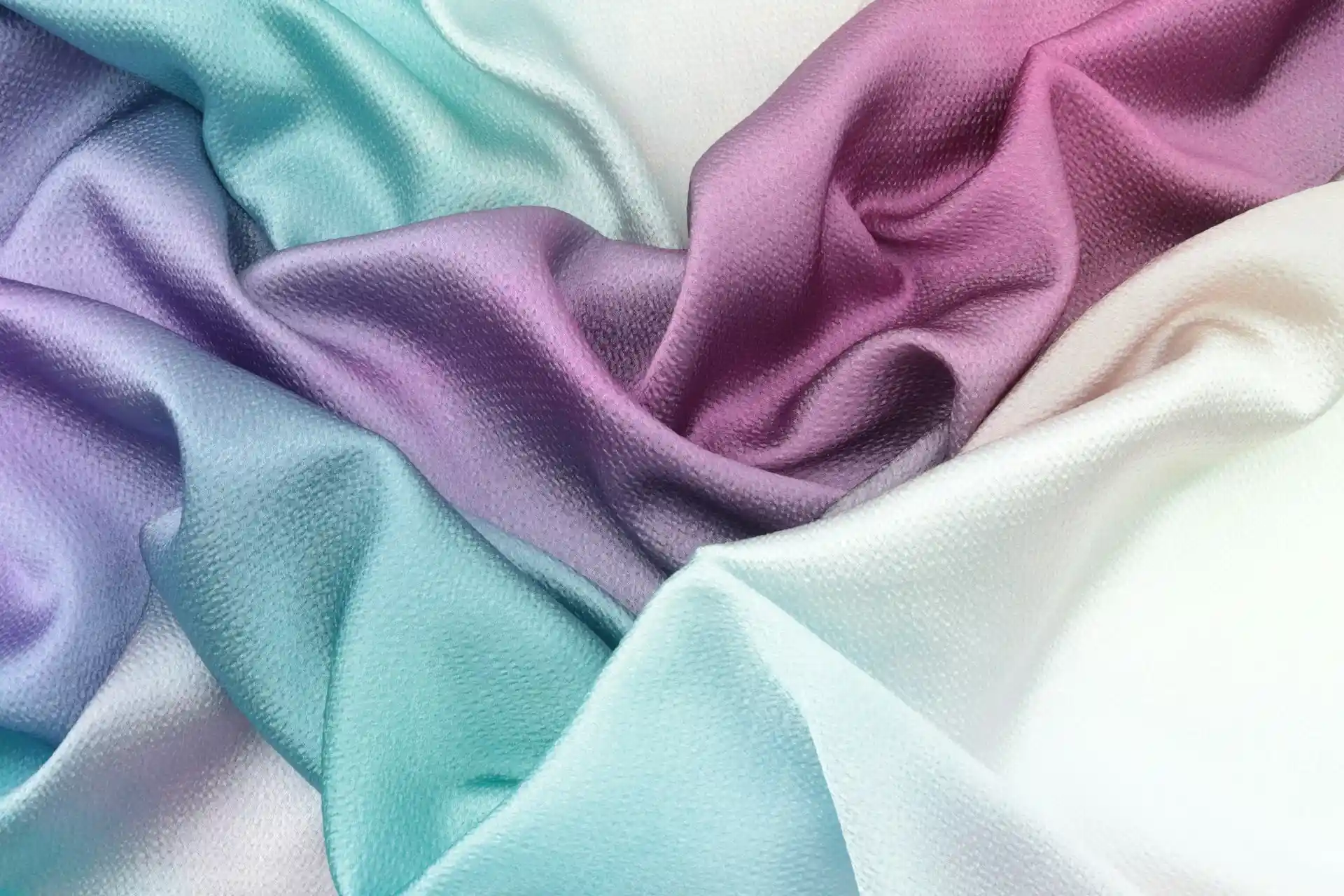
You often see the word textile on labels or in stores, but it covers more than just clothes. A textile is any material made from fibers that have been spun into yarn and then woven, knitted, or felted. This process turns loose fibers into flexible sheets.
Think about the towel you dry off with or the carpet under your feet—those are textiles. The term focuses on the raw, processed material before it gets cut or shaped into final products.
Knowing this difference matters when you buy or make things. Textiles include unfinished rolls used in factories, while fabrics are ready for your projects. This helps you understand quality and choose materials that last longer in real use.
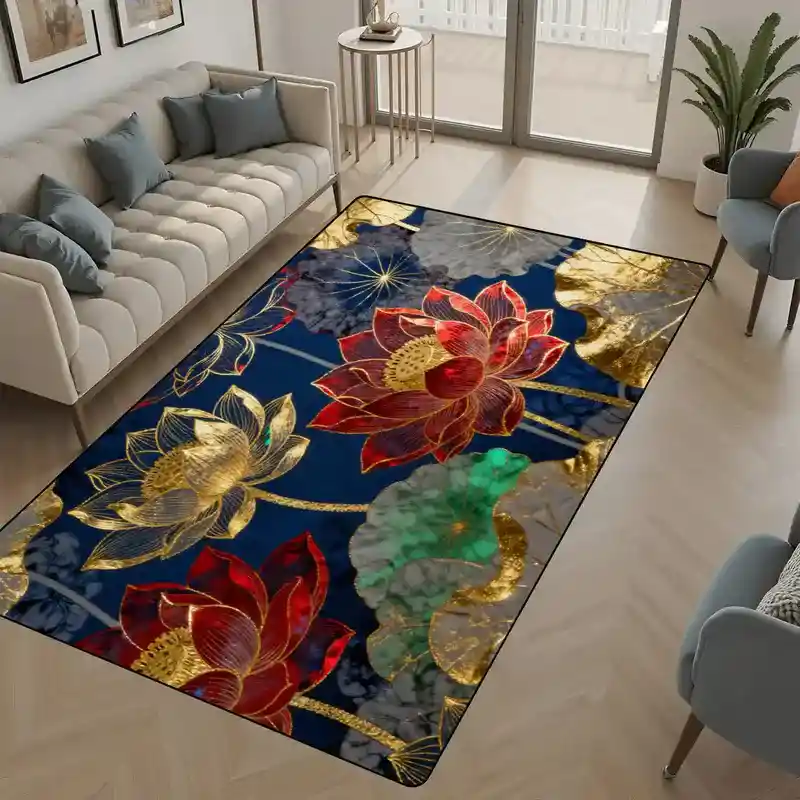
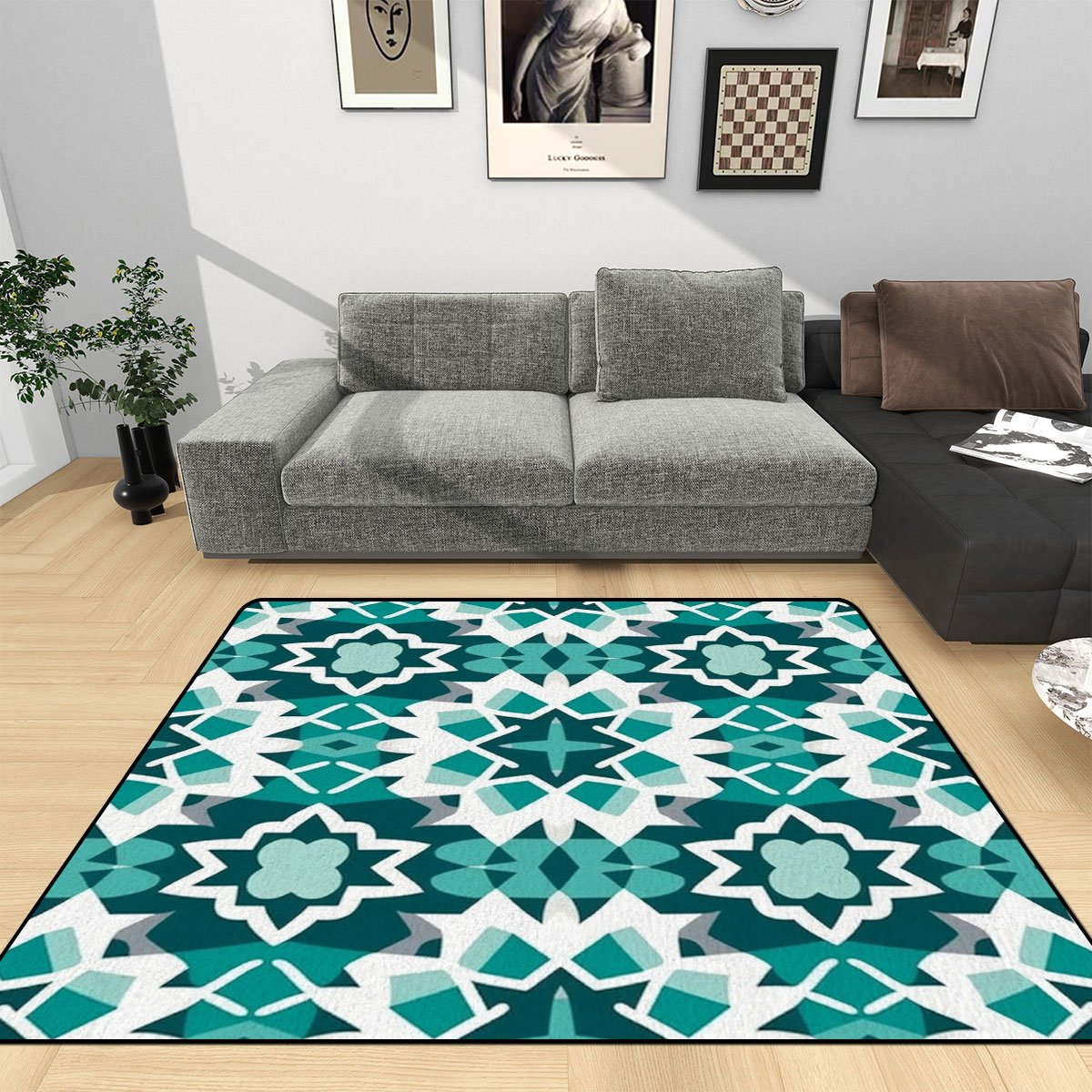
Print on Demand Multiple Sizes Widened Runner Rug - Home Decor - PrintKK
Are Fabric and Textile the Same Thing?
You might think fabric and textile are the same, but they are not exactly alike.
Fabric is a type of textile that you usually use for sewing or making finished products. Textile is a broader term. It includes fabric but also materials like thread, nets, and other items made from fibers.
When you are buying or working with materials, it helps to know the difference. If someone says textile, they could mean any fiber-based material.
If they say fabric, they usually mean something you can cut and sew into a garment or project. Understanding this can help you make better choices for your work.
Textile vs Fabric: Exploring the Differences
Scope and Definition
Textile
You see textile as the larger umbrella term. It covers any material made from fibers or yarns, no matter how they connect. This includes woven items, knitted ones, felted products, or even non-woven types like bonded sheets.
Textiles start from raw fibers and go through many stages. Knowing this helps you grasp why labels or industries use "textile" for a wide range of products beyond just clothes.
Fabric
Fabric points to a specific type within textiles. You deal with it as the flat, flexible sheet ready for cutting and sewing.
It usually comes from weaving or knitting yarns into a structured form. Fabrics often get finishes like dyeing. This makes fabric the go-to choice when you need material for a dress or curtains.
Production Methods
Textile
Textiles form in many ways when you look closely. Weaving crosses yarns at angles. Knitting loops them together.
You also find felting, bonding, or braiding for ropes and nets. These methods create diverse products. Understanding them lets you see why some items hold shapes better or serve industrial needs.
Fabric
You create fabric mainly through structured processes. Weaving gives strong, stable sheets. Knitting adds stretch for comfort.
Makers then add dyes, prints, or coatings. This step turns basic material into something usable. It helps you pick the right one for projects that need specific feels or looks.
Everyday Uses and Applications
Textile
Textiles reach far beyond clothing in your daily life. You find them in medical supplies like bandages, car seats, or soil stabilizers for building.
They also make carpets, filters, and protective gear. This wide range means textiles solve problems in many fields. It clears up why some products feel different from sewing materials.
Fabric
You use fabric mostly for end products you touch. Think shirts, upholstery, or bed sheets. It focuses on apparel and home items that need to drape or hold up well.
Fabrics suit sewing and crafting directly. This focus makes shopping easier when you want material for a quilt or outfit.

Why the Distinction Matters to You
Textile
Seeing the broader scope of textiles helps when you read labels or news about the industry. It includes unfinished items or technical uses.
You avoid mix-ups in stores or contracts. This knowledge guides better choices for eco-friendly or specialized needs.
Fabric
Fabric stays practical for your hands-on work. You buy and cut it for specific tasks. Knowing it as the finished sheet prevents buying wrong materials. It leads to better results in sewing or design projects you tackle.
Textile vs Fabric: Practical Applications
Textile Applications
- Clothing production: Textiles are used in early garment design and manufacturing. You work with fibers or yarns before they become finished fabric.
- Medical materials: Textiles appear in bandages, surgical masks, and other healthcare products at different processing stages.
- Industrial uses: You find textiles in geotextiles, filtration systems, and construction materials. They are often raw or semi-processed.
- Research and development: Textiles help you test textures, strength, and durability before final production.
Fabric Applications
- Garments: Fabric is ready for you to cut and sew into shirts, dresses, or uniforms. Finished fabric ensures predictable behavior in stitching and draping.
- Home textiles: You can use fabric for curtains, pillow covers, upholstery, and table linens without extra processing.
- Crafting and DIY projects: Fabric allows you to make bags, decorations, or handmade items directly. Its stability saves you time.
- Industrial covers and protection: Some fabrics, like canvas or coated textiles, are used for tents, tarps, or protective covers.
Fabric vs Cloth vs Textile vs Material: Understanding the Difference
When you look at sewing and materials, you may see the words fabric, cloth, textile, and material used interchangeably, but each has its own nuance. Fabric refers to cloth or other material produced by weaving or knitting fibers. It is usually ready to use for sewing or crafting projects.
Cloth often refers to a finished piece of fabric. For example, a dishcloth or a handkerchief is considered cloth. You can also use it more generally to describe pieces of fabric you buy for specific tasks. The term emphasizes the final, usable form rather than the production process.
Textile is broader and often refers to the industry as well as the material itself. You can think of textiles as any material made from interlacing fibers, including carpets, geotextiles, yarns, or even metal mesh. Fabrics are a type of textile, but not all textiles become fabric. Textiles often involve the production and finishing stages before they are ready to be called fabric.
Material is the most general term. Anything that can be used to make things, such as wood, steel, glue, or fabric, falls under this category. When someone says they are buying materials for sewing, they may mean fabric, thread, zippers, or other components.
Regional differences also affect usage. In Canadian English, people commonly say fabric or material when talking about sewing, while textile is less common in everyday conversation.
Historical and dialectical variations exist too, with older terms like "stuff" sometimes used to mean cloth. Understanding these distinctions helps you choose the right word for the context, whether you are buying, crafting, or discussing materials.
Read More:
- Tri-Blend vs Cotton: Which Is the Best Fabric for T-Shirt?
- Fleece vs Sherpa: What's the Difference in Comfort and Use
Smart Fabric Choices for Sewists and Consumers
Understanding the Terms
When you shop for sewing projects, it helps to know what the labels mean. Textile is a broad term that can include fabrics, meshes, and industrial materials.
Fabric refers specifically to materials ready for sewing. Cloth usually means a finished piece, like a handkerchief or dishcloth. Material can include anything used in crafting, such as fabric, thread, or zippers.
Knowing these differences makes it easier to understand store tags, tutorials, and project guides.
Practical Implications When Buying
Not every label that says textile or material means pure fabric. You need to check the fiber content, like cotton, silk, or synthetic blends.
Pay attention to quality indicators such as the type of fiber, weave, thickness, and how it feels to the touch. Choosing the right material ensures that it fits your project's durability needs and intended use.
Matching Fabric to Your Project
Consider fabric weight and type. Thin and soft fabrics work well for clothes, while thicker or stiffer fabrics are better for accessories or home items.
Durability and care are important too—you need fabrics that can withstand washing, avoid shrinking, fading, or losing shape. Special properties like elasticity, breathability, or waterproofing can also affect your project. Industrial textiles or specialty threads may be useful in some designs.
Common Mistakes and How to Avoid Them
Confusing textile, fabric, cloth, and material can lead you to buy the wrong product. Ignoring labels or care instructions may ruin your project.
Make sure the fabric properties match your project's strength and flexibility, such as stretch, weight, and finish, before purchasing.
Practical Tips for Sewists and Consumers
Read labels carefully to understand fiber content and care requirements. Touch and test fabrics to feel their texture and weight.
Consider your project's purpose, durability, and maintenance before buying. Testing with sample pieces helps you see how the fabric behaves during sewing and washing, reducing mistakes and saving materials.
Expert Tips
Understanding the difference between textile vs fabric helps you make smarter choices. You can identify the right materials for your projects. Textiles cover a wide range of materials, while fabric refers to what is ready for use. Knowing this allows you to plan, buy, and work efficiently.
Pay attention to labels, feel the material, and match it to your project needs. Consider weight, durability, and care requirements. This knowledge saves time and reduces mistakes.
By keeping these points in mind, you can confidently select the best fabric for any project. Your work will be easier, and the results more satisfying.
FAQs
Is fabric considered a textile?
Yes, fabric counts as a type of textile. Textiles cover all fiber-based materials, while fabric refers to the woven or knitted kinds you use for sewing clothes or home items.
What is an example of a fabric or textile?
Cotton denim makes a good fabric example for jeans. A broader textile example includes carpet yarn or the strong mesh used in backpacks for extra support.
Is textile medium the same as fabric medium?
No, they differ. Textile medium includes any fiber material in art, like felt or yarn. Fabric medium usually means prepared cloth ready for painting or printing projects.
What is textile also known as?
Textile goes by names like cloth in everyday talk or material in stores. In industry, people call it woven goods or simply fiber products based on use.

 Global Shipping